The rapid growth of artificial intelligence (AI) technologies is facing new challenges. In the US and UK, local communities are opposing the construction of data centers. These centers are crucial for powering AI systems. The issue goes beyond technology; it involves local politics, environmental concerns, and economic impacts.
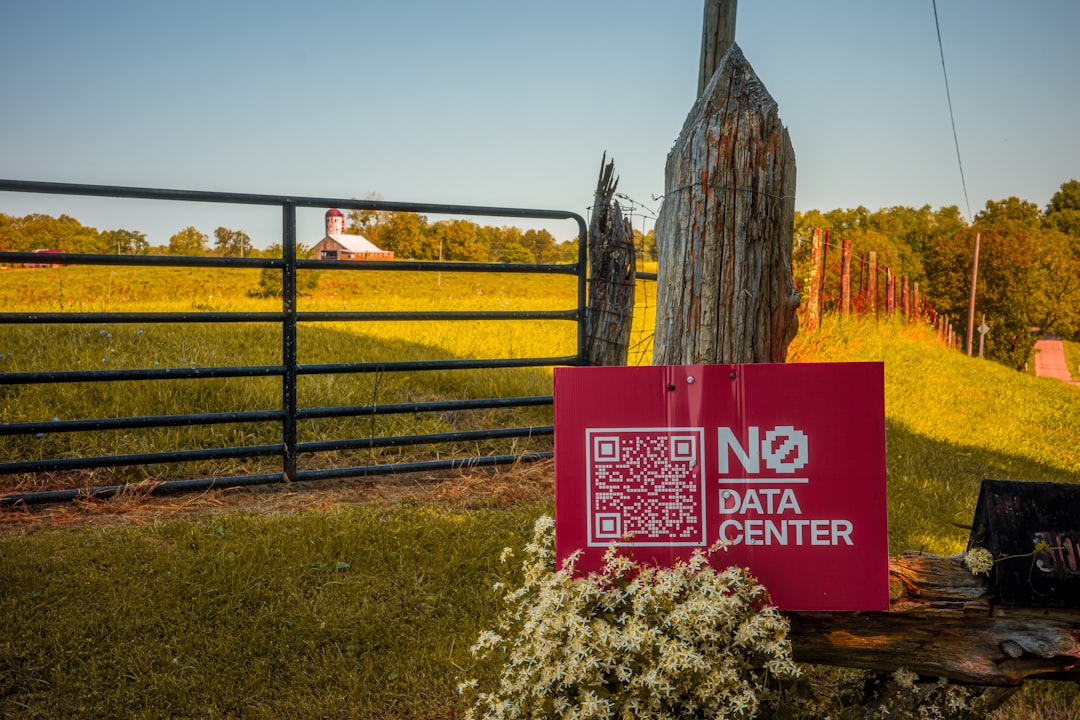
In the US, the backlash against data centers is intense. Polls show that many Americans do not want new data centers in their neighborhoods. A Gallup poll found that 71% of respondents opposed these constructions. They worry about rising electricity costs and environmental damage. This concern is also present in the UK, where communities are alarmed about the effects of data centers on local resources. A recent BBC News report notes that this opposition is becoming a major political issue, potentially affecting mid-term elections as local governments consider the implications of these facilities.
Environmental and Economic Concerns Drive Local Opposition
As AI technology grows, the energy needs of data centers are becoming a major concern. These facilities require large amounts of electricity and water, leading to increased scrutiny from local residents. In the UK, the Labour government has classified data centers as Critical National Infrastructure. This aims to speed up their development to boost economic growth. However, this has led to protests from residents worried about environmental costs. The Guardian reported that communities fear these centers contribute to climate change. Local activists argue that the carbon footprint of data centers conflicts with climate goals.
In Slough, home to one of Europe’s largest data center clusters, residents have expressed their discontent. Over 500 people signed a petition against further development. They argue that the town should not become an experimental zone for tech companies. They question if the economic benefits outweigh the environmental risks, especially since the heat from these centers raises summer temperatures. Additionally, the journal Nature has noted that the water used for cooling can strain local resources, leading to conflicts over water rights.
In the US, the situation is similar. Communities report rising energy bills linked to data center infrastructure. New Jersey and Virginia have seen political changes driven by public opposition to these costs. The Democratic governors elected in these states promised to address the economic burden on residents caused by data centers. This political shift shows that lawmakers are starting to recognize local concerns about data centers. The BBC also reports that as opposition grows, tech companies are in a tough spot. They must balance the need for infrastructure to support AI with the needs of affected communities.
As local opposition increases, tech companies face a tough challenge. They need to balance the infrastructure demands of AI with community needs. This tension may lead to stricter regulations for data center operations, affecting profitability and expansion. The ongoing debate over data centers raises a key question for AI’s future: how can tech companies align their growth with local community needs? This unresolved tension will shape AI development in the coming years.
AI Development at a Crossroads: Navigating Local Sentiment and Growth
The clash between local politics and AI development creates unique challenges for data center engineers and AI developers. As these professionals advance technology, they must consider the effects of their projects on local communities. Career Ahead’s analysis shows that growing opposition to data centers is forcing companies to rethink their strategies. This may slow the pace of AI innovation. Many local governments are now considering moratoriums on new data center constructions until they can study the impacts.
Data center engineers must now focus on optimizing performance while addressing environmental concerns. This includes exploring sustainable energy sources, improving energy efficiency, and reducing water use. As local governments impose stricter regulations, engineers may need to adjust their designs and practices to meet these new standards. The shift toward sustainability is not just a response to opposition; it is increasingly seen as a competitive advantage in an environmentally conscious market.
AI model developers are also affected by this shift. As public awareness of AI’s ethical implications grows, developers must include sustainability and community welfare in their models. This may involve engaging with local stakeholders to understand their concerns and find ways to reduce negative impacts. The demand for transparency and accountability in AI development is likely to rise, requiring professionals to adapt their approaches. The journal Nature emphasizes that ethical considerations in AI are crucial. Developers are urged to create technologies that advance innovation while positively impacting society.
As the AI landscape changes, the pressure to balance technological progress with community needs will increase. Companies that navigate this complex environment successfully may gain a competitive edge. However, those that ignore local sentiment could face backlash, hindering growth and innovation. The future of AI will depend on developers’ ability to create solutions that are both innovative and responsible.
The effects of local opposition to data centers go beyond immediate costs and regulations. For data management professionals and AI developers, this situation signals a shift in how technology is viewed and integrated into society. As communities voice their concerns, the demand for ethical and sustainable practices will likely grow.
Data center engineers must prioritize sustainability in their projects. This may involve using green technologies, like renewable energy and advanced cooling systems that minimize environmental impact. Focusing on sustainability will not only address community concerns but may also lead to long-term cost savings.
AI model developers need to include ethical considerations in their work. They must ensure their technologies do not worsen existing inequalities or environmental issues. This might involve creating models that prioritize energy efficiency or operate within local resource limits. The future of AI will depend on developers’ ability to create solutions that are both innovative and responsible.
As AI development continues to evolve, professionals must stay aware of local sentiments and regulatory changes. Adapting to these dynamics will be crucial for success in the industry. The question remains: will technology companies meet the challenge of aligning their growth with community needs, or will they face increasing resistance?
Frequently Asked Questions
What are the environmental concerns associated with data centers?
Data centers use large amounts of electricity and water, raising fears about rising energy costs and resource depletion. Residents often worry that these facilities harm the environment and contribute to climate change.
How does local opposition affect AI development?
Local opposition can delay data center construction, which is vital for AI development. As communities express concerns, companies may face more regulations and need to adjust their strategies.

What should data center engineers consider in their projects?
Data center engineers should focus on sustainability by adopting green technologies and improving energy efficiency. Engaging with local communities can help reduce opposition and build better relationships.
How can AI model developers incorporate ethical considerations into their work?
AI model developers can include ethical considerations by ensuring their technologies do not worsen inequalities or environmental issues. This may involve creating models that prioritize energy efficiency and sustainability.
What is the future outlook for AI and data centers?
The future of AI and data centers will depend on how well technology companies align their growth strategies with local community needs. Companies that navigate these dynamics successfully may gain a competitive edge.