Tag: engineering jobs

  • The Impact of South Korea’s Chip Exports on Engineering Careers

    The Impact of South Korea’s Chip Exports on Engineering Careers

    South Korea’s semiconductor exports surged to record levels in 2026, reflecting a robust demand for chips across global markets. The country’s export figures indicate a significant increase, driven by advancements in technology and heightened production capabilities. This growth not only underscores the importance of the semiconductor sector but also signals a strong demand for skilled professionals in related fields.

    The semiconductor industry has become a cornerstone of South Korea’s economy, contributing to a substantial portion of its overall exports. The recent boom is attributed to various factors, including increased demand for consumer electronics, automotive technologies, and advancements in artificial intelligence. As global tech companies ramp up their production, South Korea’s position as a leading supplier of semiconductors has never been more critical.

    The Surge in Semiconductor Engineering Roles

    The rise in semiconductor exports has led to a notable increase in hiring within the semiconductor engineering sector. Companies are actively seeking skilled engineers to support the growing demand for chip design and manufacturing. Career Ahead’s analysis shows that this trend is likely to continue, with many firms looking to expand their engineering teams to meet the needs of the market.

    According to data from en.wikipedia.org, South Korea has invested heavily in its semiconductor industry, positioning itself as a global leader. This investment has not only improved production capabilities but also created thousands of new job opportunities for engineers specializing in semiconductor technology. As companies strive to innovate and enhance their product offerings, the competition for top engineering talent is intensifying.

    Moreover, the demand for specialized skills is evolving. Engineers with experience in advanced manufacturing processes, materials science, and design automation are particularly sought after. As the industry continues to grow, professionals in these areas can expect increased job security and higher salary prospects.

    The implications of this hiring surge extend beyond just the immediate job market. With more engineers entering the field, there is an opportunity for knowledge transfer and skill development. Companies that invest in training and upskilling their workforce will likely benefit from enhanced productivity and innovation.

    Supply Chain Optimization in the Tech Sector

    The semiconductor boom has also brought supply chain management into sharper focus. As demand for chips increases, tech firms are recognizing the need for efficient supply chain strategies to ensure timely production and delivery. Career Ahead research identifies that supply chain managers are now more crucial than ever in navigating the complexities of global logistics and inventory management.

    With the rise in exports, companies are re-evaluating their supply chain processes to enhance efficiency. This includes investing in technology that allows for better tracking of materials and optimizing logistics to reduce costs. As a result, professionals in supply chain management are experiencing increased job opportunities and responsibilities.

    According to 90daykorean.com, the integration of advanced technologies such as AI and data analytics into supply chain operations is becoming commonplace. This trend is creating a demand for professionals who can leverage these tools to improve decision-making and streamline operations. Supply chain managers who can adapt to these changes will be well-positioned for career advancement.

    South Korea's Chip Boom Fuels Record Export Growth

    Furthermore, the emphasis on sustainability and ethical sourcing is reshaping supply chain practices. Companies are increasingly focused on reducing their carbon footprint and ensuring responsible sourcing of materials. This shift presents new challenges and opportunities for supply chain professionals, as they work to align business objectives with environmental considerations.

    As the semiconductor industry continues to thrive, the interplay between engineering and supply chain management will be critical. Professionals in both fields must remain agile and responsive to the evolving landscape, ensuring their skills remain relevant in a rapidly changing market.

    Implications for Future Job Markets

    The current surge in South Korea’s semiconductor exports is indicative of a broader trend within the global tech industry. As companies increasingly rely on advanced technologies, the demand for skilled professionals in both engineering and supply chain management is expected to grow. Career Ahead analysis finds that this trend is likely to create a sustained demand for specialized skills, highlighting a potential skills gap in the industry.

    With the semiconductor sector poised for continued growth, professionals should be aware of the evolving job landscape. The integration of AI and machine learning in semiconductor design and manufacturing processes will require engineers to adapt and acquire new competencies. As a result, ongoing education and skill development will be essential for those looking to remain competitive.

    Moreover, the ripple effects of this growth will extend beyond the semiconductor industry itself. As tech companies expand their operations, there will be increased demand for ancillary services, including logistics, marketing, and customer support. This presents further opportunities for professionals in various sectors to capitalize on the expanding tech ecosystem.

    South Korea's Chip Boom Fuels Record Export Growth

    In light of these developments, the semiconductor industry’s trajectory raises important questions about the future of work in tech. As automation and AI continue to reshape job roles, how will professionals navigate these changes? The answers will likely define the next phase of growth in the tech sector.

    Frequently Asked Questions

    What skills are in demand for semiconductor engineers due to the chip boom?

    Career Ahead analysis shows that semiconductor engineers are increasingly expected to have expertise in advanced manufacturing processes, materials science, and design automation. As companies focus on innovation, those with these specialized skills will be in high demand.

    How can supply chain managers adapt to the increasing demand for chips?

    Supply chain managers can adapt by leveraging advanced technologies such as AI and data analytics to improve logistics and inventory management. This will enhance their ability to respond to the growing demands of the semiconductor industry.

    South Korea's Chip Boom Fuels Record Export Growth

    What should semiconductor engineers do to capitalize on the current export trends?

    Semiconductor engineers should focus on continuous learning and skill development, particularly in areas related to AI and machine learning. Staying updated on industry trends will help them remain competitive in the evolving job market.

  • Coca-Cola’s $10 Billion Bet on Infrastructure Jobs

    Coca-Cola’s $10 Billion Bet on Infrastructure Jobs

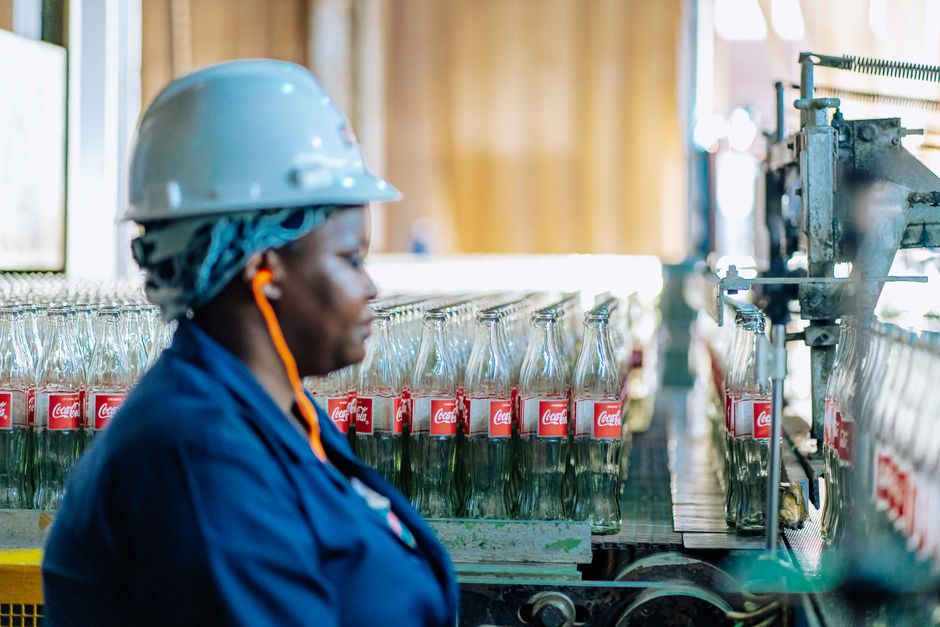
    Coca-Cola announced plans to invest $10 billion in U.S. infrastructure from 2026 through 2030. This investment will cover various projects across the country, including expansions in California, Colorado, Alabama, and New York. The investment encompasses both Coca-Cola’s own capital and contributions from its bottling partners, as confirmed by CFO John Murphy.

    This significant financial commitment is expected to create numerous job opportunities and reshape the logistics landscape. Coca-Cola’s U.S. operations already contribute $85 billion to the GDP and support nearly 1 million jobs, underscoring the importance of this investment.

    Increased Demand for Infrastructure Engineers

    The $10 billion investment by Coca-Cola will lead to a surge in demand for infrastructure engineers. Projects will include upgrading bottling plants, enhancing distribution centers, and building new facilities to support the expanded operations. As the company scales its infrastructure, engineers will be crucial in designing, overseeing, and executing these projects.

    Career Ahead’s analysis finds that the investment will require engineers with expertise in sustainable construction practices and advanced manufacturing technologies. This aligns with current trends in the engineering sector, where companies increasingly prioritize sustainability and innovation in their projects.

    Moreover, the investment signals a shift towards more localized production and distribution, which will require engineers to adapt to new technologies and methodologies. Engineers will need to be proficient in automation, data analytics, and efficient resource management to meet the demands of Coca-Cola’s evolving infrastructure.

    As Coca-Cola embarks on this ambitious investment plan, universities and training programs may need to adjust their curricula to prepare future engineers. This creates an opportunity for educational institutions to collaborate with industry leaders to ensure that graduates are equipped with the necessary skills to thrive in this changing landscape.

    Transforming Supply Chain Management Roles

    Coca-Cola’s infrastructure investment will also have profound implications for supply chain management. As the company expands its operations, supply chain managers will need to adapt to new logistics frameworks that prioritize efficiency and sustainability. This shift may involve reevaluating supplier relationships and optimizing distribution networks to align with the company’s growth strategy.

    Career Ahead’s research indicates that supply chain managers will increasingly rely on data analytics to enhance decision-making processes. The ability to analyze real-time data will be essential for managers to respond swiftly to market changes and consumer demands. This trend is already evident in the industry, where companies are leveraging technology to streamline operations.

    The investment will also necessitate a focus on sustainability within the supply chain. Coca-Cola has committed to reducing its carbon footprint, which will require supply chain managers to implement eco-friendly practices and collaborate with suppliers who share similar values. This shift presents a unique opportunity for professionals in the field to lead initiatives that promote sustainable practices.

    Coca-Cola's  Billion Infrastructure Boost for Engineers

    Furthermore, as Coca-Cola’s infrastructure evolves, supply chain managers will need to develop new partnerships with local suppliers and logistics providers. This local focus can enhance resilience and flexibility in the supply chain, allowing the company to respond effectively to disruptions.

    Wider Economic Impact and Future Opportunities

    The broader economic implications of Coca-Cola’s $10 billion investment extend beyond immediate job creation. This investment is expected to stimulate local economies, particularly in the regions where new facilities will be established. By partnering with local suppliers, Coca-Cola can foster economic growth and create a ripple effect that benefits communities.

    Career Ahead’s analysis identifies that the investment aligns with a growing trend of companies prioritizing local sourcing and production. This shift not only supports job creation but also strengthens community ties and enhances brand loyalty among consumers who value local engagement.

    As Coca-Cola moves forward with its infrastructure projects, the company is likely to face challenges related to regulatory compliance and community engagement. Navigating these challenges will require skilled professionals who can ensure that projects align with local regulations and address community concerns.

    Looking ahead, Coca-Cola’s infrastructure investment may serve as a model for other companies in the beverage industry and beyond. As businesses recognize the importance of sustainable practices and local engagement, there may be a surge in similar investments across various sectors, creating further opportunities for infrastructure engineers and supply chain managers.

    This investment marks a pivotal moment for Coca-Cola and the U.S. infrastructure landscape, as it sets the stage for future growth and innovation. As the company embarks on this journey, the focus will be on how effectively it can leverage this investment to create lasting value for its workforce and the communities it serves.

    Frequently Asked Questions

    What new projects will infrastructure engineers work on due to Coca-Cola’s investment?

    Infrastructure engineers will work on projects such as upgrading bottling plants, enhancing distribution centers, and building new facilities to support Coca-Cola’s expanded operations. These projects will require expertise in sustainable construction and advanced manufacturing technologies.

    How will supply chain management change with Coca-Cola’s infrastructure plans?

    Supply chain management will shift towards data-driven decision-making and sustainability. Managers will need to optimize logistics frameworks and develop partnerships with local suppliers to enhance resilience and efficiency in the supply chain.

    Coca-Cola's  Billion Infrastructure Boost for Engineers

    What skills should infrastructure engineers develop to align with Coca-Cola’s upcoming projects?

    Infrastructure engineers should focus on skills related to sustainable construction practices, automation, and data analytics. These skills will be essential for adapting to the evolving needs of Coca-Cola’s infrastructure projects.

  • Waymo Expands Paid Robotaxi Service to Las Vegas, Its

    Waymo Expands Paid Robotaxi Service to Las Vegas, Its

    Las Vegas, US — Waymo has launched its paid robotaxi service in Las Vegas. This marks its 15th city of operation. Riders can now access Waymo’s autonomous vehicles throughout the city. This expansion increases the availability of driverless transport options. It is part of Waymo’s strategy to integrate autonomous vehicle technology into urban areas across the United States.

    This move is important for urban transportation. It shows a growing acceptance of autonomous mobility solutions. By introducing paid services, Waymo aims to create a sustainable model for its robotaxi operations. This could influence future regulations and urban planning initiatives.

    Rising Demand for Autonomous Vehicle Expertise

    Waymo’s paid services in Las Vegas highlight a rising demand for expertise in autonomous vehicle technology. As the company grows, it will need a skilled workforce. This includes experts in software engineering, systems integration, and vehicle safety protocols. Career Ahead’s analysis shows that job openings in the autonomous vehicle sector will rise significantly in the coming years.

    According to data from startupfortune.com, the autonomous vehicle market is set to grow. This will create opportunities for engineers specializing in machine learning, robotics, and AI. As cities adopt these technologies, the need for professionals to design, implement, and maintain AV systems will be critical.

    With Waymo’s entry into Las Vegas, local schools may develop programs to equip students with necessary skills. Programs focusing on autonomous systems, urban mobility, and data analytics will be vital for training the next generation of engineers.

    Career Ahead research shows that engineers with AI and machine learning experience will be in high demand. This aligns with current job market trends, where companies prefer candidates with hands-on experience in AV technologies.

    As technology matures, engineers must also focus on regulatory compliance and ethical issues. Understanding local regulations and community needs is key for professionals in this evolving field.

    New Urban Planning Considerations for Robotaxi Services

    Waymo’s expansion into Las Vegas requires a reevaluation of urban planning strategies. As robotaxi services grow, city planners must think about how to integrate these vehicles into existing transportation networks. This includes looking at traffic patterns, parking needs, and public transport connections.

    Urban planners need to work closely with companies like Waymo. This will ensure that infrastructure supports the safe operation of autonomous vehicles. Collaboration could lead to dedicated AV lanes, optimized traffic signals, and designated pick-up and drop-off zones, as reported by fox5vegas.com.

    The introduction of robotaxi services also raises questions about land use and zoning laws. Cities may need to change their zoning regulations to accommodate new transportation modes. This could affect urban density and development patterns.

    Waymo Expands Paid Robotaxi Service to Las Vegas, Its 15th City

    Career Ahead analysis finds that integrating autonomous vehicles into cities will require planners to rethink traditional transportation models. The focus will shift from personal vehicle ownership to shared mobility solutions. This could reshape city landscapes and reduce congestion.

    As cities prepare for these changes, planners must engage with communities. They need to address concerns about safety, accessibility, and equity. Ensuring that AV services are available to all residents, including underserved populations, is crucial for public acceptance of this technology.

    In summary, Waymo’s expansion presents both challenges and opportunities for urban planners. Adapting to this new reality will require innovative thinking and collaboration between technology providers and city officials.

    As Waymo continues to grow, the implications for job seekers and urban planners become clearer. The demand for skilled professionals in engineering and planning roles will increase, shaping the future of urban mobility.

    Looking ahead, Waymo’s success in Las Vegas could serve as a model for other cities. As more data on operational efficiency and public response becomes available, we may see rapid adoption of autonomous vehicles across the country.

    Frequently Asked Questions

    What skills do autonomous vehicle engineers need to work with Waymo?

    Engineers at Waymo should have strong skills in machine learning, robotics, and software development. Experience with autonomous systems and knowledge of vehicle safety protocols are also essential.

    How can urban transportation planners adapt to the rise of robotaxi services?

    Urban planners can adapt by working with AV companies to integrate robotaxi services into existing networks. This includes rethinking infrastructure, zoning laws, and community engagement strategies for equitable access.

    Waymo Expands Paid Robotaxi Service to Las Vegas, Its 15th City

    What should autonomous vehicle engineers do to prepare for increased demand in urban areas?

    Engineers should gain hands-on experience with AV technologies and stay updated on regulatory changes. Building a strong portfolio showcasing relevant projects will enhance job prospects in this growing field.

  • Volkswagen Ventures into Defense: Engineer Roles Open

    Volkswagen Ventures into Defense: Engineer Roles Open

    Germany’s Volkswagen is changing its factory to focus on defense manufacturing. This shift was announced on September 14, 2026. It aims to address declining automotive production while entering the growing defense sector. As Volkswagen moves from making vehicles to defense equipment, automotive engineers must adapt their skills to meet new demands.

    This transition happens amid broader trends in the European automotive industry. Manufacturers face challenges from supply chain issues and changing consumer demands. The move to defense manufacturing is a strategic response to these pressures. Volkswagen aims to secure a foothold in a sector expected to grow significantly in the coming years.

    Transitioning Skills: From Automotive to Defense Engineering

    Shifting from automotive engineering to defense manufacturing requires a big change in skills. Automotive engineers usually focus on vehicle design, safety, and efficiency. In contrast, defense manufacturing emphasizes durability, advanced technology, and strict regulations. Engineers will need to learn military standards, which differ greatly from civilian automotive requirements.

    Career Ahead’s analysis shows that engineers moving to defense roles must develop expertise in systems engineering, materials science, and advanced manufacturing techniques. For example, knowledge of composite materials will become increasingly important. Engineers may also need to learn about integrating electronic systems into defense equipment, a skill not often emphasized in automotive engineering.

    The demand for engineers in the defense sector is expected to rise sharply. A report from jobsbyculture.com indicates that defense tech startups are hiring more, with funding nearly doubling to $49 billion in 2025. This trend suggests that engineers with the right skills will find many job opportunities as they transition into this new field.

    However, the pathway to this new career landscape is not easy. Engineers will likely need retraining and upskilling programs to bridge the gap between their current skills and the demands of defense manufacturing. Companies and educational institutions must work together to create training programs that effectively address these needs.

    Job Availability and Economic Implications

    The transition at Volkswagen raises questions about job availability for automotive engineers in Germany. While moving to defense manufacturing may create new roles, it could also displace workers lacking the necessary skills. This shift might lead to a significant realignment of the workforce as engineers seek opportunities in defense.

    Career Ahead’s review of data from jobswithdod.com shows that defense spending is driving a major hiring wave in the industry. As governments increase their defense budgets, companies like Volkswagen are positioning themselves to capture a share of this growing market. This could mean more job openings in defense manufacturing but also a potential decline in traditional automotive roles.

    Moreover, the economic implications of this shift go beyond job availability. As Volkswagen reallocates resources to defense manufacturing, it may affect supply chains and partnerships within the automotive industry. Companies relying on automotive components may face challenges as suppliers adjust to the new focus on defense products.

    Volkswagen Ventures into Defense: Engineer Impact

    In this evolving landscape, engineers must be proactive in their career planning. Adapting to new technologies and requirements will be crucial for long-term success. Those who can pivot to defense manufacturing may find themselves in high demand, while others may need to explore alternative career paths.

    The overall economic landscape in Germany is also set for change. As the defense industry grows, it may lead to increased investment in related sectors, such as technology and manufacturing. This growth could create a ripple effect, benefiting engineers across various fields.

    Future Outlook: What Lies Ahead for Engineers

    The future for automotive engineers in Germany is uncertain but filled with potential. As Volkswagen’s transition unfolds, it will be essential for engineers to stay informed about industry trends and emerging technologies. The rapid growth of the defense sector presents opportunities but also requires a willingness to embrace change.

    Career Ahead’s analysis finds that engineers who actively seek training and development opportunities will be better positioned to take advantage of the new job market. As the demand for skilled workers in defense manufacturing increases, those with relevant expertise will likely earn higher salaries and enjoy better job security.

    Volkswagen Ventures into Defense: Engineer Impact

    Moreover, the shift to defense manufacturing may inspire innovation within the engineering community. As engineers tackle new challenges, they may develop groundbreaking solutions that benefit both the defense and automotive sectors. This exchange of ideas could lead to advancements in technology and manufacturing processes.

    Ultimately, Volkswagen’s transition from automotive to defense manufacturing reflects a larger trend affecting the job market in Europe. As industries evolve, workers must adapt to stay competitive. The coming years will reveal how successful this transition will be for engineers and the broader economy.

    Frequently Asked Questions

    What skills do automotive engineers need to transition to defense manufacturing?

    Automotive engineers will need skills in systems engineering, materials science, and military standards compliance. Familiarity with advanced manufacturing techniques and electronic systems integration will also be crucial for success in defense roles.

    How will job roles change for defense industry workers in Germany?

    Job roles in the defense industry will focus more on durability and advanced technology compared to traditional automotive roles. Engineers will need to adapt to new regulations and standards specific to defense manufacturing, which may require additional training.

    What should automotive engineers do about the shift to defense manufacturing?

    Automotive engineers should actively seek retraining opportunities to acquire the necessary skills for defense manufacturing. Staying informed about industry trends and emerging technologies will be crucial for navigating this transition successfully.