Tag: energy analysts

  • US Data Centers’ Natural Gas Demand to Surpass Germany and Japan

    US Data Centers’ Natural Gas Demand to Surpass Germany and Japan

    US data centers are expected to use more natural gas than Germany and Japan combined by 2035. This surprising forecast comes as the demand for data processing and storage rises. The growth is largely driven by artificial intelligence (AI) technologies. A recent report by BloombergNEF estimates that US data centers could need about 18 billion cubic feet of natural gas daily by 2035. This is nearly double previous estimates.

    The rapid growth of data centers will make them the second-largest driver of natural gas demand. The first is liquefied natural gas (LNG) exports. Major tech companies like Meta, Microsoft, Google, and Amazon are investing in onsite natural gas power plants to meet their energy needs. This shift marks a significant change in how data centers operate, as they aim to bypass traditional power grids.

    Data Center Growth and Energy Consumption Trends

    The forecast shows that onsite-powered data centers could consume between 2.9 billion and 3.4 billion cubic feet of natural gas daily by 2035. This amount is similar to the total consumption of all data centers today, including natural gas used for grid power generation. However, the growth does not stop there. Grid-connected data centers are expected to drive an additional 15 billion cubic feet per day of consumption in the power sector.

    This demand surge is unprecedented. It represents five times more growth through 2035 than all other grid-connected sectors combined. Such a dramatic increase in natural gas consumption raises questions about sustainability and economic implications. The reliance on natural gas may not remain stable as demand escalates.

    Career Ahead’s analysis shows that this trend affects energy pricing and availability. As demand rises, natural gas prices could increase. This would impact utility rates for consumers and businesses. Higher operational costs could affect profit margins in the tech industry.

    The environmental impact of increased natural gas use is also significant. Burning natural gas releases greenhouse gases, contributing to climate change. The extra demand from data centers could generate around 1 million metric tons more greenhouse gas emissions daily. This accounts for about 12% of total U.S. emissions today.

    Data center engineers and energy analysts must understand these trends. They need to consider technical aspects of energy management, regulatory implications, and the need for sustainable practices. The shift towards onsite power generation could improve efficiency but raises questions about long-term reliance on natural gas.

    Strategies for Optimizing Natural Gas Usage

    With the expected increase in natural gas consumption, data center engineers must find new strategies to optimize energy usage. One approach is investing in energy-efficient technologies and infrastructure. This includes advanced cooling systems that can significantly reduce energy needs.

    Integrating renewable energy sources into the power mix may also help reduce dependence on natural gas. For example, using solar or wind energy can offset some demand for natural gas. Companies investing in hybrid energy solutions could lower costs and improve their sustainability profiles.

    Another key strategy is implementing energy management systems that use real-time data analytics. These systems can monitor energy consumption patterns and identify optimization opportunities. By analyzing usage data, engineers can make informed decisions that reduce waste and improve efficiency.

    US Data Centers Surpass Germany, Japan in Gas Use

    Collaboration with energy providers is essential. Data centers should work with utility companies to explore demand response programs. These programs can incentivize reduced energy use during peak periods, leading to more sustainable practices and potentially lower costs for both parties.

    Policymakers and regulatory bodies must also play a role. As natural gas demand increases, updated regulations may encourage energy efficiency and cleaner technologies. Engaging with stakeholders can help shape policies that support sustainable growth in the data center sector.

    The focus should be on creating a balanced and sustainable energy landscape that meets data center needs while minimizing environmental impact.

    Regulatory Implications for Energy Sourcing

    The rapid growth of data centers and their increasing demand for natural gas will lead to regulatory scrutiny. As energy consumption rises, regulators may impose stricter guidelines on emissions and energy sourcing. This could significantly impact data center operations and their long-term viability.

    According to tradersunion.com, the changing regulatory landscape will require data center operators to adapt quickly. Companies that do not comply with these regulations could face substantial penalties. This makes it crucial for energy analysts and managers to stay informed about policy changes.

    Moreover, rising natural gas prices due to increased demand may lead to a reevaluation of energy sourcing strategies. Data center operators might need to diversify their energy portfolios to include more renewable options. This could reduce risks associated with fluctuating natural gas prices.
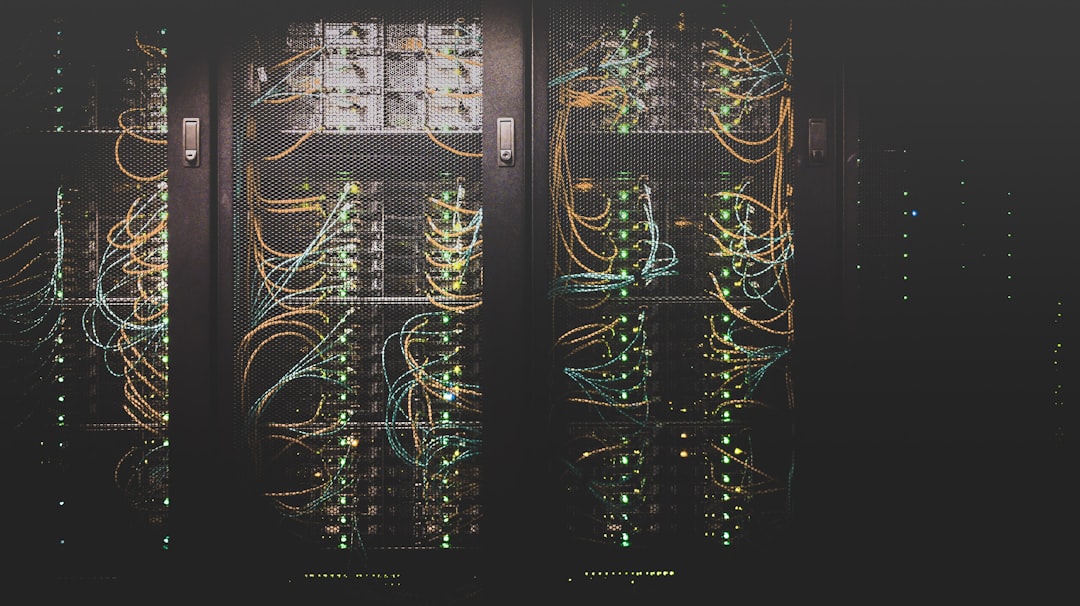
    US Data Centers Surpass Germany, Japan in Gas Use

    As the energy landscape evolves, collaboration between data center operators, energy providers, and regulatory bodies will be vital. This cooperation can help develop sustainable energy practices that benefit all stakeholders.

    In summary, the implications of increased natural gas consumption by US data centers go beyond energy demands. They include economic, environmental, and regulatory challenges that industry professionals must address. As the sector grows, the focus must shift toward sustainable practices for long-term viability.

    Looking ahead, the question remains: how will data center operators navigate the challenges of rising natural gas consumption and regulatory pressures while maintaining profitability and sustainability?

    Frequently Asked Questions

    What are the implications of increased natural gas consumption for data center engineers?

    Increased natural gas consumption will require data center engineers to adopt more efficient energy management strategies. They must also stay informed about regulatory changes that could impact their operations and energy sourcing.

    How can energy analysts prepare for the projected rise in data center energy needs?

    Energy analysts should focus on understanding trends in natural gas demand and pricing. They should explore innovative energy solutions and collaborate with data center operators to develop sustainable practices.

    US Data Centers Surpass Germany, Japan in Gas Use

    What strategies should cloud infrastructure managers adopt in response to changing energy consumption patterns?

    Cloud infrastructure managers should consider integrating renewable energy sources and advanced energy management systems. Collaborating with energy providers on demand response programs can also help optimize energy usage.

  • How Middle East Conflicts Are Driving Oil Prices Up

    How Middle East Conflicts Are Driving Oil Prices Up

    Oil prices surged dramatically on September 10, 2026. Escalating tensions in the Middle East have increased market uncertainty. The conflict between Iran and Israel has raised fears of supply disruptions, pushing Brent crude to $95 per barrel. This surge has major implications for oil and gas investors and energy market analysts who must navigate this volatile landscape.

    The rise in oil prices comes as global stock markets face pressure. Investors are dealing with rising energy costs and fluctuating bond yields. This creates a precarious financial environment. Career Ahead’s analysis shows that geopolitical events and oil prices present both risks and opportunities for strategic investors.

    Impact of Middle East Tensions on Oil Prices

    The ongoing conflict in the Middle East, especially between Iran and Israel, raises concerns about oil supply stability. Investor’s Business Daily reports that potential military escalation has led to more speculation in oil markets, driving prices higher. This situation worsens due to existing sanctions and production cuts in other oil-producing regions, straining supply chains.

    Data from Google Finance shows that oil price volatility is a global issue. Countries that rely heavily on oil imports now face higher costs. This could lead to inflationary pressures in their economies. The ripple effect of these price changes may impact everything from consumer goods to transportation costs, making it crucial for investors to monitor.

    Furthermore, the International Energy Agency (IEA) notes that geopolitical tensions often cause abrupt and unpredictable price spikes. Career Ahead research finds that such spikes usually correlate with increased demand in regions not directly affected by the conflict. Countries scramble to secure their energy needs, presenting unique opportunities for savvy investors who can anticipate these shifts.

    Investors must also think about the broader economic effects of rising oil prices. Higher energy costs can lead to decreased consumer spending, slowing economic growth. The Economic Times notes that the stock market has begun to reflect these concerns. Many sectors face downward pressure as investors reassess their positions due to rising oil prices.

    Investment Strategies for Oil and Gas Investors

    Given the current market conditions, oil and gas investors must adapt their strategies. One effective approach is diversification, which helps reduce risks from sudden price fluctuations. By investing in a mix of energy stocks, commodities, and alternative energy sources, investors can build a more resilient portfolio.

    Focusing on companies with strong balance sheets and solid cash flow can also provide a buffer against market volatility. Career Ahead analysis suggests that firms with robust operational efficiencies are more likely to withstand price shocks and maintain profitability. This makes them attractive investment targets.

    Moreover, investors should stay informed about geopolitical developments and their potential impact on oil supply. Understanding these conflicts can give investors a competitive edge. For example, companies operating in politically stable regions may offer more reliable returns than those in volatile areas.

    Oil Price Surge Alters Investment Strategies

    Lastly, employing technical analysis can help short-term traders capitalize on price movements. Tools like moving averages and momentum indicators can assist investors in identifying entry and exit points. This allows for informed decisions in a rapidly changing market.

    Market Analysis Techniques for Energy Market Analysts

    Energy market analysts play a crucial role in interpreting data and providing insights that guide investment decisions. One effective technique is scenario analysis. This allows analysts to evaluate how different geopolitical developments could affect oil prices. By modeling various scenarios, analysts can better understand potential outcomes and advise investors accordingly.

    Additionally, keeping up with global economic indicators, like GDP growth rates and inflation trends, provides valuable context for oil price movements. As noted by Investopedia, these indicators often influence oil demand and can signal shifts in market sentiment.

    Analysts should also use data analytics tools to track real-time market trends. This can involve monitoring social media sentiment, news cycles, and trading volumes. These tools help gauge investor sentiment and predict future movements. Career Ahead’s review of recent trends highlights the importance of being proactive in adapting to market changes.

    Oil Price Surge Alters Investment Strategies

    Furthermore, collaborating with other analysts and industry experts can enhance market insights. By sharing perspectives and data, analysts can build a more comprehensive understanding of the factors driving oil prices and develop stronger forecasts.

    As the situation in the Middle East evolves, the need for precise and timely analysis will grow. Energy market analysts must remain agile and responsive to changes in the geopolitical landscape. This ensures they provide the most accurate guidance to investors.

    The current surge in oil prices due to Middle East tensions highlights the complex relationship between geopolitics and market dynamics. For oil and gas investors, understanding these factors is essential for navigating the energy market’s complexities. As tensions escalate, how will investors adjust their strategies to mitigate risks while seizing potential opportunities?

    Frequently Asked Questions

    What factors are driving the recent surge in oil prices?

    Career Ahead analysis identifies escalating geopolitical tensions in the Middle East, especially between Iran and Israel, as the main drivers of the recent surge in oil prices. Supply concerns and market speculation have led to increased prices, with Brent crude reaching $95 per barrel.

    How should energy market analysts adjust their forecasts based on current events?

    Energy market analysts should use scenario analysis to evaluate potential outcomes of geopolitical developments. By modeling different scenarios, they can provide more accurate forecasts and guidance to investors regarding oil price movements.

    Oil Price Surge Alters Investment Strategies

    What investment strategies should oil and gas investors consider in a volatile market?

    Oil and gas investors should diversify their portfolios and focus on companies with strong financials. Staying informed about geopolitical developments and using technical analysis can also enhance investment decision-making in a volatile market.