Tag: employment

  • Chhattisgarh Verifies Private University Degrees Now

    Chhattisgarh Verifies Private University Degrees Now

    Chhattisgarh has launched a digital portal to verify degrees and academic records from private universities in the state. Governor Ramen Deka introduced this initiative to improve the credibility of qualifications from these institutions. The platform, created by the Chhattisgarh Private Universities Regulatory Commission (CGPURC), can be accessed at cgpurc.cgstate.gov.in.

    The portal includes academic records from all 21 private universities in Chhattisgarh. It allows students, employers, and educational institutions to confirm the authenticity of degrees. This move is important as it promotes a more transparent and accountable higher education system. Degree verification is increasingly crucial in today’s job market.

    Enhancing Degree Credibility in Chhattisgarh

    The new verification portal is a key step in improving the credibility of degrees from private universities in Chhattisgarh. In recent years, the rise of unverified and fraudulent qualifications has alarmed employers and educational institutions. Career Ahead’s analysis shows that this system can greatly reduce the number of fraudulent degrees in the job market, protecting the integrity of academic qualifications.

    With the portal, employers can verify a candidate’s degree without contacting universities individually. This saves time and lowers the risk of hiring individuals with questionable qualifications. Easy access to verified academic records will enhance the hiring process, helping companies make informed decisions.

    Additionally, the portal provides detailed information about the courses offered by private universities. This includes their recognition and approval status. This feature helps students ensure that the programs they are interested in are legitimate and recognized.

    Chhattisgarh Chief Minister Vishnu Deo Sai highlighted that digital records will give students accurate information. This strengthens transparency in higher education. This initiative aligns with global trends where educational institutions are held accountable for the authenticity of their qualifications.

    As the portal becomes fully operational, it may serve as a model for other states facing similar issues. The Chhattisgarh government’s proactive approach could inspire neighboring regions to adopt similar measures, enhancing the credibility of higher education in India.

    Streamlining Verification for Employers

    For employers, the degree verification portal marks a significant change in candidate evaluations. Traditionally, verifying a candidate’s educational background was labor-intensive and could delay hiring. Now, with a few clicks, employers can access verified academic records, speeding up the recruitment process.

    This change is crucial in sectors where specific qualifications are required. For example, healthcare, engineering, and education often need strict credential verification. The portal can flag irregularities, such as degrees without corresponding admission records. This helps employers avoid legal and reputational risks linked to hiring unqualified individuals.

    Moreover, the portal monitors academic activity at private universities. It ensures that courses with low enrollment or poor outcomes are examined. This oversight may lead to improved academic standards, benefiting current students and future employers.

    Chhattisgarh Verifies Private University Degrees Now

    Career Ahead’s review indicates that employers will likely spend less time and resources verifying degrees. This efficiency could allow companies to focus more on evaluating candidates’ skills and fit for the organization instead of administrative tasks.

    As the job market becomes more competitive, quickly verifying a candidate’s qualifications can give employers an edge in attracting top talent. The Chhattisgarh portal simplifies this process and enhances the quality of hires, contributing to better organizational performance.

    Furthermore, this initiative may encourage more graduates from private universities to pursue opportunities in sectors requiring strict qualification checks. They can be confident that their degrees are easily verifiable and recognized by employers.

    Addressing Degree Fraud and Its Implications

    The launch of the verification portal comes as concerns about degree fraud are rising. With the growth of online education and unregulated institutions, the authenticity of academic qualifications is a pressing issue for employers and educational institutions. The CGPURC portal aims to tackle these concerns directly.

    By providing a centralized system for verifying degrees, the portal is expected to reduce instances of degree fraud significantly. Career Ahead research shows that such measures are essential for maintaining the integrity of the education system. This is especially true in a rapidly evolving job market where qualifications are crucial for hiring decisions.

    For graduates from private universities, this portal offers protection against the stigma of attending institutions that may have been seen as less credible. As employers gain confidence in the verification process, graduates can present their qualifications without fear of scrutiny.

    Chhattisgarh Verifies Private University Degrees Now

    Moreover, the implications of this initiative extend beyond immediate job opportunities. A more trustworthy educational landscape can lead to increased enrollment in private universities. Prospective students will feel assured of the legitimacy of their chosen institutions. This could create a more competitive academic environment, benefiting students and employers alike.

    As the portal evolves, it will be interesting to see its impact on job placement rates for graduates of private universities in Chhattisgarh. Will this initiative lead to more employment opportunities for these graduates? Only time will tell, but the potential for positive change is clear.

    The Chhattisgarh degree verification portal stands as a beacon of hope in the fight against educational fraud. It offers a pathway to greater accountability and transparency in higher education.

    Frequently Asked Questions

    How can graduates from private universities verify their degrees?

    Graduates can verify their degrees through the Chhattisgarh degree verification portal at cgpurc.cgstate.gov.in. This platform provides access to their academic records and confirms the legitimacy of their qualifications.

    What steps should employers take to verify candidate degrees?

    Employers can use the same verification portal to confirm the degrees of potential hires. By entering the necessary details, they can access verified academic records, making the hiring process easier.

    Chhattisgarh Verifies Private University Degrees Now

    What should graduates do if their degree is flagged as irregular?

    If a graduate’s degree is flagged as irregular, they should contact their university for clarification and possible correction. It is essential to resolve any discrepancies to ensure their qualifications are recognized.

  • Essar firm to acquire U.K. fuel retailer for £400 million

    Essar firm to acquire U.K. fuel retailer for £400 million

    Essar Energy Transition has announced its acquisition of SGN Retail, a prominent U.K. fuel retailer, for approximately £400 million. This significant deal, disclosed on September 14, 2026, will see Essar acquire 100% of SGN Retail, which operates a network of independent forecourt locations across the U.K. The acquisition adds 118 fuel stations to Essar’s existing portfolio of 117, creating a combined entity with an annual throughput of 650 million litres. This strategic move is not only about expanding the number of locations but also about enhancing operational efficiencies and market reach.

    The transaction is backed by a consortium of banks, marking a notable confidence in the U.K. fuel sector. Viral Gathani, Head of Strategic Transactions at Essar, described this deal as a “unique, best-in-class opportunity” that aligns with the company’s mergers and acquisitions strategy. This move is part of Essar’s broader plan to establish a vertically integrated fuel retail network in the U.K., aiming for a total of 800 sites by 2031. This ambitious target reflects Essar’s commitment to not only grow its footprint but also to adapt to the changing dynamics of the fuel market.

    Impact on Market Competition in the U.K. Fuel Sector

    Essar’s acquisition of SGN Retail is poised to reshape the competitive landscape of the U.K. fuel market. By doubling its number of forecourt locations, Essar significantly increases its market presence, which may lead to intensified competition among existing players. Career Ahead’s analysis finds that this consolidation trend is likely to push smaller operators to either innovate or exit the market, as larger firms leverage economies of scale to offer competitive pricing and improved services. According to a report by Bloomberg, this acquisition is expected to enhance Essar’s competitive edge, allowing it to better respond to market fluctuations and consumer demands.

    In a market already characterized by low margins and high competition, this acquisition could lead to price adjustments at the pump. As Essar integrates SGN’s operations, it may optimize supply chains and reduce costs, potentially passing savings onto consumers. This could disrupt pricing strategies of other fuel retailers, forcing them to respond in kind. Furthermore, the acquisition highlights a trend of consolidation within the fuel retail sector, as companies seek to expand their footprints amid evolving consumer preferences and regulatory pressures. With a growing emphasis on sustainability and energy transition, larger fuel retailers like Essar are better positioned to adapt to these changes, potentially influencing market dynamics for years to come.

    Investors in the fuel sector should monitor how Essar’s acquisition affects competitive pricing and market share among other players. The move may also attract interest from private equity firms looking to capitalize on the evolving landscape of fuel retail, particularly as the U.K. pushes towards greener energy solutions. As the U.K. fuel market continues to evolve, the implications of Essar’s acquisition extend beyond immediate competition. The deal could serve as a catalyst for further M&A activity within the sector as companies evaluate their own strategies in response to Essar’s expanded presence. Notably, the Economic Times reported that this acquisition aligns with broader trends of consolidation in the energy sector, indicating a shift towards larger, more integrated players.

    Potential Job Shifts Within SGN Retail

    While the acquisition of SGN Retail by Essar is a strategic business move, it also raises concerns regarding employment within the acquired company. As with many M&A transactions, job shifts are likely to occur as the new management structure is implemented and operational efficiencies are sought. Employees may face uncertainty about their roles, especially in overlapping positions. Career Ahead research indicates that past acquisitions in the retail sector often lead to workforce reductions, particularly in administrative and management roles. However, Essar has expressed a commitment to retaining SGN’s workforce, highlighting the value of existing staff in maintaining operational continuity during the transition.

    Despite this commitment, the integration process may still result in changes to job functions and responsibilities. Employees may need to adapt to new systems and corporate cultures, which can be challenging. Additionally, the expansion of Essar’s operations could create new job opportunities in the long run, particularly in areas related to fuel distribution and retail management. As Essar aims to establish a vertically integrated retail platform, it may invest in training programs to upskill existing employees and prepare them for new roles within the expanded organization. This focus on workforce development could mitigate some of the negative impacts of the acquisition while enhancing employee engagement and retention.

    Overall, the potential job shifts resulting from Essar’s acquisition of SGN Retail underscore the need for effective change management strategies to support employees through this transition. The outcome will depend on how well Essar navigates the integration process and communicates with its workforce. As reported by Business Standard, the company is aware of the sensitivities involved in such transitions and is committed to ensuring that the integration process is as smooth as possible for all employees involved.

    Essar firm to acquire U.K. fuel retailer for £400 million

    The financial implications of this acquisition are significant, not only for Essar but also for the broader fuel retail market. As market dynamics shift, questions remain about how other fuel retailers will respond to this consolidation and what it means for the future of the industry. Investors will need to remain vigilant as the landscape continues to evolve, keeping an eye on how Essar’s strategies unfold in the coming months.

    Ultimately, Essar’s acquisition of SGN Retail represents a pivotal moment in the U.K. fuel market, with potential ripple effects for investors and competitors alike. As the company works to integrate its new acquisition, the financial health of both Essar and SGN will be closely scrutinized.

    Frequently Asked Questions

    What are the implications of Essar’s acquisition for fuel industry investors?

    Career Ahead’s analysis shows that Essar’s acquisition of SGN Retail is likely to enhance its market share and operational capacity, making it an attractive investment opportunity. However, investors should remain cautious about the potential risks associated with the evolving fuel sector.

    How might this acquisition affect jobs in the U.K. fuel retail sector?

    The acquisition may lead to job shifts within SGN Retail, with potential overlaps in roles as Essar integrates operations. While there may be some job losses, Essar has indicated a commitment to retaining existing staff, which could mitigate immediate employment impacts.

    Essar firm to acquire U.K. fuel retailer for £400 million

    What should mergers and acquisitions specialists consider in light of this deal?

    M&A specialists should note the consolidation trend in the fuel retail sector and how Essar’s acquisition may influence future M&A activities. The deal underscores the importance of strategic positioning in a competitive market, as well as the need for effective integration strategies post-acquisition.

  • Robots Demand AI Regulation on Warsaw Streets | Career Outlook

    Robots Demand AI Regulation on Warsaw Streets | Career Outlook

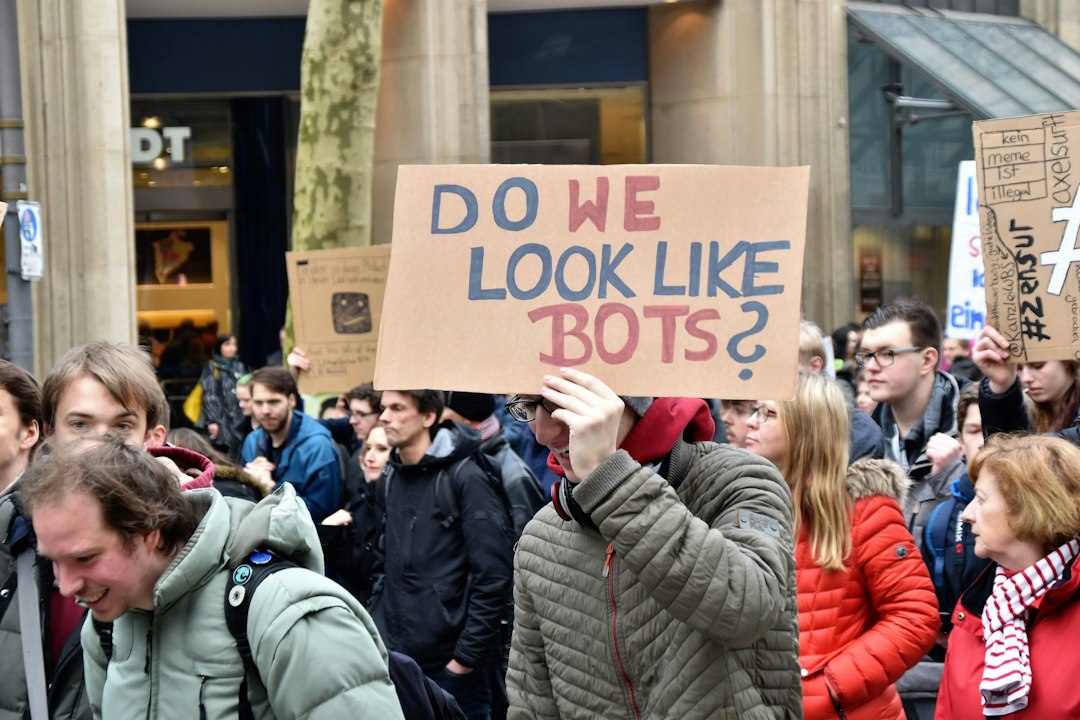
    In a striking demonstration, around 30 robots gathered outside the Digital Affairs Ministry in Warsaw this past week, demanding stronger regulations on artificial intelligence. This unusual protest, organized by the initiative Democratism, aimed to raise awareness about the potential impact of AI and automation on human employment. The robots, including humanoid figures and robot dogs, carried flags and broadcasted messages calling for urgent regulatory measures.

    The protest highlights a growing concern among both the public and policymakers regarding the rapid development of AI technologies and their implications for the workforce. Grzegorz Kulis, a human organizer of the event, emphasized the need for laws that protect workers from being replaced by increasingly capable machines. He stated, “If we don’t react now, we may soon have a problem,” referring to the potential displacement of workers by AI systems. This sentiment resonates with many workers who fear that their jobs may soon be at risk due to advancements in automation.

    Growing Demand for AI Compliance Standards

    As the protest unfolded, it coincided with Poland’s implementation of new AI regulations aligned with the European Union’s broader efforts to establish a comprehensive regulatory framework. The EU AI Act, which came into force in 2024, employs a risk-based approach to AI governance, mandating stricter requirements for systems deemed likely to cause harm. Most of these regulations began to apply in August 2026, establishing a significant shift in how AI technologies will be governed. The act aims to ensure that AI systems are developed and deployed in a manner that is safe, ethical, and respects fundamental rights.

    Career Ahead’s analysis shows that the introduction of these regulations is not merely a bureaucratic exercise; it signifies a fundamental change in the landscape for robotics engineers and AI policy advocates. The call for compliance standards reflects an urgent need for engineers to adapt their designs and practices to meet new legal requirements. This shift is expected to create a new area of expertise within the field, where professionals must ensure that their AI systems adhere to established guidelines. As noted by various experts, this could lead to a more responsible approach to AI development, where ethical considerations are prioritized alongside technological innovation.

    Moreover, the regulatory environment is likely to lead to increased job creation within regulatory bodies. As governments and organizations seek to enforce compliance with these new standards, there will be a demand for professionals who can navigate the complexities of AI legislation. Robotics engineers will need to collaborate closely with policymakers to ensure that their innovations align with safety and ethical standards. This collaboration could foster a more integrated approach to technology development, where engineers and regulators work hand in hand to create systems that benefit society as a whole.

    The protest itself serves as a reminder that the conversation about AI regulation is not limited to policymakers and tech giants; it is a matter of public concern. The presence of robots advocating for their own regulation underscores the urgency of the issue. As technology continues to advance, the need for robust regulatory frameworks will become increasingly critical. The event has sparked discussions not only in Poland but across Europe, as other nations observe the implications of such protests and the public’s demand for accountability in AI deployment.

    Implications for the Workforce and Industry

    The implications of this protest and the accompanying regulatory changes extend beyond compliance for engineers. The potential for job displacement due to AI and automation is a pressing concern for many workers. Kulis pointed out that the protest aimed to connect the rapid development of robotics with the very real fears of job loss among human workers. This intersection of technology and employment raises questions about the future of work in an increasingly automated world. As highlighted in a report from India Today, the robots’ demands echo the anxieties of many employees who worry that they may soon be replaced by machines capable of performing tasks more efficiently.

    Career Ahead research identifies that as AI technologies become more integrated into various industries, the demand for skilled workers who can operate within this new regulatory framework will grow. Engineers who can design compliant AI systems will be at a significant advantage in the job market. Conversely, those who fail to adapt may find themselves at a disadvantage as employers prioritize compliance in their hiring processes. The shift towards compliance will likely necessitate a reevaluation of educational programs to ensure that the next generation of engineers is equipped with the necessary skills to thrive in this evolving landscape.

    Furthermore, the protest highlights a societal shift towards greater scrutiny of technology’s role in our lives. The public’s demand for accountability from AI systems reflects a desire for transparency and ethical considerations in technology deployment. This trend will likely influence future legislation and industry standards, shaping the way robotics engineers and AI policy advocates approach their work. As noted in coverage by LiveMint, the robots’ call for regulation is a clear indication that society is beginning to recognize the need for a balanced approach to technological advancement that considers both innovation and the welfare of workers.

    Robots Demand AI Regulation on Warsaw Streets | Career Outlook

    The growing emphasis on compliance and ethics in AI development may also lead to innovative solutions that prioritize human welfare. As engineers and policymakers collaborate, there is potential for creating AI systems that enhance productivity while safeguarding jobs. The outcome of these discussions could redefine the relationship between humans and machines in the workplace. As the situation unfolds, it is essential for robotics engineers and AI policy advocates to stay informed about regulatory developments. Understanding the implications of these changes will be crucial for navigating the evolving landscape of AI and robotics.

    The protest is a clear signal that the conversation around AI regulation is intensifying. As the regulatory landscape evolves, professionals in the field must be prepared to adapt to new requirements and expectations. The engagement of robots in this protest signifies a new era where the implications of AI are not just theoretical but a matter of public discourse, prompting a collective reevaluation of how society approaches the integration of AI technologies in everyday life.

    Frequently Asked Questions

    What regulations should robotics engineers be aware of?

    Robotics engineers must stay updated on the EU AI Act and national AI systems laws, which impose strict compliance requirements on AI technologies. Understanding these regulations will be essential for ensuring that their designs meet safety and ethical standards.

    How can AI policy advocates influence upcoming legislation?

    AI policy advocates can engage with lawmakers and participate in public discussions to shape the regulatory landscape. By providing insights and recommendations, they can help ensure that regulations reflect the realities of technological advancements and their impact on the workforce.

    Robots Demand AI Regulation on Warsaw Streets | Career Outlook

    What steps should robotics engineers take to ensure compliance with new AI regulations?

    Robotics engineers should familiarize themselves with the specific requirements outlined in the EU AI Act and national legislation. Collaboration with legal experts and continuous education on regulatory changes will be crucial for maintaining compliance in their projects.