Tag: emerging markets

  • Aliko Dangote’s Vision for African Manufacturing Investment

    Aliko Dangote’s Vision for African Manufacturing Investment

    Aliko Dangote, Africa’s richest man, recently shared his vision for investing in the continent’s manufacturing sector. He believes this sector can drive significant economic growth and create jobs, especially in Nigeria. As he expands his investments, including a large oil refinery, Dangote’s strategies could reshape local economies and attract more investment.

    Dangote stressed that manufacturing is key to economic growth in Africa. The continent has abundant resources but often struggles to turn these into finished products. By investing in manufacturing, countries can create jobs, reduce reliance on imports, and promote technological progress.

    Investment Opportunities in African Manufacturing

    Career Ahead’s analysis shows the African manufacturing sector is ready for investment. Data from the Dangote Investor Centre indicates that the continent’s industrial backbone is strengthening. Companies are focusing on vertical integration and improving distribution, which enhances production and meets local demand more effectively.

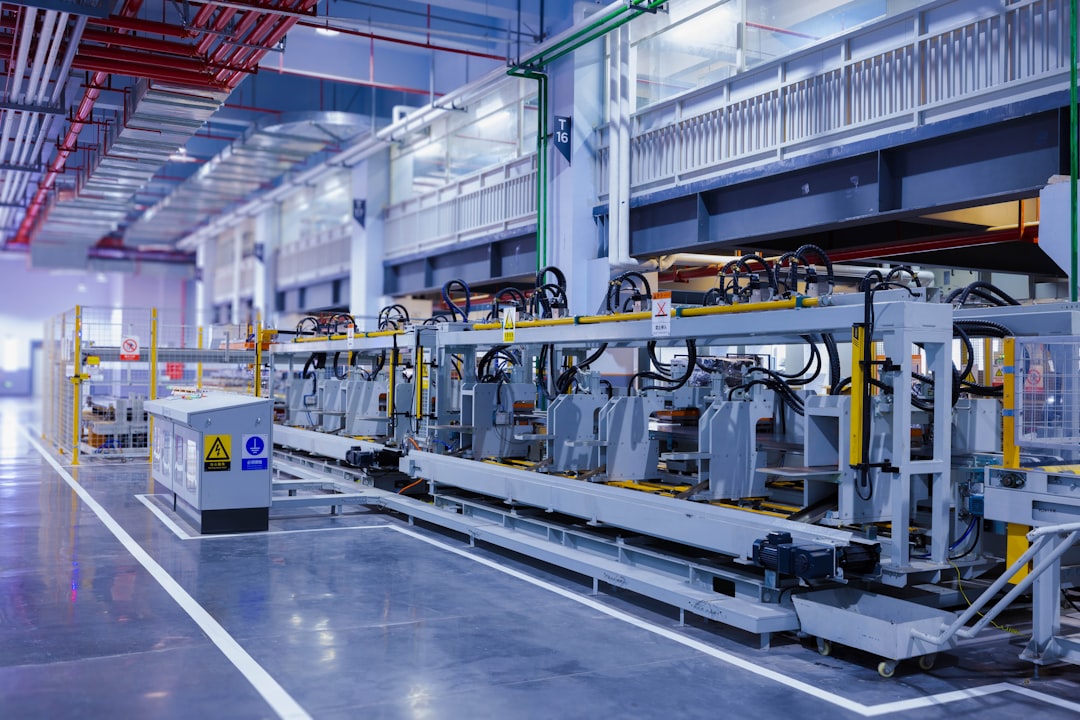
    The Dangote Group leads this movement with investments in cement, sugar, and oil refining. The recent launch of the Dangote refinery is a major milestone. It is expected to meet a large part of Nigeria’s fuel needs and reduce reliance on imported petroleum products. This project alone could create thousands of jobs and boost economic activity in nearby areas.

    Additionally, Career Ahead research shows that Africa’s growing middle class is increasing demand for locally produced goods. Urbanization is driving the need for consumer products, creating unique opportunities for manufacturers. Investors can benefit by focusing on sectors like food processing, textiles, and consumer goods.

    The African Continental Free Trade Area (AfCFTA) will also boost intra-African trade. By lowering tariffs and trade barriers, the AfCFTA will allow manufacturers to access larger markets. This will increase their competitiveness and profitability, making it an important policy shift for investors entering the African market.

    The Impact of Dangote’s Strategies on Local Economies

    Aliko Dangote’s investment strategies significantly impact local economies. His approach aims to build a sustainable industrial ecosystem that supports his businesses and benefits local communities. For example, the Dangote refinery is expected to create many jobs, helping to uplift local communities and reduce poverty.

    Moreover, such investments can lead to the growth of related industries. The refinery will need various services and products, creating opportunities for local suppliers and service providers. This interconnectedness can stimulate economic growth and foster a culture of entrepreneurship.

    Career Ahead’s analysis finds that Dangote’s focus on local sourcing is a game-changer. By prioritizing local suppliers, he reduces costs and strengthens the local economy. This strategy encourages other businesses to adopt similar practices, creating a more resilient economic environment.
    Aliko Dangote's Vision for African Manufacturing Investment

    However, challenges remain. Many African countries have complex regulatory environments, and infrastructure deficits can be significant hurdles. Investors must navigate these challenges while taking advantage of the opportunities Dangote’s model presents. By understanding the local context and building strong partnerships, entrepreneurs can tap into the manufacturing sector’s potential.

    Potential for New Business Ventures in Emerging Markets

    The potential for new business ventures in Africa’s manufacturing sector is vast. With a young, growing population, there is strong demand for innovative products and services. Entrepreneurs can develop solutions that meet the needs of this market.

    Additionally, technology and digital platforms are transforming manufacturing. Startups focusing on tech-driven solutions, like automation and e-commerce, can enhance productivity and reach consumers more effectively. This trend aligns with global shifts toward digitization, giving African businesses a chance to compete on a larger scale.

    As sustainability becomes a global focus, African manufacturers can adopt green practices. By investing in renewable energy and sustainable materials, companies can stand out in the market and attract environmentally conscious consumers. This approach benefits the planet and enhances brand reputation and loyalty.

    As investors and entrepreneurs look ahead, they must remain agile and responsive to market changes. The manufacturing sector in Africa is evolving quickly, and those who adapt will lead this growth wave.

    In summary, Dangote’s vision for African manufacturing provides a roadmap for potential investors and entrepreneurs. By focusing on local production, leveraging technology, and embracing sustainability, there are many opportunities to create impactful businesses that contribute to the continent’s economic development.

    Frequently Asked Questions

    What should investors consider when investing in African markets?

    Investors should evaluate the regulatory environment, infrastructure challenges, and local market demands. Understanding the socio-economic context is essential for informed investment decisions.

    How can entrepreneurs leverage Dangote’s success in manufacturing?

    Entrepreneurs can learn from Dangote’s strategies, especially his focus on local sourcing and vertical integration. By adopting similar practices, they can improve their competitiveness and support local economies.

    Aliko Dangote's Vision for African Manufacturing Investment

    What are the risks associated with investing in African manufacturing?

    Risks include regulatory hurdles, political instability, and infrastructure deficits. Investors should conduct thorough due diligence and consider partnering with local firms to reduce these risks.
  • US-China Rivalry Shapes Tech Investments and Strategies

    US-China Rivalry Shapes Tech Investments and Strategies

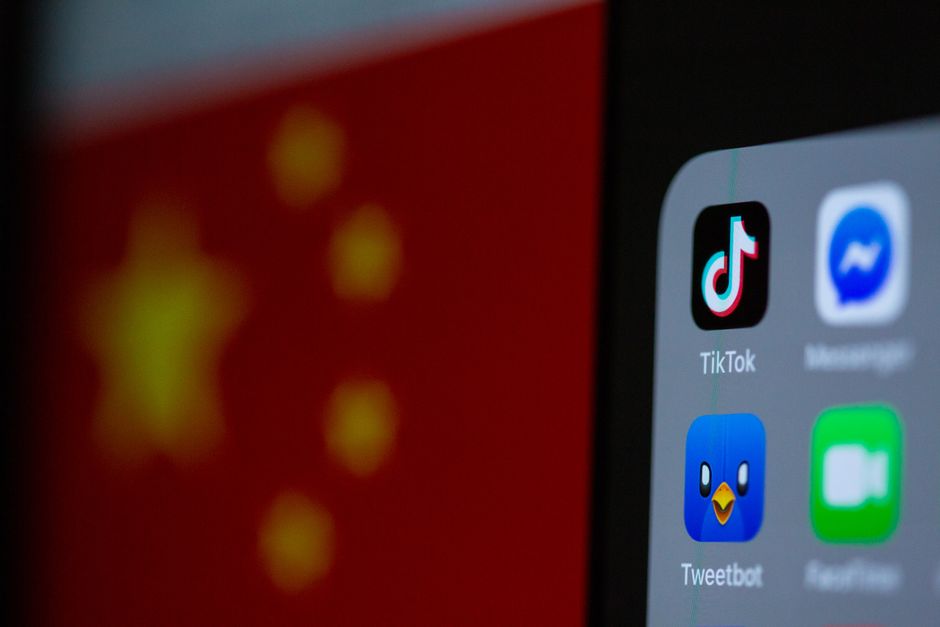
    The ongoing rivalry between the US and China is changing technology investments. Recent events show how these tensions affect business decisions and investment opportunities worldwide. As both nations adopt new economic policies, it is crucial for economists, business strategists, and investors to understand their effects.

    In 2026, the US government announced stricter rules on technology exports to China. This aims to limit advanced technologies that could boost China’s military. This decision has shocked the global tech industry. Companies are now reassessing their supply chains and investment strategies. According to a PwC report, these export controls may lead to a 30% drop in US technology exports to China over the next five years. Companies will need to shift focus to other markets.

    Shifts in Global Supply Chains

    The US-China rivalry is causing major changes in global supply chains, especially in technology. Companies are rethinking their reliance on Chinese manufacturing. They are looking to diversify their supply chains to reduce risks. Many firms are moving production to countries like India and Vietnam, where labor costs are lower and tensions are less intense. This trend is a response to immediate pressures and a long-term strategy for more resilient supply chains. The World Bank reports a 15% increase in investments in Southeast Asian manufacturing facilities over the past two years as firms seek to protect against disruptions.

    Additionally, there is a growing trend of reshoring, where companies bring manufacturing back to their home countries. This is especially true in the US, where firms are focusing on domestic production to lessen reliance on foreign suppliers. This shift is expected to create many new jobs in manufacturing and related sectors, reshaping the labor market. A recent NASSCOM analysis predicts that reshoring could generate over 1 million new manufacturing jobs in the US by 2028, significantly impacting the economy.

    However, transitioning to new supply chain models comes with challenges. Companies face complex regulations and possible trade barriers. The ongoing rivalry between the US and China adds to the complications. Firms must stay agile and adaptable to rapidly changing policies and market conditions. The uncertainty around tariffs and trade agreements makes it essential for businesses to develop strong risk management strategies.

    As businesses deal with these challenges, the effects on technology investments are significant. Investors need to assess the risks and opportunities that arise from these shifts, especially in sectors like semiconductor manufacturing. The semiconductor industry is changing as companies localize production to avoid disruptions. This has led to more investments in domestic semiconductor fabs, with a projected 25% growth in the sector over the next five years.

    Emerging Market Trends Influenced by Geopolitical Tensions

    The geopolitical tensions between the US and China are creating new market trends that investors and business strategists must watch closely. One key trend is the growing focus on cybersecurity and data privacy. As tensions rise, concerns about data security and intellectual property protection are driving companies to invest heavily in cybersecurity. Career Ahead research shows that the global cybersecurity market is expected to grow by 20% annually over the next five years. Companies are prioritizing investments in cybersecurity solutions to protect sensitive data and maintain customer trust. This trend is especially important for tech firms in finance, healthcare, and e-commerce.

    In addition to cybersecurity, the rivalry is speeding up the adoption of emerging technologies like artificial intelligence (AI) and blockchain. Companies are using these technologies to improve efficiency and gain a competitive edge. For example, AI helps optimize supply chain management, while blockchain is used for secure transactions and data integrity. Integrating these technologies meets current market demands and prepares firms for future regulatory changes and competitive pressures.

    Investors are aware of these emerging trends and are adjusting their portfolios. Funds focused on technology and cybersecurity are seeing significant inflows, showing investor confidence in these sectors’ growth potential. Venture capital firms are actively seeking startups that align with these trends, promoting innovation and competition. The rise of AI-driven startups is reshaping the investment landscape, with funding in this area expected to exceed $100 billion in the coming years.

    US-China Rivalry Shapes Tech Investments and Strategies

    However, the fast pace of technological advancement also brings risks. Companies must stay alert about regulatory compliance and the ethical implications of new technologies. Navigating these complexities is crucial for maintaining a competitive edge. As businesses continue to innovate, strong governance frameworks will be increasingly important to ensure responsible technology use.

    Ultimately, the US-China rivalry is reshaping the technology investment landscape, creating challenges and opportunities for investors and business strategists. Understanding these dynamics is essential for making informed decisions in this fast-changing environment. The evolving economic relationship between the US and China will continue to impact technology investments and business strategies. As geopolitical tensions rise, companies must adapt to new realities and anticipate future developments that could reshape the market. What new strategies will emerge as firms navigate these challenges, and how will investors respond to the shifting tides of global economic relations?

    Frequently Asked Questions

    What are the implications of US-China economic policies for technology investors?

    Career Ahead analysis shows that technology investors must navigate increased regulatory scrutiny and potential trade barriers as the US and China implement stricter economic policies. This environment creates both risks and opportunities, necessitating a careful assessment of investment strategies.

    How should business strategists adapt to the US-China rivalry?

    Business strategists should focus on diversifying supply chains and investing in cybersecurity measures to mitigate risks associated with geopolitical tensions. Staying informed about regulatory changes and emerging market trends will be crucial for maintaining a competitive edge.

    US-China Rivalry Shapes Tech Investments and Strategies

    What trends should economists watch in the US-China economic landscape?

    Economists should monitor shifts in global supply chains, the growing emphasis on cybersecurity, and the adoption of emerging technologies like AI and blockchain. These trends will significantly influence economic policies and market dynamics in the coming years.

  • Replicating Singapore’s Economic Success

    Replicating Singapore’s Economic Success

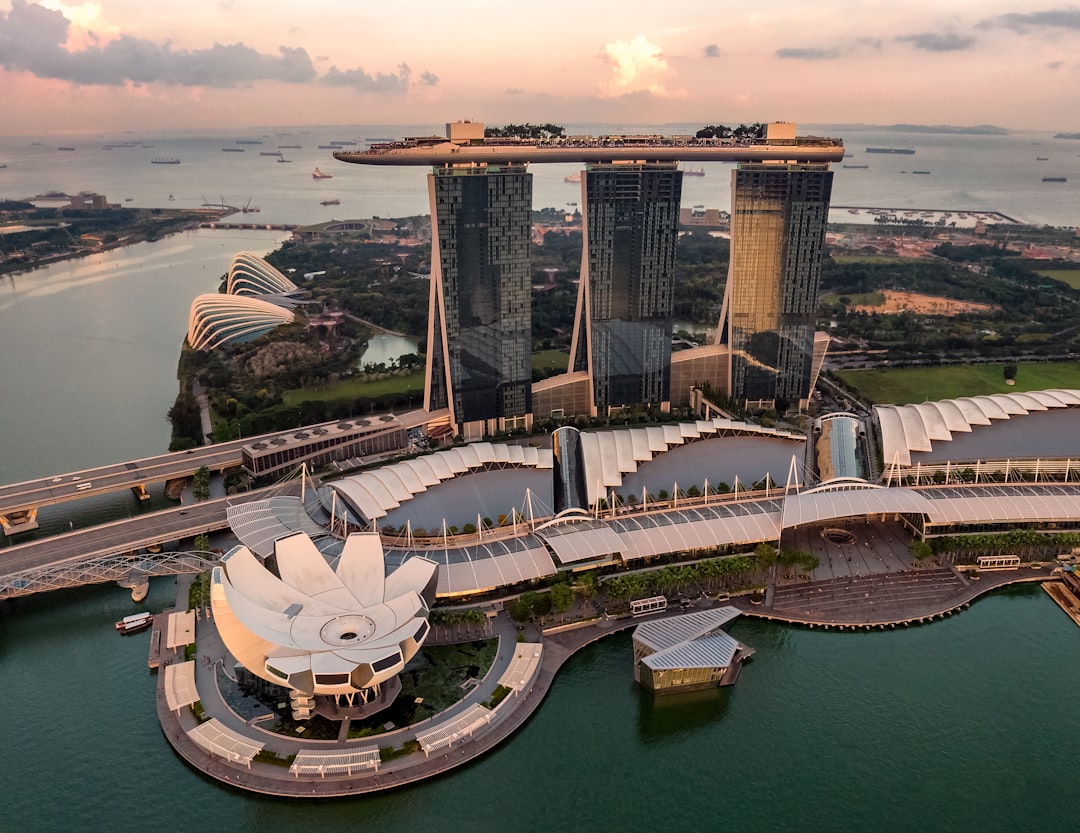
    Singapore’s economic model is facing scrutiny. Geopolitical tensions and advances in artificial intelligence are changing global trade. Recent discussions question whether other nations can replicate Singapore’s success in this new environment. As the world shifts to AI-driven economies, the effects on emerging markets and international trade are significant.

    Career Ahead’s analysis shows that integrating AI into economic strategies could change how countries pursue growth. AI impacts labor markets, productivity, and innovation. This raises questions about the sustainability of current economic models.

    AI’s Transformative Role in Economic Strategies

    Artificial intelligence is transforming economic strategies worldwide. In Singapore, AI is a key driver of productivity and innovation. The government invests heavily in AI research and development to lead in the digital economy. This aligns with findings from academia.sg, which highlights the role of technological innovation in economic competitiveness.

    However, the rise of AI also brings challenges. Automating jobs held by lower-skilled workers raises concerns about job loss and economic inequality. According to rikvin.com, Singapore’s model, which relies on a strong labor force, must adapt to ensure workers have the skills needed for an AI-driven future.

    Emerging markets aiming to replicate Singapore’s success must integrate AI into their economic frameworks. This means investing in technology and education programs that prepare workers for a digital economy. Career Ahead research shows that nations addressing these challenges will better harness AI’s benefits while reducing its risks.

    The potential for AI to enhance economic strategies is vast, but it requires careful planning. Policymakers must balance automation benefits with the need for inclusive growth. This is crucial in regions with significant economic disparities.

    Geopolitical Influences on Trade Relations

    The current U.S. political climate greatly affects international trade relations, including those with Singapore. As the U.S. adopts protectionist policies, countries relying on open trade may face new challenges. This shift could affect Singapore’s role as a key trade hub in Southeast Asia.

    Career Ahead’s analysis indicates that Singapore’s economic model, which thrives on free trade and foreign investment, must adapt to these geopolitical changes. The Monetary Authority of Singapore recently raised its 2026 economic growth forecast to 5%. This reflects a resilient economy amid global uncertainties. However, as thestar.com.my reports, maintaining this growth will require strategic adjustments to changing trade dynamics.

    Emerging markets that seek to replicate Singapore’s success must navigate these geopolitical waters carefully. Building strong trade partnerships and adapting to political changes will be essential. Countries that remain flexible and responsive to global trends are more likely to succeed.

    Replicating Singapore's Economic Success

    As nations deal with these complexities, the importance of diplomatic relations and multilateral agreements is clear. Countries prioritizing collaboration may find themselves better positioned to thrive in an uncertain global economy.

    Lessons for Emerging Markets

    Emerging markets looking to learn from Singapore’s economy need a multifaceted approach. This includes embracing technology and fostering innovation and entrepreneurship. Career Ahead’s findings suggest that countries must focus on education reform to develop a workforce ready for the digital age.

    Additionally, the focus should extend beyond technology to infrastructure development and regulatory frameworks that support business growth. Countries creating a favorable environment for startups and small businesses will be better equipped to compete globally.

    Another lesson from Singapore is the value of strategic government intervention. While markets are vital for economic development, proactive government policies can guide economies toward sustainable growth. This includes targeted investments in key sectors and support for research and development.

    As Singapore faces its own challenges in adapting to a new economic landscape, emerging markets must stay alert and responsive. Learning from Singapore’s experiences while tailoring strategies to local contexts will be crucial for success.

    As the global economy evolves, the question remains: Can Singapore’s economic model withstand the pressures of AI and geopolitical shifts? The answers may shape the future of international trade and economic strategies for years.

    Frequently Asked Questions

    How can economists assess the impact of AI on Singapore’s economic model?

    Economists can analyze labor market trends and productivity metrics to understand AI’s effects on Singapore’s economy. Career Ahead research shows that sectors relying on manual labor face the most significant challenges as AI technologies advance.

    What strategies should business leaders consider in light of U.S. trade policies?

    Business leaders must stay adaptable and explore new markets to reduce risks from U.S. protectionist policies. Career Ahead analysis suggests diversifying trade partnerships can help sustain growth in uncertain political climates.

    Replicating Singapore's Economic Success

    How can emerging markets adapt lessons from Singapore’s economy?

    Emerging markets can focus on technology integration, education reform, and infrastructure development to emulate Singapore’s success. Career Ahead’s findings indicate that fostering an entrepreneurial culture is vital for driving economic growth.