Tag: emerging economies

  • IMF Chief Calls for Fiscal Action Amid Record Global Debt

    IMF Chief Calls for Fiscal Action Amid Record Global Debt

    Global debt has reached unprecedented levels. The International Monetary Fund (IMF) is calling for urgent fiscal action. The IMF Chief recently stated that immediate policy changes are essential to tackle this growing crisis, which affects economies worldwide.

    The alarming rise in debt comes from various factors. These include the economic fallout from the COVID-19 pandemic, rising interest rates, and ongoing geopolitical tensions. As governments face these challenges, the IMF’s warning highlights the need for a coordinated response to ensure economic stability.

    Impact of Global Debt on Fiscal Policy Recommendations

    The current global debt crisis requires a reevaluation of fiscal policy frameworks. Career Ahead analysis shows that countries with high debt levels must focus on fiscal sustainability. This means reassessing spending priorities and improving revenue generation methods.

    Data from the World Bank reveals that global debt reached a staggering $300 trillion in 2023. Advanced economies account for a significant portion of this debt. Countries like the United States and Japan have particularly high debt-to-GDP ratios, limiting their fiscal flexibility. This situation forces policymakers to find innovative ways to manage debt.

    Fiscal measures such as targeted tax reforms and expenditure reviews can help countries navigate this tough landscape. For example, the IMF suggests that countries should enhance tax compliance and broaden the tax base. This can increase revenue without overburdening citizens.

    Additionally, public investment in infrastructure and green technologies can stimulate economic growth. It also helps meet sustainability goals. By aligning fiscal policies with long-term development objectives, governments can build a more resilient economic framework.

    Strategies for Managing National Debt Levels

    As the global economy faces rising debt pressures, effective debt management strategies are vital for maintaining stability. Career Ahead research identifies several key strategies that governments can use to manage national debt levels effectively.

    One approach is to implement fiscal consolidation measures. This involves reducing budget deficits through spending cuts and revenue increases. According to acc.com, countries that have successfully implemented fiscal consolidation have seen improvements in their debt-to-GDP ratios over time. This strategy requires a careful balance to avoid stifling economic growth.

    Another important strategy is to engage with international financial institutions like the IMF. These organizations provide technical assistance and financial support to countries in debt distress. Collaborative efforts can lead to tailored solutions that address specific economic challenges.

    Moreover, enhancing transparency and accountability in public financial management can build investor confidence. Governments that communicate clearly about their fiscal policies are better positioned to attract foreign investment. This can help alleviate debt burdens.

    Finally, countries should consider adopting innovative financing mechanisms. Options like green bonds or social impact bonds can diversify funding sources. These instruments not only provide capital for essential projects but also align with sustainability goals, appealing to environmentally conscious investors.

    The Role of International Financial Institutions in Shaping Economic Policies

    International financial institutions (IFIs) play a key role in shaping economic policies, especially during crises. The IMF, World Bank, and regional development banks offer critical support to countries with high debt levels.

    Career Ahead analysis shows that the IMF’s engagement with member countries often includes conditionality measures. These measures aim to ensure fiscal discipline. While they can be controversial, they promote sustainable economic practices and prevent future crises. For example, the IMF’s support for Greece during its debt crisis involved strict fiscal conditions to restore economic stability.

    Furthermore, IFIs facilitate knowledge sharing and capacity building among member countries. By providing technical assistance and best practices, these institutions help governments develop effective fiscal policies tailored to their unique contexts. Today.westlaw.com emphasizes the importance of this support in fostering long-term economic resilience.

    IMF Chief Calls for Fiscal Action Amid Record Global Debt

    As countries navigate the complexities of managing high debt levels, collaboration between national governments and international financial institutions will be crucial. This partnership can lead to innovative solutions that address both immediate fiscal challenges and long-term economic sustainability.

    The current global debt crisis has profound implications. Economists and public policy advisors must stay vigilant as they assess the evolving landscape of fiscal policy. The need for innovative strategies to manage national debt will grow as countries seek economic recovery.

    As the IMF continues to advocate for urgent fiscal action, the question remains: how will governments respond to this unprecedented challenge? What strategies will emerge to ensure economic stability in the face of rising debt?

    Frequently Asked Questions

    What fiscal measures can economists recommend to address rising global debt?

    Economists recommend a mix of fiscal consolidation, tax reforms, and targeted public investment. These measures aim to enhance revenue generation while prioritizing sustainable economic growth.

    How can public policy advisors influence government responses to debt crises?

    Public policy advisors can influence government responses by providing data-driven recommendations. They advocate for effective fiscal policies tailored to each country’s specific economic context.

    IMF Chief Calls for Fiscal Action Amid Record Global Debt

    What skills should financial analysts develop to assess the impact of global debt on markets?

    Financial analysts should develop skills in economic modeling and data analysis. Understanding fiscal policies and their implications on economic stability is crucial for accurate market assessments.

  • Iran Sanctions Heighten Global Food Security Risks

    Iran Sanctions Heighten Global Food Security Risks

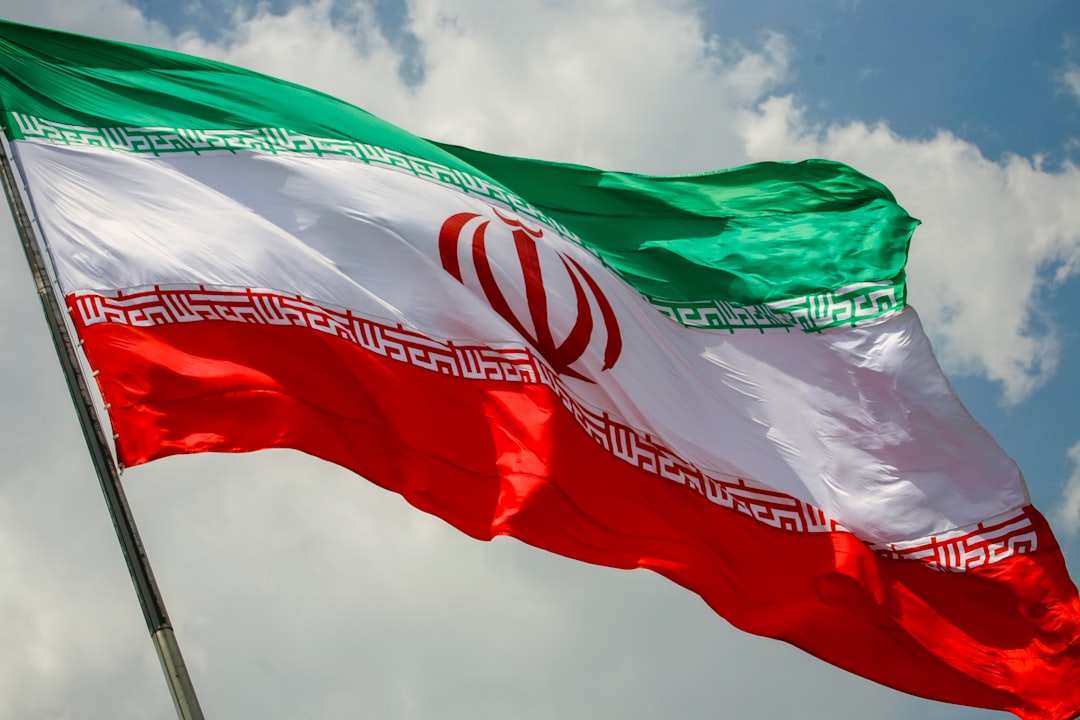
    The recent US sanctions on Iran are disrupting global food supply chains, significantly affecting food prices and security. Analysts and food security experts express concern over these sanctions, which were imposed due to ongoing military tensions. Iranian President Masoud Pezeshkian’s comments at the BRICS summit emphasized the need for resilience against such actions, highlighting their broader effects on emerging economies.

    In his speech, President Pezeshkian criticized the sanctions for harming food security and welfare. He noted that heavy reliance on limited financial systems makes economies vulnerable to political shocks. This perspective aligns with findings from the US Department of State, which indicate that sanctions can destabilize markets and disrupt essential supply chains.

    Impact on Global Food Prices

    The sanctions have caused a noticeable rise in global food prices, particularly for staple commodities. The World Bank reports that disruptions in Iranian agricultural exports are driving up food prices in countries dependent on these imports.

    For instance, Iran is a major producer of wheat and rice. The decline in its exports due to sanctions has led to shortages in regions reliant on Iranian products. Countries in the Middle East and North Africa, which import much of their food, are particularly at risk. The Food and Agriculture Organization (FAO) warns that these disruptions can worsen food insecurity in these areas.

    Moreover, the sanctions are affecting global supply chains. As food prices rise, the cost of importing food increases, leading to inflation in many emerging economies. This poses a significant challenge for food security experts, who must find ways to mitigate the impact of rising prices on vulnerable populations.

    Additionally, the sanctions have altered trade dynamics. Countries that once relied on Iranian agricultural products are now seeking alternative suppliers. This shift may lead to long-term changes in global food trade patterns. While this may create opportunities for other agricultural producers, it also risks raising prices as demand exceeds supply in the short term.

    Strategies for Addressing Food Insecurity

    In response to the challenges posed by the sanctions, food security experts are exploring various strategies. One approach is to diversify food sources and reduce reliance on any single country for essential imports. This strategy aligns with President Pezeshkian’s call for enhanced cooperation among BRICS nations to create a more resilient food supply system.

    Furthermore, international trade analysts recommend developing local agricultural sectors in the most affected countries. By investing in local farming, these nations can lessen their dependence on imports and improve food security. Countries prioritizing local production are generally more resilient to global market fluctuations.

    Collaboration among countries can also help establish alternative trade routes and partnerships. For example, BRICS nations can explore trade agreements that bypass traditional financial systems, as suggested by President Pezeshkian. This could enhance economic resilience and provide a buffer against the effects of sanctions.

    Iran Sanctions Heighten Global Food Security Risks

    Additionally, food security experts emphasize the importance of international aid for nations facing food shortages due to sanctions. Humanitarian assistance can help mitigate the immediate impacts of rising food prices, ensuring that vulnerable populations have access to essential supplies.

    Wider Consequences for Global Trade

    The sanctions on Iran affect not only food prices but also global trade and economic stability. As countries reassess their trade relationships, shifts in alliances and market dynamics may occur. The current geopolitical climate could lead to a reconfiguration of trade networks as nations protect their interests.

    This evolving landscape presents both challenges and opportunities for international trade analysts. Understanding these changes is crucial for navigating future trade agreements and ensuring food security. The sanctions also highlight the interconnectedness of global economies, where actions by one country can have far-reaching effects.

    Moreover, the sanctions have sparked discussions about the effectiveness of unilateral actions in achieving political goals. Many experts argue that such measures often harm civilian populations more than the intended targets, raising ethical questions about using sanctions as a foreign policy tool.

    As the situation evolves, food security experts and international trade analysts must monitor the ongoing impacts of these sanctions. The potential for escalating geopolitical tensions could lead to more sanctions, exacerbating challenges for global food supply chains.

    The implications of the sanctions extend beyond immediate economic effects. They emphasize the need for a more inclusive and resilient global economic framework that prioritizes cooperation over conflict. As nations face these challenges, the focus must shift to building systems that can withstand future crises and promote sustainable development.

    Frequently Asked Questions

    How do sanctions impact international trade agreements?

    Sanctions can disrupt trade agreements by limiting sanctioned countries’ ability to participate in international markets. This often leads to renegotiation of agreements and may force countries to find alternative trading partners.

    What are the implications of sanctions on food security in emerging economies?

    Sanctions can worsen food insecurity in emerging economies by raising food prices and limiting access to essential imports. This can increase malnutrition and social unrest, especially among vulnerable populations.

    Iran Sanctions Heighten Global Food Security Risks

    What strategies can food security experts employ to address the challenges posed by sanctions?

    Food security experts can advocate for diversifying food sources, investing in local agriculture, and fostering international cooperation to lessen the impacts of sanctions. These strategies can help build resilience against future shocks in the food supply chain.

  • Singapore’s Economic Blueprint Fuels Global Growth

    Singapore’s Economic Blueprint Fuels Global Growth

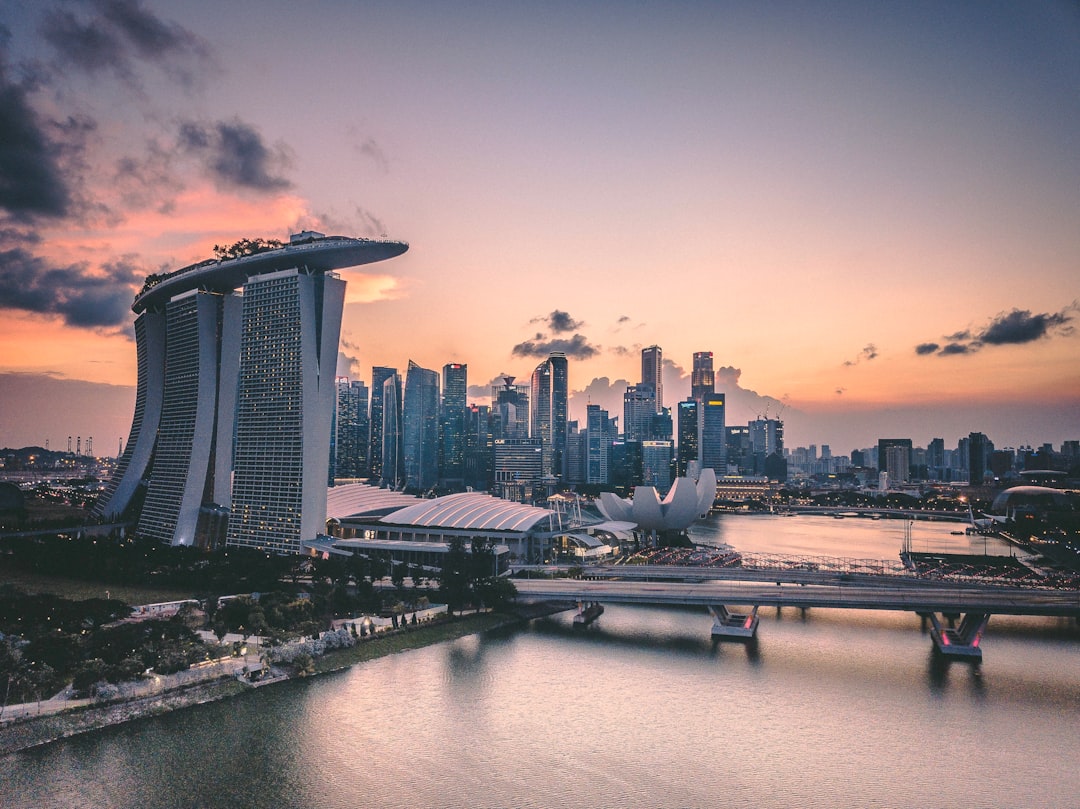
    Singapore’s economic model has gained global attention as a potential blueprint for growth in emerging economies. Recent discussions highlight how the strategies that helped Singapore grow from a developing nation to a global financial hub can be adapted today. This analysis identifies key elements of this model and explores their relevance in various contexts.

    As countries face economic challenges, understanding Singapore’s approach offers valuable insights. The island nation has effectively used a mix of government intervention, strategic planning, and openness to global markets to foster growth. This discussion is especially relevant as nations work to recover from the economic impacts of the COVID-19 pandemic.

    Core Components of Singapore’s Economic Success

    Several core components drive Singapore’s economic success and distinguish it from other nations. First, the government actively shapes the economy through strategic planning and infrastructure investment. The Economic Development Board (EDB) has been crucial in attracting foreign investment, fueling growth across various sectors.

    Additionally, Singapore emphasizes education and skill development, creating a highly skilled workforce. The government invests heavily in education, ensuring citizens have the skills needed in a rapidly changing job market. This focus on human capital is vital for any country aiming to replicate Singapore’s success.

    Moreover, Singapore’s commitment to a business-friendly environment has been essential. The nation consistently ranks high in global ease of doing business indices. Low corporate tax rates, minimal regulatory barriers, and strong intellectual property protections make it an attractive destination for multinational corporations.

    Finally, Singapore’s strategic geographic location has helped it become a global trade hub. The country has developed extensive port facilities and logistics networks, enhancing its connectivity to global markets. This has allowed Singapore to play a key role in international trade, driving its economic growth.

    Challenges for Emerging Economies

    While Singapore’s model offers valuable lessons, it is important to recognize the differences between Singapore and many emerging economies. Countries like India, Brazil, and Nigeria face unique challenges, such as larger populations, diverse regional economies, and varying levels of infrastructure development. These factors can affect how directly Singapore’s strategies apply.

    For example, Singapore has a centralized decision-making process that allows for quick policy implementation. In contrast, many emerging economies operate within more complex political frameworks. This can slow decision-making and hinder the effectiveness of similar strategies.

    Furthermore, the scale of investment needed to replicate Singapore’s infrastructure may be daunting for emerging economies. However, incremental improvements in infrastructure, along with targeted foreign investments, can yield significant benefits over time.

    Singapore's Economic Blueprint Fuels Global Growth

    Additionally, the cultural and social contexts of these nations shape their economic policies. For instance, Singapore’s focus on meritocracy and education may need to be adapted to fit the cultural values of other nations. Policymakers must consider local contexts when adapting Singapore’s strategies to ensure they resonate with the population.

    Globalization’s Role in Economic Strategies

    Globalization has changed economic strategies worldwide, and Singapore has navigated this landscape effectively. The country’s openness to trade and investment has been a cornerstone of its economic success. By embracing globalization, Singapore has attracted a wide range of industries, from finance to technology.

    Emerging economies can learn from Singapore’s approach to globalization by fostering trade partnerships and creating favorable conditions for foreign investments. For example, establishing free trade agreements can enhance market access for local businesses while attracting multinational corporations.

    However, globalization also brings challenges, such as increased competition and the risk of economic dependency on global markets. Policymakers in emerging economies must balance leveraging globalization for growth while protecting domestic industries. A mixed approach—promoting exports while nurturing local industries—can lead to sustainable economic development.

    As the global economy evolves, emerging economies must remain adaptable. The rise of digital economies and technological advancements requires a focus on innovation and entrepreneurship. By fostering a culture of innovation, emerging economies can position themselves competitively in the global market.

    Key Takeaways for Policymakers

    Policymakers can learn the importance of strategic planning, investment in human capital, and fostering a culture of innovation from Singapore’s experience. Understanding local contexts and adapting strategies accordingly is crucial for success.

    Frequently Asked Questions

    What are the key elements of Singapore’s economic model?

    Key elements include government intervention, investment in education, a favorable business environment, and strategic geographic positioning. These factors have contributed to Singapore’s rapid economic growth.

    Singapore's Economic Blueprint Fuels Global Growth

    How can developing countries implement similar strategies?

    Developing countries can adapt Singapore’s strategies by focusing on infrastructure development, workforce education, and creating a business-friendly environment. Incremental improvements and targeted foreign investments can help stimulate growth.

    What lessons can policymakers learn from Singapore’s growth?

    Policymakers can learn the importance of strategic planning, investment in human capital, and fostering a culture of innovation. Understanding local contexts and adapting strategies accordingly is crucial for success.

    Sources: Reuters, Career Ahead Magazine, RTHK, Channel News Asia.