Tag: electric vehicles

  • Hero Motors IPO Sparks Investor Growth Interest

    Hero Motors IPO Sparks Investor Growth Interest

    Hero Motors plans to raise ₹1,000 crore through its initial public offering (IPO). This includes ₹600 crore from a fresh issue and ₹400 crore from an offer for sale. The company will use these funds for capital expenditure, debt repayment, and strategic investments. This IPO is a significant moment for Hero Motors in the competitive electric vehicle (EV) market.

    As the automotive industry shifts towards electrification, Hero Motors aims to capitalize on this trend. The company’s revenue from the EV segment has risen from 12% in FY24 to 23% in FY26. This shows a strong focus on electric mobility. Given these dynamics, the IPO could attract high-risk investors looking for growth in the growing EV sector.

    Impact of the IPO on Hero Motors’ Market Position

    With the upcoming IPO, Hero Motors is set to enhance its market position. The promoter group’s stake will drop from 84.7% to 61.1% after the IPO. This change may boost investor confidence and improve governance. It could also attract institutional investors who prefer a diversified ownership structure.

    According to the Economic Times, this shift in ownership could lead to better decision-making and transparency. These factors are crucial for long-term growth. Additionally, the funds raised will help Hero Motors expand its manufacturing capabilities and improve its product offerings.

    The company operates six manufacturing plants globally, including four in India. It serves clients like BMW AG and Ducati. This expansion will strengthen its market presence and enhance its competitiveness. Hero Motors focuses on integrated powertrain solutions for both electric and non-electric vehicles. This positions it well in a market leaning towards sustainability.

    Career Ahead’s analysis shows that the focus on EVs aligns with global trends for sustainability and reduced carbon emissions. As governments worldwide enforce stricter emissions regulations, companies like Hero Motors are likely to gain a competitive edge. This strategic positioning could lead to revenue growth and increased market share in the coming years.

    The global electric vehicle market is projected to grow at a compound annual growth rate (CAGR) of over 20% in the next five years. This presents a lucrative opportunity for Hero Motors to capture a significant share of this expanding market. However, the company faces challenges, especially regarding customer concentration.

    About 36% of Hero Motors’ revenue comes from its top customer, and 73% from its top ten clients. This high concentration poses risks to revenue stability. If any key clients reduce their orders or switch suppliers, it could impact the company. Investors should weigh these risks against the potential for growth in the EV sector.

    As highlighted by Market Samachar, relying on a limited customer base could lead to revenue volatility. It is essential for Hero Motors to diversify its clientele to ensure long-term sustainability. As the company prepares for its IPO, balancing growth with risk management will be crucial.

    Hero Motors’ strategy to diversify its customer base and expand internationally will be key factors to monitor. The company’s international exposure, with 41% of its revenue from markets outside India, provides a buffer against local economic downturns. This allows it to tap into various growth opportunities.

    Growth Potential in the EV Segment

    Hero Motors’ commitment to the electric vehicle segment is clear in its strategic initiatives and revenue growth. The company’s revenue rose 5.7% annually to ₹1,188.4 crore between FY24 and FY26. Its net profit surged by 55.5% annually to ₹41.2 crore. This growth shows the company’s operational effectiveness and market demand for its products.

    The automotive industry is shifting towards electrification, with rising consumer demand for EVs. The global EV market is projected to grow at a CAGR of over 20% in the next five years. Hero Motors is well-positioned to leverage this growth as its revenue share from the EV segment continues to rise.

    Additionally, the company’s focus on integrated powertrain solutions for both electric and non-electric vehicles gives it a competitive edge. By catering to various automotive segments, including two-wheelers, e-bikes, and hybrid vehicles, Hero Motors can reduce risks from market fluctuations. This diversification strategy is crucial as the automotive landscape evolves with increasing competition.

    Hero Motors IPO: Growth Opportunity for Bold Investors

    Moreover, with 41% of its revenue from international markets, Hero Motors is not solely reliant on the Indian market. This international exposure allows the company to explore various growth opportunities and cushion against local economic downturns. As noted by Great Investor, the company’s ability to innovate and adapt will be essential for long-term success in the competitive EV landscape.

    Career Ahead research indicates that the EV sector will see increased investment and innovation, especially in battery technology and charging infrastructure. Hero Motors, focusing on powertrain solutions, may benefit from these advancements. As the IPO approaches, investors should watch how Hero Motors plans to use the funds raised to enhance its product offerings and expand its market reach.

    Hero Motors’ IPO presents both opportunities and challenges. While the growth potential in the EV segment is promising, the risks related to customer concentration and market volatility are significant. Investors with a high-risk appetite may find this IPO appealing, but they should conduct thorough due diligence and consider the broader market landscape.

    Frequently Asked Questions

    What are the risks of investing in Hero Motors’ IPO?

    Investing in Hero Motors’ IPO carries risks, especially due to customer concentration. With 36% of revenue from its top customer, any changes in their purchasing behavior could impact financial stability. The competitive nature of the EV market also introduces uncertainties for investors.

    How will Hero Motors’ IPO affect the electric vehicle market?

    Hero Motors’ IPO could boost investor confidence in the EV sector, attracting more capital. As the company focuses on electric vehicles, it may contribute to the overall growth of the EV market, encouraging further innovation and competition.

    Hero Motors IPO: Growth Opportunity for Bold Investors

    What should automotive engineers consider about Hero Motors’ growth strategy?

    Automotive engineers should note Hero Motors’ emphasis on integrated powertrain solutions and its commitment to innovation in the EV sector. Understanding the company’s technological advancements and product offerings is essential for professionals aligning their careers with industry trends.

  • Maruti Suzuki Exports 1 Lakh Units to Japan

    Maruti Suzuki Exports 1 Lakh Units to Japan

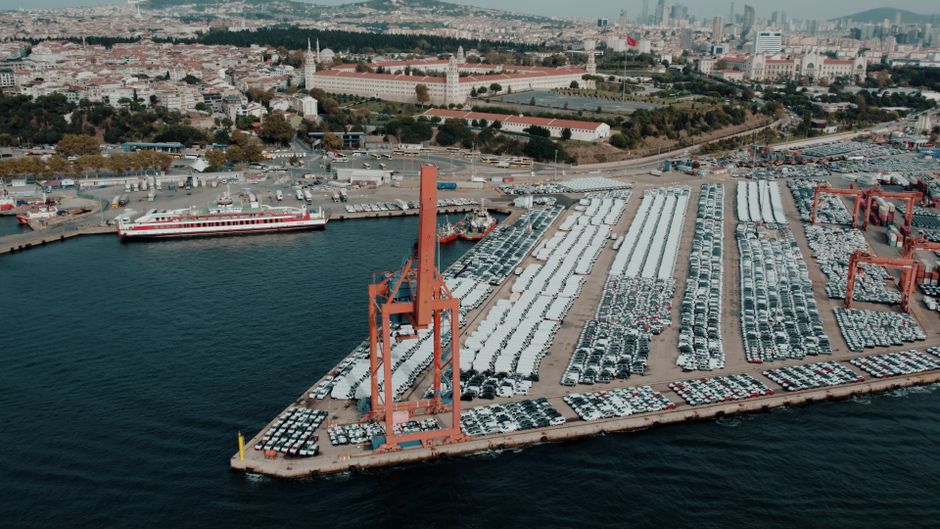
    Maruti Suzuki has reached a significant milestone by exporting one lakh vehicles, including the Jimny, FRONX, and e VITARA, to Japan. This achievement, announced on September 14, 2026, shows the increasing acceptance of Indian-made vehicles in a highly competitive automotive market.

    Japan is now Maruti Suzuki’s second-largest export market by volume. The company accounted for nearly 100% of Suzuki’s imports in Japan during the fiscal year 2026. This success highlights the quality of Indian automotive manufacturing and Maruti Suzuki’s efforts to meet Japanese consumer needs.

    The FRONX started its journey to Japan in August 2024. The Jimny followed in December 2024, and the e VITARA, the company’s first battery electric vehicle, joined in September 2025. Each model is designed and made in India, showcasing the country’s ability to produce vehicles that meet global standards.

    Shifting Dynamics in Automotive Exports

    Exporting one lakh units to Japan marks a key change in India’s automotive export dynamics. Career Ahead’s analysis indicates that this milestone reflects a growing demand for Indian automotive products worldwide. Japan, known for its strict quality standards, now sees the potential in Indian manufacturing.

    As Maruti Suzuki establishes itself in Japan, other Indian automotive manufacturers can learn from this success. The strategies that led to this achievement can guide export managers looking to enter new markets. Understanding local consumer preferences and adapting products will be essential for success. A report by The Hindu emphasizes that Maruti Suzuki’s ability to meet Japanese expectations has been crucial, showing the importance of market research and product customization.

    Furthermore, the acceptance of Indian vehicles in Japan may inspire other manufacturers to explore similar export opportunities. This trend could boost competitive pricing and innovation in the Indian automotive sector as companies aim to meet international standards. Maruti Suzuki’s export success might also signal a shift in the global automotive landscape, where emerging markets play a larger role. The focus on electric vehicles, like the e VITARA, aligns with global sustainability trends, making Indian manufacturers more appealing to international consumers.

    As demand for electric vehicles grows, supply chain analysts should monitor its impact on logistics and production strategies. Integrating electric vehicles into export portfolios will require changes in supply chain management, emphasizing efficient sourcing and distribution. The NEXA e VITARA, noted for its performance and features, illustrates how Indian manufacturers are adapting to global trends, as detailed in a report by Nexaexperience.

    Implications for Supply Chain Optimization

    The successful export of Maruti Suzuki vehicles to Japan highlights the need to optimize supply chains for international markets. Automotive export managers aiming to replicate this success must consider various factors for effective supply chain management. Career Ahead research shows that understanding local regulations, tariffs, and consumer preferences is essential for navigating new markets.

    Supply chain analysts should focus on vehicle export logistics, including transportation methods and distribution channels. Experience from exporting to Japan can provide insights into streamlining processes and cutting costs. For instance, Maruti Suzuki’s ability to manufacture vehicles for the Japanese market shows how customization can meet local demands. This strategic approach enhances product appeal and optimizes the supply chain by minimizing excess inventory and costs.

    Additionally, rising exports may require stronger relationships with local suppliers and distributors in target markets. Collaborating with local partners can improve market entry strategies and overall supply chain efficiency. This approach facilitates smoother operations and builds trust with local consumers. A ZigWheels report highlights that understanding Japan’s competitive landscape and consumer behavior has been vital for Maruti Suzuki’s success, stressing the need for thorough market analysis.

    Maruti Suzuki Exports 1 Lakh Units to Japan

    As the automotive industry evolves, supply chain analysts must watch for emerging technologies that enhance efficiency. Adopting digital tools for tracking shipments, managing inventory, and forecasting demand will be crucial for addressing global trade challenges. The shift towards electric vehicles also presents unique supply chain challenges, especially in sourcing materials for batteries and components. Automotive manufacturers must adjust their supply chains to meet the rising demand for electric vehicles while keeping costs down.

    Maruti Suzuki’s achievement is not just a win for the company; it serves as a model for automotive export managers across India. Exporting one lakh units shows strong demand for Indian automotive products, suggesting potential changes in export strategies. This milestone highlights the need for export managers to be agile and responsive to market shifts.

    As Japanese consumers increasingly embrace Indian vehicles, export managers should leverage this momentum to explore more opportunities in other international markets. Maruti Suzuki’s success could inspire confidence in other manufacturers to invest in export initiatives, contributing to the growth of the Indian automotive sector.

    Looking ahead, the automotive landscape will likely see further changes as manufacturers adapt to evolving consumer preferences and technological advancements. The success of electric vehicles will be crucial in shaping the future of automotive exports.

    In this context, supply chain optimization will be vital. Export managers must stay alert to global trends and be ready to adjust their strategies as needed. The changing dynamics of the automotive market present both challenges and opportunities that require proactive planning and execution.

    As the automotive industry grows, how will Indian manufacturers respond to increasing competition in international markets? The next few years will be critical in shaping the future of automotive exports from India.

    Frequently Asked Questions

    What strategies can automotive export managers adopt from Maruti Suzuki’s success?

    Career Ahead analysis shows that automotive export managers can learn from Maruti Suzuki’s focus on understanding local consumer preferences and adapting products. Building strong relationships with local suppliers and distributors is also crucial for successful market entry.

    How does Maruti Suzuki’s export milestone affect supply chain logistics?

    The export of one lakh units to Japan highlights the need for optimized supply chain logistics. Export managers must consider transportation methods, distribution channels, and local regulations to streamline processes and reduce costs.

    Maruti Suzuki Exports 1 Lakh Units to Japan

    What trends should supply chain analysts monitor in automotive exports?

    Supply chain analysts should watch the rise of electric vehicles and the technologies that improve supply chain efficiency. Understanding sourcing challenges for electric vehicle components will also be critical as demand grows.

  • India Targets Lithium Blocks in Australia, Chile, Argentina

    India Targets Lithium Blocks in Australia, Chile, Argentina

    India is actively negotiating to acquire lithium blocks in Australia and Chile, while also seeking five additional blocks in Argentina. Union Mines Minister G. Kishan Reddy announced these developments on September 11, 2026, emphasizing the importance of securing critical resources for India’s burgeoning battery production industry.

    The Indian government recognizes that lithium is essential for electric vehicle batteries and energy storage solutions. With limited domestic lithium reserves, these international acquisitions are crucial for meeting the increasing demand for sustainable energy solutions in India.

    Strategic Moves in Lithium Acquisition

    India has already secured five lithium blocks in Argentina and is in discussions with Australia and Chile for further acquisitions. Minister Reddy highlighted the need for Indian private companies to engage in international exploration and mining, which could significantly enhance domestic lithium supplies. This initiative aims to encourage private sector investment in critical mineral exploration.

    India’s focus on lithium aligns with global trends, as countries like the United States and China are heavily investing in lithium mining to support their electric vehicle markets. The competition for lithium resources is intensifying, and India’s proactive approach is designed to ensure it remains competitive in the sustainable energy sector.

    A report by The Hindu indicates that India’s negotiations are part of a broader strategy to strengthen its position in the global lithium market, which is expected to grow rapidly with the increasing adoption of electric vehicles. By securing lithium resources, India aims to develop a robust supply chain that supports domestic manufacturing.

    According to analysis from Career Ahead, India’s efforts to acquire lithium resources could reshape global supply chains. As Indian companies establish a presence in lithium-rich regions, the dynamics of battery production and pricing may shift, creating new investment opportunities for stakeholders in the lithium mining sector, particularly in Australia and Chile.

    Global Supply Chain Implications

    India’s plans for lithium acquisition extend beyond its borders, with potential implications for battery manufacturers worldwide. As India secures its lithium supply chain, global battery manufacturers may need to adjust their sourcing strategies. An increase in lithium availability from India could lead to competitive pricing, impacting global battery production costs.

    Countries that rely on lithium imports may experience supply chain disruptions as India ramps up its mining operations. This could result in fluctuations in lithium prices, affecting battery manufacturers and electric vehicle producers who require stable pricing for their components. Industry analysts have raised concerns about price volatility, as new market entrants could lead to oversupply or shortages based on demand.

    India’s pursuit of lithium resources may also inspire other nations to enhance their mining capabilities. Countries in South America with rich lithium deposits could attract more global investors looking to capitalize on the rising demand for electric vehicle batteries. The geopolitical landscape for lithium mining is becoming increasingly competitive, with nations vying for strategic partnerships to secure their energy futures.

    India Targets Lithium Blocks in Australia, Chile, Argentina

    As India solidifies its position in the lithium market, it may form strategic partnerships with countries like Australia and Chile. These collaborations could lead to joint research and development efforts, enhancing technology in battery production and recycling, and facilitating knowledge transfer that positions India as a key player in the global lithium supply chain.

    Investment Opportunities and Risks

    For investors in lithium mining, India’s acquisition talks present both opportunities and risks. The demand for lithium is projected to surge as electric vehicle production increases globally. Investors in lithium mining companies in Australia and Chile may benefit from this rising demand.

    However, the competitive landscape is evolving. India’s entry into the lithium market could disrupt existing supply chains and pricing structures. Investors should remain vigilant about potential price volatility as new players enter the market and existing players adapt to these changes.

    Moreover, Indian companies’ involvement in lithium mining could lead to innovations in extraction and processing techniques, potentially reducing costs and improving efficiency. Investors should closely monitor developments in India’s lithium acquisition strategy, as these developments could signal shifts in market dynamics and investment opportunities.

    As noted by Career Ahead, the trend of countries securing lithium resources indicates a growing competition for battery materials. Investors must stay informed about geopolitical developments and market trends to navigate this changing landscape effectively.

    The coming months will be critical as India finalizes its negotiations for lithium blocks. Stakeholders in the lithium mining sector should closely observe these developments, as they may herald significant changes in the global supply chain for battery production.

    Frequently Asked Questions

    What are the implications of India’s lithium acquisitions for investors?

    India’s lithium acquisitions could increase demand for lithium mining investments, particularly in Australia and Chile. Investors should be mindful of potential price fluctuations and the evolving competitive landscape as India’s market presence expands.

    How will this affect supply chain strategies for battery manufacturers?

    Battery manufacturers may need to adjust their sourcing strategies as India’s lithium supply becomes more significant. This could lead to competitive pricing and changes in global supply chain dynamics.

    India Targets Lithium Blocks in Australia, Chile, Argentina

    What should lithium mining investors consider in light of India’s plans?

    Lithium mining investors should closely monitor geopolitical developments and market trends. India’s entry into the lithium market could disrupt existing supply chains, leading to price volatility and new investment opportunities.