Tag: education

  • El Niño Puts India on Track for Its Driest Monsoon Since 2009

    El Niño Puts India on Track for Its Driest Monsoon Since 2009

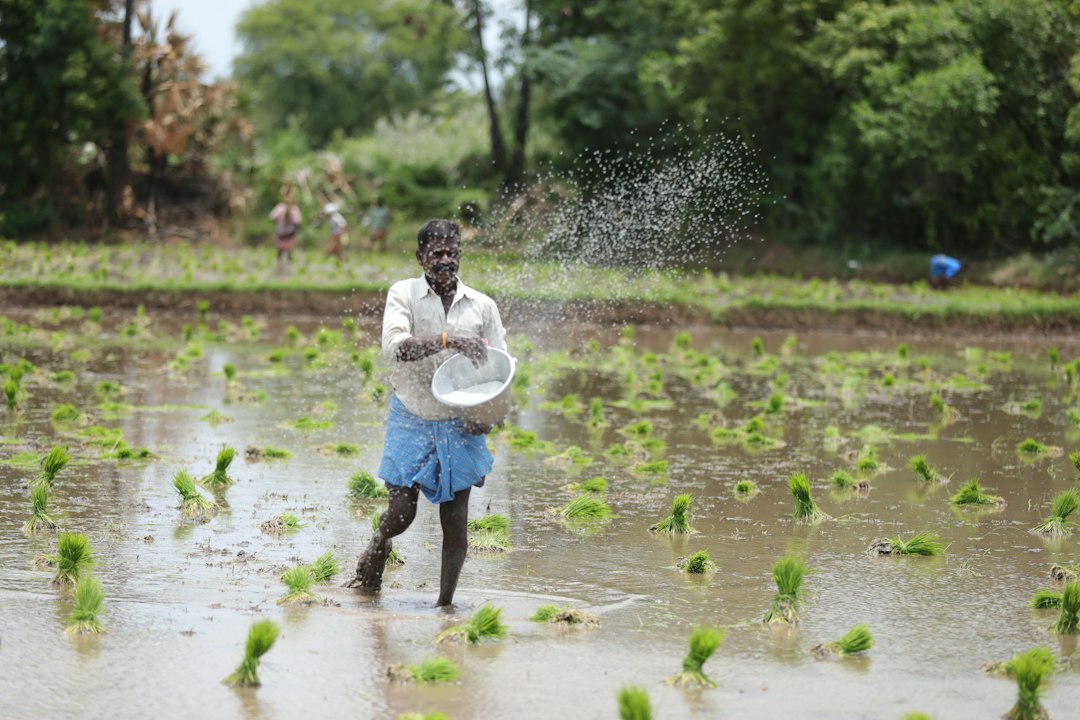
    India is set to face its driest monsoon since 2009. This is mainly due to the ongoing El Niño conditions. The India Meteorological Department (IMD) warns that rainfall may be much lower than average. This raises concerns for agriculture and food security across the country.

    This dry spell comes at a critical time for farmers. Major staples like rice and wheat are especially vulnerable to less rainfall. The effects of this situation are wide-ranging. They impact not only crop yields but also water management strategies in India.

    Impact on Major Crop Yields

    El Niño has a known history of disrupting monsoon patterns in India. This often results in severe droughts. Career Ahead’s analysis of IMD data shows that rainfall may be over 20% below the long-term average. This could cause a significant drop in yields for vital crops like rice and wheat, which many Indians rely on. According to the Economic Times, this decline could worsen food inflation, which has already been a concern. If the monsoon fails to bring enough rain, rice production could fall by up to 15% this season. Such drops threaten food security and the livelihoods of farmers who depend on steady rainfall.

    Many farmers face additional challenges. Many lack access to advanced irrigation systems. As Business Today reports, their reliance on rain-fed agriculture makes them especially vulnerable to weather changes. This highlights the urgent need for better irrigation solutions to lessen the impact of dry spells. The IMD also warns that El Niño’s effects may extend beyond this season. Prolonged dry conditions could harm soil health and fertility, jeopardizing future harvests.

    In light of these challenges, agricultural economists must rethink crop production strategies. They should focus on developing drought-resistant crop varieties and improving irrigation infrastructure. This will help ensure resilience against future climate changes. The increasing unpredictability of weather patterns calls for a proactive approach to agricultural planning.

    Increased Demand for Water Management Solutions

    The expected water scarcity due to the dry monsoon requires immediate action from water resource managers. The current situation highlights the need for efficient water management practices. Career Ahead’s research shows that farmers are likely to demand more irrigation solutions to cope with reduced rainfall.

    Water resource managers should prioritize rainwater harvesting systems and efficient irrigation technologies. These methods can optimize water use, ensuring crops get enough hydration despite low rainfall. The IMD emphasizes that proactive measures are vital to protect agricultural productivity during this tough time. Collaboration between government bodies and agricultural stakeholders is essential. By sharing resources and knowledge, they can create strategies to improve water availability and support farmers during droughts. This teamwork can significantly boost the agricultural sector’s resilience against climate challenges.

    As water scarcity becomes a pressing issue, conflicts over resources may rise. Water resource managers must prepare for this by establishing clear water usage guidelines. They should prioritize sustainable practices to ensure fair access to water for all farmers, regardless of their size. The IMD’s forecasts indicate that without immediate action, the agricultural sector could face serious challenges, leading to widespread economic issues.
    El Niño Puts India on Track for Its Driest Monsoon Since 2009

    Technology’s role in agriculture is crucial. Investing in precision agriculture tools can give farmers insights into soil health and moisture levels. This allows for more targeted irrigation practices. Such technological integration is vital for building a resilient agricultural framework that can handle climate change uncertainties. As India braces for a challenging agricultural season, the focus must stay on proactive measures. Collaboration among agricultural economists, water resource managers, and farmers will be key in navigating the potential crisis.

    It remains to be seen how effectively these stakeholders can implement strategies to lessen El Niño’s impact on India’s agriculture. The coming months will be critical for both crop yields and food security in the region.

    Frequently Asked Questions

    What crops are most affected by a dry monsoon in India?

    The crops most affected by a dry monsoon include rice and wheat, staple foods for many Indians. A significant reduction in rainfall can lead to lower yields and higher food prices.

    How can water resource managers prepare for reduced rainfall?

    Water resource managers can prepare for reduced rainfall by implementing efficient irrigation systems and promoting rainwater harvesting. These strategies can help optimize water use and ensure crops receive enough hydration.

    El Niño Puts India on Track for Its Driest Monsoon Since 2009

    What strategies should agricultural economists consider during El Niño years?

    Agricultural economists should enhance data collection for better crop monitoring and advocate for sustainable practices. They should also promote investment in technology for precision agriculture and crop diversification.

  • C.J. Huff Rebuilt Joplin’s Devastated Schools. Then Came the Backlash.

    C.J. Huff Rebuilt Joplin’s Devastated Schools. Then Came the Backlash.

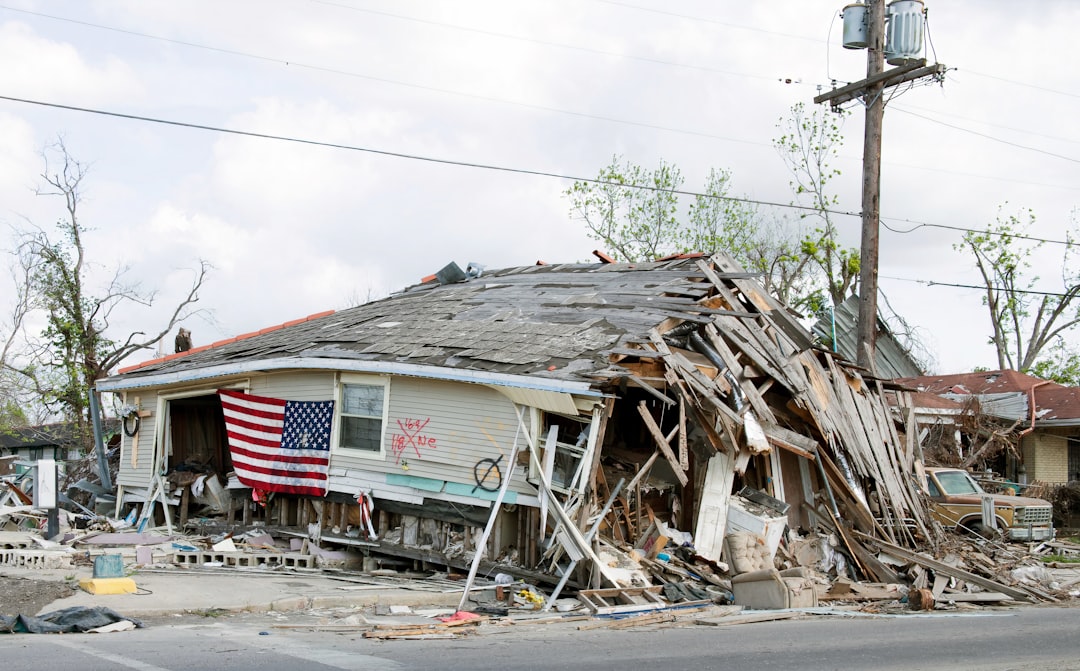
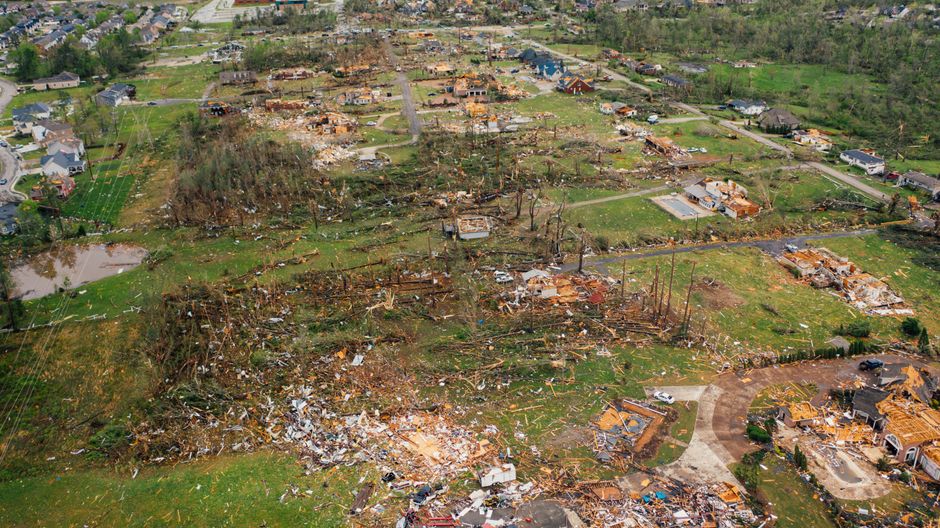
    Joplin, Missouri — In the aftermath of the devastating tornado that struck in 2011, C.J. Huff, the superintendent of Joplin Schools, spearheaded a remarkable rebuilding initiative that transformed the educational landscape of the city. This effort not only restored physical structures but also aimed to heal a community deeply scarred by tragedy.

    Huff’s approach has garnered national attention, becoming a model for other districts facing similar challenges. He reflects on the successes of the rebuilding process, while also acknowledging the difficulties encountered, including community backlash and the emotional toll on educators and students. A report from The New York Times highlighted that Huff faced scrutiny regarding the speed and methods of the rebuilding process, which led to tensions within the community.

    Community Involvement as a Cornerstone

    One of the key strategies employed by Huff was the active involvement of the community. By engaging local stakeholders in the planning and rebuilding phases, he ensured that the new schools addressed the specific needs of the community. This approach fostered a sense of ownership among residents, which is vital for recovery. Huff organized town hall meetings and forums where parents, teachers, and community members could voice their opinions and ideas. This collaboration was essential for rebuilding trust and ensuring that the schools reflected the community’s values and aspirations.

    Moreover, Huff implemented a transparent communication strategy, keeping the community informed about progress and challenges throughout the rebuilding process. This openness helped to build trust and alleviate concerns among parents and local leaders. An analysis by Career Ahead indicates that districts prioritizing community engagement during recovery often experience smoother transitions and greater support. Huff’s proactive communication was underscored in a District Administration article, which noted that consistent updates and community involvement were crucial for addressing fears and fostering commitment to the schools’ success.

    Addressing Mental Health Needs

    Recognizing the profound impact of trauma on students and staff, Huff also prioritized mental health resources as part of the recovery efforts. The emotional scars left by the tornado necessitated a comprehensive approach to mental health support. Schools introduced counseling services and mental health programs aimed at assisting those affected by the disaster. Integrating mental health support into the recovery process not only aids healing but also enhances the educational environment. Research shows that schools prioritizing mental health see improved student performance and reduced behavioral issues, creating a more conducive learning atmosphere. Huff’s initiatives in this area were pivotal, providing a safety net for students grappling with the emotional aftermath of the disaster.

    Innovative Designs for Future Learning

    Huff’s rebuilding efforts also featured innovative designs for the new schools, incorporating modern technology and flexible learning spaces. This forward-thinking approach not only addressed immediate needs but also prepared the schools for future educational demands. The new designs were not merely aesthetic; they aimed to create environments that foster collaboration and creativity among students. By integrating technology into classrooms, Huff sought to equip students for a rapidly changing world, ensuring that the rebuilt schools would support future learning.

    Navigating Community Backlash

    Despite the successes, Huff’s journey was not without challenges. Some community members expressed backlash regarding certain decisions made during the rebuilding process, feeling excluded from the decision-making. This tension highlighted the importance of ongoing dialogue and effective communication in future recovery efforts. Career Ahead’s analysis suggests that ensuring all voices are heard can mitigate such issues, fostering a more inclusive approach to rebuilding.

    C.J. Huff Rebuilt Joplin’s Devastated Schools. Then Came the Backlash.

    Huff’s experience underscores the necessity of adaptability in leadership. As circumstances evolved, he adjusted plans and strategies to better align with community feedback and needs. This flexibility is crucial for superintendents and school administrators involved in disaster recovery. The ability to respond to community concerns and incorporate feedback was essential for maintaining trust and support among stakeholders.

    Long-Term Impact and Lessons Learned

    The long-term effects of Huff’s rebuilding initiatives are still being evaluated, but early indicators suggest positive outcomes. Schools that have been rebuilt or renovated report increased enrollment and improved student engagement. This revitalization of the educational environment is critical for the community’s overall recovery. Furthermore, the lessons learned from Joplin’s experience are being shared with other districts facing similar challenges. Huff has become a sought-after speaker and consultant, sharing insights on effective recovery strategies and the importance of community involvement.

    As districts prepare for potential disasters, the strategies established in Joplin provide valuable guidance. Career Ahead has found that focusing on community engagement, mental health support, and adaptive leadership can help school districts create robust recovery plans. These plans not only restore but also enhance educational environments, ensuring that they are better equipped to face future challenges.

    C.J. Huff Rebuilt Joplin’s Devastated Schools. Then Came the Backlash.

    Frequently Asked Questions

    What are the key challenges faced by superintendents in disaster recovery?

    Superintendents often encounter challenges such as community backlash, funding limitations, and emotional strain on staff and students. Effective communication and community engagement are crucial for overcoming these obstacles.

    How can education policymakers support rebuilding efforts?

    Education policymakers can assist rebuilding by providing funding, resources, and guidance on best practices for community engagement and mental health support during recovery.

    What strategies should school administrators implement for effective community engagement during recovery?

    School administrators should prioritize transparent communication, organize community meetings, and actively involve local stakeholders in decision-making. This fosters a sense of ownership and collaboration.

  • 500 Pharmacy Seats Vacant in Gujarat’s Online Admission Round

    500 Pharmacy Seats Vacant in Gujarat’s Online Admission Round

    Gujarat — Over 500 pharmacy seats in government and grant-in-aid colleges are vacant. A special online admission round started on September 17 to fill these seats. The admission committee hopes to address this issue as many students chose medical and dental courses through NEET, leading to cancellations.

    After three common online rounds, the committee found that many students who got pharmacy seats later opted for medical or dental programs. About 317 students canceled their pharmacy admissions after securing spots in these more popular courses. This situation offers a chance for students interested in pharmacy to secure a college seat.

    Details of the Special Online Admission Process

    The special online admission round aims to fill 195 vacant degree pharmacy seats and 313 diploma pharmacy seats. Registration started on September 17 and will end on September 22. Students must provide consent and complete the choice filling process during this period.

    After filling out their choices, the seat allotment results will be announced on September 25. Candidates must confirm their admissions by September 29. This timeline creates urgency for students looking to enter the pharmacy field.

    Career Ahead’s analysis of data from gujaratmedadm.in shows that this special admission round is vital for both students and colleges. Pharmacy colleges in Gujarat struggle to maintain enrollment numbers, especially as students shift their interests to medical and dental programs. Filling these seats is essential for the sustainability of these institutions.

    The admission committee’s proactive approach in organizing this special round shows they understand the competitive landscape of pharmacy education. As students weigh their options, colleges must adapt to changing preferences to keep their programs attractive. According to Careers360, the pharmacy sector is growing, with more job opportunities in clinical pharmacy, pharmaceutical research, and healthcare management. However, if colleges cannot fill their seats, they may face financial instability, risking program cuts or closures.

    Implications for Pharmacy Colleges and Students

    The high vacancy rates in pharmacy colleges across Gujarat present a significant challenge for educational institutions. As more students choose medical and dental courses, pharmacy colleges must rethink their recruitment strategies to attract new students. This situation highlights the need for effective marketing of pharmacy programs and clear communication of their value.

    Moreover, the impact of these vacancies goes beyond immediate enrollment numbers. Ongoing challenges in pharmacy education enrollment show that colleges need to reach out strategically to attract applicants. They must innovate their curriculum and provide practical experiences that meet industry demands to stay competitive. The current landscape poses a dual challenge: while there is a growing need for pharmacy professionals, educational institutions must adapt to students’ changing preferences. This requires a concerted effort to emphasize the relevance of pharmacy education in today’s healthcare environment.

    According to Gujaratmedadm, the admission committee’s efforts to fill these seats through a special round respond to the changing dynamics of student interest. As the pharmacy sector evolves, colleges must attract students and prepare them for a competitive job market. This special admission round offers a second chance for students and serves as a wake-up call for pharmacy colleges. They must recognize the changing dynamics of student interest and respond effectively to ensure their programs thrive.

    Gujarat: Over 500 Pharmacy Seats Vacant, Special Online Admission Round from Sept 17

    As the special admission round continues, it will be interesting to see how many vacant seats are filled and how this affects the future of pharmacy education in Gujarat. The outcome may set a precedent for how colleges tackle enrollment challenges in the future. The urgency of this situation is clear, as the decisions made now will shape the landscape of pharmacy education and its relevance in healthcare for years to come.

    Frequently Asked Questions

    What are the eligibility criteria for pharmacy admissions in Gujarat?

    To be eligible for pharmacy admissions in Gujarat, students must have completed Class XII with science subjects. They must also meet the cutoff scores set by the admission committee based on NEET results.

    How can I apply for the special online admission round for pharmacy?

    Students can apply for the special online admission round by registering on the admission committee’s official website. The registration process started on September 17 and will continue until September 22, 2026.

    Gujarat: Over 500 Pharmacy Seats Vacant, Special Online Admission Round from Sept 17

    What should pharmacy colleges do to fill vacant seats effectively?

    Pharmacy colleges should improve their marketing strategies to showcase the benefits of their programs. They can also partner with industry to offer internships and practical experiences that attract prospective students.

  • Russia Fuels Over Half of India’s Oil Amid Tariff Threats

    Russia Fuels Over Half of India’s Oil Amid Tariff Threats

    India’s oil imports from Russia surged to over 51% in July 2026, coinciding with the U.S. House of Representatives passing a bill to impose potential 100% tariffs on countries importing Russian oil. This legislation, titled the ‘Lindsey O. Graham Sanctioning Russia and Iran Act of 2026,’ aims to cut off financing for Russia amid ongoing geopolitical tensions. The bill’s passage reflects a broader strategy by the U.S. to exert economic pressure on Russia, particularly in light of its actions in Ukraine and other geopolitical conflicts.

    This dramatic increase in India’s reliance on Russian oil comes at a time when the country is facing significant changes in its energy landscape. The bill, passed on September 16, 2026, is expected to be signed into law soon, further complicating India’s energy import strategies. Data from the Ministry of Commerce and Industry indicates that India imported 110.4 lakh tonnes of oil from Russia in July, marking a 26% increase from June and a staggering 55% rise compared to the same month last year. This surge is significant, especially as it occurs during a period of heightened global oil prices and supply chain disruptions.

    Impact of U.S. Tariffs on Oil Pricing

    The proposed tariffs could significantly alter the dynamics of oil pricing in India. Currently, India benefits from discounted prices on Russian oil, paying an average of $658.6 per tonne compared to $669 for other imports. However, the looming tariffs may lead to increased costs for Indian importers, potentially passing these costs onto consumers and businesses. As the U.S. seeks to tighten sanctions on Russia, India may find itself in a precarious position, balancing its energy needs with the economic implications of these tariffs. Analysts from Reuters have noted that the imposition of such tariffs could lead to a substantial increase in the overall oil import bill for India, which is already grappling with inflationary pressures.

    Career Ahead’s analysis finds that the increase in Russian oil imports is not merely a reaction to favorable pricing but also a strategic pivot in India’s energy policy. The U.S. tariffs could disrupt this strategy, leading to higher oil prices domestically. If tariffs are enacted, India may need to explore alternative sources of oil to mitigate costs, which could involve renegotiating contracts with other oil-producing nations or increasing domestic production. The potential for a shift in sourcing strategies is underscored by the fact that India has historically diversified its oil imports among various suppliers, but the current geopolitical climate is forcing a reevaluation of these relationships.

    Furthermore, the rising cost of imports could impact inflation rates in India. Higher oil prices generally lead to increased transportation and manufacturing costs, which can ripple through the economy. For energy analysts and supply chain managers, understanding these dynamics is crucial as they prepare for a potential shift in the energy market landscape. The implications of these tariffs extend beyond immediate pricing; they could also influence long-term investment decisions in infrastructure and energy security initiatives.

    In light of these developments, the role of energy analysts will become increasingly important. They will need to assess the viability of alternative energy sources and strategies to ensure that India can maintain energy security while navigating the complexities of international trade and tariffs. As highlighted by the Hindu, the geopolitical landscape is evolving, and India must adapt its energy policies accordingly to safeguard its economic interests.

    India’s Growing Dependence on Russian Oil

    India’s growing dependence on Russian oil highlights a significant shift in its energy sourcing strategies. Historically, India has diversified its oil imports among various countries, but recent trends show a marked increase in reliance on Russia. This shift can be attributed to several factors, including competitive pricing and strategic partnerships formed between India and Russia. According to data from the Ministry of Commerce and Industry, the share of Russian oil in India’s total imports reached an all-time high of 51% in July 2026. This figure underscores a growing trend where India is increasingly turning to Russia to meet its energy demands, especially in the face of fluctuating oil prices globally. Such a dependency raises questions about India’s long-term energy strategy and its implications for energy security.

    Career Ahead research indicates that while India benefits from lower prices on Russian oil, this dependence may leave the country vulnerable to geopolitical shifts. Should tensions escalate further, India could face supply disruptions or price hikes, which would have severe implications for its economy. Energy analysts must consider these risks when advising on future sourcing strategies. The increasing reliance on Russian oil also poses challenges for India’s diplomatic relations with Western nations, particularly as the U.S. intensifies its sanctions. As noted by Britannica, India’s foreign policy may need to navigate the delicate balance between economic interests and international alliances.

    Moreover, India’s reliance on Russian oil could influence its foreign policy and diplomatic relations, particularly with Western nations. As the U.S. moves to impose tariffs, India may need to navigate a complex landscape where it balances its energy needs with international pressures. This situation highlights the importance of strategic planning in energy sourcing and the need for diversification to mitigate risks. The evolving geopolitical context necessitates that India reassess its energy partnerships and consider investing in alternative energy sources to reduce its vulnerability to external shocks.

    Russia Fuels Over Half of India's Oil Amid Tariff Threats

    In conclusion, the evolving landscape of global oil supply chains presents both challenges and opportunities for India. As U.S. tariffs loom and the country continues to increase its imports of Russian oil, the need for a strategic approach to energy sourcing becomes more critical. How India navigates these complexities will shape its energy future and economic stability, making it imperative for policymakers to act decisively in the face of these challenges.

    Frequently Asked Questions

    How will U.S. tariffs impact oil prices for India?

    The proposed U.S. tariffs could lead to increased oil prices in India, as importers may pass on the costs to consumers. This shift could exacerbate inflation and impact the overall economy.

    What are the implications of India’s reliance on Russian oil imports?

    India’s growing dependence on Russian oil raises concerns about energy security and vulnerability to geopolitical tensions. This reliance may also affect India’s foreign policy and trade relations.

    Russia Fuels Over Half of India's Oil Amid Tariff Threats

    What should energy analysts consider regarding future oil sourcing strategies?

    Energy analysts must assess the risks associated with dependence on specific suppliers like Russia. Diversifying energy sources and investing in renewables should be prioritized to enhance energy security.

  • UP Medical Colleges Face NEET-UG Quota Suspension

    UP Medical Colleges Face NEET-UG Quota Suspension

    Uttar Pradesh — The Allahabad High Court has stayed the implementation of a 91% reservation quota for NEET-UG admissions at four government medical colleges. This decision allows the admissions process to continue using the previous quotas: 21% for Scheduled Castes (SC), 2% for Scheduled Tribes (ST), and 27% for Other Backward Classes (OBC). The ruling, announced on September 17, 2026, has major implications for aspiring medical students in the region.

    The court’s intervention comes amid rising tensions over reservation policies in medical education. The stay was prompted by a petition challenging the state government’s quota arrangements, which allegedly exceeded legal limits. The Allahabad HC’s bench, including Justice Alok Mathur and Justice Amitabh Kumar Rai, stressed the need to follow statutory provisions on reservations. As reported by the Economic Times, the court’s ruling shows a growing concern about balancing affirmative action and merit in education.

    Changes in Admission Criteria for NEET-UG Candidates

    The Allahabad HC’s ruling has significantly changed the admission criteria for NEET-UG candidates in Uttar Pradesh. The proposed 91% reservation quota has been halted. Instead, the court has reinstated traditional reservation percentages, in line with the UP Reservation Act of 2006, which states that overall reservations should not exceed 50%.

    As a result, candidates from SC, ST, and OBC backgrounds will still have access to reserved seats. However, the number of seats available for general category students is likely to increase. This change is expected to create a more competitive environment for all candidates. The Times of India notes that this ruling affects current admissions and sets a precedent for future cases on reservation policies in education.

    The court’s decision also states that all admissions made under the new criteria will remain subject to ongoing legal proceedings. This adds uncertainty for candidates, as the final outcome of the case could further alter the admission landscape. The ruling has sparked discussions among educational institutions about how they will adjust to comply with the new legal framework. This may lead to changes in candidate assessments and support systems for underrepresented groups.

    Career Ahead’s analysis suggests that this ruling could influence not only the current admission cycle but also future policy reforms on reservation quotas in medical education. Judicial scrutiny of reservation policies may prompt the state government to rethink its approach to medical college admissions. Public sentiment is evolving regarding equity in education, and this ruling could reshape the future of medical education in India.

    Impact on SC, ST, and OBC Quotas

    The stay on the 91% quota has significant effects for candidates from SC, ST, and OBC communities. While these groups will still benefit from reserved seats under the reinstated percentages, the overall reduction in the quota may increase competition. With fewer reserved seats, the pressure on these students to perform well in NEET-UG may rise. The court’s decision reflects a broader trend in Indian society, where the effectiveness of reservation policies is being critically examined.

    Moreover, the ruling highlights ongoing legal challenges surrounding reservation policies in India. The court’s decision to limit the quota to traditional levels shows a growing concern for balancing affirmative action and meritocracy. This balance is crucial to ensure that all candidates, regardless of background, have a fair chance at securing a seat in medical colleges. The Careers360 report emphasizes that this ruling could lead to a reexamination of how educational institutions approach admissions, possibly resulting in more rigorous candidate assessments.

    Additionally, the ruling may change how educational institutions approach admissions in the future. Colleges may need to adjust their admission strategies to comply with the new legal framework. This could lead to changes in candidate assessments and pressure to enhance support systems for underrepresented groups. Educational stakeholders must remain proactive in addressing the needs of all students while maintaining high academic standards.

    UP Medical Colleges Face NEET-UG Quota Suspension

    Career Ahead’s research indicates that the impact of this ruling may extend beyond the current academic year. As the legal landscape around reservation policies evolves, educational institutions and policymakers may need to engage in ongoing discussions. They must find ways to create equitable access to education while maintaining high academic standards. The court’s ruling is a pivotal moment that may influence future legislative and judicial actions regarding reservation policies across various sectors.

    In light of this ruling, candidates from SC, ST, and OBC backgrounds should prepare for a more competitive admission process. Understanding the changing landscape of reservation policies is crucial for their success in securing a spot in medical colleges. The future of reservation policies in medical education is uncertain, with potential changes that could reshape access to education for many aspiring medical students.

    Frequently Asked Questions

    What are the new admission criteria for NEET-UG candidates in UP?

    The Allahabad HC has reinstated traditional reservation percentages for NEET-UG admissions: 21% for SC, 2% for ST, and 27% for OBC candidates. This change halts the previously proposed 91% reservation quota.

    How will the stay on the quota impact my chances of admission?

    The stay on the 91% quota means more seats will be available for general category candidates. This increases competition for SC, ST, and OBC students. Candidates need to be ready for a more competitive admission process.

    UP Medical Colleges Face NEET-UG Quota Suspension

    What should NEET-UG candidates do in light of the recent court ruling?

    NEET-UG candidates should stay informed about ongoing legal proceedings and be prepared for changes in the admission landscape. Understanding the implications of reservation policies can help candidates strategize their applications effectively.

  • CA Bodies Push for Extended Tax Audit Deadline

    CA Bodies Push for Extended Tax Audit Deadline

    India — The Central Board of Direct Taxes (CBDT) faces pressure from various chartered accountant (CA) bodies. They want to extend the tax audit filing deadline from September 30 to October 31, 2026. This proposed extension comes as many professional organizations express concerns about the tight compliance window for the assessment year 2026-27. Currently, the September 30 deadline remains, but discussions about an extension are crucial for tax professionals.

    The call for an extension is driven by logistical challenges faced by tax auditors. CA associations argue that the timeline for tax audits has become very tight. This is due to the staggered release of income tax return (ITR) forms and utilities. For example, ITR-3 was released on June 18, ITR-5 and ITR-7 on July 7, and ITR-6 on August 4. These delays have created a heavy workload for tax professionals, making it hard to meet the deadline. According to a report by Livemint, the September 30 deadline is approaching quickly. The pressure on CAs is rising as they struggle to handle the influx of client requests and compliance tasks.

    Additionally, the Tax Bar Association of Bhilwara has pointed out more reporting requirements. They stress the need for detailed reconciliation and verification of financial records. These are essential for accurate tax audit reports. The deadline for business taxpayers not liable for tax audits is August 31. This gap between the two deadlines leaves CA professionals with little time to finish their work. This situation has increased stress levels among CAs, who are already dealing with a complex regulatory landscape.

    Career Ahead’s analysis shows that this situation poses a significant challenge for chartered accountants. They must balance the demands of multiple clients while following strict regulatory timelines. The potential extension to October 31 could reduce some of this pressure. It would give CAs more time to ensure accuracy and compliance in their audit reports. However, until an official announcement is made, CAs must continue to work under the current deadline, adding uncertainty to their planning.

    Impact on Client Management for Tax Auditors

    The proposed extension of the tax audit deadline may change how chartered accountants manage clients. With the possibility of more time, CAs might need to adjust their communication and expectations with clients. Clients often have different levels of understanding about tax regulations and deadlines. This can complicate the audit process. As noted in the Livemint report, many clients may mistakenly see an extension as a reason to delay their submissions. This could lead to a backlog of documents that CAs must process quickly.

    As CAs navigate this situation, they will likely face higher expectations from clients. Clients may think that an extension means less urgency in completing their audits. This perception could cause delays in submitting necessary documents, complicating the audit process. Therefore, effective communication is vital for managing client expectations and ensuring timely compliance. CAs may need to implement structured communication strategies. This will help clarify deadlines and the importance of timely document submission, reducing potential delays.

    Moreover, the extension could encourage CAs to take a more proactive approach in client interactions. This may involve reaching out to clients earlier to gather required documentation and offer guidance on new reporting requirements. By being proactive, CAs can reduce delays and improve the efficiency of the audit process. The Livemint article highlights the need for CAs to maintain a collaborative environment with clients. This can encourage timely cooperation and improve audit outcomes.

    Career Ahead research indicates that chartered accountants who use structured communication strategies are more likely to maintain compliance and accuracy in their audit reports. By setting clear deadlines and expectations, CAs can create a collaborative environment that promotes timely cooperation from clients. This proactive engagement can also strengthen client relationships, as clients value transparency and guidance during the audit process.

    Adjustments in Audit Schedules

    The potential extension of the tax audit filing deadline requires adjustments in audit schedules for chartered accountants. If the deadline moves to October 31, CAs will need to reassess their workload and timelines for audits. This could lead to a more balanced distribution of work throughout the audit season. Currently, the tight timeline often causes a rush to complete audits before the September 30 deadline. This pressure can affect the quality of audits, as CAs may not have enough time for thorough reviews. An extension could allow for a more measured approach, enabling CAs to focus on accuracy and compliance without the constant pressure of an imminent deadline.

    Additionally, an extended deadline might provide more opportunities for training and development for CAs. With extra time, firms could invest in upskilling their teams on the latest tax regulations and auditing standards. This would enhance the overall quality of service provided to clients. The Livemint report suggests that this could be a key opportunity for CAs to refine their skills and adapt to changing regulatory requirements, ultimately benefiting their practice and clients.

    However, it is important to note that the extension is not yet confirmed. Until the CBDT officially announces a change, CAs must continue to work under the current September 30 deadline. This uncertainty adds complexity to audit planning and execution. As CAs prepare for the possibility of an extension, they must also stay alert for updates from the CBDT to ensure they meet the latest requirements.

    CA Bodies Push for Extended Tax Audit Deadline

    In summary, the proposed extension of the tax audit filing deadline has important implications for chartered accountants in India. CAs must remain flexible and adaptable in managing workloads, client expectations, and audit schedules as they navigate this changing landscape.

    Frequently Asked Questions

    What should chartered accountants do about the extended tax audit deadline?

    Chartered accountants should keep preparing their audit reports as if the September 30 deadline is still in place. Until the CBDT makes an official announcement, CAs must gather all necessary documentation and complete their audits promptly.

    How will the deadline extension affect tax auditors’ schedules?

    The extension could lead to a redistribution of workload. This would allow tax auditors to spread their tasks more evenly throughout the audit season. This may improve the quality of audits as CAs will have more time for thorough reviews.

    CA Bodies Push for Extended Tax Audit Deadline

    What strategies can tax auditors implement to manage increased workload due to the deadline change?

    Tax auditors can adopt proactive communication strategies with clients. They should set clear expectations and prioritize documentation collection. This approach will help ensure timely compliance and minimize delays in the audit process.

  • Hungarian Startup Plans US Foothold With Non-Military Drones

    Hungarian Startup Plans US Foothold With Non-Military Drones

    Hungary — A Hungarian startup plans to enter the US drone market, focusing on non-military uses. This move comes as demand for drone technology rises in sectors like agriculture and logistics. The startup aims to use its innovative solutions to meet the needs of American businesses.

    Expanding into the US market is significant for the startup. It reflects a trend of international companies wanting to profit from the growing drone sector. This shift shows the rising interest in non-military drone applications, which can transform industries beyond defense. The global drone market is expected to reach $43 billion by 2024, according to a PwC report. The timing for this entry is ideal. The report highlights that rapid drone technology evolution creates new opportunities for startups offering unique solutions for specific market needs.

    Investment Opportunities in the US Drone Sector

    The US drone market is a hotspot for investment. Venture capital and private equity firms are eager to tap into drone technology’s potential. Career Ahead’s analysis shows that investors are keen on startups focusing on innovative drone applications. These include delivery services, agricultural monitoring, and infrastructure inspection. The growing reliance on drones for efficient supply chain management drives this investment surge.

    With e-commerce growth, companies are increasingly using drones for last-mile delivery. This trend offers a unique chance for the Hungarian startup to provide advanced drone technology tailored for US consumers. Investors see this as a viable path for high returns, especially as demand for efficient delivery solutions rises. According to Bloomberg, the competition is intensifying. Established players like Amazon and Google are ramping up their drone initiatives. New entrants must differentiate themselves through innovation and strategic partnerships.

    Moreover, the US government supports drone technology. It offers grants and funding for startups that align with national interests. This creates a favorable environment for foreign companies entering the market. Career Ahead’s research shows that startups focusing on non-military applications are more likely to receive government support. Collaborating with government agencies on projects that enhance public safety and infrastructure monitoring further attracts Hungarian startups to the US market.

    However, as the startup seeks funding, it must consider the competitive landscape. Established players like Amazon and Google have already made significant investments in drone technology. To succeed, the Hungarian startup needs to stand out with unique offerings and strategic partnerships. This may involve working with local tech firms or research institutions to enhance product capabilities and market reach.

    Navigating Regulatory Challenges for Drone Operations

    Entering the US market brings regulatory challenges for the Hungarian startup. The Federal Aviation Administration (FAA) has strict regulations for drone operations, which differ from those in Hungary. Understanding these regulations is crucial for compliance and avoiding setbacks. The FAA’s framework ensures safety and privacy, posing challenges for newcomers unfamiliar with the US landscape.

    One major challenge is obtaining necessary certifications for drone operations. The FAA requires operators to meet specific safety standards, which can be time-consuming and costly. Additionally, the startup must address privacy concerns that arise with drone usage. As public awareness of drone technology grows, so does scrutiny over how data collected by drones is used. This scrutiny can affect consumer trust, making it essential for the startup to implement strong data protection measures.

    Career Ahead’s analysis suggests that startups entering the US drone market should invest in legal expertise to navigate these regulatory waters. This includes understanding local laws that may impact drone operations, such as airspace restrictions and operational limits. Engaging with regulatory affairs specialists can help streamline market entry and reduce risks of non-compliance. Establishing relationships with local authorities can enhance credibility and facilitate smoother operations. By proactively addressing regulatory concerns, the startup can position itself as a responsible player in the drone industry, gaining trust from investors and consumers.

    Hungarian Startup Plans US Foothold With Non-Military Drones

    As the startup prepares for its US launch, it must monitor ongoing regulatory developments. The FAA continually updates its regulations to keep pace with the evolving drone landscape. Staying informed will be critical for the startup’s long-term success. The dynamic nature of drone regulations means adaptability will be key as the startup seeks to establish itself in the competitive US market.

    The Hungarian startup’s entry into the US drone market marks a shift towards non-military applications of drone technology. This transition opens new investment avenues and highlights the need for startups to be agile and informed as they navigate international expansion. As demand for innovative drone solutions rises, the success of this venture could set a precedent for other international startups entering the US market.

    Frequently Asked Questions

    What are the key challenges for startup founders in drones entering the US market?

    Startup founders face significant regulatory hurdles when entering the US market. They must obtain necessary FAA certifications and address privacy concerns. Additionally, they navigate a competitive landscape dominated by established players.

    What investment opportunities exist for investors in aerospace with the rise of non-military drones?

    Investors can capitalize on the growing demand for non-military drone applications. This includes delivery services and agricultural monitoring. The supportive regulatory environment and government funding opportunities enhance the investment landscape.

    Hungarian Startup Plans US Foothold With Non-Military Drones

    What should regulatory affairs specialists know about the US drone market expansion?

    Regulatory affairs specialists should understand the FAA’s strict regulations for drone operations. This includes safety standards and airspace restrictions. Knowing these regulations is crucial for compliance and smoother market entry for startups.

  • Tornado Recovery: Schools Rebuilt, Challenges Faced

    Tornado Recovery: Schools Rebuilt, Challenges Faced

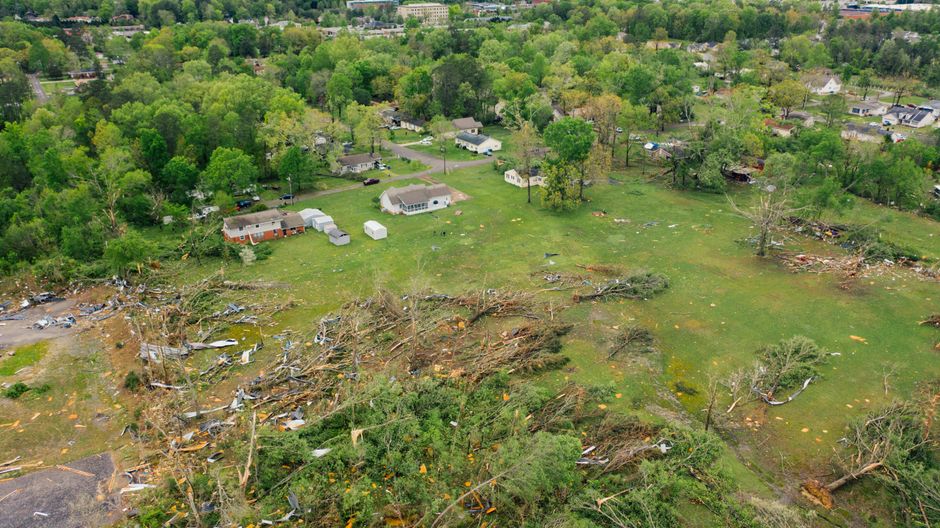
    Joplin, Missouri — After a devastating tornado struck in May 2011, the Joplin School District faced the monumental task of rebuilding its educational infrastructure. Within a remarkably short period, the district not only rebuilt its schools but also implemented innovative strategies that have become a model for similar recovery efforts across the country. This article explores the key strategies, funding opportunities, and community engagement that facilitated this rapid recovery.

    In the wake of the tornado, which destroyed over 7,000 homes and left 158 people dead, the Joplin School District was left with significant damage to its educational facilities. The disaster prompted immediate action from school leaders, including Superintendent C.J. Huff, who prioritized rebuilding the schools to ensure students could return to a safe and productive learning environment. The urgency of this task was underscored by the emotional and psychological needs of students and staff affected by the disaster. As noted by the New York Times, the rebuilding process was not just about restoring physical structures but also about addressing the deep psychological scars left by the tragedy.

    Innovative Approaches to School Reconstruction

    The Joplin School District’s approach to rebuilding was characterized by innovative strategies aimed at not only restoring but also improving educational facilities. The district adopted a comprehensive plan that included modern design principles, sustainable building practices, and community input. This multifaceted approach ensured that the new schools would meet the needs of the students while also serving as resilient structures capable of withstanding future disasters.

    One significant aspect of the rebuilding effort was the use of modular construction techniques. These methods allowed for faster assembly and reduced costs, enabling the district to reopen schools more quickly. For instance, the Joplin High School was rebuilt using a modular design that facilitated rapid construction while also incorporating advanced technology and safety features. This not only provided students with a state-of-the-art learning environment but also demonstrated the effectiveness of modern construction methods in disaster recovery. According to Idyllic Pursuit, the entire school district was rebuilt in less than a year, showcasing the efficiency of these innovative techniques.

    Additionally, the district focused on creating multi-purpose facilities that could serve various community needs. By designing schools that could be used as emergency shelters or community centers, the district ensured that the investment in educational infrastructure would benefit the broader community. This approach fostered a sense of ownership among community members and highlighted the importance of schools as vital community assets. The design of these facilities was not only functional but also aesthetically pleasing, which helped to restore a sense of normalcy and pride in the community.

    Moreover, the Joplin rebuilding effort emphasized the integration of mental health resources within schools. Recognizing the trauma experienced by students and staff, the district implemented programs that provided psychological support and counseling services. This holistic approach to rebuilding not only addressed physical infrastructure but also prioritized the emotional well-being of students, making it a comprehensive model for recovery. The district’s commitment to mental health was evident in the establishment of dedicated spaces within schools for counseling and support groups, ensuring that students had access to the resources they needed to heal.

    Funding Strategies for Reconstruction

    Funding played a crucial role in the successful rebuilding of Joplin’s schools. The district leveraged various sources to finance the reconstruction efforts. The Federal Emergency Management Agency (FEMA) provided significant disaster relief funds, which were instrumental in covering the immediate costs associated with rebuilding. However, the district also sought additional funding through grants and community fundraising initiatives.

    One notable initiative was the establishment of the Joplin Schools Foundation, which mobilized community support and raised funds specifically for educational recovery. This foundation not only provided financial assistance but also engaged local businesses and residents in the rebuilding process. By fostering a sense of community involvement, the district was able to create a network of support that extended beyond financial contributions. The foundation’s efforts were complemented by local fundraising events, which brought together residents to contribute to the recovery, reinforcing community bonds.

    Additionally, partnerships with local and national organizations helped secure further funding. Collaborations with entities such as the American Red Cross and various philanthropic foundations provided crucial resources that enabled the district to implement innovative programs and facilities. This collaborative approach to funding ensured that the rebuilding efforts were sustainable and aligned with the community’s long-term educational goals.

    Tornado Recovery: Rebuilding Schools, Facing New Challenges

    Community Engagement in Recovery Efforts

    Community engagement was a cornerstone of Joplin’s recovery efforts. The school district recognized that involving community members in the rebuilding process would not only enhance the facilities but also foster a sense of ownership and pride among residents. Public forums and community meetings were held to gather input from parents, students, and local stakeholders, ensuring that the new schools reflected the values and needs of the community.

    This inclusive approach helped build trust between the school district and the community, which was essential for the success of the rebuilding efforts. By actively involving community members in decision-making processes, the district was able to address concerns and incorporate feedback into the design and functionality of the new schools. This not only improved the physical spaces but also strengthened the community’s connection to the educational system.

    Moreover, local businesses played a vital role in the rebuilding process. Many contributed materials, services, and funding to support the construction of new schools. This collaboration not only reduced costs but also reinforced the idea that schools are integral to the community’s identity and well-being. By fostering partnerships with local businesses, the district created a network of support that extended beyond the immediate rebuilding efforts.

    Tornado Recovery: Rebuilding Schools, Facing New Challenges

    In addition to physical contributions, community engagement also included volunteer initiatives. Residents came together to assist with cleanup efforts, fundraising events, and mentorship programs for students. This grassroots involvement not only expedited the recovery process but also created lasting relationships between students and community members, reinforcing the idea that education is a shared responsibility.

    Lessons Learned from Joplin’s Experience

    The Joplin experience underscores the importance of community engagement in disaster recovery. By prioritizing collaboration and inclusivity, educational leaders can create resilient systems that not only recover from disasters but also thrive in the long term. As communities across the United States and beyond continue to face the challenges posed by natural disasters, the lessons learned from Joplin’s recovery efforts remain relevant. The strategies implemented in Joplin provide a valuable case study for educational leaders seeking to rebuild effectively after disasters, highlighting the importance of innovation, funding, and community involvement in creating resilient educational infrastructures.

    Frequently Asked Questions

    What are the key steps for school superintendents in disaster recovery?

    School superintendents should prioritize immediate safety assessments, secure funding through diverse sources, and engage the community in the rebuilding process. These actions set the foundation for a successful recovery.

    Tornado Recovery: Rebuilding Schools, Facing New Challenges

    How can educational administrators secure funding for rebuilding?

    Educational administrators can secure funding by leveraging federal disaster relief funds, establishing community foundations, and forming partnerships with local businesses and non-profits. This multi-faceted approach enhances financial stability for reconstruction efforts.

    What community resources are available for supporting school reconstruction efforts?

    Community resources include local businesses offering materials and services, volunteer organizations providing manpower, and philanthropic foundations that can provide grants. Engaging these resources fosters a collaborative rebuilding environment.

  • Investors Evaluate F&O Trading Viability, Says Sebi Chief

    Investors Evaluate F&O Trading Viability, Says Sebi Chief

    India’s Securities and Exchange Board (Sebi) has called for a reassessment of trading strategies in the futures and options (F&O) market. Sebi Chairman Tuhin Kanta Pandey made this statement after a report showed that while overall losses in F&O trading have decreased, many individual traders still face large financial losses. In FY26, individual traders reported net losses of Rs 91,685 crore, down from Rs 1.12 lakh crore in FY25. However, 88% of these traders continue to incur losses.

    This situation raises important questions about the effectiveness of current trading strategies among individual investors. The F&O segment is complex and high-risk. Therefore, traders must evaluate their approaches carefully. Sebi’s regulatory measures aim to enhance transparency and reduce risk, but these efforts have not fully improved outcomes for many individual traders. A recent report by Economic Times highlights that ongoing losses for individual traders point to a systemic issue that needs urgent attention.

    Understanding the Decline in Aggregate Losses

    The reduction in total losses reported by individual traders in the F&O market is a noteworthy development. Career Ahead’s analysis shows that this decline is due to improved regulatory oversight and increased awareness of risk management practices. Sebi’s initiatives have focused on educating traders about the risks of F&O trading, helping some mitigate their losses. Stricter margin requirements and better monitoring of trading activities have also contributed to this trend. These measures aim to prevent excessive risk-taking and promote responsible trading practices. However, despite these improvements, many individual traders still report losses, indicating a need for deeper examination of their strategies.

    The competitive nature of the F&O market means that many individual traders are often outmatched by institutional players. These players have access to advanced trading tools and resources. This gap can create significant challenges for individual traders. Hence, it is crucial for them to reassess their strategies and adopt more effective methods. The BBC reported that the widening gap in resources and knowledge between institutional and individual traders exacerbates difficulties for the latter. While the decline in aggregate loss figures is encouraging, it should not overshadow the ongoing struggles of individual traders. The fact that 88% of these traders still report losses suggests a systemic issue that needs urgent attention. Many may not be applying lessons from regulatory guidance or may lack the skills to navigate this complex market effectively.

    The psychological aspect of trading is also important. Many individual traders make emotional decisions, leading to impulsive actions and further losses. By adopting a disciplined approach and sticking to a well-thought-out strategy, traders can improve their chances of success. This requires both technical knowledge and a strong psychological framework to manage stress and maintain focus.

    The Impact of Regulatory Measures on Trading Outcomes

    Sebi’s regulatory measures have significantly shaped the current F&O trading landscape. Educational programs for individual traders have been a key part of these efforts. Career Ahead’s research shows that traders who engage with educational resources tend to perform better than those who do not. This highlights the importance of knowledge and risk awareness in successful trading. Additionally, technology-driven solutions, such as automated trading systems and analytical tools, have helped some traders make more informed decisions. However, these tools are not available to everyone, creating a divide between those who can afford advanced resources and those who cannot. As a result, many individual traders may find themselves at a disadvantage.

    The regulatory focus on transparency has also increased market integrity, which is crucial for fostering investor confidence. When traders feel secure in the market’s operations, they are more likely to participate actively. Nevertheless, the challenge remains to ensure that this confidence translates into profitable trading practices for individual investors. Despite positive strides, the high percentage of traders facing losses shows that regulatory measures alone are not enough. Individual traders need to adopt a more proactive approach in assessing their strategies. This includes continually evaluating their trading methods and seeking additional resources to improve their performance.

    As the F&O market evolves, individual traders must stay informed about regulatory changes and market dynamics. Understanding how these factors influence trading outcomes can help them make better decisions and reduce losses. Looking ahead, it will be interesting to see how the F&O market evolves in response to regulatory changes and the actions taken by individual traders. Will there be a shift towards more collaborative trading practices, or will individual traders continue to struggle? The answers to these questions will shape the future of F&O trading in India.

    Investors Evaluate F&O Trading Viability, Says Sebi Chief

    Ultimately, the need for individual traders to reassess their strategies is underscored by ongoing challenges. As the F&O market presents both opportunities and risks, those who adapt and evolve their approaches will be better positioned to succeed. Engaging with more experienced traders can provide valuable insights and help avoid common pitfalls. Networking within trading communities can also lead to collaborative learning opportunities, which can be beneficial for refining trading strategies.

    Frequently Asked Questions

    What are the common mistakes individual traders make in F&O trading?

    Common mistakes include poor risk management, emotional decision-making, and failing to adapt strategies based on market conditions. Many traders also overlook the importance of education and rely on tips instead of thorough analysis.

    How can I reduce my losses in F&O trading?

    To reduce losses, implement strict risk management practices, continuously educate yourself about market trends, and regularly review your trading strategies. Engaging with trading communities can also provide valuable insights and support.

    Investors Evaluate F&O Trading Viability, Says Sebi Chief

    What strategies should individual traders adopt to succeed in the F&O market?

    Individual traders should develop a disciplined trading plan, use analytical tools, and stay informed about market changes. Building a strong psychological framework to manage stress and maintain consistency is also important for long-term success.

  • Fed’s Hawkish Hike to Pressure Asian Currencies, Strategists Say

    Fed’s Hawkish Hike to Pressure Asian Currencies, Strategists Say

    The Federal Reserve recently raised interest rates, impacting global markets and Asian currencies. This hike, announced on September 16, 2026, aims to fight inflation. However, it is expected to weaken several Asian currencies. Analysts are closely watching how these changes will affect trading strategies and financial risk management in the region.

    The Fed’s tough stance comes during a time of economic uncertainty. Inflation in the United States remains high, prompting the central bank to hint at more rate hikes. This has caused a strong reaction in financial markets, especially in emerging Asian economies. As the dollar gains strength, Asian currencies may weaken, leading to potential volatility in currency trading. According to Bloomberg, this situation shows how global financial systems are interconnected. Decisions by the Fed can quickly impact currencies and economies worldwide.

    Impact on Currency Valuation Strategies

    Career Ahead’s analysis shows that the Fed’s rate hike will force financial analysts in Asia to rethink their currency valuation strategies. As the dollar rises, currencies like the Indian Rupee, Indonesian Rupiah, and Thai Baht may weaken. This depreciation can change the competitive landscape for exports, affecting trade balances and economic growth. The Financial Times reports that the Indian Rupee has already weakened against the dollar, reaching levels not seen in years. Analysts warn that if the Fed continues to raise rates, the Rupee could drop further, impacting India’s trade dynamics. Export-dependent companies may see shrinking profit margins, while import costs could rise, leading to domestic inflation.

    Financial analysts must adapt their models to these changes. Traditional valuation methods may not work as well as U.S. interest rates increasingly affect Asian currency movements. Analysts will need to include real-time data on interest rates, inflation expectations, and geopolitical events in their forecasts. Understanding how external factors influence currency strength is crucial, especially with rising U.S. rates.

    Traders will likely adjust their strategies, using advanced algorithms to respond quickly to market changes. This includes implementing hedging strategies to reduce risks from currency fluctuations. As the market adapts to the Fed’s new policies, accurately forecasting currency movements will be vital for financial success. The need for flexible trading strategies is highlighted by the volatility that often comes with major monetary policy shifts.

    Adjustments in Trading Algorithms and Risk Management Practices

    The Fed’s decision to raise interest rates is driving major changes in trading algorithms for currency traders in Asia. Career Ahead research finds that as volatility rises, traders will likely use machine learning techniques to boost their predictive abilities. Algorithms that quickly process large amounts of data will be essential in this uncertain landscape. Advanced analytics will help traders spot patterns and trends that may not be obvious, giving them a competitive edge.

    Additionally, risk management practices will evolve due to the expected depreciation of Asian currencies. Traders will need to adopt more flexible risk assessment frameworks that can adjust to market changes. This may involve setting tighter stop-loss limits and diversifying currency holdings to spread risk. According to Bloomberg, the use of derivatives like options and futures contracts will likely increase as traders seek to hedge against potential losses. This trend indicates a move toward more sophisticated trading strategies that can handle market shocks.

    As currency traders face pressure from the Fed’s policies, they must also pay attention to global economic indicators. Changes in commodity prices, trade policy shifts, and geopolitical tensions can all affect currency movements. Traders who can incorporate these factors into their models will gain a competitive advantage. Adapting to these external pressures will be key for maintaining profitability in a fast-changing environment.

    Fed’s Hawkish Hike to Pressure Asian Currencies, Strategists Say

    Moreover, the Fed’s hawkish stance affects more than just currency trading; it also impacts broader economic conditions in Asia. Countries with strong trade ties to the U.S. may see shifts in their economic outlooks. For instance, nations heavily reliant on U.S. exports could face declining demand as their currencies weaken, affecting overall economic growth. Career Ahead analysis suggests this could create a domino effect, where weaker currencies lead to less foreign investment. Investors may seek safer assets amid rising volatility, causing capital outflows from emerging markets. This could worsen currency depreciation, creating a tough cycle for Asian economies.

    Central banks in Asia may need to respond to the Fed’s actions by adjusting their own monetary policies. This could mean raising rates to stabilize their currencies or taking steps to boost domestic demand. Balancing currency stability with economic growth will be a delicate task for policymakers. As Asian economies face these challenges, strategic economic planning becomes essential. Countries must consider how to position themselves in a global economy where U.S. monetary policy decisions can have wide-ranging effects.

    The Fed’s hawkish stance will create a turbulent environment for Asian currencies and economies. As analysts, traders, and policymakers navigate these changes, adapting to shifting market dynamics will be crucial for future success. Looking ahead, the key question is: how will Asian economies respond to ongoing pressures from U.S. monetary policy, and what strategies will emerge to lessen the impact of currency depreciation? The coming months will be critical in shaping the future of currency trading and economic stability in the region.

    Frequently Asked Questions

    How can financial analysts mitigate risks from currency fluctuations?

    Financial analysts can reduce risks by using dynamic risk assessment techniques and real-time data. Diversifying currency holdings and implementing hedging strategies can also help protect against potential losses.

    What strategies should currency traders adopt in response to Fed rate hikes?

    Currency traders should adjust their trading algorithms to include machine learning techniques and real-time data analysis. Implementing tighter stop-loss limits and diversifying portfolios will be essential to navigate increased market volatility.

    Fed’s Hawkish Hike to Pressure Asian Currencies, Strategists Say

    How does a hawkish Fed influence Asian markets specifically?

    A hawkish Fed can cause currency depreciation in Asian markets, affecting trade balances and economic growth. As the dollar strengthens, Asian currencies may weaken, prompting changes in trading strategies and risk management practices.