
Tag: education reform

  • IIT Bombay’s New Cheating Rules Offer Fair Process for Students

    IIT Bombay’s New Cheating Rules Offer Fair Process for Students

    Mumbai, India — IIT Bombay has created new rules to tackle cheating during exams. Students accused of malpractice can now present their side before any disciplinary action occurs. This change follows intense scrutiny of the institution’s exam policies, especially after the tragic death of BTech student Sahil Wakode. He was found dead in his hostel room after being accused of cheating.

    The new framework aims to provide a clearer and more transparent process for handling academic dishonesty. Under these rules, students will not face immediate penalties. Instead, they will have a formal chance to explain their actions before any decisions are made.

    Context of the New Rules

    The introduction of these rules comes amid growing concerns about academic integrity in Indian schools. Recent studies, like those on sciencedirect.com, show that academic dishonesty often occurs in high-pressure environments. This pressure can lead to unethical behavior, such as cheating, which undermines education’s value.

    Additionally, Wakode’s tragic incident has led to protests among students. They demand changes in the disciplinary processes at IIT Bombay. Many students and faculty have criticized the lack of due process in handling cheating allegations. This has sparked calls for a more supportive approach to academic integrity.

    The proposed changes mark a significant shift in how schools address cheating. Emphasizing students’ rights to defend themselves aligns with broader trends in educational reform that prioritize fairness and transparency. Research from teachingsupport.umn.edu shows that understanding why students cheat can help schools create better policies. These policies can discourage dishonesty while supporting student success.

    Moreover, the new framework is expected to promote open communication between students and faculty. By allowing students to present their case, the institution recognizes the complexity of academic integrity issues. It also highlights the need for a nuanced approach to discipline.

    Implications for Student Behavior

    The new rules may lead to significant changes in student behavior and exam preparation. With the chance to present their case, students might feel less pressured to cheat. This could create a more honest academic environment where students focus on learning rather than fearing punishment.

    Career Ahead’s analysis suggests that this shift towards a fair hearing process will impact how students study. Knowing they have a voice in the disciplinary process may encourage students to seek help and resources instead of cheating. This change could improve academic outcomes and strengthen students’ commitment to integrity.

    Additionally, the new rules might change how faculty conduct exams and interact with students. Educators may become more vigilant in identifying the causes of academic dishonesty. They can also be more proactive in addressing issues before they lead to cheating. This proactive approach can enhance the educational experience and create a supportive learning environment.
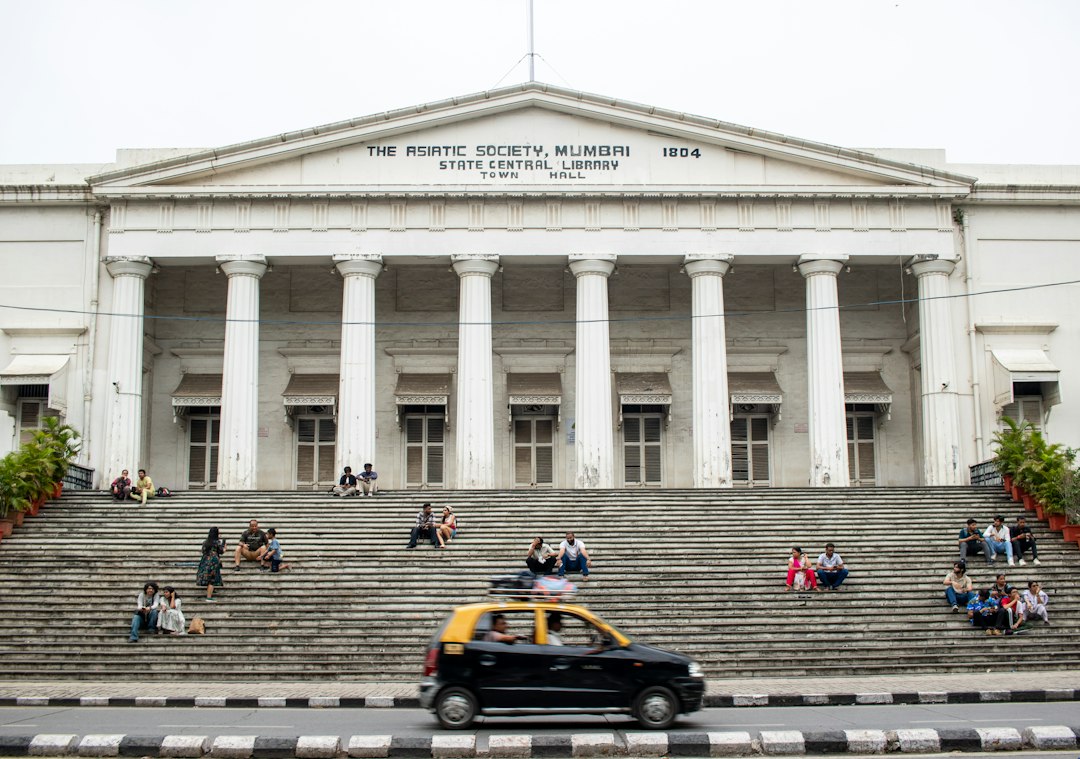
    IIT Bombay's New Cheating Rules Offer Fair Process for Students

    As the academic landscape evolves, institutions like IIT Bombay set a precedent for handling cheating cases. The focus on transparency and fairness may encourage other universities to adopt similar policies. This could contribute to a broader cultural shift in education.

    Looking Ahead: The Future of Academic Integrity

    The new cheating rules at IIT Bombay mark a crucial moment in the institution’s approach to academic integrity. As the academic community observes, the effectiveness of these changes will likely influence future policies in other educational institutions across India and beyond.

    In the coming months, it will be essential to see how these rules are implemented. We must also monitor whether they lead to fewer cheating incidents. The responses from students and faculty will provide valuable insights into this new approach. Will students feel empowered to act with integrity, or will academic pressures push them toward dishonesty?

    IIT Bombay's New Cheating Rules Offer Fair Process for Students

    The ongoing discussion about these changes highlights the need for continuous evaluation of academic policies. Educational institutions must remain adaptable, responding to their students’ evolving needs while maintaining high standards of integrity and fairness.

    As IIT Bombay navigates this new chapter, its decisions will resonate throughout the educational landscape. They may influence how academic integrity is upheld in the future.

    Frequently Asked Questions

    What should IIT Bombay undergraduate students know about the new cheating rules?

    IIT Bombay’s new cheating rules allow students accused of malpractice to present their case before any disciplinary action. This change aims to create a fairer process and promote academic integrity.

    How can IIT Bombay postgraduate students prepare for potential hearings regarding exam cheating?

    Postgraduate students should learn about the new rules and understand their rights in the hearing process. Seeking guidance from faculty or student support services can also be helpful.

    What steps should I take if I am accused of cheating at IIT Bombay?

    If accused of cheating, stay calm and gather evidence that supports your case. Use the opportunity to present your side during the hearing process, ensuring you communicate your perspective clearly.

  • What NCERT Class 9 Students Will Learn About Money Management

    What NCERT Class 9 Students Will Learn About Money Management

    India’s National Council of Educational Research and Training (NCERT) has made significant changes to the Class 9 curriculum, emphasizing the importance of financial literacy. The updated curriculum includes lessons on tax slabs, budgeting, and investment strategies, aiming to equip students with essential money management skills from an early age. This initiative reflects a growing recognition of the need for financial education in shaping responsible citizens.

    The new textbook, titled Understanding Society: India and Beyond – Part 2, highlights that financial management begins in childhood. It encourages students to make informed choices about spending, saving, and investing. The announcement of these changes on October 2, 2026, underscores the urgency of integrating financial education into the school system.

    Understanding Tax Slabs: A Civic Responsibility

    The inclusion of tax slabs in the curriculum marks a pivotal moment for financial education in India. This new approach allows students to learn about the calculation of income tax under the current tax system, fostering a sense of civic duty regarding tax payments. The curriculum emphasizes that paying taxes is not only a legal obligation but also a vital contribution to national development.

    According to Calcwise.finance, understanding tax slabs can significantly influence financial decision-making, particularly concerning investments and savings. The textbook provides detailed explanations of different income tax slabs and the calculations involved, equipping students with practical knowledge for their future financial decisions.

    Moreover, the chapter on tax slabs conveys a civic message about the importance of paying taxes honestly and on time. This educational approach not only informs students about taxation but also instills a sense of responsibility. By understanding how tax revenues support public services, students can appreciate their future roles as taxpayers.

    Budgeting: The Cornerstone of Financial Stability

    Another crucial aspect of the NCERT’s updated curriculum is the focus on budgeting skills. The textbook teaches students how to plan their expenses and manage their finances effectively. Mastering budgeting is essential for achieving financial stability and making informed choices about spending and saving.

    Budgeting involves understanding income sources, distinguishing between fixed and variable expenses, and recognizing the importance of saving for future needs. The NCERT curriculum encourages students to create personal budgets, helping them visualize their financial situations and make better spending choices. By learning to budget, students can develop self-discipline and a proactive approach to their finances.

    Research from Aditya Birla Capital indicates that effective budgeting is linked to long-term financial health. Students who master budgeting techniques are more likely to avoid debt and achieve their financial goals. The NCERT’s emphasis on budgeting supports this notion, providing students with the tools necessary to manage their finances responsibly.

    NCERT Class 9 Curriculum Introduces Tax Slabs and Financial Literacy

    Furthermore, budgeting prepares students for real-world financial challenges. As they grow older, they will encounter various financial responsibilities, such as managing student loans and household expenses. Learning budgeting skills early on equips students to handle these challenges with confidence.

    Investment Knowledge: Laying the Groundwork for Wealth

    The NCERT curriculum also introduces students to the fundamentals of investing, which are crucial for building wealth. The textbook covers various investment options, including fixed deposits, stocks, bonds, and mutual funds. This exposure helps students understand how different investments work and the associated risks and returns.

    Understanding investments is vital as students prepare to enter the workforce and manage their finances. The curriculum stresses the importance of starting to invest early, highlighting how compounding interest can significantly enhance wealth over time. Research from Taxguru.in supports the benefits of early investments and the impact of compounding on financial growth.

    Additionally, the textbook discusses risk management and the necessity of diversifying investments. Learning these principles empowers students to manage their financial portfolios effectively, leading to greater financial security. As students grasp the basics of investing, they are more likely to cultivate positive financial habits.

    Risks, Trade-Offs, and What Comes Next

    The NCERT’s introduction of financial literacy topics in the Class 9 curriculum represents a significant advancement in education. By learning about tax slabs, budgeting, and investments, students are better prepared for their financial futures. As these educational reforms take root, it will be crucial to observe their impact on the financial behaviors of young people in India.

    Frequently Asked Questions

    What financial topics are included in the NCERT Class 9 syllabus?

    The NCERT Class 9 syllabus covers financial topics such as personal income tax slabs, budgeting, saving, investing, and risk management, providing a solid introduction to financial literacy.

    NCERT Class 9 Curriculum Introduces Tax Slabs and Financial Literacy

    How can educators effectively teach budgeting to students?

    Educators can teach budgeting effectively by incorporating practical exercises, such as having students create personal budgets and discuss relatable real-life financial situations.

    What resources are available for teaching investments to Class 9 students?

    Resources for teaching investments include educational websites, financial literacy programs, and interactive tools that help students understand various investment options and their implications.

  • French School Protests Surge Amid Violence Concerns

    French School Protests Surge Amid Violence Concerns

    France is currently experiencing a significant rise in school protests, with students rallying for improved educational conditions. These demonstrations have resulted in over 400 arrests, primarily involving minors, as tensions escalated on October 1, 2026. Initially sparked in the Île-de-France region, the protests have rapidly spread across the nation, with students voicing their frustrations over large class sizes, teacher shortages, and deteriorating school facilities.

    In response to the unrest, President Emmanuel Macron condemned the violence that has accompanied the protests. He cautioned politicians against legitimizing such actions, acknowledging the anxiety and anger felt by students while emphasizing that violence is not an acceptable means of expression. His comments came amid clashes between students and police, where projectiles were thrown, and law enforcement utilized tear gas to manage the situation. Macron specifically criticized far-left political factions, accusing them of exacerbating tensions and inciting unrest.

    Key Issues Driving Student Protests

    The protests are centered around several critical issues affecting high school students in France. One of the primary grievances is the overcrowding in classrooms, with many exceeding 30 students. This situation hampers teachers’ ability to provide individualized attention and support, which is crucial for effective learning. Reports indicate that these conditions negatively impact educational outcomes, particularly for students who struggle academically.

    Another significant concern is the shortage of qualified teachers in many schools, leading to increased workloads for existing staff and a lack of specialized instruction in essential subjects. Recent government budget cuts to education have further exacerbated this issue, prompting students to demand immediate action from the government. The French Prime Minister has expressed concern that the protests could escalate further and has called for constructive dialogue rather than confrontation.

    Additionally, the physical conditions of many schools have come under scrutiny. Reports indicate that some classrooms lack proper ventilation and are ill-equipped to handle extreme weather conditions, such as the recent heatwaves. These factors not only affect student comfort but also hinder their ability to learn effectively. The protests underscore the urgent need for educational reform in France, as students demand that the government address these fundamental issues to ensure their right to quality education.

    Organized Student Activism

    As the protests continue, students have become increasingly organized in their demands. Many are leveraging social media platforms to amplify their messages and garner support from peers across different regions. This digital activism has fostered a sense of solidarity among students from diverse backgrounds, highlighting widespread discontent with the current educational system.

    Students are sharing their experiences and strategies for protest online, creating a united front that challenges the status quo. This wave of activism reflects a broader trend of young people asserting their rights and demanding accountability from political leaders. The ability of students to mobilize and articulate their concerns signifies a shift in how youth engage with political processes in France.

    Government’s Response and Potential Reforms

    In light of the protests, the French government has begun outlining potential reforms aimed at addressing the concerns raised by students. Macron’s administration appears willing to engage in dialogue with student representatives, marking a notable shift in the government’s approach to youth activism. This openness suggests a recognition of the need for change, particularly in light of the growing unrest among young people.

    French School Protests Surge Amid Violence Concerns

    As part of this dialogue, the government may consider revising policies related to education funding and teacher recruitment. Increased investment in education could alleviate issues related to class sizes and teacher shortages, potentially leading to smaller classrooms and more personalized instruction. However, the path to reform is fraught with challenges, as the government faces significant political pressure to balance budget constraints with the need for quality education.

    Moreover, the protests have highlighted the role of political parties in shaping education policy. The left-wing France Unbowed party has been accused of encouraging the protests, although its leaders maintain that they advocate for peaceful dialogue. This political dynamic may influence future discussions about educational reforms and the government’s response to student demands.

    Implications for Future Education Policy

    As the situation evolves, it is crucial to monitor how the government responds to these protests. The outcomes could set important precedents for future education policy in France and redefine the relationship between students and the government. Observers are closely watching the government’s next steps, as they will likely shape educational reform and increase student engagement in political processes.

    The current protests signal a growing trend of student activism in France, which is expected to continue influencing educational policy in the coming years. Young people are becoming increasingly aware of their rights and are willing to mobilize for change, not only in education but across various societal issues. The implications of these protests extend beyond the education sector, potentially impacting labor and social policies as well.

    Ultimately, the outcome of the current protests will test the government’s commitment to reform and its ability to adapt to the changing landscape of student activism. Observers will be keenly interested in how this situation unfolds and what it means for the future of education and youth engagement in France.

    French School Protests Surge Amid Violence Concerns

    Frequently Asked Questions

    What are the main reasons behind the current school protests in France?

    The protests are primarily driven by student demands for smaller class sizes, a shortage of teachers, and improved school conditions. Students believe these issues significantly impact their education and overall well-being.

    How might the protests affect future education policies in France?

    The protests could lead to increased government investment in education and reforms aimed at addressing class sizes and teacher shortages. A successful dialogue between students and the government may result in more responsive education policies.

    French School Protests Surge Amid Violence Concerns

    What actions can high school students take to voice their concerns about educational conditions?

    Students can organize peaceful protests, engage in discussions with school administrators, and participate in student councils to express their concerns. Active engagement can help amplify their voices and influence educational policy.

  • Distinctive Universities Shape India’s Education Future

    Distinctive Universities Shape India’s Education Future

    India’s higher education system is at a crucial turning point. Recent analysis shows a need to shift from just expanding to creating unique universities that focus on research and academic excellence. This change is vital for improving India’s global standing in education.

    As the number of higher education institutions in India has grown, the focus has often been on access rather than quality. According to Pramath Raj Sinha, Indian universities must now define their unique academic identities and enhance research capabilities. This change is essential for both institutional success and aligning educational outcomes with industry needs.

    Redefining Institutional Identity in Higher Education

    India’s higher education landscape has expanded significantly in the last two decades. The Gross Enrollment Ratio (GER) rose from about 10% in 2000 to 28.4% in 2021-22. However, simply adding more institutions does not ensure quality education. Career Ahead’s analysis shows that countries like China and Singapore, which invested in research and faculty development, have seen their universities gain global prominence. In contrast, India’s focus has often been on quantity, leading to lower academic standards in many institutions.

    To create unique universities, Indian institutions must focus on their strengths. They need to compete not just with each other but also against global standards. The National Education Policy (NEP) 2020 emphasizes multidisciplinary learning and institutional autonomy. This approach can help universities find their niches. Some new private universities have successfully integrated interdisciplinary methods, showing that innovative teaching can coexist with strong academic rigor. The NEP also encourages research universities that can drive innovation and support the knowledge economy, which is crucial for India’s global aspirations.

    Additionally, the Anusandhan National Research Foundation (ANRF) aims to boost research funding across universities. This initiative is important as it shows a commitment to improving research quality, which is essential for academic independence and global competitiveness. Integrating research into teaching can also lead to a more engaged and informed student body. According to the Economic Times, focusing on building unique universities is not just about academic prestige; it is also about preparing students for a rapidly changing job market.

    As institutions define their identities, collaboration with industries will be key. Universities that align their research with industry needs can better prepare students for jobs. This alignment can also lead to innovative solutions for real-world problems, enhancing the relevance of higher education in India. Collaboration between academia and industry is essential for creating an environment where research can lead to practical applications, benefiting both students and society.

    Fostering Research Capabilities and Industry Collaboration

    Research capabilities are about generating knowledge that drives societal progress, not just producing papers. Career Ahead research shows that universities with strong research programs attract better faculty and students, creating a cycle of academic excellence. Institutions like the Indian Institutes of Technology (IITs) and Indian Institutes of Management (IIMs) set benchmarks, but many other universities need to follow their lead. The focus on research must also include ethical practices and sharing knowledge to address pressing societal issues.

    To enhance research capabilities, universities must invest in infrastructure and resources. This includes physical facilities, funding, and partnerships with industries. Collaborations can lead to joint research projects that benefit both academia and industry. For example, partnerships with tech companies can help universities stay ahead in emerging technologies, ensuring relevant curricula. Additionally, universities should explore innovative funding models to support research initiatives without compromising academic integrity.

    Moreover, the rise of online education platforms offers Indian universities a chance to reach a wider audience. By offering courses that meet industry needs, universities can attract more students. This approach also supports lifelong learning, allowing professionals to upskill as job market demands change. Integrating technology in education expands access and enriches the learning experience, making it more interactive and engaging.

    India's Quest for Distinctive Universities

    As universities improve their research capabilities, they must also focus on graduate employability. By aligning academic programs with industry needs, institutions can better prepare students for the workforce. This alignment is crucial in a fast-changing job market, where skills in data science, artificial intelligence, and digital marketing are increasingly in demand. Emphasizing practical skills and experiential learning will be vital for students to succeed in their careers.

    In summary, transforming India’s higher education system depends on universities building unique identities and enhancing research capabilities. As institutions navigate this complex landscape, their success will rely on their commitment to quality, collaboration, and innovation. Ongoing dialogue among educators, policymakers, and industry leaders will be crucial in shaping the future of higher education in India.

    The current phase of India’s higher education transformation raises important questions about the future. What type of universities does India want to create? As institutions strive to define their unique identities, they must also consider their role in developing a skilled workforce that can drive national progress.

    Furthermore, integrating technology in education will continue to reshape the landscape. As artificial intelligence and online learning platforms evolve, universities must adapt to stay relevant. The ongoing challenge will be balancing traditional academic values with the need for innovation and adaptability.

    Ultimately, the success of this transformation will depend on the collective efforts of policymakers, educators, and industry leaders. By working together, they can create a higher education system that meets student needs and boosts India’s global standing. As this evolution unfolds, the question remains: will Indian universities rise to the challenge and redefine their roles in a rapidly changing world?

    Frequently Asked Questions

    What strategies can higher education administrators implement to foster research?

    Career Ahead analysis shows that higher education administrators can foster research by investing in infrastructure, establishing partnerships with industries, and encouraging interdisciplinary collaboration. These strategies can enhance the quality and relevance of research output.

    How can university researchers align their work with industry needs?

    University researchers can align their work with industry needs by engaging in collaborative projects, seeking funding from industry partners, and focusing on applied research that addresses real-world challenges. This approach can enhance the impact of their research.

    India's Quest for Distinctive Universities

    What policies should education policymakers consider to support distinctive universities?

    Education policymakers should consider implementing policies that promote institutional autonomy, encourage multidisciplinary learning, and provide funding for research initiatives. These policies can help universities develop their unique identities and enhance their global competitiveness.