Tag: economists

  • What Switzerland’s Growth Outlook Means for Investors

    What Switzerland’s Growth Outlook Means for Investors

    Switzerland’s economy has seen a significant boost, with GDP growing by 1.9% in the second quarter of 2026. This is a big jump from the previous quarter’s growth of 0.6%. The latest data shows that the Swiss economy is recovering well, driven by strong consumer demand and more investments in technology and infrastructure.

    This positive growth comes at a crucial time. Global markets are still dealing with the effects of the pandemic. The Swiss government and various economic bodies, including the OECD, have updated their forecasts. This signals a more optimistic view of the economy’s future. The improved growth prospects are important for financial analysts and economists who want to take advantage of new opportunities.

    Impact on GDP Growth Projections

    Switzerland’s GDP growth for Q2 2026 is the strongest since Q3 2021, according to FocusEconomics. This growth is due to several factors, including higher consumer spending and a rebound in exports. Career Ahead’s analysis of OECD data shows that supportive macroeconomic policies and better financial conditions have boosted demand.

    The OECD also predicts that Switzerland’s GDP will keep growing, but at a slower pace. An annual growth rate of around 2.5% is expected for the rest of 2026. This upward revision reflects a broader recovery trend across Europe, where countries are stabilizing after the pandemic’s economic disruptions.

    Financial analysts are closely watching these projections. They affect investment decisions and market strategies. The improved GDP outlook suggests that sectors like technology and manufacturing will benefit from increased capital inflows. Investors are particularly interested in companies ready to leverage advancements in AI and digital transformation.

    Switzerland’s stable political environment and strong regulatory framework make it attractive for foreign investment. As a result, analysts are updating their forecasts to match the expected economic growth. This indicates a shift in investment strategies toward sectors likely to thrive in a growing economy.

    With these developments, economists and analysts are adjusting their models to reflect the changing landscape. The positive growth outlook boosts investor confidence and sets the stage for potential job creation in key sectors.

    Investment Opportunities in Swiss Markets

    The strong economic performance in Q2 2026 has opened new investment opportunities in Swiss markets. Analysts are focusing on sectors expected to benefit from growth, including technology, healthcare, and renewable energy. Career Ahead analysis finds that companies investing in AI and digital technologies are likely to see substantial returns as businesses adopt these innovations.

    Additionally, the Swiss government has announced initiatives to promote sustainable investments, especially in renewable energy projects. This aligns with global trends toward sustainability and offers investors a chance to join the transition to a greener economy. The focus on sustainability is a response to climate change and a key driver of economic growth, as various reports from aquila.ch highlight.

    Investment in infrastructure is another area with significant opportunities. Increased government spending on public projects is expected to create a surge in demand for construction and engineering services. This trend is likely to attract both domestic and international investors looking to benefit from the infrastructure boom.

    What Switzerland's Growth Outlook Means for Investors

    The fintech industry in Switzerland is also gaining traction. The rise of digital banking and payment solutions presents a unique investment landscape for startups and established companies. As Switzerland positions itself as a fintech hub, investors are eager to explore opportunities in this rapidly evolving market.

    Overall, the positive growth outlook for Switzerland’s economy is reshaping investment strategies. Financial analysts are encouraged to monitor these sectors closely as they adapt their forecasts and strategies to the changing economic landscape.

    Trends in Employment Rates in Key Sectors

    The improved economic outlook is expected to influence employment rates across various sectors in Switzerland. As companies expand and invest in new technologies, job creation is anticipated, especially in tech and healthcare industries. Career Ahead research identifies that sectors such as IT, engineering, and healthcare are set for significant growth. Many companies are actively seeking skilled professionals to fill new roles.

    The OECD projects that the unemployment rate in Switzerland will remain low, around 3.5%, as the economy continues to recover. This stability in employment is good news for job seekers and indicates a healthy labor market. Companies are increasingly looking for candidates with skills in technology, data analysis, and AI, reflecting the changing workforce demands.

    Moreover, the demand for skilled labor is expected to rise as businesses adapt to new technologies and processes. Analysts suggest that professionals with expertise in AI and data science will be in high demand. Traditional roles may decline as automation becomes more common.

    What Switzerland's Growth Outlook Means for Investors

    In conclusion, the employment landscape in Switzerland is evolving. Opportunities are emerging in sectors aligned with the country’s growth trajectory. As the economy strengthens, professionals in these fields should enhance their skills to stay competitive in the job market.

    As Switzerland’s economy continues to show resilience and growth, the question remains: how will these trends shape the labor market in the coming months? Will the anticipated job creation in key sectors meet the increasing demand for skilled workers?

    Frequently Asked Questions

    What does Switzerland’s growth outlook mean for economists?

    Switzerland’s improved growth outlook gives economists a clearer view of the economic recovery. It allows for better modeling and forecasting, which are essential for strategic planning and policy development.

    How should financial analysts adjust their forecasts based on this news?

    Financial analysts should update their forecasts to reflect the positive growth projections. They should focus on sectors likely to benefit from increased investment and consumer spending.

    What Switzerland's Growth Outlook Means for Investors

    What sectors in Switzerland are likely to benefit from the growth outlook?

    Sectors like technology, healthcare, and renewable energy are expected to benefit significantly from Switzerland’s improved growth outlook. This will attract both domestic and international investors.

  • Iran Sanctions Heighten Global Food Security Risks

    Iran Sanctions Heighten Global Food Security Risks

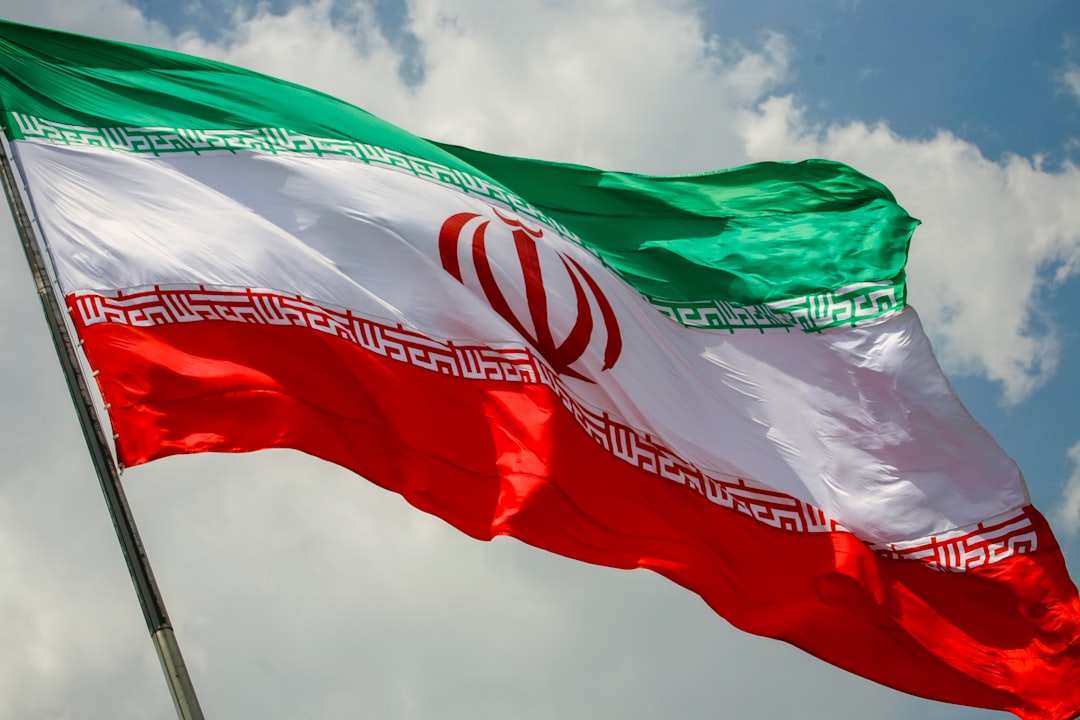
    The recent US sanctions on Iran are disrupting global food supply chains, significantly affecting food prices and security. Analysts and food security experts express concern over these sanctions, which were imposed due to ongoing military tensions. Iranian President Masoud Pezeshkian’s comments at the BRICS summit emphasized the need for resilience against such actions, highlighting their broader effects on emerging economies.

    In his speech, President Pezeshkian criticized the sanctions for harming food security and welfare. He noted that heavy reliance on limited financial systems makes economies vulnerable to political shocks. This perspective aligns with findings from the US Department of State, which indicate that sanctions can destabilize markets and disrupt essential supply chains.

    Impact on Global Food Prices

    The sanctions have caused a noticeable rise in global food prices, particularly for staple commodities. The World Bank reports that disruptions in Iranian agricultural exports are driving up food prices in countries dependent on these imports.

    For instance, Iran is a major producer of wheat and rice. The decline in its exports due to sanctions has led to shortages in regions reliant on Iranian products. Countries in the Middle East and North Africa, which import much of their food, are particularly at risk. The Food and Agriculture Organization (FAO) warns that these disruptions can worsen food insecurity in these areas.

    Moreover, the sanctions are affecting global supply chains. As food prices rise, the cost of importing food increases, leading to inflation in many emerging economies. This poses a significant challenge for food security experts, who must find ways to mitigate the impact of rising prices on vulnerable populations.

    Additionally, the sanctions have altered trade dynamics. Countries that once relied on Iranian agricultural products are now seeking alternative suppliers. This shift may lead to long-term changes in global food trade patterns. While this may create opportunities for other agricultural producers, it also risks raising prices as demand exceeds supply in the short term.

    Strategies for Addressing Food Insecurity

    In response to the challenges posed by the sanctions, food security experts are exploring various strategies. One approach is to diversify food sources and reduce reliance on any single country for essential imports. This strategy aligns with President Pezeshkian’s call for enhanced cooperation among BRICS nations to create a more resilient food supply system.

    Furthermore, international trade analysts recommend developing local agricultural sectors in the most affected countries. By investing in local farming, these nations can lessen their dependence on imports and improve food security. Countries prioritizing local production are generally more resilient to global market fluctuations.

    Collaboration among countries can also help establish alternative trade routes and partnerships. For example, BRICS nations can explore trade agreements that bypass traditional financial systems, as suggested by President Pezeshkian. This could enhance economic resilience and provide a buffer against the effects of sanctions.

    Iran Sanctions Heighten Global Food Security Risks

    Additionally, food security experts emphasize the importance of international aid for nations facing food shortages due to sanctions. Humanitarian assistance can help mitigate the immediate impacts of rising food prices, ensuring that vulnerable populations have access to essential supplies.

    Wider Consequences for Global Trade

    The sanctions on Iran affect not only food prices but also global trade and economic stability. As countries reassess their trade relationships, shifts in alliances and market dynamics may occur. The current geopolitical climate could lead to a reconfiguration of trade networks as nations protect their interests.

    This evolving landscape presents both challenges and opportunities for international trade analysts. Understanding these changes is crucial for navigating future trade agreements and ensuring food security. The sanctions also highlight the interconnectedness of global economies, where actions by one country can have far-reaching effects.

    Moreover, the sanctions have sparked discussions about the effectiveness of unilateral actions in achieving political goals. Many experts argue that such measures often harm civilian populations more than the intended targets, raising ethical questions about using sanctions as a foreign policy tool.

    As the situation evolves, food security experts and international trade analysts must monitor the ongoing impacts of these sanctions. The potential for escalating geopolitical tensions could lead to more sanctions, exacerbating challenges for global food supply chains.

    The implications of the sanctions extend beyond immediate economic effects. They emphasize the need for a more inclusive and resilient global economic framework that prioritizes cooperation over conflict. As nations face these challenges, the focus must shift to building systems that can withstand future crises and promote sustainable development.

    Frequently Asked Questions

    How do sanctions impact international trade agreements?

    Sanctions can disrupt trade agreements by limiting sanctioned countries’ ability to participate in international markets. This often leads to renegotiation of agreements and may force countries to find alternative trading partners.

    What are the implications of sanctions on food security in emerging economies?

    Sanctions can worsen food insecurity in emerging economies by raising food prices and limiting access to essential imports. This can increase malnutrition and social unrest, especially among vulnerable populations.

    Iran Sanctions Heighten Global Food Security Risks

    What strategies can food security experts employ to address the challenges posed by sanctions?

    Food security experts can advocate for diversifying food sources, investing in local agriculture, and fostering international cooperation to lessen the impacts of sanctions. These strategies can help build resilience against future shocks in the food supply chain.

  • Replicating Singapore’s Economic Success

    Replicating Singapore’s Economic Success

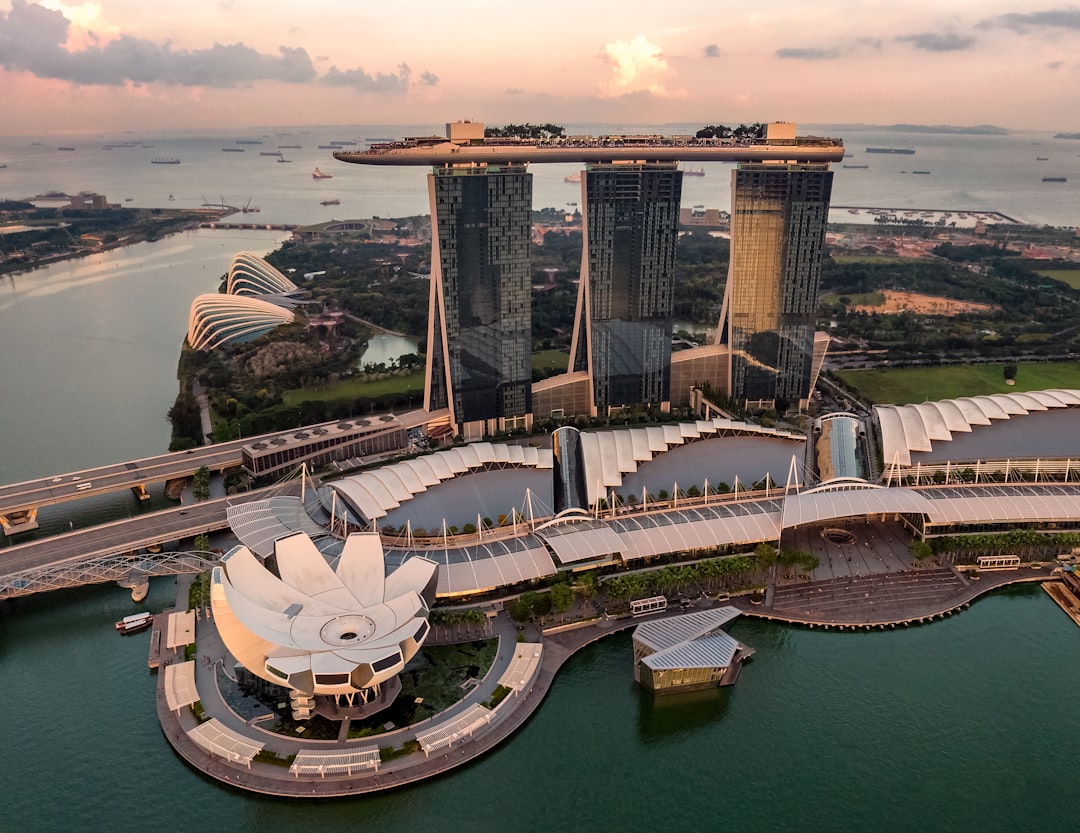
    Singapore’s economic model is facing scrutiny. Geopolitical tensions and advances in artificial intelligence are changing global trade. Recent discussions question whether other nations can replicate Singapore’s success in this new environment. As the world shifts to AI-driven economies, the effects on emerging markets and international trade are significant.

    Career Ahead’s analysis shows that integrating AI into economic strategies could change how countries pursue growth. AI impacts labor markets, productivity, and innovation. This raises questions about the sustainability of current economic models.

    AI’s Transformative Role in Economic Strategies

    Artificial intelligence is transforming economic strategies worldwide. In Singapore, AI is a key driver of productivity and innovation. The government invests heavily in AI research and development to lead in the digital economy. This aligns with findings from academia.sg, which highlights the role of technological innovation in economic competitiveness.

    However, the rise of AI also brings challenges. Automating jobs held by lower-skilled workers raises concerns about job loss and economic inequality. According to rikvin.com, Singapore’s model, which relies on a strong labor force, must adapt to ensure workers have the skills needed for an AI-driven future.

    Emerging markets aiming to replicate Singapore’s success must integrate AI into their economic frameworks. This means investing in technology and education programs that prepare workers for a digital economy. Career Ahead research shows that nations addressing these challenges will better harness AI’s benefits while reducing its risks.

    The potential for AI to enhance economic strategies is vast, but it requires careful planning. Policymakers must balance automation benefits with the need for inclusive growth. This is crucial in regions with significant economic disparities.

    Geopolitical Influences on Trade Relations

    The current U.S. political climate greatly affects international trade relations, including those with Singapore. As the U.S. adopts protectionist policies, countries relying on open trade may face new challenges. This shift could affect Singapore’s role as a key trade hub in Southeast Asia.

    Career Ahead’s analysis indicates that Singapore’s economic model, which thrives on free trade and foreign investment, must adapt to these geopolitical changes. The Monetary Authority of Singapore recently raised its 2026 economic growth forecast to 5%. This reflects a resilient economy amid global uncertainties. However, as thestar.com.my reports, maintaining this growth will require strategic adjustments to changing trade dynamics.

    Emerging markets that seek to replicate Singapore’s success must navigate these geopolitical waters carefully. Building strong trade partnerships and adapting to political changes will be essential. Countries that remain flexible and responsive to global trends are more likely to succeed.

    Replicating Singapore's Economic Success

    As nations deal with these complexities, the importance of diplomatic relations and multilateral agreements is clear. Countries prioritizing collaboration may find themselves better positioned to thrive in an uncertain global economy.

    Lessons for Emerging Markets

    Emerging markets looking to learn from Singapore’s economy need a multifaceted approach. This includes embracing technology and fostering innovation and entrepreneurship. Career Ahead’s findings suggest that countries must focus on education reform to develop a workforce ready for the digital age.

    Additionally, the focus should extend beyond technology to infrastructure development and regulatory frameworks that support business growth. Countries creating a favorable environment for startups and small businesses will be better equipped to compete globally.

    Another lesson from Singapore is the value of strategic government intervention. While markets are vital for economic development, proactive government policies can guide economies toward sustainable growth. This includes targeted investments in key sectors and support for research and development.

    As Singapore faces its own challenges in adapting to a new economic landscape, emerging markets must stay alert and responsive. Learning from Singapore’s experiences while tailoring strategies to local contexts will be crucial for success.

    As the global economy evolves, the question remains: Can Singapore’s economic model withstand the pressures of AI and geopolitical shifts? The answers may shape the future of international trade and economic strategies for years.

    Frequently Asked Questions

    How can economists assess the impact of AI on Singapore’s economic model?

    Economists can analyze labor market trends and productivity metrics to understand AI’s effects on Singapore’s economy. Career Ahead research shows that sectors relying on manual labor face the most significant challenges as AI technologies advance.

    What strategies should business leaders consider in light of U.S. trade policies?

    Business leaders must stay adaptable and explore new markets to reduce risks from U.S. protectionist policies. Career Ahead analysis suggests diversifying trade partnerships can help sustain growth in uncertain political climates.

    Replicating Singapore's Economic Success

    How can emerging markets adapt lessons from Singapore’s economy?

    Emerging markets can focus on technology integration, education reform, and infrastructure development to emulate Singapore’s success. Career Ahead’s findings indicate that fostering an entrepreneurial culture is vital for driving economic growth.