Tag: disaster recovery

  • C.J. Huff Rebuilt Joplin’s Devastated Schools. Then Came the Backlash.

    C.J. Huff Rebuilt Joplin’s Devastated Schools. Then Came the Backlash.

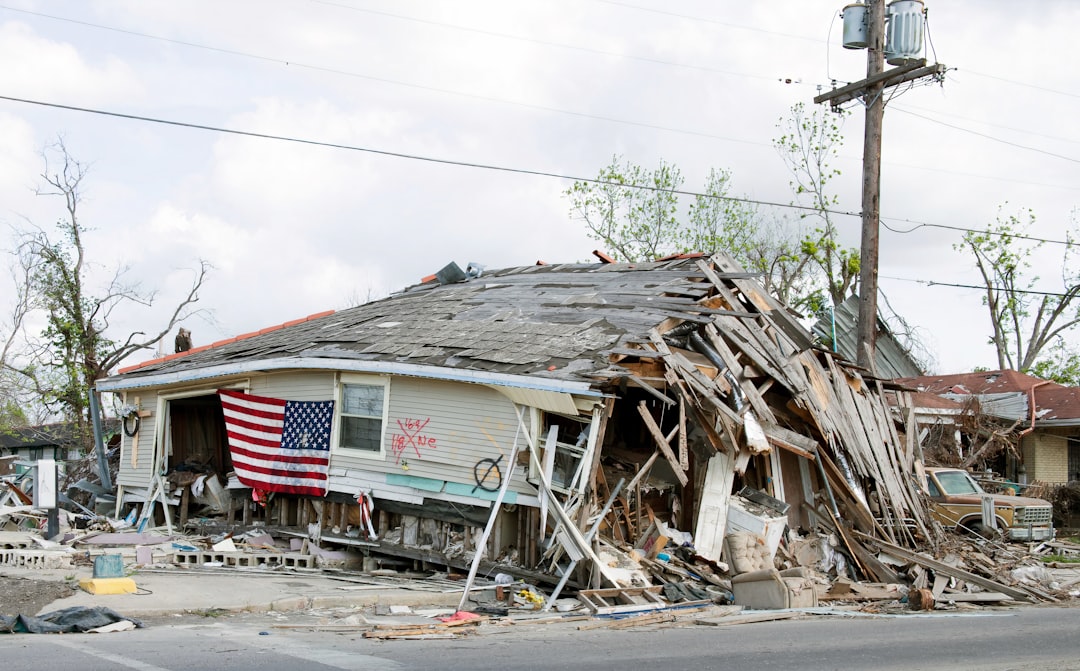
    Joplin, Missouri — In the aftermath of the devastating tornado that struck in 2011, C.J. Huff, the superintendent of Joplin Schools, spearheaded a remarkable rebuilding initiative that transformed the educational landscape of the city. This effort not only restored physical structures but also aimed to heal a community deeply scarred by tragedy.

    Huff’s approach has garnered national attention, becoming a model for other districts facing similar challenges. He reflects on the successes of the rebuilding process, while also acknowledging the difficulties encountered, including community backlash and the emotional toll on educators and students. A report from The New York Times highlighted that Huff faced scrutiny regarding the speed and methods of the rebuilding process, which led to tensions within the community.

    Community Involvement as a Cornerstone

    One of the key strategies employed by Huff was the active involvement of the community. By engaging local stakeholders in the planning and rebuilding phases, he ensured that the new schools addressed the specific needs of the community. This approach fostered a sense of ownership among residents, which is vital for recovery. Huff organized town hall meetings and forums where parents, teachers, and community members could voice their opinions and ideas. This collaboration was essential for rebuilding trust and ensuring that the schools reflected the community’s values and aspirations.

    Moreover, Huff implemented a transparent communication strategy, keeping the community informed about progress and challenges throughout the rebuilding process. This openness helped to build trust and alleviate concerns among parents and local leaders. An analysis by Career Ahead indicates that districts prioritizing community engagement during recovery often experience smoother transitions and greater support. Huff’s proactive communication was underscored in a District Administration article, which noted that consistent updates and community involvement were crucial for addressing fears and fostering commitment to the schools’ success.

    Addressing Mental Health Needs

    Recognizing the profound impact of trauma on students and staff, Huff also prioritized mental health resources as part of the recovery efforts. The emotional scars left by the tornado necessitated a comprehensive approach to mental health support. Schools introduced counseling services and mental health programs aimed at assisting those affected by the disaster. Integrating mental health support into the recovery process not only aids healing but also enhances the educational environment. Research shows that schools prioritizing mental health see improved student performance and reduced behavioral issues, creating a more conducive learning atmosphere. Huff’s initiatives in this area were pivotal, providing a safety net for students grappling with the emotional aftermath of the disaster.

    Innovative Designs for Future Learning

    Huff’s rebuilding efforts also featured innovative designs for the new schools, incorporating modern technology and flexible learning spaces. This forward-thinking approach not only addressed immediate needs but also prepared the schools for future educational demands. The new designs were not merely aesthetic; they aimed to create environments that foster collaboration and creativity among students. By integrating technology into classrooms, Huff sought to equip students for a rapidly changing world, ensuring that the rebuilt schools would support future learning.

    Navigating Community Backlash

    Despite the successes, Huff’s journey was not without challenges. Some community members expressed backlash regarding certain decisions made during the rebuilding process, feeling excluded from the decision-making. This tension highlighted the importance of ongoing dialogue and effective communication in future recovery efforts. Career Ahead’s analysis suggests that ensuring all voices are heard can mitigate such issues, fostering a more inclusive approach to rebuilding.

    C.J. Huff Rebuilt Joplin’s Devastated Schools. Then Came the Backlash.

    Huff’s experience underscores the necessity of adaptability in leadership. As circumstances evolved, he adjusted plans and strategies to better align with community feedback and needs. This flexibility is crucial for superintendents and school administrators involved in disaster recovery. The ability to respond to community concerns and incorporate feedback was essential for maintaining trust and support among stakeholders.

    Long-Term Impact and Lessons Learned

    The long-term effects of Huff’s rebuilding initiatives are still being evaluated, but early indicators suggest positive outcomes. Schools that have been rebuilt or renovated report increased enrollment and improved student engagement. This revitalization of the educational environment is critical for the community’s overall recovery. Furthermore, the lessons learned from Joplin’s experience are being shared with other districts facing similar challenges. Huff has become a sought-after speaker and consultant, sharing insights on effective recovery strategies and the importance of community involvement.

    As districts prepare for potential disasters, the strategies established in Joplin provide valuable guidance. Career Ahead has found that focusing on community engagement, mental health support, and adaptive leadership can help school districts create robust recovery plans. These plans not only restore but also enhance educational environments, ensuring that they are better equipped to face future challenges.

    C.J. Huff Rebuilt Joplin’s Devastated Schools. Then Came the Backlash.

    Frequently Asked Questions

    What are the key challenges faced by superintendents in disaster recovery?

    Superintendents often encounter challenges such as community backlash, funding limitations, and emotional strain on staff and students. Effective communication and community engagement are crucial for overcoming these obstacles.

    How can education policymakers support rebuilding efforts?

    Education policymakers can assist rebuilding by providing funding, resources, and guidance on best practices for community engagement and mental health support during recovery.

    What strategies should school administrators implement for effective community engagement during recovery?

    School administrators should prioritize transparent communication, organize community meetings, and actively involve local stakeholders in decision-making. This fosters a sense of ownership and collaboration.
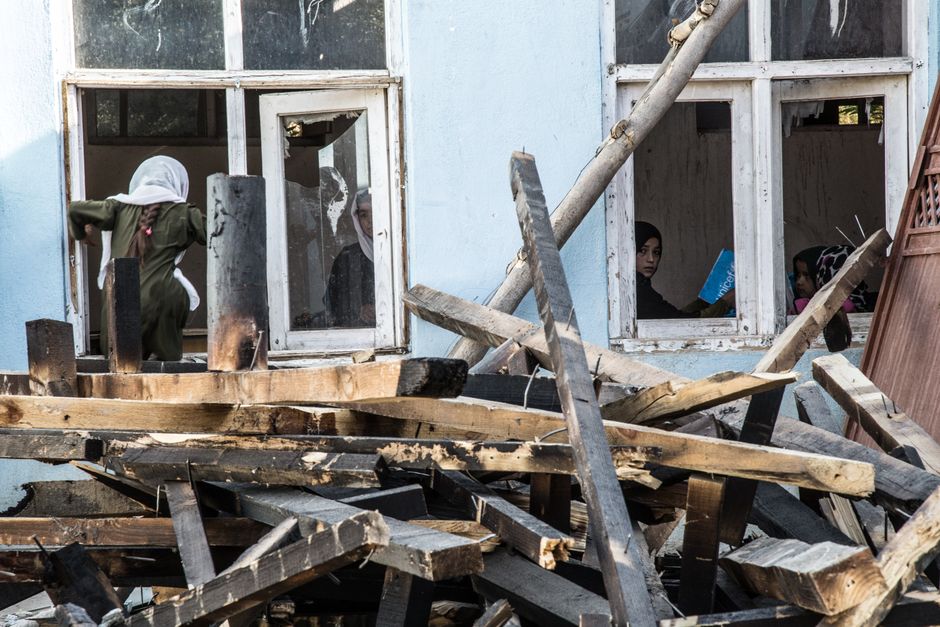

  • Tornado Recovery: Schools Rebuilt, Challenges Faced

    Tornado Recovery: Schools Rebuilt, Challenges Faced

    Joplin, Missouri — After a devastating tornado struck in May 2011, the Joplin School District faced the monumental task of rebuilding its educational infrastructure. Within a remarkably short period, the district not only rebuilt its schools but also implemented innovative strategies that have become a model for similar recovery efforts across the country. This article explores the key strategies, funding opportunities, and community engagement that facilitated this rapid recovery.

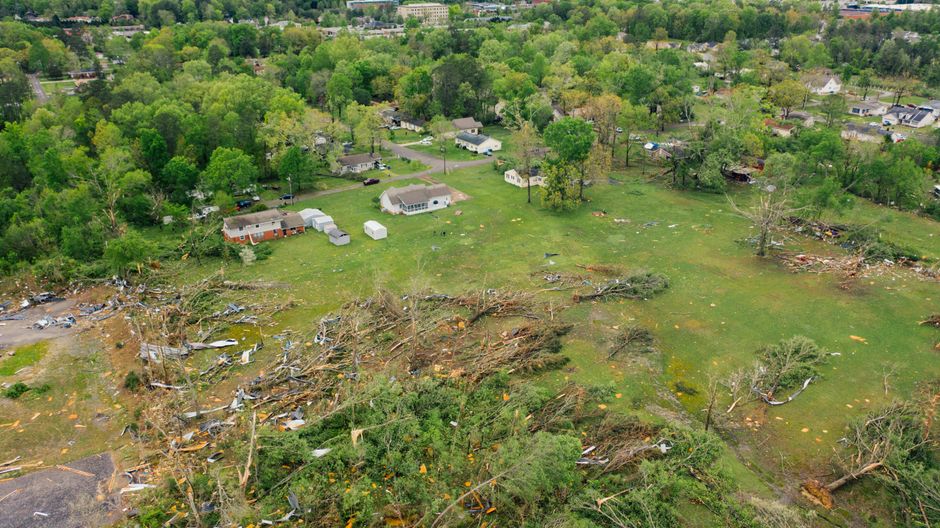
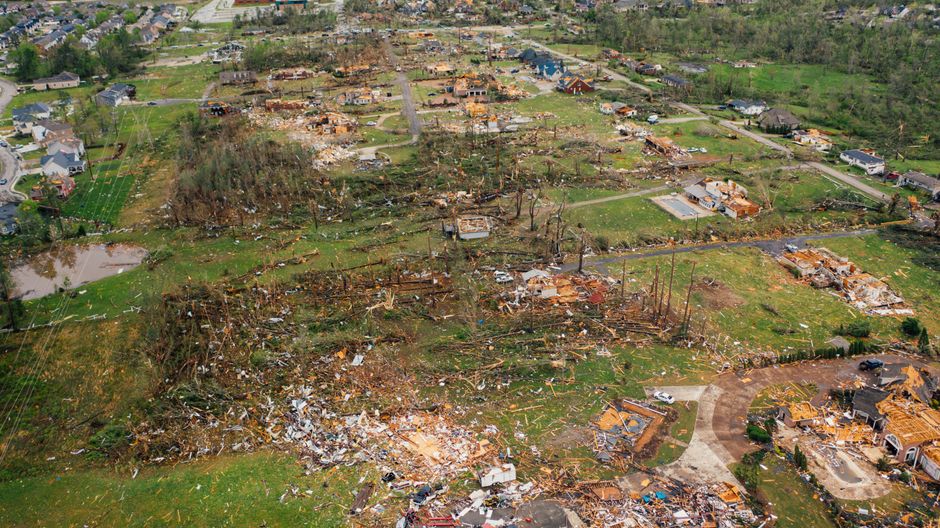
    In the wake of the tornado, which destroyed over 7,000 homes and left 158 people dead, the Joplin School District was left with significant damage to its educational facilities. The disaster prompted immediate action from school leaders, including Superintendent C.J. Huff, who prioritized rebuilding the schools to ensure students could return to a safe and productive learning environment. The urgency of this task was underscored by the emotional and psychological needs of students and staff affected by the disaster. As noted by the New York Times, the rebuilding process was not just about restoring physical structures but also about addressing the deep psychological scars left by the tragedy.

    Innovative Approaches to School Reconstruction

    The Joplin School District’s approach to rebuilding was characterized by innovative strategies aimed at not only restoring but also improving educational facilities. The district adopted a comprehensive plan that included modern design principles, sustainable building practices, and community input. This multifaceted approach ensured that the new schools would meet the needs of the students while also serving as resilient structures capable of withstanding future disasters.

    One significant aspect of the rebuilding effort was the use of modular construction techniques. These methods allowed for faster assembly and reduced costs, enabling the district to reopen schools more quickly. For instance, the Joplin High School was rebuilt using a modular design that facilitated rapid construction while also incorporating advanced technology and safety features. This not only provided students with a state-of-the-art learning environment but also demonstrated the effectiveness of modern construction methods in disaster recovery. According to Idyllic Pursuit, the entire school district was rebuilt in less than a year, showcasing the efficiency of these innovative techniques.

    Additionally, the district focused on creating multi-purpose facilities that could serve various community needs. By designing schools that could be used as emergency shelters or community centers, the district ensured that the investment in educational infrastructure would benefit the broader community. This approach fostered a sense of ownership among community members and highlighted the importance of schools as vital community assets. The design of these facilities was not only functional but also aesthetically pleasing, which helped to restore a sense of normalcy and pride in the community.

    Moreover, the Joplin rebuilding effort emphasized the integration of mental health resources within schools. Recognizing the trauma experienced by students and staff, the district implemented programs that provided psychological support and counseling services. This holistic approach to rebuilding not only addressed physical infrastructure but also prioritized the emotional well-being of students, making it a comprehensive model for recovery. The district’s commitment to mental health was evident in the establishment of dedicated spaces within schools for counseling and support groups, ensuring that students had access to the resources they needed to heal.

    Funding Strategies for Reconstruction

    Funding played a crucial role in the successful rebuilding of Joplin’s schools. The district leveraged various sources to finance the reconstruction efforts. The Federal Emergency Management Agency (FEMA) provided significant disaster relief funds, which were instrumental in covering the immediate costs associated with rebuilding. However, the district also sought additional funding through grants and community fundraising initiatives.

    One notable initiative was the establishment of the Joplin Schools Foundation, which mobilized community support and raised funds specifically for educational recovery. This foundation not only provided financial assistance but also engaged local businesses and residents in the rebuilding process. By fostering a sense of community involvement, the district was able to create a network of support that extended beyond financial contributions. The foundation’s efforts were complemented by local fundraising events, which brought together residents to contribute to the recovery, reinforcing community bonds.

    Additionally, partnerships with local and national organizations helped secure further funding. Collaborations with entities such as the American Red Cross and various philanthropic foundations provided crucial resources that enabled the district to implement innovative programs and facilities. This collaborative approach to funding ensured that the rebuilding efforts were sustainable and aligned with the community’s long-term educational goals.

    Tornado Recovery: Rebuilding Schools, Facing New Challenges

    Community Engagement in Recovery Efforts

    Community engagement was a cornerstone of Joplin’s recovery efforts. The school district recognized that involving community members in the rebuilding process would not only enhance the facilities but also foster a sense of ownership and pride among residents. Public forums and community meetings were held to gather input from parents, students, and local stakeholders, ensuring that the new schools reflected the values and needs of the community.

    This inclusive approach helped build trust between the school district and the community, which was essential for the success of the rebuilding efforts. By actively involving community members in decision-making processes, the district was able to address concerns and incorporate feedback into the design and functionality of the new schools. This not only improved the physical spaces but also strengthened the community’s connection to the educational system.

    Moreover, local businesses played a vital role in the rebuilding process. Many contributed materials, services, and funding to support the construction of new schools. This collaboration not only reduced costs but also reinforced the idea that schools are integral to the community’s identity and well-being. By fostering partnerships with local businesses, the district created a network of support that extended beyond the immediate rebuilding efforts.

    Tornado Recovery: Rebuilding Schools, Facing New Challenges

    In addition to physical contributions, community engagement also included volunteer initiatives. Residents came together to assist with cleanup efforts, fundraising events, and mentorship programs for students. This grassroots involvement not only expedited the recovery process but also created lasting relationships between students and community members, reinforcing the idea that education is a shared responsibility.

    Lessons Learned from Joplin’s Experience

    The Joplin experience underscores the importance of community engagement in disaster recovery. By prioritizing collaboration and inclusivity, educational leaders can create resilient systems that not only recover from disasters but also thrive in the long term. As communities across the United States and beyond continue to face the challenges posed by natural disasters, the lessons learned from Joplin’s recovery efforts remain relevant. The strategies implemented in Joplin provide a valuable case study for educational leaders seeking to rebuild effectively after disasters, highlighting the importance of innovation, funding, and community involvement in creating resilient educational infrastructures.

    Frequently Asked Questions

    What are the key steps for school superintendents in disaster recovery?

    School superintendents should prioritize immediate safety assessments, secure funding through diverse sources, and engage the community in the rebuilding process. These actions set the foundation for a successful recovery.

    Tornado Recovery: Rebuilding Schools, Facing New Challenges

    How can educational administrators secure funding for rebuilding?

    Educational administrators can secure funding by leveraging federal disaster relief funds, establishing community foundations, and forming partnerships with local businesses and non-profits. This multi-faceted approach enhances financial stability for reconstruction efforts.

    What community resources are available for supporting school reconstruction efforts?

    Community resources include local businesses offering materials and services, volunteer organizations providing manpower, and philanthropic foundations that can provide grants. Engaging these resources fosters a collaborative rebuilding environment.

  • Sebi Shortens Disaster Recovery Drills, Strengthens Backup Rules

    Sebi Shortens Disaster Recovery Drills, Strengthens Backup Rules

    India’s Securities and Exchange Board of India (Sebi) has announced new disaster recovery protocols for market infrastructure institutions. These changes, revealed on September 15, 2026, require shorter mock drills and stronger data recovery mechanisms. This move aims to enhance the resilience of financial exchanges against operational disruptions.

    The new guidelines mandate that exchanges conduct mock drills more frequently, reducing the duration and increasing the intensity of these exercises. This shift is designed to ensure that compliance officers and disaster recovery specialists are better prepared for potential crises. The emphasis on rigorous testing reflects a growing recognition of the importance of operational continuity in the financial sector.

    Enhanced Protocols for Disaster Recovery

    Sebi’s revised disaster recovery requirements include several key elements aimed at strengthening the operational framework of financial exchanges. One of the most significant changes is the reduction in the frequency of mock drills, which will now be held quarterly instead of annually. This adjustment is intended to ensure that all personnel involved are consistently familiar with emergency protocols and can respond effectively in a crisis.

    Additionally, Sebi has mandated enhanced data recovery mechanisms for exchanges. This includes the implementation of more robust data backup systems that can handle larger volumes of transactions and ensure that critical information is not lost during disruptions. The integration of advanced technology in data recovery processes will be crucial for compliance officers and disaster recovery specialists as they adapt to these new requirements. According to a report by the Economic Times, these new protocols are part of a broader initiative to tighten business continuity norms and enhance resilience against operational disruptions, reflecting the increasing complexity of financial transactions and the need for robust safeguards.

    Furthermore, the guidelines stipulate stronger stress testing for data centers. Exchanges must now conduct regular assessments to evaluate their ability to withstand various operational challenges. This proactive approach aims to identify vulnerabilities before they can impact the market, thereby protecting investors and maintaining market integrity. The Hindu also notes that the introduction of these rigorous testing protocols is essential in a landscape where financial institutions are increasingly reliant on technology and face heightened risks from cyber threats.

    Career Ahead’s analysis finds that these changes are not just regulatory updates; they represent a fundamental shift in how financial institutions must approach disaster preparedness. Compliance officers will need to develop new strategies to meet these enhanced requirements, which may involve additional training and resources. The implementation of these protocols is expected to require significant investment in technology and personnel training, as institutions strive to meet the new standards set forth by Sebi.

    As the financial landscape continues to evolve, the implications of these new protocols extend beyond compliance. They reflect a broader trend towards increased scrutiny of operational resilience in the financial sector. Institutions that fail to adapt may face significant penalties, including fines and reputational damage. The push for enhanced disaster recovery measures is indicative of a growing recognition among regulators that operational failures can have far-reaching consequences, not only for individual firms but for the stability of the financial system as a whole.

    Implications for Compliance Officers and Disaster Recovery Specialists

    The introduction of shorter mock drills and enhanced data recovery mechanisms will have a direct impact on the roles of compliance officers and disaster recovery specialists in the financial sector. These professionals will need to reassess their current practices and ensure that they align with Sebi’s new guidelines. This may involve revising existing disaster recovery plans and implementing new training programs for staff.

    For compliance officers, the challenge will be to ensure that all aspects of the new protocols are integrated into their organization’s operations. This includes not only the technical aspects of data recovery but also the communication strategies that will be necessary during a crisis. Effective communication can significantly reduce the impact of disruptions and ensure that all stakeholders are informed and engaged. The need for clear communication protocols during emergencies has been emphasized by industry experts, who argue that timely information dissemination can mitigate risks and enhance stakeholder confidence.

    Disaster recovery specialists will also face new challenges as they work to implement the enhanced requirements. They will need to collaborate closely with IT departments to ensure that the data recovery systems are robust and can handle the increased demands placed on them. This collaboration will be essential in creating a seamless recovery process that minimizes downtime and protects critical data. As noted in the Economic Times, the integration of advanced technologies, such as cloud computing and artificial intelligence, will play a pivotal role in enhancing the effectiveness of disaster recovery strategies.

    Sebi Shortens Disaster Recovery Drills, Strengthens Backup Rules

    Moreover, the increased focus on stress testing highlights the importance of a proactive approach to disaster recovery. Institutions will need to invest in advanced technologies and training to ensure that their systems can withstand potential disruptions. This shift will require a cultural change within organizations, emphasizing the need for preparedness and resilience at all levels. The evolving nature of financial services, coupled with the rapid pace of technological advancement, necessitates that organizations remain agile and responsive to emerging threats.

    As these new protocols take effect, compliance officers and disaster recovery specialists must remain vigilant and adaptable. The evolving regulatory landscape means that they will need to continuously monitor changes and adjust their strategies accordingly. This dynamic environment presents both challenges and opportunities for professionals in the financial sector.

    Ultimately, the new disaster recovery guidelines set forth by Sebi are a wake-up call for the financial industry. They underscore the necessity for institutions to prioritize operational resilience and preparedness. As the sector faces increasing scrutiny, those who embrace these changes will be better positioned to navigate future challenges.

    Looking ahead, it will be crucial for financial institutions to monitor the effectiveness of these new protocols. As they implement shorter mock drills and enhanced data recovery mechanisms, they must also evaluate their impact on overall operational efficiency. The ongoing assessment will help ensure that these changes lead to improved resilience and better protection for investors.

    Frequently Asked Questions

    What are the new disaster recovery protocols for compliance officers?

    Career Ahead’s analysis identifies that Sebi’s new protocols require compliance officers to conduct quarterly mock drills and implement enhanced data recovery mechanisms. This represents a significant shift from previous practices, emphasizing the need for continuous preparedness.

    How will the shorter mock drills impact disaster recovery planning?

    The introduction of shorter mock drills will require compliance officers to ensure that all personnel are consistently trained and familiar with emergency protocols. This change aims to improve the effectiveness of responses during actual crises, thereby enhancing overall operational resilience.

    Sebi Shortens Disaster Recovery Drills, Strengthens Backup Rules

    What should disaster recovery specialists do to comply with Sebi’s new guidelines?

    Disaster recovery specialists must collaborate with IT departments to implement the new data recovery systems and conduct regular stress tests. This proactive approach will help identify vulnerabilities and ensure that critical data is protected during operational disruptions.