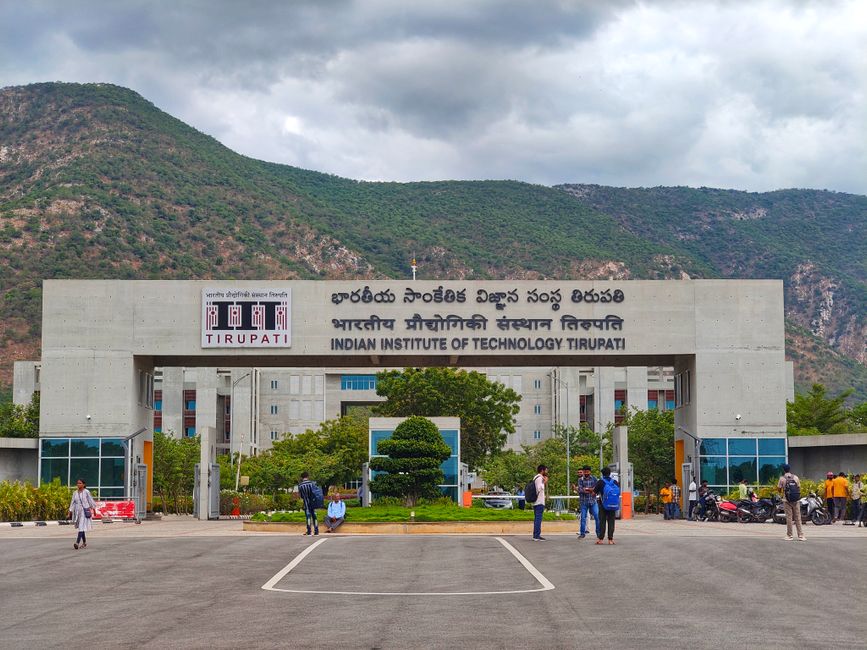
India — BITS Pilani has appointed Prof Mohan Krishnamoorthy as the founding director of its new Amaravati campus. This appointment is effective January 2027. The goal is to enhance the focus on computer science, artificial intelligence, and emerging technologies. This aligns academic programs with industry needs.
The Amaravati campus will accommodate around 10,000 students. It aims to be a key player in technology education in India. Prof Krishnamoorthy has extensive experience in building international research partnerships. He will lead the development of academic and research programs that emphasize AI, data science, and robotics.
Shaping the Future of AI Education
Prof Krishnamoorthy’s appointment comes at a crucial time. The demand for AI specialists is growing. Career Ahead’s analysis shows that educational institutions are prioritizing AI and technology in their curricula. This trend is clear in the establishment of the Amaravati campus, which will focus on cutting-edge technologies.
The campus will offer specialized programs in AI, data analytics, and advanced manufacturing. These programs will prepare students for the evolving job market. Skills in AI and machine learning are becoming essential. As reported by newsmeter.in, the campus will have state-of-the-art facilities to support hands-on learning and research.
Additionally, the Amaravati campus will foster collaborations with industry leaders. This will provide students with opportunities for internships and real-world projects. Such partnerships will enhance the practical relevance of their programs. Students will gain valuable experience and insights into the latest industry practices.
As highlighted by pedaparimi.com, the Amaravati campus aims to address societal and environmental challenges through technology. This holistic approach will attract students passionate about making a difference through innovative solutions.
With Prof Krishnamoorthy’s leadership, the Amaravati campus is set to become a hub for AI education in India. It will set a benchmark for other institutions. The focus on emerging technologies will attract a diverse student body eager to engage with the latest advancements.
Industry Partnerships and Real-World Applications
The Amaravati campus represents a significant investment in technology education in India. It aims to bridge the gap between academia and industry. This ensures that students are equipped with the skills needed to thrive in a competitive job market. Career Ahead research shows that students involved in internships and industry projects are more likely to secure jobs after graduation.
Prof Krishnamoorthy’s experience in creating research ecosystems will be invaluable. The campus will develop partnerships with technology firms. These collaborations will provide access to the latest tools and resources, enhancing the learning experience for students. By working with industry professionals, students will gain insights into real-world challenges.
The Amaravati campus will also promote interdisciplinary education. It will encourage students from various fields to collaborate on projects. This approach fosters innovation and creativity, which are essential in the rapidly evolving tech landscape. Students will work on projects that combine AI with other disciplines like healthcare, environmental science, and business.
Furthermore, the focus on emerging technologies will prepare students for careers in high-demand sectors. As industries adopt AI and automation, the need for skilled professionals will grow. The Amaravati campus is well-positioned to meet this demand with its focus on practical learning and industry engagement.
In summary, the Amaravati campus will play a pivotal role in shaping technology education in India. With Prof Krishnamoorthy at the helm, students can expect a curriculum that is academically rigorous and aligned with industry needs.
What This Means for Aspiring Tech Professionals
The opening of the Amaravati campus signals a new era for aspiring tech professionals in India. Students pursuing degrees in computer science and AI can expect a curriculum tailored to future workforce challenges. Career Ahead analysis finds that programs focused on AI and data science will be critical for securing roles in top tech companies.
As the campus prepares for its first admissions in 2027, prospective students should consider how this unique environment can enhance their career prospects. The emphasis on industry partnerships and practical learning will give students a competitive edge, making them more attractive to employers.
Moreover, the campus’s focus on addressing societal challenges through technology will resonate with students wishing to make a positive impact. This aspect will enrich their learning experience and empower them to contribute meaningfully to society.

As the technology landscape evolves, the Amaravati campus will likely adapt its programs to stay ahead of emerging trends. This agility will be crucial for students navigating a rapidly changing job market.
In conclusion, the Amaravati campus represents a significant opportunity for students interested in AI and emerging technologies. As it prepares to welcome its first cohort, the focus on innovation, industry collaboration, and practical learning will set a new standard for technology education in India.
Frequently Asked Questions
What programs will be offered at the Amaravati campus for AI students?
The Amaravati campus will offer specialized programs in artificial intelligence, data science, robotics, and advanced manufacturing. These programs are designed to prepare students for careers in high-demand tech fields.
How will industry partnerships benefit software engineers at the new campus?
Industry partnerships will provide software engineers with opportunities for internships and real-world projects. This will enhance their practical skills and employability. Collaborating with industry leaders will expose students to the latest tools and technologies.

What skills should I develop to succeed in the emerging technologies sector?
Students should focus on acquiring skills in artificial intelligence, data analytics, and software development. These skills are increasingly in demand as industries adopt new technologies and seek professionals who can drive innovation.