Tag: data center engineers

  • Crusoe Raises $3.9B for AI Data Centers and Modular Factories

    Crusoe Raises $3.9B for AI Data Centers and Modular Factories

    Crusoe raised $3.9 billion in a Series F funding round on September 17, 2026. This funding aims to expand its AI infrastructure capabilities, pushing the company’s valuation to $30.9 billion. The investment is a significant boost for the data center and AI factory sectors, co-led by Atreides Management, Mubadala Capital, and Valor Equity Partners, with participation from major investors like Nvidia and the Qatar Investment Authority.

    The funding will facilitate the development of large-scale data centers and smaller modular AI factories. These modular factories, known as Spark, can be deployed faster than traditional setups, allowing for quicker deployment and less community resistance. This shift towards modular solutions is vital to meet the growing demand for AI computing power.

    Growing Need for Skilled Data Center Engineers

    The investment in Crusoe’s infrastructure indicates a rising demand for data center engineers. As the company expands, it will require more skilled engineers to design, build, and maintain these facilities. Career Ahead analysis estimates that Crusoe’s data center growth will create thousands of new jobs in the coming years, particularly for engineers focused on energy-efficient and sustainable design.

    Data center engineers must adapt to the unique needs of modular AI factories, which prioritize flexibility and efficiency. Engineers will need traditional skills alongside a solid understanding of energy management and sustainable practices. The push for greener technologies is now a key factor in designing and operating new data centers.

    The job market for data center engineers is evolving. Major companies like Meta and Microsoft rely on Crusoe’s infrastructure, giving engineers the opportunity to negotiate better salaries and benefits. This trend is expected to attract more talent to the field, increasing the demand for skilled professionals.

    Alongside job creation, the expansion will likely lead to new training programs and partnerships with educational institutions. As the industry evolves, universities and technical schools may offer specialized courses focusing on modular data center design and energy-efficient computing solutions, preparing the next generation of engineers.

    Innovative Opportunities for AI Factory Designers

    The rise of modular AI factories presents unique opportunities for AI factory designers. These compact and efficient facilities allow for quick deployment in various locations. Career Ahead research indicates that as Crusoe increases production of these modular units, designers will play a crucial role in creating innovative solutions that meet both technical and environmental standards.

    AI factory designers need to optimize space and energy use while ensuring high-performance computing. This includes integrating advanced technologies like AI-driven resource management and cloud computing. Designers who can effectively combine these elements will be in high demand as companies strive to improve operational efficiency.

    The modular approach also allows for customization based on client needs. Designers will collaborate closely with clients to develop tailored solutions that enhance their AI capabilities. This collaborative method will not only improve client satisfaction but also foster innovation within the industry.
    Crusoe Raises .9B for AI Data Centers and Modular Factories

    The trend towards modularization in AI infrastructure may ignite interest in research and development. Designers and engineers will explore new materials and technologies to enhance the efficiency and sustainability of AI factories, contributing to a more eco-friendly tech landscape.

    Broader Implications for the Tech Industry

    Crusoe’s investment underscores a broader trend in the tech industry towards sustainable and efficient AI solutions. As companies recognize the importance of energy management and environmental impact, the demand for innovative data center solutions is expected to grow. This shift may lead to changes in industry standards and practices, encouraging more companies to adopt similar approaches.

    The investment in modular AI factories could also influence regulatory policies related to data centers and energy use. Communities are increasingly concerned about the environmental impact of large data centers, and companies demonstrating a commitment to sustainability are likely to gain a competitive edge. This may encourage policymakers to support initiatives promoting cleaner technologies in the tech sector.

    Furthermore, expanding Crusoe’s infrastructure is anticipated to boost economic growth in areas where these facilities are established. The influx of jobs and investment will benefit local economies, creating a ripple effect across various sectors. As demand for skilled workers rises, local educational institutions may receive support to enhance training programs, aiding community development.
    Crusoe Raises .9B for AI Data Centers and Modular Factories

    As the AI landscape evolves, Crusoe’s investment will have lasting implications beyond immediate job creation. The focus on modular and sustainable solutions may set new benchmarks for the industry, influencing how future data centers are designed and operated.

    The future of AI infrastructure looks promising, with Crusoe leading the way. Successfully implementing modular data centers may inspire other companies to follow suit, reshaping the industry landscape. This evolution is crucial for meeting the growing demand for AI capabilities while addressing environmental concerns.

    Frequently Asked Questions

    What skills do data center engineers need for new AI facilities?

    Data center engineers need a mix of traditional engineering skills and knowledge of sustainable practices. Skills in energy management, modular design, and advanced computing technologies will be crucial as the industry shifts toward more efficient and eco-friendly solutions.

    How can AI factory designers prepare for emerging technologies?

    AI factory designers should focus on integrating advanced technologies like AI-driven resource management and cloud computing. Continuous learning and adapting to new materials and design techniques will be essential to stay competitive in this evolving field.

    Crusoe Raises .9B for AI Data Centers and Modular Factories

    What should data center engineers do about the rise of modular AI factories?

    Data center engineers should enhance their skills in modular design and energy-efficient technologies. Engaging in training programs and collaborating with educational institutions can help them adapt to the changing landscape of AI infrastructure.
  • US Data Centers’ Natural Gas Demand to Surpass Germany and Japan

    US Data Centers’ Natural Gas Demand to Surpass Germany and Japan

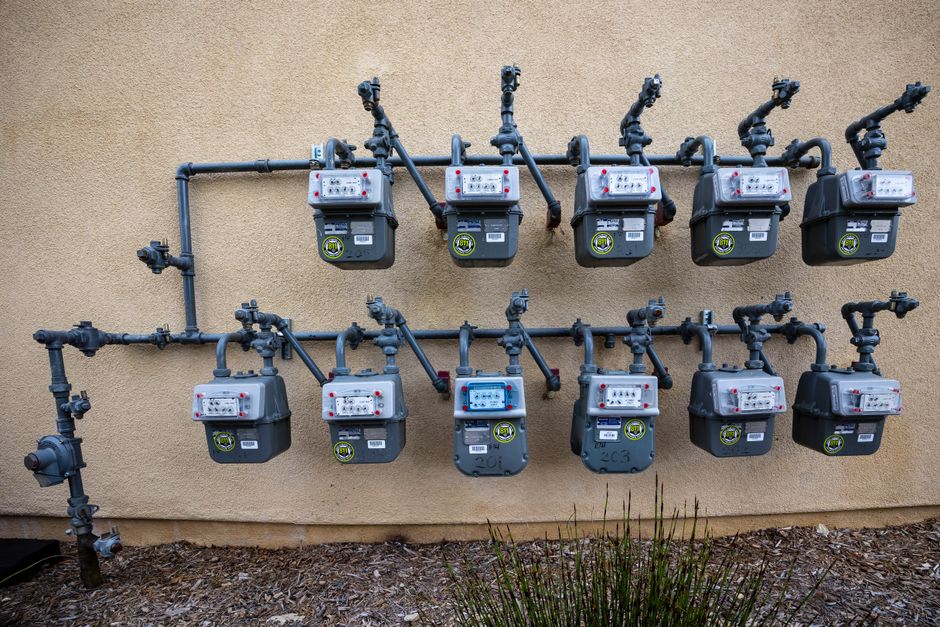
    US data centers are expected to use more natural gas than Germany and Japan combined by 2035. This surprising forecast comes as the demand for data processing and storage rises. The growth is largely driven by artificial intelligence (AI) technologies. A recent report by BloombergNEF estimates that US data centers could need about 18 billion cubic feet of natural gas daily by 2035. This is nearly double previous estimates.

    The rapid growth of data centers will make them the second-largest driver of natural gas demand. The first is liquefied natural gas (LNG) exports. Major tech companies like Meta, Microsoft, Google, and Amazon are investing in onsite natural gas power plants to meet their energy needs. This shift marks a significant change in how data centers operate, as they aim to bypass traditional power grids.

    Data Center Growth and Energy Consumption Trends

    The forecast shows that onsite-powered data centers could consume between 2.9 billion and 3.4 billion cubic feet of natural gas daily by 2035. This amount is similar to the total consumption of all data centers today, including natural gas used for grid power generation. However, the growth does not stop there. Grid-connected data centers are expected to drive an additional 15 billion cubic feet per day of consumption in the power sector.

    This demand surge is unprecedented. It represents five times more growth through 2035 than all other grid-connected sectors combined. Such a dramatic increase in natural gas consumption raises questions about sustainability and economic implications. The reliance on natural gas may not remain stable as demand escalates.

    Career Ahead’s analysis shows that this trend affects energy pricing and availability. As demand rises, natural gas prices could increase. This would impact utility rates for consumers and businesses. Higher operational costs could affect profit margins in the tech industry.

    The environmental impact of increased natural gas use is also significant. Burning natural gas releases greenhouse gases, contributing to climate change. The extra demand from data centers could generate around 1 million metric tons more greenhouse gas emissions daily. This accounts for about 12% of total U.S. emissions today.

    Data center engineers and energy analysts must understand these trends. They need to consider technical aspects of energy management, regulatory implications, and the need for sustainable practices. The shift towards onsite power generation could improve efficiency but raises questions about long-term reliance on natural gas.

    Strategies for Optimizing Natural Gas Usage

    With the expected increase in natural gas consumption, data center engineers must find new strategies to optimize energy usage. One approach is investing in energy-efficient technologies and infrastructure. This includes advanced cooling systems that can significantly reduce energy needs.

    Integrating renewable energy sources into the power mix may also help reduce dependence on natural gas. For example, using solar or wind energy can offset some demand for natural gas. Companies investing in hybrid energy solutions could lower costs and improve their sustainability profiles.

    Another key strategy is implementing energy management systems that use real-time data analytics. These systems can monitor energy consumption patterns and identify optimization opportunities. By analyzing usage data, engineers can make informed decisions that reduce waste and improve efficiency.

    US Data Centers Surpass Germany, Japan in Gas Use

    Collaboration with energy providers is essential. Data centers should work with utility companies to explore demand response programs. These programs can incentivize reduced energy use during peak periods, leading to more sustainable practices and potentially lower costs for both parties.

    Policymakers and regulatory bodies must also play a role. As natural gas demand increases, updated regulations may encourage energy efficiency and cleaner technologies. Engaging with stakeholders can help shape policies that support sustainable growth in the data center sector.

    The focus should be on creating a balanced and sustainable energy landscape that meets data center needs while minimizing environmental impact.

    Regulatory Implications for Energy Sourcing

    The rapid growth of data centers and their increasing demand for natural gas will lead to regulatory scrutiny. As energy consumption rises, regulators may impose stricter guidelines on emissions and energy sourcing. This could significantly impact data center operations and their long-term viability.

    According to tradersunion.com, the changing regulatory landscape will require data center operators to adapt quickly. Companies that do not comply with these regulations could face substantial penalties. This makes it crucial for energy analysts and managers to stay informed about policy changes.

    Moreover, rising natural gas prices due to increased demand may lead to a reevaluation of energy sourcing strategies. Data center operators might need to diversify their energy portfolios to include more renewable options. This could reduce risks associated with fluctuating natural gas prices.

    US Data Centers Surpass Germany, Japan in Gas Use

    As the energy landscape evolves, collaboration between data center operators, energy providers, and regulatory bodies will be vital. This cooperation can help develop sustainable energy practices that benefit all stakeholders.

    In summary, the implications of increased natural gas consumption by US data centers go beyond energy demands. They include economic, environmental, and regulatory challenges that industry professionals must address. As the sector grows, the focus must shift toward sustainable practices for long-term viability.

    Looking ahead, the question remains: how will data center operators navigate the challenges of rising natural gas consumption and regulatory pressures while maintaining profitability and sustainability?

    Frequently Asked Questions

    What are the implications of increased natural gas consumption for data center engineers?

    Increased natural gas consumption will require data center engineers to adopt more efficient energy management strategies. They must also stay informed about regulatory changes that could impact their operations and energy sourcing.

    How can energy analysts prepare for the projected rise in data center energy needs?

    Energy analysts should focus on understanding trends in natural gas demand and pricing. They should explore innovative energy solutions and collaborate with data center operators to develop sustainable practices.

    US Data Centers Surpass Germany, Japan in Gas Use

    What strategies should cloud infrastructure managers adopt in response to changing energy consumption patterns?

    Cloud infrastructure managers should consider integrating renewable energy sources and advanced energy management systems. Collaborating with energy providers on demand response programs can also help optimize energy usage.

  • Data Center Pollution Threatens Engineers’ Health and Wallets

    Data Center Pollution Threatens Engineers’ Health and Wallets

    Air pollution from gas-fired power plants that support data centers is projected to add at least $20 billion in annual healthcare costs by 2028. This alarming forecast highlights the urgent need for data center engineers and environmental health specialists to tackle the health risks from emissions.

    As the demand for data processing increases, so does the environmental impact of data centers. The rise of AI technologies is driving rapid expansion, often harming air quality. These emissions have serious implications for public health and operational costs for companies in this sector.

    Healthcare Costs Linked to Data Center Emissions

    Career Ahead analysis shows that the projected $20 billion rise in healthcare costs is due to various health issues linked to air pollution. These include respiratory diseases, cardiovascular problems, and other serious conditions from long-term exposure to polluted air. The Central Pollution Control Board (CPCB) of India notes that emissions from data centers significantly worsen air quality in urban areas, especially in cities like Delhi.

    CPCB data reveals that the concentration of particulate matter (PM2.5) in Delhi often exceeds safe levels. Data centers powered by fossil fuels are major contributors to this pollution. The health risks from these emissions are especially concerning for vulnerable groups, like children and the elderly, who are more affected by air pollution.

    Environmental health specialists are warning about the long-term health risks. They urge data center operators to adopt cleaner technologies. The need for a shift to renewable energy sources is becoming clear. Data center engineers must proactively implement sustainable practices to reduce these risks.

    Ignoring these health risks can lead to significant financial consequences. Companies may face rising healthcare costs, potential fines for non-compliance with new regulations, and damage to their reputations. The financial burden from healthcare costs linked to pollution could ultimately impact the bottom line for many organizations.

    Regulatory Changes and Their Impact on Operations

    As awareness of the health risks from data center emissions grows, regulatory bodies are starting to take action. New regulations to reduce emissions from data centers are being proposed and implemented globally. For example, India is tightening environmental regulations, focusing on stricter emission standards for industries, including data centers.

    Career Ahead research indicates that these regulatory changes will significantly impact operational costs for data center engineers. Compliance with new standards may require substantial investments in cleaner technologies and processes. Engineers must stay informed about these regulations to ensure compliance and avoid penalties.

    Additionally, data centers may need to invest in advanced air filtration systems and renewable energy sources. While these investments may be high upfront, they could lead to long-term savings by reducing healthcare costs and improving air quality. Transitioning to cleaner energy sources, like wind and solar, benefits the environment and aligns with the growing demand for sustainable practices in data center management.

    Data Center Pollution Threatens Engineers' Health and Wallets

    Environmental health specialists stress the importance of collaboration between data center engineers and regulatory agencies. By working together, they can create strategies that meet regulatory requirements and protect public health. This collaboration could lead to innovative solutions that benefit both the industry and surrounding communities.

    Emerging Technologies for Cleaner Data Centers

    In response to pollution concerns, several emerging technologies are being developed to create cleaner data centers. Innovations like liquid cooling systems, energy-efficient servers, and renewable energy integration are gaining traction. These technologies reduce emissions and improve energy efficiency, which is crucial as data centers consume large amounts of electricity.

    Career Ahead analysis shows that adopting these technologies can significantly lower operational costs over time. For example, liquid cooling systems enhance cooling efficiency, reducing the need for energy-intensive air conditioning. As data center engineers explore these options, they must evaluate the cost-benefit ratio of implementing new technologies.

    Moreover, integrating AI and machine learning into data center operations can optimize energy use and reduce waste. These technologies analyze data in real-time, allowing engineers to make informed decisions that minimize environmental impact. As the industry moves toward greater sustainability, engineers must develop skills in these emerging areas to stay competitive.

    Ultimately, the shift toward cleaner data centers is not just a regulatory requirement but a market demand. Companies prioritizing sustainability will likely gain a competitive edge, attracting clients who care about environmental responsibility. Thus, data center engineers must adapt to these changes and embrace new technologies.

    As data center operations evolve, the intersection of health, technology, and regulation will grow more significant. The need for sustainable practices is not just a trend but a necessity for the industry’s future. How data center engineers respond to these challenges will shape operations and public health.

    Frequently Asked Questions

    What are the health risks associated with data center emissions?

    Data center emissions contribute to air pollution, leading to serious health issues like respiratory diseases and cardiovascular problems. Vulnerable groups, including children and the elderly, are particularly at risk.

    How can data center engineers mitigate pollution?

    Data center engineers can reduce pollution by adopting cleaner technologies, such as energy-efficient servers and renewable energy sources. Advanced air filtration systems can also help improve air quality.

    Data Center Pollution Threatens Engineers' Health and Wallets

    What should environmental health specialists do about data center air quality concerns?

    Environmental health specialists should work with data center operators to create strategies that reduce emissions and comply with regulations. They can also advocate for sustainable practices within the industry.