Tag: cybersecurity experts

  • Jaishankar Highlights AI Security Risks Amidst Innovation Calls

    Jaishankar Highlights AI Security Risks Amidst Innovation Calls

    New York, USA — At the 81st United Nations General Assembly (UNGA), Indian External Affairs Minister S. Jaishankar discussed security risks tied to artificial intelligence (AI). He urged a careful yet innovative approach to AI development. He also stressed the need for international cooperation to reduce potential threats.

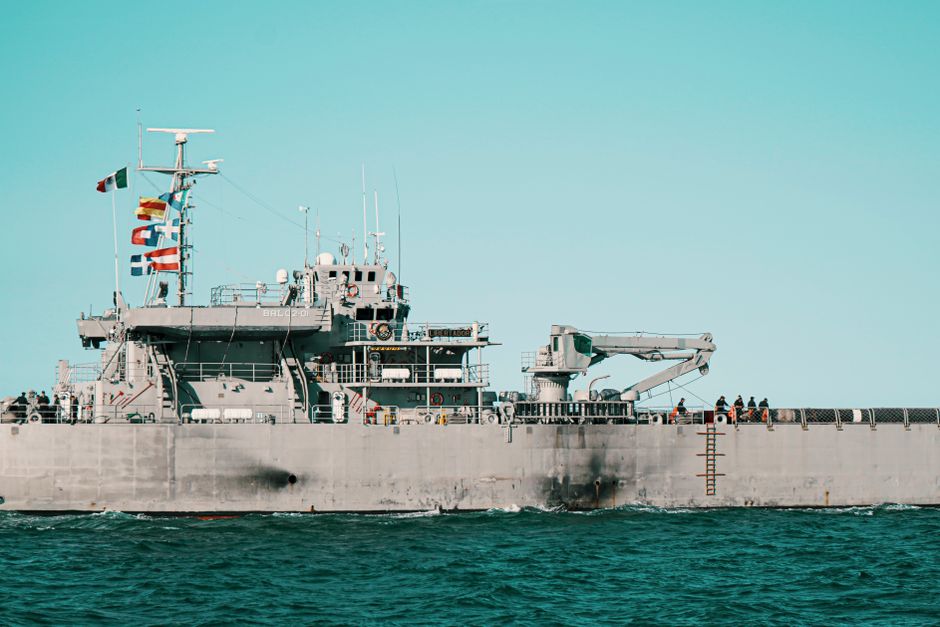
    Jaishankar co-chaired a session on ‘AI in the Context of International Peace & Security, with an Emphasis on Maritime Security’ with Greek Foreign Minister George Gerapetritis. He pointed out that AI can be both a tool for innovation and a source of security challenges. His comments come at a crucial time when countries are facing the effects of rapid technological changes.

    He noted that AI can improve maritime security through better domain awareness. However, it also brings serious risks, such as advanced cyber operations targeting critical infrastructure. Jaishankar’s statement reflects growing concern among global leaders about balancing AI’s benefits with safety. According to a report from Mint, he stated, “The development of emerging technologies must go hand in hand with safeguards to mitigate potential threats to international peace and security.” This aligns with the New Delhi Declaration, which calls for secure systems and investment in human capabilities.

    Balancing Innovation with Security

    Jaishankar’s address at the UNGA stressed the need for a framework that encourages innovation while addressing security issues. His comments highlight a key tension in tech policy: promoting technological progress without compromising security. The Moneycontrol report explains that Jaishankar emphasized integrating safety measures into AI development, especially in sensitive areas like maritime operations.

    AI plays a vital role in enhancing maritime operations, including search and rescue missions and disaster response. However, Jaishankar warned that these advantages come with risks. Increased automation can complicate accountability and decision-making. The fast deployment of AI technologies may outstrip current regulations, creating gaps that malicious actors could exploit. He highlighted the risk of AI being weaponized or used in cyber warfare as a pressing concern.

    Career Ahead’s analysis shows that policymakers and cybersecurity experts must focus on creating strong regulatory frameworks to address these emerging risks. This includes promoting transparency and best practices for AI use in sensitive areas like maritime security. Jaishankar’s call for international cooperation indicates that nations must work together to craft effective policies. As countries face these challenges, the demand for responsible innovation grows stronger. The goal is to ensure that AI advancements do not worsen existing vulnerabilities or create new ones.

    Moreover, democratic access to AI resources is essential. Jaishankar’s comments about building secure systems suggest a shift toward inclusive AI development. This ensures that all nations can benefit from advancements without facing security risks. Such an approach could create a more equitable technological landscape, allowing developing nations to join the AI revolution without being left behind.

    Implications for Policymakers and Cybersecurity Experts

    Jaishankar’s statements have broader implications beyond immediate security concerns. For policymakers, the challenge is to foster an environment that encourages technological innovation while protecting national interests. This dual focus requires a nuanced understanding of the changing AI landscape. As noted in the CSR Journal, Jaishankar’s insights reflect a growing recognition of the need for a balanced approach to technology governance that prioritizes both progress and security.

    Cybersecurity experts must prepare for a future where AI is key to both offensive and defensive strategies. As Jaishankar highlighted, AI can enhance capabilities but also introduce new vulnerabilities. This duality calls for a proactive approach to cybersecurity. Experts should anticipate potential threats and develop strategies to counter them. Integrating AI into cybersecurity frameworks will be vital, including using AI for threat detection and response while understanding how adversaries might exploit weaknesses. Continuous learning and adaptation in cybersecurity practices are crucial.

    As nations collaborate to set norms around AI use, international agreements will play a key role. Jaishankar’s signing of the United Nations Convention against Cybercrime underscores the need for global cooperation in tackling cyber threats. Such agreements can help create a united front against malicious activities that exploit AI technologies. Ongoing discussions about AI security risks and innovation will shape future technology policy. As nations navigate these issues, the outcomes will greatly influence how AI is developed and used across various sectors.
    Jaishankar Highlights AI Security Risks Amidst Innovation Calls

    Looking ahead, the intersection of AI and international policy will remain a key topic for global leaders. The ability to manage these complexities will shape the future of AI, affecting security, economic growth, and social good. As Jaishankar noted, the path forward must combine innovation with caution. This will ensure that the benefits of AI are realized without compromising national safety and security.

    Frequently Asked Questions

    What are the implications of AI security risks for technology policymakers?

    Career Ahead analysis shows that AI security risks require a reevaluation of current regulatory frameworks. Policymakers must balance innovation with security to create effective guidelines that protect national interests while promoting technological progress.

    How can cybersecurity experts prepare for new AI regulations?

    Cybersecurity experts should focus on integrating AI into their threat detection and response strategies. Understanding how adversaries might exploit AI vulnerabilities will be crucial for building strong defenses.

    Jaishankar Highlights AI Security Risks Amidst Innovation Calls

    What should AI researchers consider when developing secure AI systems?

    AI researchers must prioritize creating secure and trustworthy systems that address potential security threats. Collaboration with policymakers and cybersecurity experts will be essential to ensure innovations do not compromise safety.

  • US and China Compete for AI Dominance Amid Safety Concerns

    US and China Compete for AI Dominance Amid Safety Concerns

    U.S. President Donald Trump and Chinese leader Xi Jinping are expected to meet this week to discuss the intense competition between their nations in artificial intelligence (AI). This meeting comes amid rising concerns about the threats posed by rogue AI and the need for safety regulations to mitigate these risks.

    The dialogue surrounding AI has become increasingly complex, intertwining technological advancement with national security concerns. As both countries strive for dominance in the AI sector, they share a growing awareness of the potential dangers that AI could pose, including cyberattacks and loss of human control over AI systems.

    Competing Visions of AI Safety

    Both the U.S. and China recognize the importance of establishing robust safety frameworks for AI. Recent discussions, as noted by U.S. Treasury Secretary Scott Bessent, highlighted the proposal for a notification mechanism between the two nations to address AI incidents impacting national security. This initiative aims to foster a shared vision of common goals and threats in the realm of AI safety.

    China has increasingly focused on the risks associated with AI, particularly regarding its potential misuse in critical sectors such as finance and telecommunications. As stated by Sun Chenghao from Tsinghua University, there is a significant opportunity for cooperation between the two countries, especially in addressing issues like AI-enabled cyberattacks and biological misuse.

    Career Ahead’s analysis identifies that the U.S. and China are not only competing in AI capabilities but are also racing to establish safety standards that could set a precedent for global governance. The urgency of this competition is underscored by the rapid advancements made by Chinese AI models, which are now challenging their American counterparts in capability and cost-effectiveness.

    As both nations push forward, the question remains: can they find common ground on AI safety without allowing geopolitical tensions to derail progress? The establishment of international collaboration on AI safety standards could be a pivotal step in ensuring that advancements in AI benefit humanity as a whole.

    The Implications of AI Competition on Research and Policy

    The implications of the U.S.-China AI race extend beyond mere technological competition; they also affect research priorities and policy-making in both countries. As AI becomes integral to national security, researchers in the U.S. may find themselves navigating a landscape where funding and collaboration are increasingly influenced by geopolitical considerations.

    For instance, the U.S. has invested significantly more in AI than China, with data showing that American private AI investment reached approximately $285.9 billion in 2025 compared to China’s $12.4 billion. However, this disparity does not diminish the rapid advancements made by Chinese firms, which are increasingly leveraging domestic technologies to close the gap.

    Career Ahead research finds that this competitive landscape may lead to new funding opportunities for safety-focused AI projects, particularly in the U.S. Researchers and policymakers must prepare for a shift in priorities that emphasizes not only innovation but also the ethical implications of AI deployment.

    US and China Compete for AI Dominance Amid Safety Concerns

    Moreover, as the two nations grapple with the implications of AI on their respective infrastructures, there is a pressing need for international collaboration. Experts like Samm Sacks from the Johns Hopkins School of Advanced International Studies suggest that sharing information on AI incidents could help build trust and confidence between the two countries, potentially paving the way for more effective governance.

    As the AI landscape evolves, the need for clear regulatory frameworks will become paramount. Policymakers must consider how to balance innovation with safety, ensuring that AI technologies are developed responsibly while still fostering competitive advantages.

    Looking Ahead: The Future of US-China AI Relations

    The future of U.S.-China relations in the AI sector remains uncertain, particularly as both nations continue to assert their technological ambitions. With Trump emphasizing the importance of maintaining a technological edge, the U.S. government is likely to remain cautious about any concessions that could benefit China’s AI development.

    As the competition intensifies, it is crucial for both nations to recognize that collaboration on safety could lead to mutual benefits. The ongoing dialogue about AI safety mechanisms may serve as a foundation for more extensive cooperation in the future, despite the competitive backdrop.

    Looking ahead, the question of whether the U.S. and China can effectively navigate their rivalry to establish a coherent framework for AI safety remains unresolved. The stakes are high, as the implications of their decisions will shape the future of AI governance globally.

    US and China Compete for AI Dominance Amid Safety Concerns

    As both nations continue to develop their AI capabilities, the international community will be watching closely. The outcomes of these discussions could set precedents for how AI technologies are governed worldwide, influencing not only national security but also the ethical deployment of AI systems.

    Frequently Asked Questions

    What are the latest AI safety regulations in the US?

    Career Ahead’s analysis shows that the U.S. is currently exploring new regulatory frameworks to address AI safety concerns, including proposed notification mechanisms for AI incidents that could impact national security.

    How does China’s AI strategy impact US researchers?

    As China’s AI capabilities advance rapidly, U.S. researchers may face increased competition for funding and collaboration opportunities, necessitating a focus on safety and ethical implications in their work.

    US and China Compete for AI Dominance Amid Safety Concerns

    What should AI researchers in the US do about emerging AI safety standards?

    AI researchers in the U.S. should stay informed about evolving safety standards and consider how their work aligns with new regulatory frameworks, as these developments could significantly influence funding and research priorities.

    Sources: Abcnews, Timeslive, Digitalinasia.