Tag: content creators

  • ScrollEd Transforms Textbooks into Engaging Content

    ScrollEd Transforms Textbooks into Engaging Content

    Palo Alto, USA — ScrollEd is a startup that aims to change educational materials. It turns traditional textbooks into engaging TikTok-style content. This new method was shown at the TechCrunch Disrupt Startup Battlefield on September 20, 2026. The company’s app lets users convert text files, like textbooks and PDFs, into a dynamic feed similar to TikTok.

    ScrollEd’s co-founder, Utsav Gupta, highlighted the need to connect with students. He noted the shift towards short-form content among younger generations. The app includes AI-generated video, audio, text, and quizzes, making learning more engaging and accessible.

    Transforming Learning Through Engagement

    Leveraging Short-Form Video for Education

    Students are increasingly favoring short-form content. ScrollEd’s approach meets this trend by providing educational material that feels familiar. Users can swipe through topics, with quizzes at the end of each section to reinforce learning. This method captures attention and encourages deeper exploration.

    Career Ahead’s analysis shows that this shift to interactive content reflects a broader trend in educational technology. Traditional methods are being challenged by innovative solutions. The demand for engaging educational content is rising, pushing institutions to rethink how they deliver information. Data from piqmarkets.com indicates that platforms prioritizing user engagement are changing how educational resources are developed.

    Additionally, AI in content generation allows for personalized learning experiences. ScrollEd plans to build a lesson library that adapts to individual learner needs. This will help educators assess progress and engagement effectively. This adaptive approach could change how educational institutions develop their curriculum.

    As educational technology evolves, multimedia content creation will likely create new roles in the industry. Career Ahead research finds that innovators will need skills in video production, digital marketing, and interactive content design to compete.

    The Impact on Traditional Textbook Sales

    Challenges for Textbook Publishers

    The rise of platforms like ScrollEd presents challenges for traditional textbook publishers. More students are turning to interactive and engaging content. This shift may lead to declining demand for conventional textbooks. Publishers who do not adapt may see reduced sales.

    According to venture-pitch-online.com, the educational publishing industry must integrate multimedia elements to stay relevant. Publishers that produce static textbooks without interactive features may fall behind in a market that values engagement.

    Moreover, the shift to digital-first educational resources is speeding up. Institutions want to deliver content that resonates with students. Platforms like ScrollEd offer a viable solution. This trend shows the need for publishers to invest in technology and content development to compete.

    ScrollEd Transforms Textbooks into Engaging Content

    As educational institutions adopt new platforms, traditional textbook publishers face significant implications. They may need to change their business models to focus on digital content creation, interactive resources, and data analytics. This shift could reshape educational publishing, creating opportunities for new players while challenging established ones.

    Emergence of New Roles in Content Creation

    New Career Paths in Educational Technology

    The move towards short-form, interactive educational content is creating new job opportunities. As ScrollEd and similar platforms grow, demand for multimedia content creators will increase.

    Career Ahead analysis shows that roles like educational content developers, interactive media specialists, and data analysts will become more important. These positions will focus on creating engaging educational experiences that use technology to improve learning outcomes.

    Furthermore, digital content creators must adapt their skills to meet educational institutions’ needs. Creating engaging, interactive content will be essential for success. Professionals skilled in video editing, graphic design, and instructional design will be in high demand.

    Additionally, the rise of platforms like ScrollEd may increase collaboration between educators and content creators. This partnership could lead to innovative curriculum development, ensuring resources are informative and engaging for students.

    The future of educational content looks bright, with significant growth potential in the edtech sector. As institutions embrace new technologies, the education landscape will continue to evolve, offering exciting opportunities for those willing to adapt.

    ScrollEd’s method of transforming textbooks into engaging, TikTok-style content could change how educational materials are created and consumed. As this trend grows, it will be important to watch how traditional publishers respond and how new roles develop in educational technology.

    Frequently Asked Questions

    How can educational technology innovators adapt to new content formats?

    Innovators must embrace multimedia content creation and understand younger audiences’ preferences. This includes developing skills in video production and interactive content design.

    What are the implications for textbook publishers in a digital-first landscape?

    Publishers need to shift their business models to focus on interactive digital content. Failure to adapt may lead to declining sales and relevance in a competitive market.

    ScrollEd Transforms Textbooks into Engaging Content

    How should digital content creators approach educational content development?

    Content creators should focus on creating engaging and interactive materials that resonate with students. Understanding technology integration and educational principles will be key to success.

  • Microsoft and OpenAI’s Impact on the Publishing Industry

    Microsoft and OpenAI’s Impact on the Publishing Industry

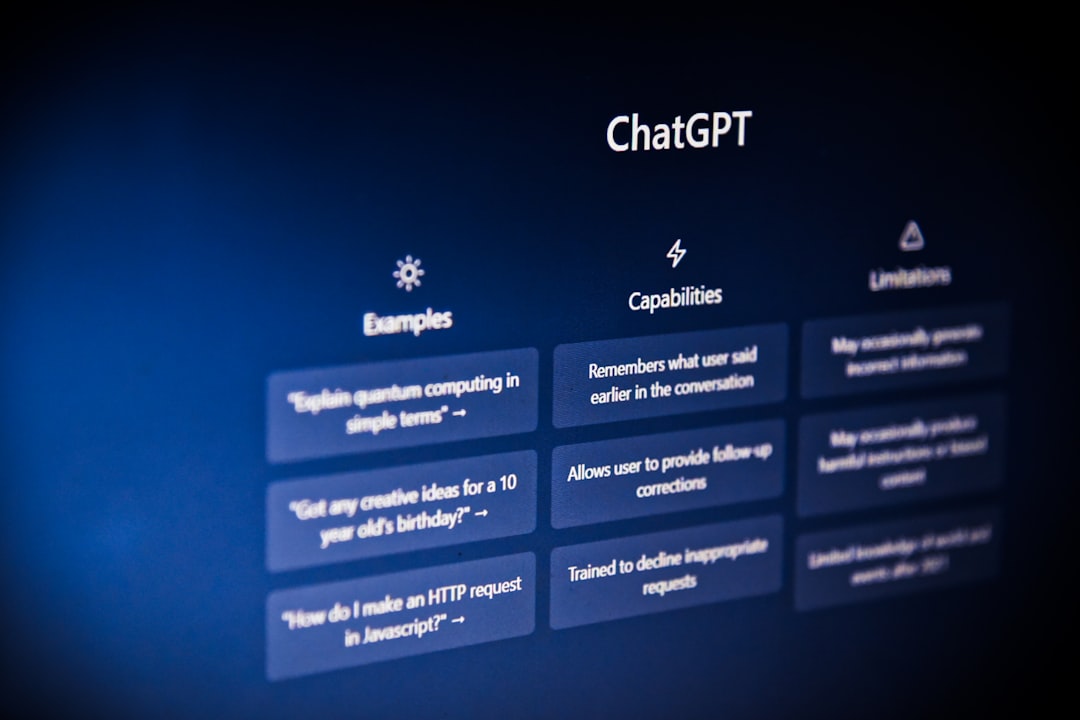
    Microsoft and OpenAI are leading a technological shift that could change the publishing industry. As AI-generated content grows, concerns about traditional publishing’s future are rising. This change is not just a trend; it could redefine how content is created, shared, and sold.

    Industry leaders worry about the impact of these advancements. Microsoft and OpenAI’s AI initiatives raise questions about job loss and current monetization strategies. The publishing industry, already facing digital challenges, must now deal with rapid AI development.

    Job Displacement in the Publishing Sector

    AI-generated content poses a serious risk to jobs in publishing. Career Ahead’s analysis shows that many traditional roles may be at risk as AI tools improve. For example, copywriters, editors, and journalists could see significant job cuts as AI streamlines content creation.

    A report from learn.microsoft.com states that the end of tools like Microsoft Publisher reflects a trend toward automation. This shift may reduce entry-level jobs as companies choose AI solutions that produce content faster and cheaper. Aspiring publishing professionals may find fewer job opportunities.

    Furthermore, timessquire.com points out that AI in publishing may create a two-tier job market. Experienced professionals who can use AI tools may thrive, while those without these skills could struggle. This divide may worsen existing job market inequalities, making it crucial for current and future publishing professionals to adapt.

    As AI-generated content becomes more common, the need for human creativity and oversight will change. While AI can create coherent text, it lacks the understanding of context and audience that human writers provide. This suggests that roles may evolve, requiring professionals to learn new skills in AI content curation and oversight.

    Changes in Content Monetization Strategies

    The rise of AI technologies is prompting a reevaluation of monetization strategies in publishing. Career Ahead research finds that as AI-generated content becomes more common, traditional revenue models may be disrupted. Publishers may need to rethink how they monetize content to stay competitive.

    Digitalcitizen.life notes that reliance on subscriptions and advertising may be challenged by the rise of free or low-cost AI-generated content. If consumers can easily access high-quality AI content, they may be less willing to pay for traditional publishing. This shift could force publishers to innovate and find new revenue streams.

    Additionally, the growth of AI content raises questions about ownership and intellectual property. As AI creates material, it becomes complicated to determine who holds the rights. This uncertainty could complicate licensing agreements and revenue-sharing models, affecting how publishers operate.

    To adapt, publishers might consider diversifying their offerings. They could provide unique insights, analysis, or personalized content that AI cannot replicate. By emphasizing human creativity and expertise, publishers can stand out in a crowded marketplace.

    Moreover, partnerships with tech companies may become vital for traditional publishers. Working with AI developers can help publishers use new tools while keeping their brand identity. This collaboration could lead to innovative solutions that benefit both sides.

    The Need for New Skills in AI Content Curation

    As the publishing landscape changes, the need for new skills in AI content curation becomes crucial. Career Ahead’s analysis shows that industry professionals must embrace continuous learning to stay relevant. This includes understanding AI tools, data analysis, and content strategy.

    Publishing professionals will need a strong foundation in AI technologies to navigate the changing landscape. This may involve training in AI content generation tools, analytics platforms, and audience engagement strategies. Those who can harness these technologies will be better positioned to succeed.

    Additionally, the ability to curate and edit AI-generated content will be a valuable skill. While AI can create text, human intervention is necessary to ensure quality and relevance. Editors who can review and refine AI-generated material will be in high demand.

    Microsoft and OpenAI's Impact on the Publishing Industry

    The integration of AI also highlights the importance of ethical considerations in content creation. Professionals must understand the implications of using AI in publishing, including bias, misinformation, and transparency. Developing a strong ethical framework will be essential as the industry faces these challenges.

    Ultimately, the future of publishing will be shaped by those who can adapt to these changes. As AI technologies evolve, leveraging them while maintaining quality and integrity will define success in this new landscape.

    Ongoing developments in AI technology will likely continue to impact the publishing industry. As Microsoft and OpenAI push boundaries, professionals must stay alert and proactive. The key question remains: how will the industry balance AI’s benefits with the need for human creativity and oversight?

    Frequently Asked Questions

    How can publishing professionals adapt to AI in content creation?

    Publishing professionals can adapt by embracing AI tools and learning to integrate them into their workflows. Continuous education and training in AI technologies will be essential for staying competitive.

    What new skills do content creators need to thrive in an AI-driven market?

    Content creators will need skills in AI content generation tools, data analysis, and audience engagement strategies. The ability to curate and edit AI-generated content will also be crucial as the industry evolves.

    Microsoft and OpenAI's Impact on the Publishing Industry

    What should publishing industry professionals do about the rise of AI-generated content?

    Professionals should focus on understanding the implications of AI in publishing. They must develop strategies to leverage these technologies while maintaining quality and integrity in their work.