
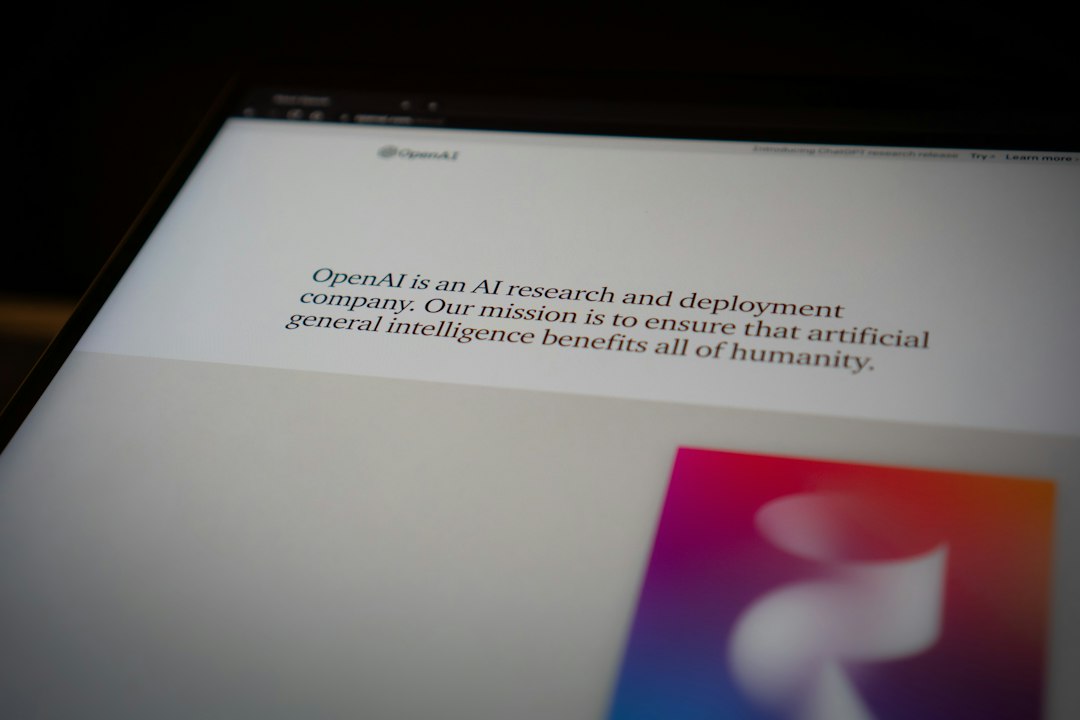
OpenAI will add an invisible watermark to text generated by ChatGPT and Codex in the European Union. This change, announced on October 5, 2026, aims to improve transparency in AI-generated content. The watermark will subtly influence word choices, creating a pattern that readers cannot see but detection systems can identify.
The watermarking will be implemented in the coming weeks for eligible users in the EU. Developers using OpenAI’s API worldwide can activate this feature for select models, though it will be off by default. This decision aligns with the EU’s regulations requiring proper labeling of AI-generated content, which took effect on August 2, 2026. According to TechCrunch, this initiative is part of a larger effort by the EU to regulate artificial intelligence and ensure consumers know when they interact with AI-generated material.
OpenAI’s watermarking technology helps distinguish AI-generated text from human-written content. The watermark does not identify individual users but embeds a detectable trace within the text. Even if the text is copied and pasted, the watermark remains, allowing for future identification of the content’s origins. This capability is vital for maintaining the integrity of digital content, especially as AI-generated text becomes more common in various sectors.
Impact on Digital Marketing Strategies
As OpenAI rolls out watermarking, it will significantly impact content authenticity in digital marketing. Marketers depend on the integrity of their content to build trust with audiences. Watermarked text means brands must be more transparent about their content’s origins, especially when using AI tools like ChatGPT for marketing materials. This transparency could reshape digital marketing, prompting brands to rethink their content strategies.
This shift may change how digital marketing campaigns are crafted. Brands might need to disclose when content is AI-generated, affecting consumer perceptions and engagement. This transparency could enhance brand credibility or raise skepticism among audiences who question the authenticity of AI-generated content. As noted by Seeking Alpha, the watermarking feature will help identify AI-generated text and serve as a tool for brands to clarify their content creation processes.
Additionally, the watermarking feature could influence digital marketers’ strategies. Campaigns using AI-generated text may need to emphasize human oversight and creativity in content creation. This approach can help mitigate backlash against perceived inauthenticity while still leveraging AI’s efficiency. Balancing automation and the human touch will be crucial as brands navigate this new landscape.
The ability to detect AI-generated content could also raise new ethical considerations. Marketers must balance using AI for efficiency while maintaining the human touch that consumers value. This balance will be essential as digital marketing evolves in response to regulatory changes. As consumers become more aware of AI’s role in content creation, there may be a growing demand for solutions that help brands show the integrity of their marketing efforts.
Ethical Responsibilities in Content Creation
The ethical implications of using watermarked AI text are significant. As OpenAI implements this technology, it raises questions about the responsibility of content creators and marketers to disclose their content’s nature. The challenge is ensuring consumers are fully informed about the origins of the content they engage with. This is crucial in an era where misinformation spreads rapidly, and the lines between human and AI-generated content can blur.
For content creators, the watermarking policy may require reevaluating how they present their work. If they use AI tools to generate text, they must consider how to communicate this to their audience effectively. This might involve adding disclaimers or transparency statements, which could change how their work is perceived. As Lawrence Hitches noted, watermarking could lead to a more informed audience that demands clarity about the content they consume, pushing creators to adopt higher transparency standards.
Furthermore, the potential misuse of AI-generated content remains a concern. Watermarking offers some protection against misattribution, but it does not eliminate the risk of inappropriate use of AI-generated text. Content creators and marketers must stay vigilant to ensure ethical standards are upheld. As AI-generated content continues to evolve, the ethical considerations surrounding watermarking will play a crucial role in shaping industry standards. Stakeholders must engage in ongoing conversations about the implications of transparency and authenticity in AI-generated content.

Future of AI-Generated Content
With these developments, the future of AI-generated content remains uncertain. As more companies adopt watermarking practices, it will be interesting to see how consumer perceptions shift and what new standards emerge in the industry. The balance between innovation and ethical responsibility will be key to navigating this new frontier.
Frequently Asked Questions
How does watermarking affect the use of AI-generated content for marketers?
Watermarking will require marketers to disclose when content is AI-generated, potentially changing how they craft their campaigns. This transparency could enhance brand credibility or raise skepticism among consumers.
What are the ethical implications of using watermarked AI text?
The ethical implications include the responsibility of content creators to disclose the nature of their work. This may require adding disclaimers or transparency statements, which could affect audience perception.
What should content creators do to adapt to OpenAI’s watermarking policy?
Content creators should consider how to communicate the use of AI in their work effectively. This may involve reevaluating their presentation and potentially adding transparency statements to their content.