
Tag: community engagement

  • AI House Boosts Real Estate Connectivity, Raises Ethical Concerns

    AI House Boosts Real Estate Connectivity, Raises Ethical Concerns

    In September 2026, the AI House launched a new era in real estate technology. This innovative housing model uses artificial intelligence to build community connections among residents. However, it also raises important ethical issues about data privacy and social equity.

    The AI House uses smart technology to promote interactions between residents. It employs algorithms to suggest community events, local resources, and potential friendships based on shared interests. This feature aims to enhance social connectivity, meeting the growing need for community engagement in a digital world.

    Despite its advantages, the AI House presents ethical challenges that must be addressed. A major concern is the potential misuse of personal data collected by AI systems. These algorithms rely on large amounts of data to work effectively, raising questions about consent and privacy. Residents may not fully understand how their data is used, which can lead to distrust in these technologies.

    Ethical Implications of AI in Community Building

    As AI becomes part of community-building efforts, its ethical implications grow more important. The AI House’s reliance on algorithm-driven recommendations can unintentionally reinforce existing social biases. For example, if the system favors certain demographic profiles, it may overlook or exclude others, perpetuating inequalities in community engagement.

    Ethicists and AI researchers argue that developers must ensure fairness in AI systems. This includes using diverse data sets that accurately reflect the community’s demographics. By doing this, AI can promote inclusivity rather than exclusion, creating a more equitable environment for all residents.

    Moreover, ethical AI deployment in communities requires transparency. Residents should know how their data is used and the algorithms that guide AI interactions. This transparency can build trust and help residents feel secure in participating in AI-driven community initiatives.

    Additionally, the potential for AI to enhance community connections raises questions about accountability. Who is responsible if an AI system fails to deliver on its promises or causes harm? These questions highlight the need for clear governance frameworks to guide the ethical use of AI technologies in real estate.

    Innovations in AI-Driven Community Engagement

    The AI House shows how AI can transform real estate. By fostering deeper connections between residents, it aims to reduce the isolation often found in urban living. This model could significantly change how communities are formed and maintained, especially in crowded areas.

    Innovations in AI-driven community engagement are already happening. For example, initiatives that use AI to match residents with similar interests promote social events and collaborations. These efforts aim to create a vibrant community atmosphere where residents feel a sense of belonging and support.

    However, the success of these innovations depends on addressing ethical concerns. As AI systems become more integrated into community life, developers must balance technological advancements with ethical considerations. This balance is crucial for ensuring that AI enhances human connections instead of undermining them.

    AI House Boosts Real Estate Connectivity, Raises Ethical Concerns

    Furthermore, as the AI House model gains popularity, its scalability will be vital for success. Real estate developers must think about how to implement these technologies in diverse communities while respecting local cultures and values. Tailoring AI solutions to fit the unique needs of each community will be essential for fostering genuine connections.

    Challenges Ahead for AI in Real Estate

    Ultimately, the future of AI in real estate will depend on its ability to tackle the challenges of connectivity and ethics. As AI continues to evolve, industry stakeholders must stay vigilant in addressing these concerns to build a future where technology serves as a bridge, not a barrier.

    As AI technology advances, the balance between innovation and ethics will shape its acceptance in real estate. Will developers prioritize responsible AI practices, or will the push for technological advancement overshadow ethical considerations? The choices made today will influence the communities of tomorrow.

    AI House Boosts Real Estate Connectivity, Raises Ethical Concerns

    Frequently Asked Questions

    What are the ethical concerns of AI in community building?

    Ethical concerns include data privacy, algorithmic bias, and the risk of exclusion in community engagement. Developers must ensure transparency and fairness in AI systems to address these issues effectively.

    How can AI researchers ensure responsible AI use?

    AI researchers can ensure responsible use by incorporating diverse data sets, engaging with ethicists, and promoting transparency in AI algorithms. This approach builds trust and reduces risks associated with AI deployment in community settings.

    What innovations are emerging in AI-driven real estate technology?

    Innovations in AI-driven real estate technology include systems that match residents based on interests, promote community events, and enhance social interactions. These technologies aim to create more connected and supportive communities.

  • C.J. Huff Rebuilt Joplin’s Devastated Schools. Then Came the Backlash.

    C.J. Huff Rebuilt Joplin’s Devastated Schools. Then Came the Backlash.

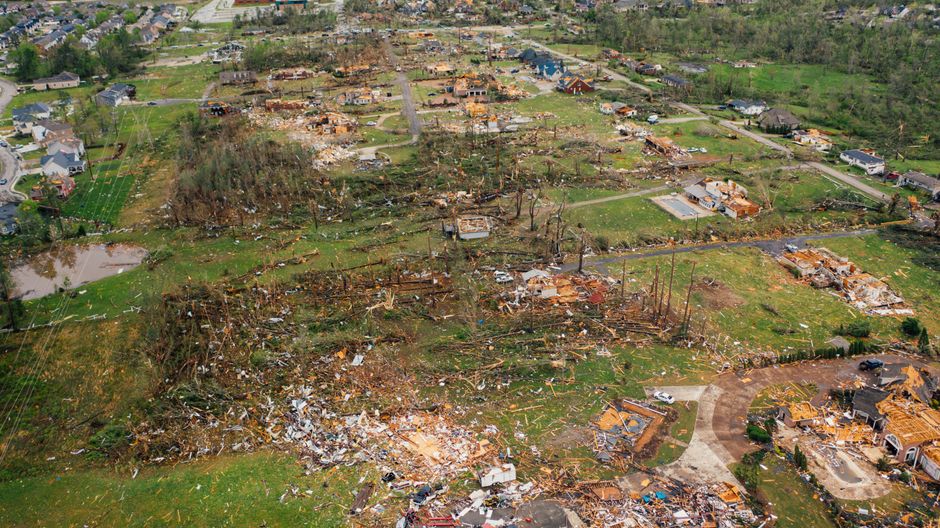
    Joplin, Missouri — In the aftermath of the devastating tornado that struck in 2011, C.J. Huff, the superintendent of Joplin Schools, spearheaded a remarkable rebuilding initiative that transformed the educational landscape of the city. This effort not only restored physical structures but also aimed to heal a community deeply scarred by tragedy.

    Huff’s approach has garnered national attention, becoming a model for other districts facing similar challenges. He reflects on the successes of the rebuilding process, while also acknowledging the difficulties encountered, including community backlash and the emotional toll on educators and students. A report from The New York Times highlighted that Huff faced scrutiny regarding the speed and methods of the rebuilding process, which led to tensions within the community.

    Community Involvement as a Cornerstone

    One of the key strategies employed by Huff was the active involvement of the community. By engaging local stakeholders in the planning and rebuilding phases, he ensured that the new schools addressed the specific needs of the community. This approach fostered a sense of ownership among residents, which is vital for recovery. Huff organized town hall meetings and forums where parents, teachers, and community members could voice their opinions and ideas. This collaboration was essential for rebuilding trust and ensuring that the schools reflected the community’s values and aspirations.

    Moreover, Huff implemented a transparent communication strategy, keeping the community informed about progress and challenges throughout the rebuilding process. This openness helped to build trust and alleviate concerns among parents and local leaders. An analysis by Career Ahead indicates that districts prioritizing community engagement during recovery often experience smoother transitions and greater support. Huff’s proactive communication was underscored in a District Administration article, which noted that consistent updates and community involvement were crucial for addressing fears and fostering commitment to the schools’ success.

    Addressing Mental Health Needs

    Recognizing the profound impact of trauma on students and staff, Huff also prioritized mental health resources as part of the recovery efforts. The emotional scars left by the tornado necessitated a comprehensive approach to mental health support. Schools introduced counseling services and mental health programs aimed at assisting those affected by the disaster. Integrating mental health support into the recovery process not only aids healing but also enhances the educational environment. Research shows that schools prioritizing mental health see improved student performance and reduced behavioral issues, creating a more conducive learning atmosphere. Huff’s initiatives in this area were pivotal, providing a safety net for students grappling with the emotional aftermath of the disaster.

    Innovative Designs for Future Learning

    Huff’s rebuilding efforts also featured innovative designs for the new schools, incorporating modern technology and flexible learning spaces. This forward-thinking approach not only addressed immediate needs but also prepared the schools for future educational demands. The new designs were not merely aesthetic; they aimed to create environments that foster collaboration and creativity among students. By integrating technology into classrooms, Huff sought to equip students for a rapidly changing world, ensuring that the rebuilt schools would support future learning.

    Navigating Community Backlash

    Despite the successes, Huff’s journey was not without challenges. Some community members expressed backlash regarding certain decisions made during the rebuilding process, feeling excluded from the decision-making. This tension highlighted the importance of ongoing dialogue and effective communication in future recovery efforts. Career Ahead’s analysis suggests that ensuring all voices are heard can mitigate such issues, fostering a more inclusive approach to rebuilding.

    C.J. Huff Rebuilt Joplin’s Devastated Schools. Then Came the Backlash.

    Huff’s experience underscores the necessity of adaptability in leadership. As circumstances evolved, he adjusted plans and strategies to better align with community feedback and needs. This flexibility is crucial for superintendents and school administrators involved in disaster recovery. The ability to respond to community concerns and incorporate feedback was essential for maintaining trust and support among stakeholders.

    Long-Term Impact and Lessons Learned

    The long-term effects of Huff’s rebuilding initiatives are still being evaluated, but early indicators suggest positive outcomes. Schools that have been rebuilt or renovated report increased enrollment and improved student engagement. This revitalization of the educational environment is critical for the community’s overall recovery. Furthermore, the lessons learned from Joplin’s experience are being shared with other districts facing similar challenges. Huff has become a sought-after speaker and consultant, sharing insights on effective recovery strategies and the importance of community involvement.

    As districts prepare for potential disasters, the strategies established in Joplin provide valuable guidance. Career Ahead has found that focusing on community engagement, mental health support, and adaptive leadership can help school districts create robust recovery plans. These plans not only restore but also enhance educational environments, ensuring that they are better equipped to face future challenges.

    C.J. Huff Rebuilt Joplin’s Devastated Schools. Then Came the Backlash.

    Frequently Asked Questions

    What are the key challenges faced by superintendents in disaster recovery?

    Superintendents often encounter challenges such as community backlash, funding limitations, and emotional strain on staff and students. Effective communication and community engagement are crucial for overcoming these obstacles.

    How can education policymakers support rebuilding efforts?

    Education policymakers can assist rebuilding by providing funding, resources, and guidance on best practices for community engagement and mental health support during recovery.

    What strategies should school administrators implement for effective community engagement during recovery?

    School administrators should prioritize transparent communication, organize community meetings, and actively involve local stakeholders in decision-making. This fosters a sense of ownership and collaboration.