Leh, India — On September 23, 2026, climate activist Sonam Wangchuk led a significant march in Leh, organized by the Apex Body Leh to honor four protesters who died while advocating for statehood and constitutional protections for Ladakh. Hundreds joined the march, including members of the Kargil Democratic Alliance, who held a similar event in Kargil. These marches reflect a growing movement for political and environmental rights in the region.
The march in Leh served not only as a memorial but also as a call to action. Wangchuk emphasized the need for government engagement with local communities regarding governance and land rights. Participants gathered at a stadium in Leh to honor the victims and restate their demands during ongoing discussions with the union home ministry. Wangchuk stated, “Hundreds of people have joined us in this march, and tomorrow people will gather in Leh and offer prayers for peace and progress of the region,” highlighting the community’s desire for a peaceful resolution to their struggles.
Such events are crucial in Ladakh’s unique political landscape. Since becoming a union territory in 2019, the region has seen increased activism. Local leaders and citizens are advocating for more autonomy and environmental protections. The Apex Body Leh and the Kargil Democratic Alliance are at the forefront of efforts to secure the rights of Ladakhis to govern their land and resources. According to the Economic Times, the march provided a platform for these groups to voice their demands for constitutional safeguards and governance reforms.
Civil Society’s Influence on Political Movements
Civil society organizations play a vital role in shaping political discussions in Ladakh. The Apex Body Leh, which organized the march, is a coalition of local groups united for a common cause. Their efforts demonstrate how grassroots movements can influence policy and highlight urgent local issues. The Kargil Democratic Alliance’s participation in the march illustrates the power of collaboration among civil society groups. By working together, these organizations amplify their voices and create a stronger front against government indifference. This unity is essential for driving change in politically sensitive areas like Ladakh, where governance decisions significantly impact local livelihoods and the environment.
Moreover, the involvement of youth and students from institutions like Delhi University indicates the broader appeal of the movement. Young activists are increasingly aware of the intersection between climate change and political rights, understanding that their futures depend on the health of their environment and governance in their region. This generational shift in activism brings new energy and perspectives to long-standing issues. The march’s atmosphere was filled with hope and determination as participants committed to a sustainable future for Ladakh.
Strategies for Effective Community Engagement
Effective community engagement is crucial for the success of protests like the one led by Wangchuk. Organizing the march involved extensive outreach, including mobilizing local leaders and utilizing social media to raise awareness. This approach ensured that many voices were included in the planning, fostering a sense of ownership among participants. The organizers communicated in local languages and used culturally relevant messages, resonating with the community and emphasizing the urgency of their cause.
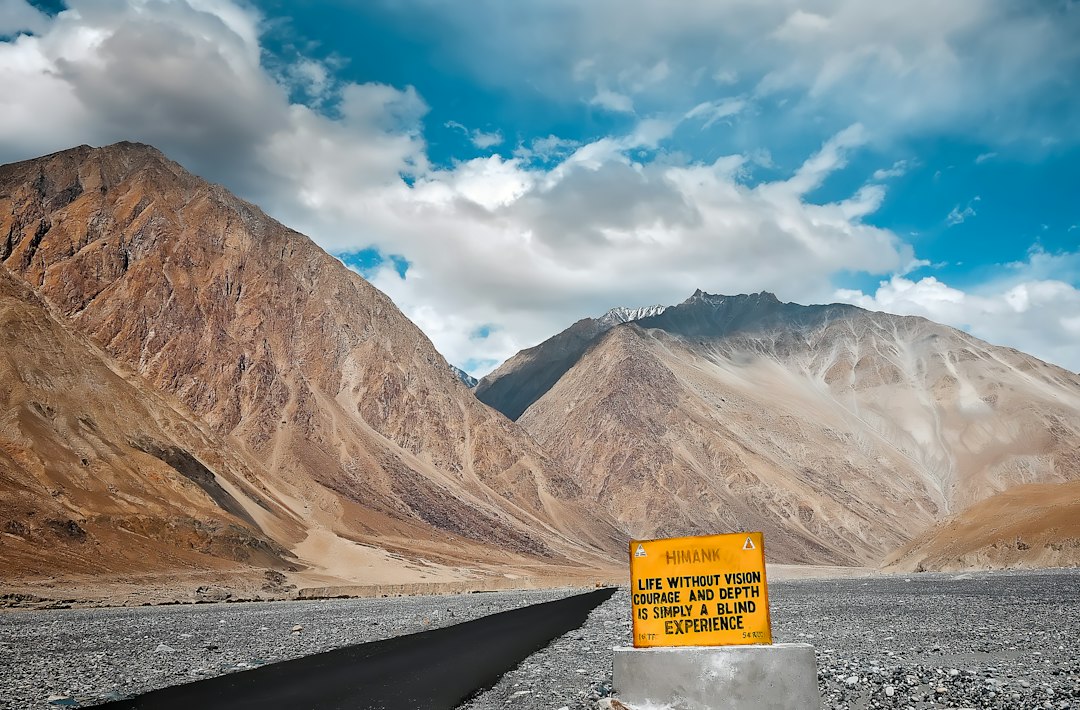
By framing issues in terms of local culture and identity, organizers galvanized support from diverse groups within Ladakh. The emotional weight of the march was amplified by its symbolic nature — walking 20 kilometers to honor the deceased and demand change — which added emotional resonance to the protest. Such acts of solidarity can strengthen community ties and inspire further activism. Wangchuk’s leadership embodies the resilience and determination many Ladakhis feel in the face of adversity.
Additionally, collaborating with educational institutions, such as involving students from Delhi University, demonstrates a strategic approach to engaging younger demographics. Inviting youth to participate brings fresh perspectives and ensures that the concerns of future generations are represented. This is crucial in a region where young people are increasingly vocal about their rights and aspirations. The energy from these young activists is vital for sustaining the movement’s momentum and keeping it relevant amid changing political dynamics.
Future Directions for Ladakh’s Activism
As the movement evolves, organizers must maintain momentum and adapt strategies to the changing political landscape. The upcoming gathering in Leh is a critical moment for the community to reaffirm their demands and seek tangible outcomes from ongoing talks with the government. The combination of local engagement, cultural relevance, and intergenerational collaboration offers a powerful model for future activism in Ladakh. As communities unite around common goals, the potential for significant political change grows stronger.
The events in Leh remind us that the fight for climate rights and statehood is far from over. As local organizations continue to mobilize and engage with the government, the outcome of these efforts could reshape Ladakh’s future. The question remains: will the government heed calls for change, or will the voices of the people continue to go unheard?
Frequently Asked Questions
What strategies can climate activists use to engage local communities?
Climate activists can engage local communities by organizing inclusive events, using culturally relevant messaging, and collaborating with local leaders. These strategies help build trust and foster a sense of ownership among participants, making the movement more effective.

How can civil society organizations influence policy in union territories?
Civil society organizations can influence policy by mobilizing communities, advocating for their rights, and engaging in dialogue with government representatives. Their collective efforts can amplify local voices and highlight critical issues that require government action.
What should climate activists do to prepare for political protests?
Climate activists should focus on community outreach, build coalitions with other organizations, and ensure their messaging resonates with local cultures. Preparing for protests also involves creating a clear agenda and using social media to spread awareness and mobilize support.