Tag: clean energy

  • Battery-Powered Trains to Revolutionize Rail Travel in the UK

    Battery-Powered Trains to Revolutionize Rail Travel in the UK

    UK — The government has announced plans to build a new fleet of battery-powered trains. This initiative aims to improve rail travel efficiency in the northern regions. It includes 29 new trains, which will be built at Alstom’s Litchurch Lane works in Derby. Operations are set to begin by 2034. The project is expected to support 350 local jobs and nearly 6,000 additional roles across the UK, according to recent government reports.

    Prime Minister Andy Burnham stressed the importance of this development. He highlighted the need for more reliable and efficient rail services. The new battery-powered trains are expected to increase capacity on rail networks by 30% over the next decade. They will also significantly reduce travel times between major northern cities. This shift to battery technology is a crucial step in modernizing the UK rail system and addressing long-standing issues of reliability and overcrowding.

    The Shift to Battery Technology in Rail Systems

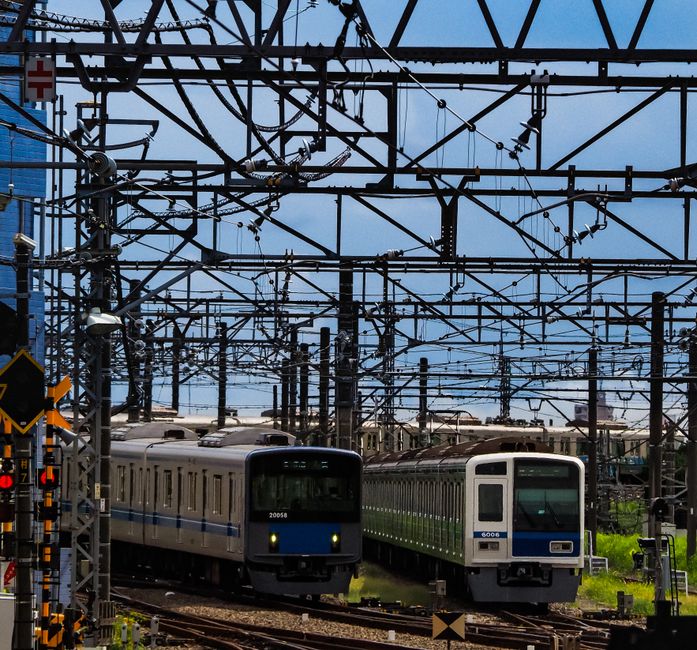
    The battery-powered Adessia Stream trains will be the first of their kind for long-distance journeys in the UK. This transition from diesel to battery power is a move towards cleaner energy. It also responds to the growing demand for sustainable transport solutions. The UK government has committed to phasing out diesel trains, making this development vital for meeting environmental targets.

    According to Career Ahead’s analysis of data from grandgoldman.com, these battery-powered trains could significantly reduce carbon emissions from rail travel. This aligns with global trends toward electrification and sustainability in public transport. Urban planners and rail transport engineers will need to adapt their strategies. They must focus on infrastructure that supports battery charging and maintenance.

    Moreover, integrating battery technology into rail systems could create new job opportunities in sustainable transport engineering. Engineers with expertise in battery management systems and electric vehicle technology will be in high demand. This shift offers a unique chance for professionals to upskill and specialize in emerging technologies.

    As the UK prepares for this transition, urban planners must consider the effects of battery-powered trains on existing rail infrastructure. This includes assessing the need for charging stations, maintenance facilities, and upgrades to track systems. Successful implementation will require collaboration between engineers, planners, and government agencies for a smooth transition.

    Impacts on Urban Transit Planning

    The introduction of battery-powered trains will significantly impact urban transit planning in the UK. As cities aim to improve public transport efficiency, these trains could create a more connected and accessible rail network. This is especially important for northern cities, where connectivity has lagged behind other regions.

    According to Career Ahead research, deploying battery-powered trains could enhance the user experience. It may reduce delays and improve service frequency. With faster and more reliable journeys, urban planners can expect increased ridership. This may further justify investment in public transport infrastructure. Findings from bluvand.com suggest that improved rail services can stimulate local economies by providing better access to jobs and services.

    Additionally, the shift to battery technology will require urban planners to rethink land use and development around rail stations. Enhanced rail services could increase demand for housing and commercial development near stations. This prompts a need for integrated planning that considers transportation, housing, and economic development together.

    Battery-Powered Trains to Revolutionize Rail Travel in the UK

    As cities adapt to these changes, they must also address potential challenges. Ensuring equitable access to improved rail services is crucial. Planners must consider how to effectively serve underserved communities, ensuring all residents benefit from advancements in rail transport.

    The overall impact of battery-powered trains on urban transit planning will be significant. It will require a coordinated approach from various stakeholders to maximize benefits while minimizing disruptions. This transition represents a pivotal moment in the evolution of rail transport in the UK. It has the potential to reshape urban landscapes and improve residents’ quality of life.

    The integration of battery-powered trains into the UK rail system marks a major advancement in rail technology. As the country moves towards a more sustainable future, engineers and urban planners will play a critical role in ensuring this transition’s success. The demand for expertise in battery technology and sustainable transport solutions will likely increase. This highlights the need for ongoing education and training in these areas.

    Why This Matters

    The move towards battery-powered trains is not just about speed and efficiency. It represents a significant shift towards sustainable transport solutions. For rail transport engineers and urban planners, this transition will require new skills and approaches. They must meet the challenges of integrating battery technology into existing systems.

    As the UK embarks on this journey, stakeholders in the rail industry must remain vigilant and adaptable. The successful implementation of battery-powered trains could serve as a model for other regions looking to modernize their public transport systems.

    What remains to be seen is how quickly these changes will be adopted. We will also watch for further innovations in the rail sector as a result of this transition. The future of rail travel in the UK is poised for transformation. The implications for engineers and planners are profound.

    Frequently Asked Questions

    What are the benefits of battery-powered trains for rail transport engineers?

    Battery-powered trains offer engineers the chance to work with cutting-edge technology. This enhances the efficiency and sustainability of the rail system. This shift also creates demand for specialized skills in battery management and energy efficiency.

    How can urban planners adapt to the introduction of battery-powered trains?

    Urban planners can adapt by integrating battery-powered trains into their networks. They must ensure adequate infrastructure for charging and maintenance. This includes rethinking land use and development around rail stations to maximize accessibility and connectivity.

    Battery-Powered Trains to Revolutionize Rail Travel in the UK

    What skills are needed for engineers working on battery-powered rail systems?

    Engineers will need skills in battery technology, energy management, and electric vehicle systems. Ongoing education and training will be essential to keep pace with technological advancements in the rail sector.

  • Data Center Pollution Threatens Engineers’ Health and Wallets

    Data Center Pollution Threatens Engineers’ Health and Wallets

    Air pollution from gas-fired power plants that support data centers is projected to add at least $20 billion in annual healthcare costs by 2028. This alarming forecast highlights the urgent need for data center engineers and environmental health specialists to tackle the health risks from emissions.

    As the demand for data processing increases, so does the environmental impact of data centers. The rise of AI technologies is driving rapid expansion, often harming air quality. These emissions have serious implications for public health and operational costs for companies in this sector.

    Healthcare Costs Linked to Data Center Emissions

    Career Ahead analysis shows that the projected $20 billion rise in healthcare costs is due to various health issues linked to air pollution. These include respiratory diseases, cardiovascular problems, and other serious conditions from long-term exposure to polluted air. The Central Pollution Control Board (CPCB) of India notes that emissions from data centers significantly worsen air quality in urban areas, especially in cities like Delhi.

    CPCB data reveals that the concentration of particulate matter (PM2.5) in Delhi often exceeds safe levels. Data centers powered by fossil fuels are major contributors to this pollution. The health risks from these emissions are especially concerning for vulnerable groups, like children and the elderly, who are more affected by air pollution.

    Environmental health specialists are warning about the long-term health risks. They urge data center operators to adopt cleaner technologies. The need for a shift to renewable energy sources is becoming clear. Data center engineers must proactively implement sustainable practices to reduce these risks.

    Ignoring these health risks can lead to significant financial consequences. Companies may face rising healthcare costs, potential fines for non-compliance with new regulations, and damage to their reputations. The financial burden from healthcare costs linked to pollution could ultimately impact the bottom line for many organizations.

    Regulatory Changes and Their Impact on Operations

    As awareness of the health risks from data center emissions grows, regulatory bodies are starting to take action. New regulations to reduce emissions from data centers are being proposed and implemented globally. For example, India is tightening environmental regulations, focusing on stricter emission standards for industries, including data centers.

    Career Ahead research indicates that these regulatory changes will significantly impact operational costs for data center engineers. Compliance with new standards may require substantial investments in cleaner technologies and processes. Engineers must stay informed about these regulations to ensure compliance and avoid penalties.

    Additionally, data centers may need to invest in advanced air filtration systems and renewable energy sources. While these investments may be high upfront, they could lead to long-term savings by reducing healthcare costs and improving air quality. Transitioning to cleaner energy sources, like wind and solar, benefits the environment and aligns with the growing demand for sustainable practices in data center management.

    Data Center Pollution Threatens Engineers' Health and Wallets

    Environmental health specialists stress the importance of collaboration between data center engineers and regulatory agencies. By working together, they can create strategies that meet regulatory requirements and protect public health. This collaboration could lead to innovative solutions that benefit both the industry and surrounding communities.

    Emerging Technologies for Cleaner Data Centers

    In response to pollution concerns, several emerging technologies are being developed to create cleaner data centers. Innovations like liquid cooling systems, energy-efficient servers, and renewable energy integration are gaining traction. These technologies reduce emissions and improve energy efficiency, which is crucial as data centers consume large amounts of electricity.

    Career Ahead analysis shows that adopting these technologies can significantly lower operational costs over time. For example, liquid cooling systems enhance cooling efficiency, reducing the need for energy-intensive air conditioning. As data center engineers explore these options, they must evaluate the cost-benefit ratio of implementing new technologies.

    Moreover, integrating AI and machine learning into data center operations can optimize energy use and reduce waste. These technologies analyze data in real-time, allowing engineers to make informed decisions that minimize environmental impact. As the industry moves toward greater sustainability, engineers must develop skills in these emerging areas to stay competitive.

    Ultimately, the shift toward cleaner data centers is not just a regulatory requirement but a market demand. Companies prioritizing sustainability will likely gain a competitive edge, attracting clients who care about environmental responsibility. Thus, data center engineers must adapt to these changes and embrace new technologies.

    As data center operations evolve, the intersection of health, technology, and regulation will grow more significant. The need for sustainable practices is not just a trend but a necessity for the industry’s future. How data center engineers respond to these challenges will shape operations and public health.

    Frequently Asked Questions

    What are the health risks associated with data center emissions?

    Data center emissions contribute to air pollution, leading to serious health issues like respiratory diseases and cardiovascular problems. Vulnerable groups, including children and the elderly, are particularly at risk.

    How can data center engineers mitigate pollution?

    Data center engineers can reduce pollution by adopting cleaner technologies, such as energy-efficient servers and renewable energy sources. Advanced air filtration systems can also help improve air quality.

    Data Center Pollution Threatens Engineers' Health and Wallets

    What should environmental health specialists do about data center air quality concerns?

    Environmental health specialists should work with data center operators to create strategies that reduce emissions and comply with regulations. They can also advocate for sustainable practices within the industry.