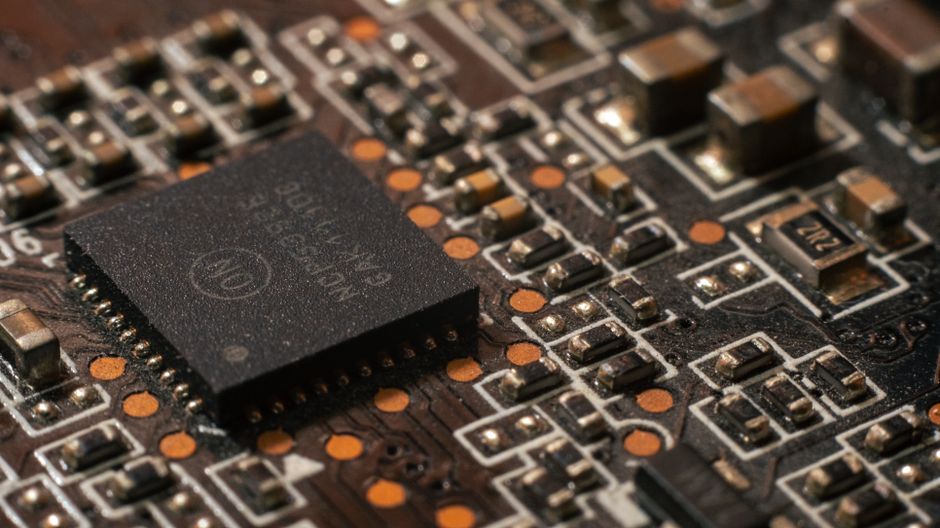
Euclyd, a Dutch AI chip startup, has successfully raised over €200 million in a Series A funding round, backed by notable investors including former ASML CEO Peter Wennink. This substantial investment aims to enhance AI inference infrastructure and positions Euclyd as a key player in the semiconductor industry.
The funding comes at a time when the semiconductor sector is experiencing a significant resurgence, driven by increasing demand for advanced AI technologies. Euclyd’s innovative approach to chip design is expected to address the growing need for efficient AI processing capabilities, which is critical for various applications across numerous industries.
Funding Signals Growth in Semiconductor Innovation
The €200 million funding round is a clear indicator of the rising interest in semiconductor innovation. Euclyd plans to use this capital to develop cutting-edge AI chips that promise to improve processing efficiency significantly. According to konsulteer.com, the company aims to create chips that can handle complex AI tasks with greater efficiency, which would be a game-changer in the industry.
As Euclyd embarks on this ambitious project, it is likely to attract top-tier talent in chip design and engineering. The influx of capital can lead to the creation of specialized roles focused on AI chip architecture, design, and testing. This trend points to a broader shift in the semiconductor job market, where demand for skilled engineers is expected to surge.
Research from Career Ahead indicates that the focus on AI efficiency in chip design is indicative of a larger trend within the tech industry. Companies are increasingly seeking to optimize their hardware for AI applications, which could lead to a shortage of qualified engineers capable of meeting these new demands. Euclyd’s growth could catalyze a ripple effect, prompting other startups to seek similar funding and innovation paths.
Moreover, the technological advancements driven by Euclyd’s funding could enhance AI capabilities across sectors such as healthcare, automotive, and finance. The ability to process data more efficiently will likely lead to faster decision-making and improved outcomes in these fields, further solidifying the importance of semiconductor innovation.
Job Opportunities in Semiconductor Startups
The significant funding raised by Euclyd is expected to create numerous job opportunities within the semiconductor sector. As the company expands its operations to develop new AI chips, it will require a diverse range of skills, from hardware engineering to software development.
Reports from eu-startups.com highlight that this funding will not only enable Euclyd to hire engineers but also attract talent from other tech companies and startups. The semiconductor industry is known for its competitive landscape, and the prospect of working on cutting-edge technology will likely draw skilled professionals eager to be part of an innovative environment.
Additionally, as Euclyd grows, it may inspire other ventures in the semiconductor space, leading to a broader hiring wave across the industry. This trend aligns with the increasing venture capital interest in tech startups, particularly those focused on AI and machine learning applications.
Career Ahead’s research identifies that the semiconductor sector is poised for a talent shortage, especially in advanced chip design. As startups like Euclyd emerge and seek to innovate, they will need engineers who are not only skilled in traditional chip design but also familiar with AI technologies and methodologies.
For chip design engineers, this presents a unique opportunity to position themselves in a rapidly evolving market. Those who can adapt to the demands of AI-driven designs will find themselves in high demand, making it essential for professionals to stay informed about the latest trends and technologies in the semiconductor industry.
Shifting Trends in Venture Capital Investment
The funding landscape for semiconductor startups is evolving, with increasing venture capital interest signaling a shift in investment strategies. Euclyd’s recent funding round exemplifies the growing confidence investors have in the semiconductor sector, particularly in companies focused on AI technologies.
As highlighted by finance.yahoo.com, the influx of over €200 million into Euclyd is part of a larger trend where venture capitalists are prioritizing investments in tech startups that offer innovative solutions to pressing challenges. This trend reflects a broader recognition of the semiconductor industry’s critical role in powering the future of technology.
Moreover, the focus on AI and machine learning applications is reshaping how venture capitalists assess potential investments. Startups that can demonstrate a clear path to innovation and efficiency are more likely to attract funding, as investors seek to capitalize on the growing demand for AI capabilities.

Career Ahead analysis shows that this shift in venture capital investment strategies could lead to increased competition among startups in the semiconductor space. Companies that fail to innovate or adapt to changing market demands may struggle to secure funding, while those that can deliver cutting-edge technology will thrive.
The implications of this trend are significant for chip design engineers and tech investors alike. As the landscape becomes more competitive, professionals in the semiconductor industry must continuously enhance their skills and knowledge to remain relevant, while investors should keep a close eye on emerging startups that show potential for growth and innovation.
With Euclyd’s ambitious plans and the backing of experienced leaders, the future of semiconductor innovation looks promising. The next few years will likely reveal how effectively these investments translate into technological advancements and job creation in the industry.
Frequently Asked Questions
What skills are needed for chip design engineers in startups?
Chip design engineers in startups need a strong foundation in electrical engineering and computer science, along with expertise in AI technologies. Familiarity with hardware description languages and design tools is also crucial for success in this fast-paced environment.
How can venture capitalists identify promising semiconductor startups?
Venture capitalists can identify promising semiconductor startups by analyzing their technology’s potential impact on the market, the team’s expertise, and their ability to innovate. Understanding industry trends and assessing the competitive landscape are also essential for making informed investment decisions.

What should chip design engineers do to prepare for emerging technologies in the industry?
Chip design engineers should stay updated on the latest advancements in AI and semiconductor technologies. Engaging in continuous learning through online courses and industry conferences can help them remain competitive as the field evolves.