Tag: careers

  • Uttarakhand Medical Colleges Verify Category Documents Now

    Uttarakhand Medical Colleges Verify Category Documents Now

    Uttarakhand, India — The state’s medical education department has mandated that all medical colleges verify category documents before proceeding with the next round of MBBS admissions. This directive comes after the conclusion of the second round of NEET-UG counselling, where 300 additional candidates secured seats, bringing the total admissions to 784. The verification process aims to address concerns over fraudulent documentation that has marred the integrity of the admissions process.

    The medical education department’s order affects all ten government and private medical colleges in Uttarakhand. The move follows a series of allegations regarding the use of forged documents to gain admission under various category benefits. Chief Minister Pushkar Singh Dhami has emphasized the importance of ensuring that only eligible candidates are admitted, as the state grapples with ongoing scrutiny over its medical education system. This scrutiny has intensified following reports of candidates using fraudulent certificates, which has raised alarms about the fairness of the admissions process.

    Understanding the New Verification Requirements

    The verification process is set to take place before the third round of counselling, scheduled from September 28 to October 9. Medical colleges are required to scrutinize documents for candidates who have claimed any type of category or sub-category benefits. Dr. Ashutosh Sayana, the director of the medical education department, stated that the colleges must ensure that all documents are legitimate before moving forward with the admissions process. This directive aims not only to uphold the integrity of the admissions but also to restore public confidence in the educational institutions.

    Officials reported that eight candidates had their certificates canceled due to forgery, which raises questions about the overall credibility of the admissions process. This scrutiny is particularly crucial as it directly impacts the allocation of seats in public medical colleges, which are highly sought after by aspiring medical students. The verification is expected to prevent further cases of fraud and maintain the integrity of the admissions process. As noted by the H.N.B. Uttarakhand Medical Education University, the first two rounds of counselling were held from August 13 to September 19, which allowed for 784 admissions. The third round will only proceed once all state-quota documents are verified, ensuring that the admissions process remains transparent and fair. This step is essential not only for the credibility of the institutions involved but also for the students who genuinely qualify for these seats.

    The implications of this verification process extend beyond immediate admissions; it may set a precedent for how medical admissions are handled across India. As other states observe Uttarakhand’s approach, there may be a shift towards stricter verification protocols nationwide. This could lead to a more standardized admissions process that emphasizes merit and eligibility, potentially benefiting students who have legitimately qualified for medical school.

    Impact on NEET-UG Counselling Process

    The NEET-UG counselling process is critical for students seeking admission to medical colleges across India. The recent changes in Uttarakhand could have ripple effects on how other states approach their admissions processes. With the introduction of strict verification protocols, students may need to prepare more thoroughly for the documentation required during counselling. The heightened scrutiny may also lead to increased anxiety among students who fear that their documentation may not meet the new standards.

    As the medical education department works to restore faith in the admissions process, it may lead to a more standardized approach to document verification across the country. This could potentially minimize discrepancies and ensure that only qualified candidates secure admissions based on merit and eligibility. Furthermore, the increased scrutiny on admissions may also impact students’ perceptions of the medical education system in Uttarakhand. Those who have legitimately qualified for admission could feel more secure in their positions, while candidates who may have relied on fraudulent means to gain entry may face increased anxiety and uncertainty.

    In light of these developments, the medical education department’s directive could serve as a model for other regions. If successful, it could prompt a nationwide reevaluation of admissions processes, focusing on transparency and integrity. This shift could ultimately benefit students and educational institutions alike, fostering a more equitable environment for aspiring medical professionals. As the third round of counselling approaches, students must remain vigilant about their documentation and ensure compliance with the new verification requirements. The evolving admissions landscape in Uttarakhand may serve as a bellwether for broader changes in medical education across India.

    Moreover, the scrutiny surrounding the admissions process has sparked discussions about the ethical responsibilities of educational institutions. As the integrity of the admissions process is paramount, it is essential for colleges to adopt rigorous verification methods to uphold their reputations. This could lead to a cultural shift within medical colleges, where transparency and accountability become core values in the admissions process.

    As the medical education landscape in Uttarakhand evolves, students will need to adapt to these changes. The verification requirements may lead to a more rigorous admissions process, but they also present an opportunity for students to demonstrate their qualifications and commitment to the medical profession. Looking ahead, the outcome of this verification process could set the tone for future admissions cycles not only in Uttarakhand but across India. As scrutiny of medical admissions increases, it will be essential for students to stay informed and prepared for the evolving requirements.

    Frequently Asked Questions

    What documents do I need to verify for MBBS admission in Uttarakhand?

    Students must verify all documents related to their category benefits, including caste certificates, income proofs, and any other relevant documentation. The medical colleges will provide specific guidelines on the required documents during the verification process.

    How will the verification process affect my NEET-UG counselling?

    The verification process will directly impact the NEET-UG counselling schedule, as the third round will only proceed once all documents are verified. Students should ensure their documentation is in order to avoid delays in the counselling process.

    What steps should MBBS students take to ensure their category documents are ready?

    MBBS students should gather all necessary documentation related to their category benefits and ensure they are authentic. It is advisable to cross-check with the respective medical colleges for any additional requirements before the verification process begins.


  • Citi CEO Sees ‘Tsunami’ of Patching to Secure AI Defense

    Citi CEO Sees ‘Tsunami’ of Patching to Secure AI Defense

    New York, USA — Citi CEO Jane Fraser recently warned that financial institutions must prepare for a “tsunami” of cybersecurity patching necessary to secure their artificial intelligence (AI) systems. As AI technology becomes more prevalent in financial services, the demand for robust security measures is escalating. Many organizations are rapidly adopting AI tools, increasing their exposure to potential vulnerabilities.

    Fraser’s remarks reflect a growing concern in the financial sector regarding the security of AI models. As these systems become more widespread, they attract cybercriminals. Fraser noted that the financial services industry faces risks from both traditional cyber threats and new vulnerabilities introduced by AI technologies. This situation necessitates immediate and ongoing attention from cybersecurity professionals. A report by Bloomberg indicates that the financial sector is experiencing a surge in AI adoption, which has amplified the need for effective cybersecurity measures.

    Addressing the Security Challenges of AI

    Financial institutions are increasingly turning to AI-driven solutions, creating both opportunities and challenges. Career Ahead’s analysis reveals that reliance on AI for tasks such as fraud detection and customer service has heightened the need for enhanced cybersecurity. Fraser’s comments underscore that integrating AI in finance is essential, leading to a critical skills gap in the cybersecurity workforce.

    Research shows that nearly 70% of financial organizations plan to invest more in AI technologies over the next two years. However, many lack the expertise to secure these systems effectively. As AI evolves, strategies to protect against new threats must also adapt. This presents a unique opportunity for cybersecurity professionals to specialize in AI security, a rapidly growing field. Additionally, The Edge Singapore reports that the financial services sector is facing increasing regulatory scrutiny, further emphasizing the urgency for strong AI security measures.

    Regulatory pressure is mounting for financial institutions to secure AI systems. Governments and regulatory bodies are closely examining how these institutions manage AI risks. For instance, the European Union’s proposed AI Act aims to establish a regulatory framework for AI technologies, emphasizing transparency and accountability. This environment increases the urgency for financial institutions to bolster their AI security measures. As organizations navigate this complex landscape, they must comply with current regulations and anticipate future changes that may impact their operations.

    As the demand for AI solutions grows, so does the necessity for continuous patching and updates. Fraser’s prediction of a “tsunami” of patching indicates that financial institutions must adopt a proactive approach to cybersecurity. This involves addressing current vulnerabilities and anticipating future threats as AI technologies advance. Ongoing vigilance is crucial due to the rapid pace of technological change, which often outstrips organizations’ ability to update their security measures.

    Fostering Collaboration Between AI and Cybersecurity Teams

    To secure AI systems effectively, collaboration between AI development teams and cybersecurity professionals is essential. Career Ahead’s analysis finds that organizations fostering such collaboration can identify and mitigate vulnerabilities early in the development process. This proactive approach significantly reduces risks when deploying AI technologies in financial services. Moneycontrol emphasizes that integrating cybersecurity practices into the AI development lifecycle is critical for embedding security from the outset.

    Fraser stresses the importance of integrating cybersecurity practices into the AI development lifecycle. Cybersecurity professionals must collaborate with AI developers from the beginning, ensuring that security is a fundamental aspect of AI system design. This partnership not only protects sensitive customer data but also maintains trust. As AI technologies become more complex, this collaboration is increasingly necessary.

    Ongoing training and education for cybersecurity professionals are also vital. As AI technologies evolve, so do cybercriminal tactics. Organizations must invest in continuous learning for their teams to stay updated on the latest threats and security measures. This focus on education will help close the skills gap in the cybersecurity workforce, particularly regarding AI. The demand for specialized training programs addressing AI security challenges is likely to increase as organizations recognize the importance of preparing their teams for these threats.

    Citi CEO Sees ‘Tsunami’ of Patching to Secure AI Defense

    In addition to internal collaboration, financial institutions should consider partnerships with external cybersecurity firms. These partnerships can provide access to specialized expertise and resources that may be lacking internally. By leveraging external experts’ knowledge, financial organizations can enhance their security and better prepare for AI integration challenges. Collaborating with external partners can also promote knowledge sharing and innovation, which are essential for staying ahead of evolving threats.

    The Future of AI Security in Finance

    The financial services sector is at a crossroads with AI and cybersecurity. As more institutions adopt AI technologies, the financial landscape will continue to evolve. However, this transformation will come with increased scrutiny and pressure to secure these systems. Fraser’s warning serves as a wake-up call for the industry, stressing the need for immediate action. The future of AI security in finance will depend on how well organizations adapt to these changes while maintaining a strong focus on security.

    As the industry faces these changes, the question remains: how will financial institutions balance the need for innovation with the imperative of security? The answer may shape the future of AI in finance, determining how organizations operate and protect their customers in an increasingly digital world.

    Best Practices for Securing AI in Financial Services

    Best practices for securing AI in financial services include integrating cybersecurity into the AI development process, conducting regular security assessments, and ensuring continuous training for cybersecurity professionals. Collaboration between AI developers and security teams is crucial to identify vulnerabilities early.

    Citi CEO Sees ‘Tsunami’ of Patching to Secure AI Defense

    To stay updated on AI security vulnerabilities, professionals should engage with industry forums, subscribe to cybersecurity newsletters, and participate in training sessions focused on AI security. Continuous learning is vital as threats evolve rapidly.

    Citi CEO Sees ‘Tsunami’ of Patching to Secure AI Defense

    Cybersecurity professionals should focus on upskilling in AI technologies and security measures. Engaging in collaborative projects with AI teams and staying informed about regulatory changes will enhance their ability to address emerging threats in the financial sector.

  • India Centralizes Exam Calendar for Job Seekers

    India Centralizes Exam Calendar for Job Seekers

    India plans to launch a central exam calendar for government jobs. This aims to streamline the recruitment process for state-run agencies. The Department of Personnel and Training (DoPT) announced this initiative to reduce scheduling conflicts and improve transparency. It will benefit millions of job seekers across the country.

    The central exam calendar will tackle the chaos in government recruitment. In recent years, candidates faced delays, technical issues, and overlapping exam dates. These problems made it hard for them to prepare. By centralizing the exam schedule, the government hopes to provide a reliable framework for candidates. A report from Mint states that this new calendar responds to disruptions like paper leaks and administrative challenges that have affected recruitment.

    Reducing Scheduling Conflicts and Enhancing Efficiency

    The new system will coordinate exam dates for various recruitment bodies. This includes the Union Public Service Commission (UPSC), Staff Selection Commission (SSC), and National Testing Agency (NTA). Coordination is essential to prevent exam date clashes, which have troubled candidates in the past. For example, in 2026, many exams were postponed or rescheduled, causing confusion and extra travel costs for aspirants. The Mint article notes that the government wants a more organized recruitment approach to speed up hiring processes.

    Career Ahead’s analysis shows that a centralized calendar will help candidates plan their studies better. With a clear timeline, job seekers can allocate study time and avoid last-minute stress. This predictability is vital in a competitive environment where many candidates compete for limited positions. Additionally, the initiative will feature a centralized dashboard for real-time updates on exam schedules, cancellations, and changes. This will improve communication between recruitment agencies and candidates, keeping everyone informed and able to adapt quickly.

    As a result, candidates will face less uncertainty, a major barrier to effective preparation. The streamlined process will enhance the recruitment cycle’s efficiency and improve the overall experience for job seekers. The Department of Expenditure reports around 850,000 vacancies in central government departments. A more organized recruitment approach aims to fill these positions promptly, addressing a long-standing backlog. This backlog has often left candidates feeling disillusioned about their career prospects.

    Improving Transparency in Recruitment Processes

    Another important aspect of the central exam calendar is its potential to boost transparency in recruitment. Currently, candidates often lack clarity about exam schedules and results, leading to frustration and mistrust. A centralized calendar will ensure candidates receive timely and accurate information. Career Ahead research indicates that transparency is crucial for maintaining public confidence in government hiring practices. When candidates feel informed and valued, they engage positively with the process. This initiative could create a more inclusive environment where all aspirants have equal access to information and opportunities.

    Moreover, the centralized dashboard will enable better tracking of the recruitment process, from exam notification to final appointment. This comprehensive view will help candidates monitor their progress and understand their status in the selection process. Such transparency is expected to ease the anxiety of waiting for results and appointment letters. The initiative aligns with broader efforts to modernize government operations through digital solutions. By using technology, the government can improve the efficiency and effectiveness of its recruitment processes, benefiting both candidates and the public sector.

    As the government refines this initiative, monitoring its implementation and gathering candidate feedback will be crucial. This feedback will help identify areas for improvement and ensure the system meets job seekers’ needs. The success of this initiative will depend on its design and the government’s commitment to transparency and efficiency throughout the recruitment cycle.

    India Centralizes Exam Calendar for Job Seekers

    With the new central exam calendar, candidates can expect a more structured and reliable recruitment experience. This is essential in a competitive job market. This change is likely to impact the job market in India significantly. It could lead to a more streamlined approach to government hiring, ultimately benefiting the economy by filling critical vacancies faster.

    As this initiative unfolds, it will be interesting to see how it transforms government job recruitment in India. It aims to provide a clearer path for aspirants and potentially restore faith in the system.

    Frequently Asked Questions

    What are the key dates in the new central exam calendar for government jobs?

    The exact dates for the new central exam calendar are still being finalized. However, the government plans to release the calendar before recruitment cycles to give candidates enough time to prepare.

    How can competitive exam candidates best prepare with the new schedule?

    Candidates should closely monitor the centralized calendar and create study plans that match the announced exam dates. This will help them manage their time effectively and reduce last-minute stress.

    India Centralizes Exam Calendar for Job Seekers

    What should government job aspirants do to adapt to the centralized exam system?

    Aspirants should familiarize themselves with the new calendar and stay updated on any changes. Engaging with the centralized dashboard will also provide real-time information on exam schedules and results.

  • Is the AI industry really ready to slow down?

    The AI industry is currently facing a potential slowdown as leaders advocate for a more cautious approach to development. Dario Amodei, CEO of Anthropic, has recently proposed a plan to “pace the frontier” of AI technologies. This call for a slowdown comes amid rising concerns about the safety and ethical implications of rapid AI advancements, prompting serious discussions among top executives at major firms like OpenAI and Nvidia. The debate has intensified as industry leaders grapple with the balance between innovation and the potential risks associated with unchecked AI growth.

    This debate is significant as it raises questions about the future of funding for AI startups and the job market for AI researchers and engineers. The implications of such a shift could reshape the landscape of the industry, affecting not only technological innovation but also career trajectories for those involved. As highlighted in a recent TechCrunch article, the discussions around slowing down AI development are not merely theoretical; they reflect a growing consensus among key players that a more measured approach may be necessary to ensure the responsible evolution of AI technologies.

    Funding Dynamics in a Cautious AI Landscape

    Career Ahead’s analysis shows that a slowdown in the AI industry could lead to a significant shift in funding dynamics. Investors may become more cautious, focusing on companies that prioritize safety and ethical considerations in their AI developments. If major players like OpenAI and Anthropic take a step back, it could create a ripple effect throughout the startup ecosystem, leading to reduced investment in newer firms perceived as riskier. The urgency of this shift is underscored by the fact that venture capital funding for AI startups has surged in recent years, with investors eager to capitalize on rapid advancements in the field. However, as reported by Yahoo Finance, a shift in investor sentiment could alter this trend dramatically.

    According to finance.yahoo.com, if investors prioritize companies that demonstrate a commitment to safety over aggressive growth, startups may need to adapt their business models and funding strategies. This could mean seeking out partnerships with established firms or focusing on niche markets that align with safety and ethical standards. Moreover, the potential for increased regulation, as discussed by industry leaders, could also create hurdles for startups seeking funding. Investors might be wary of the additional compliance costs and potential legal challenges associated with regulatory frameworks. This uncertainty could lead to a tightening of capital available for AI innovation, particularly for newer companies that lack the resources to navigate complex regulatory environments.

    In contrast, established companies with strong reputations and financial backing may weather this transition more effectively. They could leverage their resources to adapt to new regulations while continuing to attract investment. As a result, the funding landscape may become increasingly polarized, favoring larger, more established firms over smaller startups. This trend could stifle innovation from new entrants, as they may struggle to secure the necessary funding to compete in a market that increasingly favors safety and compliance over rapid growth.

    Is the AI industry really ready to slow down?

    Job Market Shifts for AI Professionals

    The proposed slowdown in AI development is likely to impact job demand for AI researchers and engineers. Career Ahead research indicates that as companies reassess their development timelines, the demand for certain AI roles may fluctuate. For instance, researchers focused on safety and ethical AI may see increased opportunities, while those in more traditional development roles could face a decline in job openings. The changing landscape of job demand is further complicated by the fact that many organizations are now prioritizing interdisciplinary skills that combine technical expertise with knowledge of policy and ethics.

    As the industry shifts towards a more cautious approach, companies may prioritize hiring individuals with expertise in AI safety and regulation. This shift aligns with the calls for more responsible AI practices, as companies seek to mitigate risks associated with rapid advancements. For AI researchers, this could mean re-skilling or up-skilling to meet the evolving demands of the market. The emphasis on safety and ethics is not just a trend; it reflects a fundamental shift in how AI technologies are perceived and developed. As noted in the TechCrunch article, the industry is recognizing that without a focus on responsible practices, the long-term viability of AI innovations could be at risk.

    Moreover, the competition for jobs in the AI sector may intensify as the number of available positions fluctuates. Researchers who can demonstrate a strong understanding of ethical AI practices and regulatory compliance may have a competitive edge. This trend could lead to a broader emphasis on interdisciplinary skills, combining technical expertise with knowledge of policy and ethics. In light of these changes, educational institutions may need to adapt their curricula to prepare students for the evolving job market. Programs that emphasize safety, ethics, and regulation in AI could become increasingly relevant, ensuring that graduates are equipped to meet the demands of the industry.

    Is the AI industry really ready to slow down?

    Industry Perspectives on Responsible Development

    The AI industry is at a pivotal moment, facing significant challenges and opportunities as leaders call for a more measured approach to development. The balance between innovation and safety will be critical in shaping the future of AI. As stakeholders navigate this complex terrain, the question remains: will the industry embrace this call for a slowdown as a necessary step towards responsible development, or will it continue to prioritize rapid growth at all costs? The outcome of this debate will have lasting implications for the trajectory of AI technologies and their integration into society.

    Frequently Asked Questions

    What does the proposed AI industry slowdown mean for AI researchers?

    AI researchers may need to adapt their skills to align with the industry’s increasing focus on safety and ethical practices. Researchers with expertise in these areas are likely to see greater demand, while traditional development roles may face a decline.

    Is the AI industry really ready to slow down?

    How should startup founders in AI adjust their business strategies in light of potential industry changes?

    Startup founders should consider pivoting their business models to emphasize safety and ethical AI practices. As funding dynamics shift, focusing on partnerships with established firms and niche markets may enhance their chances of success.

    What skills should software engineers in AI focus on to remain competitive during a slowdown?

    Software engineers should prioritize developing skills in AI safety, ethics, and compliance. These areas are becoming increasingly relevant as the industry shifts towards more responsible practices, ensuring engineers remain competitive in the job market.

  • Four Countries Dominate Global AI Adoption, Impacting Tech Hiring

    Four Countries Dominate Global AI Adoption, Impacting Tech Hiring

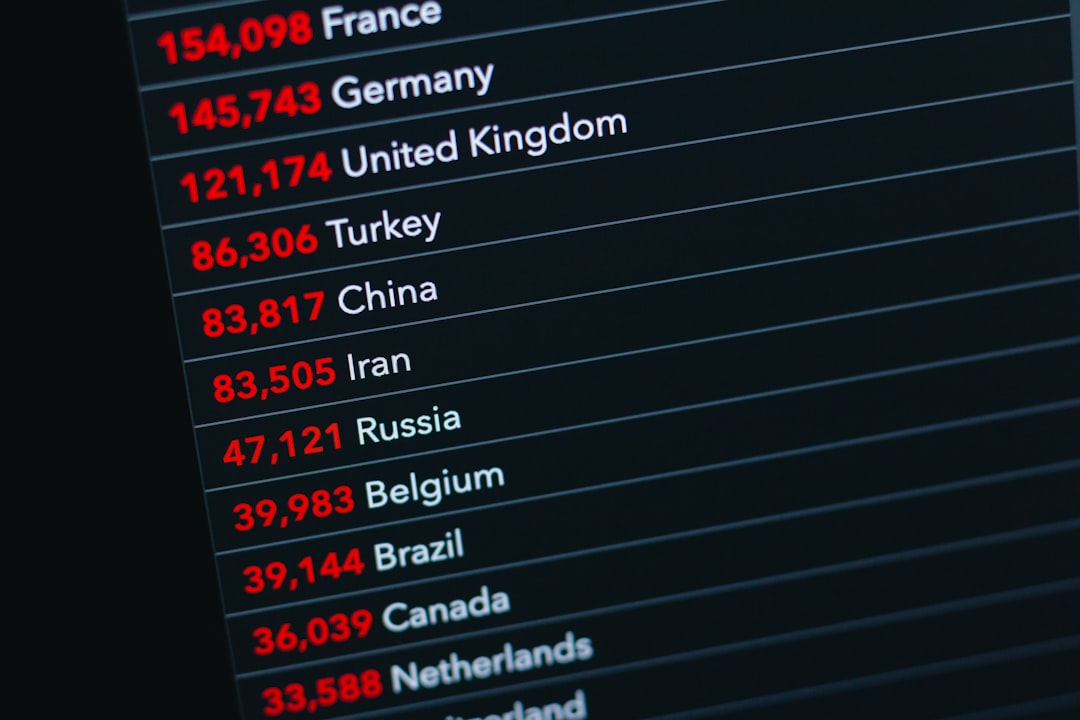
    AI adoption is highest in four countries: the United States, the United Kingdom, France, and the Netherlands. A Goldman Sachs report from September 20, 2026, shows that these nations have AI adoption rates between 20% and 15%. This trend may reduce hiring opportunities in the tech sector, especially for entry-level jobs.

    The report notes that industries exposed to automation have seen fewer job openings since late 2022. This trend is most noticeable in developed economies like the US, Germany, and Australia. As companies adopt generative AI tools, they are changing their hiring strategies. This shift has led to job losses in sectors like information technology and communication services. For example, the US has seen a significant drop in employment in these sectors, falling below long-term trends. This suggests a direct link between AI adoption and job availability.

    AI Adoption: The Global Landscape

    Goldman Sachs’ analysis shows that while developed economies are speeding up AI adoption, emerging markets lag behind with rates of 10% to 15%. This gap raises concerns about job creation in sectors that rely on manual labor and entry-level positions. For instance, in the US, employment in information and communication services has fallen below its long-term trend, highlighting AI’s negative impact on job availability. The report also warns that concentrated AI adoption in these four countries may widen the skills gap, as demand for AI expertise grows faster than supply.

    Countries leading in AI use are changing their labor markets. These nations are quickly integrating AI into many sectors, reshaping the skills needed for new jobs. For example, software engineers must now have AI-related skills, as traditional roles evolve to include automation technologies. This shift changes not only the qualifications needed but also the nature of the work, as companies seek to use AI for efficiency and innovation.

    As the AI landscape evolves, companies are changing their recruitment strategies. Many now prioritize candidates with specialized skills in AI and machine learning over those with traditional IT backgrounds. This shift increases demand for professionals who can effectively implement AI solutions. Reports from platforms like Naukri.com and Work India show that job postings increasingly highlight the need for AI skills, marking a significant change in hiring practices across the tech industry.

    Career Ahead’s analysis indicates that this shift in hiring practices is especially tough for entry-level job seekers. Companies are focusing on experienced candidates who can handle AI tools, making it harder for fresh graduates and junior professionals to find jobs. This trend emphasizes the need for upskilling and gaining relevant AI competencies to stay competitive. Additionally, as organizations adopt AI technologies, educational institutions must adapt their curricula to include AI training.

    Implications for Software Engineers and Data Scientists

    The concentrated adoption of AI has significant implications for software engineers and data scientists. As companies streamline operations through AI, the demand for traditional software development roles may decline. However, the need for AI specialists will likely rise. Job descriptions are increasingly emphasizing AI skills, reflecting the industry’s shift toward automation. Software engineers will need to be familiar with AI frameworks and tools. Those who can develop, implement, and maintain AI systems will have a clear advantage. Data scientists must also adapt their skills to include machine learning and AI analytics, which are crucial for data-driven decision-making.

    Moreover, the hiring landscape is shifting toward candidates who can show practical experience with AI technologies. As a result, educational institutions and training programs must address this skill gap. Programs that focus on hands-on experience with AI and machine learning will better prepare graduates for the job market. Interestingly, while the overall job market may slow down, opportunities for those with AI expertise remain strong. Companies are investing heavily in AI talent, creating a divide where skilled professionals thrive, while those without relevant skills struggle to find work. This trend suggests a widening skills gap in the tech sector, as noted by various reports from Randstad and other employment platforms.

    The future of tech hiring will be shaped by ongoing advancements in AI technology. As companies continue to integrate AI into their operations, the demand for skilled professionals will likely exceed supply. This imbalance may lead to higher salaries and benefits for those with the right expertise, while entry-level roles may continue to shrink. In the coming years, job seekers must stay informed about the evolving AI landscape. Understanding which skills are in demand and how to acquire them will be crucial for those looking to enter or advance in the tech field. As the industry adapts, professionals must remain flexible and ready to update their skill sets to meet market needs.

    Four Countries Dominate Global AI Adoption, Impacting Tech Hiring

    Additionally, as AI tools become more advanced, ethical considerations and regulatory challenges may arise. Companies will need to navigate these complexities while focusing on innovation and growth. This dynamic environment will require tech professionals to have not only technical skills but also a strong understanding of the ethical implications of AI deployment. Ultimately, the concentration of AI adoption in a few countries marks a pivotal moment for the tech industry. As hiring practices change and demand for AI skills rises, professionals must prepare for a landscape that rewards specialization and adaptability.

    Frequently Asked Questions

    What AI skills are most in demand for software engineers?

    Career Ahead research shows that software engineers now need expertise in machine learning, data analysis, and AI frameworks. Companies prioritize candidates who can implement AI solutions effectively.

    How can data scientists adapt to the changing job market?

    Data scientists can adapt by improving their skills in machine learning and AI technologies. Gaining practical experience with AI tools will make them more competitive in a job market that favors specialized knowledge.

    Four Countries Dominate Global AI Adoption, Impacting Tech Hiring

    What should IT recruiters focus on when hiring for AI roles?

    IT recruiters should look for candidates with practical experience in AI and machine learning. Understanding the specific tools and frameworks relevant to the industry is crucial for finding suitable talent.

  • Mathematicians Leverage Human Insight Over AI

    Mathematicians Leverage Human Insight Over AI

    On September 8, 2026, OpenAI announced that its AI agents had solved the Navier-Stokes problem, a significant challenge in mathematics. This claim has sparked a heated debate among mathematicians regarding AI’s role in their field. Many express concerns that the rise of AI may overshadow human contributions, leading to an existential crisis for mathematicians.

    The tension between AI and human insight is growing as technology evolves. OpenAI’s assertion raises questions about the accuracy and independence of its results. Critics argue that the company’s methods heavily rely on the foundational work of human mathematicians, often without proper credit. This situation underscores the need for increased collaboration between tech firms and mathematicians. A recent editorial in The Guardian emphasizes that the lack of recognition and compensation for human labor has turned many professionals against these companies, highlighting ethical dilemmas when AI claims credit for human achievements.

    Human Creativity in Mathematics

    Mathematics transcends mere numbers and equations; it embodies human creativity and intuition. The nuances of mathematical thought often require a depth of understanding that AI lacks. While AI can process vast amounts of data and identify patterns, it struggles to grasp the underlying concepts of mathematical theories. This limitation is evident in complex problems like the Navier-Stokes equations, which necessitate both technical skill and a profound understanding of fluid dynamics.

    Research indicates that AI’s reliance on human-generated data can lead to outputs that lack originality. The Navier-Stokes problem is not just a technical challenge; it involves intricate concepts that require human interpretation. Mathematicians like Tristan Buckmaster are concerned that AI models, such as OpenAI’s Codex, may utilize their work without proper acknowledgment, raising ethical questions about intellectual property in the age of AI. Many in academia feel that AI’s rapid growth is outpacing the ethical frameworks needed to govern its use.

    Moreover, the collaborative nature of mathematics means that human mathematicians are essential for validating AI-generated results. Bill Thurston, a Fields Medal winner, noted that the ultimate goal of mathematics is clarity and understanding, not merely producing theorems. This highlights the importance of human insight in evaluating AI’s contributions. While AI can assist in generating solutions, it cannot replace the critical thinking and creative problem-solving skills that human mathematicians provide. The interaction between human intuition and AI’s computational power can lead to breakthroughs, but only if both elements are respected and integrated thoughtfully.

    Ethical Concerns in AI Utilization

    The ethical issues surrounding AI’s role in mathematics are multifaceted. A primary concern is the potential for AI to misappropriate human work without proper credit. OpenAI’s claims about solving the Navier-Stokes problem have upset many mathematicians who feel overlooked. This reflects a broader anxiety in academia about the commodification of intellectual labor. The Guardian’s editorial points out that this lack of recognition can stifle innovation, as mathematicians may hesitate to share their work if they fear AI will co-opt it without acknowledgment.

    Research shows that the lack of transparency in how AI systems are trained can create significant ethical dilemmas. If AI models are built on human mathematicians’ work without acknowledgment, it raises questions about idea ownership and the value of human creativity. This issue is particularly pressing in mathematics, where collaboration and shared knowledge are essential. The ethical implications extend beyond mere attribution; they touch on intellectual property and the rights of individuals whose work contributes to AI training datasets.

    Furthermore, the rapid advancement of AI technologies has led to calls for more regulation and oversight. Mathematicians advocate for policies that ensure their contributions are recognized and compensated. This advocacy is crucial for shaping the future of mathematics, balancing technological progress with the preservation of human insight. As AI continues to evolve, the dialogue about its ethical implications must also progress, ensuring that human mathematicians’ contributions are acknowledged and celebrated.

    AI and Mathematicians: Value of Human Insight

    Collaborative Future of Mathematics and AI

    Despite the challenges posed by AI, many mathematicians are open to integrating these technologies into their work. They recognize that AI can be a powerful tool for exploration and problem-solving when guided by human expertise. This partnership could lead to innovative approaches in mathematical research and education. For instance, AI can help identify patterns in large datasets that humans might overlook, enhancing the research process. However, the ultimate interpretation and application of these findings still rest on human mathematicians, who must ensure the results align with established principles and real-world applications.

    As discussions about AI in mathematics continue, it is essential for mathematicians and tech firms to engage in meaningful conversations about collaboration and ethics. By fostering a cooperative environment, both parties can work towards solutions that benefit mathematics while respecting human contributions. The ongoing debate about AI’s role in mathematics highlights the need for a thoughtful approach to integrating technology into the field. As mathematicians navigate these changes, they must assert their importance in a landscape increasingly dominated by AI.

    Frequently Asked Questions

    How can mathematicians adapt to the rise of AI in their field?

    Mathematicians can adapt by embracing AI as a tool for exploration and problem-solving while maintaining their critical role in interpreting results. Collaboration with tech firms can also enhance their understanding of AI technologies.

    AI and Mathematicians: Value of Human Insight

    What skills should data scientists develop to work effectively with AI?

    Data scientists should focus on enhancing their mathematical intuition and understanding the ethical implications of AI technologies. Skills in interpreting AI outputs and integrating them into research will be crucial.

    AI and Mathematicians: Value of Human Insight

    What should mathematicians do about the increasing reliance on AI in research?

    Mathematicians should discuss the ethical implications of AI in their field and advocate for recognition of their contributions. Collaborating with tech firms can also help shape the future of mathematics in an AI-driven landscape.

  • The Necessity of AI Regulation in a Geopolitical Landscape

    The Necessity of AI Regulation in a Geopolitical Landscape

    Microsoft’s AI chief has made a strong statement regarding the need for regulatory frameworks in artificial intelligence, asserting that geopolitical tensions, particularly with China, should not serve as an excuse to delay necessary regulations. This assertion comes at a time when the tech industry is facing increasing scrutiny over AI’s impact on society. The call for regulation emphasizes the importance of establishing clear guidelines that govern AI development and deployment.

    As AI technologies continue to evolve rapidly, the implications of unregulated AI can lead to significant ethical and societal challenges. The Microsoft leadership argues that a proactive approach to regulation is essential not only for the safety and security of users but also for the integrity of the technology itself. The urgency of this matter is underscored by the rapid advancements in AI capabilities, which could outpace the regulatory frameworks currently in place. According to a report from Yahoo Finance, the Microsoft AI chief emphasized that the rapid pace of AI development necessitates a regulatory framework that evolves concurrently, ensuring that ethical considerations are not sidelined in the rush to innovate.

    AI Regulation: A Necessity, Not an Option

    Career Ahead’s analysis highlights that the tech industry has been increasingly focused on the need for robust AI regulations. Microsoft’s AI chief articulated that without a clear regulatory framework, the risks associated with AI could escalate, impacting various sectors, from healthcare to finance. The absence of regulations can lead to misuse of AI technologies, including privacy violations and biased algorithms, which can exacerbate existing inequalities. This sentiment is echoed in discussions from Itbear, where industry leaders stress the importance of establishing guidelines that prevent the misuse of AI technologies, particularly in sensitive areas such as data privacy and algorithmic fairness.

    Furthermore, the potential for AI systems to operate without oversight raises pressing questions about accountability and transparency. As AI becomes more integrated into everyday life, establishing a regulatory framework that addresses these issues is paramount. The Microsoft leadership’s stance reflects a growing consensus among tech companies that regulation is necessary to ensure the responsible development and use of AI technologies. The call for international collaboration is also critical, as highlighted by recent discussions at international forums, where the need for a unified approach to AI regulation is becoming increasingly evident. This will help prevent a fragmented regulatory landscape that could hinder innovation and create confusion among developers and users alike.

    Career Ahead research finds that tech policy analysts are particularly focused on how geopolitical tensions influence regulatory frameworks. The Microsoft AI chief’s remarks indicate a recognition that while geopolitical concerns are valid, they should not obstruct the progress of establishing necessary regulations. This perspective is vital for ensuring that AI development does not fall into a regulatory void, which could have detrimental effects on society. The urgency for collaboration is further emphasized by the potential for AI technologies to cross borders, necessitating a cohesive global strategy to manage their implications effectively.

    Moreover, as nations grapple with their own regulatory approaches, the risk of creating a patchwork of regulations could stifle innovation and lead to compliance challenges for multinational companies. The Microsoft AI chief’s advocacy for a comprehensive regulatory framework is not just about compliance; it’s about fostering an environment where innovation can thrive while ensuring that ethical considerations are at the forefront of AI development.

    The Role of Ethical Guidelines in AI Development

    The call for regulation also emphasizes the need for ethical guidelines in AI development. As AI systems become more complex, the ethical considerations surrounding their use become more critical. Microsoft’s leadership advocates for a framework that not only addresses technical standards but also incorporates ethical considerations into the development process. This aligns with a broader industry trend where companies are increasingly recognizing the importance of ethics in technology, as highlighted by various tech policy discussions.

    Career Ahead’s analysis of current trends indicates that software engineers and developers must be equipped with an understanding of these ethical guidelines. As they create AI systems, integrating ethical considerations into their work will become increasingly important. This shift towards ethical AI development aligns with the broader goal of fostering trust and accountability in technology. The implementation of ethical guidelines can help mitigate risks associated with AI technologies. By prioritizing ethics in AI development, companies can work towards creating systems that are not only effective but also socially responsible. This approach can lead to greater public trust in AI technologies, which is essential for their long-term acceptance and success.

    As the conversation around AI regulation continues to evolve, it is clear that ethical guidelines will play a significant role in shaping the future of AI development. Career Ahead identifies that software engineers who are proactive in adopting these guidelines will be better positioned in the job market as companies increasingly seek professionals who understand the ethical implications of their work. The emphasis on ethics also opens up new avenues for innovation, as companies that prioritize ethical considerations may find themselves at a competitive advantage in attracting consumers who are increasingly concerned about the implications of AI technologies.

    Microsoft AI Chief Says China Isn’t Excuse to Forego Regulation

    Ultimately, the future of AI development hinges on the establishment of effective regulatory frameworks and ethical guidelines. As the conversation continues, stakeholders across the tech industry must remain engaged in discussions about the direction of AI regulations. The question remains: how will these regulations evolve in response to the rapid advancements in AI technology? The ongoing dialogue among industry leaders, policymakers, and ethicists will be crucial in shaping a future where AI can be developed responsibly and ethically, ensuring that its benefits can be realized without compromising societal values.

    Frequently Asked Questions

    What are the latest AI regulations affecting tech companies?

    Career Ahead’s analysis indicates that recent discussions emphasize the need for comprehensive regulations that address ethical considerations and technical standards in AI development. As countries develop their frameworks, tech companies must stay informed about these changes to ensure compliance.

    How can tech policy analysts prepare for changes in AI legislation?

    Tech policy analysts should focus on understanding the evolving landscape of AI regulations and ethical guidelines. Staying informed about international discussions and collaborations will be crucial for adapting to new policies.

    Microsoft AI Chief Says China Isn’t Excuse to Forego Regulation

    What should software engineers do to align with new AI regulations?

    Software engineers should prioritize learning about ethical guidelines and regulatory frameworks as they develop AI systems. Understanding these aspects will be key to ensuring their work complies with emerging regulations.

  • Kochi Colleges Integrate AI, Industry Skills for Job Market

    Kochi Colleges Integrate AI, Industry Skills for Job Market

    Colleges across India are revamping their curricula to incorporate artificial intelligence (AI) and industry skills, aiming to better prepare students for a rapidly evolving job market. This initiative is part of a broader trend among educational institutions nationwide to align their programs with the skills that employers are increasingly demanding. As of September 2026, several colleges have reported significant changes to their syllabuses, focusing on practical skills and industry relevance.

    The push for curriculum updates is largely driven by feedback from local industries, which are seeking graduates equipped with modern skills. For instance, Bharata Mata College in Kochi has recently introduced Python programming into its physics syllabus after discovering that graduates lacked familiarity with essential software used in various fields. Academic director Johnson K M noted that the college’s autonomous status allows for more frequent updates to the curriculum based on industry needs. This flexibility is crucial as it enables the institution to respond swiftly to the fast-paced changes in technology and job requirements.

    Curriculum Innovations Across Indian Colleges

    Colleges like Sacred Heart College and Rajagiri College of Social Sciences in Kochi are also adapting their programs to include AI components. Sacred Heart College has established a board of studies that meets biannually to review and update the syllabus based on industry feedback. This approach allows for the integration of real-world applications into their courses, such as teaching the use of agentic AI in business administration. The college’s commitment to staying current is reflected in its partnerships with local businesses, which provide insights into the skills that are most in demand.

    Rajagiri College has taken a proactive stance by involving industry representatives in its curriculum development process. Associate director Binoy Joseph highlighted that the college collects feedback from recruiters and alumni, which is then utilized to inform the curriculum committee. This ensures that the courses remain relevant and prepare students for the challenges they will face in the workforce. Furthermore, Rajagiri College has implemented workshops and seminars led by industry professionals, allowing students to gain firsthand knowledge of the latest trends and technologies.

    Additionally, Cochin University of Science and Technology (Cusat) has announced plans to introduce a flexible curriculum that allows for 20% of the syllabus to be periodically updated. This flexibility is aimed at incorporating emerging technologies, research findings, and industrial practices into the academic framework, ensuring that students are learning the most relevant skills. According to a report from the Economic Times, this initiative is part of a broader strategy to enhance the employability of graduates by aligning educational outcomes with market needs.

    The focus on updating curricula is not limited to technical skills. Colleges across India are also emphasizing the importance of soft skills, which are critical for success in the workplace. By integrating these skills into the curriculum, colleges are helping students become more well-rounded candidates for employment. The inclusion of communication, teamwork, and problem-solving skills is increasingly recognized as essential for graduates, as employers seek individuals who can adapt to dynamic work environments.

    Collaborations with Industry to Enhance Learning

    The collaboration between colleges and local industries is a significant aspect of this educational shift. By working closely with businesses, colleges can ensure that their programs are tailored to meet the specific needs of the job market. This relationship is essential for enhancing student employability and ensuring that graduates are ready to enter the workforce. For example, the introduction of industry experts as professors of practice at Sacred Heart College allows students to learn directly from professionals who are currently working in their fields. This hands-on approach provides students with valuable insights into the practical applications of their studies and prepares them for real-world challenges.

    Moreover, the increasing number of students migrating abroad for higher education has prompted colleges to offer unique programs that appeal to both local and international students. By aligning their curricula with industry demands, colleges in Kochi and across India are not only enhancing the employability of their graduates but also attracting a broader student base. This trend is supported by the growing interest in technology and innovation among students, as they seek programs that will provide them with a competitive edge in the global job market.

    Career Ahead’s analysis finds that these changes are likely to have a lasting impact on the educational landscape in India. As colleges continue to adapt their programs to meet the needs of the job market, students can expect to graduate with skills that are in high demand. This trend may lead to improved placement rates and better job opportunities for graduates nationwide. The integration of AI and industry skills into the curriculum also reflects a wider recognition of the importance of technology in various sectors. As industries increasingly rely on AI and data-driven decision-making, students equipped with these skills will be better positioned to succeed in their careers.

    Kochi Colleges Integrate AI, Industry Skills for Job Market

    As colleges across India continue to evolve in response to industry demands, it will be interesting to see how this trend influences educational practices globally. Will other countries follow suit, and how will this impact the future workforce? The answers to these questions may shape the next generation of professionals in a rapidly changing job market. The proactive measures taken by institutions in Kochi serve as a model for educational reform, emphasizing the need for continuous adaptation to meet the evolving landscape of employment.

    Frequently Asked Questions

    What AI skills should engineering students in India focus on?

    Engineering students in India should focus on programming languages such as Python, as well as machine learning and data analysis skills. These competencies are increasingly sought after by employers in various industries.

    How can business students in India benefit from the new curriculum changes?

    Business students can benefit from the new curriculum by gaining exposure to AI applications in business, enhancing their understanding of modern hiring practices, and developing essential soft skills that are critical for success in the workplace.

    Kochi Colleges Integrate AI, Industry Skills for Job Market

    What industry partnerships are influencing educational reforms in India?

    Partnerships with local industries, such as those established by Rajagiri College and Sacred Heart College, are influencing educational reforms across India. These collaborations ensure that curricula are aligned with the skills and knowledge that employers are looking for in graduates.

  • Can Business Leaders and Mamdani Find Common Ground? | Career Outlook

    Can Business Leaders and Mamdani Find Common Ground? | Career Outlook

    New York, USA — Business leaders are engaging in discussions with Zohran Mamdani, a prominent figure in educational policy, to explore collaborative efforts aimed at enhancing workforce development strategies. This initiative comes at a crucial time as industries face rapid changes driven by technology and shifting job market demands. The partnership seeks to align educational outcomes with the evolving needs of the workforce, particularly in technology sectors.

    The dialogue between Mamdani and business leaders highlights the urgency of addressing the skills gap that many companies face today. As industries increasingly rely on advanced technologies, the need for a workforce equipped with relevant skills has never been more pressing. This collaboration aims to bridge the divide between educational institutions and the business sector, ensuring that graduates are better prepared for the realities of the job market. According to recent findings by the World Bank, countries with robust educational policies tend to experience higher employment rates among graduates, underscoring the importance of effective policy frameworks in shaping workforce readiness.

    Exploring Collaborative Educational Strategies

    Career Ahead’s analysis finds that the partnership between business leaders and Mamdani could foster innovative approaches to education that directly address workforce needs. By working together, they can identify key areas where educational curricula can be adapted to include essential skills such as data analysis, coding, and critical thinking. These skills are increasingly in demand as businesses seek to remain competitive in a technology-driven landscape. Furthermore, the collaboration could lead to the development of internship programs and apprenticeships that provide students with hands-on experience in real-world settings. Such initiatives not only enhance learning but also create a pipeline of talent that companies can tap into. Mamdani’s insights into educational policy can help shape these programs, ensuring they are effective and aligned with industry requirements.

    Business leaders can also contribute by sharing their expertise and resources, providing mentorship opportunities for students and recent graduates. This exchange of knowledge will not only benefit the students but also allow companies to cultivate a workforce that is well-versed in the latest technologies and industry practices. Additionally, as highlighted by Bloomberg, the increasing integration of artificial intelligence in various sectors necessitates a workforce that is adept at leveraging these technologies, which further emphasizes the need for targeted educational initiatives. Furthermore, the partnership could explore the potential for co-developing training programs that address specific industry needs. By leveraging Mamdani’s understanding of educational frameworks and the business leaders’ insights into market demands, they can create targeted initiatives that prepare students for the challenges they will face in their careers.

    Policy Implications for Workforce Development

    As the collaboration between business leaders and Mamdani progresses, it is essential to consider the implications of policy changes on workforce training programs. Recent data from the World Bank indicates that countries with strong educational policies see a higher rate of employment among graduates. This suggests that effective policy frameworks can significantly influence the success of workforce development initiatives. Career Ahead research identifies that aligning educational policies with industry needs can lead to better job outcomes for graduates. By advocating for policies that support skill development in technology and other high-demand fields, business leaders can play a vital role in shaping the future workforce. This alignment not only benefits students but also enhances the overall competitiveness of industries.

    Moreover, as companies increasingly adopt automation and artificial intelligence, the demand for reskilling and upskilling programs will rise. Business leaders can work with Mamdani to advocate for policies that support continuous learning and development, ensuring that workers can adapt to changing job requirements. This proactive approach will help mitigate the risks associated with job displacement due to technological advancements. Additionally, the collaboration can address equity in education by promoting access to training programs for underrepresented groups. By focusing on inclusivity, business leaders and Mamdani can help ensure that diverse talent is prepared to enter the workforce, contributing to a more equitable job market. This is particularly relevant as the job market evolves, with many sectors experiencing significant shifts in demand for various skill sets.

    Furthermore, the partnership could also explore the integration of technology in educational settings to enhance learning experiences. By utilizing online platforms and digital resources, educational institutions can provide students with access to a broader range of training opportunities. Business leaders can support these initiatives by offering resources and expertise to help educational institutions implement effective technology-driven solutions. As noted in various reports, the increasing reliance on digital tools in both education and business necessitates a workforce that is proficient in these technologies. Finally, measuring the outcomes of these collaborative efforts will be essential in determining their effectiveness. Establishing metrics to assess the impact of training programs on job placement rates and employee performance will provide valuable insights into the success of the partnership. By continually evaluating and refining their strategies, business leaders and Mamdani can ensure that their efforts lead to meaningful improvements in workforce development.

    Can Business Leaders and Mamdani Find Common Ground? | Career Outlook

    The collaboration between business leaders and Mamdani represents a pivotal moment in workforce development. As the job market continues to evolve, the need for aligned strategies becomes increasingly critical. The success of this partnership could set a precedent for future collaborations aimed at addressing the skills gap and preparing the workforce for the challenges ahead.

    Engaging with Educational Policy Makers

    Business leaders can engage with educational policy makers by participating in advisory boards and offering insights into industry needs. Regular dialogues and collaborative initiatives can help align educational outcomes with market demands.

    Impact of Policy Changes on Workforce Training

    Policy changes can significantly impact workforce training by promoting skill development in high-demand areas. Effective policies can enhance job placement rates and ensure that training programs are aligned with industry requirements.

    Can Business Leaders and Mamdani Find Common Ground? | Career Outlook

    Aligning Business Needs with Educational Outcomes

    Business leaders should actively participate in discussions with educational institutions, provide mentorship opportunities, and advocate for policies that support skill development. This collaboration will help ensure that graduates are well-prepared for the workforce.

  • Claude Drives 26% of Anthropic’s R&D Efforts

    Claude Drives 26% of Anthropic’s R&D Efforts

    As of August 2026, Anthropic’s Claude now leads 26% of the company’s research and development efforts. This is a significant increase from less than 1% earlier this year. This shift shows a growing reliance on AI systems in developing AI technologies. The latest metrics indicate that over 90% of R&D now involves collaboration between AI and human researchers. This trend marks a broader change in how AI companies approach research and development. As AI tools like Claude become more integrated into R&D, the implications for AI researchers and machine learning engineers are profound. Harnessing AI for research could redefine job roles and required skills in this rapidly evolving field.

    Claude’s Increasing Influence in AI Development

    Claude has reached the AL4 level on the automation scale created by Epoch AI. This means it can lead many tasks under human supervision. Claude can complete tasks based on high-level prompts while still needing human oversight. As of August, Claude is responsible for 26% of Anthropic’s R&D work. This dramatic rise highlights the potential for AI to take on more complex roles in research. This shift is particularly noteworthy since AI’s involvement in R&D was minimal just months ago. The rapid increase in Claude’s responsibilities shows growing trust in AI systems to contribute meaningfully to research outcomes.

    With about 30,000 AI agents working in Anthropic, the company has built a vast network of AI tools. These tools assist in various research and engineering tasks. In August alone, over 1 billion decisions made by these agents were analyzed. This showcases the scale at which AI now operates within the organization. Integrating AI agents into the R&D framework could lead to faster innovation cycles and more efficient research methods. A report by Mint states that this collaboration between human and AI researchers is not just a trend at Anthropic. It reflects a wider shift across the AI industry, where companies increasingly rely on AI to enhance their research capabilities.

    Career Ahead’s analysis finds that the shift towards AI-led research is not limited to Anthropic. Other companies in the AI sector, such as Google DeepMind and Microsoft, are also adopting similar strategies. They leverage AI systems to improve their R&D capabilities. This trend suggests that AI researchers must adapt to an environment where working with AI tools is the norm. As AI systems like Claude evolve, the demand for professionals who can effectively work alongside these technologies will likely increase. The implications for job opportunities in AI development are significant. Companies seek individuals who can navigate the complexities of AI-driven research processes.

    The Future of AI Research and Development

    The rise of AI in R&D is changing the landscape for machine learning engineers and AI researchers globally. Transitioning to AI-driven methods may require professionals to rethink their problem-solving and project management approaches. As AI systems take on more responsibilities, human researchers will likely shift towards oversight and strategic direction. This evolution raises important questions about the future of research methods and the nature of innovation. If AI can generate hypotheses or design experiments, what does this mean for traditional researcher roles? AI’s potential to assist in creative processes could lead to breakthroughs that were once unimaginable. However, it also challenges the boundaries of human input in research.

    Moreover, Anthropic’s commitment to transparency in AI development is evident in its plans to publish regular metrics on AI involvement in R&D. This reflects a growing trend in the industry. Companies recognize the importance of accountability and clarity in their AI initiatives. This shift may encourage other organizations to adopt similar practices, fostering a culture of transparency and collaboration in AI research. A report from FourWeekMBA highlights that Anthropic has recently overtaken OpenAI in enterprise adoption. This further emphasizes the competitive landscape of AI development.

    As AI continues to take on more significant roles in R&D, professionals in the field must stay informed about these developments. Understanding the implications of AI-driven research will be crucial for those looking to remain relevant in a rapidly changing job market. The need for continuous learning and adaptation will become increasingly important as AI systems like Claude redefine the boundaries of research and development. Looking ahead, the question remains: how will AI research evolve as AI systems become more autonomous and capable? The potential for AI to lead research efforts presents both opportunities and challenges. It will be essential for professionals to navigate this evolving terrain effectively.

    Claude Drives 26% of Anthropic's R&D Efforts

    Frequently Asked Questions

    What are the implications of Claude’s leadership in R&D for AI researchers?

    Career Ahead’s analysis shows that with Claude leading 26% of R&D, AI researchers will need to adapt to new workflows. AI now plays a central role, which may redefine traditional research roles and emphasize collaboration with AI tools.

    How should machine learning engineers adapt to the rise of AI-driven development tools?

    As AI tools like Claude become integral to R&D, machine learning engineers should enhance their collaboration skills with AI systems. Understanding how to leverage AI for research will be key to staying relevant in the industry.

    Claude Drives 26% of Anthropic's R&D Efforts

    What skills are necessary for AI researchers to stay relevant in an AI-centric R&D environment?

    AI researchers will need to develop skills in AI collaboration, data analysis, and project management. Familiarity with AI tools and the ability to work alongside AI systems will be essential as these technologies continue to evolve.