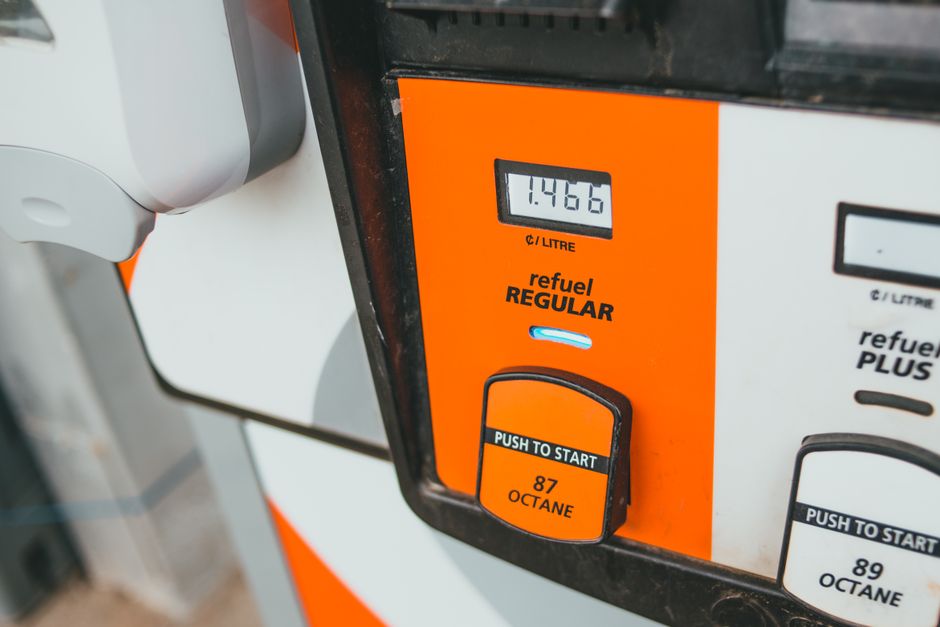
Cornwall, UK — Rising fuel costs are significantly impacting independent businesses and delivery drivers in Hayle, with petrol prices averaging 161.3p per litre and diesel expected to exceed £2 per litre. This surge in fuel prices is forcing local businesses to adjust their delivery operations and consumers to rethink their spending habits.
The increase in fuel prices has affected various sectors in Hayle, particularly those reliant on delivery services and tourism. Mark Nicholas, owner of The Big Pink Tree, a local flower shop, mentioned that the rising costs have limited the distance they can deliver, directly impacting their customer base. He stated, “The fuel increase has really affected how far we can deliver to serve our customer base.” This sentiment is echoed across multiple businesses in the area, indicating a broader trend of operational strain.
Delivery Costs and Business Operations
Delivery costs are a critical component for independent businesses, especially in regions like Cornwall, where distances can be significant. As fuel prices rise, businesses face higher transportation costs, which can erode profit margins. Local businesses may have to pass on these costs to customers, potentially deterring spending.
Justin Lapskas, manager of Down the Line Surf Shop, noted that the higher fuel prices affect the import and transportation of products. He explained, “We bring in products from around the world, so for us, the increase in fuel prices has an effect and something that we’ve kind of got to deal with moving forward.” This situation forces businesses to reassess their logistics and delivery strategies to maintain profitability.
Moreover, the rising fuel costs are not only affecting delivery operations but also the frequency with which customers engage with local businesses. Emma Crossley, a local hairdresser, observed that clients are waiting longer between appointments due to the increased travel costs. She stated, “Since the fuel prices went up, I have noticed a difference in how often people have their hair done. About five years ago, it would have been about six or seven weeks — now it’s more like 10 to 12 weeks.” This change in consumer behavior indicates a shift towards more cautious spending.
Consumer Spending Trends Amid Rising Costs
The rising fuel prices are leading to noticeable changes in consumer behavior. As costs increase, consumers are becoming more selective about their purchases, often opting for essential items over discretionary spending. This trend is particularly concerning for businesses that rely on tourism, which is a significant part of Cornwall’s economy.
Tourism operators have reported a decline in bookings as potential visitors reconsider their travel plans. Pauline Ellis, who runs a bed and breakfast, mentioned that some visitors have canceled trips due to the high travel costs. She stated, “We are a long way down here, and I think it has made an impact on whether people can afford to come this far down, with the prices as they are.” This sentiment reflects a broader concern for the future of tourism in the region.
Additionally, local residents are feeling the pinch, with many reconsidering their travel habits. One resident, who drives an eight-mile round trip daily, expressed frustration with the rising costs, stating that fuel prices have become “extortionate.” This shift in consumer sentiment could lead to long-term changes in how residents and visitors interact with local businesses.

Strategies for Business Adaptation
In response to these challenges, independent businesses in Cornwall must adapt to the new economic realities. Research indicates that businesses that can streamline their operations and find cost-effective delivery solutions will be better positioned to weather these challenges. This includes exploring local sourcing options to minimize transportation needs and investing in more efficient delivery methods.
Moreover, businesses focusing on innovative logistics can mitigate the impact of rising costs. For instance, those who adapt quickly may find new avenues for growth even in a challenging economic climate. Offering promotions, loyalty programs, or emphasizing local products can help attract customers who are more cautious with their spending.
Long-Term Implications for Cornwall’s Economy
The implications of rising fuel costs extend beyond immediate financial pressures. As consumers and businesses adjust to this new reality, the long-term effects on Cornwall’s economy and its independent businesses will become clearer. The coming months will be critical in determining how these entities navigate the challenges posed by rising fuel prices.

The tourism sector, in particular, faces an uphill battle as it attempts to recover from the impacts of the pandemic while now contending with the additional burden of high fuel costs. Local businesses that cater to tourists, such as restaurants, shops, and accommodations, are already feeling the impact. Reports indicate that many have seen a decline in foot traffic and bookings this season. As the situation evolves, the resilience of Cornwall’s independent businesses and tourism operators will be tested. How they adapt to these fuel price increases will determine their ability to thrive in a changing economic environment.

Frequently Asked Questions
How can independent business owners mitigate rising delivery costs?
Independent business owners can explore local sourcing options to reduce transportation needs and consider investing in more efficient delivery methods. Additionally, they can streamline operations to cut unnecessary expenses.
What strategies can delivery drivers use to cope with increased fuel prices?
Delivery drivers can optimize their routes to minimize fuel consumption and consider carpooling or sharing deliveries with other drivers to reduce costs. Staying informed about fuel-efficient driving techniques can also help save money.
What should independent businesses do to adapt to changing consumer spending due to fuel costs?
Independent businesses should innovate their marketing strategies, such as offering promotions or emphasizing local products. Understanding consumer behavior shifts will help them tailor their offerings to meet changing demands.