Tag: BRICS

  • iBRICS Charter Accelerates Digital Assets Expansion | Career Outlook

    iBRICS Charter Accelerates Digital Assets Expansion | Career Outlook

    New Delhi, India — The inaugural iBRICS Summit 2026 ended with the signing of the iBRICS DART Charter. This framework aims to boost cooperation on digital assets and cross-border payments among BRICS nations. It seeks to improve interoperability between Central Bank Digital Currencies (CBDCs) and streamline multi-currency clearing. This marks a major change in the financial landscape of the Global South.

    The summit, organized by the Sovereign Wealth Fund Institute (SWFI), gathered over 500 institutional investors, government representatives, and business leaders. The DART Charter is expected to integrate payment systems like India’s Unified Payments Interface (UPI) and Brazil’s Pix. This will reduce reliance on traditional dollar-based payment systems. Many BRICS leaders echoed this sentiment, highlighting the need to lessen dependence on the US dollar for international trade.

    Increased Regulatory Clarity for Digital Assets

    The iBRICS DART Charter introduces a structured approach to regulating digital assets. This framework is crucial for fintech startups as it creates a clearer regulatory environment. Such clarity has been a major barrier to innovation in the digital asset space. Career Ahead research shows that with the BRICS DART Working Group, fintech startups can expect a more predictable regulatory landscape. This predictability will help them innovate without fearing sudden regulatory changes.

    Moreover, the charter emphasizes local currency settlements and the tokenization of real-world assets, such as gold and oil. This move aligns with the UN Sustainable Development Goal of reducing cross-border transfer costs. It also opens new opportunities for fintech startups to develop solutions for local markets. Startups can now create platforms for asset tokenization, attracting investments from both local and international players. The potential for tokenization extends beyond assets; it can also include services and products, enhancing liquidity and market access.

    As regulatory frameworks become clearer, blockchain developers can use these changes to build compliant solutions for BRICS nations. The DART Charter’s focus on interoperability means developers must create systems that integrate various digital currencies and payment platforms. This will enhance user experience and expand market reach. Interoperability is vital for a cohesive financial ecosystem, allowing different currencies to be exchanged easily, thus promoting economic collaboration among member states.

    In essence, the DART Charter could spark innovation in the fintech sector. It encourages startups to explore new business models centered around digital assets. As the regulatory environment stabilizes, investment in these startups may rise, fostering a vibrant fintech ecosystem within BRICS nations. The charter’s focus on collaboration and shared resources among member countries could lead to significant advancements in financial technology, benefiting both BRICS nations and the global economy.

    New Opportunities for Cross-Border Payment Solutions

    The DART Charter aims to transform cross-border payment solutions by promoting collaboration among BRICS countries. This collaboration seeks to create a unified payment infrastructure for faster and cheaper transactions. Currently, cross-border payments face high fees and slow processing times, mainly due to traditional banking channels. Career Ahead analysis suggests that integrating systems like UPI and Pix could significantly lower transaction costs and processing times. This would make it easier for businesses to operate across borders, potentially increasing trade and investment among BRICS nations.

    This new payment framework is likely to inspire fintech startups to create innovative solutions for cross-border transactions. For example, startups could develop platforms that allow businesses to transact directly in their local currencies. This would help avoid costs related to currency conversion and intermediary banks. Such solutions would enhance efficiency and appeal to businesses looking to expand internationally. Transacting in local currencies can also reduce risks from currency fluctuations, providing businesses with more financial stability.

    Furthermore, the focus on multi-currency clearing will enable fintech companies to offer services for diverse markets within BRICS nations. This could lead to new partnerships between fintech firms and traditional banks. Together, they can create solutions that meet a broader customer base’s needs. Collaboration between tech innovators and established financial institutions can drive growth and improve the region’s financial infrastructure. As these partnerships grow, they may also lead to new regulatory frameworks that support innovation and growth in the fintech sector.

    iBRICS Charter Accelerates Digital Assets Expansion | Career Outlook

    As these opportunities arise, blockchain developers will play a key role in creating the technology for new payment systems. With the DART Charter promoting interoperability, developers must build robust platforms that can handle multiple currencies and comply with different regulatory requirements. This adaptability is crucial for ensuring that developed solutions are both innovative and sustainable in the long term.

    The iBRICS DART Charter is more than just a regulatory framework; it also lays the groundwork for potential partnerships among BRICS nations. By encouraging collaboration in the digital asset space, the charter promotes resource, knowledge, and technology sharing. This cooperative approach can lead to joint initiatives that benefit all member states, especially in the fintech sector.

    In summary, the DART Charter presents a significant opportunity for fintech startups and blockchain developers to innovate within a supportive regulatory environment. As these partnerships develop, they may reshape the future of cross-border payments and digital assets, driving economic growth across the Global South. The impact of the DART Charter will be closely watched. Will this new framework effectively encourage innovation and collaboration among BRICS nations, or will it face challenges in implementation? The coming months will reveal the true potential of this initiative and its implications for the global economy.

    Frequently Asked Questions

    What are the implications of the iBRICS charter for fintech startups?

    The iBRICS charter provides a clearer regulatory framework for fintech startups. This allows them to innovate more freely in the digital asset space. It also opens new avenues for cross-border payment solutions, enhancing market opportunities.

    How can blockchain developers leverage new regulations from the iBRICS Summit?

    Blockchain developers can benefit from the DART Charter’s focus on interoperability and asset tokenization. They can create compliant solutions that meet the needs of BRICS nations by building systems that integrate various digital currencies and payment platforms.
    iBRICS Charter Accelerates Digital Assets Expansion | Career Outlook

    What should cross-border payment specialists do to adapt to changes from the iBRICS Summit?

    Cross-border payment specialists should focus on developing solutions for local currency transactions. This will reduce reliance on traditional banking channels. The DART Charter encourages innovation in this area, creating opportunities for new payment platforms.

  • Xi Unveils Open-Source AI | Career Outlook

    Xi Unveils Open-Source AI | Career Outlook

    Chinese President Xi Jinping announced on September 13, 2026, the creation of an open-source AI ecosystem. This initiative is part of a five-point plan to enhance cooperation among BRICS member nations. It aims to create a collaborative framework for technology, manufacturing, and trade. This positions China as a leader in the global AI landscape. The announcement, made during the BRICS summit, shows China’s ambition to support AI development. This contrasts sharply with the closed frameworks used by major U.S. developers like OpenAI. Xi emphasized the need for an integrated market that uses the strengths of emerging economies. The goal is to create a cost-effective international AI ecosystem.

    New Collaborative Opportunities for AI Researchers

    The open-source AI ecosystem offers significant collaborative opportunities for AI researchers in BRICS nations. By creating a shared platform for developing large language models and other AI technologies, researchers can access valuable resources and expertise. This framework encourages knowledge sharing, which can speed up innovation and lead to breakthroughs in AI applications. According to the Economic Times, this initiative is expected to boost the research capabilities of institutions across BRICS countries. It will help them tackle common challenges in AI development more effectively.

    Career Ahead’s analysis suggests that this initiative could lead to many joint research projects. Institutions and universities in BRICS countries can work together to address shared challenges in AI development. The focus on open-source contributions will also democratize access to advanced AI technologies. This allows researchers from diverse backgrounds to join cutting-edge projects. This is especially important for researchers in developing nations, who often lack access to proprietary tools and datasets.

    Furthermore, the initiative is likely to support specialized training seminars and workshops. These programs will enhance the skills of AI researchers. They will provide insights into the latest AI methodologies and tools. This will help create a more skilled workforce capable of driving future innovations. The collaborative nature of the ecosystem will also encourage interdisciplinary projects. Researchers can integrate insights from fields like ethics, sociology, and economics into AI development.

    As AI researchers engage with this open-source ecosystem, they will benefit from a collaborative spirit. This environment encourages experimentation and creativity. It is likely to produce a new generation of AI solutions that are effective and ethically developed. Diverse perspectives will contribute to the design and implementation of AI technologies. The implications of this collaborative approach could extend beyond technical advancements. It may influence policy discussions around AI governance and ethical standards.

    In summary, the open-source AI ecosystem will create a vibrant community of researchers. They can collaborate on projects, share findings, and advance the field of AI in ways that were previously unattainable.

    Empowering Software Engineers with New Tools and Frameworks

    The launch of an open-source AI ecosystem will give software engineers access to new tools and frameworks. This emphasis on open-source software means engineers can use existing codebases and contribute to projects. This collaborative approach can significantly reduce development time and costs. CNBC highlights that the initiative is expected to foster a culture of innovation. It encourages engineers to experiment with new technologies and methodologies.

    Career Ahead research shows that software engineers in this ecosystem will develop applications using large language models and other AI technologies. By integrating these advanced capabilities, engineers can create more sophisticated and efficient software solutions. The open-source nature of the ecosystem promotes continuous improvement and innovation. Engineers can contribute to ongoing projects, receive feedback from peers, and refine their skills in real-time. This dynamic environment fosters a culture of learning and adaptation, which is crucial in the fast-evolving field of AI.

    Moreover, collaboration among BRICS nations can lead to standardized practices and protocols for AI development. This standardization will benefit software engineers by providing clear guidelines and best practices. It ensures that projects are built on solid foundations and can be easily maintained and scaled. The collaborative nature of the ecosystem will also allow engineers to share insights and solutions to common problems. This will further enhance the overall quality of software development.

    Xi Unveils Open-Source AI

    As a result, software engineers will enhance their technical skills and gain valuable experience in collaborative development practices. The open-source AI ecosystem represents a significant shift in how software engineers approach AI development. It moves towards a more inclusive and cooperative model that prioritizes shared knowledge and resources.

    Ultimately, this initiative could redefine the role of software engineers in the AI landscape. It empowers them to take on more significant challenges and contribute to developing transformative technologies.

    Funding and Support for Startup Founders

    Startup founders in the AI sector will benefit from the open-source AI ecosystem announced by Xi Jinping. The initiative aims to provide funding and support for emerging AI startups. This will enable them to access resources that were previously limited. Support can include grants, mentorship programs, and networking opportunities with established industry players. The BRICS AI open-source community will create a favorable environment for startups. They can share insights, explore partnerships, and tap into a broader market for their innovations.

    Additionally, the focus on open-source development encourages a culture of innovation. Founders can build on existing technologies and collaborate with other developers. This reduces the barriers to entry for new players in the AI space. Startups can focus on developing unique solutions without starting from scratch. The initiative may lead to specialized incubators and accelerators for AI startups. These will provide tailored support to help founders navigate the complexities of launching and scaling an AI business.

    Ultimately, the open-source AI ecosystem will empower startup founders to innovate and disrupt traditional markets. This will drive economic growth and technological advancement across BRICS nations. Xi’s announcement signals a shift towards more collaborative AI development practices. As this ecosystem develops, the global AI landscape may transform how technologies are created and shared. It will focus on inclusivity and cooperation among emerging economies.

    Frequently Asked Questions

    What are the implications of the open-source AI ecosystem for AI researchers?

    The open-source AI ecosystem will provide AI researchers with access to collaborative platforms. This will foster joint projects and knowledge sharing. It will accelerate innovation and democratize access to advanced AI technologies.

    How can software engineers leverage the new tools from the BRICS plan?

    Software engineers can use new open-source tools and frameworks to enhance their development capabilities. The collaborative nature of the ecosystem will allow them to contribute to ongoing projects and improve their skills in real-time.

    Xi Unveils Open-Source AI

    What steps should startup founders take to engage with the open-source AI ecosystem?

    Startup founders should explore partnerships within the BRICS community. They should seek funding opportunities available through the open-source AI initiative. Engaging with this ecosystem can provide valuable resources and support for their AI ventures.

  • Iran Sanctions Heighten Global Food Security Risks

    Iran Sanctions Heighten Global Food Security Risks

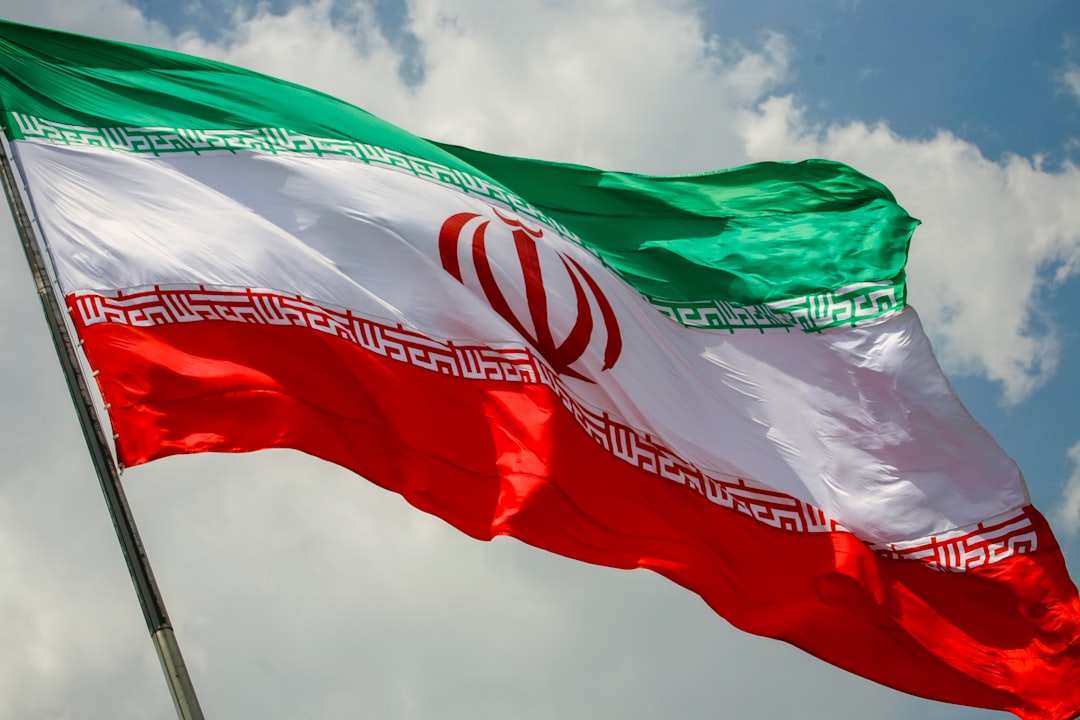
    The recent US sanctions on Iran are disrupting global food supply chains, significantly affecting food prices and security. Analysts and food security experts express concern over these sanctions, which were imposed due to ongoing military tensions. Iranian President Masoud Pezeshkian’s comments at the BRICS summit emphasized the need for resilience against such actions, highlighting their broader effects on emerging economies.

    In his speech, President Pezeshkian criticized the sanctions for harming food security and welfare. He noted that heavy reliance on limited financial systems makes economies vulnerable to political shocks. This perspective aligns with findings from the US Department of State, which indicate that sanctions can destabilize markets and disrupt essential supply chains.

    Impact on Global Food Prices

    The sanctions have caused a noticeable rise in global food prices, particularly for staple commodities. The World Bank reports that disruptions in Iranian agricultural exports are driving up food prices in countries dependent on these imports.

    For instance, Iran is a major producer of wheat and rice. The decline in its exports due to sanctions has led to shortages in regions reliant on Iranian products. Countries in the Middle East and North Africa, which import much of their food, are particularly at risk. The Food and Agriculture Organization (FAO) warns that these disruptions can worsen food insecurity in these areas.

    Moreover, the sanctions are affecting global supply chains. As food prices rise, the cost of importing food increases, leading to inflation in many emerging economies. This poses a significant challenge for food security experts, who must find ways to mitigate the impact of rising prices on vulnerable populations.

    Additionally, the sanctions have altered trade dynamics. Countries that once relied on Iranian agricultural products are now seeking alternative suppliers. This shift may lead to long-term changes in global food trade patterns. While this may create opportunities for other agricultural producers, it also risks raising prices as demand exceeds supply in the short term.

    Strategies for Addressing Food Insecurity

    In response to the challenges posed by the sanctions, food security experts are exploring various strategies. One approach is to diversify food sources and reduce reliance on any single country for essential imports. This strategy aligns with President Pezeshkian’s call for enhanced cooperation among BRICS nations to create a more resilient food supply system.

    Furthermore, international trade analysts recommend developing local agricultural sectors in the most affected countries. By investing in local farming, these nations can lessen their dependence on imports and improve food security. Countries prioritizing local production are generally more resilient to global market fluctuations.

    Collaboration among countries can also help establish alternative trade routes and partnerships. For example, BRICS nations can explore trade agreements that bypass traditional financial systems, as suggested by President Pezeshkian. This could enhance economic resilience and provide a buffer against the effects of sanctions.

    Iran Sanctions Heighten Global Food Security Risks

    Additionally, food security experts emphasize the importance of international aid for nations facing food shortages due to sanctions. Humanitarian assistance can help mitigate the immediate impacts of rising food prices, ensuring that vulnerable populations have access to essential supplies.

    Wider Consequences for Global Trade

    The sanctions on Iran affect not only food prices but also global trade and economic stability. As countries reassess their trade relationships, shifts in alliances and market dynamics may occur. The current geopolitical climate could lead to a reconfiguration of trade networks as nations protect their interests.

    This evolving landscape presents both challenges and opportunities for international trade analysts. Understanding these changes is crucial for navigating future trade agreements and ensuring food security. The sanctions also highlight the interconnectedness of global economies, where actions by one country can have far-reaching effects.

    Moreover, the sanctions have sparked discussions about the effectiveness of unilateral actions in achieving political goals. Many experts argue that such measures often harm civilian populations more than the intended targets, raising ethical questions about using sanctions as a foreign policy tool.

    As the situation evolves, food security experts and international trade analysts must monitor the ongoing impacts of these sanctions. The potential for escalating geopolitical tensions could lead to more sanctions, exacerbating challenges for global food supply chains.

    The implications of the sanctions extend beyond immediate economic effects. They emphasize the need for a more inclusive and resilient global economic framework that prioritizes cooperation over conflict. As nations face these challenges, the focus must shift to building systems that can withstand future crises and promote sustainable development.

    Frequently Asked Questions

    How do sanctions impact international trade agreements?

    Sanctions can disrupt trade agreements by limiting sanctioned countries’ ability to participate in international markets. This often leads to renegotiation of agreements and may force countries to find alternative trading partners.

    What are the implications of sanctions on food security in emerging economies?

    Sanctions can worsen food insecurity in emerging economies by raising food prices and limiting access to essential imports. This can increase malnutrition and social unrest, especially among vulnerable populations.

    Iran Sanctions Heighten Global Food Security Risks

    What strategies can food security experts employ to address the challenges posed by sanctions?

    Food security experts can advocate for diversifying food sources, investing in local agriculture, and fostering international cooperation to lessen the impacts of sanctions. These strategies can help build resilience against future shocks in the food supply chain.

  • BRICS Leaders Push for Global AI Cooperation and Access

    BRICS Leaders Push for Global AI Cooperation and Access

    BRICS leaders have called for better access to Artificial Intelligence resources. They also want stronger international cooperation to ensure AI technology is safe and reliable. This commitment was made during the 18th BRICS Summit in New Delhi on September 12, 2026. The leaders stressed the need for collaboration to address the risks associated with AI, as stated in the New Delhi Declaration.

    The declaration noted that AI offers great opportunities for economic growth and sustainable development. This is especially true for countries in the Global South. It highlighted the need for global standards in AI ethics and risk management. The goal is to create an inclusive digital ecosystem that benefits all member nations.

    Global Standards for AI Ethics and Risk Mitigation

    The New Delhi Declaration calls for efforts to develop trustworthy AI technologies. It emphasizes the importance of international cooperation to make AI resources accessible while ensuring safety and reliability. The BRICS nations agree that a strong digital infrastructure is key for economic development and social inclusion.

    Career Ahead’s analysis shows that this focus on ethical AI aligns with global trends. Countries are increasingly prioritizing regulations that address AI’s societal effects. By advocating for a unified approach, BRICS aims to reduce risks like cybercrime, misinformation, and data security threats. This collaborative framework could serve as a model for other nations.

    Moreover, the declaration highlights the need to involve young innovators and researchers in shaping AI’s future. By promoting youth engagement through initiatives like the Young Scientists Forum, BRICS aims to harness the next generation’s potential for innovation and ethical practices in technology.

    As the world faces rapid changes in AI technology, ethical considerations are becoming more critical. The BRICS nations’ commitment to global standards could impact how AI is regulated and used, both within their borders and internationally.

    Enhancing Accessibility and Collaboration in AI Development

    The BRICS leaders’ declaration also stresses the need for a self-reliant digital ecosystem. This approach aims to boost collaboration among member countries in developing AI technologies and digital infrastructure. By making AI resources accessible, BRICS nations seek to empower their economies and improve global competitiveness.

    According to data from brics2026.gov.in, the BRICS nations plan to launch initiatives that promote digital public infrastructure. This includes pilot projects to speed up digital transformation across member states. These initiatives aim to ensure that AI technologies are effectively integrated into sectors like healthcare, education, and manufacturing.

    Career Ahead’s research indicates that this push for accessibility could change funding for tech startups in the Global South. With more investment in digital infrastructure, emerging economies may find new opportunities to innovate and compete globally. This shift could create a more balanced technological landscape, allowing smaller nations to use AI for economic growth.

    BRICS Leaders Push for Global AI Cooperation and Access

    Furthermore, the declaration recognizes cybersecurity‘s role in deploying AI technologies safely. By promoting international cooperation in this area, BRICS aims to build resilient digital ecosystems that can withstand cyber threats. This focus on security is vital for fostering trust in AI systems, which is essential for widespread adoption.

    As BRICS nations move forward with their commitments, the potential for enhanced collaboration in AI development offers exciting opportunities for startups and innovators. The focus on accessibility and security could lead to significant technological advancements in the Global South.

    Implications for Policy Makers and Tech Entrepreneurs

    The outcomes of the BRICS summit have important implications for policy makers and tech entrepreneurs. With a strong focus on global cooperation, BRICS is setting a model for how emerging economies can work together to tackle common challenges in AI development. This collaborative framework could inspire similar initiatives in other regions, creating a more inclusive global tech landscape.

    For policy makers, the call for global standards in AI ethics and risk management presents a chance to align national regulations with international frameworks. This alignment could promote cross-border collaboration and investment, benefiting all involved. By prioritizing ethical considerations, countries can ensure responsible and sustainable AI development.

    For tech entrepreneurs, the BRICS declaration signals a growing recognition of accessibility in AI development. Startups focusing on innovative solutions to local challenges may find new growth opportunities. With increased funding and collaboration, entrepreneurs in the Global South could become key players in the global AI landscape.

    BRICS Leaders Push for Global AI Cooperation and Access

    The emphasis on youth engagement highlights the potential for fresh ideas to shape AI’s future. By involving young researchers and innovators, BRICS fosters a culture of creativity and collaboration that could lead to groundbreaking advancements in technology.

    As BRICS nations solidify their commitments to global AI cooperation, the potential for transformative change in the tech industry is vast. The coming years will be crucial in determining how these initiatives unfold and their global impact.

    Frequently Asked Questions

    What are the implications of BRICS’ AI cooperation for policy makers?

    Career Ahead analysis shows that BRICS’ call for global cooperation in AI offers policy makers a chance to align national regulations with international standards. This alignment could facilitate cross-border collaboration and investment in AI technologies.

    How can AI researchers align with global safety standards?

    Researchers can engage with the ethical frameworks in the BRICS New Delhi Declaration. This ensures their work meets safety, reliability, and inclusiveness principles. Collaborating with international partners can also boost compliance with global standards.

    BRICS Leaders Push for Global AI Cooperation and Access

    What steps should tech startup founders take to adapt to new AI regulations?

    Startup founders should monitor the changing regulatory landscape shaped by BRICS initiatives. By aligning their business models with ethical AI practices and engaging in collaborative projects, they can position themselves favorably in the market.

  • Russia Commits to Global Energy, Food Security

    Russia Commits to Global Energy, Food Security

    At the BRICS summit held on September 11, 2026, President Vladimir Putin made a significant pledge for Russia to enhance its contributions to global energy and food security. This summit, which brought together leaders from Brazil, Russia, India, China, and South Africa, served as a crucial platform for discussing shared goals in energy and agriculture amidst ongoing global challenges.

    Putin highlighted the urgent need for international cooperation in these sectors, particularly as the world grapples with rising food prices and energy supply disruptions. His remarks underscored Russia’s readiness to share its technological expertise and resources, particularly in agricultural research and energy production, aiming to forge new partnerships that could reshape the landscape of global energy and food security.

    Transforming Energy Security Dynamics

    Putin’s commitment at the BRICS summit has the potential to significantly alter the dynamics of global energy security. Traditionally, energy security has been fraught with geopolitical tensions and supply chain vulnerabilities. However, with Russia’s renewed focus on energy initiatives, BRICS nations may experience more stable energy supplies, which could alleviate some of the pressures currently affecting global markets.

    Analysts suggest that this cooperation could pave the way for joint projects in both renewable energy and fossil fuel management. By pooling resources and expertise, BRICS countries could enhance their energy independence and resilience against external shocks. For instance, collaborative efforts in renewable energy could accelerate the transition to cleaner energy sources, benefiting member countries while also contributing to global climate goals. As reported by Hindustan Times, Putin mentioned the potential for joint ventures in energy technology, which could lead to innovations that address both supply and sustainability challenges.

    Moreover, the emphasis on energy security is likely to attract investment in infrastructure projects across member nations. Countries such as India and Brazil, which are heavily reliant on energy imports, stand to gain from Russia’s advancements in energy production and distribution technologies. This could foster a more integrated energy market within the BRICS framework, promoting economic growth and stability. Increased energy trade among member countries could also serve as a buffer against global energy price fluctuations caused by geopolitical tensions and market volatility.

    As these energy markets evolve, it will be essential for analysts to monitor how these partnerships develop. The implications for energy policy in member countries could be profound, particularly as they navigate the challenges of energy transition and sustainability. Understanding these collaborations will be crucial for energy policy analysts assessing future trends and opportunities. The collective efforts of BRICS nations may even inspire similar initiatives in other regions, potentially reshaping global energy governance.

    Advancing Agricultural Collaboration

    In addition to energy security, agricultural collaboration emerged as a key theme in Putin’s address. With food security becoming an increasingly pressing global issue, BRICS nations can leverage their agricultural strengths to address these challenges. Russia’s vast agricultural resources and expertise can play a pivotal role in meeting the needs of other BRICS countries, particularly those facing food shortages. As highlighted by AP News, the focus on agricultural technology transfer is vital for improving productivity and resilience in food systems.

    Research indicates that joint agricultural initiatives could advance sustainable farming practices and food production technologies. By sharing research and development efforts, BRICS nations can enhance food security both within their borders and in other developing regions. This collaborative approach is crucial for mitigating the impacts of climate change on agriculture, ensuring food availability for future generations. Integrating Russia’s agricultural innovations, such as precision farming techniques, could significantly boost crop yields in countries like India, which has a substantial agricultural sector.

    Furthermore, prioritizing agricultural research aligns with global efforts to combat food insecurity exacerbated by geopolitical tensions and climate change. Countries like India, with their large agricultural sectors, could greatly benefit from Russia’s advancements in agricultural technology, including precision farming and crop resilience strategies. This partnership could enhance productivity and sustainability in food production, creating new markets and trade relationships that arise from these collaborations.

    Russia Commits to Global Energy, Food Security at BRICS

    With a solid foundation for increased cooperation in energy and agriculture, BRICS nations have a unique opportunity to redefine their roles in the global market. The effects of these partnerships could extend beyond immediate benefits, influencing global trade dynamics and food security strategies.

    Russia’s commitments at the BRICS summit present a unique opportunity for international partnerships. As countries face challenges in energy and food security, BRICS nations can serve as a model for collaborative efforts. By working together, these countries can strengthen their bargaining power on the global stage, impacting international policies and practices.

    As the world observes how Russia’s commitments unfold, attention will focus on the tangible outcomes of these collaborations. Will they create a more stable energy market? Can they effectively tackle food security challenges? The answers to these questions will shape the future of international cooperation in energy and agriculture.

    Frequently Asked Questions

    What are the implications of Russia’s energy security plans for global markets?

    Russia’s energy security plans, outlined at the BRICS summit, could lead to more stable energy supplies among member nations. This stability may influence global energy prices and trade dynamics, especially if BRICS countries increase their cooperation in energy production and distribution.

    How can agricultural economists leverage new research collaborations with Russia?

    By engaging in collaborative agricultural research with Russia, agricultural economists can access advanced technologies and practices that improve food production. These partnerships may also create new markets for agricultural exports, benefiting economies within the BRICS framework.

    Russia Commits to Global Energy, Food Security at BRICS

    What should energy policy analysts consider in light of Russia’s pledges at BRICS?

    Energy policy analysts should consider the potential for increased energy independence among BRICS nations and the implications for global energy markets. Monitoring the outcomes of collaborative projects initiated by these countries will be crucial for understanding future trends in energy policy.

  • BRICS Finance Ministers Critique Unilateral Tariffs

    BRICS Finance Ministers Critique Unilateral Tariffs

    India — The BRICS finance ministers recently convened in India, where they expressed strong opposition to unilateral tariff measures, labeling them as distortive to global trade. This meeting highlighted the increasing geopolitical tensions that are reshaping international trade dynamics and agreements. The ministers underscored the urgent need for collaborative approaches to trade policy amidst rising protectionism.

    The ministers from Brazil, Russia, India, China, and South Africa gathered to address the significant headwinds facing the global economy, particularly due to unilateral tariffs imposed by some nations. They emphasized that these tariffs not only disrupt trade but also threaten economic stability and growth in developing countries. Such measures have the potential to escalate trade wars and further fragment the global trading system. As noted by the Hindustan Times, the finance ministers articulated that unilateral tariffs are particularly harmful to the economic prospects of emerging markets, which often lack the resilience to absorb such shocks.

    Unilateral Tariffs and Their Impact on Trade Agreements

    Unilateral tariffs have become a focal point in discussions about international trade, particularly as they can undermine existing trade agreements. When one country imposes tariffs without the consensus of its trading partners, it creates a ripple effect that can lead to retaliatory measures. Career Ahead’s analysis finds that the imposition of unilateral tariffs by major economies has historically resulted in a decline in trade volumes and increased costs for consumers. This sentiment was echoed by the BRICS ministers, who pointed out that the U.S.’s unilateral tariff actions have strained relationships with key trading partners, complicating the landscape for multilateral negotiations.

    Furthermore, the BRICS finance ministers highlighted the broader implications of these tariffs on global economic stability. According to data from the World Bank, the global economy is projected to lose approximately $1 trillion due to trade disruptions caused by unilateral tariffs. This figure underscores the significant economic impact these policies can have, particularly on developing nations that rely heavily on exports. The BRICS countries, representing a large portion of the world’s population and economic activity, are particularly vulnerable to these changes. The ministers called for a return to rules-based trade systems, which prioritize negotiation and consensus over unilateral actions, emphasizing that such frameworks are essential for fostering a stable trading environment.

    Moreover, the current geopolitical landscape, marked by rising tensions and conflicts, further complicates the trade environment. The BRICS ministers noted that as countries increasingly resort to protectionist measures, the stability of international trade agreements is at risk. They emphasized the need for collaborative frameworks that can adapt to these challenges and promote equitable trade practices. The ongoing conflicts and geopolitical rivalries, particularly involving major economies, have created a climate of uncertainty that affects investment and trade flows, making it imperative for nations to work together to mitigate these risks.

    Navigating Geopolitical Tensions Affecting Market Access

    The geopolitical tensions that influence market access are becoming more pronounced, as countries adopt stricter trade policies. The BRICS finance ministers highlighted that these tensions not only affect trade flows but also impact investment decisions. Companies looking to expand into new markets must navigate a complex landscape of tariffs, sanctions, and regulatory hurdles. The ministers stressed that the current trade environment requires businesses to be more agile and informed about the changing dynamics, as the repercussions of unilateral tariffs extend beyond immediate trade impacts to long-term strategic planning.

    Career Ahead’s research identifies that businesses operating in or with BRICS nations may face increased scrutiny and potential barriers due to rising protectionism. This situation requires international business developers to be agile and informed about the changing trade environment. Furthermore, the BRICS nations are exploring alternative trade agreements to counteract the effects of unilateral tariffs. By strengthening intra-BRICS trade and cooperation, these countries aim to create a more resilient trading bloc. This approach not only enhances market access for member nations but also serves as a counterbalance to unilateral actions by other countries.

    The finance ministers also discussed the importance of fostering innovation and technology transfer among BRICS nations. By collaborating on technological advancements, these countries can enhance their competitive edge in the global market. This collaborative spirit is essential for navigating the complexities of today’s trade environment, where geopolitical tensions can rapidly shift market dynamics. As the BRICS nations continue to strengthen their ties, the potential for creating a more integrated economic bloc could reshape global trade patterns. Companies looking to engage with these markets must stay informed about these developments and adjust their strategies accordingly.

    BRICS Finance Ministers Critique Unilateral Tariffs

    The BRICS finance ministers’ meeting underscores the urgent need for a reevaluation of trade strategies in light of unilateral tariffs and geopolitical tensions. As the global trade environment continues to evolve, the implications for businesses and policymakers will be profound, raising critical questions about the future of international trade. The discussions held during this meeting serve as a critical reminder of the interconnected nature of global trade and the necessity for multilateral cooperation to ensure economic stability and growth.

    Frequently Asked Questions

    What are the latest unilateral tariff changes affecting trade?

    Recent discussions among BRICS finance ministers highlight significant concerns regarding unilateral tariffs imposed by major economies. These tariffs are seen as distortive to global trade, prompting calls for a more collaborative approach to trade policy.

    How can international business developers mitigate risks from trade fragmentation?

    International business developers can mitigate risks by staying informed about geopolitical tensions and adapting their strategies accordingly. Engaging in multilateral negotiations and exploring intra-BRICS trade opportunities can provide pathways for growth.

    BRICS Finance Ministers Critique Unilateral Tariffs

    What should trade policy analysts consider when evaluating new tariffs?

    Trade policy analysts should assess the broader implications of unilateral tariffs on multilateral trade agreements. Understanding how these tariffs affect global trade dynamics will be essential for developing effective policy responses.