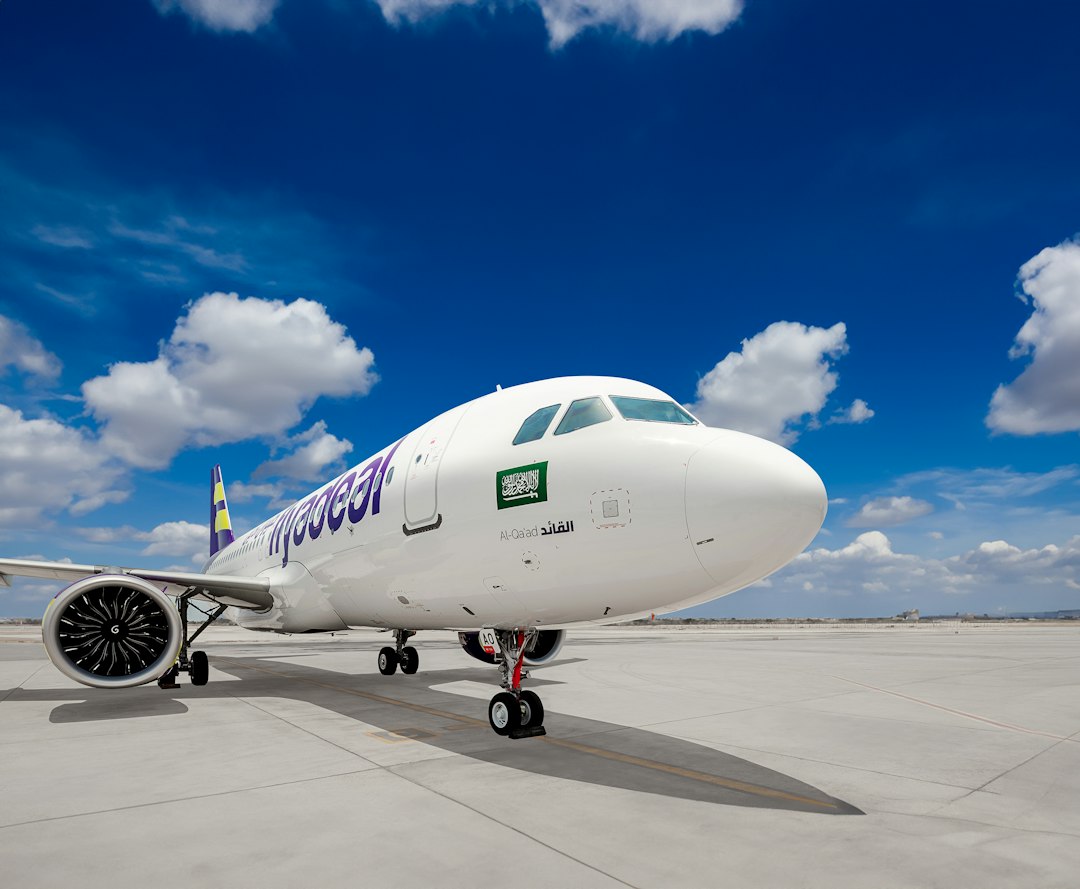
Tag: aviation

  • Supreme Court Reviews Aviation Accessibility Gaps | Career Outlook

    Supreme Court Reviews Aviation Accessibility Gaps | Career Outlook

    India’s Supreme Court will examine a plea about accessibility failures in aviation for disabled travelers. The inquiry, started on October 7, 2026, addresses the need for reforms in a sector serving over 350 million passengers each year. Sadly, it often overlooks the needs of persons with disabilities (PwD).

    The petition was filed by Turab Chimthanawala, who has a visual impairment. He argues that the aviation industry has not done enough to ensure accessibility at all stages of air travel. This includes booking, check-in, boarding, and in-flight services. The case highlights concerns about how disabled individuals are treated in one of the world’s fastest-growing aviation markets. A report by The Hindu notes a lack of comprehensive policies to address the unique challenges faced by disabled travelers. This could lead to important legal and regulatory changes in the industry.

    Systemic Accessibility Failures in Aviation

    Chimthanawala’s case shows serious problems in how airlines handle accessibility. The petition mentions a troubling incident where a wheelchair-dependent passenger was allegedly removed from a flight in Delhi. This incident illustrates the real-world impact of these systemic failures. Such events are not isolated; they reflect broader issues faced by millions of disabled travelers in India. The lack of accountability in the aviation sector often leaves disabled passengers stranded or facing hardships during their journeys.

    India is currently the third-largest aviation market in the world, with domestic passenger traffic growing by about 10-12% each year. Despite this growth, the needs of over seven million PwD air travelers are often ignored. Reports show that essential assistive equipment is frequently damaged or not loaded onto planes. Additionally, digital platforms often do not support screen readers and other assistive technologies. The Supreme Court’s inquiry may prompt aviation authorities to take a more proactive approach to accessibility issues.

    The plea also points out that the lack of accessible communication methods at airports worsens the challenges for disabled travelers. Many airports do not provide real-time notifications in accessible formats, leaving passengers without important information. This negligence raises serious questions about the commitment of aviation authorities to uphold the rights of all passengers. As noted by Workers Compensation Law Attorney, the legal framework for travel rights is often poorly enforced. This could change if the Supreme Court requires stricter regulations.

    Career Ahead’s analysis suggests that the Supreme Court’s inquiry may lead to significant policy changes. The court’s decision could push the government and aviation authorities to adopt stricter regulations. This would ensure that all travelers, regardless of ability, have equal access to air travel. The case could set a precedent for future legal actions aimed at improving accessibility across various sectors.

    The Role of Aviation Companies in Ensuring Accessibility

    Aviation companies play a vital role in shaping the travel experience for disabled individuals. The current lack of accessible services not only reflects poorly on the industry but also raises ethical concerns about how vulnerable passengers are treated. Airlines must recognize their responsibility to provide equitable services and invest in infrastructure to accommodate disabled travelers. This includes physical accessibility at airports and training airline staff to assist passengers with disabilities effectively.

    Currently, many airline mobile apps and booking websites do not support assistive technologies. This makes it hard for disabled passengers to navigate the booking process. This digital exclusion is a major barrier that limits the ability of PwD to travel independently. As the aviation market expands, companies must prioritize integrating accessibility features into their digital platforms. The Supreme Court’s scrutiny may encourage airlines to adopt more inclusive practices as consumer demand for accessibility grows.

    The plea also highlights the lack of effective feedback mechanisms for reporting accessibility issues. Disabled travelers often end up in generic customer support channels where their specific concerns are ignored. Airlines need to create clear pathways for addressing these issues, ensuring that feedback leads to real improvements. The aviation industry must move beyond mere compliance with existing laws and actively work to enhance the travel experience for all passengers.
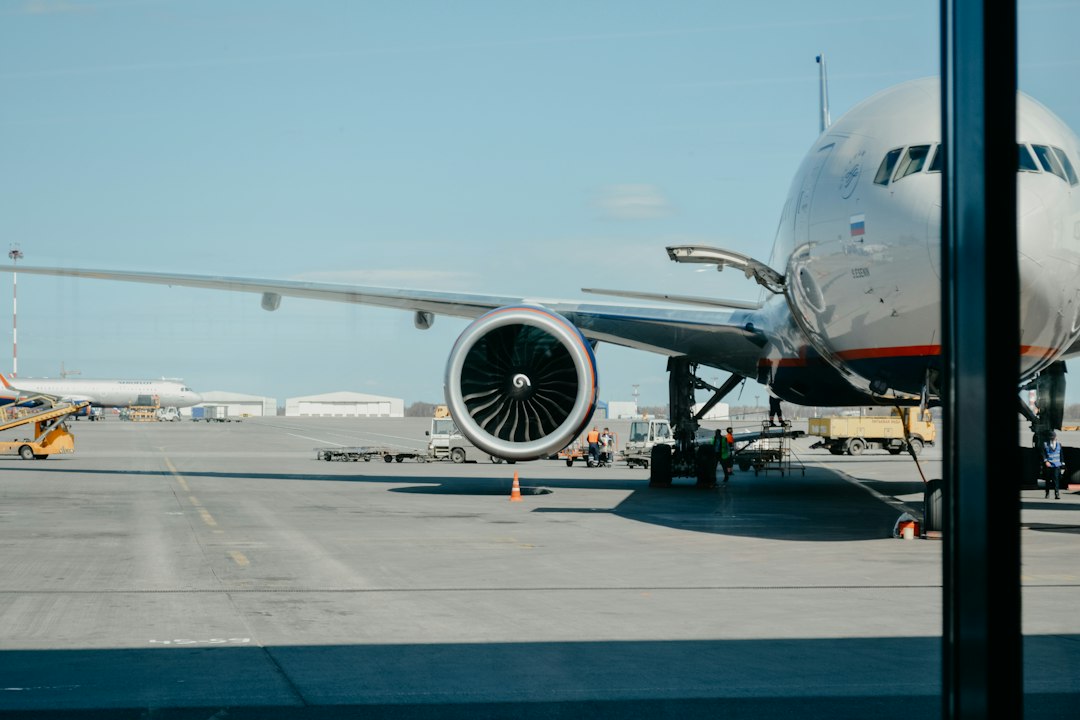
    Supreme Court Reviews Aviation Accessibility Gaps

    As the Supreme Court examines these issues, aviation companies will likely face increased pressure to improve their accessibility measures. The outcome of this case could influence how airlines approach their services, potentially creating a more inclusive travel environment for everyone. Career Ahead research shows that companies addressing accessibility proactively will not only meet legal requirements but also gain a competitive edge. As consumer awareness of disability rights rises, companies prioritizing accessibility may attract a larger customer base, enhancing their reputations and fostering loyalty.

    The Supreme Court’s findings could have implications beyond aviation. They may inspire advocacy groups to push for stricter regulations and oversight in aviation and other sectors. As the legal landscape changes, there is potential for increased scrutiny of how companies meet the needs of disabled individuals. This scrutiny could lead to a shift in industry standards, compelling companies to adopt better accessibility practices.

    In light of the Supreme Court’s inquiry, aviation policy experts must consider how to strengthen existing regulations to better protect the rights of disabled travelers. The case highlights the need for collaboration among government bodies, aviation authorities, and advocacy groups to create a more inclusive travel environment. The outcome may also influence international standards for aviation accessibility, setting a benchmark for other countries facing similar challenges. As India grows in the global aviation market, its approach to accessibility could serve as a model for other nations.

    Looking ahead, the aviation industry faces a crucial moment. The Supreme Court’s findings could reshape air travel for disabled individuals, prompting essential reforms to ensure equal access and dignity for all travelers. As stakeholders await the court’s decision, the future of aviation accessibility hangs in the balance.

    Frequently Asked Questions

    What are the latest regulations regarding disabled traveler accommodations in aviation?

    Career Ahead’s analysis shows that current regulations require airlines to provide certain accommodations for disabled travelers. However, enforcement is often lacking. The Supreme Court’s inquiry may lead to stricter guidelines and better compliance across the industry.

    How can aviation companies improve accessibility for disabled passengers?

    Aviation companies can enhance accessibility by integrating assistive technologies into their booking platforms. They should provide dedicated support for disabled travelers and ensure that all facilities meet accessibility standards. The upcoming Supreme Court ruling may catalyze these necessary changes.

    Supreme Court Reviews Aviation Accessibility Gaps

    What should aviation policy experts consider in light of the Supreme Court’s examination of accessibility issues?

    Aviation policy experts should focus on creating comprehensive frameworks that enforce accessibility standards across the industry. The Supreme Court’s findings could inform future policy developments to better protect the rights of disabled travelers.
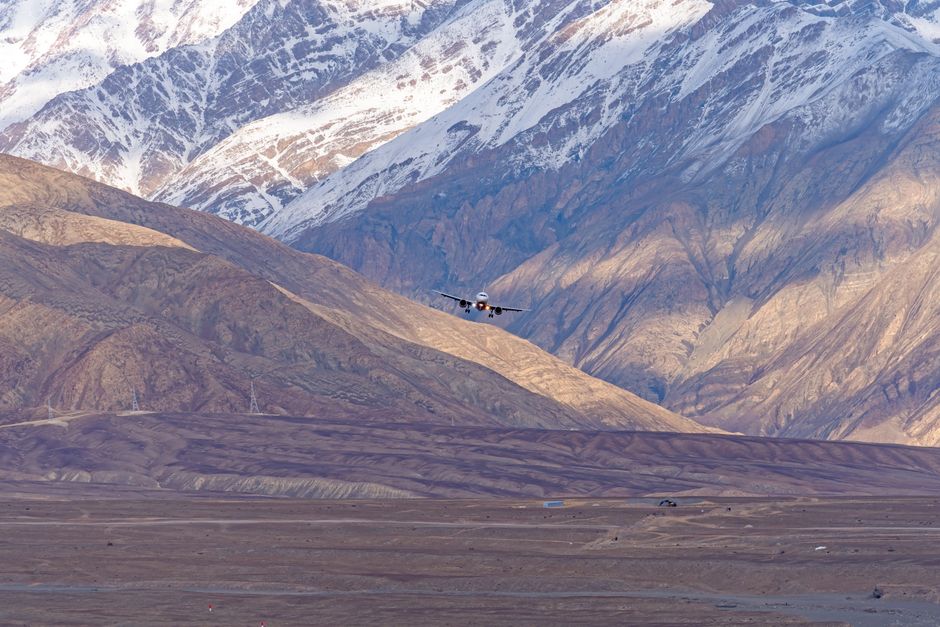

  • flyadeal Targets Major Expansion | Career Outlook

    flyadeal Targets Major Expansion | Career Outlook

    Saudi Arabia’s low-cost carrier, flyadeal, is planning a significant expansion of its operations in India, targeting major cities such as Lucknow, Delhi, Chennai, and Kolkata. This initiative comes as part of a broader strategy to enhance connectivity between India and Saudi Arabia, particularly in the wake of increasing air travel demand. The airline recently launched a new non-stop service between Mumbai and Riyadh and aims to further expand its network in India over the coming months.

    flyadeal’s expansion is expected to create numerous job opportunities across various sectors within the aviation industry. With the airline assessing flights to several key Indian cities, there is a growing need for skilled professionals in areas such as airport operations and airline marketing. This development is particularly timely, as the Indian aviation market continues to grow rapidly, becoming one of the largest in the world.

    Increased Demand for Airport Operations Staff

    As flyadeal expands its operations, the demand for airport operations staff is set to rise significantly. The airline’s plans to introduce new routes will require personnel to manage various aspects of airport operations, including ground handling, customer service, and logistics. Cities like Lucknow, Delhi, Chennai, and Kolkata will likely see a surge in job openings for roles such as ground operations managers, customer service agents, and airport coordinators.

    Career Ahead’s analysis shows that the expansion of flyadeal aligns with the Indian government’s push to enhance the aviation sector under its Vision 2030 initiative. This initiative aims to promote economic growth and job creation through increased connectivity and improved infrastructure. As a result, airport operations staff will play a crucial role in ensuring the smooth functioning of new routes and services.

    Moreover, the growth of flyadeal’s network can lead to the establishment of partnerships with local businesses, which can further enhance service offerings at airports. This collaboration may create additional job opportunities in areas such as catering, maintenance, and retail services, contributing to the overall growth of the aviation ecosystem in India. According to a report by The Hindu, this expansion is expected to not only create direct employment opportunities but also stimulate ancillary industries that support aviation operations.

    With the anticipated increase in passenger traffic, airport operations staff will need to adapt to new technologies and processes to ensure efficiency and customer satisfaction. This shift presents an opportunity for professionals in the aviation sector to upskill and position themselves favorably in a competitive job market. The need for training programs and workshops to equip staff with the necessary skills is likely to rise, further emphasizing the importance of continuous education in the aviation field.

    Opportunities for Airline Marketing Specialists

    In addition to airport operations roles, the expansion of flyadeal presents significant opportunities for airline marketing specialists. As the airline introduces new routes, marketing teams will need to develop effective strategies to attract travelers and promote its services. This includes targeted advertising campaigns, partnerships with travel agencies, and promotional offers to capture market share.

    Career Ahead research identifies that the growing competition in the Indian aviation market will require marketing specialists to be innovative and adaptable. With several airlines vying for customers, the ability to create unique selling propositions and differentiate services will be essential. Specialists will need to analyze market trends and consumer preferences to tailor their marketing strategies effectively. The competitive landscape, as highlighted by various sources, indicates that airlines must not only focus on price but also on enhancing customer experience to retain and attract passengers.

    Furthermore, the expansion of flyadeal is likely to drive the need for data-driven marketing approaches. Professionals who can leverage analytics to assess campaign performance and customer behavior will be in high demand. This trend emphasizes the importance of digital marketing skills, as airlines increasingly turn to online platforms to reach potential customers. As noted in the research from Anantamias, the integration of technology in marketing strategies will be crucial for airlines looking to thrive in a rapidly evolving market.

    flyadeal Targets Major Expansion in Indian Cities

    As flyadeal expands its presence in India, marketing specialists will have the opportunity to work on exciting projects that can shape the future of the airline’s brand in the region. The potential for career growth in this area is promising, especially for those willing to embrace new technologies and methodologies. The dynamic nature of the aviation industry necessitates that marketing professionals remain agile and responsive to changing consumer demands and preferences.

    The expansion of flyadeal is not only significant for the airline itself but also for the broader aviation industry in India. As the demand for air travel continues to rise, the entry of new players like flyadeal can stimulate competition, leading to better services and lower fares for consumers. This competitive environment is essential for the growth and development of the aviation sector.

    Higher competition can also encourage innovation within the industry. Airlines may invest in new technologies and services to enhance the travel experience. For aviation professionals, this means a dynamic work environment where adaptability and continuous learning are vital. Keeping pace with industry changes will be crucial for career advancement.

    Additionally, the expansion aligns with the Indian government’s objectives to boost tourism and strengthen economic ties with Saudi Arabia. The increase in flights between the two countries can facilitate greater cultural exchange and business opportunities, further enriching the aviation landscape. As flyadeal moves forward with its plans, stakeholders in the aviation sector should monitor developments closely. Understanding the implications of this expansion can help professionals navigate the evolving job market and seize new opportunities as they arise.

    With the aviation landscape in India changing rapidly, the future holds promise for those in the industry. The ability to adapt to new challenges and embrace innovation will be key for aviation professionals as they position themselves for success in a competitive environment.

    Frequently Asked Questions

    What roles will be created in airport operations due to flyadeal’s expansion?

    Career Ahead’s analysis indicates that flyadeal’s expansion will create roles such as ground operations managers, customer service agents, and airport coordinators. These positions will be essential for managing the new routes and ensuring efficient airport operations.

    How can airline marketing specialists leverage this expansion for career growth?

    As flyadeal expands, marketing specialists can develop strategies to attract travelers to new routes. They will need to create innovative campaigns and analyze market trends to remain competitive, presenting significant career growth opportunities.

    flyadeal Targets Major Expansion in Indian Cities

    What skills should aviation professionals develop to adapt to increased competition in the Indian market?

    Aviation professionals should focus on enhancing their digital marketing skills and data analytics capabilities. These skills will be crucial for adapting to the evolving landscape as competition increases and new technologies emerge.

  • IIT Madras builds a smarter wing

    IIT Madras builds a smarter wing

    India — Researchers at the Indian Institute of Technology Madras (IIT Madras) have created a new “morphing skin” technology for aircraft wings. This innovation improves safety and efficiency in aviation. It aims to prevent aerodynamic stalls and was detailed in a recent study published in the European Journal of Mechanics – B/Fluids.

    The research team, led by Dr. Rinku Mukherjee, developed an adaptive wing system. This system reshapes itself in real time, preventing airflow separation and maintaining lift during critical flight conditions. This development could change commercial aviation, especially for short runways or bad weather. According to a report by the Economic Times, the morphing skin technology is inspired by birds, which rarely stall due to their ability to adjust wing shapes dynamically.

    Advancements in Aerodynamic Stall Prevention

    Aerodynamic stalls are a major risk in aviation. They can lead to loss of lift and control. The morphing skin technology helps by allowing the wing’s outer skin to align with airflow. This reduces drag and enhances lift. This real-time adaptability is similar to how birds adjust their wings during flight. Dr. Mukherjee noted that their research connects natural flight with aircraft performance, stating, “Birds rarely stall, yet aircraft, despite being inspired by them, still do.” The morphing skin can maintain airflow attachment even at high tilt angles, improving flight safety during takeoffs and landings, especially at busy airports.

    Initial tests in wind tunnels showed promising results. The morphing skin not only prevented stalls but also improved fuel efficiency. By enhancing lift and reducing drag, this technology supports the aviation industry’s goals of lowering emissions and promoting sustainability. The Economic Times reported that this design could enable safer take-offs and landings, especially at busy or short runways, by allowing aircraft to operate efficiently across a wider range of flight conditions.

    Additionally, the system uses Macro Fibre Composite (MFC) strips for real-time sensing and shape changes. This makes it lightweight and efficient for modern aircraft. This feature is crucial as the aviation sector seeks to enhance performance without adding weight. The integration of MFC technology improves the morphing skin’s responsiveness and contributes to the wing’s structural integrity. It ensures the wing can withstand flight stresses while adapting to different aerodynamic conditions.

    Impact on Fuel Efficiency and Sustainability

    Fuel efficiency is vital in aviation. Rising fuel costs and environmental regulations push the industry towards sustainable practices. Career Ahead’s analysis suggests that morphing skin technology could lead to significant fuel savings, which is essential for airlines with tight budgets. The adaptive wing design allows aircraft to operate efficiently across a broader range of flight conditions, optimizing fuel use. This advancement can also help airlines meet regulatory demands for lower emissions, making this technology a performance enhancer and a compliance tool.

    As the aviation sector faces increased scrutiny over its environmental impact, innovations like morphing skin technology represent a shift towards sustainable flying. By improving aircraft’s aerodynamic properties, this technology could reduce the carbon footprint of air travel. The National Revealed reported that the technology’s ability to enhance lift while limiting drag leads to fuel savings and lower emissions, marking a crucial development for aviation’s future.

    Moreover, the implications extend beyond commercial aviation. This technology could also improve the performance of unmanned aerial vehicles (UAVs) and drones. These are increasingly used in delivery services and surveillance. Enhanced endurance and maneuverability from adaptive wings could unlock new applications for these technologies. In defense and high-performance aviation, the morphing skin could provide better control during extreme maneuvers, essential for mission success in tough environments. This flexibility is vital for maintaining stable airflow over wings during combat or bad weather.

    IIT Madras builds a smarter wing

    Overall, this technology has the potential to redefine aircraft design and operational efficiency. It paves the way for a new era in aviation that prioritizes performance and sustainability. As research progresses, the timeline for real-world applications looks promising. Dr. Mukherjee noted that the team is ready to implement this technology in actual flight conditions and has already patented their designs. This readiness suggests that the aviation industry could soon benefit from morphing skin technology.

    The ability to retrofit existing aircraft with this innovation could speed up its adoption. This would give airlines a cost-effective way to enhance the safety and efficiency of their fleets. With increasing pressure to innovate, this technology could be a game-changer for the aviation industry.

    Frequently Asked Questions

    What are the implications of morphing skin technology for aerospace engineers?

    Morphing skin technology is a major advancement for aerospace engineers. It introduces new design principles that focus on adaptability and efficiency. Engineers will need to integrate these principles into future aircraft designs to enhance safety and performance.

    How can aviation researchers implement adaptive wing designs in their projects?

    Aviation researchers can implement adaptive wing designs by using materials and technologies that allow for real-time shape changes. This includes exploring Macro Fibre Composite strips and developing models to predict airflow behavior under different conditions.

    IIT Madras builds a smarter wing

    What should aerospace engineers know about preventing aerodynamic stalls?

    Aerospace engineers should understand how airflow separation works and the importance of maintaining lift during critical flight phases. The morphing skin technology offers insights into how adaptive designs can reduce stall risks, providing a new approach to aircraft design.