Tag: autonomous vehicles

  • Waymo Plans to Offer Paid Robotaxi Rides in Singapore in 2028

    Waymo Plans to Offer Paid Robotaxi Rides in Singapore in 2028

    Singapore — Waymo plans to offer paid robotaxi rides in Singapore by 2028. This marks a big step in urban mobility solutions. The initiative fits the growing trend of using autonomous vehicles in public transport. It promises to change how residents and visitors get around the city.

    This development is important as cities worldwide face congestion and pollution. Waymo’s paid robotaxi service aims to provide a reliable alternative to traditional transport. This could ease traffic problems and improve the overall commuting experience. It may also reduce reliance on personal vehicles, leading to lower emissions and better air quality.

    Waymo’s Technological Advancements and Expansion Plans

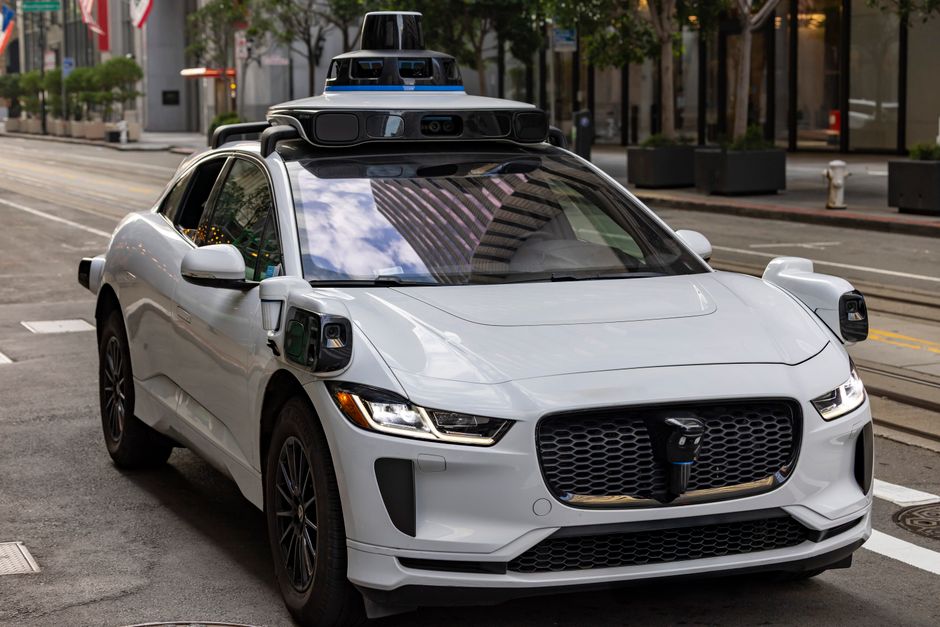
    Waymo is a leader in autonomous vehicle technology. The company has made great progress in recent years. It has successfully operated a robotaxi service in select U.S. cities, showing its ability to navigate complex urban areas without human help. Reports say Waymo plans to expand internationally, starting with Singapore. The city offers a unique chance to integrate its technology into a densely populated area.

    Career Ahead’s analysis shows that Waymo’s entry into Singapore is not just about expanding its service area. It also involves adapting its technology for a different market. Singapore’s urban design, with high-density living and advanced infrastructure, is ideal for testing autonomous vehicles. Waymo will likely work closely with local authorities to comply with regulations and optimize its services for Singapore’s unique traffic patterns.

    Waymo’s technology is expected to include advanced features like real-time traffic data analysis and predictive routing algorithms. These will be crucial for navigating Singapore’s busy streets. As Waymo prepares for its launch, it will face competition from local and international players. Companies like Grab and Gojek already dominate the ride-hailing market in Southeast Asia. Waymo’s challenge will be to stand out by using its advanced autonomous technology while meeting local consumer needs.

    Additionally, launching a paid robotaxi service in Singapore will require sophisticated routing algorithms and real-time traffic management systems. Waymo’s technology must integrate smoothly with existing transport infrastructure, including public transit. This integration is vital for ensuring the service is efficient and user-friendly, allowing smooth transitions between different transport modes.

    Impact on Urban Transportation Planning

    Waymo’s paid robotaxi service will greatly impact urban transportation planning in Singapore. Urban planners must find ways to integrate these autonomous vehicles into existing transport systems. This includes planning designated pick-up and drop-off zones to ensure robotaxis operate efficiently without disrupting pedestrians or other vehicles.

    The presence of robotaxis may also prompt a reevaluation of public transport systems. As autonomous vehicles become more common, planners might need to rethink the roles of buses and trains. For example, if robotaxis offer on-demand service at a lower cost, there could be less demand for fixed-route public transit. This shift may lead to reallocating resources to enhance the robotaxi network, improving service coverage and frequency.

    Career Ahead research shows that the shift to autonomous transport will create new job opportunities in urban planning and engineering. Professionals will need to develop skills in integrating autonomous systems with traditional infrastructure. This includes understanding the technical needs of autonomous vehicles and how they interact with existing traffic systems. The urban landscape will also need to adapt to accommodate robotaxis, such as designated lanes or traffic signals prioritizing these vehicles.
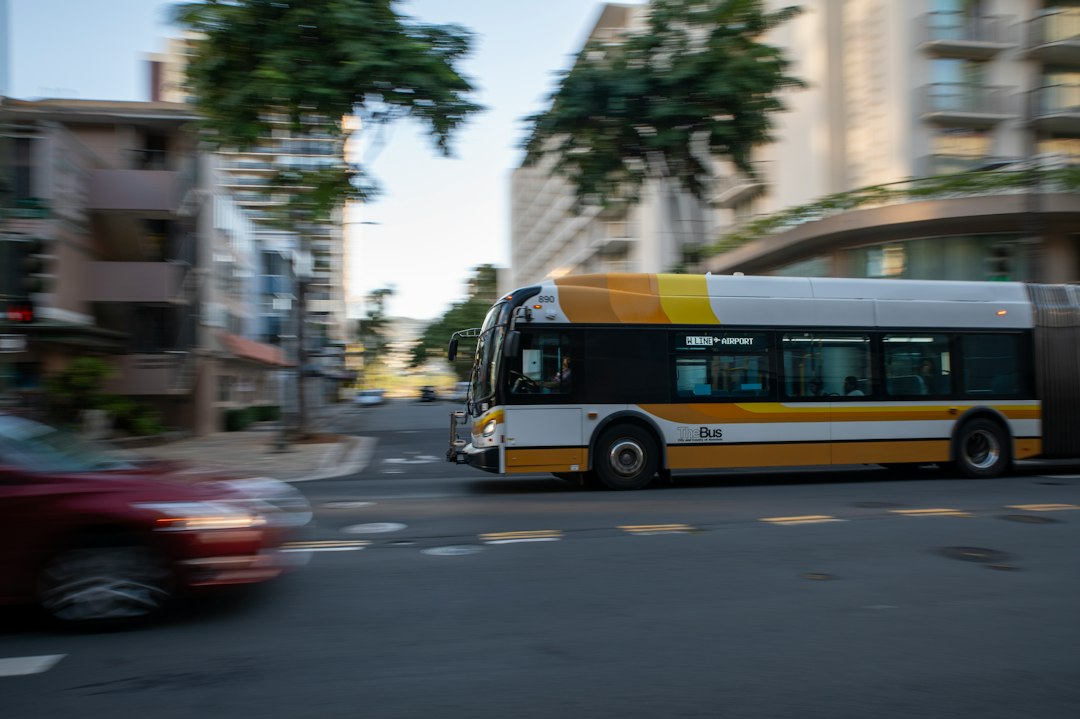
    Waymo Plans to Offer Paid Robotaxi Rides in Singapore in 2028

    Moreover, urban planners must address challenges like the impact of increased robotaxi usage on traffic patterns and parking. A rise in robotaxis could change street usage and require new regulations for vehicle operations. Planners will need to consider these factors to ensure the integration of robotaxis enhances the urban environment. Successful implementation of Waymo’s service could serve as a model for other cities adopting similar technologies.

    Waymo’s expansion into Singapore is expected to create many job opportunities in the autonomous vehicle sector. As the company builds its infrastructure and develops its services, there will be a demand for skilled workers in fields like engineering, software development, and urban planning. This job growth is crucial in a post-pandemic economy where many sectors are still recovering. According to NXS Media Wire, the autonomous vehicle industry is projected to grow significantly in the coming years, potentially generating thousands of jobs globally. As companies like Waymo expand, they will seek talent that can innovate and adapt to new technologies. This trend may encourage educational institutions to align their curricula with the skills needed in this evolving job market.

    Additionally, the economic effects of introducing a paid robotaxi service go beyond job creation. Improved transportation efficiency can reduce travel times and lower costs for consumers. This could boost economic activity by making it easier for people to access jobs, education, and services throughout the city. As urban mobility solutions like Waymo’s robotaxi service become more common, cities may also see increased investments in infrastructure to support these technologies. This could include upgrades to roadways, traffic management systems, and public transport facilities, further enhancing the urban environment.

    If successful, Waymo’s robotaxi service in Singapore could inspire other cities to explore similar initiatives. This could lead to a domino effect, encouraging more cities to integrate autonomous vehicles into their transport networks. Waymo’s plans for a paid robotaxi service in Singapore signal a major shift in urban mobility solutions. As the company prepares for its 2028 launch, it will focus on how well it can integrate its technology into Singapore’s transport landscape. The results of this initiative will likely influence future urban transportation policies and the broader adoption of autonomous vehicles worldwide.

    Frequently Asked Questions

    What technologies are essential for autonomous vehicle engineers working on robotaxi services?

    Engineers in the autonomous vehicle sector must know machine learning, computer vision, and sensor fusion technologies. These skills help develop the algorithms and systems needed for safe and efficient robotaxi operations.

    How can urban transportation planners prepare for the integration of robotaxis in city infrastructure?

    Urban planners should create designated areas for robotaxi pick-up and drop-off. They must also consider how these vehicles will interact with existing public transport systems. Collaboration with autonomous vehicle companies is crucial for effective planning.

    Waymo Plans to Offer Paid Robotaxi Rides in Singapore in 2028

    What should autonomous vehicle engineers consider when designing for international markets like Singapore?

    Engineers should consider local regulations, cultural preferences, and unique urban landscapes when designing autonomous systems for international markets. Adapting technology to fit these specific contexts is essential for successful implementation.
  • Waymo Expands Paid Robotaxi Service to Las Vegas, Its

    Waymo Expands Paid Robotaxi Service to Las Vegas, Its

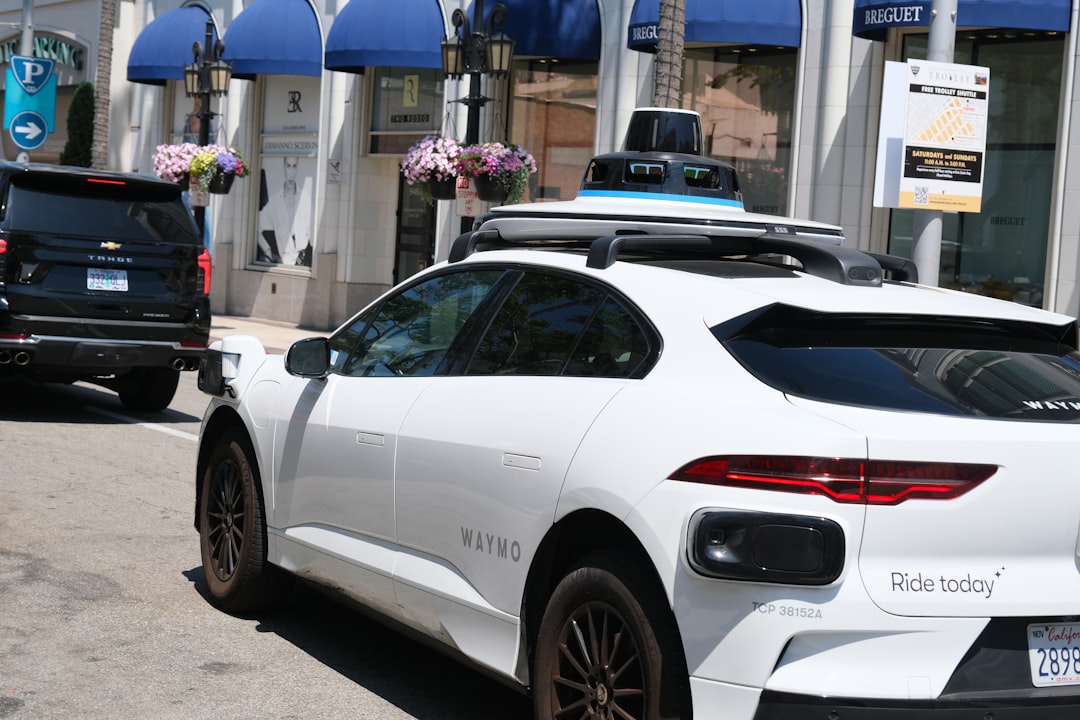
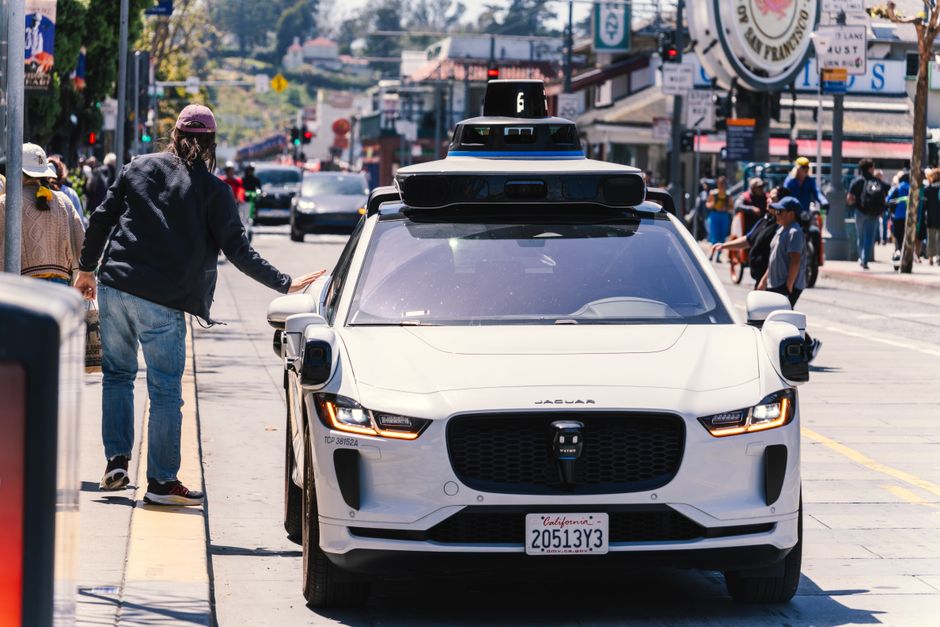
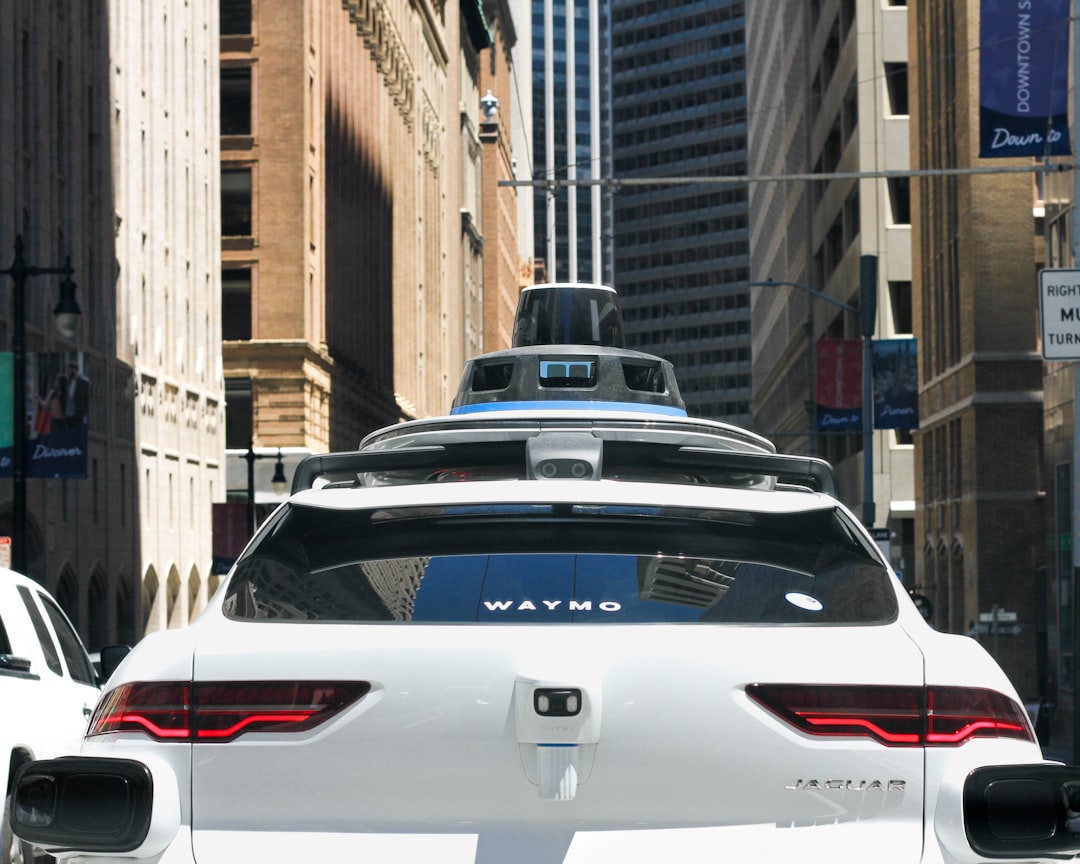
    Las Vegas, US — Waymo has launched its paid robotaxi service in Las Vegas. This marks its 15th city of operation. Riders can now access Waymo’s autonomous vehicles throughout the city. This expansion increases the availability of driverless transport options. It is part of Waymo’s strategy to integrate autonomous vehicle technology into urban areas across the United States.

    This move is important for urban transportation. It shows a growing acceptance of autonomous mobility solutions. By introducing paid services, Waymo aims to create a sustainable model for its robotaxi operations. This could influence future regulations and urban planning initiatives.

    Rising Demand for Autonomous Vehicle Expertise

    Waymo’s paid services in Las Vegas highlight a rising demand for expertise in autonomous vehicle technology. As the company grows, it will need a skilled workforce. This includes experts in software engineering, systems integration, and vehicle safety protocols. Career Ahead’s analysis shows that job openings in the autonomous vehicle sector will rise significantly in the coming years.

    According to data from startupfortune.com, the autonomous vehicle market is set to grow. This will create opportunities for engineers specializing in machine learning, robotics, and AI. As cities adopt these technologies, the need for professionals to design, implement, and maintain AV systems will be critical.

    With Waymo’s entry into Las Vegas, local schools may develop programs to equip students with necessary skills. Programs focusing on autonomous systems, urban mobility, and data analytics will be vital for training the next generation of engineers.

    Career Ahead research shows that engineers with AI and machine learning experience will be in high demand. This aligns with current job market trends, where companies prefer candidates with hands-on experience in AV technologies.

    As technology matures, engineers must also focus on regulatory compliance and ethical issues. Understanding local regulations and community needs is key for professionals in this evolving field.

    New Urban Planning Considerations for Robotaxi Services

    Waymo’s expansion into Las Vegas requires a reevaluation of urban planning strategies. As robotaxi services grow, city planners must think about how to integrate these vehicles into existing transportation networks. This includes looking at traffic patterns, parking needs, and public transport connections.

    Urban planners need to work closely with companies like Waymo. This will ensure that infrastructure supports the safe operation of autonomous vehicles. Collaboration could lead to dedicated AV lanes, optimized traffic signals, and designated pick-up and drop-off zones, as reported by fox5vegas.com.

    The introduction of robotaxi services also raises questions about land use and zoning laws. Cities may need to change their zoning regulations to accommodate new transportation modes. This could affect urban density and development patterns.

    Waymo Expands Paid Robotaxi Service to Las Vegas, Its 15th City

    Career Ahead analysis finds that integrating autonomous vehicles into cities will require planners to rethink traditional transportation models. The focus will shift from personal vehicle ownership to shared mobility solutions. This could reshape city landscapes and reduce congestion.

    As cities prepare for these changes, planners must engage with communities. They need to address concerns about safety, accessibility, and equity. Ensuring that AV services are available to all residents, including underserved populations, is crucial for public acceptance of this technology.

    In summary, Waymo’s expansion presents both challenges and opportunities for urban planners. Adapting to this new reality will require innovative thinking and collaboration between technology providers and city officials.

    As Waymo continues to grow, the implications for job seekers and urban planners become clearer. The demand for skilled professionals in engineering and planning roles will increase, shaping the future of urban mobility.

    Looking ahead, Waymo’s success in Las Vegas could serve as a model for other cities. As more data on operational efficiency and public response becomes available, we may see rapid adoption of autonomous vehicles across the country.

    Frequently Asked Questions

    What skills do autonomous vehicle engineers need to work with Waymo?

    Engineers at Waymo should have strong skills in machine learning, robotics, and software development. Experience with autonomous systems and knowledge of vehicle safety protocols are also essential.

    How can urban transportation planners adapt to the rise of robotaxi services?

    Urban planners can adapt by working with AV companies to integrate robotaxi services into existing networks. This includes rethinking infrastructure, zoning laws, and community engagement strategies for equitable access.

    Waymo Expands Paid Robotaxi Service to Las Vegas, Its 15th City

    What should autonomous vehicle engineers do to prepare for increased demand in urban areas?

    Engineers should gain hands-on experience with AV technologies and stay updated on regulatory changes. Building a strong portfolio showcasing relevant projects will enhance job prospects in this growing field.

  • Zoox’s Strategies Disrupt Waymo’s Autonomous Vehicle Lead

    Zoox’s Strategies Disrupt Waymo’s Autonomous Vehicle Lead

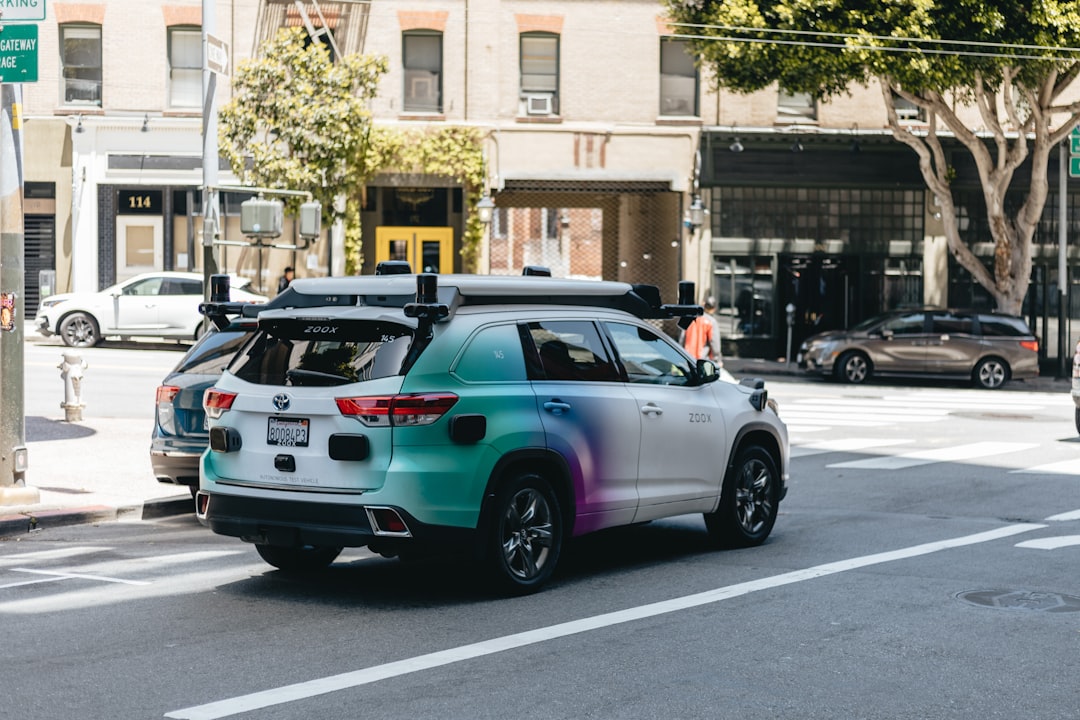
    San Francisco, US — Amazon’s Zoox is stepping up against Waymo in the autonomous vehicle market. With unique marketing strategies and advanced vehicle designs, Zoox aims to reshape urban mobility. This shift comes at a critical time as competition in self-driving technology intensifies.

    Zoox’s approach includes creative marketing tactics like wine pop-ups and festival sponsorships. These strategies help distinguish it from competitors. By engaging potential users in innovative ways, Zoox seeks to build a brand that resonates with urban consumers looking for modern transportation solutions.

    Innovative Marketing Strategies Set Zoox Apart

    Zoox is not just another player in the autonomous vehicle race; it is redefining audience engagement. The company uses experiential marketing techniques to create memorable interactions. For example, hosting wine pop-ups allows potential riders to experience the brand in a relaxed, social setting.

    Festival sponsorships further boost Zoox’s visibility. By associating with popular events, Zoox reaches a diverse audience, showcasing its vehicles in real-world environments. This strategy contrasts sharply with Waymo, which has focused mainly on traditional advertising and partnerships.

    These marketing efforts are not just about visibility; they aim to create a community around the brand. Zoox’s tactics encourage potential users to see themselves in a new urban mobility landscape. This community-building approach is crucial in a sector where user trust and familiarity are essential.

    Research indicates that innovative marketing strategies can significantly impact user adoption rates. By creating engaging experiences, Zoox is likely to foster a loyal customer base that feels connected to the brand. This sets a precedent for future marketing in the tech industry.

    As Zoox continues to leverage experiential marketing, it may influence how other transportation startups formulate their strategies. The success of these methods could lead to a broader trend of immersive marketing in tech, changing how consumers perceive and interact with technology.

    Technological Advancements in Zoox’s Vehicle Design

    Beyond marketing, Zoox is making waves with its technological innovations. The company’s vehicles are designed from the ground up for autonomous operation. They feature a unique bi-directional design that enhances maneuverability. This design allows for a more flexible approach to urban driving, making it easier to navigate congested city streets.

    Zoox’s vehicles are equipped with advanced sensor systems that provide a comprehensive view of their surroundings. This technology is crucial for safety and efficiency in urban environments. The integration of AI algorithms further enhances the vehicle’s ability to learn from its surroundings, improving performance over time.

    In contrast, Waymo’s vehicles, while technologically advanced, are built on existing car models. This approach may limit their adaptability to the specific needs of urban mobility. Zoox’s fresh design philosophy could give it an edge in creating vehicles better suited for the complexities of city driving.

    Zoox's Strategies Disrupt Waymo's Autonomous Vehicle Lead

    As urban areas become more congested, the demand for innovative vehicle designs will grow. Companies that adapt to these changing environments will likely see increased interest from consumers and investors. Zoox’s commitment to developing a vehicle tailored for urban settings positions it favorably in a competitive landscape.

    Competitive Landscape: Zoox vs. Waymo

    The competition between Zoox and Waymo highlights the broader challenges facing autonomous vehicle companies. Waymo has established a significant lead in the self-driving market through extensive testing and strategic partnerships. However, Zoox’s unique approach may allow it to carve out a niche.

    Waymo’s focus has been on building a robust operational network, including ride-hailing services. While this model has proven successful, it may not resonate with all urban consumers. Zoox’s emphasis on creating a lifestyle brand may attract a different demographic, especially younger users seeking modern and engaging transportation options.

    Moreover, the regulatory landscape poses challenges for both companies. As cities grapple with the implications of autonomous vehicles, regulations will shape how these companies operate. Zoox’s proactive approach to community engagement may position it favorably when navigating these regulatory hurdles.

    Zoox's Strategies Disrupt Waymo's Autonomous Vehicle Lead

    The future of urban mobility will depend on how well companies adapt to changing consumer preferences and regulatory environments. Zoox’s innovative marketing and vehicle design strategies could provide a blueprint for success in this evolving landscape.

    Risks, Trade-Offs, and What Comes Next

    The ongoing rivalry between Zoox and Waymo will be pivotal in shaping the future of autonomous vehicles. As both companies refine their strategies, the outcomes will likely influence market dynamics and consumer expectations across the industry.

    As the autonomous vehicle market evolves, it will be essential to monitor how these companies adapt to emerging trends. The battle for urban mobility supremacy is just beginning, raising questions about what the future holds for consumers and investors alike.

    Zoox's Strategies Disrupt Waymo's Autonomous Vehicle Lead

    Frequently Asked Questions

    What innovative marketing strategies can autonomous vehicle engineers learn from Zoox?

    Zoox’s use of experiential marketing, like wine pop-ups and festival sponsorships, offers valuable lessons in engaging potential users. These strategies create memorable interactions that can foster a loyal customer base.

    How can transportation startup founders leverage unique branding to compete with established players?

    By adopting innovative marketing tactics and focusing on community engagement, startup founders can differentiate their brands. Zoox’s approach shows the effectiveness of building a lifestyle brand in a competitive market.

    What should autonomous vehicle engineers focus on to improve their product’s market appeal?

    Engineers should prioritize user experience and adaptability in vehicle design. Zoox’s unique bi-directional design and advanced technology highlight the importance of creating vehicles tailored for urban environments.

  • How Zoox Challenges Waymo in the Autonomous Vehicle Market

    How Zoox Challenges Waymo in the Autonomous Vehicle Market

    San Francisco, US — Zoox, Amazon’s autonomous vehicle subsidiary, is stepping up its competition with Waymo. It is doing this through unique marketing strategies and innovative vehicle designs. As of September 2026, Zoox is not just another player in the autonomous vehicle market. It is creating a distinctive identity through experiential marketing, including wine pop-ups and festival sponsorships. This aims to attract both riders and investors.

    This strategic shift comes as urban mobility evolves rapidly. Waymo has long been recognized for its technological advancements and strong operational framework in autonomous driving. However, Zoox’s approach is different. It focuses on creating a brand that connects with users on a personal level. This difference could change how consumers view autonomous vehicles, especially in cities.

    Innovative Marketing Strategies That Stand Out

    Zoox is using unconventional marketing tactics to stand out from Waymo. By organizing wine pop-ups and sponsoring local festivals, Zoox connects directly with potential users. These events allow the company to showcase its vehicles in a relaxed environment, turning product demonstrations into social experiences. This strategy garners attention and builds community engagement and brand loyalty.

    According to Career Ahead’s analysis, this unique marketing approach reflects a broader trend in tech industries. Experiential marketing is becoming essential for user engagement. Companies like Zoox recognize that consumers today want more than just a product; they seek experiences that align with their lifestyle and values. This shift could increase brand preference among younger consumers who value experiences over traditional advertising.

    Moreover, Zoox’s marketing efforts aim to make autonomous technology less intimidating. By involving the community in fun, interactive events, Zoox makes autonomous vehicles more relatable. This approach contrasts with Waymo’s conventional marketing, which often emphasizes technical superiority. Zoox’s experiential marketing may help it capture a market segment that values emotional connections over technical specifications.

    As Zoox continues to innovate in marketing, it sets a new standard for how transportation startups can engage consumers. This can inspire other companies in the sector to adopt similar strategies, potentially reshaping the autonomous vehicle market.

    Technological Advancements in Vehicle Design

    Beyond marketing, Zoox is also advancing vehicle design to differentiate itself from Waymo. The company has developed a bi-directional vehicle designed specifically for urban environments. This design allows for greater maneuverability and efficiency in crowded cityscapes, addressing key challenges for autonomous vehicles today.

    Zoox’s vehicle features a unique design that removes the need for a traditional front or rear. This enables it to navigate tight spaces and make quick turns. This innovation could be a game-changer in urban settings where space is limited. Career Ahead research shows that urban mobility solutions must prioritize adaptability and efficiency, and Zoox’s design reflects this understanding.

    Additionally, the integration of advanced AI technologies into Zoox’s vehicles boosts their safety and operational capabilities. The company focuses on real-time data processing, allowing its vehicles to make split-second decisions in complex environments. This emphasis on safety and responsiveness is crucial for gaining consumer trust, especially as public acceptance of autonomous vehicles remains a hurdle.

    How Zoox Challenges Waymo in the Autonomous Vehicle Market

    As Zoox refines its technology, it may also influence regulatory discussions around autonomous vehicles. Demonstrating the effectiveness and safety of its designs could help pave the way for broader acceptance and regulatory approval, benefiting Zoox and the entire industry.

    The Competitive Landscape in Urban Mobility

    The competition between Zoox and Waymo highlights the broader dynamics of the autonomous vehicle market. While Waymo has established itself as a leader with extensive operational experience, Zoox is carving out a niche by focusing on user experience and community engagement. This approach could lead to a more diverse market where different companies meet varying consumer needs.

    Waymo’s strategy has primarily focused on technological advancement and scalability. However, as Zoox shows, there is great value in connecting with consumers personally. This shift could create a more segmented market, where companies like Zoox appeal to urban dwellers seeking innovative, user-friendly solutions.

    Furthermore, the rise of experiential marketing in tech may signal a change in how companies engage potential users and investors. By prioritizing user experience, Zoox is not only differentiating itself from Waymo but also setting a new standard for how autonomous vehicle companies communicate their value.

    How Zoox Challenges Waymo in the Autonomous Vehicle Market

    As competition intensifies, both Zoox and Waymo must adapt to changing consumer expectations. The evolving landscape of urban mobility presents opportunities for innovation but also challenges as companies compete for market share. Zoox’s strategies may serve as a blueprint for other startups entering the autonomous vehicle space.

    In this fast-paced environment, the question remains: will Zoox’s unique strategies be enough to challenge Waymo’s dominance, or will the established player continue to lead the market? The coming months will be crucial as both companies navigate this competitive landscape.

    Frequently Asked Questions

    What innovative marketing strategies can autonomous vehicle engineers learn from Zoox?

    Career Ahead analysis shows that Zoox’s use of experiential marketing, like wine pop-ups and festival sponsorships, effectively engages consumers and builds brand loyalty. This approach can inspire engineers to think creatively about connecting with potential users beyond traditional advertising.

    How can transportation startup founders leverage unique branding to compete with established players?

    Transport startup founders can learn from Zoox’s focus on community engagement and user experience. By creating memorable experiences that resonate with consumers, startups can carve out a niche in competitive markets dominated by larger companies.

    How Zoox Challenges Waymo in the Autonomous Vehicle Market

    What should autonomous vehicle engineers focus on to improve their product’s market appeal?

    Engineers should prioritize user-centered design and safety features in their vehicles. By focusing on real-world usability and integrating advanced AI technology, engineers can enhance the appeal of their products in urban environments.