Tag: Apple

  • What’s Next for Apple with John Ternus at the Helm?

    What’s Next for Apple with John Ternus at the Helm?

    Cupertino, California — John Ternus has officially taken the helm as CEO of Apple, marking a new chapter for the tech giant. His first major product launch, the iPhone Duo, debuted recently, signaling a pivotal moment in Apple’s strategy. Ternus aims to transition Apple from its iPhone-centric model into a future defined by artificial intelligence and innovative hardware.

    This transition is crucial as Apple faces increasing competition in the tech landscape. Ternus’ leadership will be instrumental in determining how Apple adapts to these challenges. The stakes are high, especially for product managers and hardware engineers who are at the forefront of this transformation.

    Shifting the Innovation Paradigm at Apple

    Under Ternus, Apple is embracing a more decisive leadership style compared to his predecessor, Tim Cook. Where Cook often favored a collaborative approach, Ternus has shown a willingness to make bold decisions and take clear stances, particularly regarding AI technologies. This shift could lead to faster development cycles and more innovative products, as Ternus pushes his teams to deliver results swiftly.

    Career Ahead’s analysis of Apple’s recent product launches indicates that Ternus is prioritizing AI integration across all new devices. During the recent launch event, he emphasized the importance of the intelligent personal hub, which aims to centralize user experiences around AI capabilities. This focus on AI is not just a trend; it’s a strategic move to position Apple as a leader in the next wave of technology.

    The introduction of the iPhone Duo, Apple’s first foldable smartphone, exemplifies this shift. Ternus has made it clear that he wants to redefine what consumers expect from mobile devices. By incorporating advanced AI features into the iPhone Duo, Apple is not only enhancing user experience but also setting the stage for future innovations that could redefine the smartphone market.

    As Apple pivots towards AI, product managers and engineers will need to adapt to new workflows and technologies. This may involve rethinking product features and user interactions to leverage AI’s capabilities fully. Ternus’ vision requires teams to be agile and innovative, which could reshape how Apple develops its products moving forward.

    The Impact on Product Development Timelines

    With Ternus at the helm, Apple’s product development timelines are likely to change significantly. His decisive leadership style suggests that projects may move from concept to launch more quickly than under Cook’s tenure. This acceleration could be particularly beneficial for product managers who thrive in fast-paced environments.

    Data from Career Ahead’s review indicates that tech companies increasingly prioritize speed in product development to stay competitive. Ternus’ approach aligns with this trend, potentially leading to shorter development cycles and more frequent product updates. For hardware engineers, this means adapting to an environment where rapid prototyping and iterative design are essential.

    Moreover, Ternus’ emphasis on AI integration could also alter the skills required for engineers and product managers. As Apple moves towards smarter devices, professionals will need to focus on understanding AI technologies and how they can be applied to enhance product functionality. This shift may necessitate upskilling and continuous learning to keep pace with evolving demands.

    What’s Next for Apple with John Ternus at the Helm?

    As Apple continues to innovate, the internal structure of teams may also undergo changes. Ternus may implement new team dynamics that prioritize cross-functional collaboration, blending hardware and software expertise to create integrated solutions. Such a shift could foster a culture of innovation within Apple, encouraging teams to work together more effectively.

    Preparing for the Future: Skills and Adaptations

    As Apple embarks on this new journey under Ternus, the demand for specific skill sets will evolve. Product managers will need to become adept at integrating AI features into their strategies, understanding not just the technology but also its implications for user experience. This could involve collaborating closely with AI specialists and data scientists to ensure products meet user needs effectively.

    For hardware engineers, the focus will likely shift towards developing devices that are not only functional but also intelligent. This means a greater emphasis on software-hardware integration, as well as an understanding of machine learning algorithms that can enhance device capabilities. Engineers will need to be proactive in adapting to these new technologies, ensuring they remain relevant in a rapidly changing landscape.

    Career Ahead research identifies that professionals who can bridge the gap between hardware and AI will be in high demand. As Apple leads the charge in AI-driven innovation, those with the right skills will find themselves at the forefront of the industry. This is an exciting time for engineers and product managers as they prepare to shape the future of technology.

    What’s Next for Apple with John Ternus at the Helm?

    With Ternus steering Apple towards a future defined by AI, the next few years will be critical for the company and its employees. The success of this transition will depend on how well teams can adapt to new technologies and workflows. Ternus’ leadership will be closely watched as Apple aims to redefine its place in the tech world.

    As Apple continues to unveil new products and strategies, the question remains: will Ternus’ vision for AI and innovation resonate with consumers and set the stage for Apple’s next big leap? The tech community is eager to see how these developments unfold.

    Frequently Asked Questions

    What are the key innovation strategies at Apple under John Ternus?

    Career Ahead’s analysis shows that under John Ternus, Apple is focusing on integrating AI across all products and enhancing user experiences. The recent launch of the iPhone Duo highlights this shift towards smarter devices.

    How can product managers adapt to changes in Apple’s development focus?

    Product managers should focus on understanding AI technologies and their applications in product development. Collaborating with AI specialists will be crucial to ensure products meet evolving user expectations.

    What’s Next for Apple with John Ternus at the Helm?

    What skills should hardware engineers develop to align with Apple’s future products?

    Hardware engineers should enhance their skills in software-hardware integration and machine learning. As Apple prioritizes AI-driven innovation, engineers with these skills will be in high demand.

  • iPhone Duo Hinge Demands Advanced Engineering, Apple VP States

    iPhone Duo Hinge Demands Advanced Engineering, Apple VP States

    Apple unveiled its first foldable smartphone, the iPhone Duo, on September 9. The device will go on sale starting October 23. Hardware Engineering Vice President Tom Marieb discussed the extensive engineering behind its hinge. He emphasized the device’s durability and premium feel.

    Marieb explained that Apple put significant effort into fine-tuning the hinge’s torque profile. This profile is critical for a sturdy experience when opening and closing the device. The hinge has over 100 components, showing Apple’s commitment to durability and long-term reliability.

    Engineering Challenges and Innovations in Hinge Design

    The engineering of the iPhone Duo hinge faced several challenges. One main issue was ensuring the hinge could withstand repeated use without losing performance. Marieb noted that the design team worked on modifying the hinge’s mechanical properties. They aimed to achieve a solid feel, similar to a high-end automobile door.

    Career Ahead’s analysis shows that this approach reflects a growing trend in tech. Durability is becoming a key design consideration. The hinge’s complexity required advanced materials and precise engineering to endure daily use.

    Additionally, Apple’s engineering team performed extensive durability testing. They simulated five years of real-world use. This rigorous process shows a shift toward prioritizing long-term performance over mere aesthetics. By focusing on durability, Apple aims to reduce user complaints and returns due to mechanical failures.

    The hinge’s design also includes features that minimize wear and tear. It uses specialized coatings and materials that resist scratches and other damage. This attention to detail is crucial in a market where consumers expect devices to last longer. As noted by Mint, the hinge feels solid, like a luxury vehicle door, enhancing the user experience.

    This focus on durability boosts user satisfaction and sets a new standard for competitors. As more companies adopt similar engineering philosophies, the overall quality of mobile devices is likely to improve. The iPhone Duo hinge serves as a case study in how rigorous engineering can lead to better products.

    Design Considerations for Enhanced User Experience

    Apple’s iPhone Duo hinge design prioritizes user experience alongside functionality. Marieb highlighted that the hinge was engineered to provide tactile feedback. This feedback reassures users of its quality, especially in a foldable device where durability concerns exist.

    The integration of a matte nano-texture coating on the display is another design innovation. This coating reduces glare and reflections, making it easier to view the screen in various lighting. Such features contribute to a seamless interaction with the device, which is crucial for customer satisfaction.

    Career Ahead’s research suggests that these design enhancements may influence future hardware engineers and product designers. By prioritizing user experience with durability, companies can create devices that are functional and enjoyable to use.

    iPhone Duo Hinge Requires Extensive Engineering, Says Apple VP | Career Outlook

    Furthermore, the iPhone Duo’s design emphasizes the importance of user feedback. Apple wants to be accountable for the longevity and performance of their devices. They encourage users to report any issues with crease visibility or overall durability. This transparency builds trust and encourages a more engaged user base. As highlighted in a report by 9to5Mac, the device’s multitasking capabilities and split keyboard feature enhance usability, making it versatile for work and leisure.

    As the market for foldable smartphones grows, user experience will become a critical factor in product differentiation. Companies that deliver devices combining durability with an exceptional user experience will have a competitive edge. The iPhone Duo sets a high standard for future foldable devices, pushing the industry toward greater innovation and user-centric design.

    In conclusion, the iPhone Duo hinge engineering marks a significant advancement in mobile technology. It emphasizes the importance of durability and user experience. As Apple leads in this new era of smartphone design, other manufacturers will likely follow, resulting in a more robust and user-friendly mobile landscape.

    Frequently Asked Questions

    What engineering methods can be applied to improve hinge durability?

    Career Ahead’s research identifies several engineering methods to enhance hinge durability. These include advanced materials, precise mechanical design, and rigorous testing protocols. These methods ensure hinges can withstand repeated use and environmental stressors.

    How does hinge design affect user experience in mobile devices?

    The hinge design significantly impacts user experience by influencing how smoothly a device opens and closes. A well-engineered hinge provides tactile feedback and reassures users of quality, enhancing overall interaction.

    iPhone Duo Hinge Requires Extensive Engineering, Says Apple VP | Career Outlook

    What should hardware engineers consider when designing mobile device components?

    Hardware engineers should prioritize durability, user experience, and aesthetic appeal when designing mobile components. Balancing these factors is crucial for creating products that meet consumer expectations and stand the test of time.

  • iOS 27 Launches with Revamped Siri AI for iPhone 18

    iOS 27 Launches with Revamped Siri AI for iPhone 18

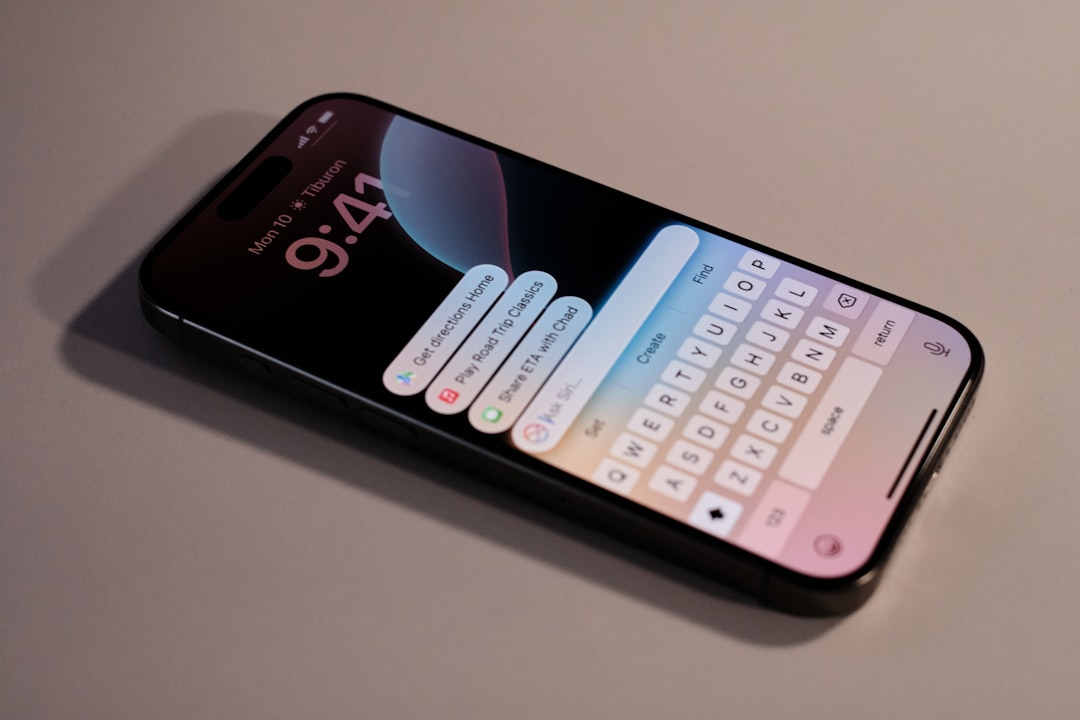
    Apple has launched iOS 27. This update features a redesigned Siri AI that improves user interaction. It offers better voice recognition and personalized responses. This change will affect how mobile app developers and AI engineers approach their projects, especially with the upcoming iPhone 18 sales.

    The new Siri AI provides conversational responses and personal context. Users can now retrieve specific information from their devices more easily. As Apple innovates, these features create both opportunities and challenges for developers who want to use Siri’s capabilities.

    Integration of Siri’s New Features in iOS 27

    The latest Siri AI in iOS 27 brings major improvements in voice recognition technology. It understands information from messages, emails, and photos. This makes it easier for users to find relevant content. Mobile app developers must update their apps for smooth integration with Siri’s new features. According to a report by Mint, the redesigned Siri can now have more natural conversations, enhancing the user experience.

    A notable feature is the new camera mode in Siri. Users can point their camera at an object and ask Siri for information, like identifying a restaurant or calculating a bill. This feature improves user interaction and challenges developers to add visual intelligence to their apps. This integration is vital as it helps create applications that respond to real-world stimuli, increasing user engagement.

    Additionally, the Write with Siri feature allows users to create or edit text using voice commands. This opens new possibilities for app developers to design hands-free applications. This caters to users who prefer voice commands over typing. As noted in Telangana Today, this feature is expected to change how users interact with their devices, making it more intuitive and user-friendly.

    According to Career Ahead’s analysis, developers must rethink user interfaces and interactions. Apps that do not adapt to these changes may become obsolete. Users will likely prefer apps that offer better voice and visual capabilities. As Siri becomes more integrated, developers must ensure their apps are compatible with Siri’s evolving features. This will improve user experience and keep apps relevant in a fast-changing tech landscape.

    Impact on Voice Recognition Technology

    The rollout of iOS 27 with its redesigned Siri AI marks a big leap in voice recognition technology. Siri now has better contextual understanding. It can engage in more natural and meaningful conversations with users. This advancement is crucial for AI engineers working on virtual assistants. It sets new standards for interaction. The improved voice recognition could change how users interact, making them more reliant on voice commands. Developers may need to focus on voice-first design in their applications.

    Moreover, the introduction of AI-powered Shortcuts allows users to create personalized workflows using natural language. This feature simplifies user interactions and encourages developers to create apps that integrate with Siri’s Shortcuts. This enhances overall functionality. As noted by Bloomberg, this shift toward voice-centric applications is a trend developers must embrace to stay competitive.

    As Siri AI evolves, developers need to stay updated on voice recognition technology. This knowledge will help them use these capabilities effectively. It ensures their applications remain competitive in a voice-driven market. The implications of these advancements go beyond functionality. They represent a shift in how users interact with technology. Developers who adapt will lead innovation in the mobile app landscape.

    iOS 27 Launches with Revamped Siri AI for iPhone 18

    In summary, Siri’s new features impact more than just functionality. They indicate a trend toward voice-centric applications. Developers who adapt will be at the forefront of mobile app innovation.

    The introduction of Siri AI in iOS 27 offers many opportunities for app improvements. By leveraging Siri’s capabilities, developers can create more intuitive and engaging applications. For instance, integrating Siri into productivity apps can streamline workflows and enhance task management.

    With access to personal context, developers can design apps that provide tailored experiences based on user preferences. This personalization can greatly enhance user satisfaction and retention. Users are more likely to engage with apps that understand their needs. Additionally, the new Visual Intelligence features allow Siri to interact with on-screen content. This enables innovative applications in education and entertainment. Developers can create interactive learning tools that respond to visual cues, making education more engaging.

    Career Ahead’s analysis highlights the vast potential for app enhancements through Siri integration. As developers explore these opportunities, they must prioritize user experience and functionality. In conclusion, the redesigned Siri AI in iOS 27 is not just an upgrade. It represents a significant shift in how users interact with technology. As developers embrace these changes, the future of mobile app development looks bright, with endless possibilities for creativity and innovation.

    Frequently Asked Questions

    What new features does Siri AI in iOS 27 offer for app developers?

    Siri AI in iOS 27 introduces better voice recognition, visual intelligence, and personalized responses. Developers can use these features to create more interactive and user-friendly applications.

    How can AI engineers leverage the redesigned Siri for better virtual assistant performance?

    AI engineers can use Siri’s improved contextual understanding and voice recognition to develop more advanced virtual assistants. This includes integrating voice commands and personalized workflows into their applications.

    iOS 27 Launches with Revamped Siri AI for iPhone 18

    What should mobile app developers do to adapt to the changes in Siri AI?

    Mobile app developers should focus on integrating Siri’s new features into their applications. They must ensure compatibility with voice and visual capabilities. Staying informed about advancements in voice recognition technology is crucial for competitiveness.

  • Apple Develops Game Controllers Under Beats Brand | Career Outlook

    Apple Develops Game Controllers Under Beats Brand | Career Outlook

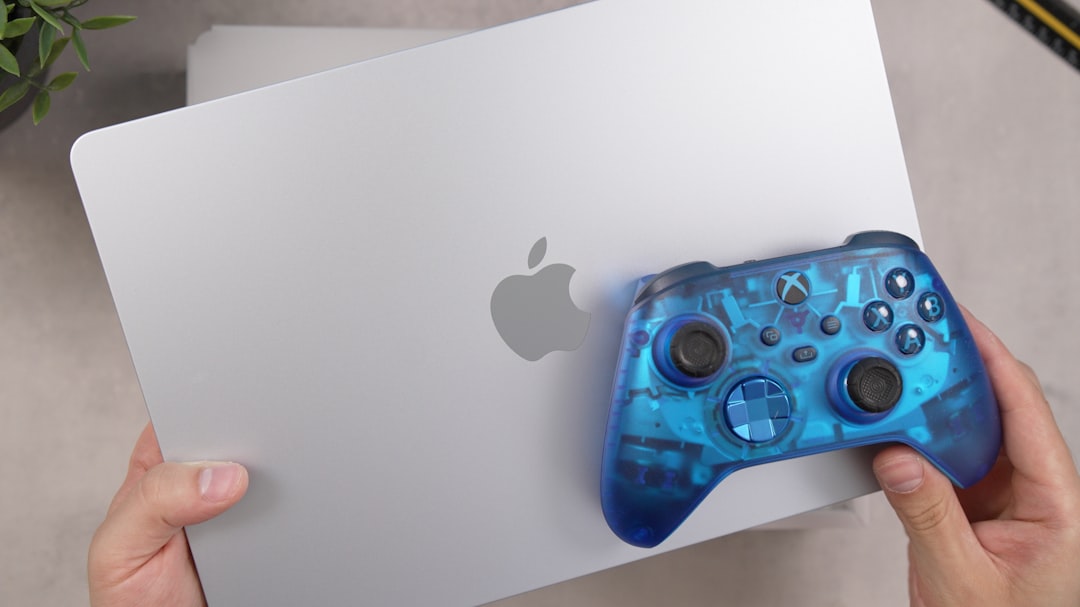
    Apple is reportedly developing game controllers for its iPhones under the Beats brand. The controllers, codenamed T6502 and T1057, aim to enhance mobile gaming. They will feature D-pads, thumbsticks, and haptic feedback. This move marks Apple’s entry into the gaming accessory market. It could change how game developers approach mobile gaming.

    The introduction of these controllers comes as mobile gaming evolves rapidly. Many gamers want console-like experiences on their devices. Apple aims to offer a competitive alternative to controllers from Sony and Microsoft. The controllers will cater to a growing audience of mobile gamers seeking better control and engagement. According to a report by Mint, the T6502 and T1057 are designed to meet the demands of this expanding market. They emphasize the need for high-quality gaming peripherals.

    Impact on Mobile Gaming Development Strategies

    Career Ahead’s analysis suggests that Apple’s game controllers will require a shift in mobile game development strategies. Developers must consider how their games can use the enhanced capabilities of these controllers. Features like analogue triggers and motion controls could lead to more immersive gameplay. This may push developers to innovate in game design and mechanics.

    The potential for these controllers to support advanced gaming features could redefine mobile gamers’ expectations. Gamers will seek richer and more engaging experiences. As developers adapt to these new tools, they may explore advanced haptic feedback for a more tactile experience. This could lead to new game genres or enhance existing ones, focusing on the unique capabilities of Apple’s controllers.

    For example, action games could implement more nuanced controls. Puzzle games might use motion sensors for interactive gameplay. Additionally, these features could inspire developers to create hybrid games. These games would blend traditional mobile gaming with console-like mechanics, expanding creative possibilities in mobile gaming.

    Furthermore, Apple’s controllers may encourage collaboration between game developers and Apple. By working closely with Apple, developers can optimize their games for the new hardware. They might gain early access to development kits and resources. This collaboration could lead to exclusive titles that showcase Apple’s gaming ecosystem, attracting more players. As mentioned in Apple’s quarterly report, the company is committed to enhancing its gaming offerings. Developers may have access to tools and support that elevate their projects.

    As Apple markets these controllers, it will likely highlight their seamless integration with the iPhone’s gaming capabilities. Developers must stay ahead of these marketing shifts to position their games effectively. Understanding Apple’s promotion plans could inform developers’ strategies for maximizing visibility and engagement. The synergy between Apple’s hardware and software could create a cohesive user experience, essential for capturing mobile gamers’ attention.

    Emerging Trends in Gaming Hardware Design

    The development of game controllers under the Beats brand reflects broader trends in gaming hardware design. As mobile gaming grows, there is a clear demand for peripherals that enhance user experience. Apple’s entry into this market shows its recognition of this demand and commitment to improving mobile gaming. The T6502 and T1057 controllers are expected to feature ergonomic designs and responsive buttons. These elements are essential for prolonged gaming sessions and could set a new standard for mobile gaming accessories.

    Moreover, the integration of motion-sensing capabilities in one controller highlights a trend toward more interactive gaming experiences. Engineers will need to create products that meet gamers’ basic needs while enhancing gameplay with advanced features. This could lead to sophisticated gaming peripherals that use AI and machine learning for personalized experiences. Industry analysts note that the future of gaming hardware will emphasize adaptability and user-centric design. This focus could drive the success of Apple’s new controllers.

    As Apple advances its gaming hardware, it may also influence software development practices. Game developers will need to consider how their software interacts with these new hardware features. This could lead to new programming techniques and frameworks. The evolution in hardware may drive a corresponding evolution in software, creating a cohesive gaming experience across platforms. The impact of Apple’s entry into the gaming accessory market may extend to other sectors. As gaming integrates into everyday life, companies may explore partnerships with gaming developers for unique experiences that blend gaming with other entertainment forms.

    Apple Develops Game Controllers Under Beats Brand

    Ultimately, Apple’s development of game controllers under the Beats brand presents a significant opportunity for game developers and hardware engineers. As the mobile gaming landscape evolves, the potential for new types of games and experiences will grow. This will challenge developers to think creatively and strategically. With the gaming industry constantly changing, the introduction of Apple’s controllers raises questions about the future of mobile gaming. Will these controllers set a new standard for mobile gaming peripherals? How will developers respond to this shift? As Apple continues to innovate, the mobile gaming landscape may transform in unexpected ways.

    Frequently Asked Questions

    What features should mobile game developers consider for Apple’s new controllers?

    Mobile game developers should integrate features like haptic feedback and motion controls into their games. These capabilities enhance gameplay and provide a more immersive experience.

    How can hardware engineers adapt to Apple’s gaming hardware innovations?

    Hardware engineers can adapt by embracing design trends from Apple’s controllers, such as ergonomic shapes and advanced sensor integration. Staying updated on emerging technologies is crucial for creating competitive gaming peripherals.

    Apple Develops Game Controllers Under Beats Brand

    What strategies should product managers implement to leverage Apple’s new gaming accessories?

    Product managers should collaborate with developers to optimize games for Apple’s controllers. Marketing strategies should highlight the unique features of these accessories to attract mobile gamers.

  • Apple Develops Game Controllers Under Beats Brand

    Apple Develops Game Controllers Under Beats Brand

    Apple is developing game controllers for iPhones under the Beats brand. This marks a big change in mobile gaming. The controllers, codenamed T6502 and T1057, aim to improve the gaming experience on mobile devices. They may include features like D-pads, thumbsticks, and haptic feedback. Apple made this announcement on September 14, 2026, as it seeks to compete in the mobile gaming accessory market.

    This development shows Apple’s focus on enhancing its gaming ecosystem. The new controllers are expected to give users a better gaming experience. This move positions Apple to compete with established gaming accessory makers like Sony and Microsoft. As mobile gaming grows, dedicated gaming controllers could change how developers design games for iOS. A report from LiveMint suggests these controllers may include advanced technologies that could change how users interact with mobile games.

    Impact on Mobile Game Development Strategies

    The new Apple game controllers could change mobile game development strategies. Developers will need to consider the unique features of these controllers when creating games. One model includes motion sensors and advanced haptic feedback. This could lead to more immersive gaming experiences. According to Macworld, these features might push developers to rethink traditional gameplay mechanics. They could integrate more dynamic interactions that use the full capabilities of the new hardware.

    Career Ahead’s analysis shows developers may need to change their design approaches. For example, motion controls in gameplay could become standard, similar to console gaming. Developers focused on traditional touch controls will need to adapt quickly to stay competitive. The integration of these controllers could inspire developers to create games that use mobile hardware’s full capabilities. Games that were limited by touch controls might become more complex and engaging. This could attract a broader audience and improve the overall quality of games on the App Store, benefiting both developers and consumers.

    Additionally, the controllers must work well with existing iOS games. Developers will need to ensure their games integrate seamlessly with the new controllers. This may require updates or new versions of current titles. The demand for developers skilled in optimizing games for new hardware could surge. As the gaming landscape changes, developers who embrace these changes could lead a new wave of mobile gaming innovation.

    In summary, Apple’s game controllers may change how mobile games are developed. Developers will need to innovate and rethink their design strategies to use new hardware capabilities. This potential for enhanced gameplay could lead to more consumer engagement, strengthening Apple’s position in the gaming market.

    Collaboration Opportunities with Apple

    The development of game controllers under the Beats brand opens new collaboration opportunities between Apple and game developers. As Apple becomes a serious player in the gaming accessory market, developers may find ways to work closely with the company. This could lead to exclusive titles or features that enhance the new controllers’ functionality. Career Ahead research shows that partnerships with Apple could give developers unique marketing advantages. Being featured in Apple’s promotional materials or app store showcases can boost visibility and sales. Developers aligning their games with Apple’s ecosystem may benefit from a built-in audience eager for new gaming experiences.

    Moreover, Apple’s focus on high-quality gaming could attract more developers to the iOS platform. This influx of talent could create a richer gaming ecosystem with diverse games for various demographics. As developers explore the potential of the new controllers, we may see increased creativity and innovation in game design. Collaboration opportunities also extend to hardware engineers working on gaming technologies. They can collaborate with Apple to develop advanced features like improved haptic feedback and motion sensing. This partnership could lead to breakthroughs in mobile gaming technology, enhancing user experiences.

    In conclusion, Apple’s game controllers impact not only game developers but also open doors for collaboration that could redefine mobile gaming. As the gaming landscape evolves, innovation will be driven by partnerships between Apple and developers, creating a vibrant ecosystem that benefits everyone involved.

    Apple Develops Game Controllers Under Beats Brand

    As the mobile gaming market evolves, hardware engineers will play a crucial role in shaping future gaming technology. The advancements from Apple’s new controllers may set a new standard for other companies. The future of mobile gaming looks promising as Apple enters the gaming accessory arena. The impact of their new controllers will likely resonate throughout the industry. Developers and hardware engineers will need to rethink their strategies and embrace new opportunities.

    Frequently Asked Questions

    What features should mobile game developers consider for Apple’s new controllers?

    Mobile game developers should focus on adding motion controls and haptic feedback when designing games for Apple’s new controllers. These features can enhance gameplay and create a more immersive experience for users.

    How can hardware engineers adapt to Apple’s gaming hardware innovations?

    Hardware engineers should prioritize ergonomic designs and advanced technology to stay competitive. Understanding user needs and market trends will be crucial in developing innovative gaming accessories that meet evolving consumer expectations.

    Apple Develops Game Controllers Under Beats Brand

    What strategies should product managers implement to leverage Apple’s new gaming accessories?

    Product managers should consider collaborating with Apple for marketing opportunities. They should also focus on creating games that fully utilize the features of Apple’s new controllers. This can help increase visibility and attract a larger audience.

  • ‘A historical rewind’ is reshaping Apple’s silicon strategy

    ‘A historical rewind’ is reshaping Apple’s silicon strategy

    Apple has recently made significant strides in its silicon strategy, revealing a new architecture that integrates its product lines more closely than ever. The launch of the A20 Pro chip for the iPhone 18 Pro and the M6 chip for Macs marks a pivotal moment in Apple’s approach to chip design. This shift not only enhances performance but also sets the stage for a redefined landscape for hardware engineers and product managers.

    The A20 Pro chip, featuring advanced AI compute capabilities and a 2-nanometer architecture, is a testament to Apple’s commitment to innovation. According to Career Ahead’s analysis, this new chip design represents a significant leap in efficiency and performance, potentially reshaping how engineers approach silicon design. As Apple continues to converge mobile and desktop silicon, the implications for the tech industry are profound.

    Transforming Silicon Design Processes at Apple

    Apple’s new silicon strategy emphasizes a more integrated approach to chip design, which is evident in the development of the M6 and A20 Pro chips. These chips share architectural similarities, allowing for improved performance across Apple’s product ecosystem. This convergence is not just a technological advancement; it also signals a shift in how hardware engineers will need to think about their roles. Engineers must now consider how their designs will function across multiple devices, from iPhones to Macs.

    The M6 chip, which powers the latest Mac mini and Mac Studio, showcases Apple’s focus on creating a seamless user experience. The architecture allows for better thermal management and power efficiency, which means engineers must adapt their design processes to prioritize these factors. Career Ahead research identifies that engineers will need to enhance their skills in thermal dynamics and power optimization to keep pace with these changes. Furthermore, as noted in a recent article from Hindustan Times, the historical context of Apple’s silicon evolution reveals a strategic pivot that aligns with broader industry trends, emphasizing the importance of agility and adaptability in engineering practices.

    As Apple pushes the boundaries of silicon design, the timelines for product development are also evolving. With the introduction of faster chips, product managers must adjust their strategies to accommodate shorter development cycles. This shift demands a more agile approach to product management, where quick iterations and rapid prototyping become essential. The integration of AI capabilities into the new chips further complicates this landscape, as product managers must now consider the implications of on-device AI for their products. The ability to leverage AI not only enhances user experience but also requires a deeper collaboration between hardware and software teams, as highlighted by insights from National Revealed.

    Apple’s emphasis on efficiency and performance means that engineers will be expected to deliver results more quickly than ever. The need for rapid innovation will require hardware engineers to collaborate closely with software teams to ensure that new features are integrated seamlessly into products. This collaborative approach will be crucial as Apple continues to refine its silicon strategy, especially in light of the competitive pressures from other tech giants who are also investing heavily in their own silicon capabilities.

    New Skill Requirements for Hardware Engineers

    The shift in Apple’s silicon strategy brings about new skill requirements for hardware engineers. As the company adopts a more integrated chip design approach, engineers will need to familiarize themselves with the intricacies of multi-device architecture. This means understanding how chips interact across different products and optimizing designs for performance and efficiency.

    Additionally, the transition to 2-nanometer architecture presents unique challenges. Engineers will need to adapt to new design tools and methodologies that accommodate the smaller transistor sizes. Career Ahead’s analysis shows that engineers who invest in learning about advanced semiconductor technologies will be better positioned to thrive in this evolving landscape. Moreover, as noted in the Chief Reinvention Officer blog, the historical evolution of Apple’s silicon strategy underscores the necessity for engineers to embrace continuous learning and adaptability in their skill sets.

    Moreover, the increased focus on AI capabilities within Apple’s chips necessitates a deeper understanding of machine learning and artificial intelligence. Engineers will need to collaborate with data scientists and AI specialists to ensure that the hardware effectively supports AI-driven applications. This interdisciplinary approach will become a hallmark of successful engineering teams at Apple and beyond. As product managers navigate these changes, they will need to ensure that their teams are equipped with the necessary skills to meet the demands of the new silicon landscape. This may involve advocating for training programs focused on the latest chip technologies and AI integration strategies. By fostering a culture of continuous learning, product managers can help their teams stay ahead of the curve.

    ‘A historical rewind’ is reshaping Apple’s silicon strategy

    As the tech landscape continues to evolve, the implications of Apple’s silicon strategy extend beyond its own products. The convergence of mobile and desktop silicon could set a precedent for other companies to follow, potentially reshaping the competitive landscape in the tech sector. As noted in various analyses, including those from Hindustan Times and National Revealed, the ripple effects of Apple’s innovations may influence how competitors approach their own product development and engineering strategies.

    Ultimately, the changes in Apple’s silicon strategy will require a shift in mindset for both hardware engineers and product managers. Embracing collaboration and agility will be key to navigating this new landscape effectively.

    As Apple continues to innovate, the question remains: how will these changes influence the broader tech industry? The convergence of mobile and desktop silicon could set a precedent for other companies to follow, potentially reshaping the competitive landscape in the tech sector.

    Frequently Asked Questions

    What skills do hardware engineers need to adapt to Apple’s new silicon strategy?

    Hardware engineers must enhance their understanding of multi-device architecture, thermal dynamics, and power optimization. Familiarity with advanced semiconductor technologies and AI integration will also be crucial.

    How will Apple’s silicon changes impact product management timelines?

    Apple’s new silicon strategy will lead to shorter product development cycles, requiring product managers to adopt agile methodologies and prioritize rapid iteration to meet market demands.

    ‘A historical rewind’ is reshaping Apple’s silicon strategy

    What should product managers do to align with Apple’s evolving silicon strategy?

    Product managers should advocate for training programs focused on the latest chip technologies and foster a culture of continuous learning within their teams to adapt to the changing landscape.

  • Apple’s Bold Bet on £1,999 Folding iPhone

    Apple’s Bold Bet on £1,999 Folding iPhone

    Apple has launched its first foldable iPhone, the iPhone Duo, priced at £1,999. This marks a big change in the company’s product strategy. The new CEO, John Ternus, announced this launch. It places Apple in the foldable smartphone market, where it has arrived later than competitors like Samsung and Huawei. Ternus stated that the iPhone Duo aims to redefine the foldable experience. This device is not just a gimmick; it is the result of eight years of development, showing Apple’s commitment to innovation.

    The iPhone Duo is versatile. When unfolded, it looks like a small iPad. When folded, it resembles a wider iPhone. This dual functionality could create new opportunities and challenges for mobile app developers. As demand for foldable devices increases, developers must adapt their applications to use the unique features of these devices. A Bloomberg report suggests that the iPhone Duo’s launch is a gamble for Apple. However, it also opens a new frontier for app developers to create experiences that were not possible on traditional smartphones.

    Designing for Foldable Screens

    Foldable screens create a new challenge for app design. Developers must think about how their applications will work with different screen configurations. For example, apps need to transition smoothly between the two states of the iPhone Duo. This ensures a consistent user experience whether the device is open or closed. This transition is not just technical; it requires understanding user behavior and how they interact with devices in various contexts.

    According to Career Ahead’s analysis, adaptive layouts will be crucial. Developers may need to create responsive designs that adjust to different screen sizes and orientations. This might mean rethinking how content is displayed, prioritizing essential features for quick access, and optimizing multitasking capabilities. The Guardian highlights that the unique aspect ratio of foldable devices allows for innovative UI elements. These can enhance user engagement, such as split-screen views that let users run multiple applications side by side.

    With the unique aspect ratio of foldable devices, app developers can explore new UI elements. These can take advantage of the extra screen space when the device is unfolded. This could lead to richer user experiences, such as improved multitasking, where users can run multiple applications at once. The potential for new types of interactions is vast. Developers who can harness these opportunities will likely stand out in a crowded market.

    As foldable technology becomes mainstream, developers must consider how to integrate new features that use the foldable aspect. For instance, apps could allow users to interact with content differently when the device is folded. This might lead to innovative ways to engage users, like quick access to notifications or shortcuts when the device is closed, enhancing the overall user experience.

    In summary, the design implications of foldable devices are significant. Developers who embrace these changes early will likely gain a competitive edge. They can position their apps to meet the evolving expectations of users. As the market adapts, creating fluid and responsive designs will be key to success.

    Market Positioning Strategies for High-End Devices

    Apple’s entry into the foldable market at a high price raises questions about market positioning. The iPhone Duo’s starting price of £1,999 makes it one of the most expensive smartphones. This targets a niche market segment. This strategy may affect how app developers approach pricing and marketing for their applications. With such a high-end device, developers must recognize that consumers will have higher expectations for app performance and functionality.

    Career Ahead research shows that premium pricing often leads to higher consumer expectations. Users buying high-end devices like the iPhone Duo will likely expect top performance and innovative features from their apps. This puts pressure on developers to deliver high-quality, optimized applications that fully use the device’s capabilities. BBC News notes that the iPhone Duo is not just another smartphone; it marks a significant evolution in Apple’s product lineup and sets a new standard for mobile technology.

    Additionally, the competitive landscape is changing. With Apple entering the foldable market, developers may need to rethink their app development and marketing strategies. They might focus on creating unique selling points that highlight how their apps use the advanced features of the iPhone Duo. This could involve partnerships with Apple to ensure their apps are optimized for the iPhone Duo’s unique capabilities, enhancing their market position.

    Apple's Bold Bet on £1,999 Folding iPhone

    As the market evolves, developers should monitor consumer trends and preferences. Understanding what high-end users value in their applications—like enhanced performance, exclusive features, or seamless integration—will be crucial for success. The launch of the iPhone Duo could lead to a new era for app development, where high-end devices demand premium features and user experiences.

    The iPhone Duo’s foldable technology opens the door to new features that could enhance user experience. For example, running multiple applications on a larger screen could change how users interact with their devices. This capability might lead to the creation of apps designed specifically for multitasking, allowing users to switch tasks more efficiently.

    Career Ahead analysis suggests that apps could include features like split-screen functionality. This would let users view and interact with two applications at once. This could be especially useful for productivity apps, where users often need to reference multiple sources of information. As developers explore the possibilities of the iPhone Duo, they must remain agile and innovative. The success of apps on foldable devices will depend on creating experiences that resonate with users and fully utilize the hardware.

    Looking ahead, it will be interesting to see how the market responds to the iPhone Duo and what innovations emerge from developers eager to use this new technology.

    Frequently Asked Questions

    What features should mobile apps include for foldable devices?

    Mobile apps for foldable devices should have adaptive layouts that adjust to different screen configurations. Features like split-screen functionality and multitasking can enhance user experience, making the most of the unique form factors of devices like the iPhone Duo.

    How can product managers leverage the launch of the foldable iPhone in their strategies?

    Product managers should focus on understanding high-end users’ expectations and tailor their app offerings to meet these demands. Highlighting unique features that leverage the foldable technology can help differentiate their products in a competitive market.

    Apple's Bold Bet on £1,999 Folding iPhone

    What are the best practices for designing apps for foldable screens?

    Best practices include creating responsive designs that adapt to various screen sizes and orientations, optimizing for multitasking, and considering how content is displayed in both folded and unfolded states. Engaging users with innovative features that utilize the foldable aspect is also essential.