Tag: Amazon

  • Amazon releases its own Jev clone as decision models flood the web

    Amazon releases its own Jev clone as decision models flood the web

    Amazon Web Services (AWS) has launched the Strands Decider 2B, an open-source decision model inspired by TypeSafe’s Jev, aimed at enhancing automated decision-making in various applications. This release comes as AI developers increasingly seek tools that balance efficiency and cost without relying solely on large language models (LLMs). The Strands Decider 2B is designed to facilitate rapid decision-making, providing users with confidence scores to guide their choices.

    The Strands Decider 2B was unveiled on October 1, 2026, as part of Amazon’s ongoing efforts to expand its AI capabilities. Developed by a team led by distinguished engineer Marc Brooker, this model emerged from customer feedback indicating a need for simpler decision-making tools that could operate effectively within specific workflows. Brooker noted that the model can help users determine the next steps in their processes, making it a valuable asset for data scientists and software engineers alike.

    Transforming Decision-Making in AI Workflows

    The Strands Decider 2B stands out for its ability to deliver calibrated choices based on a closed domain of answers. This feature is particularly beneficial for organizations that require quick, reliable decision-making without the overhead associated with traditional LLMs. By streamlining decision processes, data scientists can focus on higher-level analytics, while software engineers can integrate this model into their applications with ease.

    Career Ahead’s analysis identifies that the introduction of the Strands Decider 2B reflects a significant trend toward more specialized AI tools. As organizations look to optimize their workflows, the demand for decision models that can operate independently from larger, more complex systems is increasing. This shift not only enhances operational efficiency but also reduces costs, making advanced technology more accessible. According to a report by TechCrunch, the Strands Decider 2B is designed for speed and cost-effectiveness, allowing users to sort through pre-decided options rapidly while delivering a measure of confidence in its choices.

    Furthermore, the model’s open-source nature allows developers to customize and adapt it to their specific needs. This flexibility can lead to innovative applications across various industries, from finance to healthcare, where rapid decision-making is crucial. As a result, data scientists and software engineers can leverage this tool to enhance their projects, ultimately driving better outcomes. The model’s architecture, built on the torso of Qwen3.5-2B, allows it to function efficiently while maintaining a user-friendly interface, which could attract a diverse range of users, from startups to established enterprises.

    In a landscape where AI capabilities are evolving rapidly, the Strands Decider 2B positions itself as a practical solution for organizations aiming to implement AI-driven decision-making processes. By focusing on specific tasks and delivering measurable confidence in its outputs, this model has the potential to redefine how decisions are made in tech environments. As noted by Yahoo Tech, the model’s ability to run locally and its open-source nature make it a compelling choice for developers looking to integrate AI into their workflows without the complexities of larger systems.

    Competitive Landscape and Future Implications

    The release of the Strands Decider 2B is part of a broader movement within the tech industry, where numerous companies are entering the decision modeling space. TypeSafe, the original creator of the Jev model, has expressed that while competition is growing, the challenges of developing truly intelligent models remain significant. CEO Diogo Almeida emphasized that many new entrants might underestimate the complexity of creating effective decision-making systems. As the market becomes saturated with various models, Amazon’s Strands Decider 2B aims to set a new standard for what decision tools can achieve.

    With the Strands Decider 2B, Amazon aims to not only compete with existing models but also to set a new standard for what decision tools can achieve. The model’s architecture, built on the torso of Qwen3.5-2B, allows it to function efficiently while maintaining a user-friendly interface. This balance of performance and accessibility could attract a diverse range of users, from startups to established enterprises. As data scientists and software engineers explore the capabilities of the Strands Decider 2B, they may find new ways to integrate it into their existing workflows. The model’s ability to provide rapid, confident decisions can enhance productivity and streamline processes, ultimately leading to improved project outcomes. This could be particularly relevant in sectors where time-sensitive decisions are crucial, such as finance, logistics, and healthcare.

    Moreover, as organizations increasingly adopt AI tools like the Strands Decider 2B, there may be a shift in how companies approach decision-making overall. The emphasis on data-driven choices, supported by AI, can lead to more informed strategies and better resource allocation. This trend could redefine competitive dynamics in various industries, as companies that leverage these tools gain a significant advantage. As highlighted by Startup Fortune, the introduction of such models is not merely a technological advancement but a fundamental shift in how businesses can utilize AI for strategic decision-making.

    Amazon releases its own Jev clone as decision models flood the web

    In conclusion, the emergence of the Strands Decider 2B signals a pivotal moment in the decision modeling landscape. As more organizations recognize the value of specialized AI tools, the potential for innovation and efficiency will only continue to grow. The Strands Decider 2B not only enhances decision-making processes but also democratizes access to advanced AI capabilities, making it a game changer in the tech industry.

    Frequently Asked Questions

    What features does Amazon’s Strands Decider 2B offer for data scientists?

    The Strands Decider 2B offers calibrated decision-making based on a closed domain of answers, providing confidence scores that enhance reliability in workflows. This enables data scientists to focus on higher-level analytics while integrating the model into their projects.

    How does Amazon’s Strands Decider 2B compare to existing decision models?

    Compared to existing models, the Strands Decider 2B is designed for speed and cost-effectiveness. It operates independently of larger LLMs, allowing for quick, reliable decision-making tailored to specific tasks.

    Amazon releases its own Jev clone as decision models flood the web

    What should software engineers consider when integrating Amazon’s Strands Decider 2B into their applications?

    Software engineers should consider the model’s open-source nature, which allows for customization and adaptation to specific needs. Its ability to deliver rapid, confident decisions can significantly enhance application performance and user experience.

  • Zoox’s Strategies Disrupt Waymo’s Autonomous Vehicle Lead

    Zoox’s Strategies Disrupt Waymo’s Autonomous Vehicle Lead

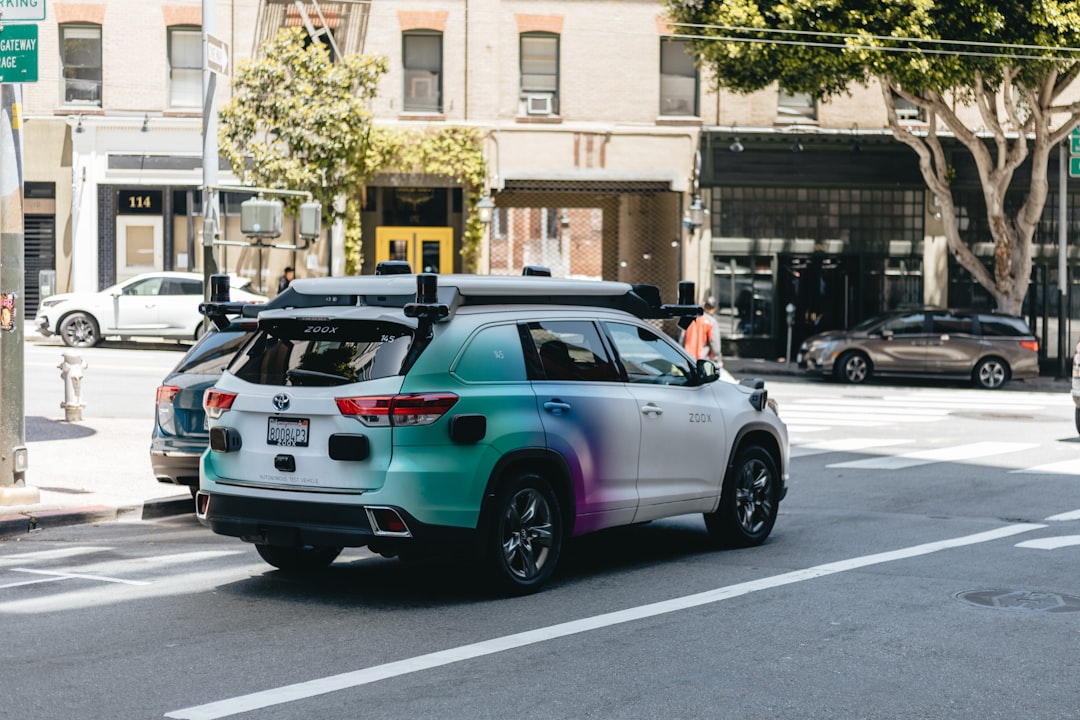
    San Francisco, US — Amazon’s Zoox is stepping up against Waymo in the autonomous vehicle market. With unique marketing strategies and advanced vehicle designs, Zoox aims to reshape urban mobility. This shift comes at a critical time as competition in self-driving technology intensifies.

    Zoox’s approach includes creative marketing tactics like wine pop-ups and festival sponsorships. These strategies help distinguish it from competitors. By engaging potential users in innovative ways, Zoox seeks to build a brand that resonates with urban consumers looking for modern transportation solutions.

    Innovative Marketing Strategies Set Zoox Apart

    Zoox is not just another player in the autonomous vehicle race; it is redefining audience engagement. The company uses experiential marketing techniques to create memorable interactions. For example, hosting wine pop-ups allows potential riders to experience the brand in a relaxed, social setting.

    Festival sponsorships further boost Zoox’s visibility. By associating with popular events, Zoox reaches a diverse audience, showcasing its vehicles in real-world environments. This strategy contrasts sharply with Waymo, which has focused mainly on traditional advertising and partnerships.

    These marketing efforts are not just about visibility; they aim to create a community around the brand. Zoox’s tactics encourage potential users to see themselves in a new urban mobility landscape. This community-building approach is crucial in a sector where user trust and familiarity are essential.

    Research indicates that innovative marketing strategies can significantly impact user adoption rates. By creating engaging experiences, Zoox is likely to foster a loyal customer base that feels connected to the brand. This sets a precedent for future marketing in the tech industry.

    As Zoox continues to leverage experiential marketing, it may influence how other transportation startups formulate their strategies. The success of these methods could lead to a broader trend of immersive marketing in tech, changing how consumers perceive and interact with technology.

    Technological Advancements in Zoox’s Vehicle Design

    Beyond marketing, Zoox is making waves with its technological innovations. The company’s vehicles are designed from the ground up for autonomous operation. They feature a unique bi-directional design that enhances maneuverability. This design allows for a more flexible approach to urban driving, making it easier to navigate congested city streets.

    Zoox’s vehicles are equipped with advanced sensor systems that provide a comprehensive view of their surroundings. This technology is crucial for safety and efficiency in urban environments. The integration of AI algorithms further enhances the vehicle’s ability to learn from its surroundings, improving performance over time.

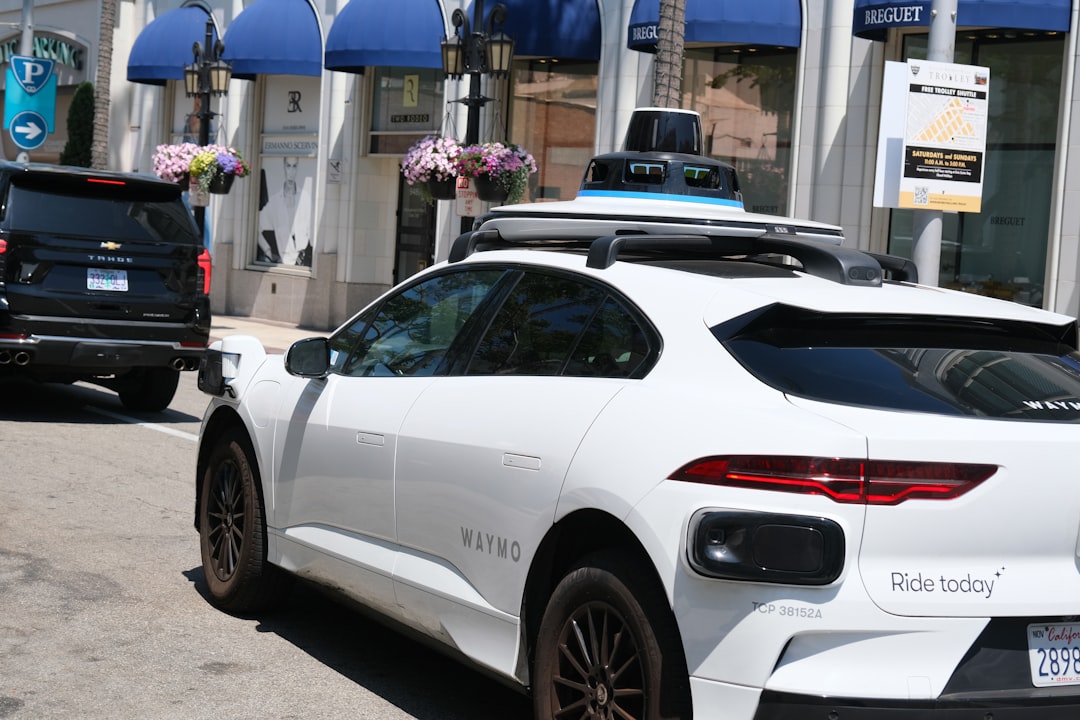
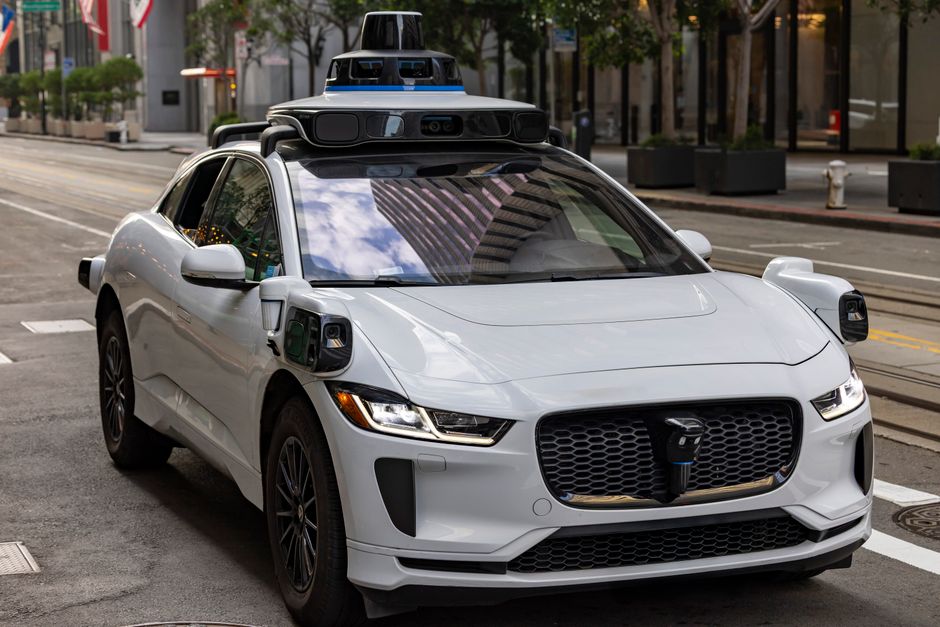
    In contrast, Waymo’s vehicles, while technologically advanced, are built on existing car models. This approach may limit their adaptability to the specific needs of urban mobility. Zoox’s fresh design philosophy could give it an edge in creating vehicles better suited for the complexities of city driving.

    Zoox's Strategies Disrupt Waymo's Autonomous Vehicle Lead

    As urban areas become more congested, the demand for innovative vehicle designs will grow. Companies that adapt to these changing environments will likely see increased interest from consumers and investors. Zoox’s commitment to developing a vehicle tailored for urban settings positions it favorably in a competitive landscape.

    Competitive Landscape: Zoox vs. Waymo

    The competition between Zoox and Waymo highlights the broader challenges facing autonomous vehicle companies. Waymo has established a significant lead in the self-driving market through extensive testing and strategic partnerships. However, Zoox’s unique approach may allow it to carve out a niche.

    Waymo’s focus has been on building a robust operational network, including ride-hailing services. While this model has proven successful, it may not resonate with all urban consumers. Zoox’s emphasis on creating a lifestyle brand may attract a different demographic, especially younger users seeking modern and engaging transportation options.

    Moreover, the regulatory landscape poses challenges for both companies. As cities grapple with the implications of autonomous vehicles, regulations will shape how these companies operate. Zoox’s proactive approach to community engagement may position it favorably when navigating these regulatory hurdles.

    Zoox's Strategies Disrupt Waymo's Autonomous Vehicle Lead

    The future of urban mobility will depend on how well companies adapt to changing consumer preferences and regulatory environments. Zoox’s innovative marketing and vehicle design strategies could provide a blueprint for success in this evolving landscape.

    Risks, Trade-Offs, and What Comes Next

    The ongoing rivalry between Zoox and Waymo will be pivotal in shaping the future of autonomous vehicles. As both companies refine their strategies, the outcomes will likely influence market dynamics and consumer expectations across the industry.

    As the autonomous vehicle market evolves, it will be essential to monitor how these companies adapt to emerging trends. The battle for urban mobility supremacy is just beginning, raising questions about what the future holds for consumers and investors alike.

    Zoox's Strategies Disrupt Waymo's Autonomous Vehicle Lead

    Frequently Asked Questions

    What innovative marketing strategies can autonomous vehicle engineers learn from Zoox?

    Zoox’s use of experiential marketing, like wine pop-ups and festival sponsorships, offers valuable lessons in engaging potential users. These strategies create memorable interactions that can foster a loyal customer base.

    How can transportation startup founders leverage unique branding to compete with established players?

    By adopting innovative marketing tactics and focusing on community engagement, startup founders can differentiate their brands. Zoox’s approach shows the effectiveness of building a lifestyle brand in a competitive market.

    What should autonomous vehicle engineers focus on to improve their product’s market appeal?

    Engineers should prioritize user experience and adaptability in vehicle design. Zoox’s unique bi-directional design and advanced technology highlight the importance of creating vehicles tailored for urban environments.

  • How Zoox Challenges Waymo in the Autonomous Vehicle Market

    How Zoox Challenges Waymo in the Autonomous Vehicle Market

    San Francisco, US — Zoox, Amazon’s autonomous vehicle subsidiary, is stepping up its competition with Waymo. It is doing this through unique marketing strategies and innovative vehicle designs. As of September 2026, Zoox is not just another player in the autonomous vehicle market. It is creating a distinctive identity through experiential marketing, including wine pop-ups and festival sponsorships. This aims to attract both riders and investors.

    This strategic shift comes as urban mobility evolves rapidly. Waymo has long been recognized for its technological advancements and strong operational framework in autonomous driving. However, Zoox’s approach is different. It focuses on creating a brand that connects with users on a personal level. This difference could change how consumers view autonomous vehicles, especially in cities.

    Innovative Marketing Strategies That Stand Out

    Zoox is using unconventional marketing tactics to stand out from Waymo. By organizing wine pop-ups and sponsoring local festivals, Zoox connects directly with potential users. These events allow the company to showcase its vehicles in a relaxed environment, turning product demonstrations into social experiences. This strategy garners attention and builds community engagement and brand loyalty.

    According to Career Ahead’s analysis, this unique marketing approach reflects a broader trend in tech industries. Experiential marketing is becoming essential for user engagement. Companies like Zoox recognize that consumers today want more than just a product; they seek experiences that align with their lifestyle and values. This shift could increase brand preference among younger consumers who value experiences over traditional advertising.

    Moreover, Zoox’s marketing efforts aim to make autonomous technology less intimidating. By involving the community in fun, interactive events, Zoox makes autonomous vehicles more relatable. This approach contrasts with Waymo’s conventional marketing, which often emphasizes technical superiority. Zoox’s experiential marketing may help it capture a market segment that values emotional connections over technical specifications.

    As Zoox continues to innovate in marketing, it sets a new standard for how transportation startups can engage consumers. This can inspire other companies in the sector to adopt similar strategies, potentially reshaping the autonomous vehicle market.

    Technological Advancements in Vehicle Design

    Beyond marketing, Zoox is also advancing vehicle design to differentiate itself from Waymo. The company has developed a bi-directional vehicle designed specifically for urban environments. This design allows for greater maneuverability and efficiency in crowded cityscapes, addressing key challenges for autonomous vehicles today.

    Zoox’s vehicle features a unique design that removes the need for a traditional front or rear. This enables it to navigate tight spaces and make quick turns. This innovation could be a game-changer in urban settings where space is limited. Career Ahead research shows that urban mobility solutions must prioritize adaptability and efficiency, and Zoox’s design reflects this understanding.

    Additionally, the integration of advanced AI technologies into Zoox’s vehicles boosts their safety and operational capabilities. The company focuses on real-time data processing, allowing its vehicles to make split-second decisions in complex environments. This emphasis on safety and responsiveness is crucial for gaining consumer trust, especially as public acceptance of autonomous vehicles remains a hurdle.

    How Zoox Challenges Waymo in the Autonomous Vehicle Market

    As Zoox refines its technology, it may also influence regulatory discussions around autonomous vehicles. Demonstrating the effectiveness and safety of its designs could help pave the way for broader acceptance and regulatory approval, benefiting Zoox and the entire industry.

    The Competitive Landscape in Urban Mobility

    The competition between Zoox and Waymo highlights the broader dynamics of the autonomous vehicle market. While Waymo has established itself as a leader with extensive operational experience, Zoox is carving out a niche by focusing on user experience and community engagement. This approach could lead to a more diverse market where different companies meet varying consumer needs.

    Waymo’s strategy has primarily focused on technological advancement and scalability. However, as Zoox shows, there is great value in connecting with consumers personally. This shift could create a more segmented market, where companies like Zoox appeal to urban dwellers seeking innovative, user-friendly solutions.

    Furthermore, the rise of experiential marketing in tech may signal a change in how companies engage potential users and investors. By prioritizing user experience, Zoox is not only differentiating itself from Waymo but also setting a new standard for how autonomous vehicle companies communicate their value.

    How Zoox Challenges Waymo in the Autonomous Vehicle Market

    As competition intensifies, both Zoox and Waymo must adapt to changing consumer expectations. The evolving landscape of urban mobility presents opportunities for innovation but also challenges as companies compete for market share. Zoox’s strategies may serve as a blueprint for other startups entering the autonomous vehicle space.

    In this fast-paced environment, the question remains: will Zoox’s unique strategies be enough to challenge Waymo’s dominance, or will the established player continue to lead the market? The coming months will be crucial as both companies navigate this competitive landscape.

    Frequently Asked Questions

    What innovative marketing strategies can autonomous vehicle engineers learn from Zoox?

    Career Ahead analysis shows that Zoox’s use of experiential marketing, like wine pop-ups and festival sponsorships, effectively engages consumers and builds brand loyalty. This approach can inspire engineers to think creatively about connecting with potential users beyond traditional advertising.

    How can transportation startup founders leverage unique branding to compete with established players?

    Transport startup founders can learn from Zoox’s focus on community engagement and user experience. By creating memorable experiences that resonate with consumers, startups can carve out a niche in competitive markets dominated by larger companies.

    How Zoox Challenges Waymo in the Autonomous Vehicle Market

    What should autonomous vehicle engineers focus on to improve their product’s market appeal?

    Engineers should prioritize user-centered design and safety features in their vehicles. By focusing on real-world usability and integrating advanced AI technology, engineers can enhance the appeal of their products in urban environments.