Tag: Alibaba

  • Alibaba Unveils China’s Most Powerful AI Chip

    Alibaba Unveils China’s Most Powerful AI Chip

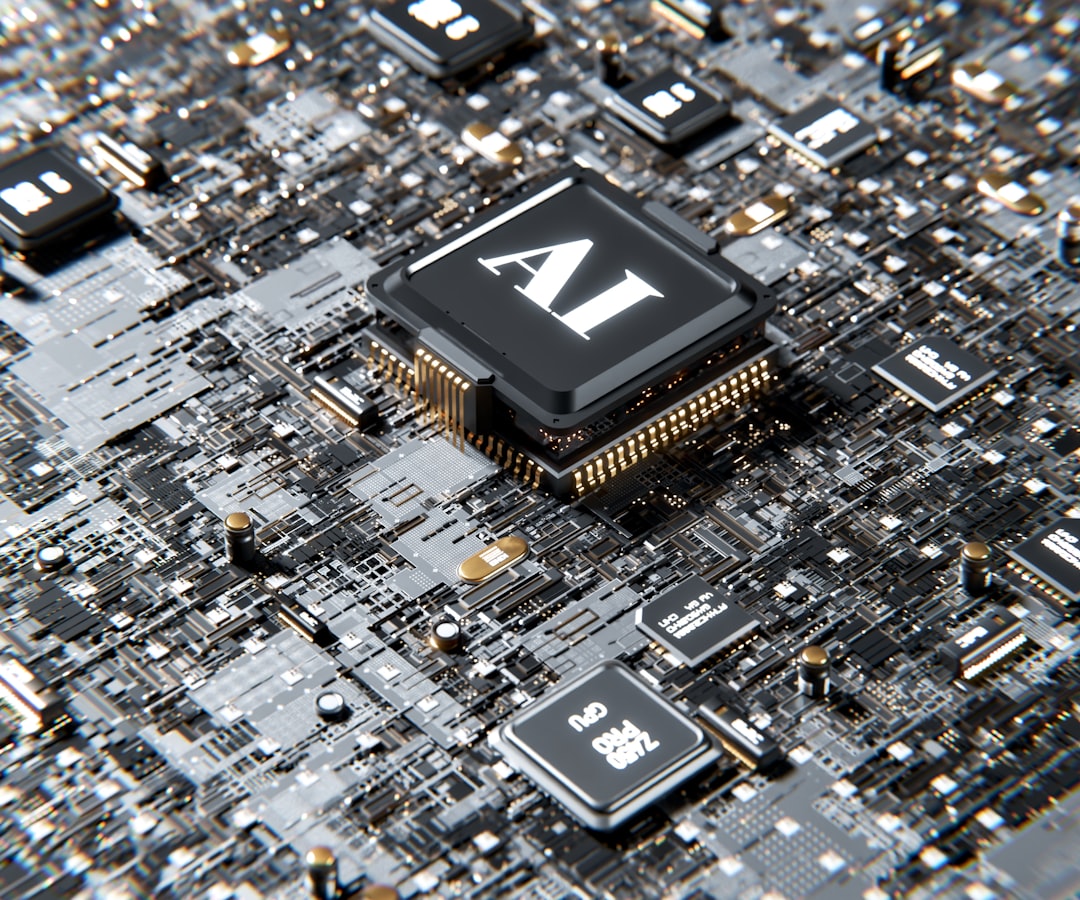
    On September 22, 2026, Alibaba Group unveiled its latest innovation, the Zhenwu V900, at the Apsara Conference in Hangzhou, China. This chip is touted as the most powerful AI chip in the country, capable of scaling up to 500,000 cards per cluster. With this launch, Alibaba aims to significantly enhance its data center capacity to meet the growing demand for advanced AI capabilities across various sectors, including finance and healthcare.

    CEO Eddie Wu emphasized the transformative potential of machine intelligence, noting that it currently represents less than 3% of human cognitive capacity. He highlighted the vast opportunities for growth as AI technologies continue to evolve. Alibaba is making substantial investments in AI models, chips, and cloud infrastructure, positioning itself as a leader in the AI hardware market.

    Transforming AI Chip Engineering

    The introduction of the Zhenwu V900 is set to revolutionize the methodologies employed by hardware engineers in AI chip design. Its unprecedented capacity and performance will necessitate a reevaluation of existing design strategies. The chip is engineered to support advanced AI models that require significant computational power, prompting engineers to innovate in areas such as thermal management, power efficiency, and cloud service integration.

    As demand for AI applications surges, engineers will need to adapt their design strategies to optimize architectures for parallel processing and ensure compatibility with emerging AI frameworks. Those who can navigate these changes will be at the forefront of the industry. The Zhenwu V900’s ability to handle complex AI tasks means that scalability will be a critical consideration for engineers. As AI models grow in complexity, hardware must evolve to maintain optimal performance.

    Moreover, the advancements brought by the Zhenwu V900 could set new standards in AI chip design, compelling other companies to strive to keep pace with Alibaba’s innovations. This competitive landscape may lead to increased research and development in AI hardware, as highlighted by a report from AP News, which noted Alibaba’s intent to challenge U.S. dominance in AI technologies.

    Enhancing AI Model Performance

    The Zhenwu V900 promises to deliver significant performance improvements for AI models, with Alibaba targeting the development of models featuring 5 to 10 trillion parameters. The chip’s architecture is specifically designed to meet the computational demands of these advanced models, enabling data scientists to train and deploy more sophisticated AI applications.

    Data scientists can leverage the capabilities of the Zhenwu V900 to enhance their projects, particularly in fields such as natural language processing, computer vision, and predictive analytics. The chip’s high data throughput and low latency are crucial for real-time applications, allowing for faster data processing and improved outcomes. According to Reuters, the Zhenwu V900 is expected to facilitate breakthroughs in various sectors, including finance and healthcare, where timely data processing is essential.

    As the demand for skilled professionals who can effectively utilize the Zhenwu V900 increases, data scientists who master this technology will likely gain a competitive edge in the job market. The ability to create more accurate models will lead to better business outcomes, making proficiency with advanced hardware a critical asset. As AI models become increasingly complex, the need for robust hardware will only grow, necessitating that data scientists stay informed about technological advancements and adapt their methodologies accordingly.
    Alibaba Unveils China's Most Powerful AI Chip

    Opportunities for Engineers and Data Scientists

    The launch of the Zhenwu V900 opens up numerous opportunities in AI hardware development for engineers and data scientists alike. As Alibaba plans to expand its data center capabilities to over 20 gigawatts by 2032, the demand for skilled professionals will rise. These individuals will be responsible for designing, implementing, and managing AI infrastructure.

    Hardware engineers will need to develop expertise in integrating the Zhenwu V900 into existing systems, optimizing performance, and ensuring that data centers can accommodate the chip’s high power requirements. Companies will likely seek engineers with specialized skills in AI hardware to maintain a competitive edge.

    As businesses increasingly adopt AI technologies, the demand for data scientists who can effectively utilize the Zhenwu V900 will also grow. This trend is expected to create more job openings in sectors such as finance, healthcare, and logistics, where AI applications can drive efficiency and innovation.

    In summary, the Zhenwu V900 is poised to transform the landscape of AI development. Professionals who become adept at using this advanced AI hardware will find themselves well-positioned for career advancement. The introduction of the Zhenwu V900 marks a pivotal moment in the evolution of AI technology, with the potential to redefine roles within the industry.

    Frequently Asked Questions

    What are the specifications of Alibaba’s new AI chip?

    The Zhenwu V900 is the most powerful AI chip in China, capable of scaling up to 500,000 cards per cluster. It supports advanced AI models with 5 to 10 trillion parameters, designed for high performance and efficiency.

    How can data scientists leverage Alibaba’s AI chip for their projects?

    Data scientists can utilize the Zhenwu V900 to enhance their AI models, benefiting from its high data throughput and low latency, which are essential for developing sophisticated applications in fields like natural language processing and computer vision.

    Alibaba Unveils China's Most Powerful AI Chip

    What should hardware engineers consider when designing AI chips in light of Alibaba’s launch?

    Hardware engineers should focus on optimizing designs for scalability and efficiency to leverage the Zhenwu V900’s capabilities. They must ensure compatibility with emerging AI frameworks and consider the power requirements of advanced chips.


  • Z.AI’s Cash Burn Fuels Aggressive Fundraising

    Z.AI’s Cash Burn Fuels Aggressive Fundraising

    Hong Kong — Z.AI’s high cash burn has sparked a fundraising rush among AI startups in the region. As of September 2026, the company’s financial issues have shifted investor focus, leading to increased fundraising activity across the sector. This trend mirrors the fundraising sprees during Alibaba’s early days, as startups feel the urgency to secure capital amid rising operational costs.

    The recent uptick in fundraising is not solely a reaction to Z.AI’s problems; it reflects a broader trend in the AI sector in Hong Kong. Investors are now more discerning, closely examining startups’ financial health before committing funds. With cash burn rates climbing, many AI companies are rethinking their business models to attract investment.

    Cash Burn’s Influence on Startup Valuations

    High cash burn rates significantly impact how investors assess startup valuations. As Z.AI and similar companies report increasing losses, investor expectations shift. Startups with unsustainable cash burn rates may find it challenging to secure funding unless they can demonstrate a clear path to profitability.

    Z.AI’s financial troubles have prompted a reassessment of its market position. The company’s recent launch of the Qwen-Drive-1.0 model aims to pivot towards more profitable markets, though the effectiveness of this strategy remains uncertain. Investors are now favoring startups that can showcase sustainable growth and effective cash management.

    The competitive landscape is evolving. Startups that maintain low cash burn rates are gaining an edge, attracting investors and positioning themselves better to navigate market changes. Founders must prioritize operational efficiency and strategic planning to appeal to venture capitalists.

    Research indicates that the pressure on AI startups to control cash burn is leading to innovative funding strategies. Many are exploring alternative funding sources, such as grants and partnerships, which are crucial for long-term sustainability.

    Adapting Fundraising Approaches in a Competitive Environment

    In response to Z.AI’s financial challenges, AI startups in Hong Kong are evolving their approaches to securing venture capital. Founders are emphasizing the importance of building relationships with investors who understand the unique challenges of the AI sector. Networking events and pitch competitions have become essential platforms for startups to showcase their innovations and attract funding.

    Transparency is key. Startups that provide clear and honest accounts of their financial health and growth strategies are more likely to gain investor trust. This aligns with findings from finance.yahoo.com, which highlight the importance of transparency in attracting investment in today’s cautious market.

    Leveraging technology to streamline operations can enhance a startup’s appeal to investors. Companies utilizing AI-driven analytics to optimize their business models are better positioned to demonstrate potential profitability, boosting operational efficiency and building investor confidence in future returns.

    Z.AI’s Cash Burn Fuels Aggressive Fundraising in Hong Kong

    Moreover, the ability to adapt quickly to market demands is crucial. Startups that can pivot their products and services to meet changing consumer needs are more likely to secure funding. This agility is vital as the AI landscape rapidly evolves due to technological advancements and shifting market dynamics.

    Implications for Founders and Investors

    The current situation underscores the necessity for AI founders to focus on sustainable growth strategies. As cash burn rates rise, startups face mounting pressure to demonstrate profitability. This shift is transforming the funding landscape, compelling founders to adopt more disciplined financial practices.

    For investors, grasping the complexities of the AI sector is essential. The challenges faced by Z.AI highlight the importance of thorough due diligence when evaluating potential investments. Investors must ask critical questions about a startup’s cash flow and operational efficiency to make informed decisions.

    As the AI landscape continues to evolve, both founders and investors must remain agile. Adapting to changing expectations and market conditions will be pivotal for success in this competitive environment.

    The implications of Z.AI’s cash burn extend beyond immediate financial concerns. The trend of high cash burn rates among AI startups may lead to a reevaluation of investor expectations in Hong Kong. Startups must adapt their strategies to meet the evolving demands of investors in this challenging landscape.

    Frequently Asked Questions

    What are effective fundraising strategies for AI startups in Hong Kong?

    AI startups should focus on building strong relationships with investors, maintaining transparency, and utilizing technology to optimize operations. Networking events and pitch competitions are crucial for showcasing innovations and securing funding.

    How does cash burn impact startup valuations?

    High cash burn rates can lead to lower startup valuations as investors become more cautious. Startups must demonstrate a clear path to profitability to attract funding and maintain favorable valuations.

    Z.AI’s Cash Burn Fuels Aggressive Fundraising in Hong Kong

    What should startup founders prioritize to attract venture capital in a challenging market?

    Founders should emphasize operational efficiency, transparency, and the ability to pivot quickly to market demands. Understanding investor expectations and adapting strategies will enhance their chances of securing funding.