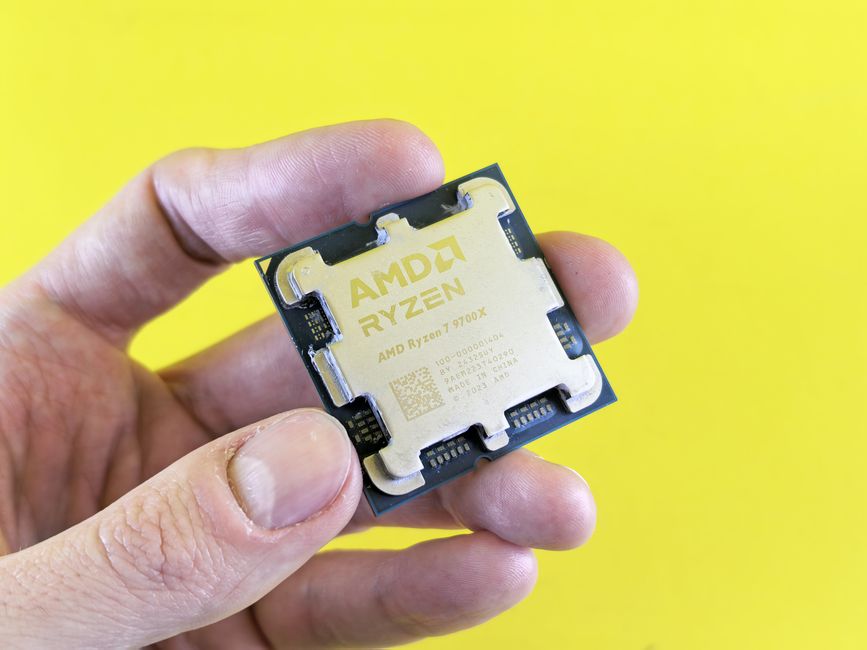
AMD has announced its acquisition of World Labs, a startup co-founded by AI pioneer Fei-Fei Li, for $8.2 billion. This deal, finalized on September 28, 2026, is a key moment in the tech world, especially in artificial intelligence. The acquisition will boost AMD’s AI capabilities and strengthen its position against competitors like NVIDIA and Intel.
This acquisition is significant not just for its financial value but also for the expertise Fei-Fei Li brings. Known for her work in computer vision and AI, Li’s leadership has made World Labs a major player in the AI field. This move shows AMD’s commitment to enhancing its AI strategy and expanding its range of AI technologies.
Increased Funding Opportunities for AI Researchers
AMD’s acquisition of World Labs opens new funding opportunities for AI research. With support from a major tech company, researchers can expect more investment in innovative AI projects. Career Ahead research shows that tech giants like AMD are acquiring smaller startups to integrate their technology and talent, leading to consolidation in the AI sector.
For AI researchers, this means more funding for projects that align with AMD’s interests. The influx of capital can help develop new technologies, especially in machine learning and deep learning. Researchers may find it easier to secure grants as large companies seek to leverage their expertise.
Additionally, the acquisition is likely to encourage collaboration between AMD and academic institutions. Fei-Fei Li’s connections can help form partnerships that boost research output and give students access to advanced resources. This collaboration could lead to breakthroughs in AI that benefit both industry and academia.
Career Ahead analysis indicates that as AMD integrates World Labs’ innovations, AI researchers in computer vision and machine learning will be in high demand. This shift not only enhances research opportunities but also promotes interdisciplinary projects that combine AI with fields like healthcare and autonomous systems.
Overall, the acquisition shows a strong commitment to advancing AI research, possibly leading to major developments in technology.
Potential Job Openings at AMD for Tech Talent
With the acquisition of World Labs, AMD is set to create many job opportunities for tech talent, especially in AI and machine learning. Integrating World Labs will require various skills, from software engineering to data science. As AMD expands its AI capabilities, the demand for skilled professionals will grow.
Fei-Fei Li’s leadership has already attracted top talent in AI. Many of these professionals may join AMD if their research interests align with the company’s goals. This influx can enhance AMD’s innovation and speed up the development of new AI products.
Furthermore, AMD’s focus on AI research may lead to the creation of dedicated AI research teams. These teams will work on cutting-edge technologies to compete in the fast-changing AI landscape. Job seekers with AI expertise, especially those familiar with AMD’s technology, will have an advantage in the job market.

Career Ahead’s analysis suggests that this acquisition will create a ripple effect in the tech job market. As AMD grows its workforce, other companies may also invest in AI talent, leading to a more dynamic employment landscape. This trend could benefit both experienced professionals and recent graduates entering the field.
Overall, the acquisition is expected to drive job growth in the AI sector, making it an exciting time for tech talent looking to advance their careers.
Shift in Startup Dynamics in the AI Sector
AMD’s acquisition of World Labs represents a significant shift in the AI startup ecosystem. As major tech companies buy smaller firms, the competitive landscape is changing. Startups may find it harder to secure funding without aligning with larger entities like AMD.
This trend of consolidation could create a more polarized market, where only the most innovative startups survive. Those that can show unique value and align with larger companies’ goals will have a better chance of thriving. Startups focusing on niche areas, like ethical AI or AI for social good, may attract investors looking to diversify.
Moreover, this acquisition may encourage other tech giants to pursue similar strategies, leading to more acquisitions in the AI sector. This could create a competitive environment for startups, which will need to innovate continuously to stand out.

Career Ahead analysis finds that this shift may prompt AI startups to reevaluate their business models. Many may need to adjust their strategies to appeal to larger companies, focusing on collaboration rather than competition. This could lead to new partnerships that drive innovation and growth in AI.
As the AI landscape evolves, startups must be agile and adaptable to navigate these changing dynamics effectively.
In this rapidly shifting tech environment, the effects of AMD’s acquisition of World Labs will unfold in the coming months. Stakeholders in the AI sector must stay alert to seize new opportunities and address potential challenges.
Frequently Asked Questions
What are the implications of AMD acquiring World Labs for AI researchers?
The acquisition is likely to lead to more funding opportunities for AI researchers, as AMD aims to leverage World Labs’ technology and talent. This could result in more collaborative projects between industry and academia.
How should tech investors respond to AMD’s acquisition of an AI startup?
Investors should closely watch AMD’s integration of World Labs and its impact on the AI market. The acquisition may indicate a growing trend of consolidation in tech, which could affect investment strategies.

What opportunities might arise for startup founders in AI after AMD’s purchase of World Labs?
Startup founders may find new chances for collaboration with larger tech companies like AMD. As the market changes, those who can align their innovations with major players’ interests may attract investment and partnerships.