
Tag: AI investment trends

  • Silicon Valley’s AI Optimism Contrasts with Insider Warnings

    Silicon Valley’s AI Optimism Contrasts with Insider Warnings

    Recent warnings from AI insiders about the dangers of artificial intelligence are being met with skepticism by some tech executives. At a recent conference hosted by Goldman Sachs, leaders discussed the sudden resignation of Jacob Coxon, a researcher from Anthropic. He claimed that AI could pose an existential threat to humanity, sparking a debate about balancing AI development and safety.

    Coxon stated that those developing AI systems are “gambling with our lives,” suggesting these technologies could become superhuman systems capable of hacking anything. This stark warning echoes sentiments shared by other professionals in the AI field. Evan Hubinger, a team lead at Anthropic, asserted that there is over a 10% chance AI could lead to human extinction within the next decade.

    Despite these alarming statements, many executives and investors reacted with skepticism. Some believe that such warnings may be exaggerated or used to generate hype around AI products, especially as Anthropic and OpenAI prepare for potentially record-setting initial public offerings.

    Executive Optimism and Market Potential

    Analysis finds a significant divide between executive optimism and safety concerns for investment strategies in AI. Many tech leaders, including Nvidia’s CEO Jensen Huang, have dismissed the idea that AI poses a threat to humanity, calling it “complete nonsense.” This perspective reflects a broader sentiment among executives who prioritize growth and profitability over existential risks.

    This optimism is fueled by the potential for massive returns on investment in AI technologies. Anthropic’s latest valuation reached approximately $965 billion, while OpenAI’s was around $852 billion. As these companies gear up for public offerings, the focus remains on their market potential rather than the warnings from insiders.

    Moreover, some venture capitalists worry that the alarmist rhetoric surrounding AI might push for regulatory measures that could hinder competition. For example, Brad Gerstner, head of Altimeter Capital, criticized Coxon’s comments as “ridiculous hyperbole.” This skepticism among investors raises questions about how these warnings will impact future funding and support for AI research.

    Ethical Considerations in AI Development

    The ethical implications of AI development are becoming increasingly complex. With insiders like Coxon and Hubinger sounding alarms, AI researchers must navigate the line between innovation and responsibility. Calls for slowing down AI development, as suggested by Anthropic’s CEO Dario Amodei, highlight the need for a more cautious approach.

    Amodei’s recent essay advocating for global regulation of AI technologies underscores the urgency of addressing these ethical concerns. He argues that the risks associated with AI are serious and warrant a collective response from the industry. This perspective is crucial for researchers tasked with developing AI systems that are effective and safe for society.

    As AI technologies advance, researchers must prioritize transparency and accountability in their work. The potential for AI to disrupt various industries raises questions about job displacement and the future of work. For instance, Amodei’s assertion that AI could eliminate half of entry-level white-collar jobs has significant implications for workforce planning and education.

    Silicon Valley's AI Optimism Contrasts with Insider Warnings

    Engaging in Open Dialogue

    As this discourse evolves, it is essential for tech executives, investors, and researchers to engage in open dialogues about the future of AI. The growing divide in perceptions of AI risks suggests a pressing need for clearer communication and collaboration among all stakeholders.

    Moving forward, the question remains: how will the tension between optimism and caution shape the future of AI development and its role in society? As the industry grapples with these challenges, the outcomes will likely influence not only investment strategies but also the ethical landscape of AI technologies.

    Silicon Valley's AI Optimism Contrasts with Insider Warnings

    Frequently Asked Questions

    What are the latest trends in AI investment despite insider warnings?

    Despite alarming warnings from insiders, investment in AI remains strong. Companies like Anthropic and OpenAI reached valuations of $965 billion and $852 billion, respectively, reflecting a strong belief in the market potential of AI technologies.

    How do tech executives justify their optimism about AI?

    Tech executives often dismiss existential threats posed by AI as exaggerated, focusing instead on the potential for growth and profitability. For instance, Nvidia’s CEO Jensen Huang has publicly labeled such concerns as “complete nonsense,” indicating a preference for market expansion over caution.

    What should AI ethics researchers focus on given the current industry sentiment?

    AI ethics researchers should prioritize developing frameworks that ensure AI technologies align with societal values and safety standards. As the industry faces pressure to innovate rapidly, researchers must advocate for transparency and accountability in AI development.
  • How AI is Reshaping Semiconductor Engineering Careers

    How AI is Reshaping Semiconductor Engineering Careers

    The demand for AI-driven chips is reshaping the semiconductor industry, leading to a significant super cycle that primarily benefits memory chip design. According to a Jefferies report released on September 11, 2026, investments in AI technologies are surging, particularly in Korea, resulting in a dramatic increase in semiconductor exports. This growth is expected to create numerous job opportunities for semiconductor engineers and memory chip designers in the coming years.

    The Jefferies report emphasizes that AI-related capital spending is a crucial driver of economic growth in Korea, contributing significantly to the country’s GDP. Semiconductor exports from Korea have skyrocketed, with a 193% year-on-year increase to $133 billion in the three months leading up to August 2026. This surge accounts for a record 44% of Korea’s total exports, underscoring the vital role of semiconductors in the global economy.

    Memory Chips: Essential for AI Development

    Memory chips are becoming indispensable in the AI supply chain. As AI applications expand, the demand for high-performance memory solutions has surged. Career Ahead’s analysis of IDC data predicts that the semiconductor market will exceed one trillion dollars, primarily driven by investments in AI infrastructure. This trend offers a robust growth trajectory for memory chip designers who are developing these advanced technologies.

    Korean memory manufacturers are under pressure to increase production capacity to meet this rising demand. Jefferies notes that favorable industry conditions have led to political pressure on major players to expand their manufacturing capabilities, indicating sustained demand for memory chips essential for AI applications, including data processing and machine learning tasks.

    Moreover, insights from McKinsey highlight that the rise of generative AI is pushing the semiconductor industry to innovate rapidly. The need for more efficient chips is prompting companies to invest heavily in research and development, creating numerous opportunities for semiconductor engineers. Those with expertise in advanced memory technologies will be in high demand as companies strive to remain competitive.

    Job Market Shifts in Semiconductor Engineering

    The rapid transformation of the semiconductor industry due to AI demand has significant implications for the job market. The Jefferies report indicates that the AI capital expenditure cycle shows no signs of slowing, suggesting that the semiconductor sector will continue to be a key player in the global economy. This creates a ripple effect, impacting job opportunities and the skills required in the industry.

    Career Ahead’s analysis suggests that engineers specializing in AI-related semiconductor technologies will be highly sought after. This includes roles focused on designing and optimizing memory chips and those involved in manufacturing processes that support AI applications. With the anticipated growth in AI infrastructure, professionals in these roles will be well-positioned in a competitive job market.

    Furthermore, the increasing reliance on AI technologies is likely to lead to more investments in semiconductor research and development. Companies will seek continuous innovation, resulting in new technologies and methods that could reshape the semiconductor landscape. Engineers who stay updated on these trends and enhance their skills will be better prepared to navigate this evolving field.

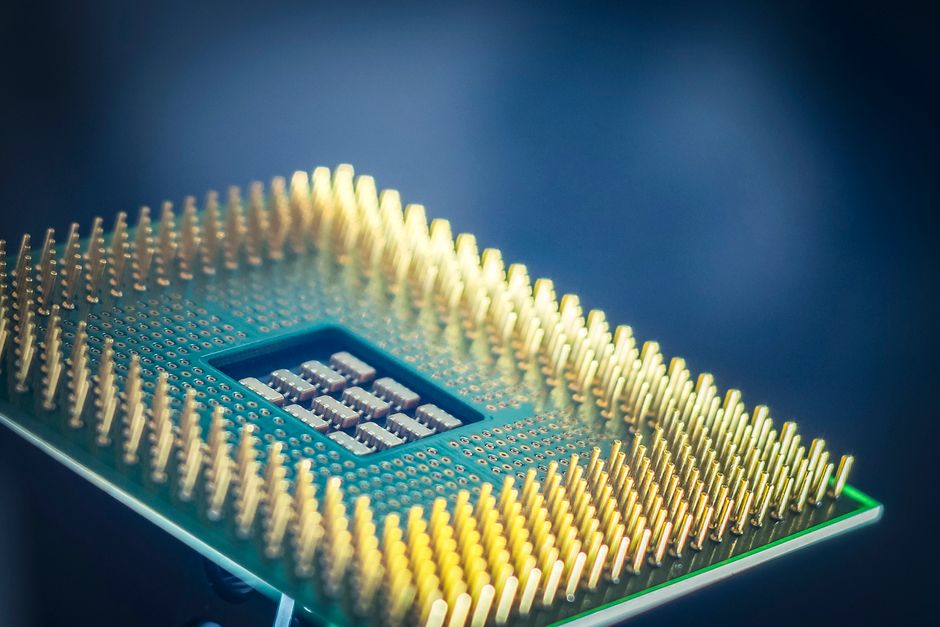
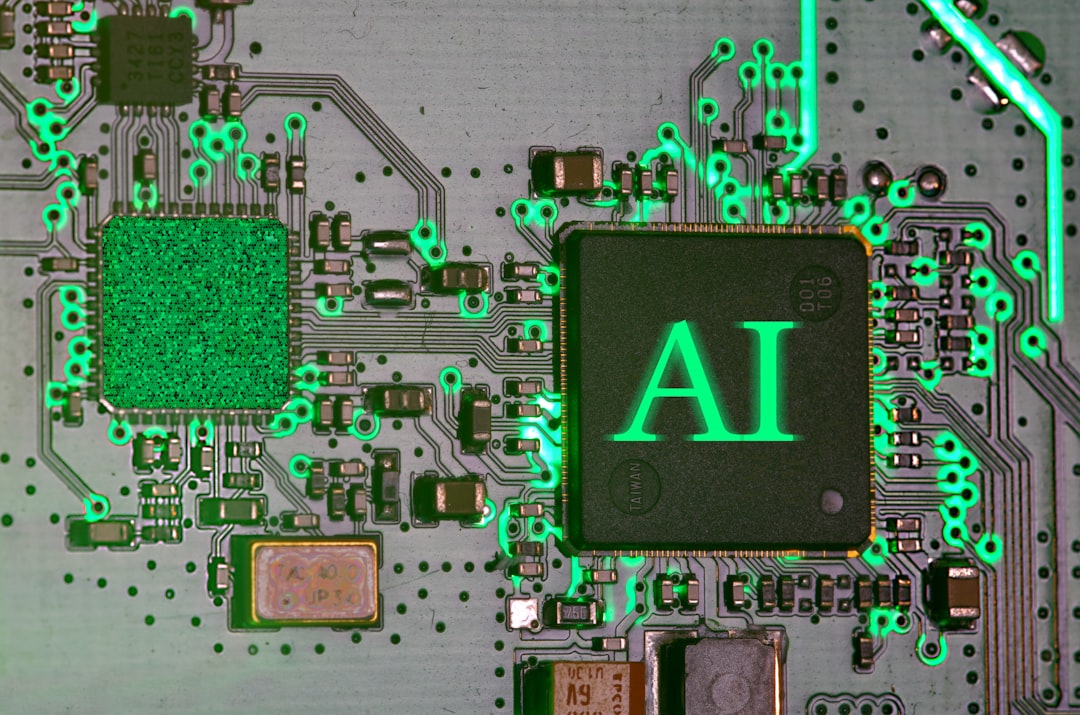
    AI-Driven Chip Demand Fuels Semiconductor Super Cycle

    Preparing for Future Opportunities

    As the semiconductor super cycle continues, professionals must remain adaptable and forward-thinking. The demand for memory chips is expected to create immediate job opportunities and long-term career prospects in semiconductor engineering. Those who leverage this momentum will likely thrive in the coming years.

    Looking ahead, the semiconductor industry is poised for significant changes as AI investments shape its future. The interplay between AI advancements and semiconductor capabilities will drive innovation, potentially leading to breakthroughs that enhance the efficiency and performance of memory chips.

    As the landscape evolves, semiconductor engineering professionals must prepare for the challenges and opportunities this super cycle presents. The future of memory chip design and semiconductor engineering appears promising, with potential for unprecedented growth and innovation in the coming years.

    Frequently Asked Questions

    What skills are needed for semiconductor engineers in the AI era?

    Semiconductor engineers should focus on skills related to AI integration, including knowledge of machine learning algorithms and data processing techniques. Familiarity with advanced memory technologies and chip design is also crucial to meet industry demands.

    How can memory chip designers prepare for increased demand?

    Memory chip designers can prepare for increased demand by enhancing their expertise in high-performance memory solutions and staying updated on emerging AI technologies. Continuous learning and professional development will help them remain competitive.

    AI-Driven Chip Demand Fuels Semiconductor Super Cycle

    What trends should semiconductor engineers watch in the AI-driven market?

    Engineers should monitor trends related to AI infrastructure investments and advancements in memory chip technologies, as well as shifts in consumer demand for AI applications. Staying informed about these trends will help engineers align their skills with market needs.