Tag: AI integration

  • WhatsApp Business Tools Empower AI Integration

    WhatsApp Business Tools Empower AI Integration

    Meta has launched the WhatsApp Business Tools MCP (Master Code Platform), allowing AI agents such as Claude, Codex, and ChatGPT to assist businesses with setup and testing. This new tool aims to streamline the integration of WhatsApp Business messaging, enabling developers to automate various tasks involved in account setup and API registration.

    With the introduction of this tool, businesses can create WhatsApp Business Accounts, verify phone numbers, and manage API registrations with the help of AI. This marks a significant step forward in leveraging artificial intelligence to enhance the efficiency of customer service operations.

    AI-Driven Business Messaging

    The WhatsApp Business Tools MCP simplifies the process for developers by allowing them to describe their needs to an AI agent instead of navigating multiple platforms. This integration reduces the complexity of switching between Meta’s Developer Console, Business Manager, and API documentation. Meta’s innovative approach enables AI to handle tasks such as template creation and webhook testing, which traditionally required extensive manual input.

    By using AI agents, businesses can quickly identify potential issues in their setup before testing integrations. This proactive approach minimizes errors and improves the overall efficiency of the messaging setup process. As AI continues to evolve, the potential for automation in customer service roles becomes increasingly clear.

    Meta’s announcement also highlights the growing trend of AI-driven solutions in business communications. The integration of AI agents into WhatsApp Business is not just a technological upgrade; it reflects a broader shift towards automation in customer service. Companies are increasingly looking for ways to streamline operations and reduce manual workloads, and AI tools like the WhatsApp Business Tools MCP are at the forefront of this change.

    According to a report from Forbes, the implementation of AI in business processes is expected to grow significantly, with many companies adopting AI solutions to enhance their customer interactions. This trend indicates that businesses leveraging AI for customer service will likely gain a competitive edge in their respective markets.

    Streamlining Testing Processes

    One of the standout features of the WhatsApp Business Tools MCP is its ability to reduce the manual testing requirements that businesses typically face. Traditionally, developers would need to undergo a lengthy process of testing and troubleshooting their integrations. However, with the introduction of AI agents, this process can be expedited significantly.

    The AI agents can perform checks on authentication and permissions, ensuring that all necessary requirements are met before a business goes live with its WhatsApp messaging setup. This not only saves time but also allows for a more seamless transition from development to production. As businesses increasingly move towards digital communication, the need for efficient testing processes becomes paramount.

    Furthermore, the ability to develop and customize WhatsApp message templates through AI facilitates a more tailored approach to customer engagement. Businesses can create specific templates that resonate with their target audience, enhancing the overall customer experience. This shift towards personalization in customer service is crucial in an era where consumers expect more individualized interactions.

    WhatsApp Business Tools Streamline AI Integration

    As reported by Reuters, the demand for AI-driven customer service solutions is on the rise, with many companies seeking to integrate these technologies into their operations. The WhatsApp Business Tools MCP aligns perfectly with this trend, providing businesses with the tools they need to enhance their customer communication strategies.

    Future Prospects for Customer Service Automation

    The launch of the WhatsApp Business Tools MCP signifies a pivotal moment in the evolution of customer service automation. Companies are beginning to realize the potential of AI to assist with routine tasks and enhance overall customer satisfaction. The ability to automate setup and testing processes is just the beginning.

    As AI technology continues to advance, we can expect to see even more sophisticated tools that will further streamline customer service operations. Businesses that embrace these changes will likely find themselves at the forefront of innovation in their industries. The integration of AI into customer service is not merely a trend; it is becoming a fundamental aspect of how businesses operate.

    Moreover, the implications of this technology extend beyond just WhatsApp Business. Other platforms are likely to follow suit, integrating AI solutions into their own messaging and customer service frameworks. This could lead to a significant transformation in how businesses interact with their customers across various channels.

    In light of these developments, it is essential for businesses to stay informed about the latest advancements in AI technology. The WhatsApp Business Tools MCP is a clear indication of where the industry is headed, and companies that adapt quickly will benefit the most.

    Frequently Asked Questions

    How do I implement AI agents in my WhatsApp Business setup?

    Implementing AI agents in your WhatsApp Business setup involves using the WhatsApp Business Tools MCP to automate tasks such as account creation, phone number verification, and template management. This tool allows you to work directly with AI agents to streamline the integration process.

    What are the benefits of using WhatsApp Business Tools MCP for customer service?

    The WhatsApp Business Tools MCP offers several benefits, including reduced manual testing requirements, faster deployment times, and enhanced customization options for messaging templates. These features collectively improve operational efficiency and customer engagement.

    WhatsApp Business Tools Streamline AI Integration

    How can AI improve testing processes in WhatsApp Business?

    AI can improve testing processes in WhatsApp Business by automating checks for authentication and permissions, identifying potential issues before they arise. This proactive approach minimizes errors and accelerates the transition from development to production.


  • The Rise of Forward Deployed Careers in the Age of AI

    The Rise of Forward Deployed Careers in the Age of AI

    India — The rise of forward deployed engineers (FDEs) is reshaping professional roles in the age of artificial intelligence (AI). These engineers work directly within organizations to integrate AI into workflows, creating tangible value. As the number of AI tools increases, the demand for FDEs is expected to rise, indicating a significant shift in the relationship between technology and business.

    Unlike conventional engineers who operate from development centers, FDEs engage directly with clients to address real-time challenges. This hands-on approach is essential as organizations increasingly rely on AI to enhance their operations. Research by Career Ahead indicates that many companies are adopting AI technologies, with FDEs playing a crucial role in ensuring these technologies deliver real benefits.

    Career Ahead’s analysis reveals that enterprise generative AI spending surged from approximately $11.5 billion in 2024 to $37 billion in 2025. However, a report from MIT’s State of AI in Business 2025 states that only about 5% of AI pilots have produced measurable business impact. This gap underscores the urgent need for professionals who can effectively connect technology with real-world implementation.

    FDEs are not merely technical experts; they also possess a deep understanding of organizational culture and processes. They represent a new model of work that prioritizes collaboration and contextual intelligence over traditional technical skills. As AI becomes more embedded in business operations, the ability to navigate complex organizational dynamics will be vital for professionals in this field.

    From Functional Expertise to Embedded Expertise

    The traditional professional model has long emphasized functional expertise, where specialists operate within their own domains. However, the emergence of FDEs signifies a shift toward embedded expertise. Professionals are now expected to work closely with organizations to deliver value, which involves not only implementing AI solutions but also comprehending each organization’s unique challenges.

    A report by fde.academy highlights that the role of FDEs is becoming increasingly important as companies strive to maximize their AI investments. Effectively implementing AI solutions requires a profound understanding of both technology and the specific context in which it is applied. This shift is evident across various industries, where roles are evolving to meet the demands of an AI-driven economy.

    Moreover, the demand for FDEs is projected to grow as organizations seek professionals capable of managing the complexities of AI integration. A study by kdnuggets.com indicates that FDEs are among the most sought-after roles in tech, with companies prioritizing candidates who demonstrate both technical skills and contextual understanding. This trend emphasizes the necessity for adaptability and collaboration in today’s job market.

    Additionally, the changing landscape of professional work necessitates a reevaluation of traditional education models. Universities and training programs must adapt to produce graduates who are knowledgeable and capable of creating value through collaboration and innovation. As the demand for FDEs increases, educational institutions will need to emphasize interdisciplinary learning and real-world applications to prepare students for these new roles.

    Implications for Professionals and Organizations

    The rise of forward deployed careers impacts not only individual roles but also signifies a broader transformation in how organizations approach talent development and recruitment. As AI technologies evolve, companies will need to rethink their strategies for attracting and retaining talent, fostering a culture of continuous learning and adaptability among employees.

    Career Ahead research indicates that the future of work will require professionals to possess a unique blend of skills that combine technical knowledge with business acumen. This is particularly relevant for FDEs, who must translate technical solutions into business value. As organizations increasingly focus on integration and implementation, understanding organizational goals and aligning AI initiatives with these objectives will be critical.

    Furthermore, the shift toward embedded expertise provides professionals with an opportunity to distinguish themselves in the job market. Those who can effectively bridge the gap between technology and business will be well-positioned to thrive in an AI-driven economy. This trend underscores the importance of developing soft skills, such as communication and collaboration, alongside technical abilities.

    The Rise of Forward Deployed Careers in the Age of AI

    As the demand for FDEs grows, organizations will also need to adjust their hiring practices. Companies may begin to prioritize candidates who possess a strong understanding of both technology and organizational dynamics. This shift could lead to a more holistic approach to talent acquisition, where professionals are evaluated based on their ability to drive value within an organization, rather than solely on their technical skills.

    The rise of forward deployed engineers represents a pivotal moment in the evolution of professional roles in the age of AI. As organizations strive to harness the full potential of AI technologies, the need for professionals who can implement these solutions effectively will become increasingly vital. The future of work will likely emphasize collaboration, contextual understanding, and the creation of measurable impact.

    Frequently Asked Questions

    What skills do forward deployed engineers need to work with AI?

    Forward deployed engineers must possess a combination of technical and soft skills. They need to understand AI technologies and how to implement them within an organization while navigating organizational dynamics and fostering collaboration.

    How can AI product managers adapt to the rise of forward deployed careers?

    AI product managers can adapt by focusing on integrating AI solutions into business processes. They should develop skills in contextual understanding and collaboration to work effectively with forward deployed engineers and other stakeholders.

    The Rise of Forward Deployed Careers in the Age of AI

    What should forward deployed engineers do to stay relevant in an AI-driven job market?

    To remain relevant, forward deployed engineers should continuously update their technical skills and enhance their understanding of organizational dynamics. Engaging in interdisciplinary learning and collaborating with various teams will also be essential in this evolving landscape.

  • The Rise of Forward Deployed Careers

    The Rise of Forward Deployed Careers

    India’s workforce is undergoing a transformation as forward deployed engineers (FDEs) become essential in leveraging AI technologies within businesses. This shift is not merely technological; it redefines job roles and creates new avenues for value generation. FDEs symbolize a departure from traditional employment models, focusing on close collaboration with clients to implement AI solutions that yield tangible results.

    As the adoption of AI accelerates, organizations require professionals who can bridge technical expertise with business needs. According to a16z.com, the demand for FDEs has surged, highlighting the importance of understanding the business context alongside technical skills. This evolution is reshaping career trajectories and necessitating new competencies for engineers and product managers alike.

    Defining the Role of Forward Deployed Engineers

    Forward deployed engineers differ significantly from conventional software engineers. They operate directly within client organizations, tasked not only with developing AI solutions but also with comprehending the specific challenges and workflows of the business. This hands-on involvement enables them to tailor AI applications to meet unique requirements, ensuring that technology delivers genuine value.

    However, integrating AI into business processes is fraught with challenges. A report from MIT’s State of AI in Business 2025 reveals that while spending on generative AI has surged, only about 5% of AI pilots have demonstrated measurable business impact. This gap underscores the necessity for FDEs, who can navigate the complexities of organizational culture and operations to facilitate successful implementation.

    The emergence of FDE roles reflects a broader trend in the job market. The ability to adapt and integrate technology into existing systems is becoming increasingly valuable. As noted by GeeksforGeeks.org, FDEs are expanding their responsibilities beyond engineering to include project management and strategic planning, making them indispensable in today’s AI-driven landscape.

    The rising demand for FDEs also signals a significant economic shift. As businesses increasingly rely on AI, job roles are becoming less rigidly defined. Professionals now require a blend of technical knowledge, business acumen, and interpersonal skills. This diverse skill set is crucial for fostering innovation and ensuring that AI technologies enhance productivity.

    Enhancing Collaboration Across Functions

    Integrating AI into business operations is inherently collaborative. Forward deployed engineers must work closely with teams across product management, marketing, and operations. This collaboration ensures that AI solutions align with organizational objectives and maximize their impact.

    A report by Hashnode.com emphasizes that FDEs are evolving into liaisons between technical teams and business stakeholders. This role demands strong communication skills and the ability to convey complex technical concepts to non-technical audiences. By fostering collaboration, FDEs enable organizations to leverage AI more effectively, driving innovation and enhancing performance.

    Collaboration extends beyond internal teams; FDEs frequently engage with clients and external partners, gathering insights that inform AI solutions. This interaction not only enhances the relevance of the technology but also builds trust among stakeholders. As organizations increasingly depend on AI, nurturing these relationships will be vital for success.

    The Rise of Forward Deployed Careers in AI-Driven Workplaces

    Career Ahead’s analysis indicates that the growing complexity of AI technologies necessitates professionals who can navigate diverse perspectives and promote teamwork. This trend highlights the importance of interdisciplinary skills, as FDEs must integrate knowledge from various fields to develop effective AI solutions tailored to their organizations.

    Commitment to Lifelong Learning in AI

    In the rapidly evolving landscape of AI, continuous learning is essential for forward deployed engineers. Staying abreast of the latest advancements in AI, machine learning, and data analytics is crucial for maintaining competitiveness. LinkedIn.com notes that professionals who prioritize learning and skill development are better positioned to adapt to changes in the job market.

    The dynamic nature of AI compels FDEs to actively pursue new knowledge and skills. This may involve attending workshops, enrolling in online courses, and participating in industry conferences to stay informed about emerging trends and best practices. By adopting a lifelong learning mindset, FDEs can enhance their careers and contribute significantly to their organizations’ success in implementing AI technologies.

    Organizations are increasingly recognizing the value of investing in employee development. Companies that support continuous learning initiatives cultivate a culture of innovation and adaptability. This investment not only benefits individual employees but also enhances the overall effectiveness of teams engaged in AI projects.

    The Rise of Forward Deployed Careers in AI-Driven Workplaces

    As the work landscape continues to evolve, the emphasis on continuous learning will intensify. FDEs who prioritize skill development and embrace new technologies will be better equipped to navigate the complexities of AI integration, ensuring they remain valuable assets to their organizations.

    Future Directions for Forward Deployed Engineers

    The rise of forward deployed engineers signifies a pivotal moment in the evolution of professional roles in the AI era. As businesses strive to harness the full potential of AI, the demand for professionals capable of integrating these solutions will continue to grow. The pressing question remains: how will organizations adapt their hiring and training strategies to meet this emerging demand for FDEs?

    Frequently Asked Questions

    What skills do forward deployed engineers need to work with AI?

    Forward deployed engineers require a combination of technical skills in AI and machine learning, alongside strong business acumen and interpersonal skills. This blend enables them to effectively integrate AI technologies into organizational workflows.

    The Rise of Forward Deployed Careers in AI-Driven Workplaces

    How can AI product managers adapt to the rise of forward deployed careers?

    AI product managers can adapt by deepening their understanding of the business contexts for their products. Collaborating closely with forward deployed engineers is crucial to ensure that AI solutions meet specific organizational needs.

    What should forward deployed engineers do to stay relevant in an AI-driven job market?

    To remain relevant, forward deployed engineers should focus on continuous learning and skill development in emerging AI technologies. Keeping pace with industry trends and engaging in professional development will enhance their competitiveness.

  • Slack Introduces Vibe-Coding for Interactive Reports and Charts

    Slack Introduces Vibe-Coding for Interactive Reports and Charts

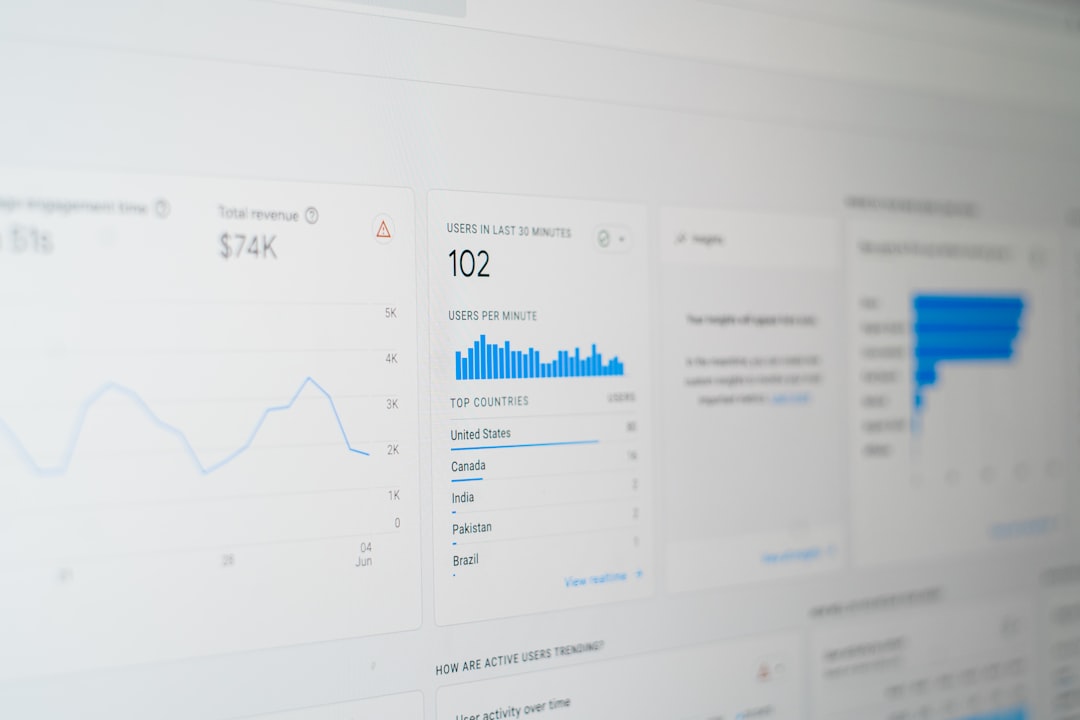
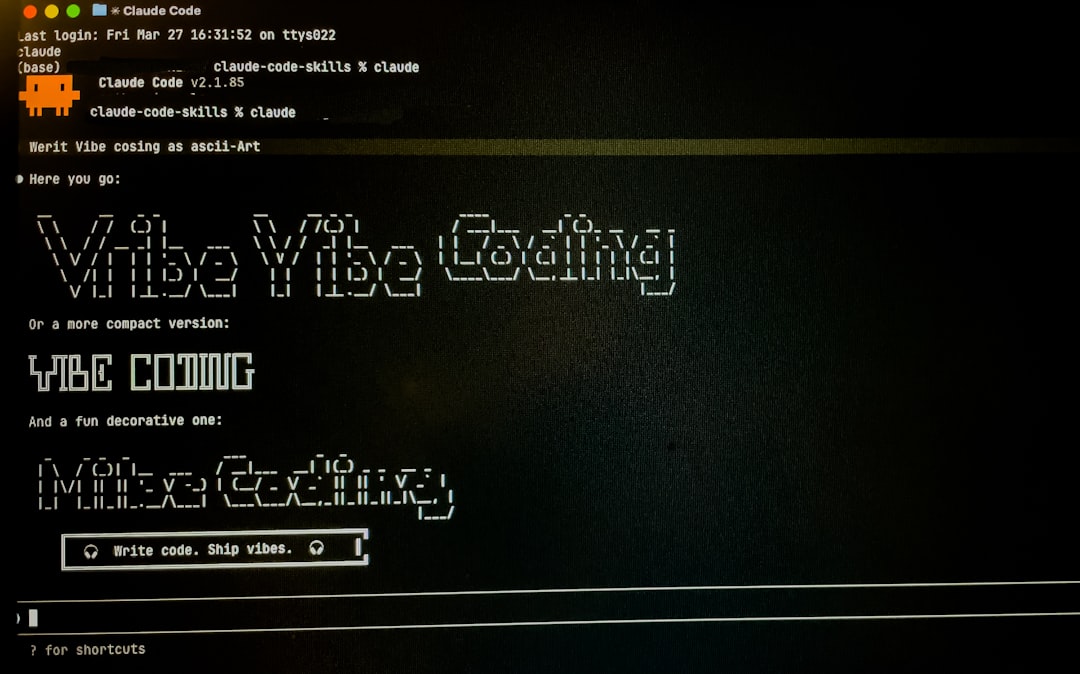
    Slack has launched a new feature called vibe-coding. This tool lets users create interactive reports and charts within chat conversations. Unveiled on September 10, 2026, it aims to boost collaboration by integrating AI into the Slack platform. Users can describe their reporting needs to Slackbot. The bot gathers relevant information from conversations and connected apps like Google Drive and Salesforce. It then produces visualizations that can be shared and discussed in real-time.

    This development is important for data analysts and project managers. They rely on effective communication and data visualization to drive projects forward. By allowing reports and dashboards to be created directly in Slack, this feature reduces the need to switch between multiple applications. This streamlines workflows and boosts productivity.

    Transforming Data Reporting in Slack

    The introduction of vibe-coding changes how data reporting is done in Slack. Users can create interactive charts and reports by simply asking Slackbot for help. This feature simplifies data visualization and promotes a collaborative environment. Team members can easily interact with the data being presented.

    According to Gizmodo, the vibe-coding tool meets various business needs. Users can create everything from polls to complex dashboards. This versatility allows project managers to tailor their reporting to specific project requirements. It ensures that all stakeholders have access to easy-to-understand information.

    Furthermore, AI integration allows for dynamic interaction with data. As Slackbot gathers information from different sources, it presents insights that may not be obvious. This helps teams make informed decisions based on real-time data analysis. This capability is especially useful for data analysts who often interpret large datasets and share findings.

    Career Ahead’s analysis shows that vibe-coding will likely reduce the time spent on data reporting tasks. By cutting down on manual data entry and repetitive tasks, teams can focus more on analysis and strategy. This ultimately leads to better project outcomes.

    As more organizations adopt remote work, effective communication tools like Slack are crucial. The vibe-coding feature strengthens Slack’s position as a leading collaboration platform. It becomes an essential tool for teams looking to improve productivity and efficiency.

    Enhancing Collaboration and Workflow

    The vibe-coding feature is not just about creating reports; it also boosts team collaboration. Users can pin reports and dashboards within channels. This makes it easy for team members to access and comment on the presented data. This fosters transparency and open communication, which are vital in today’s fast-paced work environment.

    Moreover, creating interactive reports directly in Slack allows project managers to keep teams updated. This reduces the need for lengthy email threads or external meetings. This shift is especially relevant for teams on tight deadlines, as it allows for quicker decision-making and responsiveness to project changes.

    As detailed on the Slack Marketplace, integrating tools like Vibe with Slack helps users organize their work better. Vibe’s features, such as infinite canvases and smart shapes, complement Slack’s capabilities. This provides a comprehensive solution for project management and collaboration. The synergy between these tools enhances the user experience, making it easier for teams to visualize and manage projects.

    Slack Introduces Vibe-Coding for Interactive Reports and Charts

    Career Ahead research finds that tools integrating seamlessly into workflows are more likely to be adopted. With vibe-coding, Slack addresses the needs of modern teams that demand flexibility and efficiency. This feature meets those demands and sets a new standard for collaboration tools in the tech industry.

    As remote work continues to evolve, Slack’s innovations position it as a leader in collaboration. It provides users with the tools they need to succeed in a digital-first world.

    Future Implications for Data Analysts and Project Managers

    The launch of vibe-coding will likely have lasting effects on data analysts and project managers. As more organizations adopt this feature, expectations for data visualization and reporting will change. Analysts will need to adapt to this new way of presenting data. They will focus on creating engaging and interactive content that can be easily shared and discussed.

    Project managers will increasingly rely on real-time data insights for decision-making. The ability to visualize data instantly will help them make quicker adjustments to project plans. This could lead to more successful outcomes and redefine project management, emphasizing agility and responsiveness.

    Slack Introduces Vibe-Coding for Interactive Reports and Charts

    As noted in the Slack Marketplace, combining AI and collaborative tools is expected to drive further innovation in workplace technologies. Organizations that embrace these advancements will likely gain a competitive edge. They can leverage data more effectively to inform their strategies.

    Looking ahead, the question remains: how will other collaboration platforms respond to Slack’s innovations? As competitors seek to enhance their offerings, we may see new features aimed at improving data visualization and team collaboration across various platforms.

    Frequently Asked Questions

    How do I create interactive charts in Slack?

    To create interactive charts in Slack, describe your reporting needs to Slackbot. The AI will gather information from your conversations and connected apps to generate the charts you need.

    What are the benefits of using Slack for project management?

    Using Slack for project management enhances team collaboration, reduces the need for multiple applications, and allows for real-time updates and communication. This makes it easier to manage projects efficiently.

    How can data analysts leverage new Slack features for reporting?

    Data analysts can use Slack’s new vibe-coding feature to create interactive reports and visualizations directly within chats. This streamlines their workflow and improves communication with team members.