Tag: AI infrastructure

  • Crusoe Raises $3.9B for AI Data Centers and Modular Factories

    Crusoe Raises $3.9B for AI Data Centers and Modular Factories

    Crusoe raised $3.9 billion in a Series F funding round on September 17, 2026. This funding aims to expand its AI infrastructure capabilities, pushing the company’s valuation to $30.9 billion. The investment is a significant boost for the data center and AI factory sectors, co-led by Atreides Management, Mubadala Capital, and Valor Equity Partners, with participation from major investors like Nvidia and the Qatar Investment Authority.

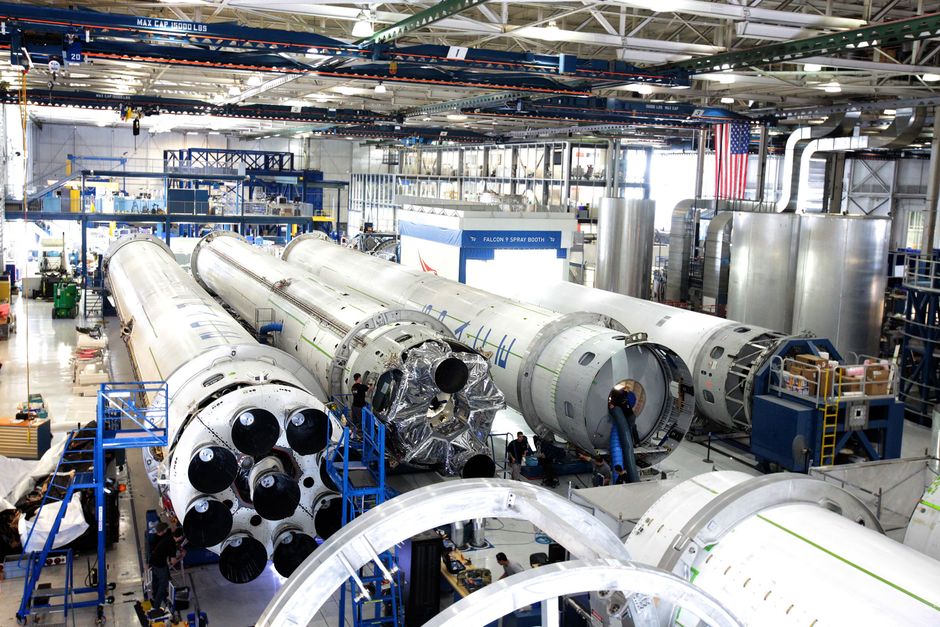
    The funding will facilitate the development of large-scale data centers and smaller modular AI factories. These modular factories, known as Spark, can be deployed faster than traditional setups, allowing for quicker deployment and less community resistance. This shift towards modular solutions is vital to meet the growing demand for AI computing power.

    Growing Need for Skilled Data Center Engineers

    The investment in Crusoe’s infrastructure indicates a rising demand for data center engineers. As the company expands, it will require more skilled engineers to design, build, and maintain these facilities. Career Ahead analysis estimates that Crusoe’s data center growth will create thousands of new jobs in the coming years, particularly for engineers focused on energy-efficient and sustainable design.

    Data center engineers must adapt to the unique needs of modular AI factories, which prioritize flexibility and efficiency. Engineers will need traditional skills alongside a solid understanding of energy management and sustainable practices. The push for greener technologies is now a key factor in designing and operating new data centers.

    The job market for data center engineers is evolving. Major companies like Meta and Microsoft rely on Crusoe’s infrastructure, giving engineers the opportunity to negotiate better salaries and benefits. This trend is expected to attract more talent to the field, increasing the demand for skilled professionals.

    Alongside job creation, the expansion will likely lead to new training programs and partnerships with educational institutions. As the industry evolves, universities and technical schools may offer specialized courses focusing on modular data center design and energy-efficient computing solutions, preparing the next generation of engineers.

    Innovative Opportunities for AI Factory Designers

    The rise of modular AI factories presents unique opportunities for AI factory designers. These compact and efficient facilities allow for quick deployment in various locations. Career Ahead research indicates that as Crusoe increases production of these modular units, designers will play a crucial role in creating innovative solutions that meet both technical and environmental standards.

    AI factory designers need to optimize space and energy use while ensuring high-performance computing. This includes integrating advanced technologies like AI-driven resource management and cloud computing. Designers who can effectively combine these elements will be in high demand as companies strive to improve operational efficiency.

    The modular approach also allows for customization based on client needs. Designers will collaborate closely with clients to develop tailored solutions that enhance their AI capabilities. This collaborative method will not only improve client satisfaction but also foster innovation within the industry.
    Crusoe Raises .9B for AI Data Centers and Modular Factories

    The trend towards modularization in AI infrastructure may ignite interest in research and development. Designers and engineers will explore new materials and technologies to enhance the efficiency and sustainability of AI factories, contributing to a more eco-friendly tech landscape.

    Broader Implications for the Tech Industry

    Crusoe’s investment underscores a broader trend in the tech industry towards sustainable and efficient AI solutions. As companies recognize the importance of energy management and environmental impact, the demand for innovative data center solutions is expected to grow. This shift may lead to changes in industry standards and practices, encouraging more companies to adopt similar approaches.

    The investment in modular AI factories could also influence regulatory policies related to data centers and energy use. Communities are increasingly concerned about the environmental impact of large data centers, and companies demonstrating a commitment to sustainability are likely to gain a competitive edge. This may encourage policymakers to support initiatives promoting cleaner technologies in the tech sector.

    Furthermore, expanding Crusoe’s infrastructure is anticipated to boost economic growth in areas where these facilities are established. The influx of jobs and investment will benefit local economies, creating a ripple effect across various sectors. As demand for skilled workers rises, local educational institutions may receive support to enhance training programs, aiding community development.

    Crusoe Raises .9B for AI Data Centers and Modular Factories

    As the AI landscape evolves, Crusoe’s investment will have lasting implications beyond immediate job creation. The focus on modular and sustainable solutions may set new benchmarks for the industry, influencing how future data centers are designed and operated.

    The future of AI infrastructure looks promising, with Crusoe leading the way. Successfully implementing modular data centers may inspire other companies to follow suit, reshaping the industry landscape. This evolution is crucial for meeting the growing demand for AI capabilities while addressing environmental concerns.

    Frequently Asked Questions

    What skills do data center engineers need for new AI facilities?

    Data center engineers need a mix of traditional engineering skills and knowledge of sustainable practices. Skills in energy management, modular design, and advanced computing technologies will be crucial as the industry shifts toward more efficient and eco-friendly solutions.

    How can AI factory designers prepare for emerging technologies?

    AI factory designers should focus on integrating advanced technologies like AI-driven resource management and cloud computing. Continuous learning and adapting to new materials and design techniques will be essential to stay competitive in this evolving field.

    Crusoe Raises .9B for AI Data Centers and Modular Factories

    What should data center engineers do about the rise of modular AI factories?

    Data center engineers should enhance their skills in modular design and energy-efficient technologies. Engaging in training programs and collaborating with educational institutions can help them adapt to the changing landscape of AI infrastructure.


  • Perplexity AI Partners with Crusoe for Enhanced Cloud Solutions

    Perplexity AI Partners with Crusoe for Enhanced Cloud Solutions

    Crusoe has signed a deal with Perplexity AI to boost cloud capacity. This move will greatly impact AI startups. The partnership, announced on September 15, 2026, aims to provide more cloud resources for artificial intelligence applications. This deal is essential for startups that want to grow and improve their AI capabilities.

    The collaboration responds to the rising demand for cloud services that support advanced AI workloads. As AI technologies develop, the need for strong and scalable cloud infrastructure becomes urgent. Crusoe’s skills in data center solutions, combined with Perplexity’s innovative AI technologies, make them well-suited to meet this need.

    Impact on Cloud Resources for AI Startups

    The deal between Crusoe and Perplexity AI will increase cloud resources for AI applications. This expansion is crucial for startups that depend on cloud computing to create and launch their AI models. With more capacity, these companies can process larger datasets and train more advanced models, leading to better products and services.

    Career Ahead’s analysis shows that this partnership fits into a larger trend in tech. Cloud infrastructure is becoming more specialized for AI applications. Data from DatacenterDynamics indicates that companies like Perplexity AI are leading in providing tailored cloud solutions for AI developers and researchers.

    Moreover, the partnership is expected to reduce latency and enhance performance for AI workloads. Startups using these improved resources can expect faster processing times and more efficient operations. This efficiency is vital in a competitive market where time-to-market can determine success.

    Additionally, this increased capacity may lower operational costs for startups. With more efficient cloud solutions, companies can optimize their spending on cloud services. This allows them to invest in other important areas like research and development, marketing, and talent acquisition.

    Overall, the Crusoe and Perplexity AI deal marks a significant step forward for cloud resources in AI startups. It provides them with the tools they need to succeed in a fast-changing environment.

    Cost Implications and Strategic Opportunities

    The financial implications of the Crusoe and Perplexity AI partnership are significant for AI startups. As cloud capacity grows, startups may negotiate better pricing with cloud providers. This could lead to substantial savings, especially for smaller firms with tight budgets.

    According to FelloAI, the changing cloud landscape suggests companies will seek partnerships that offer capacity and cost-effective solutions. Startups working with Crusoe and Perplexity AI may benefit from new pricing models, such as pay-as-you-go options or tiered pricing based on usage.

    Furthermore, the collaboration opens doors for startups to innovate. With access to enhanced cloud resources, AI developers can try new algorithms and models that were previously impossible due to resource limits. This could lead to breakthroughs in AI applications across various sectors, including healthcare, finance, and logistics.

    Crusoe Signs Perplexity AI Deal to Expand Cloud Capacity

    Career Ahead research shows that startups using these resources can expect to improve their product offerings. The ability to quickly test and iterate new ideas can provide a competitive edge in the fast-paced AI market.

    In summary, the strategic implications of this partnership go beyond resource availability. The potential for cost savings and innovation positions AI startups to not only survive but thrive in a challenging economic landscape.

    Future Outlook for AI Startups and Cloud Engineers

    Looking ahead, the partnership between Crusoe and Perplexity AI will likely affect hiring trends for cloud engineers. As the demand for specialized cloud solutions rises, companies will look for professionals who can manage and optimize these advanced infrastructures. This shift may create new job roles and skill requirements in cloud engineering.

    Career Ahead’s analysis suggests that cloud engineers will need to adapt by learning skills related to AI and machine learning. Understanding how to integrate AI capabilities into cloud environments will become crucial as companies seek engineers who can connect cloud infrastructure and AI applications.

    Moreover, the increased focus on cloud resources for AI may lead to more collaborative projects between startups and established tech firms. This trend could create an environment where knowledge sharing and innovation thrive, benefiting the entire industry.

    As AI technologies continue to advance, the effects of this partnership will likely resonate throughout the tech ecosystem. Startups that take advantage of these developments will be better positioned to lead in their markets.

    Ultimately, the Crusoe and Perplexity AI deal highlights a key moment in the evolution of cloud resources for AI startups, setting the stage for future advancements and opportunities.

    Frequently Asked Questions

    What are the benefits of increased cloud capacity for cloud engineers?

    Increased cloud capacity allows cloud engineers to work with larger datasets and more complex AI models. This leads to better performance and efficiency in developing AI applications, as engineers can use enhanced resources for their projects.

    How can AI startup founders leverage new cloud resources?

    AI startup founders can use the expanded cloud resources to cut operational costs and improve product development timelines. By accessing more efficient cloud solutions, they can focus on innovation and scaling their businesses effectively.

    Crusoe Signs Perplexity AI Deal to Expand Cloud Capacity

    What should cloud engineers consider when integrating new cloud solutions?

    Cloud engineers should consider the scalability and performance of new cloud solutions. They must ensure these meet the specific needs of AI applications. Additionally, understanding cost structures and potential savings will be crucial for optimizing cloud resource management.

  • Cornelis Raises $205M to Challenge Nvidia’s Market Dominance

    Cornelis Raises $205M to Challenge Nvidia’s Market Dominance

    Cornelis, an AI infrastructure company, has successfully raised $205 million in a funding round led by IAG Capital Partners. This significant investment aims to enhance its networking technology specifically designed for AI chips, marking a pivotal moment in the ongoing competition with Nvidia, a long-standing leader in the AI chip market.

    The announcement made on September 14, 2026, highlights Cornelis’s ambition to challenge Nvidia’s dominance. The funding will be utilized to develop their innovative product, Active Compute Fabric, which addresses a critical inefficiency in AI processing: the idle time of GPUs. By allowing data to be processed and transmitted simultaneously, this technology has the potential to revolutionize how AI workloads are managed, significantly improving performance and efficiency.

    Transformations in AI Infrastructure Funding

    The funding secured by Cornelis is indicative of a broader transformation within the AI infrastructure sector. According to data from StartupHub.ai, there has been a notable increase in funding for AI startups globally. This trend reflects a growing confidence among investors in the potential of new technologies to disrupt established players like Nvidia.

    As companies like Cornelis emerge with innovative solutions, the demand for specialized skills in AI infrastructure is expected to rise. Professionals in the field will need to adapt to new technologies that support open architectures, which facilitate better hardware integration. This shift is likely to create a heightened demand for engineers proficient in networking technologies and data management systems.

    Nvidia’s Competitive Landscape

    Nvidia has enjoyed a dominant position in the AI chip market for years, but the recent funding for Cornelis signals a potential shift in this landscape. As Cornelis and similar companies innovate, Nvidia may be compelled to rethink its strategies to maintain its market share. This could involve enhancing its product offerings or adjusting pricing structures to remain competitive.

    Analysis from OpenAI suggests that the AI market is becoming increasingly crowded, with numerous startups emerging to address gaps that larger companies may overlook. This influx of competition means that Nvidia will not only face challenges from Cornelis but also from a variety of new entrants focusing on specific niches within AI infrastructure, such as energy efficiency and data processing speed.

    Implications for Job Seekers and Engineers

    The rise of new startups like Cornelis is set to bring significant changes to the job market for AI infrastructure professionals. As investment in this sector grows, job seekers can expect an increase in available roles. However, to remain competitive, they must stay agile and continuously update their skills in line with technological advancements.

    Cornelis Raises 5M to Challenge Nvidia's Market Dominance

    AI infrastructure engineers should prioritize developing expertise in networking technologies and data management systems. With the push for open architectures, knowledge of diverse hardware configurations will become increasingly important. The demand for engineers capable of working with various hardware setups is likely to grow, creating new opportunities for those who can adapt quickly.

    Venture Capitalists and Market Dynamics

    The implications of Cornelis’s funding extend beyond the company itself; they also present significant considerations for venture capitalists. As the AI infrastructure market evolves, investors must not only evaluate the technologies being developed but also understand the broader market trends that could influence startup success. Recognizing competitive dynamics will be crucial for making informed investment decisions.

    As competition intensifies, established players like Nvidia will need to respond effectively to the emerging threats posed by agile startups. The question remains: will they innovate quickly enough to maintain their lead, or will new entrants like Cornelis reshape the AI technology landscape?

    Cornelis Raises 5M to Challenge Nvidia's Market Dominance

    Frequently Asked Questions

    What skills should AI infrastructure engineers develop in light of new funding for competitors?

    AI infrastructure engineers should focus on networking technologies and data management systems. As companies like Cornelis push for open architectures, knowledge of diverse hardware configurations will be crucial.

    How might this funding round influence venture capital investment in AI startups?

    This funding round shows growing confidence in AI infrastructure companies. It may encourage more venture capitalists to invest in emerging startups, as the competitive landscape is likely to attract additional funding.

    What strategies should venture capitalists adopt to assess emerging competitors in the AI space?

    Venture capitalists should understand the technologies and market niches that new competitors target. Evaluating the potential for disruption and adaptability of these startups will be key for informed investment decisions.

  • AI-Driven Chip Demand Sparks Semiconductor Super Cycle

    AI-Driven Chip Demand Sparks Semiconductor Super Cycle

    AI-driven demand is creating a semiconductor super cycle. This trend is especially benefiting memory chip designers and semiconductor engineers. A recent report by Jefferies highlights a strong upcycle in the semiconductor industry. This growth is driven by increasing technology investments. In Korea, semiconductor exports surged by 193% year-over-year, making up 44% of total exports. This shift has profound implications for professionals in semiconductor engineering and memory chip design.

    The semiconductor industry is transforming as AI reshapes market dynamics. The Jefferies report emphasizes that the AI capital expenditure cycle has boosted demand for semiconductors, especially memory chips. This surge in demand is not just a short-term trend. It signals a broader shift in global technology investments.

    Rising Demand for Memory Chips in AI Applications

    As AI technologies evolve, the need for advanced memory chips has skyrocketed. Memory chips are crucial for processing the vast amounts of data that AI applications require. According to Career Ahead’s analysis of data from semiconductorintelligence.com, the global semiconductor market is set to reach new heights. A significant portion of this growth comes from AI-driven applications. This shift offers a unique chance for memory chip designers to innovate and expand their product lines.

    Career Ahead research shows that the AI investment cycle will support semiconductor sectors worldwide. Companies are increasingly focused on boosting their memory chip production to meet rising demand. This trend is especially relevant for semiconductor engineers specializing in memory chip design. The market is likely to see sustained growth in the coming years.

    Additionally, major memory companies in Korea face pressure to increase production capacity. This highlights the competitive landscape of the semiconductor market. The Jefferies report indicates that these companies are ramping up manufacturing efforts to meet market demands. This situation creates a fertile ground for semiconductor engineers to apply their skills in an innovative environment.

    The broader implications of AI-driven growth are significant. The semiconductor industry’s ability to adapt to these changing demands will determine its long-term success. Memory chip designers who stay ahead of technological advancements will be well-positioned to benefit from this super cycle.

    Job Growth and Opportunities for Semiconductor Engineers

    The semiconductor industry’s growth due to AI demand is leading to substantial job growth for semiconductor engineers. Career Ahead’s analysis of IDC data shows that the semiconductor market is expected to exceed a trillion dollars. This growth is primarily driven by AI infrastructure investments. It presents many opportunities for professionals in the field.

    As companies invest in AI technologies, the demand for skilled semiconductor engineers will rise. Engineers with expertise in memory chip design and AI integration will be particularly sought after. This trend aligns with findings from mckinsey.com, which highlight that semiconductor leaders are using AI-driven data center buildouts to reshape industry value creation.

    The competitive nature of the semiconductor market requires engineers to continuously update their skills. Those who specialize in advanced-node logic and dynamic capital reallocation will be in high demand. The ability to innovate and adapt to new technologies is crucial for success in this evolving landscape.

    AI-Driven Chip Demand Sparks Semiconductor Super Cycle

    Moreover, the focus on memory chips as a key component of the AI supply chain underscores the importance of this specialization. As AI applications grow, the need for engineers who can design and manufacture cutting-edge memory solutions will increase. This creates a strong incentive for professionals to invest in their education and skills development.

    Future Trends in Semiconductor Engineering

    The future of semiconductor engineering is closely linked to advancements in AI technology. The current semiconductor super cycle is expected to drive innovation across the industry, especially in memory chip design. As AI applications become more sophisticated, the demand for faster and more efficient memory solutions will rise.

    Career Ahead identifies that integrating AI into semiconductor manufacturing processes will enhance production efficiency and reduce costs. This shift will benefit manufacturers and create new opportunities for engineers to work on innovative projects that push technology boundaries.

    Additionally, the geopolitical landscape surrounding semiconductor manufacturing may influence job opportunities. Countries like Korea are positioning themselves as leaders in semiconductor production. This could lead to increased competition for talent. Semiconductor engineers may find themselves in high demand as nations compete to secure their technological infrastructure.

    AI-Driven Chip Demand Sparks Semiconductor Super Cycle

    As the semiconductor industry evolves, professionals must remain vigilant and adaptable. Anticipating changes in technology and market demands will be essential for success in this dynamic environment. The next few years will likely see significant developments in the semiconductor sector, driven by the ongoing AI revolution.

    This super cycle presents both challenges and opportunities for semiconductor engineers and memory chip designers. How these professionals navigate the changing landscape will determine their success in the coming years.

    Frequently Asked Questions

    What skills are needed for semiconductor engineers in the AI era?

    Career Ahead analysis shows that semiconductor engineers must focus on AI integration and memory chip design skills. Familiarity with advanced manufacturing techniques and data center technologies will be crucial for staying competitive.

    How can memory chip designers prepare for increased demand?

    Memory chip designers can prepare by enhancing their knowledge of AI applications and investing in advanced design tools. Understanding the evolving needs of AI technologies will position them for success in the growing market.

    AI-Driven Chip Demand Sparks Semiconductor Super Cycle

    What trends should semiconductor engineers watch in the AI-driven market?

    Engineers should monitor advancements in AI technologies and their impact on semiconductor manufacturing. The shift toward more efficient memory solutions and AI integration will be key trends shaping the industry.