Tag: AI in education

  • ScrollEd Transforms Textbooks into Engaging Content

    ScrollEd Transforms Textbooks into Engaging Content

    Palo Alto, USA — ScrollEd is a startup that aims to change educational materials. It turns traditional textbooks into engaging TikTok-style content. This new method was shown at the TechCrunch Disrupt Startup Battlefield on September 20, 2026. The company’s app lets users convert text files, like textbooks and PDFs, into a dynamic feed similar to TikTok.

    ScrollEd’s co-founder, Utsav Gupta, highlighted the need to connect with students. He noted the shift towards short-form content among younger generations. The app includes AI-generated video, audio, text, and quizzes, making learning more engaging and accessible.

    Transforming Learning Through Engagement

    Leveraging Short-Form Video for Education

    Students are increasingly favoring short-form content. ScrollEd’s approach meets this trend by providing educational material that feels familiar. Users can swipe through topics, with quizzes at the end of each section to reinforce learning. This method captures attention and encourages deeper exploration.

    Career Ahead’s analysis shows that this shift to interactive content reflects a broader trend in educational technology. Traditional methods are being challenged by innovative solutions. The demand for engaging educational content is rising, pushing institutions to rethink how they deliver information. Data from piqmarkets.com indicates that platforms prioritizing user engagement are changing how educational resources are developed.

    Additionally, AI in content generation allows for personalized learning experiences. ScrollEd plans to build a lesson library that adapts to individual learner needs. This will help educators assess progress and engagement effectively. This adaptive approach could change how educational institutions develop their curriculum.

    As educational technology evolves, multimedia content creation will likely create new roles in the industry. Career Ahead research finds that innovators will need skills in video production, digital marketing, and interactive content design to compete.

    The Impact on Traditional Textbook Sales

    Challenges for Textbook Publishers

    The rise of platforms like ScrollEd presents challenges for traditional textbook publishers. More students are turning to interactive and engaging content. This shift may lead to declining demand for conventional textbooks. Publishers who do not adapt may see reduced sales.

    According to venture-pitch-online.com, the educational publishing industry must integrate multimedia elements to stay relevant. Publishers that produce static textbooks without interactive features may fall behind in a market that values engagement.

    Moreover, the shift to digital-first educational resources is speeding up. Institutions want to deliver content that resonates with students. Platforms like ScrollEd offer a viable solution. This trend shows the need for publishers to invest in technology and content development to compete.

    ScrollEd Transforms Textbooks into Engaging Content

    As educational institutions adopt new platforms, traditional textbook publishers face significant implications. They may need to change their business models to focus on digital content creation, interactive resources, and data analytics. This shift could reshape educational publishing, creating opportunities for new players while challenging established ones.

    Emergence of New Roles in Content Creation

    New Career Paths in Educational Technology

    The move towards short-form, interactive educational content is creating new job opportunities. As ScrollEd and similar platforms grow, demand for multimedia content creators will increase.

    Career Ahead analysis shows that roles like educational content developers, interactive media specialists, and data analysts will become more important. These positions will focus on creating engaging educational experiences that use technology to improve learning outcomes.

    Furthermore, digital content creators must adapt their skills to meet educational institutions’ needs. Creating engaging, interactive content will be essential for success. Professionals skilled in video editing, graphic design, and instructional design will be in high demand.

    Additionally, the rise of platforms like ScrollEd may increase collaboration between educators and content creators. This partnership could lead to innovative curriculum development, ensuring resources are informative and engaging for students.

    The future of educational content looks bright, with significant growth potential in the edtech sector. As institutions embrace new technologies, the education landscape will continue to evolve, offering exciting opportunities for those willing to adapt.

    ScrollEd’s method of transforming textbooks into engaging, TikTok-style content could change how educational materials are created and consumed. As this trend grows, it will be important to watch how traditional publishers respond and how new roles develop in educational technology.

    Frequently Asked Questions

    How can educational technology innovators adapt to new content formats?

    Innovators must embrace multimedia content creation and understand younger audiences’ preferences. This includes developing skills in video production and interactive content design.

    What are the implications for textbook publishers in a digital-first landscape?

    Publishers need to shift their business models to focus on interactive digital content. Failure to adapt may lead to declining sales and relevance in a competitive market.

    ScrollEd Transforms Textbooks into Engaging Content

    How should digital content creators approach educational content development?

    Content creators should focus on creating engaging and interactive materials that resonate with students. Understanding technology integration and educational principles will be key to success.

  • AI Adoption Shrinks Student Reading, Math Scores

    AI Adoption Shrinks Student Reading, Math Scores

    Student performance in reading and math has reached alarming lows, particularly as reliance on AI tools increases. A recent survey released by the OECD indicates that average reading scores among 15-year-olds have fallen by 28 points from 2015 to 2025, while math scores dropped by 22 points. This trend raises critical questions about the future of education and the readiness of students for college and beyond.

    The OECD’s assessment, based on data from around 760,000 students across 91 countries, revealed that one in five students is now classified as a low performer in core subjects, a significant increase from 16% in 2022. The findings suggest a worrying trend in educational outcomes, particularly as students increasingly turn to AI for assistance with their studies. The implications of this decline are profound, as they may hinder students’ ability to compete in a global job market that increasingly values analytical and problem-solving skills.

    Declining Performance in Core Subjects

    According to the OECD, reading performance has been declining for years, with a particularly sharp drop noted after 2018. The latest PISA results show that many students now read at a level expected of younger students from seven years ago. This regression in reading skills is alarming, especially considering the increasing use of AI tools for educational tasks. A report from Career Ahead indicates that students who frequently use AI for tasks such as summarizing texts or drafting essays often struggle with comprehension and retention, leading to poorer performance in standardized assessments.

    In addition to the decline in reading, math scores have also seen a significant downturn. The OECD reports that between 2022 and 2025, math scores fell by nine points across 35 countries with comparable data. This decline raises questions about the effectiveness of current teaching methods and the role of technology in student learning. The reliance on AI may contribute to a superficial understanding of mathematical concepts, as students might prioritize quick solutions over deep comprehension. Furthermore, the OECD’s findings reveal a troubling trend: the proportion of students classified as proficient in math has decreased, suggesting that foundational skills are not being adequately developed.

    Career Ahead’s analysis finds that students who use AI for specific schoolwork tasks, such as summarizing texts or drafting essays, tend to score lower in subjects like science compared to their peers who do not rely on AI for these tasks. This suggests that while AI can be a helpful tool, it may also hinder the development of critical thinking and problem-solving skills that are essential for academic success. The increased dependency on AI tools may lead students to overlook the importance of engaging deeply with material, which is crucial for mastering complex subjects.

    The OECD’s findings also indicate a shift in how students engage with reading material. The proportion of accurate and fluent readers has decreased, while the number of hasty readers—those who provide quick but incorrect answers—has increased. This pattern aligns with the growing reliance on AI, which may lead to a superficial understanding of complex texts. The decline in reading fluency is particularly concerning, as it can affect students’ ability to analyze and synthesize information, skills that are vital for success in higher education and beyond.

    Challenges for Educators and Students

    The decline in reading and math scores poses significant challenges for high school students, particularly as they prepare for college. With AI tools becoming more prevalent in educational settings, students must develop a strong foundation in these core subjects to succeed in higher education and the workforce. The reliance on AI could create a generation of students who are ill-equipped to tackle the challenges of a rapidly evolving job market, where critical thinking and analytical skills are paramount.

    Teachers play a crucial role in addressing these challenges. They must adapt their teaching strategies to incorporate AI literacy while also emphasizing the importance of foundational skills in reading and math. This may involve rethinking curricula to ensure that students not only learn how to use AI tools but also understand the underlying concepts and skills necessary for academic success. Educators must also be vigilant in monitoring students’ use of AI, ensuring that it complements rather than replaces traditional learning methods.

    Furthermore, college education majors need to be aware of these trends as they enter the workforce. The decline in reading and math proficiency among students may affect their future classrooms, necessitating a focus on strategies that can help improve these skills. For example, integrating more hands-on learning experiences and critical thinking exercises into lesson plans could counteract the negative effects of AI reliance. The need for educators to foster a balanced approach to technology in the classroom is essential, as it can help students develop the skills they need to thrive in an increasingly digital world.

    AI Adoption Shrinks Student Reading, Math Scores

    Urgency for Action

    Career Ahead’s review of the data emphasizes the need for immediate action. As reading and math scores continue to decline, educators and policymakers must work together to create a more balanced approach to education that leverages AI while still prioritizing essential skills. This approach will be vital in preparing students for the challenges they will face in the future job market. The implications of these trends extend beyond individual students and classrooms. A generation of students lacking proficiency in reading and math could lead to a workforce unprepared for the demands of an increasingly complex economy.

    As educational institutions adapt to these changes, it will be crucial to monitor their strategies. Will they embrace AI as a tool for enhancing learning, or will they recognize the need to refocus on foundational skills? The answers to these questions will shape the future of education and the readiness of students for the workforce. The urgency of addressing these educational declines cannot be overstated, as they may have long-lasting effects on both individual students and society as a whole.

    Frequently Asked Questions

    How can high school students improve their math scores despite AI usage?

    Students can improve their math scores by focusing on foundational skills through hands-on learning and critical thinking exercises. Engaging with teachers who emphasize problem-solving and conceptual understanding can also help mitigate the negative effects of AI reliance.

    AI Adoption Shrinks Student Reading, Math Scores

    What strategies should college education majors adopt to address declining reading skills?

    College education majors should prioritize strategies that integrate critical thinking and comprehension skills into their lesson plans. This may include incorporating diverse reading materials and encouraging discussions that promote deeper understanding.

    AI Adoption Shrinks Student Reading, Math Scores

    What should teachers do about the impact of AI on student performance in core subjects?

    Teachers should adapt their teaching methods to include AI literacy while still emphasizing the importance of foundational skills in reading and math. This could involve rethinking curricula to balance technology use with traditional learning methods.

  • NEET-UG Digital Shift: Effects on Candidates and Coaches

    NEET-UG Digital Shift: Effects on Candidates and Coaches

    India’s National Testing Agency (NTA) has announced a significant change for the National Eligibility-cum-Entrance Test (NEET-UG), transitioning from a traditional pen-and-paper format to a computer-based test (CBT). NTA Director General Abhishek Singh confirmed this change during a recent event, emphasizing the goal of improving the efficiency and security of the exam process, which has faced challenges in recent years.

    Understanding the Shift to Digital Examination

    The decision to move NEET-UG to a computer-based format follows discussions led by a task force headed by Infosys co-founder Nandan Nilekani. This task force is working on recommendations for a smooth transition, as NEET-UG is currently the only major national-level entrance exam still conducted offline. This change marks a significant step toward modernization in the examination process.

    By eliminating physical question papers, the NTA aims to reduce risks related to logistics, including issues like paper transit breaches and manual evaluation errors. Sources indicate that this transition is not just about technology; it also aims to restore integrity to the medical entrance system, which has faced scrutiny in recent cycles.

    According to getedunext.com, the NTA is upgrading infrastructure to support this change, including expanding certified computer testing centers across India. This preparation is crucial, as over 20 lakh candidates typically register for NEET-UG each year.

    What Changed Quickly

    Additionally, the NTA plans to implement advanced cybersecurity measures to prevent technical glitches, server overloads, and unauthorized access during the exam. This is vital for maintaining the exam’s integrity and ensuring a fair environment for all candidates.

    Impact on Test Preparation Strategies

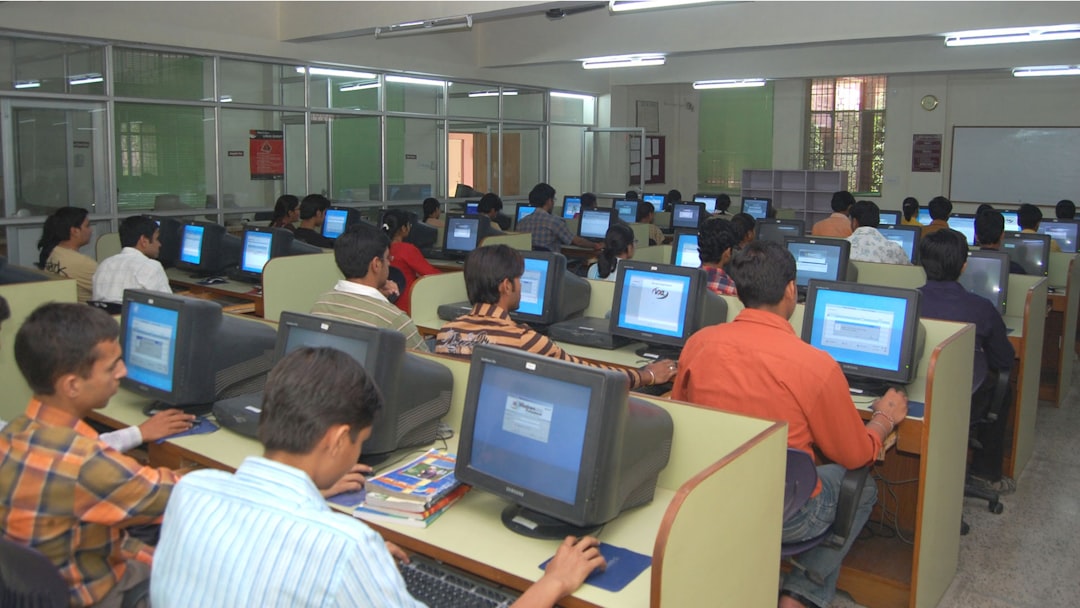
    The shift to a computer-based format will require candidates to change their preparation strategies significantly. Traditional methods, which often focus on pen-and-paper practice, may not suffice in a digital setting. Candidates must familiarize themselves with the computer interface, including navigation and time management during the test. This change necessitates a focus on digital practice tests and simulations that reflect the actual exam experience.

    Coaching centers will also need to adapt their methods to prepare students effectively for the new format. As noted by raadworld.com, educators must incorporate computer-based testing into their training. They should provide students with the tools and resources needed to succeed in this new environment, including mock tests on digital platforms and teaching strategies specific to computer-based testing.

    Moreover, the transition to a digital format may impact scoring and evaluation processes. The NTA’s move toward automation could lead to more accurate and efficient grading, reducing the chances of human error in evaluations. Such a shift could enhance the credibility of NEET-UG results, providing a more reliable basis for medical college admissions.

    As candidates and coaching centers adjust to these changes, it is essential to stay informed about the latest developments. Utilizing online resources, such as practice tests and forums, can help candidates become familiar with the digital testing environment and improve their performance.

    Why the Shift Matters

    Why This Matters for Candidates and Coaches

    The transition to a computer-based NEET-UG exam is a major development for medical aspirants in India. It represents a move toward modernization and improved efficiency in the examination process. Candidates must prepare for this change, while coaching centers need to adjust their teaching methods to ensure students are ready for the new format. Understanding these changes is vital for success in the upcoming exams.

    NEET-UG Digital Shift: Effects on Candidates and Coaches

    As the NTA finalizes the timeline for the computer-based format, candidates and educators should prepare for a transformative shift in medical entrance examinations in India. The effects of this change will likely impact future generations of medical professionals and how they prepare for their careers.

    It remains to be seen how effectively these changes will be implemented. The goal is to enhance security and integrity in the NEET-UG examination process.

    Frequently Asked Questions

    What are the best strategies for preparing for a computer-based NEET-UG exam?

    Candidates should focus on getting accustomed to the computer interface. Practicing with digital mock tests will help them adapt to the new format and improve their time management skills.

    How will coaching methods change with the NEET-UG going digital?

    Coaching centers will need to integrate computer-based testing into their training programs. They should offer digital practice tests and teach strategies specific to the new exam format. This adaptation is crucial for preparing students effectively.

    What resources should NEET-UG candidates use to practice for a computer-based exam?

    Candidates should utilize online platforms that offer digital mock tests and study materials tailored for computer-based testing. Engaging with these resources will help them become familiar with the exam format and improve their performance.