Tag: AI impact on jobs

  • AI’s Job Displacement Fears Surge Worldwide

    AI’s Job Displacement Fears Surge Worldwide

    AI is feared worldwide as a job destroyer. A recent Pew Research survey shows that in 34 of 37 countries, most people believe AI will cause job losses in the next 20 years. Conducted from February to May 2026, the survey included over 42,000 participants. Concerns are especially high in wealthier nations, where fears of job displacement are strongest.

    In Australia and South Korea, 76% of respondents fear job losses due to AI. The US is close behind at 71%. This widespread anxiety reflects a belief that AI will worsen income inequality and eliminate entry-level jobs, especially in manufacturing and customer service.

    The Automation Wave: Manufacturing Workers at Risk

    Manufacturing has been a key source of jobs in many economies. However, AI and automation are changing this landscape rapidly. Companies are increasingly using automated systems for tasks once done by humans. Career Ahead’s analysis shows this trend is not just a future concern; it is happening now, with many companies already adopting AI solutions to improve production.

    AI systems can monitor production lines in real-time. They identify inefficiencies and make adjustments without human help. This capability reduces the need for manual labor, especially in repetitive tasks. Manufacturing workers must prepare for changes in job roles, focusing on technical skills that work alongside AI technologies.

    A report from AIVAnet warns that automation could lead to millions of manufacturing job losses globally. Workers in this sector need to adapt to new technologies or risk being left behind. The focus will shift from manual labor to overseeing and managing automated systems.

    As this transformation happens, manufacturing workers should know which skills will be in demand. Skills in robotics, data analysis, and machine learning will be essential for staying competitive. The question is: how can current workers transition into these new roles effectively?

    With automation on the rise, workers must seek opportunities for upskilling. Training programs that focus on technical skills will be vital for helping manufacturing employees adapt to the changing landscape.

    Customer Service: The Rise of AI Chatbots

    The customer service industry is changing due to AI technology, especially with chatbots. These AI systems handle inquiries and resolve issues without human help, raising concerns about job security for customer service agents. Data from Aichief.com suggests that increased reliance on AI in customer service could lead to significant job losses, particularly for entry-level positions.

    Chatbots can manage many customer interactions, from answering common questions to processing transactions. This efficiency improves customer satisfaction and lowers operational costs for businesses. However, as companies adopt these technologies, the demand for traditional customer service roles is likely to decline.

    Career Ahead’s analysis indicates that while AI may replace some jobs, it will also create new opportunities in areas like AI management and customer experience design. Customer service agents who understand and use AI tools will be better positioned to succeed in this evolving landscape.

    AI's Job Displacement Fears Surge Worldwide

    The challenge for current customer service professionals is to transition into roles that complement AI technology rather than compete with it. Upskilling in data interpretation and AI tool management will be crucial for those wanting to remain relevant.

    As AI evolves, the customer service sector must adapt. Companies that invest in training their workforce to work alongside AI will likely see better results and higher employee retention rates.

    Data Entry: The Impact of Machine Learning

    Data entry has long been seen as a stable job option, but machine learning is changing this view. AI systems can now automate data entry, reducing the need for human involvement. A report from NewsBreak shows this trend poses a serious threat to data entry specialists, as companies increasingly rely on AI for accuracy and efficiency.

    Machine learning algorithms can process large amounts of data much faster and more accurately than humans. This capability raises job security concerns among data entry professionals, as many positions may become obsolete soon. Career Ahead research indicates that data entry roles may decline significantly, especially for those who do not adapt to new technologies.

    However, this shift also offers opportunities for data entry specialists willing to evolve. By learning data analysis and machine learning, they can move into more advanced roles that focus on interpreting and using data rather than just entering it.

    AI's Job Displacement Fears Surge Worldwide

    The future of data entry lies in combining human insight with AI capabilities. Professionals who can bridge the gap between data management and analysis will be in high demand.

    As data entry continues to change, workers must stay informed and proactive about their career development. The integration of AI into data processes presents both a threat and a chance to elevate data professionals in the workforce.

    As AI technologies advance, the implications for job security across sectors become complex. Workers must navigate these changes carefully, balancing the risks of job loss with the potential for new opportunities. What will the job market look like as AI continues to evolve, and how can workers prepare for the future?

    Frequently Asked Questions

    What does the rise of AI mean for manufacturing workers?

    Career Ahead analysis shows that manufacturing workers face significant job displacement due to automation. As companies adopt AI technologies, roles requiring manual labor may diminish, pushing workers to seek new skills in technology and management.

    How can customer service agents transition to roles less likely to be automated?

    Customer service agents can transition by acquiring skills in AI management and customer experience design. By understanding how to leverage AI tools, they can enhance their value in the workplace and adapt to the changing demands of the industry.

    AI's Job Displacement Fears Surge Worldwide

    What should data entry specialists do about the rise of AI in their field?

    Data entry specialists should focus on upskilling in data analysis and machine learning. As AI automates traditional data entry tasks, those who can interpret and manage data will remain competitive in the job market.

  • The Impact of Data Center Expansion on Ireland’s Workforce

    The Impact of Data Center Expansion on Ireland’s Workforce

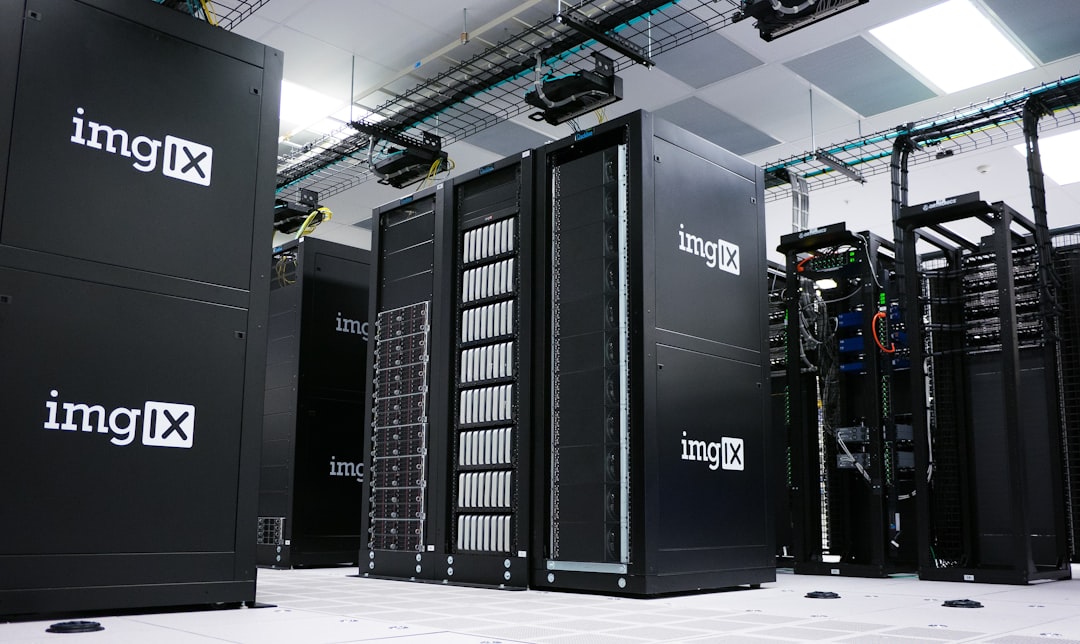
    Ireland is seeing a rise in job opportunities due to investments in artificial intelligence (AI) and data centers. Major companies have announced plans to expand their data infrastructure. This trend is expected to create thousands of jobs for cloud infrastructure engineers, data center managers, and AI researchers across the country.

    As global demand for AI technologies grows, companies are choosing Ireland for their data operations. The Irish government supports this movement, aiming to make the country a tech and innovation hub in Europe. With this support, the job market for skilled tech professionals is set to grow significantly.

    Increased Demand for Cloud Infrastructure Engineers

    Career Ahead’s analysis shows that demand for cloud infrastructure engineers in Ireland is rising. Multinational corporations are investing heavily in their cloud services. This requires a skilled workforce to manage and maintain these systems. According to youngresearch.com, foreign investments in technology have created a strong job market, making cloud computing roles increasingly vital.

    By 2025, the number of cloud infrastructure positions is expected to grow by over 20%. This growth is driven by the need for companies to enhance their digital capabilities. Engineers skilled in cloud management, cybersecurity, and data analytics will be in high demand as organizations optimize their IT resources.

    Moreover, the rise of AI applications requires a deeper understanding of cloud architecture. Engineers who can integrate AI solutions into cloud platforms will be especially sought after. This presents an opportunity for professionals to develop skills in both cloud technologies and AI, making them more competitive in the job market.

    As companies expand their cloud operations, the need for specialized training programs will also increase. Educational institutions in Ireland are expected to respond by offering more targeted programs that align with industry needs. This will further fuel job growth in this sector.

    This trend benefits job seekers and the Irish economy. More skilled professionals entering the workforce helps Ireland maintain its competitive edge in the global tech landscape.

    Growing Need for Data Center Managers

    The expansion of data centers across Ireland is creating a strong demand for data center managers. These professionals oversee the operations and maintenance of data facilities, ensuring they run efficiently and securely. As noted by fastercapital.com, the rise of multinational corporations setting up data centers in Ireland has increased the need for experienced managers.

    Data center managers handle various tasks, including managing staff, coordinating maintenance schedules, and implementing security protocols. With new data centers opening, the job market for these professionals is expected to grow by at least 15% by 2026. This growth reflects the increasing reliance on data-driven solutions in business operations.

    Additionally, integrating AI technologies into data centers is changing the skills needed for these roles. Managers must now understand AI applications that optimize data storage and processing. This shift allows current professionals to upskill and adapt, ensuring they remain relevant.

    The Impact of Data Center Expansion on Ireland's Workforce

    The growing focus on sustainability in data center operations is creating a niche for managers who specialize in energy-efficient practices. As companies aim to reduce their carbon footprint, data center managers who implement green technologies will be highly valued. This trend aligns with global sustainability goals and positions Ireland as a leader in responsible tech practices.

    In summary, the increasing number of data centers in Ireland boosts job opportunities for managers and encourages innovation in operational practices, benefiting the entire tech ecosystem.

    Opportunities for AI Researchers in the Expanding Tech Market

    The surge in AI investments is opening new opportunities for AI researchers in Ireland. With multinational companies investing in AI projects, there is a growing need for skilled researchers to develop and refine AI algorithms and applications. Career Ahead research indicates this trend will likely lead to a 25% increase in job openings for AI researchers over the next two years.

    As companies seek to harness AI’s power for a competitive edge, they are funding research initiatives that push AI’s boundaries. This influx of resources allows researchers to explore innovative applications across various industries, from healthcare to finance. Collaboration between academia and industry is expected to strengthen, giving researchers access to real-world data and challenges.

    AI researchers with expertise in machine learning, natural language processing, and computer vision will be particularly sought after. This demand will encourage educational institutions to enhance their curricula with more AI-focused courses and research opportunities. This ensures the next generation of researchers is well-prepared for the evolving job market.

    The Impact of Data Center Expansion on Ireland's Workforce

    Furthermore, the growth of AI research in Ireland is likely to attract international talent, enriching the local tech community. As more skilled professionals come to Ireland, the country will solidify its position as a global leader in AI innovation.

    Overall, the expanding market for AI researchers presents a unique chance for professionals to engage in cutting-edge work that can transform industries and improve lives.

    As Ireland attracts multinational investments in AI and data infrastructure, the job market is set for significant growth. The increasing demand for skilled professionals in cloud infrastructure, data management, and AI research signals a promising future for tech roles in the country. The question remains: how will Ireland’s workforce adapt to meet these evolving demands?

    Frequently Asked Questions

    What skills do cloud infrastructure engineers need to capitalize on the growth in Ireland?

    Cloud infrastructure engineers should develop skills in cloud management, cybersecurity, and data analytics. As companies expand their cloud operations, expertise in integrating AI solutions will also be important.

    How can data center managers prepare for the expected increase in demand?

    Data center managers can enhance their qualifications by gaining experience in managing complex infrastructures and implementing energy-efficient practices. Familiarity with AI applications will also be beneficial as data centers evolve.

    The Impact of Data Center Expansion on Ireland's Workforce

    What opportunities exist for AI researchers in the expanding tech market?

    AI researchers can expect more job openings as multinational companies invest in AI projects. Expertise in machine learning and natural language processing will be highly sought after, and collaboration with industry will provide valuable experience.

  • AI-Driven Chip Demand Sparks Semiconductor Super Cycle

    AI-Driven Chip Demand Sparks Semiconductor Super Cycle

    AI-driven demand is creating a semiconductor super cycle. This trend is especially benefiting memory chip designers and semiconductor engineers. A recent report by Jefferies highlights a strong upcycle in the semiconductor industry. This growth is driven by increasing technology investments. In Korea, semiconductor exports surged by 193% year-over-year, making up 44% of total exports. This shift has profound implications for professionals in semiconductor engineering and memory chip design.

    The semiconductor industry is transforming as AI reshapes market dynamics. The Jefferies report emphasizes that the AI capital expenditure cycle has boosted demand for semiconductors, especially memory chips. This surge in demand is not just a short-term trend. It signals a broader shift in global technology investments.

    Rising Demand for Memory Chips in AI Applications

    As AI technologies evolve, the need for advanced memory chips has skyrocketed. Memory chips are crucial for processing the vast amounts of data that AI applications require. According to Career Ahead’s analysis of data from semiconductorintelligence.com, the global semiconductor market is set to reach new heights. A significant portion of this growth comes from AI-driven applications. This shift offers a unique chance for memory chip designers to innovate and expand their product lines.

    Career Ahead research shows that the AI investment cycle will support semiconductor sectors worldwide. Companies are increasingly focused on boosting their memory chip production to meet rising demand. This trend is especially relevant for semiconductor engineers specializing in memory chip design. The market is likely to see sustained growth in the coming years.

    Additionally, major memory companies in Korea face pressure to increase production capacity. This highlights the competitive landscape of the semiconductor market. The Jefferies report indicates that these companies are ramping up manufacturing efforts to meet market demands. This situation creates a fertile ground for semiconductor engineers to apply their skills in an innovative environment.

    The broader implications of AI-driven growth are significant. The semiconductor industry’s ability to adapt to these changing demands will determine its long-term success. Memory chip designers who stay ahead of technological advancements will be well-positioned to benefit from this super cycle.

    Job Growth and Opportunities for Semiconductor Engineers

    The semiconductor industry’s growth due to AI demand is leading to substantial job growth for semiconductor engineers. Career Ahead’s analysis of IDC data shows that the semiconductor market is expected to exceed a trillion dollars. This growth is primarily driven by AI infrastructure investments. It presents many opportunities for professionals in the field.

    As companies invest in AI technologies, the demand for skilled semiconductor engineers will rise. Engineers with expertise in memory chip design and AI integration will be particularly sought after. This trend aligns with findings from mckinsey.com, which highlight that semiconductor leaders are using AI-driven data center buildouts to reshape industry value creation.

    The competitive nature of the semiconductor market requires engineers to continuously update their skills. Those who specialize in advanced-node logic and dynamic capital reallocation will be in high demand. The ability to innovate and adapt to new technologies is crucial for success in this evolving landscape.

    AI-Driven Chip Demand Sparks Semiconductor Super Cycle

    Moreover, the focus on memory chips as a key component of the AI supply chain underscores the importance of this specialization. As AI applications grow, the need for engineers who can design and manufacture cutting-edge memory solutions will increase. This creates a strong incentive for professionals to invest in their education and skills development.

    Future Trends in Semiconductor Engineering

    The future of semiconductor engineering is closely linked to advancements in AI technology. The current semiconductor super cycle is expected to drive innovation across the industry, especially in memory chip design. As AI applications become more sophisticated, the demand for faster and more efficient memory solutions will rise.

    Career Ahead identifies that integrating AI into semiconductor manufacturing processes will enhance production efficiency and reduce costs. This shift will benefit manufacturers and create new opportunities for engineers to work on innovative projects that push technology boundaries.

    Additionally, the geopolitical landscape surrounding semiconductor manufacturing may influence job opportunities. Countries like Korea are positioning themselves as leaders in semiconductor production. This could lead to increased competition for talent. Semiconductor engineers may find themselves in high demand as nations compete to secure their technological infrastructure.

    AI-Driven Chip Demand Sparks Semiconductor Super Cycle

    As the semiconductor industry evolves, professionals must remain vigilant and adaptable. Anticipating changes in technology and market demands will be essential for success in this dynamic environment. The next few years will likely see significant developments in the semiconductor sector, driven by the ongoing AI revolution.

    This super cycle presents both challenges and opportunities for semiconductor engineers and memory chip designers. How these professionals navigate the changing landscape will determine their success in the coming years.

    Frequently Asked Questions

    What skills are needed for semiconductor engineers in the AI era?

    Career Ahead analysis shows that semiconductor engineers must focus on AI integration and memory chip design skills. Familiarity with advanced manufacturing techniques and data center technologies will be crucial for staying competitive.

    How can memory chip designers prepare for increased demand?

    Memory chip designers can prepare by enhancing their knowledge of AI applications and investing in advanced design tools. Understanding the evolving needs of AI technologies will position them for success in the growing market.

    AI-Driven Chip Demand Sparks Semiconductor Super Cycle

    What trends should semiconductor engineers watch in the AI-driven market?

    Engineers should monitor advancements in AI technologies and their impact on semiconductor manufacturing. The shift toward more efficient memory solutions and AI integration will be key trends shaping the industry.