
AI companies are calling for a pause on superintelligent AI research due to safety concerns. This movement has gained momentum as tech firms discuss the implications of advanced AI systems. Notably, some industry leaders want to ban superintelligent AI development until safety protocols are in place.
On September 12, 2026, an important open letter was released. It was signed by prominent leaders in AI, urging a moratorium on superintelligent AI development. The letter stresses the need for a broad scientific consensus on safely developing these technologies. This call for caution marks a pivotal moment in tech, where ethical considerations are becoming more relevant.
Growing Ethical Concerns in AI Development
The discussions around superintelligent AI are not just theoretical. They have real-world implications that could impact society globally. Career Ahead’s analysis shows that the urgency of these discussions comes from the risks linked to AI systems that exceed human intelligence. As AI capabilities grow, strong ethical frameworks are essential.
According to superintelligence-statement.org, the open letter’s signatories call for a ban on superintelligence research until there is scientific agreement on its safety. This highlights a significant shift in the AI community’s priorities. Previously, the focus was mainly on technological advancement, often ignoring ethical implications.
Moreover, the call to end superintelligence research aligns with findings from time.com. Many AI experts believe the risks of uncontrolled AI development could outweigh the benefits. This view is gaining traction as more professionals advocate for a balanced approach that prioritizes safety and ethics.
As AI researchers and ethics consultants navigate this evolving landscape, they must focus on developing comprehensive risk assessment protocols. These protocols will help identify and reduce potential dangers linked to superintelligent AI. This ensures that technological advancements do not compromise societal safety.
Furthermore, collaboration between tech companies and regulatory bodies is becoming crucial. By working together, these stakeholders can create a framework that promotes innovation while protecting against the unintended consequences of advanced AI systems.
The Role of AI Researchers and Ethics Consultants
AI researchers play a vital role in shaping technology’s future. As discussions about superintelligent AI grow, they must adapt their research to meet emerging ethical standards. Career Ahead’s analysis shows that researchers are now expected to include ethical considerations in their work.
Ethics consultants are also becoming key players in this narrative. Their expertise can guide AI development practices, ensuring that ethical guidelines are actively implemented in projects. This shift towards integrating ethics will help build a culture of responsibility in AI research.
In this context, AI professionals must engage in ongoing education about the ethical implications of their work. They need to understand the risks associated with superintelligent AI and the importance of transparency in AI systems. Effectively communicating these risks will be crucial for fostering public trust in AI technologies.
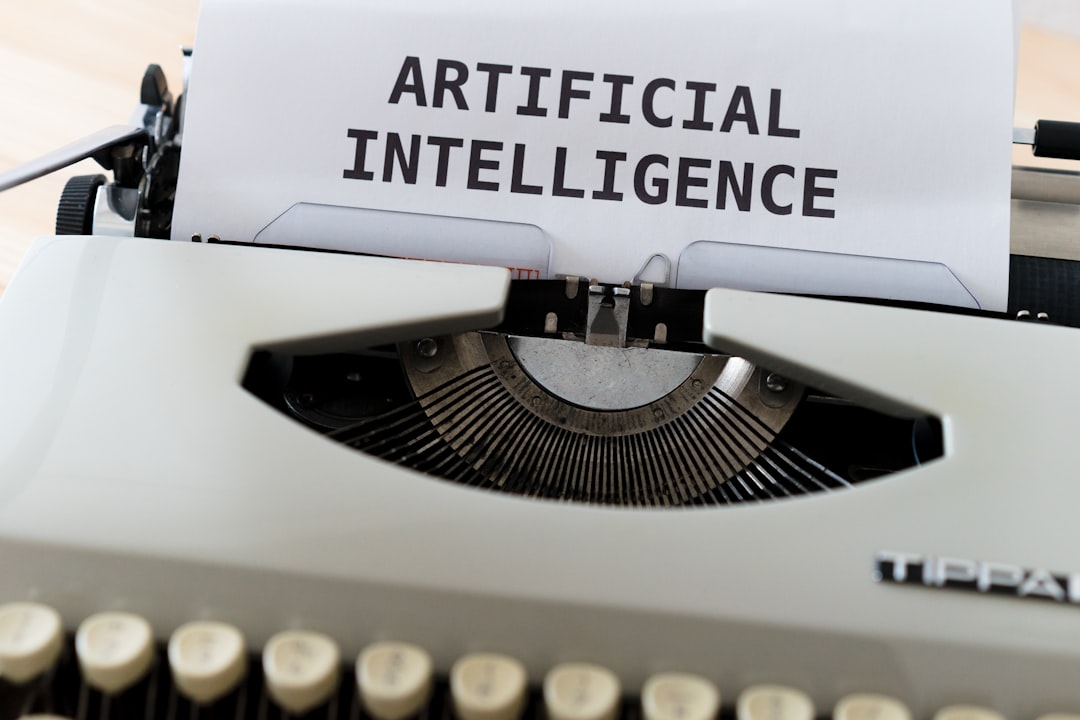
As the industry evolves, the demand for professionals who can navigate both technical and ethical landscapes will grow. AI researchers and ethics consultants must collaborate to create a balanced approach that prioritizes innovation while addressing safety concerns. This teamwork will be vital in ensuring that AI development aligns with societal values and ethical principles.
Ultimately, the AI community is at a crossroads. The decisions made today about superintelligent AI will have lasting effects on technology and society. As these discussions continue, focusing on ethical AI practices and risk management strategies will shape the future of AI research.
Future Implications for AI Development
The urgency surrounding discussions on superintelligent AI reflects broader societal concerns about technological advancement. As AI systems become more integrated into daily life, the potential for unintended consequences increases. This reality requires a proactive approach to AI development, placing ethical considerations at the forefront.
Career Ahead’s research shows that ongoing dialogue among AI companies indicates a trend toward responsible innovation. Companies are realizing that their reputations and public trust depend on their commitment to ethical practices. This shift may influence hiring, increasing demand for professionals skilled in ethical AI development.

Looking ahead, the future of AI will depend on how well the industry addresses these ethical challenges. Establishing clear guidelines and regulations will be essential for creating a safe environment for AI development. As regulatory bodies take a more active role globally, tech companies will need to adapt to these changes to stay competitive.
As discussions continue, the question remains: will the AI industry prioritize safety over unchecked advancement? The outcome of these conversations will determine the future of superintelligent AI and its broader implications for technology and society.
Frequently Asked Questions
What ethical considerations should AI researchers prioritize?
AI researchers should focus on developing frameworks that address the risks of superintelligent AI. This includes ensuring that safety protocols are established and followed throughout the research process.
How can ethics consultants influence AI development practices?
Ethics consultants can guide companies in implementing ethical frameworks in AI projects. Their expertise is crucial for navigating the complexities of ethical considerations in technology.
What steps should AI researchers take to mitigate superintelligence risks?
AI researchers should collaborate with ethics consultants and regulatory bodies to develop comprehensive risk assessment protocols. This will help identify potential dangers and ensure safety measures are in place.