India’s economy is poised for growth. The Asian Development Bank (ADB) has raised its 2026 forecast to 7%. This positive change comes from strong consumer spending, investment, and government infrastructure projects. However, a stronger El Niño could threaten this growth by raising inflation and food prices, which are vital for household budgets.
The ADB’s new growth forecast shows a strong domestic recovery. This recovery is driven by high private consumption and increased public infrastructure spending. Still, the potential effects of El Niño on agriculture and energy prices worry policymakers. Retail inflation is already above the Reserve Bank of India’s target. Balancing growth and inflation pressures is crucial for financial analysts and infrastructure project managers.
El Niño’s Threat to Food Prices and Inflation
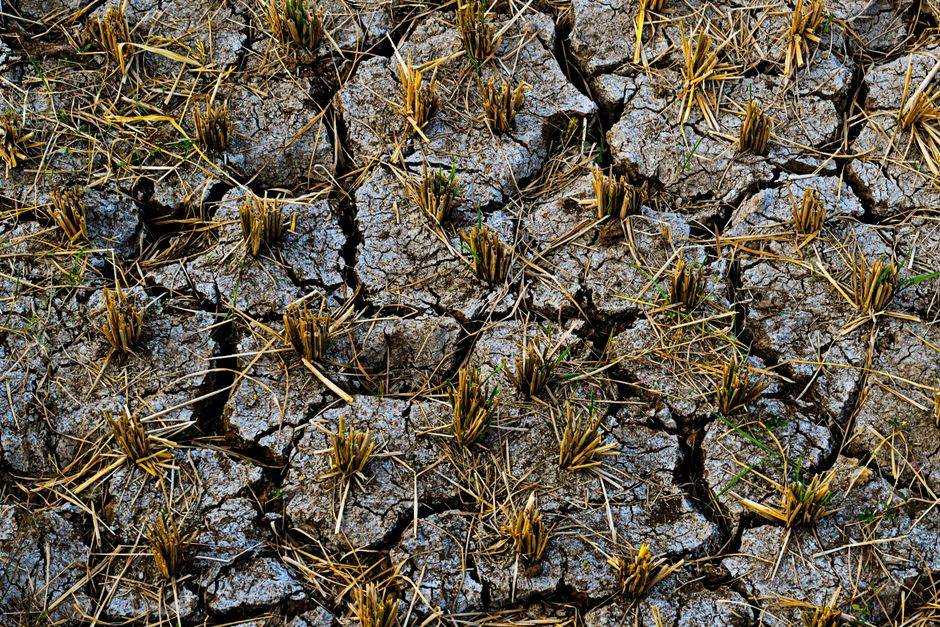
El Niño is likely to impact India’s agriculture significantly. The ADB warns that a strong El Niño could reduce agricultural yields, especially for Kharif crops like rice and corn. With the monsoon 15% below the long-term average, the harvest outlook is bleak. This situation could worsen food price inflation, which is a major part of consumer price indices in India. A drop in agricultural production threatens household budgets and overall economic stability.
A report by the Economic Times highlights concerns about a severe El Niño event. It could cause a dual supply shock in South Asia, impacting agricultural yields and hydropower output, crucial for energy supply. This scenario could raise price pressures, complicating the Indian economy’s challenges. Career Ahead’s analysis suggests that rising food prices might push retail inflation above the ADB’s forecast of 5.2% for 2026. Retail inflation rose to 4.8% in August 2026, mainly due to higher food prices. Such inflation could force the Reserve Bank of India to keep a tighter monetary policy, which might hinder growth despite strong performance in other sectors.
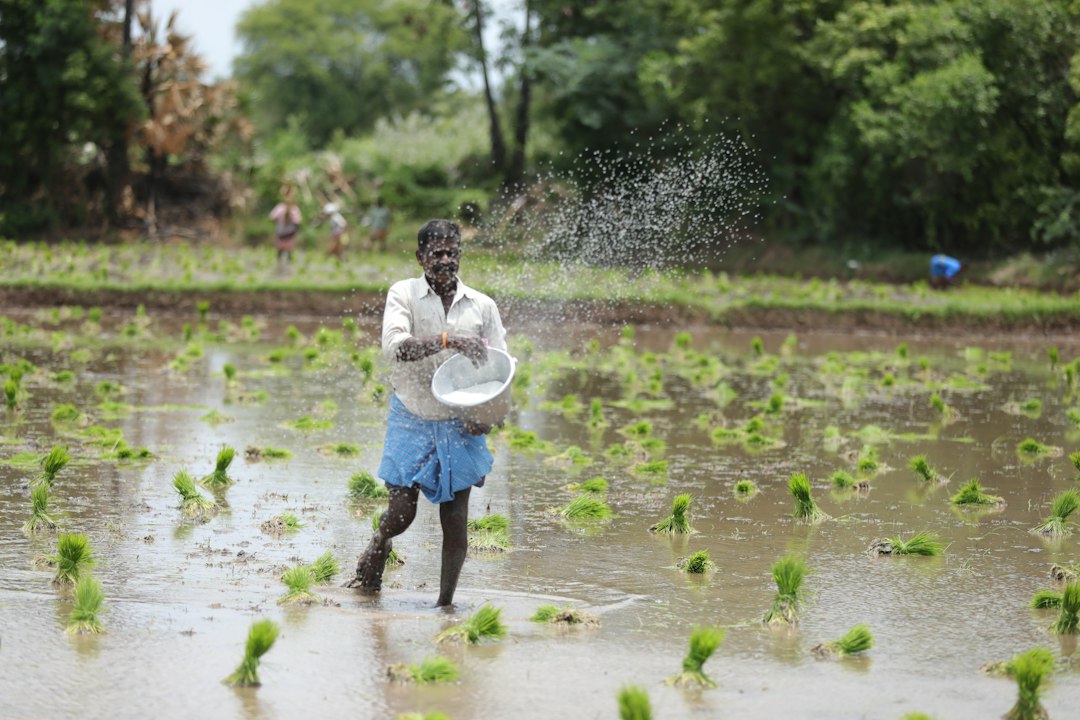
Moreover, El Niño’s effects go beyond food prices. Lower agricultural output can reduce rural incomes, affecting consumer spending. If rural households cut back, domestic consumption could suffer, complicating growth further. The Indian Express notes that a weaker harvest could lead to increased poverty levels in rural areas, where many rely on agriculture for their livelihoods.
Infrastructure project managers need to understand these dynamics. Rising inflation can increase costs, affecting project budgets and timelines. With the government increasing infrastructure spending, inflation-related financial strain could cause delays or cutbacks. The Business Standard points out that the link between El Niño’s agricultural impact and rising costs may require a reassessment of infrastructure priorities, especially in agriculture-dependent sectors.
Government Infrastructure Spending and Private Investment Trends
The ADB’s growth forecast benefits from strong government infrastructure spending. This spending is essential for maintaining economic momentum. The Indian government is investing heavily in public infrastructure, which is expected to create jobs and boost economic activity. This focus on infrastructure is especially important given rising inflation, as well-planned projects can help counteract some negative effects.
Career Ahead research shows a strong link between government spending and private capital expenditure. As public infrastructure projects increase, private investment is likely to rise too, creating a better environment for growth. S&P Global Ratings supports this view, noting that robust industrial activity and healthy consumption drive the upgraded growth forecast. However, the relationship between inflation and infrastructure spending is critical. Rising costs for materials and labor due to inflation can strain project budgets, leading to a reassessment of planned expenditures. Infrastructure project managers must navigate these challenges carefully to keep projects on track while adapting to the changing economy.
Financial analysts watching these trends must consider how inflation impacts public and private investment decisions. Higher interest rates in response to inflation could also raise borrowing costs for infrastructure projects, complicating the investment landscape. As the Economic Times reports, the Reserve Bank of India’s monetary policy will be crucial in shaping economic recovery and the feasibility of ongoing infrastructure projects.
The broader economic implications of the ADB’s growth upgrade and El Niño’s potential impact are significant for India. The country is currently the fastest-growing major economy in the region. However, sustaining this growth will require careful management of inflation risks. Rising food prices and energy costs could challenge policymakers in the coming months.
As the situation evolves, financial analysts need to stay alert. Monitoring inflation trends and their impact on consumer behavior will be vital for anticipating market shifts. Additionally, the Reserve Bank of India’s response to these pressures will shape the economic landscape.
Infrastructure project managers should prepare for potential inflation shocks that could affect financing and execution. Adapting to changing economic conditions will be essential for success. Looking ahead, the relationship between El Niño, inflation, and economic growth will be critical to watch. As India aims to maintain its growth trajectory, these factors will determine the economy’s resilience against external shocks.
Frequently Asked Questions
What are the implications of ADB’s growth forecast for financial analysts?
Career Ahead’s analysis shows that financial analysts must monitor inflation trends closely. These trends could significantly impact investment strategies. The ADB’s upgraded forecast suggests analysts need to reevaluate their economic models due to potential inflationary shocks.
How should infrastructure project managers prepare for potential inflation shocks?
Infrastructure project managers should build flexibility into project budgets to handle rising costs. Understanding the economic landscape and potential inflation impacts is crucial for maintaining project timelines and financial viability.

What strategies can financial analysts use to mitigate risks from El Niño’s impact on the economy?
Financial analysts can create scenario-based models to assess El Niño’s potential impacts on inflation and growth. Staying informed about agricultural forecasts and inflation trends will help analysts make informed decisions and adjust strategies accordingly.