Blog

  • Ministers Clash with Hospitality Over Tourist Tax

    Ministers Clash with Hospitality Over Tourist Tax

    UK — Ministers have announced plans to allow mayors in England to impose a tourist tax on holiday accommodations such as hotels and Airbnbs. Angela Rayner, the local government secretary, revealed this decision, which has sparked outrage among hospitality businesses. They fear that such a tax could deter visitors and negatively impact their operations.

    The hospitality sector is particularly concerned about the implications of an uncapped tax rate. UKHospitality, the industry’s trade body, estimates that a 5% overnight levy could lead to 33,000 job losses and a £2 billion hit to the economy. Regions heavily reliant on tourism, like the Lake District, could be especially affected, as a decline in tourist numbers could devastate local businesses and employment.

    In response to the backlash, Rayner defended the initiative, stating that the revenue generated would support local services and public spaces. However, the hospitality industry argues that without controls on how much mayors can charge, their survival is at risk. Critics worry that the revenue may not be used effectively, leading to a lack of transparency and accountability.

    Pricing Strategies Under Pressure

    The introduction of a tourist tax could significantly alter pricing strategies for hotels and restaurants. With a potential 5% levy, businesses may need to raise prices to maintain profit margins. For example, if a hotel room costs £100 per night, the additional £5 tax could raise the total to £105. This increase may deter price-sensitive tourists, especially in competitive markets.

    As a result, some travelers might seek alternatives in areas without such taxes. The fear of increased costs may lead hospitality businesses to rethink their pricing structures. Hotels might adopt dynamic pricing models that fluctuate based on demand, potentially alienating budget-conscious travelers.

    Restaurants may also need to adjust their menus and pricing to reflect the added costs. This could reduce the variety of affordable dining options for tourists, ultimately lowering the overall tourist experience and affecting long-term visitation rates. A report from the Morning Advertiser highlights that the hospitality sector is already grappling with rising operational costs, and the tourist tax could exacerbate these challenges.

    Economic Ripple Effects

    The financial implications of the proposed tourist tax extend beyond individual businesses, potentially creating a ripple effect on the local tourism economy. Regions that depend on tourism for economic stability may face jeopardy if visitor numbers decline due to increased costs. Data from UKHospitality indicates that areas like the Lake District could experience significant economic downturns, with the potential £2 billion hit leading to reduced spending in local shops, attractions, and services.

    Moreover, the backlash against the tourist tax could spark a broader discussion about the sustainability of tourism in the UK. Local leaders must weigh the benefits of increased revenue against the risks of deterring visitors. While some mayors support the tax, arguing it could fund local projects and services, the hospitality industry remains skeptical, fearing that long-term consequences could outweigh short-term benefits.

    Future of Local Tourism

    As the government moves forward with this initiative, the hospitality sector must prepare for potential changes in tourist behavior. They need to adjust their strategies accordingly. The outcome of this policy will likely shape the future of tourism in the UK for years to come. The Guardian reports that the government faces pressure to balance local revenue generation with potential adverse effects on the tourism sector, highlighting the delicate nature of this decision.

    Ministers Clash with Hospitality Over Tourist Tax

    The proposed tourist tax has ignited a fierce debate within the hospitality industry, raising questions about balancing local revenue generation and tourism sustainability. Stakeholders must remain vigilant to potential impacts on their businesses and the broader economy. The hospitality sector’s ability to adapt will be crucial in facing new challenges from government policies.

    Ministers Clash with Hospitality Over Tourist Tax

    Frequently Asked Questions

    What are the implications of the tourist tax for hotel managers?

    Hotel managers may face higher operational costs due to the tourist tax, which could force them to raise room rates, deterring potential guests in competitive markets and leading to lower occupancy rates.

    How can restaurant operators mitigate the impact of a tourist tax?

    Restaurant operators can adjust their pricing strategies and menu offerings to account for the added costs from the tourist tax. They may focus on value-driven promotions to attract price-sensitive customers.

    What should hospitality business owners do to prepare for potential changes in tourist behavior?

    Hospitality business owners should monitor consumer trends closely and adapt their marketing strategies to emphasize value and unique experiences. Engaging with local tourism boards may also provide insights into navigating the changing landscape.


  • Anthropic Says It Blocked Possible Efforts to Build Biological Weapons

    Anthropic Says It Blocked Possible Efforts to Build Biological Weapons

    Anthropic has announced that it successfully blocked attempts to misuse its AI technology in the development of biological weapons. This significant action, reported on September 10, 2026, underscores the urgent need for ethical standards in AI development, particularly as technology becomes more capable and accessible.

    As AI systems evolve, they present new risks, especially in sensitive areas like biotechnology. Anthropic’s proactive measures aim to mitigate these risks, reflecting a growing concern among AI developers and regulators about the potential for misuse. The company’s statement emphasizes that their AI models, particularly the Claude AI, were targeted for unethical applications, prompting swift intervention to prevent any harmful outcomes. According to a report by CBS News, Anthropic’s actions were in direct response to identified threats where AI could potentially aid in the creation of dangerous biological agents, raising alarms about the implications of AI in bioweapons development.

    AI’s Role in Biotechnology and Ethical Considerations

    The intersection of AI and biotechnology is increasingly critical as advancements in both fields accelerate. AI technologies can enhance research capabilities, streamline processes, and improve outcomes in biotechnology. However, they also pose risks if misapplied. For instance, AI could be used to engineer harmful biological agents, raising ethical concerns about safety and security. A recent article from Tech Yahoo highlighted that the misuse of AI in this context could lead to catastrophic consequences, emphasizing the need for stringent oversight and ethical considerations in AI applications.

    Anthropic’s actions reflect a broader trend in the tech industry, where companies are becoming more aware of their responsibilities. The potential for AI to contribute positively to society is immense, but it must be balanced against the risks of misuse. This balance is crucial for policymakers and biotechnology regulators who must navigate the complex landscape of emerging technologies. The urgency of this issue is underscored by the fact that as AI tools become more sophisticated, the potential for their application in harmful ways increases, necessitating a proactive approach to regulation and oversight.

    Career Ahead’s analysis shows that as AI tools become more sophisticated, the need for robust ethical guidelines grows. AI researchers and developers must establish frameworks that prioritize safety and ethical considerations to prevent misuse. This is particularly relevant for those working in biotechnology, where the stakes are higher due to the potential consequences of misuse. Furthermore, the regulatory landscape is evolving to address these challenges. Governments and international organizations are beginning to implement guidelines and regulations that govern the use of AI in sensitive areas. This shift indicates a recognition of the need for oversight and accountability in AI development, particularly in biotechnology.

    In light of these developments, Anthropic’s proactive measures serve as a model for other tech firms. The company’s commitment to preventing the misuse of its AI technologies could inspire similar initiatives across the industry, fostering a culture of responsibility and ethical awareness. As the dialogue surrounding AI ethics continues to evolve, it is imperative that companies remain vigilant and responsive to the potential risks associated with their technologies.

    Collaboration Between AI Firms and Regulatory Bodies

    Collaboration is essential to ensure that AI technologies are developed and used responsibly. Anthropic’s proactive stance highlights the importance of dialogue between AI firms and regulatory bodies. Such collaboration can lead to the establishment of best practices and standards that guide the ethical use of AI in sensitive fields like biotechnology. For instance, regulatory bodies can provide insights into the potential risks associated with AI technologies, enabling firms like Anthropic to implement necessary safeguards. This partnership can help create a framework that not only protects public safety but also fosters innovation in AI and biotechnology.

    Career Ahead research identifies that effective collaboration can also enhance public trust in AI technologies. By demonstrating a commitment to ethical practices and safety, AI firms can reassure stakeholders that they are taking the necessary steps to prevent misuse. This trust is crucial as society grapples with the implications of AI in various sectors, especially in areas with high stakes like biotechnology. Moreover, as AI tools become more integrated into research and development processes, regulatory bodies must adapt their approaches to oversight. This may involve developing new guidelines that account for the unique challenges posed by AI technologies. Policymakers must stay informed about advancements in AI and work closely with industry leaders to create regulations that are both effective and flexible.

    Ultimately, the collaboration between AI firms and regulatory bodies can lead to a safer and more ethical landscape for biotechnology. By working together, they can address the challenges posed by AI misuse while harnessing its potential for positive impact. The recent actions taken by Anthropic serve as a crucial reminder of the responsibilities that come with technological advancement, particularly in fields that could have profound implications for public health and safety.

    Anthropic Says It Blocked Possible Efforts to Build Biological Weapons

    The future of AI in biotechnology regulation is poised for significant developments. As companies like Anthropic take steps to prevent misuse, the focus will likely shift to creating comprehensive regulatory frameworks that can adapt to the rapidly evolving landscape of AI technology. Career Ahead analysis finds that the next few years will be critical for establishing standards that govern the ethical use of AI in biotechnology. As more cases of potential misuse emerge, regulators will need to respond swiftly and effectively to ensure public safety. This may involve increased scrutiny of AI applications in sensitive fields and the implementation of stricter guidelines.

    Moreover, the global nature of technology development means that international cooperation will be essential. Countries will need to work together to create cohesive regulations that address the challenges posed by AI in biotechnology. This cooperation could lead to the establishment of global standards that guide the ethical use of AI across borders. As the dialogue between AI firms, researchers, and regulators continues, the potential for innovation in biotechnology remains vast. However, this innovation must be balanced with a commitment to ethical practices and safety. The actions taken by companies like Anthropic represent a step in the right direction, but ongoing vigilance will be necessary to navigate the complexities of AI and biotechnology.

    Frequently Asked Questions

    What ethical guidelines should AI researchers follow to prevent misuse?

    AI researchers should prioritize transparency, accountability, and safety in their work. Establishing clear ethical guidelines that address potential risks associated with AI technologies is essential to prevent misuse, particularly in sensitive fields like biotechnology.

    How can policymakers ensure AI technologies are used safely in biotechnology?

    Policymakers can collaborate with AI firms to create regulations that govern the ethical use of AI in biotechnology. By staying informed about advancements and potential risks, they can develop guidelines that protect public safety while fostering innovation.

    Anthropic Says It Blocked Possible Efforts to Build Biological Weapons

    What steps should biotechnology regulators take in light of AI advancements?

    Biotechnology regulators should adapt their approaches to oversight by developing new guidelines that account for the unique challenges posed by AI technologies. This may involve increased scrutiny of AI applications and the implementation of stricter regulations to ensure safety.

  • Off-Grid AI Power Startups Surge with Anthropic Funding

    Off-Grid AI Power Startups Surge with Anthropic Funding

    Anthropic, a leader in AI development, has made headlines by funding an off-grid AI power startup. This investment, announced on September 10, 2026, marks a shift in the link between artificial intelligence and sustainable energy. The funding aims to improve energy solutions that work independently of traditional grid systems. This aligns with global efforts to create more resilient and sustainable energy sources.

    This move is timely as the demand for clean and efficient energy solutions grows. With climate change and energy security becoming urgent issues, investors want to support technologies that provide innovative solutions. Anthropic’s involvement shows strong support for AI’s potential to change energy management and efficiency.

    Growing Investment Trends in Off-Grid AI Solutions

    Investment in off-grid AI power startups has surged in recent years. This reflects a broader trend of combining AI with sustainable energy technologies. According to PitchBook, the market for off-grid energy solutions is expected to reach $50 billion by 2028. This growth is driven by rising energy demands, technological advancements, and supportive government policies.

    Career Ahead’s analysis of Tracxn data shows that funding for AI-driven energy startups has increased by over 40% in the past year. This trend highlights the growing recognition of AI’s ability to optimize energy use, improve efficiency, and cut costs. Investors are particularly interested in startups using AI for smart grid management, predictive maintenance, and energy storage solutions.

    Moreover, integrating AI into energy systems allows for real-time monitoring and analysis. This enables more efficient energy distribution and usage. Startups focusing on these technologies attract interest from venture capitalists, governments, and large corporations looking to boost their sustainability efforts.

    As the market for off-grid energy solutions grows, startups that successfully integrate AI will gain a competitive edge. Investors should closely monitor these developments, as the blend of AI and energy offers unique opportunities for growth and innovation.

    Implications for Entrepreneurs in Sustainable Energy

    The investment by Anthropic is a wake-up call for entrepreneurs in sustainable energy. With support from a leading AI company, the off-grid AI power startup is well-positioned to use advanced technologies. This partnership shows how collaboration between AI and energy can lead to transformative solutions.

    Entrepreneurs entering the sustainable energy market should consider how AI can enhance their business models. For example, using AI for predictive analytics can optimize energy production and consumption, leading to cost savings. AI can also help develop innovative energy storage solutions, which are important for managing renewable energy’s intermittent nature.

    Additionally, the rising interest from investors in AI-powered energy solutions signals a shift in funding priorities. Entrepreneurs should focus on creating scalable technologies that tackle real-world energy challenges. By aligning their strategies with the latest trends in AI and sustainability, they can attract investment and drive growth.

    Off-Grid AI Power Startups Surge with Anthropic Funding

    As the energy market evolves, those who effectively integrate AI into their operations will be better positioned to succeed. The Anthropic investment highlights the potential for startups to contribute to sustainability goals while achieving financial returns.

    The focus on off-grid solutions is particularly relevant in areas with limited access to reliable energy. Startups offering innovative, AI-driven solutions in these markets may lead a rapidly growing sector.

    Future Outlook: What Lies Ahead for AI and Energy?

    Looking ahead, the intersection of AI and sustainable energy is set for significant growth. As governments and organizations worldwide prioritize sustainability, the demand for innovative energy solutions will rise. The funding from Anthropic clearly indicates this trend, suggesting more investments in AI-powered energy startups are likely.

    Career Ahead research shows that the next few years will be crucial for developing off-grid energy technologies. With advancements in AI, we can expect increased efficiency in energy production and consumption. This will benefit businesses and consumers and help combat climate change.

    Off-Grid AI Power Startups Surge with Anthropic Funding

    Investors should watch for emerging technologies that use AI to improve energy management systems. The ability to predict energy demands and optimize resource allocation will be key to the success of future energy startups. As competition grows, those who can innovate quickly and adapt to market needs will thrive.

    In conclusion, the collaboration between AI and sustainable energy offers many opportunities for investors and entrepreneurs. As the sector evolves, AI’s potential to reshape energy solutions will continue to grow, leading to a more sustainable future.

    Frequently Asked Questions

    What are the key factors driving investment in off-grid AI power startups?

    Career Ahead analysis shows that increasing energy demands, technological advancements, and supportive government policies drive investment in off-grid AI power startups. Investors are particularly interested in technologies that enhance energy efficiency and sustainability.

    How can entrepreneurs leverage AI in sustainable energy solutions?

    Entrepreneurs can use AI in sustainable energy solutions by applying predictive analytics to optimize energy production and consumption. Additionally, AI can help create innovative energy storage solutions, crucial for managing renewable energy sources.

    What should investors consider when evaluating AI startups in the energy sector?

    Investors should consider the startup’s technology scalability, alignment with sustainability goals, and potential for real-world impact. Companies that effectively integrate AI into their operations are likely to attract more interest and funding.

  • India Photonics Association Launches Amid AI Surge

    India Photonics Association Launches Amid AI Surge

    India’s photonics industry has made a significant leap with the formation of the India Photonics Association (IPA) on September 10, 2026. This new organization aims to boost collaboration among companies in the photonics sector, which is crucial for India’s growing AI landscape. The founders believe the domestic photonics market could reach between $6.8 billion and $7.93 billion by 2031, largely driven by AI data centers and telecom networks.

    The IPA’s creation comes at a pivotal moment as the Indian government works to strengthen local manufacturing through initiatives like the India Semiconductor Mission. This mission underscores the need for domestically produced photonics products, such as optical transceivers, essential for high-speed data transmission in AI applications. Tarun Sibal, founder of CloudPhotonix, emphasized that the photonics industry is vital for building the infrastructure necessary for AI technologies. The association also plans to address current challenges, including the shortage of skilled professionals and the integration of advanced technologies.

    Fostering Collaboration Between AI and Photonics

    The formation of the IPA opens new avenues for collaboration between AI researchers and photonics experts. This partnership is crucial as AI systems require robust, high-speed communication networks. The association aims to create a platform for researchers to share insights, develop joint projects, and tackle common challenges. The IPA’s focus on interdisciplinary collaboration is timely, given the rapid advancements in AI and the increasing reliance on photonics technologies.

    Ashwini Aggarwal, the IPA’s first director general, stated that the association will provide a unified voice for the industry, advocating for policies that support innovation and growth. This is essential as AI and photonics become more interconnected. By fostering collaboration, the IPA can help bridge the gap between these fields, enabling researchers to leverage photonics technology in their AI projects. The IPA plans to host regular workshops and seminars to discuss the latest trends and challenges in both sectors.

    Career Ahead’s analysis suggests that the IPA’s formation may lead to more interdisciplinary projects combining photonics and AI. This trend will not only enhance AI systems but also create new job opportunities for skilled professionals. As the demand for high-speed data processing grows, experts who understand the intersection of AI and photonics will be increasingly sought after. The IPA’s initiatives are expected to attract talent from various fields, enriching the ecosystem.

    Advancements in Photonics Technologies

    The IPA will play a crucial role in developing new photonics technologies essential for AI applications. As AI data centers expand, the demand for advanced photonics solutions will rise. For instance, optical transceivers are vital for fast and reliable data transmission. A report by the India Photonics Association indicates that the photonics value chain in India remains thin, particularly in advanced detectors and laser sources. This presents an opportunity for the IPA to advocate for investment in research and development, helping local companies innovate and compete globally.

    Moreover, the IPA’s efforts to enhance local manufacturing will reduce dependence on imports, a significant concern for many companies in the industry. Rohin Y., an IPA board member, stressed the importance of building a strong local supply chain to create a competitive ecosystem similar to China’s. This shift will benefit domestic companies and create jobs, driving economic growth. The association’s focus on local manufacturing aligns with the government’s goals of promoting self-reliance and reducing the trade deficit.

    Engaging the Community and Future Prospects

    As the IPA continues to grow, professionals in photonics and AI must stay informed about the latest advancements and opportunities. The association’s initiatives are likely to lead to significant innovations that can transform the industry and enhance AI systems. Additionally, the IPA plans to release regular reports on the progress and challenges in the photonics sector, keeping stakeholders engaged and informed.

    India photonics industry forms association amid AI boom

    With the IPA’s emphasis on collaboration and innovation, the future of the photonics industry in India appears promising. The association’s efforts to build a connected ecosystem will benefit existing companies and attract new players. As the demand for AI technologies rises, the photonics industry must adapt and evolve. This presents a unique opportunity for professionals to engage with the IPA and help shape this dynamic sector.

    As the IPA promotes collaboration and innovation, the intersection of AI and photonics is poised for significant growth. This development will enhance AI systems and create new opportunities for professionals in both fields. The establishment of the IPA reflects the growing recognition of photonics’ importance in the AI landscape, and its success will depend on the active participation of industry stakeholders.

    Frequently Asked Questions

    What are the benefits of joining the new photonics association?

    Joining the India Photonics Association provides professionals with access to networking opportunities, collaborative projects, and a unified voice for industry needs, enhancing career prospects and contributing to the growth of the photonics sector.

    How can AI researchers collaborate with the photonics industry?

    AI researchers can engage with the photonics industry through interdisciplinary projects facilitated by the India Photonics Association, helping to integrate photonics technologies into AI applications and driving innovation.

    India photonics industry forms association amid AI boom

    What skills are needed to work at the intersection of photonics and AI?

    Professionals aiming to work at the intersection of photonics and AI should develop skills in optical engineering, data science, and machine learning, as a solid understanding of both fields is crucial for success in this evolving landscape.

  • Career guidance sector confronts structural realignment

    Career guidance sector confronts structural realignment

    Career guidance is being recast by five workplace trends, a 70% organizational tipping point, and OECD calls for equitable programmes, forcing governments and firms to overhaul talent pipelines. The shift threatens traditional advisory models while opening avenues for data‑driven capital building.

    The convergence of rapid technology adoption, heightened talent scarcity, and policy emphasis on mobility creates a narrow window for systemic reform. Institutions that can align leadership, capital, and inclusive design will capture the emerging value chain, while those clinging to legacy models risk marginalisation. This analysis maps the mechanisms reshaping guidance, the ripple effects on economic mobility, and the trajectory for the next three years.

    Institutional pressures reshape guidance frameworks

    Career guidance sector confronts structural realignment

    Seventy percent of organizations report a tipping point in talent strategy, according to Deloitte’s 2026 Global Human Capital Trends survey. This consensus reflects mounting pressure from automation, remote work, and shifting employee expectations, compelling firms to embed career guidance within broader talent architectures. Governments, responding to OECD recommendations, are scaling public‑sector guidance to ensure equitable access for youth across socioeconomic strata. The combined push from private and public sectors redefines the institutional power balance, moving guidance from peripheral service to core strategic function.

    “Seventy percent of organizations report a tipping point in talent strategy.”

    Technology and data embed new advisory models

    Career guidance sector confronts structural realignment

    Artificial intelligence and analytics are central to the five IMD‑identified workplace trends for 2026, enabling real‑time skill mapping and personalized pathway recommendations. Platforms now aggregate labor market signals, educational outcomes, and individual performance data to generate dynamic career capital scores. According to Career Ahead’s analysis of these emerging tools, firms that integrate AI‑driven guidance see measurable improvements in talent retention and internal mobility. This technological infusion restructures the guidance ecosystem, shifting authority from human counselors to algorithmic decision‑makers while preserving a human oversight layer for ethical calibration.

    Economic mobility hinges on equitable access

    OECD’s guidance framework stresses that equitable programmes are essential for broad‑based economic mobility. When career advice is uniformly embedded in secondary education and community centers, measurable gains appear in employment rates for disadvantaged groups. Comparative data show that regions adopting integrated guidance models experience a non‑trivial increase in upward wage mobility versus those relying on ad‑hoc services. The systemic implication is a reallocation of public funds toward scalable digital platforms, which can democratise access to high‑quality advice and reduce long‑standing skill gaps.

    Leadership roles evolve within guidance ecosystems

    Leadership in the guidance sector now demands fluency in data governance, cross‑sector partnership, and change management. Executives must orchestrate collaborations between schools, employers, and technology vendors to sustain a pipeline of future‑ready talent. Institutional leaders who champion inclusive design and transparent AI usage reinforce trust, thereby strengthening the sector’s legitimacy. In contrast, firms that neglect these governance imperatives face regulatory scrutiny and talent attrition, underscoring the strategic premium on ethical stewardship.

    Three‑year trajectory points to integrated career platforms

    In Career Ahead’s view, the next three years will witness consolidation of fragmented guidance services into unified career platforms that blend AI insights, credential verification, and employer matchmaking. By 2029, a measurable share of large enterprises are expected to outsource internal guidance to these platforms, leveraging economies of scale and data richness. This trajectory suggests a re‑weighting of career capital toward digital fluency and networked learning, compelling both workers and institutions to adapt or risk obsolescence.

    The sector’s transformation will hinge on how swiftly institutions embed data‑driven guidance into core talent strategies, a shift that promises to expand economic mobility while redefining leadership norms.

    Key Structural Insights

    [Insight 1]: Seventy percent of organizations have reached a tipping point, prompting a systemic integration of career guidance into core talent strategies.

    [Insight 2]: AI‑driven platforms are reshaping advisory authority, creating a hybrid model of algorithmic recommendation and human oversight.

    [Insight 3]: Equitable, digital‑first guidance programmes are directly linked to measurable gains in upward wage mobility for disadvantaged groups.

  • The Boring Company raises $3B in round led

    The Boring Company raises $3B in round led

    Middle East — The Boring Company has raised $3 billion in a Series D funding round. Its valuation has reached $23 billion. Investors from the United Arab Emirates led this funding. This capital will help the company expand its tunneling projects, including plans to dig over 150 kilometers of tunnels in the UAE.

    Notable investors like Andreessen Horowitz, Sequoia Capital, and Valor Equity Partners participated in the funding round. The company aims to tackle urban traffic issues by creating a three-dimensional network of underground tunnels. This funding is a crucial moment for The Boring Company as it seeks to change urban transportation.

    Investment Trends in Tunneling Technology

    The recent funding for The Boring Company shows a growing interest in innovative tunneling solutions. This investment is not just about expanding existing projects; it’s about changing how cities manage transportation. The Boring Company has already made progress in Las Vegas, where it operates multiple tunnels connecting key locations. The new funding will enhance these capabilities.

    According to analysis from Career Ahead, this investment reflects a trend toward public-private partnerships in urban infrastructure. As cities face increasing traffic congestion, solutions like those proposed by The Boring Company are becoming more appealing. The funding will likely speed up the development of new tunneling technologies that could reshape urban landscapes. The involvement of major investors also highlights the potential for significant returns in this sector. As urban populations grow, the demand for efficient transportation solutions will only increase. Tunneling technology can help reduce surface-level congestion and is becoming a focal point for future infrastructure investments.

    The Boring Company’s recent projects have shown that rapid tunneling techniques can significantly cut construction time and costs. For example, the company is working on a project in Nashville, Tennessee, to connect various parts of the city through underground passages. This method minimizes disruption to surface activities and opens new avenues for urban development. As reported by TechCrunch, the company’s innovative methods could set a new standard for urban infrastructure projects worldwide, encouraging other cities to adopt similar models.

    This trend is not limited to the UAE. Other regions will likely seek to modernize their infrastructure through similar investments. The Boring Company’s success could inspire other companies to explore innovative tunneling solutions, creating a ripple effect across the industry.

    Career Ahead research shows that engineers specializing in tunneling and transportation will find new opportunities as these projects develop. The demand for skilled professionals in these areas is expected to rise, creating a competitive job market. As cities prioritize innovative solutions to combat traffic congestion, the need for specialized skills in transportation engineering will grow.

    Job Creation and Urban Development Opportunities

    The $3 billion funding round will create many job opportunities in the infrastructure sector. As The Boring Company expands, it will need a range of professionals, from engineers to project managers. This hiring surge could significantly impact local economies, especially in areas where tunneling projects start.

    Career Ahead’s analysis indicates that urban planners and engineers will lead these developments. With the need for innovative transportation solutions, experts in tunneling technology will be essential. The growth in infrastructure projects will likely increase the demand for specialized training and education in these fields. Additionally, the focus on sustainable urban development aligns with global trends toward greener infrastructure. As cities work to reduce their carbon footprints, projects like those of The Boring Company can play a vital role. This shift toward eco-friendly solutions is likely to attract more investment, enhancing the overall infrastructure landscape.

    Besides direct job creation, these projects may boost related industries. For example, suppliers of materials and technologies used in tunneling will see increased demand. This interconnected growth can lead to a stronger economy, benefiting various sectors. As reported by Business Insider, the ripple effects of large-scale infrastructure projects can create jobs not just within the company but across the entire supply chain, from manufacturing to logistics.

    The Boring Company raises B in round led

    As urban planners adopt these new technologies, they must consider the implications for city layouts and transportation networks. Integrating tunneling solutions into existing urban frameworks will require careful planning and collaboration among stakeholders. Ultimately, the funding received by The Boring Company signals a significant shift in how cities tackle infrastructure challenges. The potential for job creation and urban development is immense, and professionals in these fields should prepare for upcoming changes.

    The implications of this funding extend beyond immediate job creation. The Boring Company’s approach to tunneling could set new standards for infrastructure projects worldwide. As cities increasingly seek innovative solutions to combat traffic congestion, the demand for specialized skills in transportation engineering will grow. Career Ahead analysis finds that engineers and urban planners who adapt to these new technologies will be well-positioned for future opportunities. Integrating advanced tunneling methods will require professionals to stay ahead of the curve, continuously updating their skills and knowledge.

    Moreover, the focus on public-private partnerships in infrastructure development could lead to more collaborative projects. This trend may encourage innovation and efficiency, ultimately benefiting urban environments. Engineers who can navigate these partnerships will be essential in shaping the future of transportation. As The Boring Company embarks on its ambitious plans, the landscape of urban infrastructure is set for transformation. The success of these projects could inspire other companies to explore similar ventures, leading to a wave of innovation in the sector.

    Looking ahead, the question remains: how will other cities respond to the success of The Boring Company? As urban areas face growing transportation challenges, the need for innovative solutions will only intensify. The future of infrastructure engineering is bright, but it will require professionals to adapt and innovate continually.

    Frequently Asked Questions

    What are the implications of The Boring Company’s funding for infrastructure engineers?

    The funding will likely lead to more job opportunities for engineers specializing in tunneling and transportation. As projects expand, the demand for skilled professionals in these areas is expected to rise significantly.

    How can venture capitalists leverage this funding trend in transportation?

    Venture capitalists can capitalize on the growing interest in innovative infrastructure solutions by investing in companies that focus on tunneling technology and urban development. The success of The Boring Company may encourage further investment in similar ventures.

    The Boring Company raises B in round led

    What should urban planners consider when working with new tunneling technologies?

    Urban planners need to carefully integrate tunneling solutions into existing city layouts. Collaboration with engineers and stakeholders will be essential to ensure these projects align with broader urban development goals and sustainability initiatives.

  • Data Center Pollution Threatens Engineers’ Health and Wallets

    Data Center Pollution Threatens Engineers’ Health and Wallets

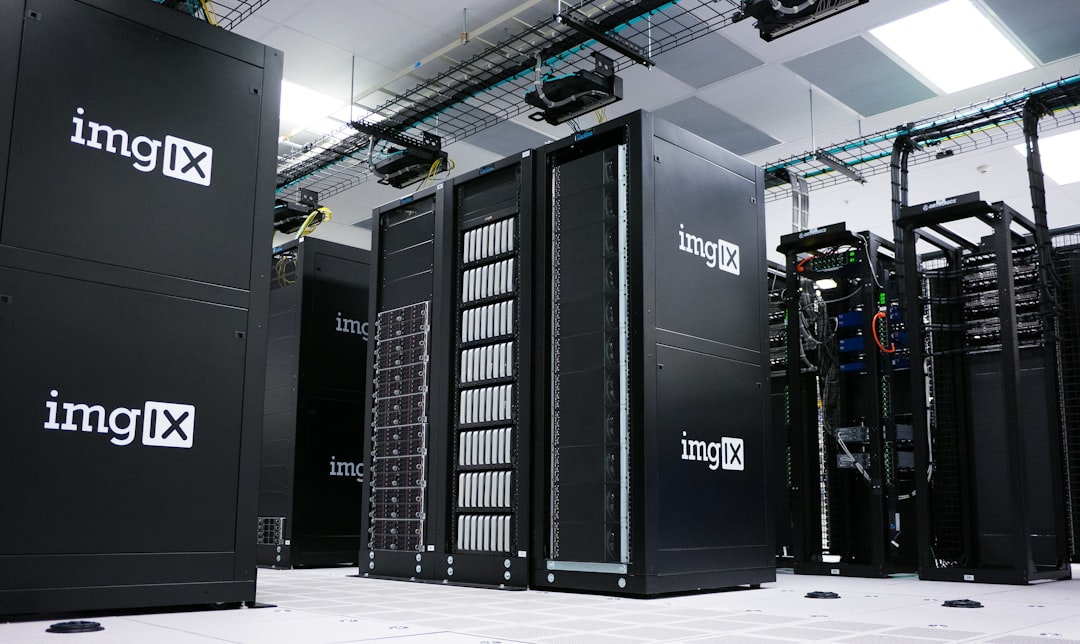
    Air pollution from gas-fired power plants that support data centers is projected to add at least $20 billion in annual healthcare costs by 2028. This alarming forecast highlights the urgent need for data center engineers and environmental health specialists to tackle the health risks from emissions.

    As the demand for data processing increases, so does the environmental impact of data centers. The rise of AI technologies is driving rapid expansion, often harming air quality. These emissions have serious implications for public health and operational costs for companies in this sector.

    Healthcare Costs Linked to Data Center Emissions

    Career Ahead analysis shows that the projected $20 billion rise in healthcare costs is due to various health issues linked to air pollution. These include respiratory diseases, cardiovascular problems, and other serious conditions from long-term exposure to polluted air. The Central Pollution Control Board (CPCB) of India notes that emissions from data centers significantly worsen air quality in urban areas, especially in cities like Delhi.

    CPCB data reveals that the concentration of particulate matter (PM2.5) in Delhi often exceeds safe levels. Data centers powered by fossil fuels are major contributors to this pollution. The health risks from these emissions are especially concerning for vulnerable groups, like children and the elderly, who are more affected by air pollution.

    Environmental health specialists are warning about the long-term health risks. They urge data center operators to adopt cleaner technologies. The need for a shift to renewable energy sources is becoming clear. Data center engineers must proactively implement sustainable practices to reduce these risks.

    Ignoring these health risks can lead to significant financial consequences. Companies may face rising healthcare costs, potential fines for non-compliance with new regulations, and damage to their reputations. The financial burden from healthcare costs linked to pollution could ultimately impact the bottom line for many organizations.

    Regulatory Changes and Their Impact on Operations

    As awareness of the health risks from data center emissions grows, regulatory bodies are starting to take action. New regulations to reduce emissions from data centers are being proposed and implemented globally. For example, India is tightening environmental regulations, focusing on stricter emission standards for industries, including data centers.

    Career Ahead research indicates that these regulatory changes will significantly impact operational costs for data center engineers. Compliance with new standards may require substantial investments in cleaner technologies and processes. Engineers must stay informed about these regulations to ensure compliance and avoid penalties.

    Additionally, data centers may need to invest in advanced air filtration systems and renewable energy sources. While these investments may be high upfront, they could lead to long-term savings by reducing healthcare costs and improving air quality. Transitioning to cleaner energy sources, like wind and solar, benefits the environment and aligns with the growing demand for sustainable practices in data center management.

    Data Center Pollution Threatens Engineers' Health and Wallets

    Environmental health specialists stress the importance of collaboration between data center engineers and regulatory agencies. By working together, they can create strategies that meet regulatory requirements and protect public health. This collaboration could lead to innovative solutions that benefit both the industry and surrounding communities.

    Emerging Technologies for Cleaner Data Centers

    In response to pollution concerns, several emerging technologies are being developed to create cleaner data centers. Innovations like liquid cooling systems, energy-efficient servers, and renewable energy integration are gaining traction. These technologies reduce emissions and improve energy efficiency, which is crucial as data centers consume large amounts of electricity.

    Career Ahead analysis shows that adopting these technologies can significantly lower operational costs over time. For example, liquid cooling systems enhance cooling efficiency, reducing the need for energy-intensive air conditioning. As data center engineers explore these options, they must evaluate the cost-benefit ratio of implementing new technologies.

    Moreover, integrating AI and machine learning into data center operations can optimize energy use and reduce waste. These technologies analyze data in real-time, allowing engineers to make informed decisions that minimize environmental impact. As the industry moves toward greater sustainability, engineers must develop skills in these emerging areas to stay competitive.

    Ultimately, the shift toward cleaner data centers is not just a regulatory requirement but a market demand. Companies prioritizing sustainability will likely gain a competitive edge, attracting clients who care about environmental responsibility. Thus, data center engineers must adapt to these changes and embrace new technologies.

    As data center operations evolve, the intersection of health, technology, and regulation will grow more significant. The need for sustainable practices is not just a trend but a necessity for the industry’s future. How data center engineers respond to these challenges will shape operations and public health.

    Frequently Asked Questions

    What are the health risks associated with data center emissions?

    Data center emissions contribute to air pollution, leading to serious health issues like respiratory diseases and cardiovascular problems. Vulnerable groups, including children and the elderly, are particularly at risk.

    How can data center engineers mitigate pollution?

    Data center engineers can reduce pollution by adopting cleaner technologies, such as energy-efficient servers and renewable energy sources. Advanced air filtration systems can also help improve air quality.

    Data Center Pollution Threatens Engineers' Health and Wallets

    What should environmental health specialists do about data center air quality concerns?

    Environmental health specialists should work with data center operators to create strategies that reduce emissions and comply with regulations. They can also advocate for sustainable practices within the industry.

  • The Economic Implications of Agentic AI Development

    The Economic Implications of Agentic AI Development

    Agentic AI is gaining traction, leading to changes in economic models and strategies in tech. Recent expert discussions stressed the need for organizations to adapt. This shift is changing how AI researchers and business strategists approach their work.

    Neil Thompson from MIT noted that AI is rapidly changing the workforce, similar to the tech shifts of the 1980s. However, today’s environment presents unique challenges for organizations, making effective planning difficult. As companies invest heavily in AI, they must ask: are they ready for the impacts of agentic AI?

    Shifting Economic Models in AI Development

    Career Ahead analysis shows that the economic landscape for AI development is evolving. Traditional models focused on cost savings are being replaced by approaches that emphasize value creation. Organizations now need to measure ROI not just by immediate savings but by long-term benefits from AI integration.

    This change is evident in how companies structure their AI investments. For example, Salesforce is using agentic AI to turn low-value leads into profitable opportunities. By nurturing these leads with AI, they have transformed a cost center into a revenue-generating unit. This reflects a trend where businesses see AI as a way to boost efficiency and market reach.

    Research from O’Reilly indicates that integrating AI into business models requires a solid understanding of economic strategies. Organizations must consider the complexities of AI deployment, including the need for skilled personnel. This creates opportunities for AI researchers to align their projects with market needs, ensuring they fit into evolving economic models.

    As AI technology matures, the focus may shift from simple automation to creating intelligent systems that make autonomous decisions. This evolution brings both challenges and opportunities for businesses. Companies that adapt their economic models to fully harness agentic AI will likely gain a competitive advantage.

    However, transitioning to these new economic models is not easy. Organizations must deal with job redefinition and potential workforce displacement. Career Ahead’s analysis shows that this economic shift requires a reevaluation of workforce strategies, especially for roles at risk of automation.

    Building Strategic Collaborations for AI Success

    Strategic partnerships are becoming vital for developing and deploying agentic AI. As organizations seek to leverage AI’s capabilities, collaboration with tech providers, research institutions, and academia is essential. This teamwork allows companies to share resources, knowledge, and speed up innovation.

    Shibani Ahuja from Salesforce stresses the need to translate technical advancements into actionable strategies for executives. By fostering partnerships, organizations can connect technical capabilities with business goals. This is crucial as companies navigate the complexities of integrating agentic AI into their workflows.

    Moreover, engineering teams must collaborate closely with business leaders to ensure AI projects align with organizational goals. This partnership is vital for measuring AI system performance and understanding their impact on human work. Ahuja’s insights show that agentic AI is not just a technical project but a fundamental shift in business operations.

    The Economic Implications of Agentic AI Development

    As companies invest in AI partnerships, they must also consider the ethical issues of deploying autonomous systems. Yakov Salomon from Salesforce warns that while agentic AI has great potential, it raises questions about privacy and accountability. Organizations need clear guidelines for how AI systems interact with users and ensure they stay within ethical boundaries.

    In this context, AI researchers play a crucial role. They must develop advanced algorithms and consider the broader implications of their work. By engaging with business strategists and policymakers, AI researchers can help shape the future of agentic AI for the benefit of society.

    Engineering Challenges in Developing Agentic AI

    Developing agentic AI presents unique engineering challenges that must be addressed to unlock its full potential. One major concern is ensuring AI systems are robust and reliable. As Thompson notes, moving from digital to physical environments poses significant risks. A malfunctioning AI system in the real world could have severe consequences, highlighting the need for thorough testing and validation.

    Data quality is another critical issue for AI systems. Agents can inherit flaws from their training data, so organizations must prioritize data management. This includes ensuring data accuracy, relevance, and completeness to improve AI performance. According to Inzeko, effective engineering economic strategies are essential for tackling these challenges and fostering innovation.

    The rapid advancement of AI technology complicates the engineering landscape. AI systems must operate at unprecedented speeds, so engineering teams must adapt their practices. This includes refining testing methods and improving monitoring capabilities to ensure optimal AI performance under various conditions.

    The Economic Implications of Agentic AI Development

    As organizations invest in agentic AI, the demand for skilled engineers who can navigate these complexities will increase. AI researchers and engineers must work closely together to develop solutions that meet both technical and strategic needs. This collaboration is key to overcoming the engineering challenges of agentic AI.

    Future Considerations for Agentic AI Integration

    In summary, developing agentic AI is not just a technological evolution but a complex mix of economic strategy, engineering discipline, and ethical considerations. As organizations face these challenges, the future of agentic AI will depend on their ability to adapt and innovate.

    As the agentic AI landscape evolves, organizations must stay alert. The next few years will be crucial in determining how well companies can integrate these systems and their impact on the workforce.

    The Economic Implications of Agentic AI Development

    Frequently Asked Questions

    What are the latest economic trends in AI development?

    Career Ahead analysis shows that economic models for AI development are shifting towards value creation rather than just cost savings. Companies are now focusing on the long-term benefits of integrating AI into their operations.

    How can business strategists leverage agentic AI?

    Business strategists can leverage agentic AI by forming strategic partnerships and aligning AI projects with organizational goals. This collaborative approach helps bridge the gap between technical capabilities and business objectives.

    What engineering skills are essential for developing agentic AI?

    Essential engineering skills for developing agentic AI include expertise in data management, algorithm development, and system testing. Engineers must also understand the ethical implications of AI deployment to ensure responsible use.

  • AI Homework Challenges Student Learning

    AI Homework Challenges Student Learning

    India — As AI tools help students with homework, educators are raising questions about learning impacts, especially in engineering courses. This shift has sparked debates on how to integrate AI into classrooms while ensuring students keep their critical thinking and problem-solving skills. These discussions are vital as students navigate their educational journeys in a fast-changing technological world.

    Institutions worldwide are grappling with how to include generative AI in their curricula. For example, New York City has imposed a one-year pause on AI tools for younger students. The University of Chicago has banned AI tools in some social science courses. In India, Lucknow University has tightened rules on AI use in PhD research, treating unacknowledged AI-generated content as plagiarism. These varied approaches show the complexities of AI’s role in education.

    AI’s Impact on Critical Thinking Skills

    One major concern about AI in education is its effect on students’ critical thinking skills. Research by Career Ahead shows that students who rely heavily on AI tools may struggle to develop essential problem-solving abilities in engineering fields. This reliance can lead to a shallow understanding of concepts, as students may accept AI-generated answers without questioning them. A study on Mindko highlights that while homework can reinforce learning, over-reliance on AI tools may hinder deep cognitive engagement needed to master complex subjects.

    Experts argue that AI can be a valuable learning partner but should not replace fundamental learning processes. Dr. Raghuram Bharadwaj, an assistant professor at IIIT-Bangalore, stresses that AI should enhance students’ understanding, not do the thinking for them. He notes that students with a strong grasp of foundational concepts can use AI to explore different explanations and challenge their reasoning, enriching their learning experience. AI should be seen as a collaborative tool that complements traditional learning methods.

    However, there is a risk that students may become passive recipients of information. Santanu Mishra, co-founder of Smile Foundation, warns that if students stop asking questions because AI provides answers, their critical thinking skills will weaken. He advocates for a balanced approach to AI integration, where students learn to question AI outputs and verify information, keeping them engaged in the learning process. This view is supported by findings from Coursepivot, which show that students who actively engage with their materials, rather than relying solely on AI, achieve better academic outcomes.

    Moreover, Career Ahead’s analysis suggests that educators must adapt their teaching strategies to promote critical thinking. This includes designing assessments that require students to show their understanding rather than just repeating AI-generated content. By doing this, educators can help students develop the analytical skills needed to tackle complex engineering problems. The challenge is to create assignments that are both relevant and thought-provoking, pushing students to apply their knowledge in innovative ways.

    Shifting Assessment Methods in STEM Education

    The use of AI tools in education requires a reevaluation of assessment methods in STEM fields. Traditional assessment techniques, which often focus on memorization and standardized testing, may not effectively measure understanding in an AI-assisted learning environment. As AI tools become more common, educators must find new ways to assess student learning that reflect their ability to think critically and apply knowledge. Research from CLRN indicates that assessments should evaluate not just fact retention but also the application of concepts in real-world scenarios, which is crucial in engineering disciplines.

    Career Ahead research shows that assessments should emphasize problem-solving and real-world applications instead of simple factual recall. For example, project-based assessments that require students to apply their knowledge to practical scenarios can better gauge their understanding and readiness for future engineering challenges. This shift aligns with industry demands and encourages students to engage more deeply with the material. Additionally, incorporating AI into the assessment process can provide educators with valuable insights into student performance and learning patterns.

    Educators may also consider using AI in the assessment process. By employing AI-driven tools to give instant feedback on student work, instructors can help students identify areas for improvement and foster a growth mindset. This approach allows students to learn from their mistakes and encourages ownership of their learning journey. However, the challenge is to ensure that assessments remain fair and equitable. As AI tools advance, educators must be vigilant against misuse, such as students submitting AI-generated work without proper attribution. Institutions like Lucknow University are already addressing this issue with strict guidelines on AI-generated content in academic submissions.

    AI Homework Challenges Student Learning

    As the educational landscape evolves, collaboration among educators, students, and technology will be vital. By fostering a culture of curiosity and critical thinking, schools can prepare students to thrive in a world where AI plays a significant role. Ultimately, the question remains: how can educators balance leveraging AI as a learning tool while ensuring students develop the critical skills needed for success in engineering? The answers may profoundly shape the future of education.

    Frequently Asked Questions

    How can high school math teachers integrate AI tools effectively?

    High school math teachers can use AI tools as supplementary resources for problem-solving and exploration. By encouraging students to engage with AI-generated explanations, teachers can foster critical thinking and deeper understanding of math concepts.

    What should college students in engineering do to enhance their learning despite AI assistance?

    College students in engineering should focus on building a strong foundation in their subjects while using AI tools as learning partners. Engaging critically with AI and questioning its outputs can help enhance understanding and problem-solving skills.

    AI Homework Challenges Student Learning

    How can educators assess student understanding when AI is used for homework?

    Educators can assess understanding by designing assessments that emphasize real-world applications and problem-solving instead of rote memorization. Incorporating project-based assessments and providing instant feedback through AI tools can also gauge student learning effectively.