Blog

  • Retail Algo Trading Transformed

    Retail Algo Trading Transformed

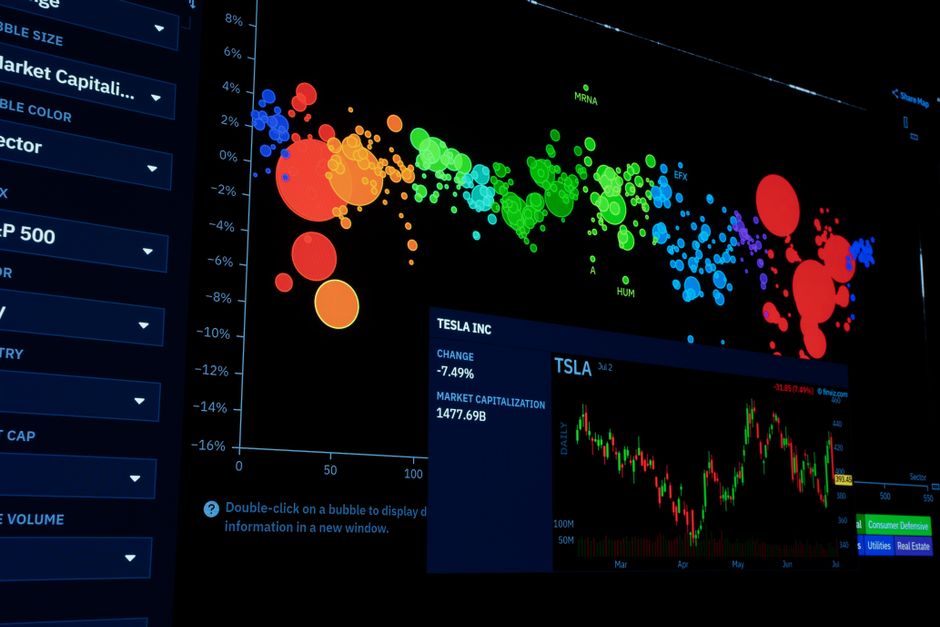
    India’s retail algo trading landscape is changing rapidly. Better access to broker APIs, AI coding tools, and clearer regulations are helping individual traders automate their strategies. This shift is important as the country embraces a more digital financial ecosystem.

    Recent developments show that retail traders now have greater access to algorithmic trading tools. This change is not just about technology; it reflects a new way of approaching trading in India. As more traders use these tools, the potential for innovative trading strategies grows.

    Increased Access to Broker APIs

    Broker APIs are now much more available for retail traders in India. Many brokerage firms offer strong APIs that let traders connect their algorithms directly to trading platforms. This allows individual traders to execute trades automatically based on their strategies, a privilege once reserved for institutional investors.

    For example, platforms like Zerodha and Upstox provide APIs that make it easy to integrate various trading algorithms. Career Ahead’s analysis suggests this trend will continue, with more brokers likely to join in. This democratizes access to advanced trading tools. The Economic Times notes that this shift is about both accessibility and the quality of tools, which are becoming more sophisticated and user-friendly.

    Additionally, cloud-based trading solutions allow traders to deploy their algorithms without needing expensive hardware. This lowers the entry barrier, enabling even novice traders to participate in algo trading. As a result, the retail trading space is becoming more competitive. The Economic Times highlights that as more traders enter the market, the focus will shift to creating unique and effective trading strategies. Traders will need to refine their approaches to stay ahead.

    Moreover, integrating APIs with advanced analytics tools helps traders make informed decisions. These tools provide insights into market trends, allowing traders to adjust their strategies in real time. This adaptability was previously out of reach for many retail traders, marking a significant evolution in the trading landscape.

    The Impact of AI-Assisted Coding on Trading Strategies

    AI technology is changing how traders develop and implement their strategies. AI-assisted coding tools help traders write algorithms more efficiently. These tools can analyze large amounts of data, identify patterns, and suggest optimizations for trading strategies.

    For instance, platforms with machine learning algorithms can adapt to market changes in real time. Career Ahead research shows that traders using AI tools report improved accuracy in their predictions, leading to better performance. This is especially valuable in the volatile Indian market, where rapid changes can significantly affect trading outcomes. The Economic Times emphasizes that while automation streamlines processes, traders must still understand market fundamentals.

    Furthermore, AI can assist in backtesting strategies, allowing traders to see how their algorithms would have performed historically. This capability is vital for refining strategies before live trading. As traders become skilled at using AI tools, we can expect a rise in innovative strategies tailored to the Indian market. However, it’s crucial not to let reliance on AI overshadow traditional analysis methods. Combining AI insights with human intuition can create more robust trading strategies.

    Retail Algo Trading Transformed

    While AI offers many advantages, it’s important to remember that technology cannot replace fundamental trading principles. Strong strategies, thorough testing, and effective risk management are critical for success. As the market evolves, integrating AI with traditional practices will likely shape the next generation of retail traders.

    With the rise of algo trading, risk management is more important than ever. Automated systems can execute orders quickly, amplifying both gains and losses. Traders must adopt sound risk management practices to protect their investments.

    Career Ahead’s analysis indicates that many retail traders overlook risk management, focusing mainly on algorithm development. However, without proper protocols, even the best strategies can lead to significant losses. Tools like stop-loss orders and position sizing are essential for guarding against market volatility.

    Additionally, Indian regulatory bodies are stressing the need for risk management in trading. The Securities and Exchange Board of India (SEBI) has introduced guidelines to ensure traders maintain adequate risk controls. This regulatory clarity benefits retail traders by promoting a more disciplined approach to trading.

    In the evolving algo trading landscape, those who prioritize risk management alongside strategy development are likely to succeed. As the market matures, focusing on sustainable trading practices will be crucial.

    The intersection of technology, regulation, and strategy development in retail algo trading is worth watching. With ongoing advancements in AI and APIs, the future holds exciting possibilities for traders looking to innovate and expand their trading horizons.

    Frequently Asked Questions

    What are the best APIs for retail algo trading in India?

    Career Ahead identifies popular APIs for retail algo trading in India, including those from Zerodha and Upstox. These platforms provide robust tools for traders to automate their strategies effectively.

    How can AI improve my trading strategies?

    AI can enhance trading strategies by analyzing large datasets to identify patterns and optimize algorithms. Traders using AI tools report improved accuracy and performance in their trading outcomes.

    Retail Algo Trading Transformed

    What risk management techniques should I implement in algo trading?

    Effective risk management techniques include setting stop-loss orders, proper position sizing, and following regulatory guidelines. These practices are essential for protecting investments in the fast-paced trading environment.


  • Governments rewrite operating systems amid AI surge

    Governments rewrite operating systems amid AI surge

    Governments are overhauling decision rights, workflows and learning loops as artificial intelligence, fiscal pressure and demographic change accelerate systemic redesign. Deloitte’s 2026 outlook flags a shift from incremental reform to a foundational rewrite of public‑sector architecture.

    The urgency stems from a convergence of AI‑driven service expectations, tightening budgets and an aging workforce that together threaten legacy bureaucracies. This article dissects how the underlying operating system of government is being rebuilt, why the change rebalances institutional power, and what it means for career capital and leadership pipelines in the public sphere.

    Governments overhaul operating systems to match accelerating change Governments worldwide are rewriting their operating systems to keep pace with an accelerating external environment. Historically, public‑sector improvement arrived in incremental waves—regulatory reform, digitization, and process‑centric modernization—each adding modest gains. Deloitte’s 2026 government trends report notes that the current wave is distinct: it rewires decision rights, embeds learning loops, and integrates AI at the core of policy execution. This systemic redesign replaces siloed rule‑sets with adaptive, data‑informed processes, positioning governments to respond in days rather than months. The shift signals a structural reallocation of authority from hierarchical ministries to cross‑functional, algorithm‑enabled units, redefining how public value is created and measured.

    Governments rewrite operating systems amid AI surge

    AI‑enabled decision rights drive the core of redesign The integration of artificial intelligence into decision rights is the engine of the current redesign. AI platforms now surface risk analytics, forecast service demand and recommend policy adjustments, effectively compressing the decision cycle. Deloitte highlights that fiscal constraints compel ministries to justify expenditures through predictive outcomes, pushing AI from pilot projects to mandatory decision‑support layers. Simultaneously, workforce demographics—an aging civil service and a surge of digitally native entrants—force a redesign of learning loops to capture tacit knowledge faster. The resulting architecture aligns incentives: data‑rich units gain authority, while legacy hierarchies cede control to algorithmic dashboards. > “Governments are redesigning internal architecture to embed AI decision loops.” This reallocation of authority creates a feedback‑rich environment where policy outcomes continuously refine the rules that generated them.

    Institutional power rebalances toward data‑centric units Embedding AI reshapes institutional power by concentrating authority in data‑centric units. Traditional ministries, once the locus of budgetary and regulatory control, now share or relinquish that power to cross‑agency analytics hubs. This rebalancing accelerates policy implementation, but also introduces asymmetries: units that master data governance can influence agenda‑setting, while those lagging in digital maturity risk marginalization. Deloitte’s analysis warns that cascading risks—cyber threats, supply‑chain disruptions, climate shocks—propagate faster through interconnected AI systems, amplifying the need for robust oversight. Consequently, governance frameworks are evolving to embed ethical AI reviews and transparent audit trails, reinforcing accountability even as decision speed increases. The net effect is a more agile but also more centralized power structure, altering the career trajectories of public leaders who must now navigate data stewardship alongside political acumen.

    Career capital shifts to analytics, design and adaptive leadership Public‑sector talent pipelines are realigning toward analytics, system design and adaptive leadership. According to Career Ahead’s analysis of Deloitte’s 2026 government trends, the shift toward AI‑embedded decision loops marks a re‑weighting of institutional power toward data‑centric governance, demanding new career capital. Civil servants with expertise in machine‑learning, data ethics and change‑management command a measurable share of senior appointments, while traditional policy specialists must augment their skill sets. Leadership development programs now prioritize rapid learning loops, scenario‑planning and cross‑functional collaboration. This creates asymmetric mobility: digitally fluent employees experience accelerated promotion, whereas those rooted in legacy processes face stagnation. The emerging hierarchy incentivizes continuous upskilling, positioning the public sector as a competitive arena for talent drawn from tech‑forward private firms.

    Governments rewrite operating systems amid AI surge

    Outlook: three‑to‑five‑year trajectory of AI‑driven governance In the next three to five years, AI‑driven governance is expected to become the default operating model for advanced economies. Fiscal pressures will tighten further, compelling governments to rely on predictive budgeting tools that allocate resources in near real‑time. Demographic turnover will double the proportion of digitally native employees, reinforcing the data‑centric power base. Risk cascades—climate‑related disruptions, geopolitical shocks, and cyber incidents—will test the resilience of these new architectures, prompting the institutionalization of rapid response cells equipped with AI‑augmented decision support. As the architecture matures, career pathways will crystallize around “digital steward” roles that blend policy insight with technical fluency, cementing a new elite within the public sector.

    The restructuring of government operating systems reshapes institutional power, career capital and leadership, making the ability to navigate AI‑enabled decision loops the defining competency for public‑sector success in the coming decade.

    Key Structural Insights

    [Insight 1]: Governments are replacing hierarchical rule‑sets with AI‑driven decision loops, fundamentally shifting institutional authority toward data‑centric units.

    [Insight 2]: Career capital in the public sector now hinges on analytics, system design and adaptive leadership, creating asymmetric mobility for digitally fluent employees.

    [Insight 3]: Over the next three to five years, fiscal constraints and demographic turnover will cement AI‑enabled governance as the default operating model for advanced economies.

  • How AI is Reshaping Semiconductor Engineering Careers

    How AI is Reshaping Semiconductor Engineering Careers

    The demand for AI-driven chips is reshaping the semiconductor industry, leading to a significant super cycle that primarily benefits memory chip design. According to a Jefferies report released on September 11, 2026, investments in AI technologies are surging, particularly in Korea, resulting in a dramatic increase in semiconductor exports. This growth is expected to create numerous job opportunities for semiconductor engineers and memory chip designers in the coming years.

    The Jefferies report emphasizes that AI-related capital spending is a crucial driver of economic growth in Korea, contributing significantly to the country’s GDP. Semiconductor exports from Korea have skyrocketed, with a 193% year-on-year increase to $133 billion in the three months leading up to August 2026. This surge accounts for a record 44% of Korea’s total exports, underscoring the vital role of semiconductors in the global economy.

    Memory Chips: Essential for AI Development

    Memory chips are becoming indispensable in the AI supply chain. As AI applications expand, the demand for high-performance memory solutions has surged. Career Ahead’s analysis of IDC data predicts that the semiconductor market will exceed one trillion dollars, primarily driven by investments in AI infrastructure. This trend offers a robust growth trajectory for memory chip designers who are developing these advanced technologies.

    Korean memory manufacturers are under pressure to increase production capacity to meet this rising demand. Jefferies notes that favorable industry conditions have led to political pressure on major players to expand their manufacturing capabilities, indicating sustained demand for memory chips essential for AI applications, including data processing and machine learning tasks.

    Moreover, insights from McKinsey highlight that the rise of generative AI is pushing the semiconductor industry to innovate rapidly. The need for more efficient chips is prompting companies to invest heavily in research and development, creating numerous opportunities for semiconductor engineers. Those with expertise in advanced memory technologies will be in high demand as companies strive to remain competitive.

    Job Market Shifts in Semiconductor Engineering

    The rapid transformation of the semiconductor industry due to AI demand has significant implications for the job market. The Jefferies report indicates that the AI capital expenditure cycle shows no signs of slowing, suggesting that the semiconductor sector will continue to be a key player in the global economy. This creates a ripple effect, impacting job opportunities and the skills required in the industry.

    Career Ahead’s analysis suggests that engineers specializing in AI-related semiconductor technologies will be highly sought after. This includes roles focused on designing and optimizing memory chips and those involved in manufacturing processes that support AI applications. With the anticipated growth in AI infrastructure, professionals in these roles will be well-positioned in a competitive job market.

    Furthermore, the increasing reliance on AI technologies is likely to lead to more investments in semiconductor research and development. Companies will seek continuous innovation, resulting in new technologies and methods that could reshape the semiconductor landscape. Engineers who stay updated on these trends and enhance their skills will be better prepared to navigate this evolving field.

    AI-Driven Chip Demand Fuels Semiconductor Super Cycle

    Preparing for Future Opportunities

    As the semiconductor super cycle continues, professionals must remain adaptable and forward-thinking. The demand for memory chips is expected to create immediate job opportunities and long-term career prospects in semiconductor engineering. Those who leverage this momentum will likely thrive in the coming years.

    Looking ahead, the semiconductor industry is poised for significant changes as AI investments shape its future. The interplay between AI advancements and semiconductor capabilities will drive innovation, potentially leading to breakthroughs that enhance the efficiency and performance of memory chips.

    As the landscape evolves, semiconductor engineering professionals must prepare for the challenges and opportunities this super cycle presents. The future of memory chip design and semiconductor engineering appears promising, with potential for unprecedented growth and innovation in the coming years.

    Frequently Asked Questions

    What skills are needed for semiconductor engineers in the AI era?

    Semiconductor engineers should focus on skills related to AI integration, including knowledge of machine learning algorithms and data processing techniques. Familiarity with advanced memory technologies and chip design is also crucial to meet industry demands.

    How can memory chip designers prepare for increased demand?

    Memory chip designers can prepare for increased demand by enhancing their expertise in high-performance memory solutions and staying updated on emerging AI technologies. Continuous learning and professional development will help them remain competitive.

    AI-Driven Chip Demand Fuels Semiconductor Super Cycle

    What trends should semiconductor engineers watch in the AI-driven market?

    Engineers should monitor trends related to AI infrastructure investments and advancements in memory chip technologies, as well as shifts in consumer demand for AI applications. Staying informed about these trends will help engineers align their skills with market needs.

  • Mentorship Gains: Clarity, Trading, Life Lessons | Career Outlook

    Mentorship Gains: Clarity, Trading, Life Lessons | Career Outlook

    India — Arun and Sooraj Sir, prominent mentors at the GTF trading institute, emphasize the importance of mental clarity and emotional discipline in trading. Their recent mentorship program sheds light on how traders can enhance their decision-making processes, especially in volatile markets. This approach is particularly relevant for aspiring traders and financial analysts navigating the complexities of trading.

    The mentorship focuses on the psychological aspects of trading, which are often overlooked in traditional training programs. Arun and Sooraj Sir teach that understanding one’s own thought patterns is as crucial as mastering market strategies. This insight is vital in a field where emotional reactions can lead to significant financial losses. According to a report by Hindustan Times, the ability to manage one’s emotions is often the differentiating factor between successful traders and those who struggle. They highlight that a trader may know the setup, understand the strategy, and still hesitate when the market moves differently than expected, which underscores the importance of mental clarity.

    Mental Clarity: The Foundation of Trading Success

    Mental clarity is defined as the ability to think clearly and make rational decisions, especially under pressure. For traders, this means being able to assess market conditions without the cloud of fear, greed, or panic. Arun and Sooraj Sir advocate for a shift from what they term “cloud thinking” to “clear thinking”. This transition is essential for traders who often face rapid market changes that can influence their decision-making. They emphasize that a clear mind allows traders to focus on their strategies rather than being swayed by external noise or internal doubts.

    Career Ahead’s analysis finds that many traders struggle with emotional responses that can distort their judgment. For instance, after a loss, a trader might rush to recover their losses, leading to impulsive decisions that exacerbate the situation. Conversely, after a few profitable trades, overconfidence can lead to taking unnecessary risks. This cyclical behavior highlights the need for mental clarity in maintaining a balanced approach to trading. Arun and Sooraj Sir stress that cultivating a mindset that prioritizes patience and logical reasoning can significantly enhance a trader’s performance. They encourage traders to engage in reflective practices that allow them to evaluate their emotional responses and decision-making processes critically.

    To cultivate mental clarity, Arun and Sooraj Sir encourage traders to focus on patience, logic, and a systematic approach. By prioritizing these elements over emotional reactions, traders can make more informed decisions. This method not only improves individual performance but also enhances overall market understanding. Furthermore, they advocate for the use of journaling as a tool for self-reflection, which can help traders track their emotions and decisions over time. This practice can lead to greater self-awareness and the ability to recognize patterns in one’s trading behavior.

    Moreover, the mentorship emphasizes the importance of self-awareness. Traders must recognize their emotional triggers and learn to manage them effectively. This self-awareness is critical in ensuring that decisions are based on sound analysis rather than fleeting emotions. The ability to remain calm and collected can significantly impact trading outcomes. As highlighted in their mentorship, understanding the psychological barriers that traders face can lead to more effective strategies for overcoming them. Ultimately, mental clarity serves as the bedrock for successful trading. It allows traders to navigate the complexities of the market with confidence, making it a key focus of Arun and Sooraj Sir’s mentorship.

    The Role of Emotional Discipline in Trading

    Emotional discipline is another cornerstone of effective trading. Arun and Sooraj Sir explain that while motivation can drive traders to start, it is discipline that sustains them through the ups and downs of the trading journey. In their mentorship, they stress that consistency is more important than occasional bursts of enthusiasm. Career Ahead’s research identifies that many traders fail to maintain discipline during challenging times. For example, when faced with a series of losses, some traders may abandon their strategies in favor of impulsive trades. This behavior often leads to further losses and emotional turmoil. The mentorship program seeks to instill a sense of discipline that helps traders adhere to their strategies, regardless of market conditions.

    Arun and Sooraj Sir advocate for a structured approach to trading that includes setting clear goals and sticking to a well-defined plan. This structure helps traders avoid the pitfalls of emotional trading. By focusing on long-term objectives rather than short-term gains, traders can cultivate a disciplined mindset that supports their success. They emphasize that emotional discipline is not merely about resisting the urge to make impulsive trades; it also involves the ability to follow through on a trading plan even when the market is volatile. This steadfastness is crucial in maintaining a trader’s edge.

    Moreover, the mentorship highlights the importance of learning from mistakes. Traders are encouraged to view losses as opportunities for growth rather than failures. This perspective fosters resilience and helps build a more disciplined approach to trading. Arun and Sooraj Sir illustrate this point by sharing personal anecdotes from their own trading experiences, demonstrating how setbacks can lead to valuable lessons. Incorporating emotional discipline into trading practices not only enhances individual performance but also contributes to a healthier trading environment. As traders become more disciplined, they are less likely to engage in behaviors that can negatively affect the market.

    Mentorship Gains: Clarity, Trading, Life Lessons | Career Outlook

    In summary, emotional discipline is a crucial element that complements mental clarity, enabling traders to face the challenges of the market with confidence and composure. The insights from Arun and Sooraj Sir’s mentorship carry significant implications for aspiring traders and financial analysts. Understanding the psychological aspects of trading can provide a competitive edge in a field that is often driven by emotions. Career Ahead’s analysis suggests that incorporating mental clarity and emotional discipline into training programs could better prepare new traders for the realities of the market.

    Moreover, the emphasis on self-awareness and emotional management aligns with broader trends in the financial industry. As markets become more volatile, the ability to maintain composure and make rational decisions is increasingly valuable. Financial analysts, in particular, can benefit from these insights as they navigate complex market conditions and make data-driven decisions. Arun and Sooraj Sir’s mentorship encourages a shift in focus from merely acquiring technical skills to developing a strong psychological foundation. This holistic approach can lead to more sustainable success in trading and financial analysis.

    As the trading landscape continues to evolve, the lessons learned from this mentorship will remain relevant. Aspiring traders and financial analysts who prioritize mental clarity and emotional discipline are likely to find themselves better equipped to handle the challenges ahead. Looking forward, the integration of psychological training into trading education may become a standard practice. As the demand for skilled traders grows, institutions may increasingly recognize the value of mental clarity and emotional discipline in shaping successful professionals.

    Frequently Asked Questions

    How can aspiring traders develop mental clarity?

    Aspiring traders can develop mental clarity by practicing self-awareness and focusing on logical decision-making. Engaging in mentorship programs, like those offered by Arun and Sooraj Sir, can also provide valuable insights into managing emotions while trading.

    What emotional challenges do financial analysts face in trading?

    Financial analysts often face emotional challenges such as fear of loss, overconfidence after successful trades, and pressure to perform. These emotions can cloud judgment and affect decision-making processes.

    Mentorship Gains: Clarity, Trading, Life Lessons | Career Outlook

    What strategies should traders use to manage fear and overconfidence?

    Traders can manage fear and overconfidence by establishing clear trading plans and setting realistic goals. Regularly reviewing past trades and reflecting on emotional responses can also help maintain discipline and clarity.

  • UK Economy Surges as AI Drives Growth, Rate Hikes Loom

    UK Economy Surges as AI Drives Growth, Rate Hikes Loom

    The UK economy outperformed expectations in July 2026, showing a growth of 0.4% as reported by the Office for National Statistics. This increase, which comes on the heels of a 0.3% rise in June, has prompted analysts to predict up to four interest rate hikes by mid-2027, driven largely by advancements in artificial intelligence (AI) and other factors.

    As the economy continues to expand, the Bank of England faces pressure to respond to this unexpected growth. Analysts now foresee a potential interest rate increase as early as November 2026, with expectations that rates could reach 4.75% by July 2027, up from the current 3.75%. This anticipated shift in monetary policy is not just a reaction to growth but also a response to inflationary pressures that have been building, as noted by Forbes, which reported that inflation rose as expected in July, although not sufficiently to trigger an immediate rate hike.

    AI’s Role in Economic Expansion

    The growth in the UK’s GDP can be significantly attributed to the burgeoning AI sector. According to the latest data, computer programming emerged as the largest contributor to service sector growth in July, showcasing a 4.4% increase in AI-related activities. This spike reflects a broader trend where businesses are increasingly integrating AI technologies to enhance productivity and drive innovation.

    Career Ahead’s analysis finds that the AI boom is not just a temporary uplift but a transformative force that is reshaping the UK economy. The resilience shown in the services sector, particularly in professional and scientific activities, indicates a shift in how businesses operate and compete. With AI tools streamlining processes, companies are likely to see sustained growth in this area, which could further influence employment dynamics. The integration of AI is not only enhancing efficiency but also enabling firms to innovate their product offerings, thereby attracting more investment and talent.

    However, the impact of this growth is not uniform across all sectors. While tech and AI-driven industries flourish, traditional sectors may struggle to keep pace. KPMG’s insights warn that despite the headline GDP growth, consumer-facing sectors like retail and hospitality are facing challenges, which could dampen overall economic sentiment. The disparity in growth rates among sectors highlights the need for a nuanced understanding of the economic landscape, as some industries may experience contraction even as the overall economy expands.

    The interplay between AI advancements and economic growth presents both opportunities and risks. As businesses pivot towards AI, there is potential for job creation in tech-driven roles, yet this may come at the expense of traditional jobs that cannot adapt to the new landscape. Financial analysts must consider these dynamics when forecasting economic trends and assessing sector-specific growth. The rapid pace of AI adoption could lead to significant shifts in labor demand, necessitating a workforce that is agile and equipped with new skills.

    Implications for Financial Analysts and Economists

    The anticipated interest rate hikes will have significant implications for financial analysts and economists. With the Bank of England poised to adjust rates in response to economic growth, analysts will need to recalibrate their models to account for these changes. Career Ahead research identifies that the current economic climate, driven by AI, necessitates a shift in how financial forecasts are constructed.

    Analysts must now factor in the potential for increased volatility in financial markets as interest rates rise. Higher borrowing costs could impact consumer spending and business investment, leading to a more cautious approach in financial modeling. Additionally, the uncertainty surrounding inflation, exacerbated by geopolitical tensions and energy price fluctuations, adds another layer of complexity for analysts. As noted by Intellectia, the Federal Reserve’s decisions regarding interest rates can have ripple effects across global markets, influencing investor sentiment and economic forecasts.

    The role of AI in shaping economic conditions also means that analysts must stay attuned to technological advancements. As AI continues to evolve, its impact on productivity and economic growth will likely influence interest rates and investment strategies. Understanding these relationships will be crucial for making informed predictions in an increasingly complex financial landscape. Moreover, sector-specific growth driven by AI could lead to divergent paths for different industries. For example, while technology and AI sectors may thrive, traditional manufacturing and service sectors could face challenges. Analysts will need to identify which sectors are most likely to benefit from AI advancements and which may struggle, allowing for more tailored investment strategies.

    UK Economy Surges as AI Drives Growth, Rate Hikes Loom

    As the economic landscape evolves, the implications for job creation and displacement will also be significant. AI is expected to create new roles, particularly in tech and data analysis, while potentially displacing jobs in sectors unable to adapt. This dual impact requires analysts to consider not just economic metrics, but also the broader societal implications of AI-driven growth. The challenge will be to balance the benefits of technological advancements with the need for a workforce that can thrive in this new environment.

    Looking ahead, as the UK economy continues to show resilience, the forthcoming interest rate hikes will be a key focus for investors and analysts alike. The expectation of rising rates could lead to shifts in market dynamics, with potential implications for stock prices and investment strategies. Investors will be closely monitoring the Bank of England’s decisions and the broader economic indicators that may influence these choices.

    In the near future, the interplay between AI, economic growth, and interest rates will likely be a defining feature of the UK market. As businesses integrate AI technologies, the demand for skilled professionals in this area will increase, potentially leading to a talent shortage in the tech sector. Financial analysts must be prepared for this shift and consider how it will affect labor markets and economic productivity.

    The evolving landscape also raises questions about the sustainability of this growth. While AI is currently driving economic expansion, external factors such as global economic conditions and domestic policy decisions could impact the trajectory of growth. Analysts will need to remain vigilant and adaptable to navigate these uncertainties.

    Ultimately, the UK economy’s performance in the coming months will depend on a variety of factors, including the effectiveness of monetary policy and the ongoing integration of AI technologies. As the situation unfolds, it will be critical for financial analysts to stay informed and adjust their strategies accordingly, ensuring they are equipped to respond to the challenges and opportunities ahead.

    Frequently Asked Questions

    How will interest rate hikes impact financial markets?

    Career Ahead’s analysis indicates that interest rate hikes are likely to lead to increased borrowing costs, which could dampen consumer spending and business investment. This may result in heightened market volatility as investors adjust their expectations.

    What sectors are expected to grow due to AI advancements?

    The technology and AI sectors are projected to see significant growth as businesses increasingly adopt AI tools. This shift is likely to create new job opportunities, particularly in data analysis and tech development.

    UK Economy Surges as AI Drives Growth, Rate Hikes Loom

    What should financial analysts consider when forecasting in an AI-driven economy?

    Financial analysts must account for the impact of AI on productivity and sector-specific growth. Additionally, they should consider the potential for increased volatility in financial markets due to rising interest rates and changing economic conditions.

  • UK Economy Surprises with 0.4% Growth Driven

    UK Economy Surprises with 0.4% Growth Driven

    UK — The economy grew unexpectedly by 0.4% in July 2026. This growth was mainly driven by advancements in artificial intelligence. It is significant because it occurs during a time of economic uncertainty. This may affect future investment strategies and economic forecasts.

    The growth was especially noted in sectors that have embraced AI technologies. According to data from independent.co.uk, this trend reflects a wider digital transformation across many industries. The adoption of AI tools has accelerated this change.

    This growth is crucial for the Burnham administration. They have focused on using technology to improve economic performance. The government’s push for innovation and digital solutions is seen as a key factor behind this economic upturn.

    AI’s Role in Economic Metrics

    Integrating AI into business operations has led to major gains in productivity and efficiency. Career Ahead’s analysis shows that sectors like manufacturing and retail report better output due to automation and data-driven decisions.

    According to burnhamandhighbridgeweeklynews.co.uk, the manufacturing sector has experienced the most growth. It increasingly uses AI for predictive maintenance and supply chain optimization. These advancements have lowered operational costs and improved product quality and delivery times.

    The retail sector has also gained from AI. Personalized marketing strategies and better inventory management have helped. AI tools allow retailers to analyze consumer behavior and optimize stock levels, boosting sales and customer satisfaction.

    Overall, AI’s impact on economic metrics is significant. It drives growth and transforms traditional business models. This shift will likely change how financial analysts evaluate company performance and growth potential in the future.

    Investment Strategies in Response to Economic Performance

    The recent economic growth offers a unique chance for investors. With positive economic signs in the UK, analysts are reassessing their investment strategies. They are particularly focused on technology-driven sectors. Career Ahead research shows that investors favor companies prioritizing AI integration as a sign of resilience and future growth.

    Cityam.com notes that sectors like fintech and health tech are set for significant investment. These sectors continue to innovate and expand their market reach. Investors want to support companies using AI to improve services, streamline operations, and enhance customer engagement.

    This shift in investment focus may lead to a reallocation of resources. Traditional sectors might lose ground to tech-centric firms. Financial analysts now need to consider current economic performance and the technological advancements driving future growth.

    AI Drives Unexpected 0.4% Growth in UK Economy

    As AI evolves, it is expected to create new market opportunities and disrupt existing industries. Analysts must stay ahead of trends and adjust their forecasts accordingly.

    The implications of these changes are significant. Companies that do not adapt may face a competitive disadvantage. In contrast, those embracing AI could see substantial returns on investment.

    Wider Economic Implications

    The UK’s unexpected economic growth has broader implications for policy and workforce dynamics. As AI technologies reshape industries, policymakers must address the challenges and opportunities that arise.

    Career Ahead analysis highlights that the labor market may shift as automation takes over certain jobs. While AI can boost productivity, it may also displace some workers, especially in low-skilled roles. This reality calls for reskilling and upskilling initiatives to prepare the workforce for changes.

    The government may need to implement policies that support innovation and technology adoption. This could involve investing in education and training programs to equip workers with the skills needed in an AI-driven economy.

    As the economy grows, fostering a supportive environment for technological advancement is crucial. Balancing innovation with workforce stability is key for sustainable economic growth.

    In light of these developments, financial analysts and economists must stay alert. The relationship between AI advancements and economic performance will shape future investment strategies and policy decisions.

    As the UK takes advantage of this unexpected growth, the question remains: how will ongoing AI integration further impact the economy in the coming months and years?

    Frequently Asked Questions

    What factors contributed to the UK’s economic growth in July?

    Career Ahead analysis shows that the UK’s economy grew by 0.4% in July. This was due to increased AI adoption in various sectors, especially manufacturing and retail, which improved productivity and efficiency.

    How should financial analysts adjust their forecasts based on this news?

    Analysts should consider AI integration’s implications in their forecasts. They should focus on sectors leveraging technology for growth. This may involve revising investment strategies to prioritize companies with strong AI capabilities.

    AI Drives Unexpected 0.4% Growth in UK Economy

    What sectors are likely to benefit from AI-driven economic growth in the UK?

    Sectors like fintech, health tech, and manufacturing are expected to benefit significantly from AI-driven growth. Companies in these areas are likely to attract more investment as they innovate and expand their market reach.

  • Maharashtra Reviews 3x Fees for Institutional Quota Students

    Maharashtra Reviews 3x Fees for Institutional Quota Students

    Maharashtra, India — The state government has instructed the Fee Regulatory Authority (FRA) to reassess the controversial fee structure that charges three times the regular fees for institutional quota students and five times for NRI students in professional colleges. This decision follows numerous complaints from student representatives about the financial strain these fees impose.

    The review aims to tackle the escalating costs of education, particularly for students already facing significant financial challenges. This directive comes in response to a series of protests and appeals from various student organizations, emphasizing the need for a more equitable fee structure in the state’s educational institutions.

    Current Fee Structure Overview

    Under the existing system, students seeking admission through the institutional quota must pay fees that are three times higher than standard rates, while those under the NRI quota face fees that are five times higher. Established by the FRA in 2023, this fee structure has drawn considerable backlash from students and parents, who argue that it disproportionately impacts those struggling to afford higher education.

    A report by Hindustan Times indicates that the FRA’s fee caps were initially designed to help institutions manage their finances while ensuring access for students from various economic backgrounds. However, many students qualifying for institutional quotas often miss out on merit seats by a narrow margin, leaving them with limited options and a heavy financial burden. This disparity has forced many from lower-income families to choose between substantial debt or abandoning their educational aspirations.

    The financial implications of these high fees are profound. Many students and their families find themselves in debt or compelled to take out loans to cover costs. This situation is particularly dire for those from lower and middle-income families, who may lack the financial flexibility to accommodate steep tuition rates. The burden of these fees not only affects students’ immediate financial situations but also has long-term consequences on their career choices and quality of life post-graduation.

    As the Maharashtra government reviews this fee structure, it is essential to consider the impact on students under both the institutional and NRI quotas, as well as those admitted through merit. The current fee system helps subsidize costs for merit students, creating a delicate balance that could be disrupted by significant changes. The Maharashtra Institution for Transformation (MITRA) has expressed concerns that rolling back the fee structure could lead to reduced funding for institutions, ultimately affecting the quality of education provided to all students.

    Potential Changes and Their Impact

    The review of the fee structure could reshape the admissions landscape in Maharashtra’s professional colleges. If the government decides to roll back the threefold fee increase, it may lead to a more equitable system, allowing greater access for students currently priced out of educational opportunities. A more affordable fee structure could encourage a diverse range of applicants, enriching the educational environment.

    However, MITRA has raised concerns about how this rollback could affect the overall funding of educational institutions. Many colleges rely on the higher fees from institutional and NRI quotas to subsidize costs for merit students. A reduction in these fees could strain financial resources, potentially leading to cuts in services or resources available to all students. Policymakers must navigate the delicate balance between maintaining institutional viability and ensuring equitable access to education.

    Maharashtra Reviews 3x Fees for Institutional Quota Students

    Moreover, the decision may influence admission rates for professional courses. With lower fees, more students may be encouraged to apply, leading to increased competition for limited seats. This scenario raises questions about how institutions will manage the influx of applications and maintain quality education standards. Increased competition could also elevate admission standards, inadvertently disadvantaging some students already struggling to meet existing criteria.

    While the fee review aims to create a fairer system, it must also consider the financial viability of educational institutions. The balance between affordability for students and sustainability for colleges is delicate and requires careful navigation to avoid unintended consequences. As the FRA prepares to submit fee revision applications from private institutions by the end of October, stakeholders are keenly awaiting the outcomes of this review, which could set a precedent for educational policies across India.

    The implications of this review extend beyond immediate financial concerns. The outcome could influence how educational fees are structured across India, impacting policies in other states as well. Students, particularly those applying for professional courses, should stay informed about developments surrounding this fee review, as potential changes could affect their financial planning and college admissions choices. The ongoing discussions about educational affordability are part of a larger national dialogue about the value of higher education and its accessibility. As more students advocate for their rights and push for reforms, the government may face increasing pressure to ensure that education remains attainable for all.

    The upcoming months will be critical for students navigating this uncertain landscape. With significant changes on the horizon, stakeholders in the education sector must remain vigilant and proactive in advocating for fair and just policies. The Maharashtra government’s initiative to review the fee structure represents a significant step towards addressing the financial barriers many students face, underscoring the need for a comprehensive approach to educational reform that prioritizes both access and quality.

  • Flipkart’s Super.money Bets on AI Agents to Outdo Bigger Rivals

    Flipkart’s Super.money Bets on AI Agents to Outdo Bigger Rivals

    Flipkart’s Super.money has launched AI agents to improve its fintech services. This move, announced in September 2026, aims to help Flipkart compete with larger companies. By using artificial intelligence, Flipkart wants to offer personalized financial solutions to its users.

    The AI agents will boost customer engagement and simplify the user experience. With advanced algorithms, Flipkart can provide tailored financial advice and services. This change positions Super.money as a stronger player in fintech and shows how technology can reshape traditional financial services. A Bloomberg report states that Flipkart’s focus on AI agents responds to growing competition from established fintech players, marking a shift toward innovation in customer service and product delivery.

    AI Agents: Transforming User Experience in Fintech

    Introducing AI agents in Flipkart’s Super.money is a major step for user experience. These agents can analyze user behavior and preferences to give customized recommendations. For example, if a user often seeks budget management advice, the AI can suggest relevant tools and resources. This personalization boosts user satisfaction and increases customer retention, as users feel more connected to a service that understands their financial needs.

    Additionally, AI agents can cut down response times for customer inquiries. Traditional customer service often involves long waits and generic replies. In contrast, AI agents provide instant support, addressing user questions quickly and accurately. This level of service is crucial in the fast-paced fintech world, where user expectations are high. AI’s ability to learn from interactions means these agents can adapt to changing user needs, enhancing customer experience further.

    Enhancing Security and Trust in Financial Transactions

    Moreover, AI agents can strengthen security in fintech applications. By analyzing transaction patterns, AI can detect unusual activities and flag potential fraud in real-time. This protects users and builds trust in digital financial services, which is vital for broader adoption. Reports highlight that AI’s proactive monitoring can significantly lower the risk of financial crimes, making platforms like Flipkart’s Super.money more attractive to security-conscious users.

    As Flipkart refines its AI capabilities, other fintech companies will likely follow. This will create a more competitive landscape, pushing firms to innovate and stand out to attract users. Ongoing advancements in AI technology will influence product offerings across the industry, prompting companies to invest in similar strategies to keep up with Flipkart’s innovations.

    Job Opportunities and Skill Requirements in AI Development

    The rise of AI in fintech, especially through Flipkart’s Super.money, is creating new job opportunities and changing skill requirements. Companies seek professionals who can connect technology and finance. Roles like AI product managers and data scientists are becoming essential for developing effective AI solutions that meet user needs. The demand for these roles is expected to grow as more companies see the benefits of integrating AI into their services.

    Flipkart’s Super.money Bets on AI Agents to Outdo Bigger Rivals

    Aspiring AI developers should focus on machine learning algorithms and data analysis. As Flipkart’s Super.money shows, creating algorithms that learn from user interactions is a key skill. Proficiency in programming languages like Python and R, commonly used in AI development, is also becoming standard. Educational institutions are adapting their curricula to include more tech-focused finance courses, preparing students for the changing job market.

    Preparing for the Future of Fintech Careers

    Career Ahead research indicates that as fintech firms like Flipkart invest more in AI, competition for talent will increase. Professionals with backgrounds in both finance and technology will be well-positioned to seize these opportunities. This dual expertise allows them to understand user needs while leveraging advanced technologies to enhance service delivery. Additionally, the fintech sector values soft skills alongside technical knowledge. Communication, problem-solving, and a user-centric mindset are crucial for those in AI roles. As teams become more collaborative, working effectively with diverse groups will be vital.

    In light of these changes, educational institutions and training programs must adapt to prepare the next generation for the fintech industry’s evolving demands. This includes offering courses that blend finance, technology, and AI, ensuring students have the skills needed to succeed. Integrating AI in fintech not only reshapes job roles but also requires a cultural shift within organizations to embrace innovation and continuous improvement.

    As Flipkart’s Super.money continues to innovate, the impact on job seekers and professionals in fintech will be significant. The changing landscape will demand constant learning and adaptation to stay relevant in a competitive job market. With the growing focus on AI, the future of fintech looks bright. Companies that effectively use AI technology will enhance their service offerings and create a ripple effect across the industry. This ongoing transformation raises questions about how quickly other players will adapt and what new innovations will come in the years ahead.

    Flipkart’s Super.money Bets on AI Agents to Outdo Bigger Rivals

    Frequently Asked Questions

    What are the benefits of AI agents in fintech?

    AI agents in fintech improve user experience by providing personalized services, reducing response times, and enhancing security. They analyze user behavior to offer tailored financial advice, making financial management easier and more efficient.

    How can I transition to a role in AI development for fintech?

    To move into AI development for fintech, focus on learning machine learning, data analysis, and programming languages like Python. Gaining experience in finance-related projects will help bridge the gap between technology and financial services.

    Flipkart’s Super.money Bets on AI Agents to Outdo Bigger Rivals

    What skills are needed to work on AI projects in financial services?

    Key skills for AI projects in financial services include proficiency in machine learning algorithms, data analysis, and programming. Strong communication and problem-solving skills are also essential for effective collaboration within diverse teams.

  • Banking Services Disrupted as Unions Strike for 5-Day Workweek

    Banking Services Disrupted as Unions Strike for 5-Day Workweek

    India’s banking services faced major disruptions on September 11, 2026, as the United Forum of Bank Unions (UFBU) initiated a nationwide strike. The unions are demanding a five-day workweek and addressing unresolved wage issues, which have been a source of contention for bank employees. Most public sector bank branches were either partially or completely closed, significantly affecting essential services such as cash deposits and cheque clearances.

    The strike garnered support from seven unions, representing approximately 90% of bank employees. While private sector banks continued to operate normally, the All India Bank Employees Association (AIBEA) emphasized that bank staff feel unfairly treated compared to employees in other sectors. This sentiment has fueled the strike, which is viewed as a necessary response to ongoing frustrations.

    Extent of Disruption Across Banking Operations

    The impact of the strike was felt nationwide, with major disruptions reported at around 7,000 branches in Madhya Pradesh alone. Local bank employees’ organizations estimated that daily banking business worth about ₹5,500 crore was affected. Services such as cash withdrawals, deposits, and administrative tasks were severely hindered, leading to longer wait times and a backlog of transactions for customers.

    Despite the challenges faced by public sector banks, digital banking services, including UPI and internet banking, remained operational. However, the lack of access to physical banking services raised concerns about customer satisfaction. Many customers were unable to access crucial services during the strike, resulting in frustration and potential loss of business for banks.

    This strike reflects a growing trend towards prioritizing work-life balance in the banking sector. As employee demands increase, banks may need to reconsider their operational models, potentially leading to long-term changes in service hours and staffing strategies.

    Challenges in Customer Service and Transaction Processing

    The strike has significantly impacted customer service, with many branches closed and customers facing delays in accessing accounts and completing transactions. This situation is particularly concerning for small businesses that rely on timely banking services.

    Transaction processing was also disrupted, preventing many customers from completing essential banking activities. This disruption could lead to a decline in customer loyalty, as clients may seek alternative financial service providers. The strike raises important questions about banks’ preparedness for operational challenges. Many institutions had assured customers of minimal disruption, but the reality proved otherwise, potentially harming the reputation of public sector banks already scrutinized for their efficiency and customer service.

    Research indicates that banks must enhance their contingency plans for potential strikes and labor actions. By establishing clearer communication channels and backup systems, banks can better serve customers during disruptions. The need for robust operational strategies is increasingly pressing as labor actions become more common.

    Banking Services Disrupted as Unions Strike for 5-Day Workweek

    Shifts in Employee Expectations and Industry Trends

    The demand for a five-day workweek signifies more than just a reduction in hours; it represents a shift in banking employees’ expectations regarding work-life balance. Younger generations entering the workforce prioritize flexibility and quality of life over traditional job structures. This trend could lead to more labor actions across various sectors, not just banking.

    The outcome of this strike could set a precedent for future labor negotiations across industries. If unions succeed in their demands, it might inspire similar movements in other sectors, advocating for improved working conditions. Furthermore, the banking sector may need to rethink its approach to employee welfare. With an increasing emphasis on mental health, banks that fail to adapt risk losing talent to competitors offering better work environments.

    As the strike continues, the banking industry must closely monitor employee sentiment and customer feedback. Adapting to these insights will be crucial for maintaining a competitive edge. The relationship between employees and management is likely to become more important as banks navigate these changes.

    Risks, Trade-Offs, and What Comes Next

    The push for a five-day workweek raises critical questions about the future of banking operations. Will this demand lead to lasting changes in operational strategies, or will banks revert to traditional practices once the immediate crisis subsides? The next few months will be pivotal in determining the future of labor relations within the industry.

    Frequently Asked Questions

    What are the implications of the 5-day workweek for bank employees?

    The push for a 5-day workweek indicates a growing demand for better work-life balance among bank employees. If implemented, it could lead to improved job satisfaction and retention rates.

    Banking Services Disrupted as Unions Strike for 5-Day Workweek

    How can banking operations managers prepare for service disruptions during the strike?

    Banking operations managers should develop contingency plans that include clear communication and alternative service options. This proactive approach can help mitigate the impact of labor actions on customer service.

    What should bank employees do to advocate for better working conditions?

    Bank employees can engage with their unions to express concerns and support initiatives for improved working conditions. Active participation in union activities can strengthen their position in negotiations.

  • DeepSeek’s Model Disrupts Chipmakers and AI Research Strategies

    DeepSeek’s Model Disrupts Chipmakers and AI Research Strategies

    DeepSeek, a rising AI company, has launched a groundbreaking AI model that is causing significant upheaval in the chipmaking and AI research sectors. This innovative model promises to enhance processing capabilities while reducing costs, compelling established chipmakers to reassess their strategies. The launch on September 11, 2026, has sent ripples through the tech industry, prompting urgent discussions among engineers and researchers alike.

    In light of this development, chipmakers are now facing intense pressure to innovate. DeepSeek’s model has demonstrated capabilities that rival existing technologies, particularly in processing efficiency and cost-effectiveness. This situation is forcing companies like Nvidia and Intel to rethink their product lines and development timelines to maintain their competitive edge.

    Transforming Chip Design Approaches

    The emergence of DeepSeek’s model is reshaping chip design methodologies significantly. Traditional design approaches that rely on established architectures may no longer suffice in the face of DeepSeek’s advancements. Chipmakers must now explore more integrated designs that leverage AI capabilities to enhance performance.

    For instance, DeepSeek’s model reportedly achieves processing efficiencies at a fraction of the cost of its competitors. This has led to a reevaluation of existing chip architectures, as companies seek to incorporate AI-driven design principles into their development processes. According to newsmax.com, the immediate market reaction included a notable drop in stocks for traditional chipmakers, indicating investor concerns about their ability to adapt swiftly.

    Moreover, the need for collaboration among chipmakers is becoming increasingly apparent. Companies are likely to pursue partnerships with AI firms to integrate advanced AI capabilities directly into their chips. This shift could lead to a new wave of hybrid chip designs that incorporate machine learning algorithms, enhancing performance in real-time applications.

    As the landscape evolves, chip design engineers must be proactive in adapting their skills. The focus will likely shift towards understanding AI integration within chip development. Engineers who can bridge the gap between traditional chip design and AI capabilities will be in high demand.

    AI Research in the Age of DeepSeek

    DeepSeek’s innovations are not only impacting chipmakers but also altering the landscape of AI research. The capabilities of DeepSeek’s model prompt researchers to recalibrate their priorities and focus on areas that complement this new technological paradigm. AI researchers may now prioritize developing algorithms that optimize chip performance rather than merely advancing theoretical AI concepts.

    This shift is exemplified by the increased interest in developing AI models that can efficiently utilize the processing power of DeepSeek’s chips. Researchers are likely to focus on creating algorithms that can leverage the unique capabilities of these new chips, leading to breakthroughs in various applications, from autonomous systems to advanced data analytics.

    Moreover, this competitive pressure could foster a collaborative ecosystem where AI researchers and chip designers work closely together. By aligning their goals, they can create solutions that maximize the potential of both AI models and hardware capabilities. This synergy is crucial as the demand for high-performance computing continues to grow.

    DeepSeek's Model Disrupts Chipmakers and AI Research Strategies

    The implications for AI researchers are profound. Those who adapt quickly to these changes, focusing on practical applications of AI in conjunction with new chip technologies, will likely find themselves at the forefront of the field. This could redefine career trajectories for many in AI research, emphasizing the need for versatility and adaptability.

    New Alliances and Competitive Dynamics

    As the competitive landscape shifts, new collaborations and rivalries are likely to emerge among tech companies. DeepSeek’s rise could lead to strategic partnerships between AI firms and chip manufacturers, fostering innovation and accelerating product development. Companies that can effectively collaborate will likely gain a significant edge in the market.

    However, this also means that rivalries will intensify. Established players in the chipmaking industry may view DeepSeek as a formidable competitor, prompting them to invest heavily in R&D to outpace this new entrant. According to srnnews.com, the tech market is already reacting to these developments, with major firms reassessing their strategies to counter the threat posed by DeepSeek.

    DeepSeek's Model Disrupts Chipmakers and AI Research Strategies

    The potential for disruptive innovation means that the next few years will be critical for both chipmakers and AI researchers. Companies will need to navigate this rapidly changing environment while maintaining a focus on innovation and efficiency. Those who can adapt quickly will likely secure their positions in the industry.

    Frequently Asked Questions

    What are the implications of DeepSeek’s model for chip design engineers?

    Chip design engineers will need to adapt to new methodologies that incorporate AI capabilities. This shift will require engineers to focus on integrated designs that leverage AI for enhanced performance and efficiency.

    How should AI researchers adapt to the advancements made by DeepSeek?

    AI researchers should prioritize developing algorithms that optimize chip performance and leverage the capabilities of DeepSeek’s technology. This focus will enable them to stay relevant in a rapidly evolving field.

    What strategies can chip design engineers employ to stay competitive against DeepSeek’s innovations?

    To remain competitive, chip design engineers should seek to enhance their understanding of AI integration in chip development. Collaborating with AI firms and pursuing continuous learning will be crucial in adapting to the changing landscape.