
Blog

  • Robots Demand AI Regulation on Warsaw Streets | Career Outlook

    Robots Demand AI Regulation on Warsaw Streets | Career Outlook

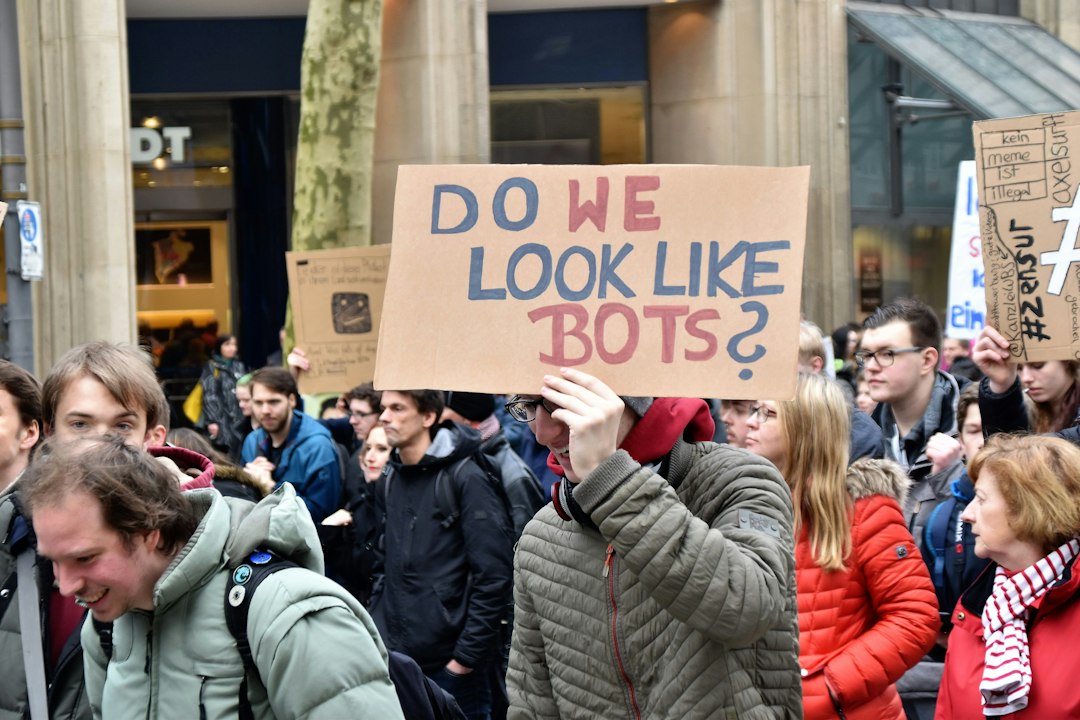
    In a striking demonstration, around 30 robots gathered outside the Digital Affairs Ministry in Warsaw this past week, demanding stronger regulations on artificial intelligence. This unusual protest, organized by the initiative Democratism, aimed to raise awareness about the potential impact of AI and automation on human employment. The robots, including humanoid figures and robot dogs, carried flags and broadcasted messages calling for urgent regulatory measures.

    The protest highlights a growing concern among both the public and policymakers regarding the rapid development of AI technologies and their implications for the workforce. Grzegorz Kulis, a human organizer of the event, emphasized the need for laws that protect workers from being replaced by increasingly capable machines. He stated, “If we don’t react now, we may soon have a problem,” referring to the potential displacement of workers by AI systems. This sentiment resonates with many workers who fear that their jobs may soon be at risk due to advancements in automation.

    Growing Demand for AI Compliance Standards

    As the protest unfolded, it coincided with Poland’s implementation of new AI regulations aligned with the European Union’s broader efforts to establish a comprehensive regulatory framework. The EU AI Act, which came into force in 2024, employs a risk-based approach to AI governance, mandating stricter requirements for systems deemed likely to cause harm. Most of these regulations began to apply in August 2026, establishing a significant shift in how AI technologies will be governed. The act aims to ensure that AI systems are developed and deployed in a manner that is safe, ethical, and respects fundamental rights.

    Career Ahead’s analysis shows that the introduction of these regulations is not merely a bureaucratic exercise; it signifies a fundamental change in the landscape for robotics engineers and AI policy advocates. The call for compliance standards reflects an urgent need for engineers to adapt their designs and practices to meet new legal requirements. This shift is expected to create a new area of expertise within the field, where professionals must ensure that their AI systems adhere to established guidelines. As noted by various experts, this could lead to a more responsible approach to AI development, where ethical considerations are prioritized alongside technological innovation.

    Moreover, the regulatory environment is likely to lead to increased job creation within regulatory bodies. As governments and organizations seek to enforce compliance with these new standards, there will be a demand for professionals who can navigate the complexities of AI legislation. Robotics engineers will need to collaborate closely with policymakers to ensure that their innovations align with safety and ethical standards. This collaboration could foster a more integrated approach to technology development, where engineers and regulators work hand in hand to create systems that benefit society as a whole.

    The protest itself serves as a reminder that the conversation about AI regulation is not limited to policymakers and tech giants; it is a matter of public concern. The presence of robots advocating for their own regulation underscores the urgency of the issue. As technology continues to advance, the need for robust regulatory frameworks will become increasingly critical. The event has sparked discussions not only in Poland but across Europe, as other nations observe the implications of such protests and the public’s demand for accountability in AI deployment.

    Implications for the Workforce and Industry

    The implications of this protest and the accompanying regulatory changes extend beyond compliance for engineers. The potential for job displacement due to AI and automation is a pressing concern for many workers. Kulis pointed out that the protest aimed to connect the rapid development of robotics with the very real fears of job loss among human workers. This intersection of technology and employment raises questions about the future of work in an increasingly automated world. As highlighted in a report from India Today, the robots’ demands echo the anxieties of many employees who worry that they may soon be replaced by machines capable of performing tasks more efficiently.

    Career Ahead research identifies that as AI technologies become more integrated into various industries, the demand for skilled workers who can operate within this new regulatory framework will grow. Engineers who can design compliant AI systems will be at a significant advantage in the job market. Conversely, those who fail to adapt may find themselves at a disadvantage as employers prioritize compliance in their hiring processes. The shift towards compliance will likely necessitate a reevaluation of educational programs to ensure that the next generation of engineers is equipped with the necessary skills to thrive in this evolving landscape.

    Furthermore, the protest highlights a societal shift towards greater scrutiny of technology’s role in our lives. The public’s demand for accountability from AI systems reflects a desire for transparency and ethical considerations in technology deployment. This trend will likely influence future legislation and industry standards, shaping the way robotics engineers and AI policy advocates approach their work. As noted in coverage by LiveMint, the robots’ call for regulation is a clear indication that society is beginning to recognize the need for a balanced approach to technological advancement that considers both innovation and the welfare of workers.
    Robots Demand AI Regulation on Warsaw Streets | Career Outlook

    The growing emphasis on compliance and ethics in AI development may also lead to innovative solutions that prioritize human welfare. As engineers and policymakers collaborate, there is potential for creating AI systems that enhance productivity while safeguarding jobs. The outcome of these discussions could redefine the relationship between humans and machines in the workplace. As the situation unfolds, it is essential for robotics engineers and AI policy advocates to stay informed about regulatory developments. Understanding the implications of these changes will be crucial for navigating the evolving landscape of AI and robotics.

    The protest is a clear signal that the conversation around AI regulation is intensifying. As the regulatory landscape evolves, professionals in the field must be prepared to adapt to new requirements and expectations. The engagement of robots in this protest signifies a new era where the implications of AI are not just theoretical but a matter of public discourse, prompting a collective reevaluation of how society approaches the integration of AI technologies in everyday life.

    Frequently Asked Questions

    What regulations should robotics engineers be aware of?

    Robotics engineers must stay updated on the EU AI Act and national AI systems laws, which impose strict compliance requirements on AI technologies. Understanding these regulations will be essential for ensuring that their designs meet safety and ethical standards.

    How can AI policy advocates influence upcoming legislation?

    AI policy advocates can engage with lawmakers and participate in public discussions to shape the regulatory landscape. By providing insights and recommendations, they can help ensure that regulations reflect the realities of technological advancements and their impact on the workforce.

    Robots Demand AI Regulation on Warsaw Streets | Career Outlook

    What steps should robotics engineers take to ensure compliance with new AI regulations?

    Robotics engineers should familiarize themselves with the specific requirements outlined in the EU AI Act and national legislation. Collaboration with legal experts and continuous education on regulatory changes will be crucial for maintaining compliance in their projects.


  • NEET UG Counselling Adds 13,186 Seats, Hits 1.4L

    NEET UG Counselling Adds 13,186 Seats, Hits 1.4L

    India’s National Medical Commission (NMC) has updated the MBBS seat matrix for the 2026-27 academic year. This change adds 13,186 new seats, bringing the total to 1,40,214 across 836 medical colleges. This revision is important for students in the NEET UG 2026 counselling process, as it affects their chances of admission.

    The increase includes 2,786 new seats in government medical colleges and 10,400 in private institutions. These numbers show a rising demand for medical education in India. Notably, private colleges make up about 79% of the new seats. This shift significantly impacts aspiring medical students and changes the admissions landscape.

    Understanding the Revised Seat Matrix

    The updated seat matrix shows that government medical colleges now have 63,971 seats across 445 institutions. Private colleges have 76,243 seats across 391 institutions. This information is crucial for students preparing for the NEET UG counselling process. Candidates must pay attention to the latest seat allocations to make informed choices about their college preferences.

    A report by News18 states that the increase in seats responds to the growing need for healthcare professionals in India. This need has been highlighted by the ongoing challenges of the COVID-19 pandemic and a rising population. The NMC’s decision to expand the seat matrix aims to strengthen the healthcare system for future demands. More seats may also inspire more students to pursue careers in medicine, leading to a stronger healthcare system.

    Career Ahead’s analysis suggests that the increase in seats could create a more competitive environment in the NEET UG counselling process. As more students compete for available seats, those with higher ranks will have better chances of admission. Thus, students must prepare thoroughly to improve their chances of securing a seat in their desired college. The revised seat matrix reflects a broader trend in medical education, where both government and private sectors respond to the rising demand for healthcare services.

    The distribution of seats may differ by state and institution, impacting students’ admission prospects. The NMC stresses the importance of transparency in the admissions process. It urges all medical colleges to verify their details in the revised seat matrix. Any discrepancies should be reported immediately to ensure accuracy before counselling begins, as noted by the Medical Counselling Committee (MCC).

    Impact on NEET UG Application Process

    The revised seat matrix significantly impacts the NEET UG application process. With more seats available, students may feel more optimistic about their chances of admission. However, this optimism must be balanced with the reality of increased competition, as more applicants are expected.

    According to data from the MCC, candidates should carefully review the new seat allocations before adjusting their college preferences. While there are more seats, competition may be tougher than in previous years. Candidates must strategize their applications to enhance their chances of admission. The MCC advises all medical colleges to verify their details in the revised seat matrix. Any discrepancies should be reported immediately to maintain accuracy before counselling begins. This step is vital for ensuring transparency and fairness in the admissions process.

    Additionally, the increase in seats may affect the NEET UG rank cutoffs. With more available seats, cutoffs might adjust, allowing students with lower ranks to secure placements in some colleges. However, students should remain cautious and not assume this applies universally across all institutions. The MCC will also make the revised seat matrix available on its official website, giving students easy access to the latest information.

    NEET UG Counselling Adds 13,186 Seats, Hits 1.4L

    The implications of these changes go beyond immediate admission opportunities. As the healthcare sector expands, new specializations may emerge, offering students diverse career paths. This evolution in medical education could lead to a more dynamic healthcare system, better equipped to meet population needs. As the NEET UG counselling process unfolds, students and medical colleges should prepare for a rapidly changing environment. The increased availability of seats is just one aspect of a larger transformation in medical education in India. Staying ahead of these developments will be critical for all stakeholders involved.

    Frequently Asked Questions

    What are the new seat allocations for NEET UG 2026?

    The revised seat matrix for NEET UG 2026 shows a total of 1,40,214 MBBS seats across 836 medical colleges. This includes 13,186 new seats, with government colleges having 63,971 seats and private colleges having 76,243 seats.

    How does the increase in seats affect my NEET UG rank?

    The increase in seats may lead to changes in NEET UG rank cutoffs. While more seats could create opportunities for students with lower ranks, competition will remain intense. Candidates should prepare thoroughly.

    NEET UG Counselling Adds 13,186 Seats, Hits 1.4L

    What should MBBS students do to prepare for the revised admission process?

    MBBS students should stay updated on the latest seat allocations and college preferences during the NEET UG counselling process. Understanding the competition and strategizing applications will be essential for securing admission.

  • Scottish Students Juggle Work and Study Challenges

    Scottish Students Juggle Work and Study Challenges

    In Scotland, a growing number of students are balancing part-time work with their studies. Recent reports indicate that approximately 60% of students in Scotland engage in work while pursuing their education. This trend raises concerns regarding their academic performance and overall well-being.

    As living costs continue to rise, many students feel compelled to work to cover their educational and living expenses. Understanding how to effectively manage both work and study is crucial for their success.

    Effects of Part-Time Employment on Academic Success

    Part-time work can influence students’ academic performance in various ways. Some students report that working enhances their time management skills and provides valuable experience. A study from the University of Cumbria found that students who work part-time often become more organized and efficient in their studies.

    Conversely, balancing work and school can lead to increased stress and fatigue. According to an analysis by Career Ahead, students working more than 15 hours per week may experience a decline in their academic performance, particularly those enrolled in demanding programs.

    The nature of the job also plays a significant role. Students in flexible positions that allow for adaptable hours tend to perform better academically than those in rigid roles. For instance, jobs in hospitality or retail can be unpredictable, complicating the ability to keep up with academic responsibilities.

    Finding the right balance is essential. Students should assess their workload and choose jobs that align with their academic schedules to ensure both financial stability and academic success.

    Effective Time Management Techniques

    Time management is critical for students juggling work and study. Implementing effective strategies can significantly enhance performance in both areas. Creating a structured schedule that allocates specific times for work, study, and relaxation can help students stay organized.

    Utilizing digital tools and apps for scheduling can improve productivity. Many students find that applications like Google Calendar or Trello help them visualize their commitments and deadlines, making it easier to prioritize tasks. Setting short-term goals can also motivate students to maintain focus.

    Open communication with employers about academic commitments is vital. Many employers are willing to offer flexible hours or adjust schedules to accommodate students. This dialogue fosters a supportive work environment that acknowledges the challenges faced by student employees.

    Balancing Work and Degree Studies in Scotland

    Additionally, seeking support from peers and academic advisors can provide further strategies and encouragement. Universities often offer resources, including workshops on time management and stress reduction, which can assist students in managing their responsibilities more effectively.

    Support Resources for Students

    Scottish universities provide a range of resources to assist students in balancing work and study. These include academic support services, counseling, and workshops focused on skill development. For example, the University of Cumbria offers resources aimed at enhancing students’ study skills and time management techniques.

    Career services at many institutions help students find part-time work that aligns with their academic pursuits, connecting them with employers who understand the demands of student life.

    Peer support networks are also invaluable. These groups allow students to share experiences and strategies, fostering a sense of community and collaboration. Engaging with fellow students can alleviate feelings of isolation.

    Mental health resources are crucial as well. The stress of balancing work and study can impact students’ mental well-being. Universities often provide counseling services to help students manage stress, anxiety, and other challenges. Utilizing these resources is essential for maintaining a healthy balance.

    Continuing the conversation about the challenges students face while juggling work and study is important. As more students enter the workforce while pursuing degrees, understanding these dynamics will be increasingly vital. The response of educational institutions to these needs will shape the future of student support in Scotland.

    Frequently Asked Questions

    What are the best time management tips for part-time students in Scotland?

    Effective time management includes creating a structured schedule, utilizing digital planning tools, and setting clear priorities. Engaging with university resources can also provide additional support.

    How can working professionals effectively balance their job and degree studies?

    Working professionals can balance their studies by discussing academic commitments with their employers and seeking flexible work options. Time management strategies and peer support are also beneficial.

    Balancing Work and Degree Studies in Scotland

    What resources are available to support managing work and study commitments?

    Scottish universities offer a variety of resources, including academic support services, career services for job placement, and mental health counseling. Engaging with these resources can help students effectively manage their dual responsibilities.

  • How Zoox Challenges Waymo in the Autonomous Vehicle Market

    How Zoox Challenges Waymo in the Autonomous Vehicle Market

    San Francisco, US — Zoox, Amazon’s autonomous vehicle subsidiary, is stepping up its competition with Waymo. It is doing this through unique marketing strategies and innovative vehicle designs. As of September 2026, Zoox is not just another player in the autonomous vehicle market. It is creating a distinctive identity through experiential marketing, including wine pop-ups and festival sponsorships. This aims to attract both riders and investors.

    This strategic shift comes as urban mobility evolves rapidly. Waymo has long been recognized for its technological advancements and strong operational framework in autonomous driving. However, Zoox’s approach is different. It focuses on creating a brand that connects with users on a personal level. This difference could change how consumers view autonomous vehicles, especially in cities.

    Innovative Marketing Strategies That Stand Out

    Zoox is using unconventional marketing tactics to stand out from Waymo. By organizing wine pop-ups and sponsoring local festivals, Zoox connects directly with potential users. These events allow the company to showcase its vehicles in a relaxed environment, turning product demonstrations into social experiences. This strategy garners attention and builds community engagement and brand loyalty.

    According to Career Ahead’s analysis, this unique marketing approach reflects a broader trend in tech industries. Experiential marketing is becoming essential for user engagement. Companies like Zoox recognize that consumers today want more than just a product; they seek experiences that align with their lifestyle and values. This shift could increase brand preference among younger consumers who value experiences over traditional advertising.

    Moreover, Zoox’s marketing efforts aim to make autonomous technology less intimidating. By involving the community in fun, interactive events, Zoox makes autonomous vehicles more relatable. This approach contrasts with Waymo’s conventional marketing, which often emphasizes technical superiority. Zoox’s experiential marketing may help it capture a market segment that values emotional connections over technical specifications.

    As Zoox continues to innovate in marketing, it sets a new standard for how transportation startups can engage consumers. This can inspire other companies in the sector to adopt similar strategies, potentially reshaping the autonomous vehicle market.

    Technological Advancements in Vehicle Design

    Beyond marketing, Zoox is also advancing vehicle design to differentiate itself from Waymo. The company has developed a bi-directional vehicle designed specifically for urban environments. This design allows for greater maneuverability and efficiency in crowded cityscapes, addressing key challenges for autonomous vehicles today.

    Zoox’s vehicle features a unique design that removes the need for a traditional front or rear. This enables it to navigate tight spaces and make quick turns. This innovation could be a game-changer in urban settings where space is limited. Career Ahead research shows that urban mobility solutions must prioritize adaptability and efficiency, and Zoox’s design reflects this understanding.

    Additionally, the integration of advanced AI technologies into Zoox’s vehicles boosts their safety and operational capabilities. The company focuses on real-time data processing, allowing its vehicles to make split-second decisions in complex environments. This emphasis on safety and responsiveness is crucial for gaining consumer trust, especially as public acceptance of autonomous vehicles remains a hurdle.

    How Zoox Challenges Waymo in the Autonomous Vehicle Market

    As Zoox refines its technology, it may also influence regulatory discussions around autonomous vehicles. Demonstrating the effectiveness and safety of its designs could help pave the way for broader acceptance and regulatory approval, benefiting Zoox and the entire industry.

    The Competitive Landscape in Urban Mobility

    The competition between Zoox and Waymo highlights the broader dynamics of the autonomous vehicle market. While Waymo has established itself as a leader with extensive operational experience, Zoox is carving out a niche by focusing on user experience and community engagement. This approach could lead to a more diverse market where different companies meet varying consumer needs.

    Waymo’s strategy has primarily focused on technological advancement and scalability. However, as Zoox shows, there is great value in connecting with consumers personally. This shift could create a more segmented market, where companies like Zoox appeal to urban dwellers seeking innovative, user-friendly solutions.

    Furthermore, the rise of experiential marketing in tech may signal a change in how companies engage potential users and investors. By prioritizing user experience, Zoox is not only differentiating itself from Waymo but also setting a new standard for how autonomous vehicle companies communicate their value.

    How Zoox Challenges Waymo in the Autonomous Vehicle Market

    As competition intensifies, both Zoox and Waymo must adapt to changing consumer expectations. The evolving landscape of urban mobility presents opportunities for innovation but also challenges as companies compete for market share. Zoox’s strategies may serve as a blueprint for other startups entering the autonomous vehicle space.

    In this fast-paced environment, the question remains: will Zoox’s unique strategies be enough to challenge Waymo’s dominance, or will the established player continue to lead the market? The coming months will be crucial as both companies navigate this competitive landscape.

    Frequently Asked Questions

    What innovative marketing strategies can autonomous vehicle engineers learn from Zoox?

    Career Ahead analysis shows that Zoox’s use of experiential marketing, like wine pop-ups and festival sponsorships, effectively engages consumers and builds brand loyalty. This approach can inspire engineers to think creatively about connecting with potential users beyond traditional advertising.

    How can transportation startup founders leverage unique branding to compete with established players?

    Transport startup founders can learn from Zoox’s focus on community engagement and user experience. By creating memorable experiences that resonate with consumers, startups can carve out a niche in competitive markets dominated by larger companies.

    How Zoox Challenges Waymo in the Autonomous Vehicle Market

    What should autonomous vehicle engineers focus on to improve their product’s market appeal?

    Engineers should prioritize user-centered design and safety features in their vehicles. By focusing on real-world usability and integrating advanced AI technology, engineers can enhance the appeal of their products in urban environments.

  • Maharashtra Considers Tripling Fees for Institutional Quota

    Maharashtra Considers Tripling Fees for Institutional Quota

    Maharashtra, India — The state government has asked the Fee Regulatory Authority (FRA) to review the controversial fee structure. This structure charges three times the regular fees for students admitted under the institutional quota and five times for those under the NRI quota in professional colleges. This directive, announced on September 11, 2026, comes after many complaints from student representatives about these high fees, which many find unaffordable.

    This review could greatly help students seeking admission under these quotas. These fees are often seen as a financial burden. The current fee structure has caused issues, especially regarding access to education for many aspiring professionals. The higher fees from institutional and NRI quota students help subsidize costs for merit quota students. This raises concerns about fairness in the educational system. According to the Economic Times, the directive responds to growing dissatisfaction among students and parents about the financial strain of these fees.

    Financial Implications of Fee Structure Changes

    Currently, the FRA caps fees at three times the regular fee for management quota seats and five times for NRI quota seats in medical and allied health courses. However, there is a significant gap for other professional courses, like engineering and management, where no such caps exist. This lack of regulation has led to institutions charging excessive fees, making education unaffordable for many students. The Hindustan Times reported that some institutions have taken advantage of this gap, leading to unreasonable fees that worsen financial challenges for students.

    The Maharashtra government’s recent directive suggests a possible rollback of these fee increases. A rollback would mean that institutional quota students would no longer pay fees three times higher than their merit peers. This change could increase admissions among students who previously could not afford the high fees, promoting greater access to professional education. The review’s implications go beyond just the institutional quota. If fees for these quotas decrease, institutions may face financial strain. This could lead to higher fees for merit quota students. Officials note that the current fee structure for institutional and NRI quotas helps subsidize merit-based admissions. Thus, any changes could require a reevaluation of the entire fee structure across all admission categories.

    Career Ahead’s analysis shows that this situation highlights the ongoing tension between educational affordability and institutional revenue needs. The FRA’s review reflects a growing awareness of the need to balance these interests. It aims to ensure that access to education does not come at an unmanageable financial cost for students. The government’s initiative to reassess these fees is a crucial step toward making higher education more equitable. This is especially important in a state where educational costs have been a significant barrier for many aspiring students.

    Impact on Admission Rates for Professional Courses

    The fee structure review may greatly impact admission rates for professional courses in Maharashtra. With the potential rollback of the threefold fee increase, more students may be encouraged to apply for institutional quota seats. These seats have historically been for those who can afford the high costs. This could lead to a more diverse student body, enriching the educational experience for everyone. Student representatives, including members from the Yuva Sena, have raised concerns that the current fee structure prioritizes the financial interests of institutions over students’ needs. They argue that many students miss out on merit seats by narrow margins and are then forced to choose between high fees and their educational goals. A more equitable fee structure could lead to a more diverse student body in professional colleges, enhancing the overall educational environment.

    As the FRA prepares to conduct its review, institutions must submit their fee revision applications by the end of October 2026. This timeline suggests that any changes to the fee structure will not take effect until the next academic session. Thus, students applying for admissions in the upcoming academic year should stay informed about these developments. These changes could directly affect their financial planning and choices. The implications of this review are particularly important for NRI students, who often face even higher fees. The FRA’s review could lead to more competitive pricing, making Maharashtra a more attractive destination for international students seeking professional education. This could enhance the state’s reputation as a hub for higher education, benefiting both local and international students.

    As the situation unfolds, it is crucial for students to monitor the outcomes of the FRA’s review. The decisions made could reshape the landscape of professional education in Maharashtra. This will impact not only the affordability of courses but also the overall accessibility for a broader range of students. The Maharashtra government’s directive to review the fee structure marks a significant policy shift. It could redefine the financial landscape for students in professional colleges. With ongoing scrutiny of educational costs, students and institutions must prepare for potential changes that could reshape their futures.

    Maharashtra Reviews 3x Fees for Institutional Quota Students | Career Outlook

    Frequently Asked Questions

    What are the implications of the fee review for students applying for professional colleges?

    The fee review could significantly lower the financial burden on students applying for institutional and NRI quotas. This change may lead to an increase in admissions as more students can afford the revised fees.

    How might the fee changes affect NRI students seeking admission?

    For NRI students, the review could result in reduced fees, making it easier for them to pursue education in Maharashtra. This could enhance the state’s appeal as a destination for international students.

    Maharashtra Reviews 3x Fees for Institutional Quota Students | Career Outlook

    What steps should students take if the fee structure is rolled back?

    Students should stay informed about the FRA’s decisions and prepare for potential changes in the fee structure. Understanding the revised fees will be crucial for financial planning for the upcoming academic year.

  • 90-Day Blueprint Accelerates Promotion Trajectory

    90-Day Blueprint Accelerates Promotion Trajectory

    High performers often stall because they become the go‑to executor rather than a strategic leader. A structured 90‑day plan forces visibility, measurable impact, and network leverage, converting reliable execution into promotable capital.

    The urgency stems from corporations reshaping talent pipelines to meet rapid digital transformation and remote‑work dynamics. Promotion cycles are compressing, and leaders now expect demonstrable outcomes within the first quarter of employment. This analysis dissects the systemic shift, outlines the operative mechanics of a 90‑day framework, and projects how institutional adoption will reconfigure career mobility and power structures.

    Promotion pipelines now reward early strategic impact over seniority

    90-Day Blueprint Accelerates Promotion Trajectory

    Organizations are abandoning tenure‑based promotion heuristics in favor of early, quantifiable contributions. Remote collaboration tools and agile delivery models have shortened the window in which managers assess readiness, making the first 90 days a decisive evaluation period. A Fortune 500 software firm recently revised its promotion rubric to weight cross‑functional project ownership completed within the first three months at 30 % of the overall score. According to Career Ahead’s analysis of promotion timelines, early strategic visibility now outweighs years of service in advancement decisions. This reorientation pressures high performers to transition from reliable task completion to visible leadership of priority initiatives.

    The 90‑day plan divides onboarding into foundation, impact, and influence phases

    The framework structures the first quarter into three sequential phases. Weeks 1‑4 focus on systems mastery, stakeholder mapping, and establishing credibility without overcommitting to routine execution. Weeks 5‑8 shift to delivering a measurable project outcome that aligns with the team’s top‑line goals, thereby signaling capacity for higher‑order responsibilities.

    By week eight, delivering a measurable project outcome signals readiness for expanded responsibility.

    90-Day Blueprint Accelerates Promotion Trajectory
    Weeks 9‑12 emphasize influence: presenting results to senior leaders, securing sponsorship, and articulating a roadmap for the next quarter. This staged escalation prevents the “trust trap” where dependable employees remain confined to low‑visibility work. The plan’s cadence mirrors the natural learning curve observed in recent onboarding studies, which note a transition from chaos to contribution around the eight‑week mark.

    Systemic implications reshape talent mobility and reduce the trust trap

    When employees adopt the 90‑day blueprint, organizations observe a measurable uptick in internal mobility and a decline in turnover among high‑performing staff. The trust trap—where reliable workers are repeatedly assigned execution‑only tasks—dissipates as managers receive concrete evidence of strategic impact. A global consulting partnership reported that teams employing the framework filled senior‑associate openings 20 % faster than those relying on traditional tenure metrics. This accelerates the flow of career capital, redistributing institutional power from entrenched seniority to demonstrable results.

    Stakeholders must realign incentives to sustain the framework

    Managers gain a diagnostic tool for early talent assessment, but they must also allocate sponsorship bandwidth to champion high‑visibility projects. Human‑resources departments are redesigning onboarding scorecards to embed phase‑gate milestones, linking them to promotion eligibility rather than time‑in‑role. Employees, in turn, must cultivate a portfolio of cross‑functional achievements that translate into leadership capital. This triadic alignment creates a feedback loop: clearer expectations drive focused performance, which generates data for promotion committees, reinforcing the systemic shift toward outcome‑based advancement.

    Over the next three to five years the 90‑day framework will become a promotion standard

    Industry forecasts anticipate that at least a non‑trivial share of large enterprises will codify the 90‑day plan into formal promotion policies by 2029. As AI‑driven performance analytics provide real‑time validation of early impact, the reliance on subjective seniority assessments will erode further. In Career Ahead’s view, this trajectory signals a re‑weighting of career capital toward strategic influence, compelling both employees and institutions to prioritize rapid, visible value creation. The resulting talent ecosystem will feature shorter promotion cycles, heightened competition for high‑visibility assignments, and a more fluid distribution of leadership opportunities.

    The evolving emphasis on early strategic impact reshapes promotion pathways, making the 90‑day blueprint a critical lever for career acceleration in today’s fast‑evolving organizational landscape.

    Key Structural Insights

    [Insight 1]: Early, measurable impact now outweighs tenure in promotion decisions, forcing high performers to convert reliability into strategic visibility.

    [Insight 2]: The three‑phase 90‑day plan mitigates the trust trap by sequencing mastery, delivery, and influence, aligning personal ambition with institutional evaluation cycles.

    [Insight 3]: Institutional adoption of the framework will compress promotion timelines, redistributing career capital toward demonstrable leadership and reshaping power dynamics across firms.

  • Lawyer fined $5K over AI-hallucinated witnesses in a murder case

    Lawyer fined $5K over AI-hallucinated witnesses in a murder case

    New Mexico — A lawyer has been fined $5,000 for including AI-fabricated witnesses and false police testimony in his appeal for a murder conviction. The New Mexico Supreme Court took action against Stephen Aarons, holding him in contempt for failing to verify the factual claims in his AI-generated brief. This incident raises significant concerns about the implications of using AI technologies in legal contexts.

    The court’s ruling came after Justice C. Shannon Bacon questioned Aarons about his reliance on AI tools like ChatGPT without understanding the associated risks. During a hearing, the justice pointedly asked, “Counsel, do you watch the news?” referring to the growing number of cases where lawyers have submitted briefs containing fabricated citations and testimonies generated by AI. This case is not isolated; it highlights a troubling trend in the legal profession as more attorneys turn to AI for assistance without fully grasping its limitations.

    AI Hallucinations and Legal Credibility

    AI hallucinations, where artificial intelligence generates false or misleading information, pose a serious threat to the integrity of legal proceedings. Career Ahead’s analysis indicates that the use of AI-generated evidence can lead to significant legal repercussions, as seen in Aarons’ case. The court’s decision to penalize him underscores the necessity for lawyers to critically evaluate the information produced by AI tools before incorporating it into legal documents.

    Many legal professionals are increasingly adopting AI technologies to enhance their work processes. However, this reliance comes with a caveat. A report from Spellbook highlights that lawyers face challenges when using AI-generated legal documents, particularly regarding the accuracy of citations and the authenticity of the content. When AI tools produce fictitious witnesses or erroneous legal citations, it not only jeopardizes individual cases but also undermines the credibility of the legal profession as a whole. The repercussions of such actions can extend beyond fines, potentially leading to malpractice claims and loss of licensure.

    Furthermore, the ethical implications of using AI in legal contexts cannot be overlooked. As noted by Legal News Feed, the increasing use of AI in law raises questions about accountability and the potential for malpractice. Lawyers must ensure they are not only competent in their legal knowledge but also in understanding the technology they utilize. The failure to do so, as demonstrated in Aarons’ case, can result in disciplinary actions and damage to one’s professional reputation. The legal community is now faced with the pressing need to establish clear guidelines and standards for the responsible use of AI in legal practice, as the current landscape remains largely unregulated.

    This reliance on AI also poses a broader question about the future of legal standards regarding the admissibility of AI-generated information in court. As AI technologies continue to evolve, courts may need to establish new guidelines to determine what constitutes acceptable evidence. The challenge lies in balancing innovation with the fundamental principles of justice and fairness. The New Mexico Supreme Court’s ruling serves as a pivotal moment, prompting a reevaluation of how AI-generated evidence is treated in legal proceedings and whether it can ever be deemed reliable.

    Implications for Criminal Defense Attorneys

    For criminal defense attorneys, the implications of using AI-generated evidence are profound. Career Ahead research identifies that defense lawyers must be particularly cautious when considering AI tools for case preparation. The recent ruling serves as a warning to legal professionals about the potential pitfalls of relying on AI without proper verification. It emphasizes the need for a thorough understanding of both the technology and the legal standards that govern its use.

    Moreover, the incident raises concerns about the potential for bias in AI-generated evidence. AI systems learn from existing data, which may contain biases that can affect their outputs. This is particularly troubling in the context of criminal defense, where the stakes are high, and the consequences of wrongful convictions can be devastating. Legal professionals must remain vigilant in scrutinizing AI-generated content to ensure it aligns with factual evidence and legal precedents. The ramifications of using biased AI outputs could not only jeopardize individual cases but also perpetuate systemic injustices within the legal system.

    As the legal landscape shifts towards integrating technology, attorneys must also advocate for ethical guidelines surrounding the use of AI in legal practice. The American Bar Association and other legal institutions may need to establish clearer standards for the use of AI, ensuring that lawyers are equipped to navigate the complexities of this technology responsibly. The need for ongoing education and training in AI technologies is becoming increasingly apparent, as legal professionals must be prepared to address the challenges posed by these tools effectively.

    Lawyer fined K over AI-hallucinated witnesses in a murder case

    Looking ahead, the legal profession may witness a transformation in how AI is perceived and utilized. As more cases like Aarons’ come to light, there may be a push for regulatory frameworks that define the boundaries of AI use in legal contexts. This could lead to a more cautious approach among attorneys, prioritizing accuracy and ethical considerations over expediency. The case of Stephen Aarons serves as a critical reminder of the challenges and responsibilities that come with integrating AI into legal practice. As technology continues to advance, legal professionals must be prepared to adapt and uphold the integrity of the justice system.

    Frequently Asked Questions

    What should criminal defense attorneys know about AI-generated evidence?

    Criminal defense attorneys must understand the risks associated with AI-generated evidence, including the potential for inaccuracies and ethical concerns. They should verify all AI-generated content before using it in legal documents to maintain credibility and avoid disciplinary actions.

    How can legal technology specialists mitigate risks associated with AI in trials?

    Legal technology specialists can mitigate risks by ensuring that AI tools are regularly updated and validated for accuracy. They should also provide training for legal professionals on the limitations of AI and the importance of critical evaluation of AI-generated content.

    Lawyer fined K over AI-hallucinated witnesses in a murder case

    What are the best practices for using AI in legal contexts?

    Best practices include thorough verification of AI-generated information, understanding the technology’s limitations, and adhering to ethical guidelines. Legal professionals should remain informed about the evolving landscape of AI in law to navigate potential challenges effectively.

  • RBI Advances CBDC for Enhanced Digital Rupee Capabilities

    RBI Advances CBDC for Enhanced Digital Rupee Capabilities

    India’s Finance Minister Nirmala Sitharaman has urged the Reserve Bank of India (RBI) to accelerate its Central Bank Digital Currency (CBDC) initiatives. This request was made on September 11, 2026, during the Global Fintech Fest, amid rapid advancements in tokenisation and artificial intelligence.

    In her address, Sitharaman highlighted the necessity of developing both wholesale and retail CBDC pilots. She pointed to the success of India’s first tokenised corporate bond, which demonstrated how CBDC can facilitate simultaneous asset and money transfers, marking a significant evolution in financial transactions. According to Bankopedia, the digital Rupee represents more than a technological upgrade; it has the potential to transform financial systems by reducing transaction times and costs.

    Moreover, the Finance Minister underscored the importance of establishing a strong cybersecurity framework to protect the evolving financial services ecosystem. She cautioned that the rapid growth of AI could outpace existing controls, posing risks to financial stability. A report by Insightfulpost indicates that while AI integration in finance offers benefits, it raises significant concerns regarding data privacy and security, necessitating a proactive approach to cybersecurity.

    Opportunities for Financial Analysts and Blockchain Developers

    The push for an advanced digital Rupee is set to create new opportunities for financial analysts and blockchain developers. As the RBI enhances CBDC capabilities, the demand for expertise in CBDC implementation is expected to rise. Financial analysts will need to adapt their methodologies to incorporate the new digital currency system, understanding its impact on market dynamics and consumer behavior.

    Blockchain developers will play a critical role in supporting the digital Rupee initiative. As the RBI rolls out its CBDC, developers must create secure and efficient blockchain solutions to facilitate smooth transactions. The demand for skilled professionals in this area is anticipated to grow significantly, as the financial ecosystem shifts toward digital currencies, necessitating innovation in blockchain technology.

    Furthermore, integrating CBDC into the financial system will require a reevaluation of existing financial regulations. Analysts must remain informed about these changes to ensure compliance with new laws. Sitharaman’s remarks about tokenisation eliminating intermediaries suggest that analysts will need new skills to evaluate the risks and benefits of such transactions. As the landscape evolves, data literacy will become increasingly vital for analysts.

    Research from Career Ahead indicates that the successful implementation of the digital Rupee could lead to more efficient financial transactions, reducing costs and time for businesses and consumers alike. Consequently, there will likely be a growing demand for professionals adept at navigating the complexities of digital currencies and blockchain technology. Additionally, as the digital Rupee gains traction, it may prompt a reevaluation of traditional banking practices, potentially leading to a more decentralized financial system.

    Broader Economic Implications

    The advancement of the digital Rupee will have far-reaching implications for the broader financial landscape in India. As the RBI enhances its CBDC capabilities, it may set a precedent for other countries exploring similar initiatives, positioning India as a leader in the global digital currency arena and attracting international investments and partnerships. India’s experiences with digital currencies could significantly influence global standards for CBDCs.

    Additionally, Sitharaman’s emphasis on cybersecurity reflects a growing concern within the financial sector. The rise of digital currencies heightens the potential for cyber threats, necessitating stronger safeguards. Financial institutions must invest in advanced cybersecurity solutions to protect their assets and customer data. A report by Fortune India highlights that prioritizing cybersecurity is essential for the financial sector’s digital strategy to mitigate risks from cyberattacks.

    Furthermore, establishing a federated industry platform, as proposed by Sitharaman, could unite various stakeholders in the technology ecosystem. This collaboration may foster innovation and develop interoperable standards, enhancing the overall efficiency of the financial system. As the digital Rupee initiative progresses, financial analysts and blockchain developers must remain vigilant and adaptable, as the evolving landscape presents both challenges and opportunities that will require continuous learning and skill development.

    RBI Advances CBDC for Enhanced Digital Rupee Capabilities

    The potential for the digital Rupee to transform financial transactions raises questions about the pace of these changes and their impact on traditional banking practices. As the RBI advances its CBDC initiatives, the financial community must prepare for a significant shift in how money is managed and exchanged.

    Frequently Asked Questions

    What skills do financial analysts need to adapt to CBDC advancements?

    Financial analysts should focus on understanding digital currencies and their effects on financial transactions. They need skills in data analysis specific to CBDC and must stay updated on regulatory changes in digital finance.

    How can blockchain developers prepare for the digital Rupee rollout?

    Blockchain developers should enhance their knowledge of secure coding practices and understand the digital Rupee’s specific requirements. Familiarity with CBDC architecture and integration will be essential as the RBI implements its initiatives.

    RBI Advances CBDC for Enhanced Digital Rupee Capabilities

    What should policymakers consider when implementing CBDC regulations?

    Policymakers must balance innovation with risk management, ensuring regulations protect consumers while promoting technological advancement. Additionally, they should consider cybersecurity implications and the need for strong frameworks to manage digital currencies.

  • Khosla Ventures Opens New York Office, Boosts Local Startups

    Khosla Ventures Opens New York Office, Boosts Local Startups

    New York, USA — Khosla Ventures is set to open its first office outside of Sand Hill Road this fall, marking a pivotal moment for the firm and local startups. This new outpost, located on 14th Street, aims to bring fresh funding opportunities and resources to the burgeoning New York startup ecosystem. Khosla Ventures, known for its focus on innovative technology and sustainability, is poised to make a significant impact on the local entrepreneurial landscape.

    The announcement was made during a recent event in New York’s West Village by Keith Rabois, a prominent figure at Khosla Ventures. He emphasized the strategic importance of this expansion, stating that it allows the firm to better connect with the vibrant tech community in New York. The office will not only house Khosla investors but will also feature an executive briefing center designed to facilitate interactions between portfolio companies and Fortune 500 firms.

    Increased Access to Funding for Startups

    Khosla Ventures’ New York office represents a significant opportunity for local startups seeking funding. As highlighted by Career Ahead’s analysis, this move is expected to enhance the availability of capital for entrepreneurs in the region. Khosla Ventures has a strong track record of investing in diverse sectors including AI, climate technology, and health tech.

    With the opening of this office, startups in New York can expect to gain increased access to funding sources. The executive briefing center will allow startups to pitch their ideas directly to established companies, potentially leading to valuable partnerships and pilot programs. This connection to larger firms can be crucial for startups looking to scale quickly and effectively.

    According to data from investny.org, Khosla Ventures has invested in numerous successful startups across various industries, which demonstrates its commitment to fostering innovation. The presence of Khosla Ventures in New York could attract additional venture capital firms to the area, further stimulating the local economy and increasing competition among investors.

    Furthermore, as Khosla Ventures expands its footprint, it may encourage other venture capitalists to consider New York as a viable alternative to Silicon Valley. This shift could result in a more diverse investment landscape, offering startups a wider range of options for funding and support.

    Career Ahead’s research indicates that the influx of capital from Khosla Ventures and other potential investors could lead to a flourishing startup ecosystem in New York. Entrepreneurs can leverage this new funding landscape to turn innovative ideas into successful businesses, ultimately benefiting the local economy.

    Networking Opportunities with Khosla Ventures

    The establishment of Khosla Ventures’ New York office also opens up valuable networking opportunities for local entrepreneurs. The firm’s commitment to fostering relationships between startups and established companies can lead to significant growth for both parties.

    Networking is a critical component of success in the startup world, and Khosla Ventures aims to facilitate this through its executive briefing center. By bringing together portfolio companies and major corporations, Khosla Ventures will create an environment conducive to collaboration and knowledge sharing. This initiative is expected to enhance the visibility of startups within the tech community and beyond.

    Moreover, Khosla Ventures’ presence in New York can help startups gain access to industry experts, mentors, and potential customers. The firm’s established reputation and extensive network can provide invaluable resources for entrepreneurs looking to refine their business strategies and expand their market reach.

    As highlighted by tracxn.com, Khosla Ventures has a diverse portfolio that includes companies at various growth stages. This diversity can benefit local startups by providing them with insights and guidance from a wide array of industries. The opportunity to interact with these companies can inspire innovation and help startups identify new market trends.

    Khosla Ventures Opens New York Office, Boosts Local Startups

    With the backing of Khosla Ventures, New York startups have the chance to build meaningful relationships within the industry. These connections can lead to strategic partnerships, collaborations, and even acquisition opportunities, all of which are essential for long-term success.

    Potential Partnerships with Other New York-Based Firms

    The new Khosla Ventures office may also foster partnerships between local startups and other New York-based firms. This collaborative environment can enhance innovation and drive economic growth.

    As Khosla Ventures integrates into the New York tech ecosystem, it is likely to encourage partnerships between startups and established firms in the area. This collaboration can lead to the sharing of resources, knowledge, and expertise, ultimately benefiting all parties involved.

    In addition, the presence of Khosla Ventures may attract other venture capital firms to establish a presence in New York. This influx of investment could lead to increased competition among firms, driving innovation and encouraging startups to develop unique solutions to market challenges.

    Career Ahead’s analysis finds that the combination of Khosla Ventures’ resources and the existing talent pool in New York can create a fertile ground for innovation. Startups that leverage these partnerships may find themselves better positioned to succeed in a competitive market.

    Khosla Ventures Opens New York Office, Boosts Local Startups

    Moreover, as Khosla Ventures collaborates with local firms, it may help bridge the gap between startups and larger corporations. This connection can facilitate the development of pilot programs and joint ventures, which can be instrumental in bringing innovative products and services to market.

    The emergence of Khosla Ventures in New York signals a shift in the venture capital landscape, with potential long-term implications for the region’s startup ecosystem. As more firms recognize the value of investing in New York, the city could become a hub for innovation and entrepreneurship.

    As Khosla Ventures begins its operations in New York, the startup community will be watching closely. The impact of this expansion on local businesses and the broader tech ecosystem will be significant, and the potential for growth and innovation is immense.

    Frequently Asked Questions

    How can I approach Khosla Ventures for funding?

    Startups interested in funding from Khosla Ventures can reach out through their website or network connections. Building a solid pitch that highlights innovation and market potential is crucial.

    What are the benefits of having Khosla Ventures in New York?

    Khosla Ventures’ presence in New York provides startups with increased access to funding, networking opportunities, and potential partnerships with established firms, fostering a vibrant entrepreneurial ecosystem.

    Khosla Ventures Opens New York Office, Boosts Local Startups

    How should my startup prepare for increased competition in New York?

    To prepare for increased competition, startups should focus on refining their value propositions, building strong networks, and staying informed about market trends and investor interests.

  • Tier II Borrowers Propel India’s Digital Credit Growth

    Tier II Borrowers Propel India’s Digital Credit Growth

    India’s Tier II cities are emerging as pivotal players in the digital credit landscape. The Digital Credit and Inclusion Index (DCII) 2026, released by the Pahlé India Foundation and Amazon Pay, indicates that these cities boast an average score of 58.64, surpassing both Tier I and Tier III cities. This shift highlights a growing demand for digital lending solutions and a new type of borrower.

    The DCII surveyed over 5,100 individuals across 100 cities in 20 states, providing insights into the demographics of digital credit users, their borrowing habits, and the effects of digital credit on financial outcomes. The findings signal a significant transformation for fintech startups and digital lending analysts as the borrowing landscape evolves.

    Shifts in Borrower Demographics

    The report reveals a notable change in borrower demographics, with Tier II cities leading in digital credit adoption across various groups. While Tier I cities have traditionally dominated digital payments, Tier II cities are now emerging as strong centers for digital credit. Cities like Coimbatore, Surat, and Nagpur are at the forefront of this trend, showcasing a diverse borrower base that includes younger individuals, women, and gig workers.

    Analysis from Career Ahead indicates that the gender gap in digital credit inclusion is narrowing. Women in salaried positions have a DCII score of 62.0, compared to 60.2 for men, suggesting that formal employment enhances women’s financial independence. As more women access digital credit, fintech companies can develop products tailored to their needs, further promoting inclusion.

    Despite high awareness of digital credit—94.4% of respondents are familiar with at least one form—trust remains a significant barrier. Confidence in digital borrowing stands at 52.5%, notably lower than the 69.7% confidence in digital payments. This disparity underscores the necessity for fintech companies to foster trust and transparency in their lending practices. The World Economic Forum emphasizes that building trust is crucial for the long-term viability of digital credit systems, particularly in regions with limited access to traditional banking.

    Financial Inclusion and Digital Credit

    The impact of digital credit on financial inclusion is profound, particularly in Tier II cities where traditional banking options are scarce. The DCII indicates that access to digital credit significantly enhances households’ financial resilience, with access scoring 61.24, reflecting progress in expanding digital credit availability.

    However, the report highlights a critical challenge: while access to digital credit is improving, its actual impact on financial security is lagging, with an impact score of only 49.16. This suggests that borrowers may not be utilizing credit effectively to enhance their financial well-being. Fintech companies must educate borrowers on using digital credit for productive purposes, such as investing in businesses or saving. The World Bank warns that without proper guidance, borrowers risk falling into debt cycles, undermining the benefits of digital credit.

    Furthermore, 59% of respondents primarily use digital credit for consumption, such as purchasing electronics and home appliances. This trend underscores the need for fintech companies to promote more productive uses of digital credit. By enhancing financial literacy and providing budgeting tools, fintech can assist borrowers in transitioning from consumption-based borrowing to strategic financial planning.

    Tier II Borrowers Propel India's Digital Credit Growth

    Addressing Visibility Gaps in Credit Access

    The DCII findings also highlight the visibility gap within the credit system. Many borrowers, including gig workers and daily-wage earners, score significantly lower on digital credit inclusion than salaried individuals. This disparity emphasizes the need for fintech solutions that cater to irregular income streams, helping borrowers establish creditworthiness based on their digital transaction histories rather than traditional income documentation. The World Bank’s report on digital finance inclusion notes that innovative credit scoring models utilizing alternative data can help expand credit access for underserved populations.

    The future of digital credit in India’s Tier II cities appears promising, with ample opportunities for innovation and growth. As more borrowers from these cities engage with digital credit, fintech startups can develop tailored solutions that address their specific needs. The success of these innovations will hinge on understanding local contexts and tackling the unique challenges faced by Tier II borrowers.

    Building Trust and Future Collaborations

    Research from Career Ahead indicates that the next wave of growth in digital credit will stem from enhancing trust in credit products. Fintech companies can leverage technology to create transparent lending processes, utilizing data analytics to offer personalized loan options and repayment plans that align with borrowers’ financial situations.

    Tier II Borrowers Propel India's Digital Credit Growth

    Moreover, as the digital credit landscape evolves, there is potential for new partnerships between fintech companies and traditional financial institutions. Such collaborations could yield hybrid models that combine the flexibility of fintech solutions with the stability of established banks, thereby enhancing the reach and impact of digital credit, particularly in underserved areas.

    In summary, the transformation of India’s digital credit landscape is being driven by Tier II cities, presenting both challenges and opportunities for fintech startups. As these cities become key players in digital credit, fintech companies must adapt their strategies to meet the evolving needs of this borrower demographic.

    Frequently Asked Questions

    What are the key trends in digital lending for fintech startups?

    Fintech startups should focus on the growing borrower demographic in Tier II cities, where digital credit adoption is on the rise. This includes tailoring products for women, gig workers, and younger borrowers.

    How can digital lending analysts leverage insights from Tier II city borrowers?

    Digital lending analysts can utilize insights from Tier II borrowers to identify trends and develop targeted lending solutions. Understanding the unique needs and behaviors of these borrowers will be crucial for success.

    Tier II Borrowers Propel India's Digital Credit Growth

    What strategies should fintech founders adopt to tap into the Tier II market?

    Fintech founders should prioritize building trust and transparency in their lending practices while creating educational resources to help borrowers use credit effectively and responsibly.