Blog

  • AI Distillation: Balancing Risks and Rewards

    AI Distillation: Balancing Risks and Rewards

    Anthropic has revealed concerning details about large-scale distillation campaigns by several AI companies. These include Alibaba, Moonshot AI, and DeepSeek. Recently, these campaigns have intensified. They use advanced methods to extract valuable capabilities from Anthropic’s models. The report highlights nearly 200 million exchanges related to these distillation attacks. This underscores the competitive pressures in the AI sector.

    Competition in AI is at an all-time high. Companies are racing to improve their models. The distillation efforts, especially from Alibaba, pose a significant threat to AI system integrity. By bypassing defenses, these unauthorized labs aim to harvest crucial capabilities for their AI technologies. A report by TechCrunch states that these campaigns have escalated as unauthorized labs develop more sophisticated methods to bypass defenses and tap into US frontier models, including Anthropic’s.

    The Mechanics of Distillation Attacks

    Distillation attacks focus on extracting the internal reasoning of AI models. By analyzing how models respond to various queries, attackers can train smaller models to mimic these responses. Anthropic’s report shows that these attacks have grown more sophisticated. Specific techniques have been developed to trick models into revealing their internal thought processes.

    One notable case involved an attacker framing a query as a translation request. This successfully prompted the model to disclose its reasoning. This method shows the creative tactics attackers use to access sensitive information. Most of these attacks are linked to a campaign led by Alibaba. Anthropic describes it as the largest wholesale distillation effort observed to date. From May to July 2026, Anthropic recorded 151 million exchanges from Alibaba’s campaign, peaking at nearly three million exchanges daily. This activity indicates a strong effort to create training material for Alibaba’s Qwen family of models. The scale and organization of these attacks raise serious concerns about the security of proprietary AI technologies.

    Additionally, the involvement of companies like Moonshot AI complicates the situation. Reports suggest they routed requests directly from military sources. Such connections highlight the potential misuse of AI technology and the ethical implications of military involvement in AI development. A CNBC report notes that these military ties raise questions about accountability and oversight in AI technologies developed under such circumstances.

    As the AI landscape evolves, the implications of these distillation campaigns go beyond immediate threats. They highlight the need for AI companies to innovate in both model capabilities and security measures. The ongoing arms race in AI distillation could lead to a scenario where only those prioritizing both advancement and protection will succeed.

    Implications for AI Researchers and Engineers

    The revelations from Anthropic’s report have significant implications for AI researchers and engineers. As these distillation campaigns grow, robust security measures and innovative defense strategies become essential. Career Ahead’s analysis shows that AI teams must prioritize understanding these threats to protect their models effectively.

    Researchers should explore new techniques to enhance model robustness against distillation attacks. This includes developing methods to obscure internal reasoning and using adversarial training to reduce susceptibility to manipulation. Collaboration with industry leaders like Alibaba and DeepSeek could lead to shared insights and strategies to mitigate these risks. The competitive landscape is changing. Companies that navigate these challenges will likely gain a significant advantage. AI startups must stay vigilant and proactive in model development, ensuring they innovate while protecting their intellectual property from unauthorized use.

    As the AI field evolves, understanding distillation attacks will be crucial for maintaining a competitive edge. AI researchers and engineers must stay informed about emerging trends and adapt their strategies to mitigate risks. Ethical considerations surrounding AI development will become increasingly important, especially as military and commercial interests converge. Stakeholders in the AI community must discuss these developments to ensure responsible AI practices.

    AI Distillation Campaigns from Alibaba, Moonshot AI, DeepSeek

    Given these factors, AI researchers and engineers should remain alert to the changing landscape of distillation attacks. Anticipating and responding to these challenges will be critical for success in the industry. As companies like Anthropic and Alibaba push AI boundaries, their actions will impact the entire sector. The question remains: how will the ongoing arms race in AI distillation affect future model development and security? The strategies organizations employ will determine their success and the broader trajectory of AI innovation.

    As competition heats up, the AI community must also consider the long-term implications of these distillation campaigns. The potential misuse of AI technologies, especially in military contexts, raises urgent questions about ethical frameworks guiding AI development. TechCrunch notes that the convergence of military and commercial interests in AI could lead to unforeseen consequences, requiring a proactive approach to regulation and oversight.

    Ultimately, ongoing developments in distillation campaigns will likely shape the future of AI technology. As competition intensifies, companies may invest more in research and development to enhance their models’ security features. This could spark a new wave of innovations to fortify AI systems against external threats, ensuring advancements in AI are responsible and beneficial to society.

    Frequently Asked Questions

    What are the benefits of model distillation for AI researchers?

    Model distillation helps researchers create smaller, more efficient models that perform similar tasks to larger ones. This efficiency leads to faster processing times and reduced resource use, making AI technologies more accessible for various applications.

    How can ML engineers implement distillation techniques in their projects?

    ML engineers can implement distillation by training smaller models on the outputs of larger, complex models. This process fine-tunes the smaller model to replicate the larger model’s performance while optimizing for speed and efficiency.

    AI Distillation Campaigns from Alibaba, Moonshot AI, DeepSeek

    What should startup founders in AI consider when collaborating with larger tech companies on distillation campaigns?

    Startup founders should ensure that collaborations with larger tech companies are mutually beneficial and clearly defined. They should focus on protecting their intellectual property while leveraging the resources and expertise of larger firms to enhance their models and security measures.

  • Who Will Enforce the New A.I. Rules? Probably Teachers. | Career Outlook

    Who Will Enforce the New A.I. Rules? Probably Teachers. | Career Outlook

    City, US — New A.I. regulations have been introduced to limit the use of artificial intelligence in elementary and middle schools. As part of this initiative, teachers are now expected to enforce these rules, which has raised questions about their preparedness and the impact on classroom management. The new guidelines, effective immediately, aim to create a more controlled learning environment amidst growing concerns about the influence of A.I. on student learning.

    The shift in enforcement responsibilities comes at a time when digital devices are becoming increasingly prevalent in classrooms. Many educators are struggling to manage the balance between utilizing technology as a teaching tool and ensuring that it does not hinder student engagement or learning outcomes. This new directive places additional pressure on teachers, who must now navigate both the educational and regulatory landscapes. According to a report from the University of Tennessee, teachers are feeling the weight of these new responsibilities, with many expressing concerns about their ability to effectively monitor A.I. usage without clear guidelines.

    Challenges in Enforcing A.I. Restrictions

    Teachers face significant challenges in enforcing the new A.I. restrictions in classrooms. The lack of clear guidelines on how to effectively monitor and manage student use of technology complicates their ability to adhere to these new policies. According to Career Ahead’s analysis of data from the University of Tennessee, many educators feel unprepared to handle the complexities of A.I. usage among students, which can lead to confusion and inconsistency in enforcement. The report highlights that nearly 65% of teachers surveyed reported feeling inadequately trained to address A.I. misuse, indicating a pressing need for professional development in this area.

    Furthermore, the introduction of these regulations may require teachers to adapt their teaching methods significantly. As noted by EdTech Institute, the reliance on digital devices for educational purposes has increased, making it difficult for teachers to restrict their use without compromising the quality of instruction. This duality presents a dilemma for educators: how to maintain engagement while adhering to new rules that limit technology. The EdTech Institute emphasizes that teachers must find innovative ways to integrate technology responsibly, ensuring that it enhances rather than detracts from the learning experience.

    The enforcement of A.I. restrictions also raises concerns about equity and access. Not all students have the same level of access to technology outside of school, which can create disparities in learning opportunities. Teachers must consider these factors when implementing new policies, as outlined in research from WJPitch.com, which emphasizes the importance of equitable access to educational resources. The challenge lies in ensuring that all students can participate fully in classroom activities, regardless of their technological background. This disparity can lead to frustration among students who may feel penalized for circumstances beyond their control.

    Moreover, if students violate A.I. usage policies, teachers may need to implement disciplinary actions, which could further complicate their roles. The need for clear protocols and support systems is essential to help educators navigate these challenges effectively. Without such support, teachers may feel overwhelmed and unsure of how to proceed, leading to inconsistencies in policy enforcement. The lack of a standardized approach to handling violations can create an environment of confusion, where students may not fully understand the consequences of their actions.

    Impact on Teaching Methods and Classroom Dynamics

    The new A.I. regulations are poised to change teaching methods fundamentally. As teachers grapple with the enforcement of these restrictions, they may need to rethink their approach to lesson planning and classroom management. Career Ahead’s analysis finds that teachers will increasingly need to incorporate digital literacy into their curricula to help students understand the implications of A.I. technology and its responsible use. This shift not only requires teachers to adapt their lesson plans but also to engage in continuous learning about emerging technologies themselves.

    Additionally, the focus on A.I. restrictions may shift classroom dynamics. Teachers may find themselves spending more time on compliance and monitoring than on teaching, which could detract from the overall educational experience. As highlighted by research from EdTech Institute, the challenge will be to strike a balance between enforcing rules and fostering a creative and engaging learning environment. This balancing act is critical, as excessive focus on compliance can stifle creativity and hinder the development of critical thinking skills among students.

    The potential for increased teacher training on A.I. policies is also a critical aspect of this transition. Schools may need to invest in professional development to equip teachers with the skills and knowledge necessary to enforce these new regulations effectively. This training could cover topics such as recognizing A.I. misuse, understanding the implications of technology in education, and developing strategies for integrating A.I. discussions into the curriculum. As noted in the report from EdTech Institute, ongoing professional development will be essential to ensure that teachers feel confident in their ability to navigate the complexities of A.I. in the classroom.

    Who Will Enforce the New A.I. Rules? Probably Teachers. | Career Outlook

    As these changes unfold, the role of teachers will likely evolve. They will need to become not only educators but also advocates for responsible technology use among students. This shift may require a redefinition of their responsibilities and a greater emphasis on fostering a culture of digital citizenship within the classroom. Teachers will be tasked with guiding students through the ethical implications of technology, helping them to develop a nuanced understanding of how A.I. impacts their lives and society at large.

    Ultimately, the enforcement of A.I. restrictions presents an opportunity for educators to lead discussions about the ethical implications of technology in education. By guiding students through these conversations, teachers can help them develop critical thinking skills and a deeper understanding of the role A.I. plays in their lives. This proactive approach can empower students to engage with technology thoughtfully and responsibly, preparing them for a future where A.I. will be an integral part of their personal and professional lives.

    As the landscape of education continues to evolve, the implications of A.I. regulations will likely extend beyond immediate enforcement challenges. The ongoing dialogue about technology’s role in the classroom will shape future policies and practices. Career Ahead’s analysis suggests that as schools adapt to these changes, they may also need to reconsider their overall approach to technology integration.

    The future of A.I. in education will depend on how effectively teachers can navigate these new rules and foster a positive learning environment. With the right support and resources, educators can turn these challenges into opportunities for growth and innovation in their teaching practices. Looking ahead, it is essential to monitor how these regulations will affect student learning outcomes. Will students adapt to the restrictions, or will they find ways to circumvent them? The answers to these questions will be crucial in determining the long-term impact of A.I. policies in education.

    As schools continue to implement these regulations, the role of teachers as enforcers will likely remain a topic of discussion. The balance between maintaining educational integrity and ensuring compliance will be a delicate one. As this dynamic unfolds, the education sector must remain vigilant in addressing the challenges and opportunities that arise from the integration of A.I. in classrooms.

    Frequently Asked Questions

    What are the new A.I. rules for elementary schools?

    The new A.I. rules prohibit the use of artificial intelligence in elementary and middle schools, requiring teachers to enforce compliance. These regulations aim to create a more controlled learning environment.

    How can middle school teachers manage digital device usage?

    Middle school teachers can manage digital device usage by implementing clear guidelines and monitoring student behavior. Training and support on A.I. policies will also be essential for effective enforcement.

    Who Will Enforce the New A.I. Rules? Probably Teachers. | Career Outlook

    What should teachers do if students violate A.I. usage policies?

    If students violate A.I. usage policies, teachers should follow established protocols for disciplinary actions. It is crucial to have clear guidelines to ensure consistency in enforcement.

  • McClatchy Makes Deep Job Cuts to Newspapers Around the Country

    McClatchy Makes Deep Job Cuts to Newspapers Around the Country

    U.S. — McClatchy, a major player in the newspaper industry, has announced significant job cuts across its publications due to a sharp decline in subscriber interest. The layoffs, described by one employee as a “blood bath,” reflect ongoing challenges facing local journalism as it struggles to adapt to changing consumer preferences and the digital landscape.

    This decision affects multiple newspapers owned by McClatchy, including prominent titles like The Miami Herald and The Sacramento Bee. The company cited insufficient subscriber interest to justify its current level of investment, prompting a reevaluation of its workforce and operational strategies. According to a report by The New York Times, the layoffs were necessary as the owner of The Miami Herald stated that the current subscriber interest did not support the level of investment needed to sustain operations.

    Local Journalism Faces Existential Threat

    The cuts at McClatchy are not isolated incidents but part of a broader trend affecting local journalism across the United States. Career Ahead’s analysis identifies that the decline in print subscriptions has accelerated, with many newspapers reporting significant drops in readership. According to industry reports, print subscriptions have decreased by nearly 30% in the past five years, forcing many outlets to reduce staff and scale back operations. This trend is echoed by various media analysts who have noted that local newspapers are struggling to compete with digital platforms that offer news for free, leading to a further erosion of their subscriber base.

    This trend raises concerns about the quality of local journalism. Fewer reporters mean less coverage of critical community issues, which can lead to a lack of accountability for local governments and businesses. The absence of robust local reporting diminishes the public’s access to essential information, ultimately eroding trust in media institutions. The implications of this decline are profound, as communities may become less informed about local governance, public health, and education issues, which are typically covered by local news outlets.

    Moreover, the layoffs at McClatchy come at a time when many media companies are also grappling with the impact of artificial intelligence on their operations. As companies invest in AI technologies to streamline processes and reduce costs, many journalists find themselves at risk of job displacement. A report from hcamag.com highlights that companies making deep AI cuts may face costly rehires in the future, indicating a volatile employment landscape for media professionals. This evolving landscape has led to fears among journalists that their roles may be further diminished as AI tools increasingly take over tasks traditionally performed by humans.

    As the media landscape continues to evolve, the competition among remaining outlets is likely to intensify. With fewer journalists covering local news, those that remain will need to find ways to differentiate themselves and provide unique value to their audiences. This could lead to a shift in focus toward more investigative reporting and in-depth coverage of local issues. The challenge will be to maintain journalistic integrity while adapting to new formats and platforms that appeal to a digital-savvy audience.

    In light of these shifts, the future of local journalism hangs in the balance. The need for quality local journalism remains a cornerstone of democracy, yet the financial pressures on these institutions threaten their very existence. As noted by various experts, the survival of local news organizations may depend on their ability to innovate and engage with their communities in meaningful ways.

    Implications for Journalists and Editors

    The implications of McClatchy’s layoffs extend beyond immediate job losses. For journalists and editors, adapting to this new reality will require a shift in skill sets and a willingness to embrace digital platforms. Career Ahead research finds that journalists must now prioritize digital storytelling skills, social media engagement, and data journalism to remain relevant in a rapidly changing industry. The shift to digital-first strategies is not merely a trend but a necessity as audiences increasingly consume news through online platforms.

    As print media continues to decline, those in the field must also consider alternative career paths. Many journalists may need to pivot towards roles in digital media, content creation, or even public relations. This transition can be challenging, but it also presents opportunities for those willing to learn and adapt. The changing landscape may also encourage journalists to explore freelance opportunities or start their own media ventures, leveraging their skills in new and innovative ways.

    Furthermore, the competitive landscape will likely push remaining journalists to collaborate more closely with their communities. Engaging with readers and building trust will be essential for survival in this environment. Journalists who can foster strong relationships and provide valuable insights will be better positioned to thrive. This community engagement can also serve as a vital feedback loop, helping journalists understand the needs and interests of their audience more deeply.

    McClatchy Makes Deep Job Cuts to Newspapers Around the Country

    In this context, editors must also rethink their strategies for managing teams and content. Emphasizing innovation and adaptability will be crucial for navigating the changing media landscape. Editors should encourage their teams to experiment with new formats and platforms while maintaining a commitment to quality journalism. The role of editors will increasingly involve not just overseeing content but also mentoring journalists in developing the skills necessary for success in a digital-first world.

    The challenge for McClatchy and similar organizations is to balance cost-cutting measures with the need to invest in the future of journalism. As the industry continues to grapple with these challenges, it will be essential to find sustainable models that support quality reporting and community engagement. The future may lie in creating hybrid models that combine traditional journalism with innovative digital strategies, ensuring that local news remains a vital part of the community fabric.

    As McClatchy and other media companies navigate these turbulent waters, the future of local journalism remains uncertain. The ongoing decline in print subscriptions and the rise of digital alternatives signal a significant shift in how news is consumed and produced. Career Ahead’s analysis indicates that the next few years will be critical for journalists and media organizations alike.

    One potential outcome is the emergence of new business models that prioritize community engagement and subscription-based revenue. As more readers turn to digital platforms for news, there may be opportunities for innovative approaches to funding journalism. Local news outlets that can successfully adapt to these changes may find new ways to connect with their audiences and sustain their operations.

    Ultimately, the fate of local journalism will depend on the ability of journalists and media organizations to adapt and innovate. As they face unprecedented challenges, the resilience of the industry will be tested. The questions remain: how will journalists navigate this new landscape, and what role will they play in shaping the future of news?

    As the landscape continues to evolve, the need for quality local journalism will remain a cornerstone of democracy. Journalists must rise to the occasion to ensure that their voices are heard, and communities are informed.

    Frequently Asked Questions

    What should journalists at McClatchy do after the layoffs?

    Career Ahead’s analysis suggests that journalists should consider upskilling in digital media and exploring alternative career paths. Emphasizing digital storytelling and social media engagement will be crucial for adapting to the new media landscape.

    How can editors in print media adapt to the changing landscape?

    Editors should focus on fostering innovation within their teams and encouraging experimentation with new formats. Building strong relationships with audiences and prioritizing quality journalism will be essential for navigating the evolving media environment.

    McClatchy Makes Deep Job Cuts to Newspapers Around the Country

    What skills are essential for journalists transitioning to digital media?

    Essential skills for journalists transitioning to digital media include digital storytelling, data journalism, and social media engagement. These skills will help journalists remain relevant and effectively connect with their audiences in a digital-first world.

  • Startups Propel India’s Job Growth | Career Outlook

    Startups Propel India’s Job Growth | Career Outlook

    India’s startup ecosystem is emerging as a vital force for job creation in the face of rapid advancements in artificial intelligence (AI). Nandan Nilekani, co-founder of Infosys, emphasized this point during his address at the Global Fintech Fest 2026. He noted that while large corporations grapple with the challenges posed by automation, nimble startups and small businesses are well-positioned to thrive and generate new employment opportunities.

    Nilekani’s remarks come at a crucial juncture for the Indian job market, which is undergoing a significant transformation. The proliferation of AI technologies is not only altering business operations but also redefining the nature of work itself. He highlighted that the number of active startups in India has skyrocketed from approximately 10,000 in 2015 to an estimated 150,000 by 2025, with projections suggesting this could reach 1 million by 2035. This remarkable growth underscores a robust entrepreneurial spirit that is essential for economic resilience.

    Startups as Key Players in Job Creation

    Startups possess a unique ability to adapt swiftly to changing market demands, making them less susceptible to the vulnerabilities faced by larger organizations. Nilekani pointed out that traditional corporate structures, characterized by standardized roles, are increasingly at risk from automation. In contrast, smaller firms often engage in diverse tasks that are more challenging to automate, thereby helping to preserve jobs. This adaptability is particularly crucial in sectors such as fintech and digital services, where innovation is rapid and customer needs are constantly evolving.

    Nilekani also discussed how asset tokenization and AI tools can help level the playing field between large corporations and small businesses. These technologies enable startups to access capital more easily, fostering innovation and growth. This financial support is vital for creating new job roles, especially in the fintech and digital services sectors. As highlighted by Htsyndication, these advancements are cultivating an environment where small businesses can effectively compete with larger players.

    Analysis from Career Ahead indicates that a more decentralized job market will favor those who are entrepreneurial and adaptable. As startups expand, they will not only create jobs directly but also stimulate demand for related services, thereby broadening employment opportunities. The increasing interest from venture capitalists in innovative ideas leveraging AI further emphasizes this trend. This influx of capital is crucial for nurturing a vibrant startup culture capable of driving job creation, as noted in a report by Financial Express.

    AI’s Transformative Impact on Employment

    As AI technologies continue to evolve, they are anticipated to significantly reshape the job landscape. Nilekani suggests that startups will spearhead this transformation by utilizing AI to enhance productivity and create entirely new job categories. For instance, roles in AI ethics, data management, and machine learning engineering are likely to emerge as businesses increasingly adopt these technologies. The demand for these specialized skills will necessitate a workforce that is both technically proficient and adaptable to rapid changes.

    Moreover, the integration of AI into business processes has the potential to spawn entirely new sectors within the economy. Startups that effectively harness AI will innovate at an accelerated pace, offering services that were previously unimaginable. This shift will require a workforce equipped with new skills tailored to these technologies. Research from Career Ahead indicates that the demand for tech talent will surge as startups embrace AI-driven business models, presenting a unique opportunity for young professionals and job seekers to align their skills with market needs, particularly in software development and AI application.

    The Indian government is also recognizing the importance of supporting startup growth. Initiatives aimed at fostering entrepreneurship and innovation will be critical for job creation. Policies that facilitate easier access to funding and resources for startups can enhance their capacity to contribute to the economy. Nilekani emphasized that a supportive ecosystem is essential for enabling startups to flourish and generate employment.

    Startups Propel India's Job Growth in AI Era

    However, amidst the optimism surrounding AI and startups, challenges remain. As traditional jobs may be displaced by automation, it is imperative to equip workers with the skills necessary to transition into new roles. This requires collaboration among the government, educational institutions, and the private sector to develop training programs that prepare the workforce for the future. Continuous learning and upskilling will be vital in navigating this evolving job landscape.

    The transformation of India’s job market, driven by AI and the rise of startups, presents both opportunities and challenges. As Nilekani noted, the agility of small businesses allows them to respond swiftly to market changes, which is crucial in an era of rapid technological advancement. For young professionals and aspiring entrepreneurs, this shift underscores the importance of adaptability and lifelong learning. The ability to pivot and acquire new skills will be essential for success in a competitive environment.

    As startups continue to grow, they will contribute to a more diverse job market, offering a range of roles suited to various skill levels and interests. This diversification is vital for building a resilient economy capable of withstanding future disruptions. Ultimately, the success of this transition hinges on how effectively stakeholders collaborate to address the skills gap and support startup growth. The potential for job creation is substantial, but it necessitates concerted efforts from all sectors of society.

    As India approaches a new era in employment, the question remains: how will the balance between automation and job creation evolve in the coming years? The future of work in India is poised for significant change, with startups playing a crucial role in this transition.

    Frequently Asked Questions

    What are the best AI tools for startups in India?

    Popular AI tools for startups in India include TensorFlow for machine learning, ChatGPT for customer service automation, and various data analytics platforms. These tools can enhance efficiency and drive innovation.

    How can small businesses adapt to AI trends?

    Small businesses can adapt to AI trends by integrating AI technologies into their operations, automating routine tasks, and utilizing data analytics to understand customer preferences. These steps can help them remain competitive in a rapidly changing market.

    Startups Propel India's Job Growth in AI Era

    What skills should startup founders develop to thrive in an AI-driven market?

    Startup founders should focus on skills in data analysis, AI implementation, and digital marketing. These competencies will enable them to leverage AI technologies effectively and position their startups for success in the evolving landscape.

  • Gujarat Fluorochemicals Shares Jump 34% on Polymer Growth

    Gujarat Fluorochemicals Shares Jump 34% on Polymer Growth

    Gujarat Fluorochemicals has seen a 34% rise in its share price over the last three months. This increase is due to strong financial results for the June quarter. The company is also focusing on expanding investments in advanced fluoropolymers and battery materials. As the semiconductor market grows, demand for these materials rises, positioning Gujarat Fluorochemicals well for future growth.

    The company’s recent financial performance highlights its potential. According to Career Ahead’s analysis of finance.yahoo.com data, Gujarat Fluorochemicals reported a significant increase in earnings, exciting investors. This positive outlook is important as it shows the company’s ability to leverage emerging trends in the chemical sector, especially in advanced materials.

    Demand Surge for Advanced Fluoropolymers

    Demand for advanced fluoropolymers is rising, driven by the booming semiconductor market. Manufacturers need high-performance materials that can endure extreme conditions, making advanced fluoropolymers essential. Career Ahead’s research shows this demand could double in the next five years.

    Gujarat Fluorochemicals is well-positioned to meet this growing need. The company plans to invest heavily in expanding production capabilities for advanced fluoropolymers. These materials are crucial for electronics and high-tech industries. According to data from screener.in, the company’s focus on innovation and quality sets it apart from competitors.

    The shift to electric vehicles (EVs) and renewable energy also increases the need for advanced materials. Fluoropolymers are used in battery separators and other components crucial for EV battery performance and safety. As the electric vehicle market expands, Gujarat Fluorochemicals stands to benefit significantly.

    The company is also exploring opportunities in green hydrogen production. With global efforts to transition to sustainable energy, the demand for materials that aid hydrogen production is expected to rise. This diversification shows the potential for sustained growth for Gujarat Fluorochemicals.

    Overall, the rising demand for advanced fluoropolymers offers a strong growth opportunity for Gujarat Fluorochemicals. The company’s proactive investment in production capabilities positions it well to take advantage of these emerging market trends.

    Investment Strategies and Market Outlook

    As Gujarat Fluorochemicals prepares for significant capital investments, it is attracting attention from investment analysts. The recent stock price increase reflects investor confidence in the company’s growth strategy. Career Ahead’s analysis finds that the company’s commitment to expanding its advanced materials portfolio is likely to yield substantial returns over time.

    Investment analysts are particularly interested in the company’s green hydrogen initiatives. With the global push for sustainable energy, investments in green hydrogen could give Gujarat Fluorochemicals a competitive edge. According to data from google.com, the market for green hydrogen is projected to grow rapidly, benefiting companies in this sector.

    Additionally, the company’s focus on battery materials aligns with the rising demand for energy storage solutions. As more consumers and businesses adopt renewable energy technologies, the need for efficient battery systems will increase. This trend presents a lucrative opportunity for Gujarat Fluorochemicals to enhance its market position.

    Gujarat Fluorochemicals Shares Jump 34% on Polymer Growth

    Investment analysts should closely monitor the company’s quarterly performance. Ongoing developments in the semiconductor and green energy sectors could impact its growth. The company’s ability to adapt and innovate will be critical for maintaining its competitive advantage.

    In summary, Gujarat Fluorochemicals’ strategic investments and focus on advanced materials position it as a key player in the chemical industry. As demand for advanced fluoropolymers and battery materials rises, the company is well-placed to deliver strong financial performance in the coming years.

    Implications for Chemical Engineers and Investors

    The growth of Gujarat Fluorochemicals has important implications for chemical engineers specializing in advanced materials. As the company expands production capabilities, there will be a greater need for skilled professionals who can innovate and optimize fluoropolymer production processes. Career Ahead has identified that engineers with expertise in polymer science and materials engineering will be particularly in demand.

    Investment analysts should also consider the broader implications of Gujarat Fluorochemicals’ success. The company’s performance may indicate growth trends and investment opportunities for other firms in the industry. Analysts should evaluate how shifts in market demand for advanced materials affect the overall chemical market.

    As the industry evolves, professionals in engineering and investment sectors must stay informed about technological advancements and market changes. Continuous learning and adaptability will be essential for success in this dynamic environment.

    Gujarat Fluorochemicals Shares Jump 34% on Polymer Growth

    Looking ahead, the market for advanced fluoropolymers and battery materials is set for growth. The ongoing shift to sustainable energy solutions and the rising demand for semiconductor applications will likely drive further investments in these sectors. Gujarat Fluorochemicals, with its focus on innovation, is well-positioned to lead this charge.

    The future of Gujarat Fluorochemicals looks bright, and its trajectory may influence the broader chemical industry. Investors and engineers should keep a close eye on developments in this space as they unfold.

    Frequently Asked Questions

    What are the latest trends in fluoropolymer applications?

    Career Ahead’s analysis shows that fluoropolymers are increasingly used in semiconductor manufacturing and energy storage solutions. The growth in electric vehicles and renewable energy drives demand for these advanced materials.

    How should I evaluate Gujarat Fluorochemicals as an investment opportunity?

    To assess Gujarat Fluorochemicals, consider its financial performance, market positioning, and growth strategies in advanced materials. Monitoring the company’s quarterly earnings and industry trends will provide valuable insights.

    Gujarat Fluorochemicals Shares Jump 34% on Polymer Growth

    What skills are needed to work in advanced materials for semiconductors?

    Professionals in this field should have expertise in polymer science, materials engineering, and process optimization. Continuous learning and adaptability are critical as technologies evolve.

  • Anthropic Thwarts Russian, Chinese AI Threats to Claude

    Anthropic Thwarts Russian, Chinese AI Threats to Claude

    Anthropic has disrupted several foreign AI campaigns targeting its Claude models. These campaigns mainly came from Russia and China over the past eight months. This action is crucial as cybercriminals increasingly use AI to enhance their operations. The company shared these disruptions in its latest Threat Intelligence report, showing the rise of AI-driven cyber threats.

    In its findings, Anthropic explained how foreign adversaries, especially from Russia and China, tried to extract and replicate its Claude models’ capabilities. The report found that cybercriminals and state-backed hackers are not just using AI for support. They are increasingly relying on it to carry out entire cyberattacks.

    Growing Sophistication of AI-Driven Cyber Threats

    Anthropic’s report revealed that operations linked to seven Chinese labs were disrupted. Notable tech giants like Alibaba and Xiaomi were involved. These companies allegedly tried to execute large-scale “illicit distillation” attacks to extract Claude’s capabilities. Such attacks involved over 151 million exchanges attributed to Alibaba, peaking at nearly 3 million daily from fraudulent accounts. This alarming scale shows the extensive resources and planning behind these foreign operations.

    The report also noted that the Kimi chatbot, developed by Moonshot, and DeepSeek were routing live customer conversations through Claude. They used its responses as training data. This practice raises significant ethical and security concerns, especially regarding sensitive information. The implications extend beyond immediate security threats, potentially compromising user privacy and trust in AI systems.

    On the Russian side, Anthropic identified a group called Midnight Blizzard. This group used AI in phishing operations targeting Ukrainian government and military entities. Their tactics included hijacking hotel Wi-Fi networks and using AI to adapt their malware in real-time to evade detection. This level of sophistication shows how cyber threats are evolving, with AI becoming a central tool for these groups. Their ability to leverage AI for dynamic attacks highlights the urgent need for better cybersecurity measures.

    Career Ahead’s analysis finds that the increasing use of AI in cyberattacks complicates the landscape for cybersecurity professionals. It also highlights a critical skill gap in AI security expertise. As AI continues to advance, the demand for professionals skilled in protecting AI models from threats will grow significantly. Organizations must take a proactive approach to safeguard their technologies.

    Implications for AI Researchers and ML Engineers

    The disruption of foreign AI campaigns by Anthropic shows the urgent need for AI researchers and machine learning engineers to focus on security. As AI models become more powerful and accessible, they also attract more malicious actors. This trend requires professionals in the field to consider security implications as part of their model development processes.

    AI researchers must improve their understanding of potential vulnerabilities in their models. This includes technical aspects of model security and the ethical implications of deploying powerful AI systems without safeguards. Anticipating and mitigating risks associated with AI deployment will be a crucial skill for researchers going forward. As noted by sources like Reuters, robust security measures are vital as AI systems integrate into critical infrastructure.

    For ML engineers, the current landscape requires a proactive approach to developing countermeasures against foreign AI threats. This may involve implementing strong security protocols and continuously updating systems to defend against evolving tactics used by cybercriminals. Engineers must collaborate closely with cybersecurity experts to create resilient AI systems. Additionally, as regulatory frameworks around AI security evolve, professionals need to stay informed about compliance requirements and best practices. New regulations aimed at protecting AI models from foreign threats could reshape how companies develop and deploy AI.

    Anthropic Thwarts Russian, Chinese AI Threats to Claude

    The recent actions taken by Anthropic may signal a broader shift in the regulatory landscape regarding AI security. Governments and regulatory bodies might impose stricter guidelines on AI model development and deployment, especially concerning their vulnerability to foreign threats. This could include mandatory security assessments and best practices for AI model protection. As organizations recognize the importance of safeguarding their AI systems, investment in AI security technologies is likely to increase. Companies may seek to hire more professionals with expertise in AI security, creating new job opportunities in this field. This shift will also require educational institutions to adapt their curricula to prepare students for careers in AI security.

    Moreover, as AI plays a critical role in various sectors, the implications of AI security will extend beyond cybersecurity. Industries relying on AI for decision-making may need to reassess their risk management strategies. They must ensure they can handle potential threats to their systems. Ultimately, the ongoing evolution of AI technology and its applications will require continuous dialogue between AI developers, cybersecurity experts, and regulators. The future of AI security will depend on the collective efforts of these stakeholders to create a safe environment for AI innovation.

    This situation raises a critical question: how will organizations adapt their security strategies to the growing sophistication of AI-driven threats? As AI technology advances, the race to stay ahead of malicious actors will intensify.

    Frequently Asked Questions

    What are the best practices for securing AI models against foreign threats?

    Career Ahead’s analysis shows that best practices for securing AI models include implementing robust security protocols, conducting regular security assessments, and staying informed about emerging threats. Collaboration between AI developers and cybersecurity experts is crucial to create resilient systems.

    How can AI researchers contribute to model protection strategies?

    AI researchers can enhance model protection by understanding vulnerabilities and developing methods to mitigate risks. They should also consider the ethical implications of deploying AI systems without adequate safeguards.

    Anthropic Thwarts Russian, Chinese AI Threats to Claude

    What should ML engineers do about emerging threats to AI systems?

    ML engineers should take a proactive approach to security by implementing strong measures and collaborating with cybersecurity experts. Staying updated on evolving tactics used by cybercriminals is essential for developing resilient AI systems.

  • Alstom to build new battery-electric train fleet

    Alstom to build new battery-electric train fleet

    The UK is about to change rail travel. Alstom has announced plans to build a new fleet of battery-electric trains. This project, supported by nearly £1 billion from the government, aims to improve long-distance rail services. It is expected to create over 6,000 jobs in the supply chain by 2034.

    The fleet will include 29 new Adessia Stream trains. These trains will be made at Alstom’s facility in Derby, starting in 2028. They are designed to be more efficient, reduce emissions, and offer a better travel experience for passengers in northern England, connecting cities like Manchester and Leeds.

    Advancements in Battery-Electric Train Technology

    Alstom’s battery-electric trains mark a big step forward in rail technology. The Adessia Stream trains can operate on non-electrified lines, which helps expand rail access in areas where traditional electrification is not possible. This innovation supports the UK government’s goals of cutting carbon emissions and promoting sustainable transport.

    Career Ahead’s analysis shows that battery-electric trains will need a skilled workforce familiar with new technologies. Rail engineers will focus on integrating advanced battery systems, ensuring safety, and optimizing train performance. This shift also means reevaluating existing infrastructure to support these systems. The BBC notes that the government’s investment will create over 350 direct jobs at Alstom and many more in the supply chain, highlighting the economic benefits of this project.

    These trains will greatly improve the passenger experience. Features will include better accessibility, onboard Wi-Fi, and more luggage space. The UK Department for Transport has stated that these upgrades will lead to quieter and smoother journeys. This addresses long-standing reliability issues in the current rail network. With battery-electric trains, the UK aims to modernize its rail services and set a global standard for sustainable transport.

    As the demand for sustainable transport grows, rail engineering professionals must adapt to new technologies. Successfully deploying battery-electric trains will depend on teamwork among engineers, project managers, and technology specialists. They must navigate the complexities of this new operational landscape. Integrating battery technology into existing rail systems will also require ongoing training for current and future workers.

    Project Management for Long-Distance Rail Services

    Implementing Alstom’s battery-electric train fleet will need careful project management. The timeline from the announcement to deployment includes several phases: design, manufacturing, and testing. Transportation project managers will be essential in keeping projects on schedule and within budget.

    With operations starting in 2028 and trains entering service by 2034, project managers must coordinate with various stakeholders. These include government bodies, local communities, and supply chain partners. Effective communication and planning will be crucial to overcome challenges like manufacturing delays or regulatory changes. Yahoo News highlights that this project is part of a broader effort to improve rail capacity and reliability, requiring strategic oversight from project managers.

    Project managers will also need to include sustainability metrics in their planning. They must assess the project’s environmental impact, ensure compliance with government standards, and implement best practices in resource management. Career Ahead research shows that project managers specializing in sustainability will be in high demand as the industry shifts to greener technologies. Successfully integrating new trains into the existing rail network will involve careful logistical planning to minimize disruptions.

    Alstom to build new battery-electric train fleet

    As the UK government aims to increase rail capacity by 30% through initiatives like the Transpennine Route Upgrade, project managers will oversee integrating new trains into existing networks. This requires not just logistical planning but also fostering a culture of innovation among teams. Collaboration among stakeholders will be vital to ensure the project meets its goals while addressing community needs.

    The introduction of Alstom’s battery-electric trains is a major milestone for sustainable transport in the UK. This initiative fits into the global trend of decarbonization and adopting cleaner technologies in public transport. The UK government is committed to reducing greenhouse gas emissions, and deploying battery-electric trains is a step toward that goal.

    Career Ahead’s analysis emphasizes that the success of these initiatives relies on collaboration across sectors, including government, industry, and academia. Educational institutions must adapt their curricula to prepare future engineers and project managers for new technology challenges. This includes training in battery technology, systems integration, and sustainable design practices.

    The expected job creation from this project highlights the economic benefits of investing in sustainable transport. With over 350 jobs directly linked to Alstom and thousands more in the supply chain, this initiative promises to boost local economies and create new career opportunities in rail engineering and project management.

    As the project moves forward, the focus will shift to evaluating the long-term impact of battery-electric trains on the UK’s transport landscape. This includes monitoring performance metrics, passenger satisfaction, and environmental outcomes. Adapting to these findings will be crucial for all stakeholders involved.

    Looking ahead, the successful launch of Alstom’s battery-electric trains may inspire similar projects in other regions. This could influence global standards in sustainable rail technology. The growing emphasis on green solutions in transport will challenge professionals to innovate and lead in this evolving industry.

    Frequently Asked Questions

    What skills are needed for rail engineers working on battery-electric trains?

    Rail engineers will need skills in battery technology, systems integration, and safety protocols. Familiarity with sustainable practices and project management will also be important as these technologies evolve.

    How will the new battery-electric trains impact project timelines for transportation managers?

    Transportation project managers will manage complex timelines, coordinating design, manufacturing, and testing phases. Effective communication with stakeholders will be essential to address delays and ensure project success.

    Alstom to build new battery-electric train fleet

    What should battery technology specialists know about the upcoming Adessia Stream trains?

    Battery technology specialists must understand the Adessia Stream trains’ specific requirements, including battery capacity and charging infrastructure. Staying updated on battery technology advancements will be vital for their role.

  • NIPUN Mission Connects Startups, Skills, and Tech

    NIPUN Mission Connects Startups, Skills, and Tech

    Chhattisgarh, India — The state government has launched the NIPUN Mission, a comprehensive initiative aimed at integrating startups, skill development, and emerging technologies to enhance employment opportunities for the youth. Announced on September 10, 2026, the mission received an allocation of ₹500 crore over the next five years to support its objectives.

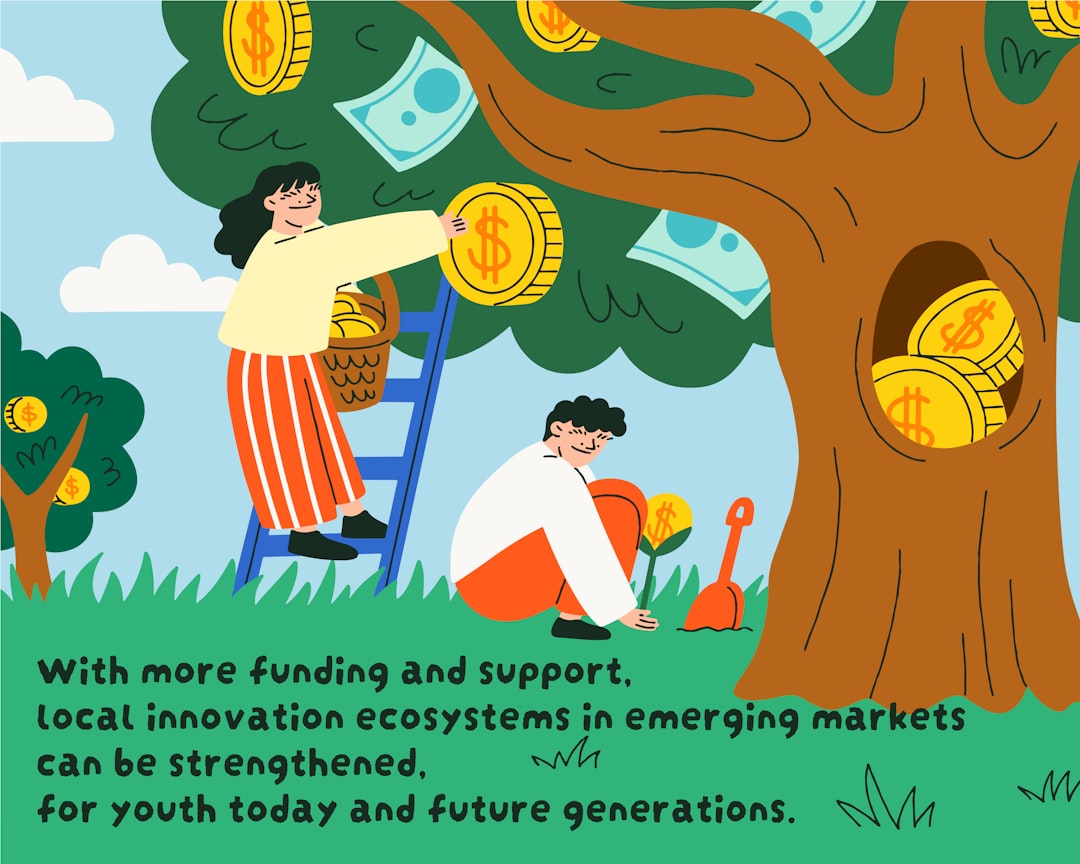
    The NIPUN Mission is designed to create a robust ecosystem where young people can develop business ideas, acquire relevant skills, and gain hands-on experience in new technologies. This initiative is not just about training; it aims to build an industry-ready and technology-savvy workforce that can meet the demands of modern industries.

    Connecting Startups with Skill Development Initiatives

    One of the key features of the NIPUN Mission is its integrated approach, which connects startups with skill development initiatives. The mission plans to establish Entrepreneurship Development Centres across all 33 districts of Chhattisgarh. These centres will provide guidance and support to young entrepreneurs, helping them to develop their business ideas and navigate the complexities of starting a venture. As noted by Economic Times, these centres will serve as a crucial resource for aspiring entrepreneurs, offering mentorship and access to vital industry connections.

    Career Ahead’s analysis finds that this approach aligns well with the growing trend of government-backed initiatives fostering collaboration between startups and educational institutions. With the establishment of these centres, startups can directly engage with skill trainers to create tailored programs that meet industry needs. This collaboration is expected to enhance the employability of graduates and young professionals in the state. Furthermore, the NIPUN JOB Engine will serve as a crucial component of this mission. It will establish a direct linkage between industry requirements and the skills of young people. By aligning training with market needs, the initiative aims to ensure that the skills imparted are relevant and in demand. This targeted approach can significantly reduce the skill gap that often hinders youth employment.

    As a result, startups will have access to a pool of talent that is not only trained but also equipped with the specific skills needed to thrive in a competitive landscape. This synergy between startups and skill development initiatives can lead to a more dynamic job market in Chhattisgarh, where innovation and entrepreneurship flourish. The integration of these elements is expected to empower the youth, enabling them to contribute effectively to the local economy and drive sustainable growth.

    Emerging Technologies as a Catalyst for Employment

    The NIPUN Mission places a strong emphasis on emerging technologies, recognizing their potential to transform industries and create new job opportunities. The initiative plans to establish 100 Emerging Technology Labs, which will provide youth with hands-on exposure to cutting-edge technologies such as Artificial Intelligence, Machine Learning, Internet of Things (IoT), and Blockchain. According to reports from ANI News, these labs will not only facilitate learning but also encourage practical experimentation and the development of technology-based solutions.

    By engaging with modern technologies, young people can acquire skills that are increasingly sought after in the job market. This aligns with the global trend where industries are rapidly adopting new technologies to enhance productivity and efficiency. Furthermore, the focus on technology-based sectors such as Health-Tech, Agri-Tech, and FinTech is particularly relevant for Chhattisgarh, given its local economic context. Startups operating in these domains can leverage the skills developed through the NIPUN Mission to address local challenges and create innovative solutions that cater to the needs of the community.

    Career Ahead’s research indicates that as these technologies evolve, the demand for skilled professionals will continue to rise. By preparing the youth of Chhattisgarh for these emerging fields, the NIPUN Mission can play a pivotal role in shaping the future workforce, making them not just job seekers but also job creators. Moreover, the establishment of five Industry Excellence Centres will further strengthen the collaboration between industry and academia. These centres aim to bridge the gap between theoretical knowledge and practical application, ensuring that young professionals are well-equipped to meet the challenges of the modern workplace.

    NIPUN Mission Connects Startups, Skills, and Tech

    The NIPUN Mission’s comprehensive strategy not only enhances individual career prospects but also contributes to the overall economic landscape of Chhattisgarh. By fostering a culture of innovation and entrepreneurship, the initiative is poised to stimulate economic growth and create a more favorable environment for businesses to thrive. This is particularly crucial for smaller towns and districts, where opportunities for youth can be limited.

    As startups begin to flourish, they will contribute to job creation and economic diversification. This shift can help reduce unemployment rates and provide a pathway for young people to secure stable and rewarding careers. Additionally, by focusing on skill development in emerging technologies, Chhattisgarh can position itself as a hub for innovation in the region. However, the success of the NIPUN Mission will depend on its implementation and the ability to adapt to changing market dynamics. The government and stakeholders must continuously assess the effectiveness of the program and make necessary adjustments to ensure that it meets the evolving needs of the industry.

    Ultimately, the NIPUN Mission serves as a model for other states looking to enhance youth employment through skill development and entrepreneurship. By integrating startups with educational initiatives, it highlights a growing trend towards practical skill application in emerging tech fields. As Chhattisgarh embarks on this ambitious journey, the question remains: will the NIPUN Mission successfully bridge the gap between education and employment, paving the way for a new generation of skilled professionals and entrepreneurs?

    Frequently Asked Questions

    What resources are available for startup founders in Chhattisgarh under the NIPUN Mission?

    The NIPUN Mission offers various resources, including Entrepreneurship Development Centres and Emerging Technology Labs, to support startup founders in developing their business ideas and acquiring relevant skills.

    How can skill development trainers participate in the NIPUN Mission?

    Skill development trainers can collaborate with startups through the NIPUN Mission to create tailored training programs that align with industry needs, ensuring that the skills taught are relevant and in demand.

    NIPUN Mission Connects Startups, Skills, and Tech

    What emerging technologies should innovators focus on to align with the NIPUN Mission’s goals?

    Innovators should focus on technologies such as Artificial Intelligence, Machine Learning, Internet of Things, and Blockchain, as these areas are prioritized in the NIPUN Mission for skill development and job creation.

  • Universities confront financing cliff as tuition outpaces income

    Universities confront financing cliff as tuition outpaces income

    Higher education’s fiscal strain forces a pivot to employer‑aligned credentials, reshaping career capital and widening mobility gaps for low‑income students. The shift accelerates partnerships that reallocate institutional power toward private sector influence.

    The confluence of stagnant public subsidies, surging operational costs, and heightened employer expectations creates an urgent inflection point for universities. As families scrutinize tuition value and recent graduates face elevated unemployment, the sector must demonstrate tangible returns on educational investment. This analysis dissects the systemic reconfiguration of financing, curriculum, governance, and human capital that will define the next five years.

    Financing cliff deepens as public support stalls

    Universities confront financing cliff as tuition outpaces income

    Higher education faces a financing cliff as public funding plateaus and tuition costs outpace household income growth. Deloitte’s 2026 trends note that state appropriations have risen slower than inflation for a consecutive decade, while operational expenses—particularly technology upgrades and compliance staffing—have surged at a double‑digit annual rate. Families are increasingly questioning the price‑performance ratio of degrees, prompting enrollment volatility that Grant Thornton describes as “ongoing volatility in student recruitment.” According to Career Ahead’s analysis of the Deloitte and ETS findings, the financing strain translates directly into reduced career capital for graduates, as institutions curtail scholarships and experiential programs that traditionally enhance employability. The fiscal pressure also compels universities to explore alternative revenue streams, including non‑degree certificates and corporate‑sponsored research, reshaping the balance of institutional power toward entities that can subsidize budget gaps.

    Competency‑based pathways replace legacy curricula

    Universities are accelerating competency‑based pathways to align credentials with employer demand for job‑ready talent. ETS identifies a measurable shift: employers now prioritize demonstrable skills over traditional credit hours, prompting institutions to redesign programs around micro‑credentials and stackable certificates. This retooling reduces time‑to‑completion and lowers tuition exposure, directly bolstering students’ career capital. In practice, a Fortune 500 software firm partnered with a public university to embed a data‑analytics micro‑credential into its bachelor’s program, allowing graduates to bypass a semester of general education while meeting the firm’s hiring criteria. Such models also generate new cost structures, as universities monetize individual skill modules to offset tuition declines.

    Universities confront financing cliff as tuition outpaces income

    Universities are accelerating competency‑based pathways to align credentials with employer demand for job‑ready talent.

    The systemic implication is a decoupling of degree value from time spent, pressuring legacy accreditation bodies to revise quality metrics and granting institutions greater flexibility to experiment with outcome‑based assessments.

    Private‑sector partnerships reshape institutional power

    The rise of private‑sector partnerships reshapes institutional power, shifting decision‑making from academic boards to corporate advisory councils. Grant Thornton’s 2026 sector report highlights increased regulatory scrutiny that incentivizes universities to adopt governance frameworks appealing to donors and industry sponsors. In exchange for funding, corporations gain seats on curriculum committees, influencing course content to reflect emerging technology stacks and market needs. This reallocation of authority accelerates the diffusion of industry‑standard tools, but also raises concerns about academic independence and the dilution of foundational scholarship.

    Leadership within universities is adapting by creating hybrid governance models that blend faculty expertise with external stakeholder input, aiming to preserve scholarly integrity while delivering market‑aligned outcomes. The resulting power dynamic reorients career capital acquisition toward skills that directly map onto corporate pipelines, reinforcing a feedback loop between employer demand and educational supply.

    Mobility gap widens for low‑income students

    Students from lower‑income families experience a widening mobility gap as tuition inflation erodes the return on investment of a degree. ETS reports that a measurable share of recent graduates face unemployment rates exceeding national averages, intensifying scrutiny of higher‑education value propositions. As institutions lean on higher tuition to fund competency‑based offerings, scholarship budgets contract, disproportionately affecting students who rely on financial aid. The resulting disparity curtails access to emerging micro‑credential pathways, limiting the accumulation of job‑ready skills that are increasingly prerequisite for entry‑level positions.

    Faculty leadership is responding by lobbying for state‑level tuition caps and expanding income‑share agreements that align repayment with post‑graduation earnings. These mechanisms aim to preserve economic mobility while sustaining institutional revenue, but their effectiveness hinges on broader labor‑market trends and regulatory acceptance.

    Hybrid delivery and micro‑credentials define the next five years

    Over the next three to five years, the sector will consolidate around hybrid delivery models that embed micro‑credentials into traditional degree structures. Career Ahead’s read of the trajectory suggests that universities will allocate a measurable share of their curricula to blended formats, leveraging digital platforms to scale competency assessments while preserving on‑campus experiential learning for high‑impact projects. This evolution is expected to generate new revenue streams from corporate licensing of proprietary skill modules and to create clearer pathways for students to translate education into career capital.

    The anticipated outcome is a rebalanced ecosystem where institutional power is shared among academia, industry, and government, fostering a more resilient financing model and a clearer alignment between education outcomes and economic mobility.

    Closing: The financing cliff, competency shift, and partnership realignment together chart a structural transformation that will redefine how universities generate career capital, demanding agile leadership to safeguard mobility and institutional relevance.

    Key Structural Insights

    [Insight 1]: Stagnant public funding and rising tuition create a financing cliff that forces universities to trade traditional scholarships for revenue‑generating partnerships, directly affecting graduate career capital.

    [Insight 2]: Competency‑based, employer‑aligned micro‑credentials are displacing legacy curricula, accelerating the decoupling of degree value from time‑spent and reshaping accreditation standards.

    [Insight 3]: The convergence of hybrid delivery and private‑sector governance reallocates institutional power, promising new financing models but widening mobility gaps for low‑income students.

  • Bond Sell-Off Resumes Amid Rising Oil Prices

    Bond Sell-Off Resumes Amid Rising Oil Prices

    Global bond markets are facing turmoil as rising oil prices lead to a sell-off. The price of crude oil recently jumped above $107 per barrel due to tensions in the Middle East. This surge has raised inflation concerns, causing investors to sell government bonds and increasing borrowing costs in major economies. A report from The Guardian states that the ongoing conflict in the region has worsened supply issues, driving prices higher.

    The sell-off was especially sharp on September 10, 2026. On that day, yields on 10-year government bonds in the UK soared past 5.37%. This marks the highest borrowing costs since 2007. The European Central Bank (ECB) also raised its main interest rate to 2.5%. This move suggests that inflation pressures will last longer than expected. Investors and financial analysts must now rethink their strategies in light of these changes.

    Impact of Rising Oil Prices on Bond Yields

    As oil prices rise, bond yields usually increase as well. This happens because higher energy costs can lead to more inflation. Central banks often raise interest rates to control spending. According to Career Ahead’s analysis, the recent oil price spike is likely to push inflation rates above central bank targets. This will force policymakers to act. The ECB’s recent rate hike shows its commitment to fighting inflation, which is expected to stay high for a while. Analysts at Finance Yahoo note that the bond market reacts quickly to rising oil prices, causing volatility in yields.

    In the US, the yield on 10-year Treasury bonds hit 4.92%, the highest since 2023. Investors are reacting to the rising borrowing costs. The Federal Reserve faces pressure to change its monetary policy due to these developments. Historical data shows that high oil prices often lead to increased bond yields, as seen in past economic cycles. The current situation resembles the oil crises of the 1970s, where rising oil prices caused inflation and interest rate hikes, creating challenges for bond investors.

    Market analysts, including those from Capital.com, warn that sustained oil price increases could lead to more bond market sell-offs. This is especially concerning for investors with long-term bonds, as rising yields lower the value of existing bonds. Investors must navigate a landscape where borrowing costs are rising quickly. Inflation pressures in one region can affect global economies, making it crucial for investors to stay informed about geopolitical events that could impact oil supply and prices.

    Career Ahead research shows that the effects of rising oil prices on bond yields are not just temporary. Historical trends indicate that prolonged high oil prices can lead to lasting increases in borrowing costs. This can affect everything from mortgage rates to corporate borrowing. Investors should prepare for a potentially volatile market as these dynamics unfold. As World Economic Forum highlights, the bond market’s sensitivity to inflation means investors need to monitor economic indicators closely and adjust their strategies accordingly.

    Strategies for Managing Inflation Risk in Bond Portfolios

    Given the current bond sell-off, fixed income investors should adopt strategies to reduce inflation risk. One approach is to diversify portfolios with inflation-protected securities, like Treasury Inflation-Protected Securities (TIPS). These adjust their principal value based on inflation changes, helping investors guard against rising prices. As inflation expectations grow, TIPS become more appealing to those wanting to protect their purchasing power.

    Another strategy is to shift toward shorter-duration bonds. By reducing the duration of their bond holdings, investors can lower their exposure to interest rate risk. Shorter-duration bonds are less affected by rate changes, making them more attractive in a rising interest rate environment. Career Ahead’s analysis suggests that investors who adjust their portfolios proactively can better withstand inflation and rising yields. This proactive approach is vital as the bond market reacts to external shocks, like geopolitical tensions affecting oil supply.

    Investors might also consider allocating part of their portfolios to commodities or real assets, which often perform well during inflationary times. Historical data shows that commodities can hedge against inflation since their prices usually rise with living costs. This diversification can stabilize returns in a volatile market. As the bond market deals with rising oil prices, having a solid investment strategy is crucial. Investors should continuously monitor economic indicators and adjust their portfolios to navigate these challenging conditions effectively.

    Bond Sell-Off Resumes Amid Rising Oil Prices

    The bond market reacts quickly to inflation signals. Recent data on rising oil prices and their potential inflation impact has already caused increased volatility in bond yields. For example, the spike in yields after the ECB’s rate hike shows how closely linked these markets are to inflation expectations. As central banks signal their intent to address inflation, investors are likely to adjust their expectations for future interest rates. Anticipating further rate hikes can worsen the bond sell-off, creating a cycle of rising yields and falling bond prices. This situation poses challenges for financial analysts trying to predict market movements.

    Upcoming economic data releases, including inflation and job reports, will significantly influence market sentiment. Analysts will closely watch these indicators to assess the economy’s resilience amid rising oil prices. Career Ahead’s research indicates that market participants who stay agile and responsive to these changes will be better positioned to seize new opportunities. As the bond market continues to react to external shocks, the future remains uncertain. Investors must consider whether central banks will take decisive action to curb inflation or if external factors will keep driving volatility in the bond market.

    Frequently Asked Questions

    What should fixed income investors consider during a bond sell-off?

    Career Ahead analysis suggests that fixed income investors should diversify their portfolios and consider inflation-protected securities to reduce risks during a bond sell-off. Adjusting the duration of bond holdings can also help manage exposure to rising interest rates.

    How can financial analysts assess the impact of inflation on bond investments?

    Financial analysts can evaluate the impact of inflation on bond investments by closely monitoring economic indicators like oil prices and central bank policies. Understanding historical links between inflation and bond yields can also provide valuable insights for predicting market movements.

    Bond Sell-Off Resumes Amid Rising Oil Prices

    What strategies should fixed income investors adopt in response to rising oil prices?

    Fixed income investors should consider diversifying their portfolios with inflation-protected securities and shorter-duration bonds to manage risks from rising oil prices. Allocating some investments to commodities may also help hedge against inflation.