Blog

  • Mint Money App Transforms Fintech with Bill Payments

    Mint Money App Transforms Fintech with Bill Payments

    Mumbai, India — The Mint Money app, developed by the Hindustan Times Group, has officially launched its bill payment features at the Global Fintech Fest 2026. This new functionality allows users to manage their bills with ease, marking a pivotal moment in India’s fintech evolution.

    The introduction of bill payment capabilities is a significant advancement toward user-friendly financial services. Supported by Bharat Connect and the Bharat Bill Payment System (BBPS), the app provides a comprehensive platform for managing financial obligations. This is particularly crucial as the demand for integrated financial solutions continues to rise in India.

    Streamlining Financial Management for Users

    The integration of bill payments into the Mint Money app simplifies the payment process and enhances the overall user experience. Users can now track their bills, receive reminders, and make payments directly through the app. This feature alleviates the stress associated with managing multiple payment deadlines, fostering better financial habits.

    Moreover, the app includes features such as Auto Pay and rewards for timely payments. These incentives not only encourage users to engage more with their finances but also align with the growing trend of financial literacy in India. Mint Money aims to empower users to make informed financial decisions, reflecting a broader shift in consumer expectations.

    As digital payment solutions become increasingly essential in India, the timing of this launch is critical. The rapid proliferation of smartphones and internet access positions fintech apps like Mint Money to capture a substantial market share. By consolidating bill management and payments into one platform, Mint Money can enhance user retention, as consumers prefer applications that simplify their financial lives.

    Innovative Opportunities for Developers and Partnerships

    The launch of bill payment features in the Mint Money app presents unique opportunities for fintech developers. As the demand for integrated financial solutions grows, developers can innovate features that enhance user experience and streamline financial management. This trend is evident in the broader fintech landscape, where applications offering comprehensive services are gaining traction.

    Strategic partnerships with utility companies will be vital for the success of Mint Money’s bill payment feature. Collaborating with utility providers ensures that users have access to a variety of payment options, making the app more attractive. This aligns with findings from industry reports, which emphasize the importance of collaboration in fintech to improve service offerings.

    Furthermore, as the Bharat Bill Payment System expands, fintech developers can leverage this infrastructure to build more robust applications. Integrating bill payment capabilities can create new revenue streams for developers, particularly through transaction fees and partnerships with service providers.

    Mint Money App Transforms Fintech with Bill Payments

    Shaping the Future of Fintech in India

    The introduction of bill payment features in the Mint Money app signifies a broader trend toward integrated financial solutions in India. As consumers increasingly seek convenience and efficiency, fintech companies must innovate to meet these evolving demands. This shift is crucial not only for individual users but also for the fintech industry as a whole.

    With ongoing digital transformation in India, fintech companies that prioritize user experience and integration are likely to thrive. The Mint Money app’s ability to offer a complete suite of financial tools positions it well for future growth. Industry experts note that integrating services is essential for attracting and retaining users in today’s competitive market.

    As regulatory frameworks evolve to support digital payments and fintech innovations, new opportunities for collaboration may emerge between fintech companies and traditional financial institutions. This could enhance service offerings and promote greater financial inclusion for underserved populations.

    Monitoring User Engagement and Industry Standards

    As the Mint Money app develops its features, it will be interesting to observe how it influences user behavior and sets industry standards. Will other fintech applications follow suit and adopt similar functionalities? The answers to these questions will significantly shape the future of fintech in India.

    The launch of the Mint Money app with its bill payment features marks a significant milestone in India’s financial technology evolution. As the app gains traction, developers and industry stakeholders must closely monitor its impact on user engagement and the broader fintech ecosystem.

    Mint Money App Transforms Fintech with Bill Payments

    Frequently Asked Questions

    What are the best practices for developing bill payment features in fintech apps?

    Successful bill payment features should focus on user experience, security, and seamless integration with existing financial services. Developers should prioritize clear user interfaces and reliable transaction processes.

    How can mobile payment solutions improve user retention?

    Mobile payment solutions can enhance user retention by offering convenience, personalized experiences, and rewards. By integrating features like bill payments, apps can keep users engaged and encourage regular usage.

    What should fintech app developers consider when partnering with utility companies?

    Developers should evaluate the reliability and reputation of potential utility partners to ensure that integrations enhance user experience. Additionally, understanding the regulatory landscape is crucial for successful collaborations.

  • Dilip Buildcon Shares Surge 12% on LPG Pipeline Win

    Dilip Buildcon Shares Surge 12% on LPG Pipeline Win

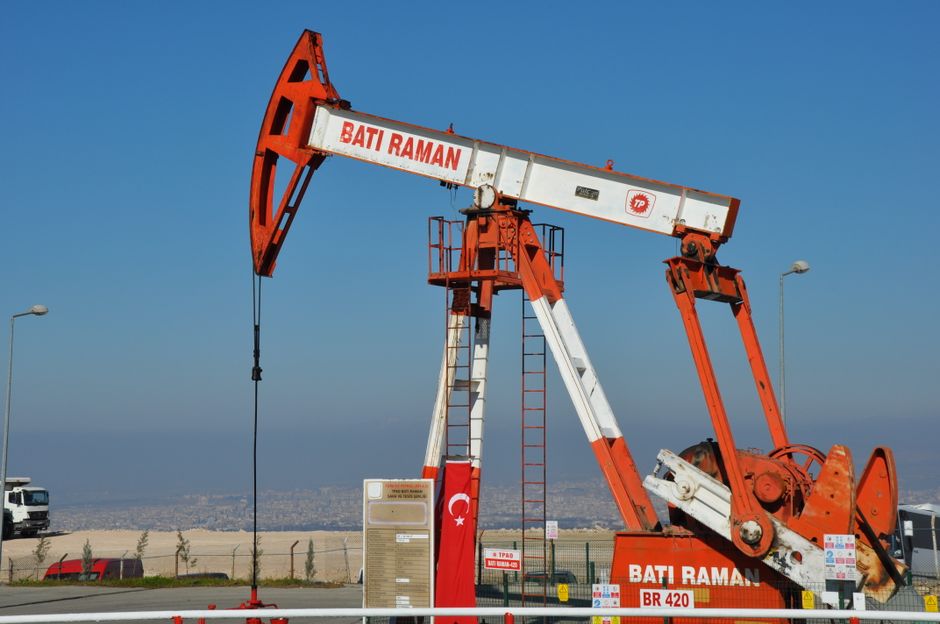
    India’s Dilip Buildcon has seen its shares rally by 12% after securing a Letter of Intent (LOI) from the Petroleum and Natural Gas Regulatory Board (PNGRB) for a massive Rs 1,800 crore LPG pipeline project from Paradip to Raipur. This project not only solidifies Dilip Buildcon’s position in the infrastructure sector but also opens up significant career opportunities for professionals in pipeline construction and project management.

    The new pipeline will facilitate the transportation of LPG, a critical resource for domestic and industrial use, enhancing energy access in the region. This development comes at a time when the Indian government is emphasizing infrastructure growth as a means to boost economic recovery and job creation post-pandemic. The project is expected to not only improve energy distribution but also create a ripple effect in the local economy, potentially leading to increased employment opportunities in various sectors related to infrastructure development.

    Impact on Project Management Roles

    The awarding of this project underscores the increasing demand for skilled project managers in large-scale infrastructure projects. With the complexity and scale of the LPG pipeline, project managers will play a crucial role in overseeing the construction, ensuring compliance with safety standards, and managing budgets. According to Career Ahead’s analysis, the project is expected to create numerous job openings for project managers who can effectively coordinate between various stakeholders, including contractors, government bodies, and suppliers.

    As infrastructure projects grow in size and complexity, project managers will need to adapt by honing their skills in risk management, budgeting, and stakeholder engagement. Career Ahead’s research identifies that professionals with a background in engineering management and experience in handling large projects will be in high demand. This trend indicates a shift towards more specialized roles within project management, where technical knowledge combined with managerial skills becomes essential. The ability to navigate regulatory frameworks and ensure timely completion of projects will also become increasingly important, as delays can lead to significant financial repercussions.

    Moreover, the project is likely to attract further investments in related sectors, such as logistics and transportation management. Project managers who can navigate these interconnected fields will find themselves at a significant advantage, as they will be instrumental in ensuring the seamless operation of the entire supply chain. The Economic Times notes that the project not only grants Dilip Buildcon an exclusive license to develop and operate the pipeline but also allows them to levy and collect transportation tariffs, which could provide a steady revenue stream and encourage further investment in infrastructure projects across India.

    In the long term, as more projects like this emerge, professionals in project management can leverage their experience to move into higher-level positions or even transition into consultancy roles, providing expertise to other companies looking to undertake similar projects. The growing emphasis on infrastructure development in India is likely to create a robust job market for project managers in the coming years, further solidifying the importance of this role in the sector.

    Opportunities for Civil Engineers

    Civil engineers are set to benefit significantly from the new LPG pipeline project. The design and construction of pipelines demand specialized skills in areas such as fluid mechanics, structural analysis, and materials science. Career Ahead analysis finds that as the project progresses, there will be a growing need for civil engineers who are adept at pipeline design and construction methodologies. This project represents a unique opportunity for engineers to apply their technical skills in a real-world setting, contributing to a critical infrastructure that supports energy distribution.

    Engineers involved in this project will gain hands-on experience with cutting-edge technologies and practices. This includes the use of advanced materials and construction techniques that enhance the safety and efficiency of pipeline systems. Additionally, civil engineers who demonstrate proficiency in sustainable practices will be particularly sought after, as environmental considerations become increasingly important in infrastructure projects. The integration of sustainable engineering practices is not just a trend but a necessity, as the industry moves towards minimizing its environmental footprint.

    The project’s scale also means that civil engineers will have opportunities to collaborate with other disciplines, such as environmental engineers and geotechnical specialists. This interdisciplinary approach will not only enrich their professional experience but also expand their skill sets, making them more versatile in the job market. As noted by sources like Business Standard, the successful execution of such large-scale projects often requires a collaborative effort, fostering a culture of teamwork among various engineering disciplines.

    Dilip Buildcon Shares Surge 12% on LPG Pipeline Win

    As the demand for pipeline infrastructure grows, civil engineers can expect a surge in job openings, particularly in regions where new projects are initiated. The Indian government’s push for energy security and infrastructure development will likely ensure a steady flow of opportunities in the coming years. Furthermore, the skills acquired during this project will be invaluable for engineers looking to advance their careers, as they will be equipped with the knowledge and experience necessary to tackle future challenges in the infrastructure sector.

    The broader implications of this project extend beyond immediate job creation; it signifies a commitment to enhancing India’s energy infrastructure, which is crucial for supporting economic growth and improving the quality of life for citizens. As more projects like this are undertaken, the landscape of infrastructure development in India is poised for transformation, potentially leading to a more resilient and efficient energy distribution network.

    As the project unfolds, it will be interesting to observe how the landscape of pipeline construction and infrastructure investment evolves in India. Will this lead to a sustained boom in infrastructure projects, or will challenges emerge that could impact future developments?

    Frequently Asked Questions

    What skills are needed for civil engineers in pipeline construction?

    Civil engineers in pipeline construction need a solid understanding of fluid mechanics, structural analysis, and materials science. Additionally, skills in project management and knowledge of safety regulations are crucial for successful project execution.

    How can project managers leverage large infrastructure projects for career growth?

    Project managers can leverage large infrastructure projects by gaining experience in managing complex tasks, coordinating with multiple stakeholders, and developing specialized skills in risk management and budgeting. This experience can lead to higher-level positions or consultancy roles in the future.

    Dilip Buildcon Shares Surge 12% on LPG Pipeline Win

    What should civil engineers do about the increasing demand for pipeline projects?

    Civil engineers should focus on enhancing their technical skills related to pipeline design and construction methodologies. Engaging in continuous learning and gaining hands-on experience with emerging technologies will help them stay competitive in the job market.

  • Replicating Singapore’s Economic Success

    Replicating Singapore’s Economic Success

    Singapore’s economic model is facing scrutiny. Geopolitical tensions and advances in artificial intelligence are changing global trade. Recent discussions question whether other nations can replicate Singapore’s success in this new environment. As the world shifts to AI-driven economies, the effects on emerging markets and international trade are significant.

    Career Ahead’s analysis shows that integrating AI into economic strategies could change how countries pursue growth. AI impacts labor markets, productivity, and innovation. This raises questions about the sustainability of current economic models.

    AI’s Transformative Role in Economic Strategies

    Artificial intelligence is transforming economic strategies worldwide. In Singapore, AI is a key driver of productivity and innovation. The government invests heavily in AI research and development to lead in the digital economy. This aligns with findings from academia.sg, which highlights the role of technological innovation in economic competitiveness.

    However, the rise of AI also brings challenges. Automating jobs held by lower-skilled workers raises concerns about job loss and economic inequality. According to rikvin.com, Singapore’s model, which relies on a strong labor force, must adapt to ensure workers have the skills needed for an AI-driven future.

    Emerging markets aiming to replicate Singapore’s success must integrate AI into their economic frameworks. This means investing in technology and education programs that prepare workers for a digital economy. Career Ahead research shows that nations addressing these challenges will better harness AI’s benefits while reducing its risks.

    The potential for AI to enhance economic strategies is vast, but it requires careful planning. Policymakers must balance automation benefits with the need for inclusive growth. This is crucial in regions with significant economic disparities.

    Geopolitical Influences on Trade Relations

    The current U.S. political climate greatly affects international trade relations, including those with Singapore. As the U.S. adopts protectionist policies, countries relying on open trade may face new challenges. This shift could affect Singapore’s role as a key trade hub in Southeast Asia.

    Career Ahead’s analysis indicates that Singapore’s economic model, which thrives on free trade and foreign investment, must adapt to these geopolitical changes. The Monetary Authority of Singapore recently raised its 2026 economic growth forecast to 5%. This reflects a resilient economy amid global uncertainties. However, as thestar.com.my reports, maintaining this growth will require strategic adjustments to changing trade dynamics.

    Emerging markets that seek to replicate Singapore’s success must navigate these geopolitical waters carefully. Building strong trade partnerships and adapting to political changes will be essential. Countries that remain flexible and responsive to global trends are more likely to succeed.

    Replicating Singapore's Economic Success

    As nations deal with these complexities, the importance of diplomatic relations and multilateral agreements is clear. Countries prioritizing collaboration may find themselves better positioned to thrive in an uncertain global economy.

    Lessons for Emerging Markets

    Emerging markets looking to learn from Singapore’s economy need a multifaceted approach. This includes embracing technology and fostering innovation and entrepreneurship. Career Ahead’s findings suggest that countries must focus on education reform to develop a workforce ready for the digital age.

    Additionally, the focus should extend beyond technology to infrastructure development and regulatory frameworks that support business growth. Countries creating a favorable environment for startups and small businesses will be better equipped to compete globally.

    Another lesson from Singapore is the value of strategic government intervention. While markets are vital for economic development, proactive government policies can guide economies toward sustainable growth. This includes targeted investments in key sectors and support for research and development.

    As Singapore faces its own challenges in adapting to a new economic landscape, emerging markets must stay alert and responsive. Learning from Singapore’s experiences while tailoring strategies to local contexts will be crucial for success.

    As the global economy evolves, the question remains: Can Singapore’s economic model withstand the pressures of AI and geopolitical shifts? The answers may shape the future of international trade and economic strategies for years.

    Frequently Asked Questions

    How can economists assess the impact of AI on Singapore’s economic model?

    Economists can analyze labor market trends and productivity metrics to understand AI’s effects on Singapore’s economy. Career Ahead research shows that sectors relying on manual labor face the most significant challenges as AI technologies advance.

    What strategies should business leaders consider in light of U.S. trade policies?

    Business leaders must stay adaptable and explore new markets to reduce risks from U.S. protectionist policies. Career Ahead analysis suggests diversifying trade partnerships can help sustain growth in uncertain political climates.

    Replicating Singapore's Economic Success

    How can emerging markets adapt lessons from Singapore’s economy?

    Emerging markets can focus on technology integration, education reform, and infrastructure development to emulate Singapore’s success. Career Ahead’s findings indicate that fostering an entrepreneurial culture is vital for driving economic growth.