Blog

  • Five Skills That Convert Offers Into Counter‑Offers

    Five Skills That Convert Offers Into Counter‑Offers

    Strategic leverage, market intelligence, and relational capital together create a 24‑hour bargaining platform that accelerates economic mobility and expands institutional influence for high‑potential talent.

    The compression of decision windows in 2026 compensation cycles forces candidates to mobilize career capital instantly, turning a single job offer into a strategic lever. This shift redefines how talent negotiates, demanding a skill set that aligns personal value with organizational power structures. The analysis below dissects the mechanisms, systemic consequences, and stakeholder impacts of this emergent dynamic.

    Framing the compressed decision environment The most critical claim is that the 24‑hour leverage window compresses decision cycles, turning a single offer into a strategic bargaining chip. In 2026, employers typically require a response within a single business day, a stark contrast to the multi‑week timelines of the early 2020s. According to Career Ahead’s analysis of compensation cycles, this acceleration forces candidates to demonstrate immediate, quantifiable value. The BLS reports median job tenure of roughly 4.1 years, highlighting how the new rapid window shortens the traditional negotiation horizon dramatically. Employers now reward candidates who can translate a fresh offer into actionable insights about market rates, internal budget constraints, and future growth pathways. This structural shift elevates the importance of real‑time market intelligence and positions the candidate as a catalyst for organizational recalibration rather than a passive applicant.

    Five Skills That Convert Offers Into Counter‑Offers

    Core competencies that drive leverage The single most decisive claim is that mastering five core competencies guarantees a counter‑offer. Those competencies are strategic leverage, market intelligence, relational capital, narrative framing, and data‑driven ROI articulation. Strategic leverage involves mapping the offer against internal compensation bands, while market intelligence requires up‑to‑date salary benchmarks from sources such as the BLS and industry surveys. Relational capital emphasizes the depth of internal networks that can champion the candidate’s case. Narrative framing crafts a story linking the candidate’s goals with the firm’s strategic objectives, and data‑driven ROI articulation quantifies expected contributions in revenue or cost savings.

    The 24‑hour leverage window compresses decision cycles, turning a single offer into a strategic bargaining chip.

    Candidates who combine these skills create a “leverage platform” that forces employers to reassess budget allocations within hours, often resulting in a counter‑offer that exceeds the original proposal by a measurable share.

    Systemic implications for talent mobility and institutional power The central claim is that the new skill‑driven counter‑offer model reshapes economic mobility and institutional power. By converting offers into leverage, high‑potential talent can negotiate upward salary trajectories without changing firms, thereby reducing traditional job‑hopping as the primary mobility mechanism. This reallocation of bargaining power diminishes the monopoly of large firms over talent pipelines and diffuses influence across a broader set of organizations. Moreover, the model incentivizes firms to invest in internal talent development to retain employees before external offers arise, altering the allocation of training budgets toward relational capital cultivation. The systemic effect is a more fluid labor market where career capital, rather than tenure, becomes the primary currency of advancement.

    Five Skills That Convert Offers Into Counter‑Offers

    Stakeholder impact and the economics of counter‑offers The key claim is that relational capital determines the financial magnitude of counter‑offers. According to Career Ahead’s framework for counter‑offer strategy, candidates with deep internal networks can secure offers that exceed the external proposal by a non‑trivial fraction, while those lacking such capital often receive modest adjustments. Employers incur higher short‑term costs but gain long‑term retention benefits, reducing turnover expenses that the BLS estimates at roughly 20 % of annual salary per departure. For employees, the ability to extract higher compensation without changing roles accelerates wealth accumulation and expands institutional influence. Recruiters, meanwhile, must adapt sourcing models to account for the heightened bargaining power of candidates who can weaponize offers as leverage tools.

    Projected trajectory of counter‑offer dynamics through 2029 The forward‑looking claim is that the five‑skill model will become a standard expectation across industries within the next three to five years. As AI‑driven compensation analytics proliferate, employers will pre‑emptively embed market intelligence into internal offer structures, narrowing the advantage of external offers. Consequently, candidates will need to augment relational capital with digital fluency in compensation platforms to sustain leverage. By 2029, the average decision window is projected to contract further to under 12 hours, reinforcing the necessity of instant, data‑rich negotiation. Organizations that institutionalize mentorship programs to develop relational networks will capture a larger share of high‑potential talent, while firms that ignore the skill set risk chronic talent leakage and escalating counter‑offer costs.

    The evolving compression of decision timelines demands that talent deploy a calibrated skill set to transform offers into leverage, reshaping mobility, power, and economic outcomes across the labor market.

    Key Structural Insights

    Insight 1: The 24‑hour leverage window forces candidates to convert offers into immediate bargaining chips, accelerating economic mobility and redefining negotiation norms.

    Insight 2: Mastering five core competencies—strategic leverage, market intelligence, relational capital, narrative framing, and data‑driven ROI—guarantees a counter‑offer that exceeds the original proposal by a measurable share.

    Insight 3: As decision windows shrink further, relational capital and digital fluency will become decisive levers, compelling firms to embed mentorship and analytics to retain high‑potential talent.


  • American Bar Association Fights to Keep Power to Vet Law Schools

    American Bar Association Fights to Keep Power to Vet Law Schools

    The American Bar Association (ABA) is currently engaged in a significant battle to retain its authority over law school accreditation. This struggle arises as lawmakers and educational institutions increasingly question the ABA’s standards and processes. As legal education evolves, the implications for law students and administrators are profound.

    Recently, the ABA has underscored its role in ensuring quality and diversity in legal education. Critics argue, however, that the ABA’s standards may not adequately address the changing needs of the legal profession and society. This situation represents a pivotal moment for the ABA as it seeks to maintain its accreditation power.

    ABA’s Accreditation Standards Explained

    The ABA establishes specific standards for law schools to ensure they deliver quality legal education. These standards encompass curriculum requirements, faculty qualifications, and student admissions. According to various analyses, the ABA’s standards aim to uphold high educational quality while promoting diversity in law schools.

    Current research indicates that the ABA’s standards emphasize diversity, equity, and inclusion (DEI) initiatives, striving to create a more inclusive environment for law students from diverse backgrounds. However, some critics contend that the ABA’s DEI approach may restrict law schools’ ability to tailor their programs to local needs. For instance, the American Schools Association (ASA) highlights that while the ABA advocates for DEI, its implementation can vary significantly, leading to inconsistencies in how law schools address these issues.

    Moreover, the ABA has faced challenges in enforcing its standards uniformly across law schools. This inconsistency has prompted calls for reform, with stakeholders advocating for a more transparent and accountable accreditation process. The ongoing debate about these standards raises critical questions about the future of legal education and the ABA’s role in shaping it. Critics assert that the ABA’s rigid adherence to certain standards may stifle innovation and responsiveness to the evolving demands of the legal profession.

    Diversity and Inclusion in Legal Education

    The ABA’s accreditation authority is closely tied to its ability to influence diversity and inclusion within law schools. As legal education increasingly acknowledges the necessity for diverse perspectives, the ABA’s role in promoting these values is under scrutiny. If the ABA fails to adapt its standards to reflect societal changes, it risks losing relevance in the accreditation landscape.

    Currently, the ABA’s emphasis on DEI initiatives has resulted in more programs supporting underrepresented groups in legal education. However, some critics argue that these initiatives may not adequately address systemic issues within the legal profession. While the ABA encourages law schools to implement DEI programs, their effectiveness can vary widely across institutions. This inconsistency has led to calls for a more standardized approach to DEI, which could enhance the overall impact of these initiatives.

    Furthermore, the ongoing debate about the ABA’s standards raises questions about how law schools can best serve their students. Administrators must balance compliance with ABA standards while addressing the unique needs of their students. This balance is crucial for fostering an inclusive environment that prepares future legal professionals for the diverse realities of the legal field. Recent ABA reports emphasize that integrating DEI into the core curriculum is essential for compliance and enriching the educational experience for all students.

    American Bar Association Fights to Keep Power to Vet Law Schools

    Preparing for Changes in Accreditation Standards

    As law schools enhance their DEI efforts, they must also consider how these initiatives align with the ABA’s accreditation requirements. Changes in accreditation standards could prompt a reevaluation of existing programs and a renewed commitment to fostering diversity in legal education. This commitment is increasingly viewed as vital for the future of the legal profession, as a diverse workforce is better equipped to tackle modern legal challenges.

    As the ABA’s accreditation power faces scrutiny, the future of legal education remains uncertain. Law schools must prepare for potential changes that could redefine their programs and influence the career trajectories of future lawyers. The ongoing debate about accreditation standards raises critical questions about how legal education will evolve in response to societal needs and the expectations of the legal profession.

    American Bar Association Fights to Keep Power to Vet Law Schools

    Frequently Asked Questions

    What are the ABA’s current accreditation standards for law schools?

    The ABA’s accreditation standards focus on curriculum requirements, faculty qualifications, and diversity initiatives. These standards aim to ensure high educational quality and promote inclusivity in legal education.

    How does ABA accreditation impact the value of my law degree?

    ABA accreditation significantly enhances the value of a law degree, assuring employers and the legal profession of the quality of education received. Graduates from ABA-accredited schools are often preferred by employers, improving their job prospects.

    What should law school administrators consider regarding ABA accreditation?

    Law school administrators should closely monitor potential changes to ABA accreditation standards. Adapting curricula and programs to meet evolving expectations can enhance their institution’s competitiveness and ensure compliance with accreditation requirements.

  • RBI Launches Offline E-Rupee for Seamless Payments

    RBI Launches Offline E-Rupee for Seamless Payments

    The Reserve Bank of India (RBI) plans to change digital transactions with its offline e-rupee initiative. This feature will allow digital payments without an internet connection. It will use technologies like Bluetooth and near-field communication (NFC). The RBI announced this innovation on September 24, 2026. It aims to improve payment access in remote areas.

    This initiative responds to the growing need for reliable payment solutions in places with limited internet. By using technologies for offline transactions, the RBI wants to ensure that digital payments are possible in all situations. This will help bridge a significant gap in the current digital payment landscape. The move is expected to promote financial inclusion and improve user experience.

    Understanding the Technical Framework of Offline E-Rupee

    The offline e-rupee will work through a system that enables transactions without internet access. The RBI is exploring different solutions for these transactions. One solution may still need telecom connectivity, while another will use NFC communication at merchant point-of-sale (POS) terminals. This dual approach aims to provide flexibility and reliability for users in various settings.

    For fintech product managers and mobile payment developers, integrating offline e-rupee features into existing apps requires a solid understanding of these technologies. Developers must adapt their applications to support NFC and Bluetooth functionalities. This will ensure smooth transactions without relying on the internet. This integration will enhance user convenience and broaden the market for digital payment solutions. As noted by Mint, the RBI is looking at innovative ways to process payments efficiently, even in low-connectivity scenarios.

    Additionally, the offline e-rupee can offer the same benefits as physical cash. It provides users with ease of use and finality of settlement. This makes the e-rupee a viable alternative to traditional cash transactions, especially in areas lacking digital infrastructure. As the RBI continues to pilot this feature, developers should monitor evolving requirements and user feedback to refine their applications. This initiative has the potential to reshape the payment landscape, leading to a rise in cashless transactions across various demographics, including those who have relied on physical currency.

    Career Ahead analysis shows that adopting offline e-rupee technology could change how consumers interact with digital payments. As more users get used to making transactions without internet access, demand for apps that support this will grow. Developers who effectively implement these features will likely gain a competitive edge in the fintech market. The RBI’s initiative aligns with global trends, as countries like Cambodia explore similar payment connectivity solutions, highlighting the importance of cross-border financial transactions.

    Regulatory Compliance and User Experience Considerations

    Regulatory compliance is crucial for implementing the offline e-rupee. The RBI stresses the need for strong frameworks to ensure secure transactions and protect user data. Fintech companies must stay updated on these regulations to avoid issues during integration. According to The Financial Express, the RBI’s regulatory framework will be key to ensuring that the offline e-rupee operates safely, fostering consumer trust in this new payment method.

    User experience is also essential for the success of the offline e-rupee. Developers must create intuitive interfaces that allow easy transactions, even in low-connectivity areas. This includes clear instructions for users on making payments with NFC or Bluetooth. Wallet applications must be user-friendly and accessible. The RBI’s initiative focuses not just on technology but also on creating a smooth user journey that encourages adoption and regular use.

    Moreover, fintech product managers should consider the diverse needs of their target audience when designing offline payment solutions. Features that cater to various demographics, such as language options and accessibility for differently-abled users, can improve user engagement and satisfaction. By prioritizing inclusivity, developers can ensure that the offline e-rupee appeals to a wider audience. The initiative’s success will depend on how well it resonates with users from different backgrounds, especially in rural areas where traditional banking services are often limited.

    RBI Launches Offline E-Rupee for Seamless Payments

    Career Ahead’s analysis indicates that the success of the offline e-rupee will rely heavily on collaboration between fintech companies and regulatory bodies. As the RBI refines its policies, developers must proactively align their products with these guidelines. This will help build trust and reliability in digital transactions. The offline e-rupee initiative marks a significant step forward in the digital payment landscape. It may set a precedent for other nations to enhance their payment systems.

    In conclusion, the offline e-rupee initiative is a major advancement in digital payments. By enabling transactions without internet connectivity, the RBI is paving the way for more inclusive financial solutions. As this initiative develops, fintech professionals must stay agile and responsive to changing regulations and user expectations. The speed and effectiveness of developers in adapting their applications to this innovative payment solution will be crucial. The future of digital transactions in India may depend on successfully integrating offline e-rupee capabilities in the coming months.

    Frequently Asked Questions

    What are the technical requirements for offline e-rupee payments?

    The technical requirements for offline e-rupee payments include supporting Bluetooth and NFC technologies. Developers need to integrate these functionalities into their applications for seamless transactions without internet connectivity.

    How can mobile payment developers leverage the RBI’s offline e-rupee initiative?

    Mobile payment developers can leverage the RBI’s offline e-rupee initiative by adapting their applications for offline transactions. This includes implementing NFC and Bluetooth capabilities, enhancing user convenience and expanding market reach.

    RBI Launches Offline E-Rupee for Seamless Payments

    What should fintech product managers consider when designing offline payment solutions?

    Fintech product managers should focus on user experience, regulatory compliance, and inclusivity when designing offline payment solutions. Ensuring applications are user-friendly and meet regulatory guidelines is crucial for the success of the offline e-rupee initiative.

  • LinkedIn Fights Fake Profiles and Work Histories

    LinkedIn Fights Fake Profiles and Work Histories

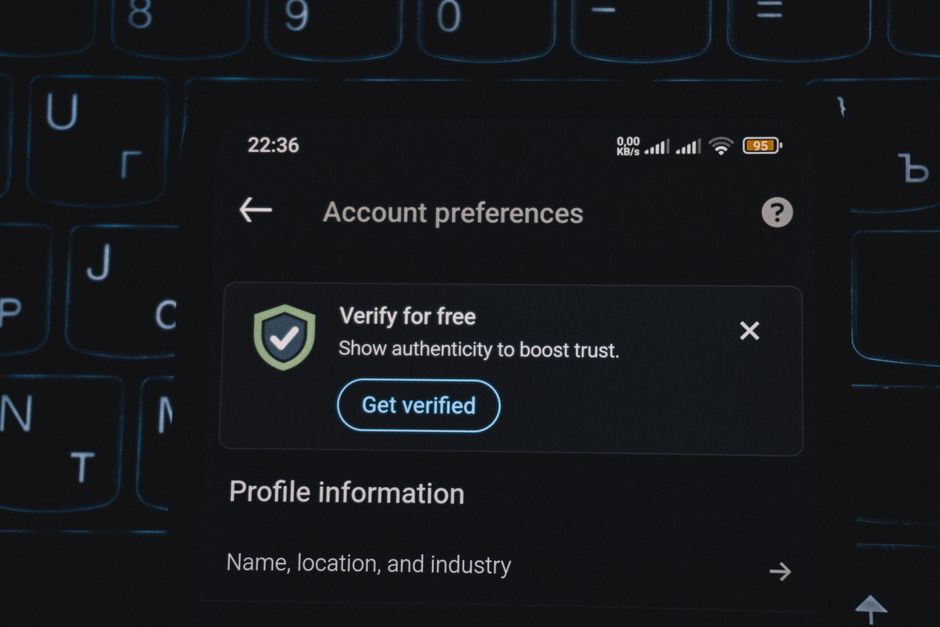
    LinkedIn has launched new tools to combat fake profiles, false work histories, and impersonation. Announced on September 23, 2026, these features aim to build trust and credibility in the professional networking space. They will significantly change how recruiters and hiring managers assess potential candidates.

    As AI-generated identities become more common, LinkedIn’s initiatives are timely. The platform now lets verified users endorse the work and education of their colleagues. This adds authenticity to profiles. Companies can also block fake employee claims linked to their organizations. This feature helps businesses maintain integrity and protect their brand from misrepresentation.

    AI-Driven Verification Tools Enhance Trust

    One standout feature is the ability for verified members to endorse others’ work and educational experiences. This goes beyond the existing endorsement system. It requires a verified connection and a year-long relationship between the members involved. This measure ensures that only genuine associations are validated, which is crucial in a landscape where fake profiles can mislead recruiters. According to TechCrunch, this new feature aims to create a trustworthy environment. Hiring managers can rely on verified endorsements instead of self-reported information, which can be misleading.

    LinkedIn’s verification system is already used by over 115 million members and more than 700,000 companies. This shows a strong foundation for the new tools. The platform is committed to expanding verification partnerships, like its recent integration with Truecaller. This partnership allows users to display their LinkedIn profiles alongside their professional information on Truecaller. It makes it easier for potential employers to verify candidate identities during phone interactions. This integration streamlines the verification process and enhances the overall user experience.

    With these changes, LinkedIn is proactively working to create a more trustworthy environment for professionals. This is significant for recruiters who face many fraudulent accounts and misrepresented qualifications. The new tools can reduce the time spent verifying candidate backgrounds, streamlining the hiring process. As noted in a recent Livemint article, these features reflect LinkedIn’s commitment to building professional trust, essential in today’s competitive job market.

    Career Ahead’s analysis shows that these verification features respond to growing concerns about identity fraud in the job market. As AI tools become more advanced, the potential for creating convincing fake profiles increases. This makes it vital for platforms like LinkedIn to adapt. This evolution in verification practices could set a new standard for professional networking, influencing how other platforms approach identity verification.

    Impact on Recruitment Strategies

    The new verification tools will profoundly impact recruitment strategies across various sectors. Hiring managers will need to adapt their methods for evaluating candidates. They will place greater emphasis on verified credentials. This shift may decrease reliance on traditional resumes, which can be easily manipulated. As demand for verified profiles grows, candidates with such endorsements will likely gain a competitive edge. Those without them may struggle to secure interviews.

    Moreover, companies can now actively protect their reputations online. By blocking fake profiles claiming employment at their organizations, companies safeguard their brand integrity. This feature helps maintain a credible presence on LinkedIn, essential for attracting top talent. As the recruitment landscape evolves, hiring managers must stay informed about these changes. Leveraging LinkedIn’s new tools can lead to more informed hiring decisions and improve the quality of hires.

    Career Ahead’s research indicates that demand for verified profiles will likely increase, leading to a more competitive job market. Candidates who provide verified endorsements and work histories will stand out. Those without such credentials may face challenges in securing interviews. This trend emphasizes the importance of building a credible professional network and maintaining transparency in career advancements. In a world where misinformation spreads easily, LinkedIn’s initiatives represent a significant step toward fostering trust in professional connections. As these tools gain adoption, they could reshape expectations for both recruiters and job seekers regarding the authenticity of online profiles.

    LinkedIn Fights Fake Profiles and Work Histories

    Looking ahead, the implications of LinkedIn’s new verification tools extend beyond immediate recruitment practices. As more professionals use these features, it will be interesting to see how they influence industry standards for profile verification. Other platforms may feel pressured to implement similar measures to stay competitive. Furthermore, as AI technology advances, the challenge of distinguishing between real and fake profiles will persist. LinkedIn’s proactive approach may inspire other companies to develop innovative solutions against impersonation and fraud. This could lead to a broader industry shift toward enhanced verification processes across various professional networking platforms.

    Recruiters and hiring managers must remain vigilant and adapt to these changes. The evolving landscape of online recruitment requires continuous learning to leverage new tools effectively. The success of LinkedIn’s verification initiatives may serve as a benchmark for future developments in professional networking. As the job market continues to evolve, the need for authenticity in professional profiles will only grow. Both job seekers and employers will closely monitor the effectiveness of LinkedIn’s new tools in addressing these challenges, raising questions about how this will reshape the future of online recruitment.

    Frequently Asked Questions

    How can recruiters identify fake profiles on LinkedIn?

    Career Ahead’s analysis shows that recruiters can spot fake profiles by looking for verified endorsements and work histories. LinkedIn’s new tools let users vouch for each other’s experiences, making it easier to identify genuine profiles.

    What new features does LinkedIn offer for verifying work histories?

    LinkedIn now allows verified users to endorse colleagues’ work experiences. Companies can also block fake profiles claiming employment at their organizations, enhancing the verification process for work histories.

    LinkedIn Fights Fake Profiles and Work Histories

    What should hiring managers do to adapt to LinkedIn’s new verification tools?

    Hiring managers should learn about LinkedIn’s new verification features and use them in their recruitment processes. By focusing on verified profiles, they can make more informed hiring decisions and reduce the risk of hiring candidates with inflated credentials.

  • McDonald’s to take on KFC and rivals as Gen Z flock to fried chicken

    McDonald’s to take on KFC and rivals as Gen Z flock to fried chicken

    McDonald’s is making a strategic move to expand its share of the global chicken market as it aims to appeal to Gen Z consumers who are increasingly favoring fried chicken. The fast food giant announced its intention to capture an additional 1.5 percentage points of the chicken market by 2030, a significant shift in its product offerings. This announcement comes amid rising beef prices and changing consumer preferences, particularly among younger diners.

    With chicken sales growing at twice the rate of beef, McDonald’s CEO Chris Kempczinski noted that the company’s current share of the chicken market is in the “high teens.” The chain is not only focusing on chicken but also plans to enhance its beverage sales by the same margin. As competition heats up with established players like KFC and newer entrants like Popeyes, McDonald’s is positioning itself to leverage its brand loyalty and operational capabilities to gain market share. This strategic pivot is not just a reaction to market trends but also a proactive approach to redefine its menu and attract a younger demographic.

    Understanding the Shift Towards Chicken Among Gen Z

    The trend towards chicken consumption, particularly among younger consumers, is evident in recent market research. In the UK, for instance, 39% of consumers used chicken shops in 2025, with Gen Z usage hitting 52%, nearly matching pizza outlets at 56%. This demographic shift indicates a preference for fried chicken that fast food chains cannot ignore. The rising popularity of chicken can be attributed to several factors, including health perceptions and price competitiveness.

    Peter Backman, an independent food service industry analyst, emphasized that chicken is perceived as a healthier option than beef, making it more appealing to health-conscious consumers. Additionally, the rising cost of beef, which has increased by more than 20% in the US and UK over the past two years, has made chicken a more attractive and affordable alternative for many diners. This economic pressure is likely to drive even more consumers towards chicken-focused menus. As noted by The Guardian, McDonald’s is not alone in this shift; competitors like Domino’s Pizza are also diversifying their menus to include more chicken offerings, acknowledging the changing tastes of consumers.

    Moreover, the cultural significance of fried chicken, particularly in the context of social media and food trends, cannot be overlooked. Gen Z is known for its engagement with food content online, often sharing their dining experiences on platforms like Instagram and TikTok. This trend has led to a surge in popularity for visually appealing chicken dishes, which are likely to resonate with younger audiences. As chicken shops continue to proliferate, the fast food landscape is poised for significant changes, with traditional burger chains needing to adapt or risk losing market share.

    Competitive Landscape and Menu Innovations

    The competitive landscape of the fast food industry is rapidly evolving as chains adjust their menus to capture the attention of younger consumers. KFC, for instance, has long dominated the fried chicken market, but with McDonald’s increasing its focus on chicken, the competition is expected to intensify. KFC’s established brand presence and loyal customer base present a formidable challenge for McDonald’s as it seeks to carve out its share of the chicken market. The Guardian highlights that McDonald’s current strategy is not merely about adding chicken to its menu; it is about redefining its identity in a market that is increasingly valuing chicken as a primary protein source.

    McDonald’s strategy to enhance its chicken offerings is indicative of a broader trend within the quick service restaurant (QSR) sector. Many chains are diversifying their menus to include more chicken dishes, recognizing that consumer preferences are shifting away from traditional beef burgers. This trend is not just limited to fast food; casual dining establishments are also exploring chicken-centric menus to cater to changing tastes. The competitive pressure is further compounded by the rise of specialized chicken shops that appeal directly to younger consumers, who are seeking out unique and flavorful options.

    In addition to menu innovations, marketing strategies will play a pivotal role in how these chains communicate their new offerings. Fast food brands need to highlight the quality and sourcing of their chicken products, as consumers are increasingly interested in where their food comes from and how it is prepared. Transparency in sourcing and preparation methods can enhance brand trust and loyalty among consumers, particularly Gen Z, who prioritize ethical consumption. As the competition heats up, McDonald’s must also consider its pricing strategy. With chicken being a lower-priced protein, offering competitive pricing on new chicken items can attract cost-conscious consumers. However, maintaining profitability while offering lower-priced options will require careful planning and execution.

    McDonald’s to take on KFC and rivals as Gen Z flock to fried chicken

    Overall, the shift towards chicken presents both opportunities and challenges for McDonald’s and its competitors. As the market evolves, staying attuned to consumer preferences and responding swiftly will be crucial for success in this dynamic environment. As McDonald’s embarks on this ambitious chicken strategy, the fast food industry will be watching closely. The outcome of this shift could redefine competitive dynamics, particularly in how brands engage with younger consumers and adapt to changing market conditions. Will McDonald’s be able to successfully leverage its operational strengths to challenge KFC’s dominance, or will the established player maintain its lead in the chicken market?

    Marketing Strategies for Engaging Gen Z

    As McDonald’s ramps up its chicken offerings, marketing professionals in the fast food industry must consider how to effectively communicate these changes to attract younger consumers. Engaging marketing campaigns that resonate with Gen Z’s values and preferences will be crucial. This could involve leveraging social media platforms and influencers that are popular with this demographic, ensuring that the messaging aligns with their lifestyle and food choices. Additionally, the introduction of innovative menu items that cater to the tastes of Gen Z can bolster McDonald’s position in the market. By offering unique flavor profiles and healthier options, McDonald’s can differentiate itself from competitors and create a buzz around its new chicken products.

    Frequently Asked Questions

    What marketing strategies can fast food brands use to attract Gen Z?

    Fast food brands can leverage social media and influencer marketing to connect with Gen Z consumers. Engaging campaigns that resonate with their values and lifestyle are crucial for attracting this demographic.

    How is the fried chicken trend affecting product development in QSR?

    The fried chicken trend is driving many QSR chains to diversify their menus to include chicken dishes. This shift reflects changing consumer preferences, particularly among younger diners who favor chicken over beef.

    McDonald’s to take on KFC and rivals as Gen Z flock to fried chicken

    McDonald’s to take on KFC and rivals as Gen Z flock to fried chicken

    What should marketing professionals in fast food consider about Gen Z preferences?

    Marketing professionals should focus on transparency in sourcing and preparation methods, as Gen Z consumers prioritize ethical consumption. Additionally, innovative menu items that cater to their tastes can help attract this demographic.

  • How Paid Creators Are Redefining Political Messaging

    How Paid Creators Are Redefining Political Messaging

    Paid creators are changing how we produce and consume political content online. Recent analysis shows that paid influencers are reshaping political narratives, especially before the 2026 elections. This trend highlights our growing reliance on digital platforms for political messaging.

    The rise of these creators has led to a flood of political content on social media. Career Ahead’s analysis indicates that this trend is not just temporary; it reflects a deeper shift in political communication. Influencers are now crucial to political campaign strategies.

    Surge of Paid Political Influencers

    The political content landscape has changed dramatically with paid influencers. Political messaging now spans many online platforms where these influencers work. Data from Democratic Underground shows a 40% increase in political posts by paid creators compared to the last election cycle.

    This surge is due to influencers’ effectiveness in reaching specific demographics. Campaigns increasingly use these creators to share their messages, as they often have dedicated followings that trust them. Haitian Globe reports that hiring these influencers is much cheaper than traditional advertising, making them appealing for campaigns with tight budgets.

    The content produced is diverse, including memes, short videos, and longer discussions. This variety helps campaigns tailor their messages to different audience segments. Political Wire highlights that influencers not only amplify existing messages but also create original content that resonates with their audience, boosting engagement.

    As this trend grows, it raises questions about the authenticity of political discourse. Relying on paid creators can create concerns about transparency and misinformation. Career Ahead’s analysis finds that as more political content comes from influencers, the line between genuine advocacy and paid promotion may blur.

    Adapting Digital Marketing Strategies

    The rise of paid creators in political content requires campaigns to change their digital marketing strategies. Traditional outreach methods are now paired with influencer partnerships that yield higher engagement rates. Career Ahead’s research shows that campaigns using influencers see a 60% increase in audience interaction compared to those using only traditional media.

    This shift means digital marketing specialists must adapt their approaches. They need to effectively integrate influencer marketing into their overall strategies. PNN reports that successful campaigns align their messaging with the values of their influencers, creating an authentic connection with the audience.

    Moreover, success metrics are changing. Engagement rates, shares, and comments are now more important than traditional metrics like impressions. Political campaigns must build relationships with influencers who can foster these interactions. This approach enhances visibility and builds trust among voters.

    Paid Creators Shape Political Narratives Online

    However, relying on paid creators also presents challenges. Campaigns must navigate influencer contracts and ensure their messaging aligns with the influencer’s brand. Political Wire emphasizes that misalignment can lead to backlash and harm both the campaign and the influencer’s reputation.

    Changing Audience Engagement Dynamics

    As political content increasingly relies on paid creators, audience engagement metrics are changing. Traditional metrics like view counts and click-through rates are now supplemented by deeper measures of engagement. Career Ahead has found that campaigns focus more on the quality of interactions than just the quantity.

    For example, campaigns track how many users share content, comment, or engage in discussions started by influencers. This shift shows a move towards valuing deeper connections with potential voters. Haitian Globe notes that campaigns prioritizing these metrics often build a more committed voter base.

    Additionally, the demographic landscape of political engagement is shifting. Younger voters, who are more likely to engage with content from paid creators, are becoming crucial for political campaigns. Democratic Underground reports that this group increasingly turns to social media for political information, making it essential for campaigns to be present in these spaces.

    As these trends develop, understanding audience engagement dynamics will be critical for political content creators. They must adapt their strategies to attract attention and foster meaningful interactions that can translate into support at the polls.

    Strategies for Political Content Creators

    Political content creators can leverage paid influencers by partnering with them to amplify their messages. By aligning their content with influencers who share similar values, creators can reach wider audiences and engage more effectively.

    Digital marketing specialists should focus on integrating influencer partnerships into their campaigns. This includes selecting influencers who resonate with their target demographics and measuring engagement through qualitative metrics.

    Paid Creators Shape Political Narratives Online

    Political content creators should adapt their strategies to include collaborations with paid influencers. This shift can enhance their reach and credibility, making their messages more impactful in the digital landscape.

    This evolving landscape of political content creation highlights the need for innovation and flexibility in digital marketing strategies. The ability to pivot and respond to changing audience preferences will likely determine future campaign success.

  • Jammu and Kashmir Government Withdraws Over 4,700 Books

    Jammu and Kashmir Government Withdraws Over 4,700 Books

    The Jammu and Kashmir government has withdrawn over 4,700 books with objectionable content from colleges. This decision followed a review of nearly 2.2 million publications. The government removed 4,767 titles, including 518 banned books. The action was announced on September 23, 2026, by the Higher Education Department.

    This withdrawal has sparked discussions among educators, librarians, and policymakers. They are concerned about the impact on academic freedom and educational resources in the region. The government removed 4,474 books from Kashmir and 293 from Jammu. They aim to maintain an educational environment that supports constitutional values and critical thinking.

    Implications for College Librarians in Jammu and Kashmir

    Understanding the Impact on Library Collections

    The recent book withdrawal has major implications for college librarians. They now face the challenge of managing collections that have changed drastically due to government intervention. The removal of these books affects the availability of diverse educational materials.

    This situation raises questions about how librarians can curate collections that meet academic standards and government regulations. According to Career Ahead’s analysis, the withdrawal may lead to a more uniform curriculum. Certain viewpoints and subjects may be considered inappropriate based on government criteria.

    This could limit students’ exposure to a variety of ideas and critical discourse. These elements are essential for fostering informed citizens. Librarians must now advocate for academic freedom and ensure students have access to diverse perspectives.

    Additionally, the scrutiny process is ongoing. Librarians need to navigate the complexities of selecting materials that comply with government guidelines. They must also support their students’ educational needs. This dual responsibility can create tensions between following regulations and promoting intellectual diversity.

    The criteria for identifying objectionable content are unclear. This ambiguity can create uncertainty for librarians deciding which materials to keep or remove. As noted by kashmirdotcom.in, this lack of clarity may lead to self-censorship among librarians, further limiting available resources.

    In this changing landscape, college librarians will likely need support and training. Professional development opportunities focused on content evaluation and legal compliance will be crucial. This training will empower librarians to manage their collections effectively under new regulations.

    Shifts in Educational Content Policies

    How Content Regulation is Reshaping Curriculum Development

    The withdrawal of over 4,700 books reflects a broader trend in educational governance focused on content regulation. This shift raises important questions about the future of curriculum development in Jammu and Kashmir. Policymakers must balance the need for a strong educational framework with national values and perspectives.

    Career Ahead research indicates that stricter content regulation may lead to significant changes in curriculum development. Educational institutions may adopt a more conservative approach to content selection. They may prioritize materials that reflect government-approved narratives.

    This could result in a curriculum lacking diversity and failing to engage students in critical thinking. Furthermore, as highlighted by etvbharat.com, the decision to withdraw books has sparked debates about what is considered objectionable content.

    Jammu and Kashmir Government Withdraws Over 4,700 Books

    The criteria for evaluation can be subjective, leading to potential biases in educational content. This subjectivity may influence what students learn and how they view their cultural and historical contexts.

    As a result, educators may find themselves in a difficult position. They must navigate a landscape where certain topics may be off-limits. This could stifle academic inquiry and discussion, discouraging educators from exploring complex subjects essential for a well-rounded education.

    Looking ahead, the implications of these changes could extend beyond immediate education. Ongoing scrutiny of educational materials may create a culture of compliance among educators and institutions. This could further entrench a narrow view of knowledge and learning. The long-term effects on students’ critical thinking skills and their ability to engage with diverse viewpoints remain uncertain.

    What This Means for Higher Education Policy Makers

    Navigating the Future of Educational Governance

    For higher education policymakers in Jammu and Kashmir, the book withdrawal presents challenges and opportunities. They must consider the broader implications for academic freedom and education’s role in fostering a democratic society.

    The current situation calls for reevaluating how educational content is regulated. Policymakers must balance national integrity with academic exploration. This balance is crucial for ensuring students receive a comprehensive education that prepares them for the modern world.

    Career Ahead analysis suggests that ongoing scrutiny of educational materials may require clearer guidelines for identifying objectionable content. By establishing transparent criteria, policymakers can help educators and librarians navigate content selection without fear of arbitrary censorship.

    Jammu and Kashmir Government Withdraws Over 4,700 Books

    Furthermore, engaging with educators, librarians, and students in the policy-making process can foster a more inclusive approach. This collaboration can help ensure diverse perspectives are represented in educational materials. It will also equip students with critical thinking skills necessary for active citizenship.

    In conclusion, the recent book withdrawal in Jammu and Kashmir raises important questions about the future of education. As the landscape evolves, policymakers and educators must advocate for academic freedom. They must also ensure students have access to a wide range of ideas and perspectives. Ongoing dialogue about educational content regulation will shape the future of higher education in Jammu and Kashmir.

    Frequently Asked Questions

    What books were withdrawn from colleges in Jammu and Kashmir?

    The Jammu and Kashmir government withdrew over 4,700 books, including 518 banned publications. This decision aimed to remove content deemed objectionable after reviewing nearly 2.2 million publications.

    How will this affect college librarians in the region?

    College librarians in Jammu and Kashmir now face challenges in managing collections that have changed significantly. They must navigate new regulations while advocating for academic freedom and ensuring access to diverse educational materials.

    Jammu and Kashmir Government Withdraws Over 4,700 Books

    What steps should higher education policymakers take in response to content regulation?

    Higher education policymakers should develop clearer guidelines for identifying objectionable content. They should also engage with stakeholders in the policy-making process to ensure diverse perspectives are represented in educational materials.

  • AI Is Upending the Lives of People Who Do Social Media Professionally

    AI Is Upending the Lives of People Who Do Social Media Professionally

    AI technologies are fundamentally changing the roles of social media managers and digital marketers. These tools are reshaping content creation, audience engagement, and analytics interpretation, marking a significant shift in social media management that affects professionals in the field.

    As AI tools improve, they help social media managers automate repetitive tasks, analyze audience behavior, and create personalized content at scale. This evolution comes at a time when demand for engaging content is high, making AI a critical skill for success.

    Transforming Content Creation

    AI tools are revolutionizing how social media managers create content. Applications like ChatGPT and Jasper AI enable professionals to generate high-quality content quickly, reducing the time spent on writing and editing. This efficiency allows managers to focus more on strategy and audience engagement.

    According to Career Ahead’s analysis, using AI in content creation can boost productivity by 30-50% for social media teams. By automating mundane tasks, these tools free up time for creative brainstorming and strategic planning. AI-generated content can also be tailored to specific audience segments, improving engagement and relevance.

    Moreover, AI tools can analyze trending topics and audience preferences in real-time, allowing social media managers to create timely content that resonates with their audience. Staying ahead of trends ensures that content remains relevant in the fast-paced world of social media.

    However, this shift raises questions about the authenticity of AI-generated content. As social media becomes more automated, there is a risk of losing the personal touch. Social media managers must balance using AI for efficiency with maintaining genuine connections with their audience. A Bloomberg report notes that increased reliance on AI tools is prompting professionals to rethink how they craft narratives, as the human element may become diluted.

    Adapting Audience Engagement Strategies

    The way social media managers engage with their audiences is also evolving due to AI. AI-driven analytics tools provide deeper insights into audience behavior, preferences, and engagement patterns. These insights are invaluable for crafting targeted campaigns that resonate with specific demographics.

    Understanding and predicting audience behavior is becoming increasingly important. Social media managers who can interpret data effectively will have a significant advantage in creating impactful campaigns. AI tools can segment audiences based on various factors, allowing for more personalized marketing strategies.

    This shift towards data-driven engagement means social media managers must develop new skills in analytics and interpretation. The traditional role is evolving into a more data-centric position, where understanding metrics and KPIs is essential. Professionals must actively upskill to stay relevant in this changing landscape.

    AI Is Upending the Lives of People Who Do Social Media Professionally

    Additionally, integrating AI into audience engagement strategies allows managers to create more interactive content, such as polls and quizzes, leading to higher engagement rates. AI also enables more interactive formats, like chatbots and personalized recommendations, enhancing user experience and fostering deeper connections between brands and their audiences.

    Ethical Considerations in AI Usage

    The shift towards AI-driven engagement raises ethical concerns, particularly regarding data privacy and user consent. Social media managers must ensure they use data responsibly and transparently to maintain audience trust. Balancing AI for enhanced engagement with ethical standards is becoming crucial in digital marketing.

    While integrating AI into audience engagement offers opportunities, it also poses challenges. The reliance on algorithms can lead to content that lacks diversity and creativity. Social media managers must navigate these challenges to ensure their strategies remain effective.

    Continuous Learning and Adaptation

    As social media evolves, professionals must stay informed about new tools and technologies. Continuous learning and adaptation will be key to thriving in this dynamic environment. The transformation of social media management through AI technologies is profound, reshaping the skills and strategies needed for success.

    Social media managers must embrace this change, using AI to enhance their work while being mindful of the challenges it brings. The future of social media management will likely focus more on data-driven strategies and personalized engagement, raising questions about how professionals will navigate this new landscape.

    AI Is Upending the Lives of People Who Do Social Media Professionally

    Frequently Asked Questions

    What tools can social media managers use to leverage AI?

    Social media managers can use tools like ChatGPT for content generation, Sprout Social for analytics, and Hootsuite for campaign management. These tools help automate tasks and provide insights into audience behavior.

    How can content creators adapt to AI-generated content?

    Content creators can adapt by embracing AI tools to enhance their work. They should focus on creativity and strategy instead of repetitive tasks. Understanding AI capabilities will help them produce more relevant and engaging content.

    What should digital marketers do about the rise of AI in social media?

    Digital marketers should invest in learning AI tools and analytics to stay competitive. Embracing data-driven strategies and understanding audience insights will be crucial for future success.

  • Government operating systems are being rewritten

    Government operating systems are being rewritten

    Government reforms are moving from incremental tweaks to a systemic overhaul of rules, decision rights, and learning loops. Deloitte warns that the pace of change now outstrips traditional modernization cycles, while OECD and the World Economic Forum flag the urgency of structural policy shifts to sustain growth.

    The convergence of accelerating digital demands, supply‑side shocks, and geopolitical uncertainty forces governments to redesign their operating foundations. This article dissects the systemic rewrite, explains the mechanisms reshaping public administration, and projects the implications for leadership, career capital, and institutional power over the next few years.

    Reframing the public sector’s foundational architecture

    Government operating systems are being rewritten

    Governments are abandoning incremental reform in favor of a wholesale redesign of operating systems, a shift Deloitte identifies as “rewriting the rules, workflows, decision rights, and learning loops.” This structural pivot responds to faster policy cycles and heightened citizen expectations. Historically, digitization arrived in waves; today, integration of AI, data‑driven decision platforms, and real‑time feedback loops compresses those waves into a single, continuous upgrade path. The OECD interim report underscores that without such reforms, potential growth remains muted and economies stay vulnerable to supply‑side disruptions. By embedding adaptive governance mechanisms, states aim to convert volatility into a source of strategic agility rather than a liability.

    “Government operating systems are being rewritten for an accelerating environment.”

    The mechanics of systemic redesign

    Government operating systems are being rewritten

    The core mechanism involves decentralizing decision rights while embedding standardized data architectures across ministries. Cloud‑based service layers replace siloed legacy IT, enabling cross‑agency analytics that surface policy outcomes in near real time. Deloitte notes that learning loops—formalized feedback from service delivery back into policy formulation—are now codified through continuous improvement dashboards. This creates an asymmetry: agencies that adopt the new loops gain faster policy iteration, while those lagging face widening performance gaps. According to Career Ahead’s analysis of the Deloitte and OECD data, the reconfiguration of decision rights directly amplifies institutional power for leaders who master data governance, reshaping career capital toward hybrid policy‑tech expertise.

    Systemic implications for economic mobility

    Redesigned operating systems alter the distribution of public sector resources, influencing economic mobility pathways. As decision authority shifts toward data‑savvy units, funding allocations become more performance‑linked, incentivizing outcomes over inputs. The World Economic Forum’s chief economists highlight that this performance‑based approach can mitigate the impact of geopolitical shocks by reallocating resources swiftly. However, the transition also risks entrenching a new elite of technocratic leaders, potentially narrowing upward mobility for traditional civil servants. The systemic effect is a reweighting of career capital: analytical fluency and cross‑functional coordination become premium assets, while legacy procedural expertise depreciates.

    Stakeholder impact and the new leadership archetype

    Public‑sector leaders now require a blend of policy acumen and technology fluency. Career capital is increasingly measured by the ability to steer AI‑enhanced policy models, negotiate inter‑agency data contracts, and translate real‑time analytics into actionable legislation. This reshapes talent pipelines, prompting universities and training providers to embed data‑science modules within public‑administration curricula. Meanwhile, unions and employee groups push back against rapid digital displacement, advocating for reskilling guarantees. The institutional power balance tilts toward leaders who can orchestrate collaborative ecosystems, making collaborative governance the dominant leadership paradigm.

    Trajectory over the next three to five years

    In the coming three to five years, the systemic rewrite will crystallize into standardized “government operating platforms” adopted across OECD member states. Expect a measurable share of ministries to migrate to shared service clouds, with policy cycles shortening by a non‑trivial fraction. The OECD projects that such harmonization could lift potential growth by a modest but meaningful share, while enhancing resilience to supply‑side shocks. Career Ahead’s read of the trajectory suggests that the emerging ecosystem will reward professionals who can bridge policy intent with algorithmic execution, establishing a new tier of career capital anchored in systemic adaptability.

    The analysis underscores that the acceleration of government operating system redesign is reshaping institutional power, redefining leadership competencies, and creating new avenues for economic mobility within the public sector.

    Key Structural Insights

    [Insight 1]: The rewrite of government operating systems creates a systemic asymmetry that rewards data‑driven decision authority, redefining career capital toward hybrid policy‑technology expertise.

    [Insight 2]: Performance‑linked resource allocation, driven by real‑time analytics, reweights economic mobility pathways, favoring technocratic leaders and potentially narrowing traditional civil‑service advancement.

    [Insight 3]: Over the next three to five years, standardized government platforms will compress policy cycles, modestly boost potential growth, and solidify a new leadership archetype centered on collaborative, data‑centric governance.

  • AI Disrupts Social Media Careers

    AI Disrupts Social Media Careers

    AI is revolutionizing social media management roles, pushing professionals to adapt quickly. As AI tools become more prevalent, they enhance various aspects of content creation and audience engagement. This shift is reshaping the responsibilities of social media managers and content creators alike.

    As social media platforms increasingly integrate AI technologies, the demand for professionals who can effectively utilize these tools is growing. The rise of AI-driven analytics and content generation tools is compelling social media professionals to rethink their strategies and skill sets. According to a report from Bloomberg, social media professionals are experiencing significant changes in their roles due to AI, with many relying on these technologies to manage their workloads more efficiently.

    AI Tools Are Transforming Content Creation

    AI tools are becoming essential for content generation in social media. Advanced algorithms can now create engaging posts, graphics, and even videos, significantly reducing the time spent on these tasks. For instance, platforms like Canva and Adobe Spark leverage AI to automate design processes, allowing content creators to focus more on strategy and less on execution. This automation not only streamlines the creative process but also enhances the quality of the content produced, as AI can analyze successful trends and apply them to new creations.

    According to Career Ahead analysis, the use of AI in content creation is expected to increase by over 40% in the next two years. This trend indicates a shift in how social media managers approach their work. They must now balance creativity with the effective use of AI tools to produce high-quality content that resonates with their audience. Furthermore, AI can analyze audience preferences in real-time, enabling social media professionals to tailor their content accordingly. This level of personalization was previously unattainable without extensive manual research. As a result, social media managers can now create more impactful campaigns that drive engagement and conversion.

    However, this reliance on AI also raises questions about originality and authenticity. As more content is generated by algorithms, the challenge for social media professionals will be to maintain a human touch in their messaging. Balancing automation with authentic engagement will be key to standing out in a crowded digital space. A report from CNET highlights that while AI can alleviate some of the burdens of content creation, it also poses risks of burnout among social media workers who may feel pressured to constantly innovate and keep up with AI-generated trends.

    Shifts in Audience Engagement Strategies

    The integration of AI in social media is also transforming audience engagement strategies. AI analytics tools provide deep insights into user behavior, preferences, and trends. These insights help social media managers craft targeted campaigns that resonate with specific demographics. Career Ahead research finds that social media managers leveraging AI analytics can improve their engagement rates by up to 30%. By understanding what content works best for their audience, professionals can refine their strategies and allocate resources more effectively. This data-driven approach is becoming a standard practice in the industry.

    Moreover, AI chatbots are enhancing customer interaction on social media platforms. These bots can handle inquiries, provide instant responses, and even guide users through purchasing processes. This level of interaction not only improves user experience but also allows social media managers to focus on higher-level strategies rather than routine customer service tasks. The ability to analyze vast amounts of data quickly allows these chatbots to learn from interactions, continually improving their responses and effectiveness.

    Despite these benefits, there is a growing concern about the potential for AI to replace human roles in social media management. While AI can automate many tasks, the need for human creativity and emotional intelligence remains crucial. Social media professionals must adapt by developing skills that complement AI capabilities, ensuring they remain indispensable in their roles. As highlighted in a recent article from Bloomberg, the emotional connection that human managers can establish with audiences is irreplaceable, emphasizing the importance of maintaining a balance between AI efficiency and human touch in social media interactions.

    AI Disrupts Social Media Careers

    As the landscape of social media management continues to evolve, professionals who can effectively blend AI technology with human creativity will be best positioned to thrive. The rapid advancement of AI technologies poses both challenges and opportunities for social media professionals. As they navigate this changing landscape, the ability to adapt and harness the power of AI will be crucial for their success.

    Frequently Asked Questions

    How can social media managers leverage AI tools?

    Social media managers can leverage AI tools to automate content creation, analyze audience data, and enhance engagement strategies. By utilizing AI-driven insights, they can tailor their content to meet audience preferences effectively.

    What skills should content creators develop to stay relevant?

    Content creators should focus on developing skills in AI literacy, data analysis, and creative strategy. Understanding how to use AI tools and interpret analytics will be essential for staying competitive in the evolving landscape.

    AI Disrupts Social Media Careers

    How will AI change the future of social media marketing?

    AI will continue to transform social media marketing by enhancing content personalization and automating routine tasks. Professionals who can effectively integrate AI into their strategies will likely see improved engagement and campaign success.