
Category: Investment

  • Cathie Wood Tokenizes $1.3 Billion Venture Fund to Trade 24/7

    Cathie Wood Tokenizes $1.3 Billion Venture Fund to Trade 24/7

    Cathie Wood, the CEO of ARK Invest, has made headlines by tokenizing her $1.3 billion venture fund, a move that allows for 24/7 trading. This innovative approach not only strengthens her firm’s connection to blockchain technology but also sets a new precedent in the venture capital landscape.

    ARK Invest has long been recognized for its commitment to financial innovation, and this latest development underscores Wood’s dedication to leveraging emerging technologies. By tokenizing the fund, investors can now buy and sell stakes in real-time, marking a significant departure from traditional venture capital practices that often involve lengthy lock-in periods.

    Transforming Venture Capital Through Tokenization

    The tokenization of venture capital fundamentally alters how investments are structured and traded. Traditionally, venture capital investments are characterized by their illiquidity, often requiring investors to commit their capital for several years without the option to exit. However, with the introduction of tokenized assets, investors can trade their stakes at any time, thereby enhancing market efficiency.

    According to a report by Binance, this shift creates a more dynamic investment environment where capital can flow more freely. Investors can respond swiftly to market changes, and the ability to trade tokens around the clock aligns venture investments more closely with public market trading. This flexibility is particularly appealing in today’s fast-paced financial landscape, where timely responses to trends can significantly impact investment outcomes.

    Moreover, tokenization democratizes access to venture capital. Historically, many smaller investors have found the high minimum investment amounts prohibitive. As highlighted by JBizNews, tokenization opens the door for retail investors to participate in high-growth opportunities that were previously reserved for institutional players. This shift could lead to an influx of capital into the venture capital sector, as more individuals gain access to these investment opportunities.

    Advantages and Challenges of Continuous Trading

    The ability to trade tokenized funds 24/7 presents unique advantages and challenges. On one hand, it allows investors to react promptly to market fluctuations, thereby improving risk management. Investors are no longer confined to traditional market hours, enabling them to make critical decisions based on real-time data and market sentiment.

    However, continuous trading may also introduce a level of volatility not typically seen in traditional venture capital investments. Rapid buying and selling can lead to significant price swings, raising concerns about long-term investment strategies. As noted by Advisor Perspectives, investors may need to adapt their approaches to balance the benefits of liquidity against the risks associated with market fluctuations that could impact the value of their holdings.

    Furthermore, the regulatory landscape must evolve to keep pace with these changes. As tokenized assets gain traction, regulators will need to ensure that investor protections are in place while fostering innovation. Striking a balance between regulation and innovation will be crucial in shaping the future of tokenized investments. Regulatory bodies may need to develop new guidelines to address the unique characteristics of tokenized assets, ensuring transparency and security for all investors.
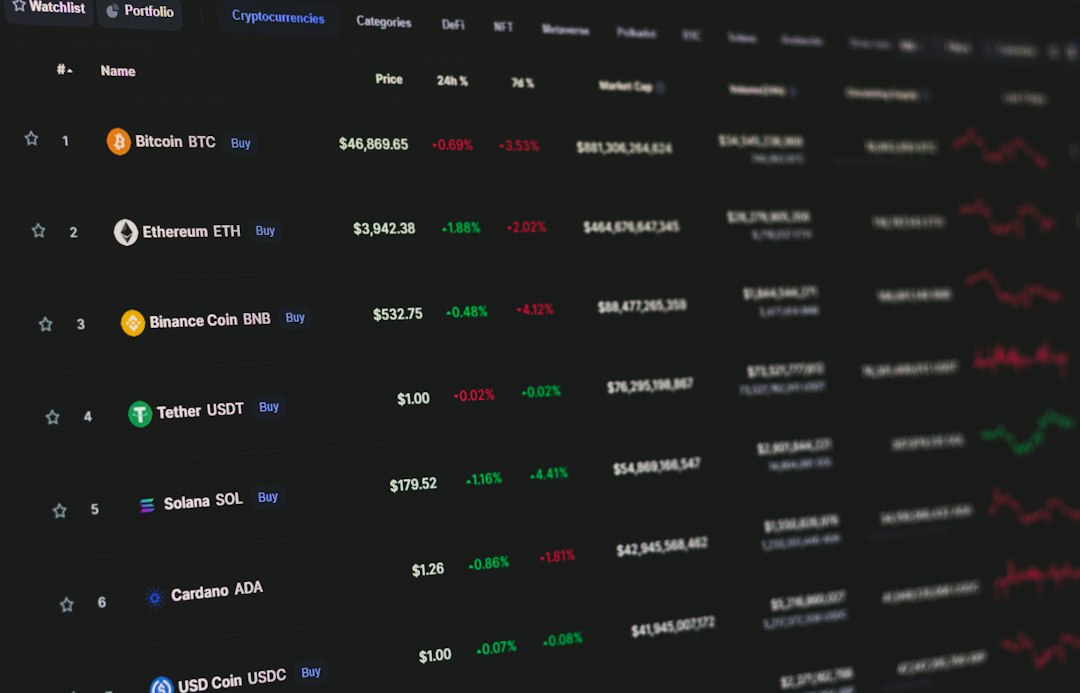
    Cathie Wood Tokenizes .3 Billion Venture Fund to Trade 24/7

    Potential Regulatory Developments

    Research from Career Ahead suggests that the integration of blockchain technology into venture capital could inspire new regulatory frameworks. As more funds tokenize their assets, regulators may be prompted to establish clear guidelines for these transactions. Such regulatory evolution could enhance investor confidence by providing a structured environment where rules and protections are well-defined.

    In summary, the tokenization of venture funds represents a pivotal moment in the evolution of investment strategies. As this trend continues to grow, it will be essential to monitor its impact on the broader market and the strategies employed by venture capitalists and investors alike. The potential for increased participation in venture capital, coupled with the challenges of volatility and regulatory adaptation, will undoubtedly shape the future of investment.

    Cathie Wood Tokenizes .3 Billion Venture Fund to Trade 24/7

    Frequently Asked Questions

    What are the benefits of tokenizing a venture fund?

    Tokenizing a venture fund enhances liquidity, allowing investors to trade their stakes 24/7. This model democratizes access to venture capital, enabling smaller investors to participate in high-growth opportunities.

    How can crypto investors participate in tokenized funds?

    Crypto investors can engage with tokenized funds by purchasing tokens that represent shares in the fund. This allows for more flexible trading compared to traditional venture capital investments.

    What should venture capitalists consider when adopting tokenization?

    Venture capitalists should evaluate the regulatory implications and potential volatility associated with tokenized investments. They must also consider how tokenization may influence their investment strategies and the overall dynamics of the market.


  • Hong Kong’s Digital Bond Sale Could Reshape Investment Strategies

    Hong Kong’s Digital Bond Sale Could Reshape Investment Strategies

    Hong Kong is looking to raise up to $2.6 billion through a record digital bond sale. This initiative, announced on September 24, 2026, is a major step towards digital finance and innovative investments in the region.

    The sale will happen in the coming months. Hong Kong aims to become a leader in the digital bond market. This development is important for financial analysts and investment banking professionals. It could change traditional investment strategies and create new opportunities for digital securities.

    Transforming Traditional Bond Markets

    The digital bond sale marks a shift from traditional bond issuance methods. Hong Kong’s approach uses blockchain technology, which improves transparency and efficiency in the bond market. This change could make the bond issuance process quicker and cheaper for both issuers and investors.

    Career Ahead’s analysis shows that digital bonds may attract a wider range of investors. This includes tech-savvy individuals interested in innovative financial products. Increased liquidity in the bond market could result from easier trading of digital bonds across platforms.

    Additionally, the regulatory framework for digital securities is changing. As noted by billionrecords.org, Hong Kong’s regulatory bodies are creating a supportive environment for digital finance. This includes guidelines that ensure security and compliance, which are vital for gaining investor confidence.

    Investment banking professionals need to adapt to these changes. Understanding digital securities will be crucial. The ability to analyze and assess digital bonds will become more important as these instruments gain popularity.

    Emerging Technologies and Their Impact on Finance

    Emerging technologies are changing how investments are made and managed. Digital bonds are one example of this influence. According to digital.abcaudio.com, the rise of digital assets is creating new investment opportunities for younger, tech-oriented investors.

    Financial analysts must stay ahead of these trends to provide valuable insights. Understanding the technology behind digital bonds, like blockchain and smart contracts, is essential for informed investment decisions. This knowledge will help analysts evaluate the risks and benefits of digital securities more effectively.

    The digital bond market is expected to grow significantly. As more countries explore digital finance, competition will increase. Investment banking professionals who can navigate this changing landscape will likely gain a competitive edge.

    Hong Kong's Digital Bond Sale Could Reshape Investment Strategies

    The regulatory environment will also shape the future of digital bonds. Clearer guidelines from governments and regulatory bodies will make the market more stable and attractive to investors. This could lead to a rise in digital bond offerings worldwide, further transforming the investment landscape.

    Implications for Financial Professionals

    The implications of Hong Kong’s digital bond sale go beyond immediate financial gains. For financial analysts and investment banking professionals, this shift means they must adapt their investment strategies and skills. Career Ahead’s research finds that those who embrace digital finance will be better positioned to seize new market opportunities.

    As digital bonds become more common, analysts need to understand their characteristics and valuation methods. This includes evaluating the underlying technology, market demand, and regulatory compliance. Those who do not adapt may struggle in a competitive environment.

    Moreover, the rise of digital finance will likely affect hiring trends in investment firms. Companies may look for candidates with expertise in digital securities, blockchain technology, and data analysis. This shift could create new roles and career paths in the financial sector.

    In summary, the digital bond sale in Hong Kong is a key moment for the financial industry. It emphasizes the growing role of technology in finance and the need for professionals to adapt. As the market changes, investment strategies must evolve to include digital assets and innovative financing methods.

    It remains to be seen how quickly other regions will follow Hong Kong’s lead in digital bond issuance. The success of this initiative could set a precedent for other countries, potentially reshaping the global bond market in the coming years.

    Frequently Asked Questions

    What are the benefits of investing in digital bonds?

    Career Ahead analysis shows that digital bonds provide increased transparency, lower transaction costs, and better liquidity than traditional bonds. These advantages can attract more investors and make trading easier.

    How can investment banking professionals prepare for digital bond markets?

    To prepare for digital bond markets, investment banking professionals should learn about blockchain technology and digital securities regulations. This knowledge is essential for evaluating digital bonds and advising clients effectively.

    Hong Kong's Digital Bond Sale Could Reshape Investment Strategies

    What skills are needed to succeed in the digital finance sector?

    Success in the digital finance sector requires a strong grasp of emerging technologies, data analysis, and regulatory compliance. Professionals should also develop skills in assessing digital assets and navigating the changing financial landscape.

  • Sebi Resolves Cases Against 91 Commodity Brokers

    Sebi Resolves Cases Against 91 Commodity Brokers

    India — The Securities and Exchange Board of India (Sebi) has finished proceedings against 91 commodity brokers linked to the National Spot Exchange Ltd (NSEL) case. These firms can now join a settlement scheme. This scheme, announced on September 9, 2026, allows brokers to pay settlement fees between ₹6 lakh and over ₹36 lakh, based on their situations.

    The settlement scheme was open from August 25, 2025, to February 25, 2026. It required brokers to agree to temporary restrictions on proprietary trading and onboarding new clients. This decision follows directives from the Securities Appellate Tribunal, aiming for a clear resolution of the ongoing NSEL issue.

    Compliance Changes for Commodity Brokers

    After the settlement, commodity brokers face new compliance requirements that will change their operations. Many brokers have accepted conditions that include a six-month voluntary ban on proprietary trading. This limits their ability to engage in certain trading activities. This change is essential for improving transparency and accountability in the commodity market.

    Career Ahead’s analysis shows that these compliance changes aim to restore confidence in the commodity trading sector, which has suffered from the NSEL crisis. Brokers must now implement stricter internal controls and reporting systems to meet the new regulations. This may require investing in compliance technology and training staff to ensure they comply with the updated standards.

    Brokers must also report their trading activities more transparently. This may include sharing proprietary trading data with Sebi. Such oversight is expected to prevent future violations and encourage ethical trading practices. Brokers will need to adjust their business strategies as these compliance measures take effect.

    Many brokers worry about the financial burden these changes may create, especially for smaller firms. The settlement amounts, while varying, represent a significant financial obligation, particularly for those facing higher penalties. This could lead to consolidation in the industry, as smaller brokers may struggle to meet the new standards. According to a report by Moneycontrol, the financial impact of these settlements could reshape the competitive landscape, making it hard for smaller firms to sustain operations.

    Moreover, the settlement has sparked discussions about the long-term viability of some brokerage firms. They may need to reassess their business models due to rising operational costs. Enhanced compliance measures could also prompt brokers to focus on core competencies to manage costs effectively.

    Regulatory Oversight Changes by Sebi

    The settlement marks a shift in Sebi’s regulatory approach to commodity brokers, indicating stricter oversight. This change is part of a broader effort to ensure that lessons from the NSEL crisis are not forgotten. By setting clear compliance expectations, Sebi aims to prevent similar issues in the future.

    According to legal.economictimes.indiatimes.com, the settlement scheme was created to resolve pending appeals related to the NSEL matter. This proactive step by Sebi is significant. It allows brokers to move forward while still holding them accountable for past actions. The scheme is seen as a balanced approach, stabilizing the market while ensuring compliance with higher standards.

    Additionally, the settlement scheme shows Sebi’s willingness to engage constructively with the industry. By providing a structured compliance path, the regulator fosters an environment where brokers can operate with clarity and confidence. This is vital for rebuilding trust among market participants and investors. As these changes take effect, Sebi is likely to increase its scrutiny of commodity brokers to ensure compliance with the new regulations. This could lead to more frequent audits and inspections, as well as closer examination of trading practices. Brokers must be prepared for a higher level of regulatory engagement.

    Sebi Resolves Cases Against 91 Commodity Brokers

    The financial implications of this settlement are significant. Brokers who agree to pay substantial settlement fees may face liquidity challenges, affecting their ability to fund operations and invest in growth. This could lead to a more cautious approach to business expansion. As highlighted by Niftytrader, the financial strain from these settlements may cause some brokers to rethink their business models, especially as they deal with increased compliance costs.

    The financial impact of the Sebi settlement is profound for the involved commodity brokers. Many, including major firms like Emkay Commotrade and Pace Commodity Brokers, have paid large settlement amounts, affecting their financial health and operations. Emkay Commotrade paid ₹30.84 lakh, while Pace Commodity Brokers paid ₹36.05 lakh, highlighting the heavy financial burden on these firms.

    Career Ahead research indicates that the financial strain from these settlements may lead some brokers to rethink their business models. Smaller firms may find it hard to absorb these costs, potentially leading to industry consolidation. This could result in fewer market players, affecting competition and innovation.

    Moreover, the settlement fees could impact brokers’ pricing strategies. To remain profitable, brokers may need to adjust client fees or reduce their range of services. This could create a less competitive landscape, ultimately affecting traders and investors in the commodity markets.

    In the long run, the settlement may also influence brokers’ investment strategies. With rising compliance costs and financial constraints, brokers may avoid high-risk trading strategies. Instead, they may choose more conservative approaches. This shift could change the dynamics of the commodity market, as brokers become more risk-averse.

    As the industry adapts to these changes, brokers must develop strategies that align with the new regulatory environment. This may involve investing in compliance technologies, improving operational efficiencies, and exploring new business opportunities that comply with updated regulations.

    Ultimately, the Sebi settlement marks a crucial moment for commodity brokers in India. As they navigate these changes, their focus will be on how effectively they can adapt to the new compliance landscape while maintaining their competitive edge.

    It remains to be seen how the market will respond to these changes and whether the regulatory environment will create a more stable and transparent trading landscape for commodity brokers in the future.

    Frequently Asked Questions

    What compliance changes should commodity brokers implement after the Sebi settlement?

    Commodity brokers should improve their internal controls and reporting systems to meet the new compliance requirements from Sebi. This includes being more transparent in trading activities and following the temporary trading restrictions.

    How will the Sebi settlement affect my operations as a commodity broker?

    The settlement will impose temporary restrictions on proprietary trading and onboarding new clients for many brokers. This will require brokers to adjust their business strategies and ensure they meet the new compliance standards.

    Sebi Resolves Cases Against 91 Commodity Brokers

    What steps should financial regulators take following the Sebi settlement?

    Financial regulators should closely monitor the implementation of the new compliance measures. They must ensure that brokers adhere to the updated regulations. This may involve conducting regular audits and inspections to maintain market integrity.