Category: Industry & Global Trends

  • The Enduring Relevance of Design

    The Enduring Relevance of Design

    “If you want a great job which will guarantee you a happy and successful career, design is the way to go”

    Worldwide, creative industries continue to outgrow more established professions year in and year out. If you want a great job which will guarantee you a happy and successful career, design is the way to go. The scholars of today need to keep up with the dynamic pace of change that the world is experiencing. There can be no room for negative thinking. We need to see change as positive and be a positive part of that change.

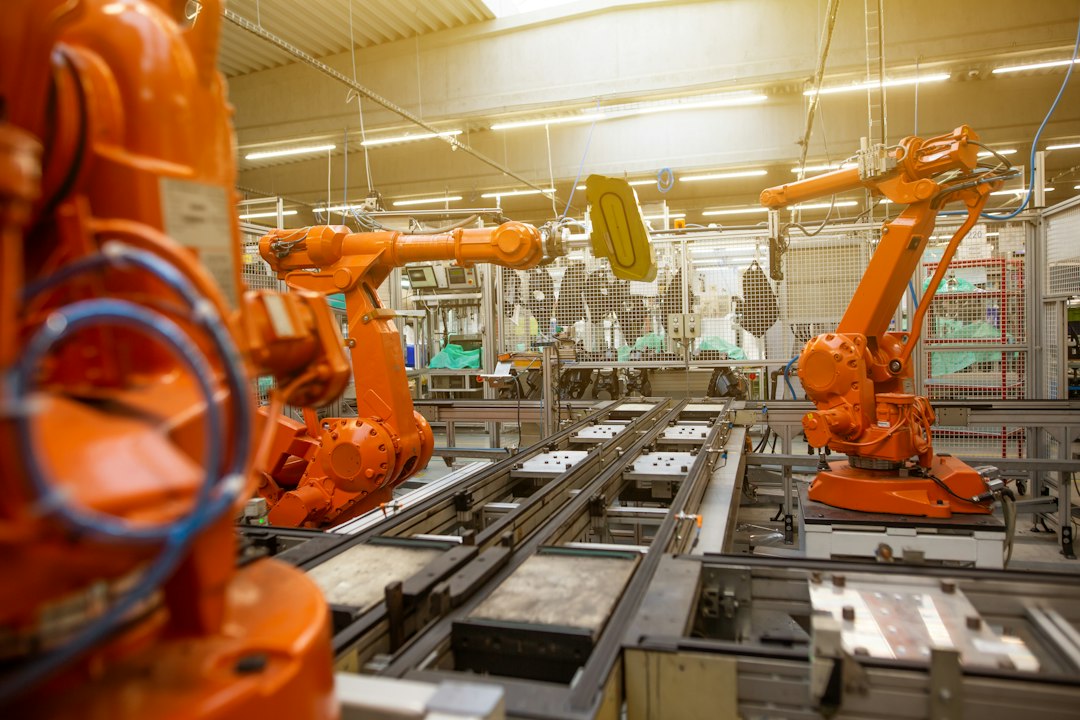
    The advent of AI, which we term as Augmented Intelligence – nothing ‘artificial’ thank you – along with Robotics has brought forth a dramatic paradigm shift to the way the world is developing. Technology is advancing on a daily basis and any responsible organisation will always keep up to date with advances. The soon-to-be world of the students of today will be vastly different to the world we have experienced. AI and Robotics will bring with them a whole new way of working, requiring a whole new skill set.

    Robots are not creative; students of design need to be. The basics of established learning will be eaten into by Big Data, ready for the AI machine to disgorge required information at a frighteningly rapid pace. Actually the word frightening is wrong; I should say exciting, stimulating, empowering pace. It’s all very wonderful, really. When referring to AI and robots we don’t talk about scary technology aimed at ruling the world but rather Aladdin’s genie, eager to please with the power to make magic happen.

    I often refer to the Harvard Business Review for inspiration. After all, you can’t get much better than this. Looking back on past attitudes to development, the status quo could be harsh. The dog-eat-dog, ‘push your way to the top’ philosophy prevailed. Fortunately, those days have gone. It is encouraging to see that the key word that comes out in these articles now is ‘empathy’, and developing empathetic as well as brilliant scholars is at the heart of our endeavour. Of course this more gentle approach does not dismiss the massive change in technology that exists, rather it embraces it. The enhanced human skills of the future needed for growth have been identified.

    Today’s young professionals grew up in an age of mind-boggling technological change, having seen the growth of the internet, the invention of the smartphone, and the development of machine-learning systems. ‘What should I learn today so that I’ll have a job in the future?’ is a question most of them have pondered over at some point.

    “Robots are not creative; students of design need to be”

    I believe we need to concentrate on the following important elements that robots cannot do.

    communication

    Storytelling – how good is it? The most basic form of communication is constructing a compelling story. The good news, from a competitive standpoint, is that most people have turned their brain over to bad software, resulting in the all-too-familiar ‘death by PowerPoint’. Although efforts have been launched to create robot authors, and the impact of robots on fake news and echo chambers is undeniably significant, the ability to communicate compellingly will always be in high demand and hard to automate.

    Content

    Communication must be about a particular topic. If you know a great deal about a given domain, you have a rich base on which to draw. Moreover, if you have an appreciation for the dynamics of that domain, you have something that mere ‘googling’ can never replicate.

    Context

    Automated systems are usually very bad at recognising context. understanding the context, business model, competition, and leadership of a client or an employer makes your understanding of content more useful.

    Management

    Gleaning facts and even finding the solutions to problems is of little help if you cannot manage those facts efficiently. Process is power.

    Emotional Competence

    Robots will never truly understand the human heart. Our options may be set by rationality, but it is emotion that binds us to action. The most basic level of emotional competence is being able to recognise the emotions at play in the context of analysis and action. The next level is the ability to successfully intervene in an emotionally complex situation, when people are hurt or uncertain. At the highest level, emotional competence involves persuading individuals and groups by evoking emotion (while simultaneously recognising that some team members don’t buy into what you’re saying).

    Teaching

    Teaching, or rather, mentoring. If the way we interact with those we are trying to develop becomes the imparting of mere facts, then no good is done. Empathy is vital, care and concern, knowing the individual – all very human qualities.

    Connections

    It is not what you know, but who you know that counts. How often have we heard this? And, although by no means entirely true, there is a lot of reality in this statement.

    An Ethical Compass

    We are beginning to realise just how important ethics and the capacity for moral judgement are in the field of applied AI. The fact that the world will be increasingly controlled by machines lacking an ethical compass amplifies the importance of having people in our future workforce who possess strong moral values.

    Design students need to be ‘equipped for every good work in every way’. That is why they are special.

  • Covid-19 and Teens – Opportunities and Challenges for Teenagers

    Covid-19 and Teens – Opportunities and Challenges for Teenagers

    Just a few weeks ago, which seem distant now, students across the world were at school – playing sports, celebrating special days, hanging out with friends, looking forward to a lot in life. Suddenly it all changed, almost overnight. Schools shut, they became home bound. For a while, not going to school became exciting. However, soon reality dawned and anxiety and frustration became the order of the day. While all were hit hard, teenagers will be the focus here. What was taken for granted now became so much more valued. The new ‘normal’ is a given situation and is not going to go away any time soon. It is here to say. We have to adjust to this new normal.

    Remember:

    YOU ARE NOT ALONE: Teens like you across the world are affected by this pandemic.

    YOU ARE THE CHANGEMAKERS: You are the ones with a trove of ideas.

    YOU ARE INNOVATORS: You can do it.

    YOUR FAMILY LOVES YOU: You love them too.

    Just a few tips for all of the teenagers out there – you may be able to connect with these and implement them in your lives to help pass through these difficult times.

    • Talk and address your anxiety: With your family around you now more than ever, find someone to talk to. It is alright to get angry and emotional. Releasing your stress will help you calm down, and move closer to accepting the situation at hand.
    • Explore your potential: Don’t forget to use your imagination. You could dance, draw, create a blog, publish a video on YouTube; the options are endless. For once, we have all the time in the world. Try to pass this difficult phase by planning and searching for new solutions. Think of it as a stop in time for you to gather ideas and prepare to put them into action when things are on track once again.
    • Stay connected: The virtual space is enormous. Connect with friends virtually; chat, play games, watch movies and have fun. This may be the only time when no one can say that they are busy. Share your worries. Everybody is in the same boat. Sharing halves worries.
    • Skill up: There are a range of opportunities on the internet for you to explore, that can also help shore up your skill set. You never know, it may open another avenue of opportunities for you altogether.
    • Establish routines: It is very easy fall into a state of complacency. Set a routine for waking up, fix your meal times, fix the amount of screen time per day, and so forth.
    • Take up family projects: Take charge of projects where you can involve the entire family, including grandparents; such as organizing family photos or creating a family tree. This is a great topic for calls to grandparents, who can also possibly describe challenging times they have faced in the past, and how the family coped with stress.
    • Practice meditation: Allow yourself some ‘me time’, delve into your inner self and emerge stronger.
    • Feel grateful: Express gratitude. Look outside and be aware of all those who are not as privileged as you. Incorporate acts of kindness in your day by making someone else’s day better with a phone call, text, or social media post. Volunteer to help tutor children of neighbours or friends online.
    • Declutter and donate: It’s time to share. Look around yourself and note what you have that may be of more use to others, and can be shared.

    To sum it all up – If you can’t change a situation, you must accept it as a challenge to use it as an opportunity.

  • Career in Laboratory Medicine after Covid-19

    Career in Laboratory Medicine after Covid-19

    Pathology, or, in current nomenclature, Laboratory Medicine has been the backstage department in healthcare which gives silent support to clinicians. Lab Medicine has various specialisations, such as Pathology, Biochemistry, and Microbiology. In a Pathology Laboratory, there are doctors who have specialised in one of the Laboratory Medicine subjects, a technical team that perform the tests on the bench, and researchers who hold a Ph.D. in basic science subjects.

    After completing your MBBS, you can specialise in Pathology, Microbiology or Biochemistry. In this era of specialisation, most Pathologists super specialise in Hemato-pathology, Histopathology, Cytopathology or Molecular Pathology. Some pathologists still continue to be general pathologists who work in haematology, clinical pathology and cytopathology, and manage the Department of Medicine in smaller healthcare setups. The Clinical Biochemists form the backbone of the laboratory and report all the biochemical tests which help in the diagnosis of thyroid, kidney, and liver diseases to name a few. The Clinical Microbiologists are at the helm of managing the diagnosis of all the infectious diseases such as HIV, hepatitis, urinary tract infection, typhoid, tuberculosis, SARS, and Cov2. They also formulate and manage the infection control practices of hospitals and play a crucial role in the management of outbreaks like the Covid-19 outbreak.

    The Hemato-pathologist specializes after post-graduation in Pathology and helps diagnose all diseases related to blood-cancers such as Leukemia and Lymphoma, as well as other diseases including thalassemia, anemia, and many more. They do this by using sophisticated tools of flow cytometry and molecular biology. The Histopathologist looks at all the biopsy tissues after staining with simple and specialized stains and works closely with the clinician, specially the cancer surgeon, to form a diagnosis.

    For a keen researcher, there is always the option to study new targets for various diseases – to understand the progress of the disease, treatment of the disease and diagnosis of the disease. With treatments being extremely targeted, the role of such researchers is wide.

    Most of the investigations in Laboratory Medicine are performed by trained technicians, who are under-graduates or post-graduates in Laboratory Medicine. These are then analysed and interpreted by specialists in Laboratory Medicine. The technical team are the scaffolding of a laboratory.

    During this Covid-19 period the Laboratory Medicine specialists have been silently working in the laboratory and supporting all emergency testing, in both Covid and non-Covid hospitals. The role of each specialty in Laboratory Medicine is crucial. Covid-19 infection leads to various inflammatory responses for the Biochemist to detect, hematological changes for the Hematologist to diagnose, and for the Microbiologist, the detection of the virus is most exciting. The Microbiologist, along with the Molecular Specialist, would work to detect the virus and also learn more about the response generated by our body. The role of Laboratory Medicine in the post Covid-19 era will be very interesting, especially for the Infectious Disease and Clinical Microbiology specialists.

  • For the Love of Travel and Photography

    For the Love of Travel and Photography

    Travelling – it leaves you speechless and turns you into a story teller.

     – Ibn Battuta

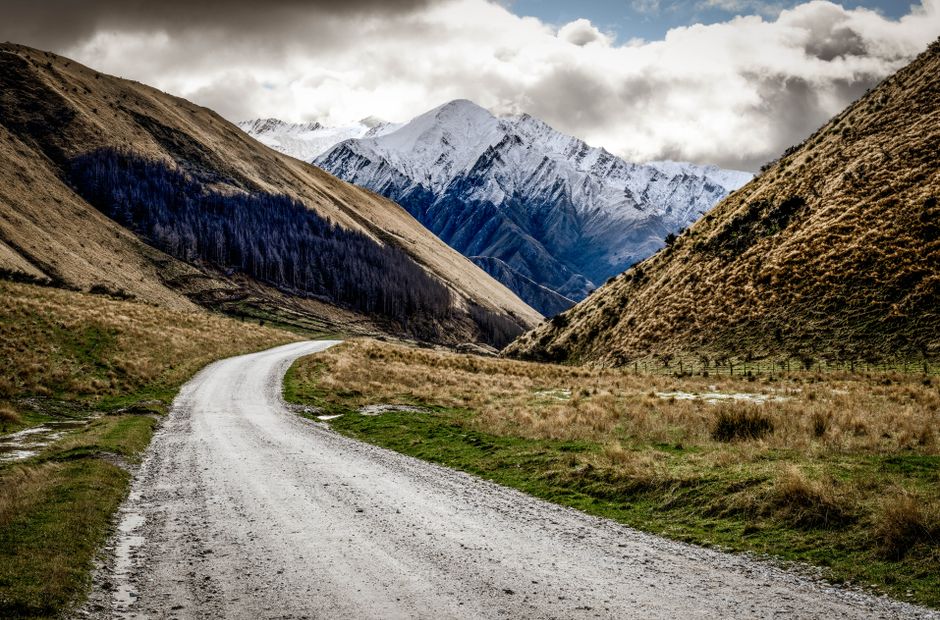
    Travel and you will explore the beauty of this world; where every place will excite you and give new experiences and create memories that will not only bring peace to your mind, but keep your heart happy. My love for photography was innate. I believed in a simple philosophy – anything that is beautiful should be captured and kept in the memory. Today the world is full of opportunities that once were never thought of. Look around and with a little commitment you can turn your dream into reality. In following this profession I have been able to travel to many countries. I experienced locations that I, as a tourist, wouldn’t have cared to go to. I remember once when I had gone to new zealand for a shoot and my team and I trekked to Mt. Cook with all our heavy equipment since there was no mode of transport available, simply so that we could create memories for the people we were shooting for.

    We travelled to Death Valley, Nevada – in the middle of nowhere – for the sheer amazement of it. We waited hours for sunrises and sunsets while indulging in the pleasure of watching the beauty of the wonders created by god. I roamed in the streets of Venice to capture the romance in its old culture. I have shot in the deserts of Dubai, leaving a part of me there. I have been a part of the memories of couples whose life’s journey is just about to begin.

    Shooting is my passion – but it takes an incredible amount of patience, commitment and the heart of a wanderer to get out of your comfort zone and experience the treats this world has to offer. Every place has a uniqueness, just waiting to be explored by a photographer’s perspective. You can weave the story that you want your pictures to tell. Nothing inspires me more than interesting people and gorgeous places, and when you combine the two it is pure magic, and you freeze that time to create memories that will last forever.

    Being a fashion and a travel photographer has its own perks. All you need is a good camera and an eye for your surroundings. You become an independent storyteller and your imagination has no boundaries. But there is lot of hard work needed to get there.

  • Q&A with Papa CJ

    Q&A with Papa CJ

    Hailed by Forbes Magazine as ‘the global face of Indian stand-up’, Papa CJ is an award-winning, world-renowned international stand-up comedian. He has performed over 2000 shows in over 25 countries across the world, and as per the Harvard business Review is ‘one of the most influential comedians around the world’. He holds an MBA degree from the University of Oxford and is an experienced motivational speaker. He has been invited to speak at Harvard University and the University of Oxford.

    Some of his lesser known achievements include being a corporate coach, having trained employees at over 50 blue-chip companies globally; he also consults with brands on concepts and content strategy; and his pet project is his initiative called The Happiness Project, whereby he performs in support of charitable causes across the world. His maiden book, an autobiography titled ‘Naked’, was launched at the Jaipur Literature Festival in January 2020 and has met with excellent reviews all around. We had the opportunity to ask him a few questions about how he came to find his calling in the world of comedy.

    • Growing up in India, do you recall how you first became familiar with the art of stand-up comedy?

    I was exposed to stand-up comedy in the UK. After completing my MBA degree from the University of Oxford I took a job as a management consultant in London. After 3 years in that job I had paid back my loans and so I took a one-year sabbatical. During that year off I went to the Edinburgh Fringe Festival and saw stand-up comedy for the first time. I loved what I saw and three months later I took to the stage for the first time. I did 700 shows across the UK in my first 3 years and have never looked back since.

    • When did you start to think of it as a career option?

    Stand-up comedy in the UK was great for learning the craft but I had to take up jobs on the side to be able to support myself. I moved back to India in early 2008 and did my first multi-city India tour that year. In early 2009, I started the English language comedy circuit in Delhi and slowly English language comedy began to enter the popular conscience. However, I’d say it took till 2011 for me to earn enough to be able to legitimately call stand-up a career option.

    • How did your family react to your decision to shift from a dependable consulting job to stand-up comedy?

    My family has always been incredibly supportive of my endeavors and it was the same with stand-up comedy. It also helped that at no point was I not sustaining myself financially. It was only 10 years into my comedy career that my parents told me that they thought I’d do stand-up as a hobby for 6 months and then stop, but to their surprise I kept going on. 

    • What is the most appealing aspect of your work?

    That would be the fact that I don’t consider it ‘work’. It’s play. And for me there is no high greater than performing in front of a live audience and seeing them laugh.

    • What has been your most memorable performance so far?

    I have performed to a sold out Sydney Opera House and prestigious stages in New York, Las Vegas, Johannesburg, London, Singapore and many other cities across the world. However these aren’t the shows that give me the most joy. Under my pro-bono initiative called The Papa CJ Happiness Project, I visit the homes and hospital rooms of people who have been unwell for a long time. Those are the performances that mean the most for me because I am not only able to lift the spirits of someone who has been in an unhappy space for a while but also bring tears of joy to their loved ones by making their family member laugh.

    • How have you seen yourself evolve over the years?

    The first line in my autobiography titled ‘Naked’ is ‘stand-up comedy is an outward expression of an inward journey’. The answer to this question is pretty much the whole book and you’ll have to read it to find out.

    • If it were magically possible to do so, (knowing what you now know) would you change anything about your education and the path you chose?

    As cliché as it sounds, I don’t think that way. You do what you feel is right at the time and my life choices are what have brought me to where I am today. So I wouldn’t change anything.

  • From Impossible to Possible, Through Yoga

    From Impossible to Possible, Through Yoga

    I met Guruji, Dr. B.K.S. Iyengar in 1996, at the lowest point in my life; and there was no looking back after that. After suffering for almost 12 years and being virtually bedridden, when I had to use a wheelchair I felt that all doors had closed for me. I felt utterly helpless and hopeless. Doctors said that I could never ever live a normal life again. Spinal surgery was presented as my last option, as I had suffered a slipped disc at the age of 15; and as no x-ray revealed this at the time, the condition was not treated properly. I was so disheartened that I wrote, ‘I Can Never Ever Become Alright Again’ on a paper with a bold, black marker, and stuck it on my study table. It was impossible for someone as young as I was to accept that she had become an invalid.

    Luckily, Guruji diagnosed my problem without even looking at my MRI reports. He only needed a glimpse of the part of my neck that was visible above the t-shirt to know what the problem was. In that moment, I realized how learned he was. That was when I decided to surrender myself fully to his knowledge and experience. It was an instant connection, like that between a mother and child.

    I never realized it at that time, but Guruji had seen some unusual qualities in me, right then. Finally my training began and he admitted me into the Medical Class, which took place on Tuesdays and Wednesdays. When I heard that the class was only twice a week, I thought this was too little; but I soon realized that those two classes would make me tired for the rest of the week! All of a sudden, a body that lay flat on the bed became alive and active.

    As a scientist, I was amazed to see Guruji’s knowledge and experience, as he had not studied in school beyond Class Eight. Generally, in the Medical Class Guruji never explained the logic of what he was doing to any student, but he would make it a point to explain it all to me. Interestingly enough, I would theoretically understand what he said and slowly my body also started responding.

    On the twelfth day of my medical class, he asked me to perform Adhomukha Vrikshasana (hand-stand) and I looked at him with a bewildered expression, wondering how I could lift my heavy body on my weak and non-functional hands, but by the time I could understand anything he had positioned me to stand on my two hands. I suddenly realised that my non-functional hands could be made functional by practicing every day and the confidence which I had lost for twelve years, was back in a mere twelve days.

    When he started training me there were many different poses every day, as he was giving me sequences according to my needs, which changed with the daily progress. These were difficult poses for any normal person, and yet I was able to do them. I can attribute my success in learning those asanas to the unique qualities of Iyengar yoga:

    1. Sequencing of asanas
    2. Timing of asanas
    3. Improvisation of asanas
    4. Usage of props invented by Dr. B.K.S Iyengar.

    These qualities are what make Iyengar Yoga extraordinary, and they are the reason why it can be practiced by everyone, no matter what their physical condition may be. The results are phenomenal.

    I did not even realize it, but at some point in time, while healing me, Guruji began to train me as a future Teacher. Now I feel that he had already decided that I had to open the first Iyengar Yoga Centre in India’s capital, New Delhi; which had been his dream for forty long years. ‘Yogakshema’ is the first Iyengar yoga centre in Delhi, which I established, and it was inaugurated by Dr. B.K.S Iyengar on 25th April, 2007. At Yogakshema, I conduct normal and medical classes to help suffering humanity. The thought in my mind which gave birth to Yogakshema was – “Whatever I have lost nobody should, and what I have achieved through yoga should be shared with all.”