Category: Industry & Global Trends

  • Euclyd Secures €200 Million for Semiconductor Innovation

    Euclyd Secures €200 Million for Semiconductor Innovation

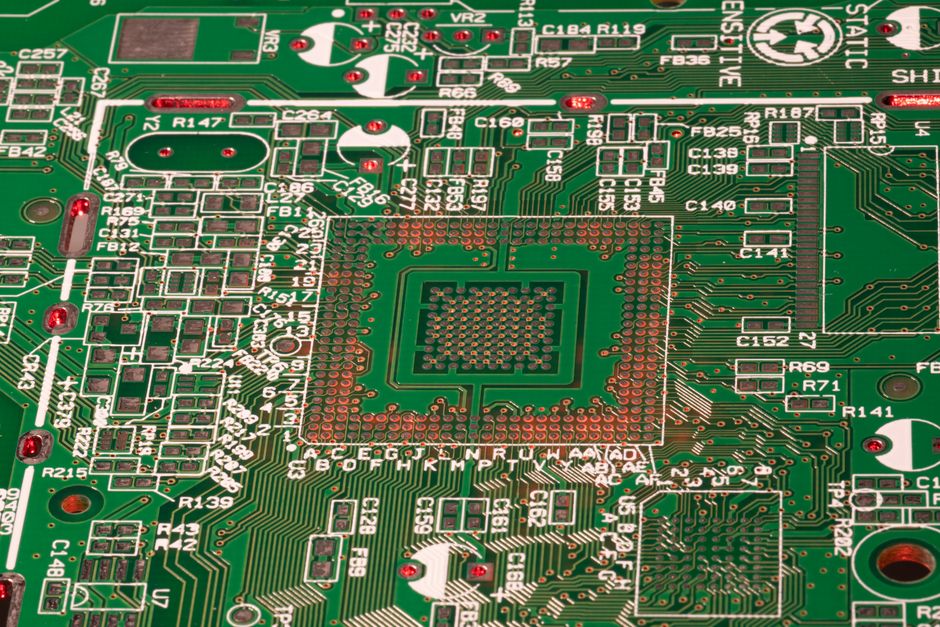
    Euclyd, a Dutch AI chip startup, has successfully raised over €200 million in a Series A funding round, backed by notable investors including former ASML CEO Peter Wennink. This substantial investment aims to enhance AI inference infrastructure and positions Euclyd as a key player in the semiconductor industry.

    The funding comes at a time when the semiconductor sector is experiencing a significant resurgence, driven by increasing demand for advanced AI technologies. Euclyd’s innovative approach to chip design is expected to address the growing need for efficient AI processing capabilities, which is critical for various applications across numerous industries.

    Funding Signals Growth in Semiconductor Innovation

    The €200 million funding round is a clear indicator of the rising interest in semiconductor innovation. Euclyd plans to use this capital to develop cutting-edge AI chips that promise to improve processing efficiency significantly. According to konsulteer.com, the company aims to create chips that can handle complex AI tasks with greater efficiency, which would be a game-changer in the industry.

    As Euclyd embarks on this ambitious project, it is likely to attract top-tier talent in chip design and engineering. The influx of capital can lead to the creation of specialized roles focused on AI chip architecture, design, and testing. This trend points to a broader shift in the semiconductor job market, where demand for skilled engineers is expected to surge.

    Research from Career Ahead indicates that the focus on AI efficiency in chip design is indicative of a larger trend within the tech industry. Companies are increasingly seeking to optimize their hardware for AI applications, which could lead to a shortage of qualified engineers capable of meeting these new demands. Euclyd’s growth could catalyze a ripple effect, prompting other startups to seek similar funding and innovation paths.

    Moreover, the technological advancements driven by Euclyd’s funding could enhance AI capabilities across sectors such as healthcare, automotive, and finance. The ability to process data more efficiently will likely lead to faster decision-making and improved outcomes in these fields, further solidifying the importance of semiconductor innovation.

    Job Opportunities in Semiconductor Startups

    The significant funding raised by Euclyd is expected to create numerous job opportunities within the semiconductor sector. As the company expands its operations to develop new AI chips, it will require a diverse range of skills, from hardware engineering to software development.

    Reports from eu-startups.com highlight that this funding will not only enable Euclyd to hire engineers but also attract talent from other tech companies and startups. The semiconductor industry is known for its competitive landscape, and the prospect of working on cutting-edge technology will likely draw skilled professionals eager to be part of an innovative environment.

    Additionally, as Euclyd grows, it may inspire other ventures in the semiconductor space, leading to a broader hiring wave across the industry. This trend aligns with the increasing venture capital interest in tech startups, particularly those focused on AI and machine learning applications.

    Euclyd Secures €200 Million for Semiconductor Innovation

    Career Ahead’s research identifies that the semiconductor sector is poised for a talent shortage, especially in advanced chip design. As startups like Euclyd emerge and seek to innovate, they will need engineers who are not only skilled in traditional chip design but also familiar with AI technologies and methodologies.

    For chip design engineers, this presents a unique opportunity to position themselves in a rapidly evolving market. Those who can adapt to the demands of AI-driven designs will find themselves in high demand, making it essential for professionals to stay informed about the latest trends and technologies in the semiconductor industry.

    Shifting Trends in Venture Capital Investment

    The funding landscape for semiconductor startups is evolving, with increasing venture capital interest signaling a shift in investment strategies. Euclyd’s recent funding round exemplifies the growing confidence investors have in the semiconductor sector, particularly in companies focused on AI technologies.

    As highlighted by finance.yahoo.com, the influx of over €200 million into Euclyd is part of a larger trend where venture capitalists are prioritizing investments in tech startups that offer innovative solutions to pressing challenges. This trend reflects a broader recognition of the semiconductor industry’s critical role in powering the future of technology.

    Moreover, the focus on AI and machine learning applications is reshaping how venture capitalists assess potential investments. Startups that can demonstrate a clear path to innovation and efficiency are more likely to attract funding, as investors seek to capitalize on the growing demand for AI capabilities.

    Euclyd Secures €200 Million for Semiconductor Innovation

    Career Ahead analysis shows that this shift in venture capital investment strategies could lead to increased competition among startups in the semiconductor space. Companies that fail to innovate or adapt to changing market demands may struggle to secure funding, while those that can deliver cutting-edge technology will thrive.

    The implications of this trend are significant for chip design engineers and tech investors alike. As the landscape becomes more competitive, professionals in the semiconductor industry must continuously enhance their skills and knowledge to remain relevant, while investors should keep a close eye on emerging startups that show potential for growth and innovation.

    With Euclyd’s ambitious plans and the backing of experienced leaders, the future of semiconductor innovation looks promising. The next few years will likely reveal how effectively these investments translate into technological advancements and job creation in the industry.

    Frequently Asked Questions

    What skills are needed for chip design engineers in startups?

    Chip design engineers in startups need a strong foundation in electrical engineering and computer science, along with expertise in AI technologies. Familiarity with hardware description languages and design tools is also crucial for success in this fast-paced environment.

    How can venture capitalists identify promising semiconductor startups?

    Venture capitalists can identify promising semiconductor startups by analyzing their technology’s potential impact on the market, the team’s expertise, and their ability to innovate. Understanding industry trends and assessing the competitive landscape are also essential for making informed investment decisions.

    Euclyd Secures €200 Million for Semiconductor Innovation

    What should chip design engineers do to prepare for emerging technologies in the industry?

    Chip design engineers should stay updated on the latest advancements in AI and semiconductor technologies. Engaging in continuous learning through online courses and industry conferences can help them remain competitive as the field evolves.

  • China Thaw Could Give Indian Manufacturing a Boost, Oxford Says

    China Thaw Could Give Indian Manufacturing a Boost, Oxford Says

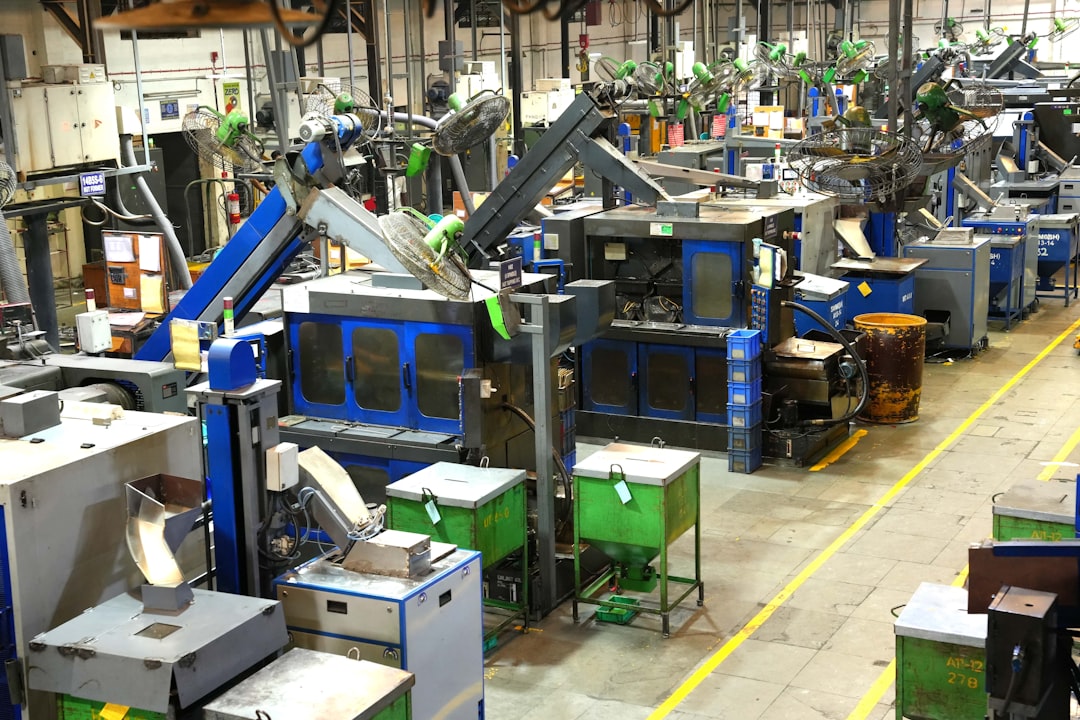
    India’s manufacturing sector stands on the brink of significant transformation as relations with China show signs of improvement. A recent analysis from Oxford Economics indicates that this thaw could lead to increased foreign investment in Indian manufacturing, reshaping supply chain dynamics across the region. As global companies reconsider their supply chains, Indian manufacturers are positioned to attract new business and technological advancements.

    The shift in relations comes at a crucial time when many companies are looking to diversify their supply chains away from China. The ongoing geopolitical tensions between the US and China have prompted firms to seek alternatives, and India is emerging as a viable option. This situation presents a unique opportunity for Indian manufacturers to enhance their competitiveness on the global stage.

    Increased Foreign Investment in Indian Manufacturing

    With the easing of tensions between India and China, foreign investors are increasingly looking towards India as a manufacturing hub. According to Oxford Economics, the potential for growth in this sector is substantial, with projections indicating a rise in foreign direct investment (FDI) aimed at Indian manufacturing facilities. This influx of capital can lead to the establishment of new factories, creating jobs and stimulating local economies.

    Furthermore, the Indian government has implemented several initiatives to attract foreign investment, including the Make in India campaign. These efforts aim to simplify regulations and provide incentives for foreign companies to set up operations in India. As a result, companies that were previously hesitant to invest in India due to political uncertainties may now view the country as a stable and promising environment for their operations.

    Career Ahead’s analysis shows that sectors such as electronics, automotive, and textiles are likely to benefit the most from this investment surge. For instance, companies like Amber Group India are already expanding their operations in response to the anticipated increase in demand. This trend not only enhances India’s manufacturing capabilities but also boosts its position in the global supply chain. According to a report from Business Today, India’s ambition to become a $5 trillion economy heavily relies on the growth of its manufacturing sector, which is expected to play a pivotal role in urbanization and research and development.

    Moreover, as foreign companies establish a presence in India, they often bring advanced technologies and practices that can elevate local manufacturing standards. This technology transfer can help Indian firms improve efficiency and product quality, further enhancing their competitiveness in the global market. The collaboration between local firms and foreign investors can also lead to the development of innovative products tailored to meet both domestic and international demands.

    Shifts in Supply Chain Dynamics Favoring Indian Firms

    The evolving landscape of global supply chains is increasingly favoring Indian manufacturers. As companies worldwide reevaluate their supply chains, many are moving away from a heavy reliance on China. This shift is driven by a desire to mitigate risks associated with geopolitical tensions and supply chain disruptions experienced during the COVID-19 pandemic.

    India’s strategic location and its growing infrastructure capabilities make it an attractive alternative for companies looking to diversify their supply chains. The government’s investment in infrastructure, such as ports, roads, and logistics facilities, enhances the efficiency of moving goods within and outside the country. This improved infrastructure is essential for manufacturers who need to ensure timely delivery and cost-effective operations. According to Oxford Economics, the potential for Indian manufacturing to capitalize on US-China tensions is significant, as firms seek to establish more resilient supply chains.

    Career Ahead research identifies that Indian manufacturers can capitalize on this shift by focusing on sectors where they have a competitive advantage. For example, India is already a leader in pharmaceuticals and textiles, and with the right investments, it could expand its influence in other sectors like electronics and automotive parts. Companies that can adapt quickly to these changing dynamics will likely see significant growth in the coming years.

    China Thaw Could Give Indian Manufacturing a Boost, Oxford Says

    Additionally, companies that establish strong partnerships with local suppliers and leverage India’s vast workforce can create a more resilient supply chain. This local sourcing strategy not only reduces costs but also aligns with the growing consumer preference for sustainable and locally sourced products. As Indian firms become more integrated into global supply chains, they will need to enhance their technological capabilities to remain competitive. This includes investing in automation, data analytics, and other advanced manufacturing technologies that can streamline operations and improve product quality.

    The thaw in relations with China also opens the door for potential technology transfer to Indian manufacturers. As Chinese companies look to expand their operations internationally, they may seek partnerships with Indian firms to leverage local market knowledge and resources. This collaboration can lead to the sharing of technology and best practices that can enhance India’s manufacturing capabilities. Career Ahead analysis finds that such technology transfers can significantly boost productivity in the Indian manufacturing sector. By adopting advanced technologies, Indian manufacturers can reduce production costs and improve efficiency, making them more competitive on the global stage.

    Moreover, technology transfer can also lead to the development of a skilled workforce in India. As Indian manufacturers adopt new technologies, there will be a growing demand for skilled workers who can operate and maintain these systems. This shift presents an opportunity for educational institutions and training programs to align their curricula with industry needs, ensuring that the workforce is equipped with the necessary skills.

    Ultimately, the combination of increased foreign investment, favorable supply chain dynamics, and technology transfer can position Indian manufacturers for significant growth in the coming years. However, it will require strategic planning and adaptation to fully capitalize on these opportunities. The future looks promising for Indian manufacturing as the thaw in relations with China unfolds. As global companies continue to reassess their supply chains, Indian manufacturers must remain agile and ready to seize the opportunities that arise. Will India emerge as a leading manufacturing hub in the next decade? Only time will tell.

    Frequently Asked Questions

    What strategies should manufacturing executives in India adopt to benefit from the China thaw?

    Manufacturing executives should focus on enhancing their technological capabilities and establishing partnerships with foreign firms to leverage new opportunities. Investing in advanced manufacturing technologies and local sourcing strategies will also be crucial for staying competitive.

    How will changes in supply chain dynamics affect supply chain managers in India?

    Supply chain managers will need to adapt to new sourcing strategies and strengthen local supplier networks. As companies diversify their supply chains away from China, Indian managers must ensure efficiency and reliability in logistics and operations.

    China Thaw Could Give Indian Manufacturing a Boost, Oxford Says

    What should manufacturing executives do about potential foreign investments from China?

    Manufacturing executives should actively seek partnerships with Chinese firms looking to invest in India. By collaborating with these companies, they can gain access to advanced technologies and best practices that can enhance their operations.

  • Biren’s $1 Billion Sale Shakes AI Chip Investments

    Biren’s $1 Billion Sale Shakes AI Chip Investments

    China’s AI chip star, Biren Technology, is considering a share sale worth up to $1 billion. This announcement, made on September 15, 2026, could greatly impact the AI chip market and attract investor interest.

    Biren aims to raise capital in a fast-changing AI landscape. Demand for advanced chips is growing rapidly. This potential share sale is more than just a financial move; it reflects wider trends in tech funding and valuation in the AI sector.

    Market Valuation and Investor Sentiment

    Biren’s planned share sale may change how the market values AI chip companies globally. Analysts are eager to see how this affects investor sentiment in the sector. Generally, successful capital raises in tech boost investor confidence, often leading to stock price increases.

    A report from sohu.com notes that the AI chip market in China is highly competitive. Many companies are competing for market share. Biren’s plan to raise significant capital may help it stand out against rivals, possibly leading to a higher valuation that impacts the entire market.

    Additionally, Career Ahead’s analysis shows that the trend of raising capital in AI signals growth potential. Investors should see Biren’s share sale as a sign that companies are preparing to meet the rising demand for AI applications.

    The timing of this share sale is also important. Global interest in AI technology is at an all-time high. Biren is likely to attract major investment. Investors will closely monitor how this influx of capital translates into technological progress and market positioning.

    Financial Implications for AI Chip Investors

    The financial effects of Biren’s share sale go beyond just raising capital. Investors in AI chip companies worldwide should think about how this move might influence stock prices in the sector. A successful share sale could raise valuations for Biren and its competitors.

    Webpronews.com highlights that the AI chip market is shifting due to U.S. sanctions on some Chinese tech firms. This creates a unique environment where companies like Biren can thrive. Investors must recognize that market dynamics are changing, presenting both risks and opportunities.

    Moreover, the capital from Biren’s share sale could allow the company to invest more in research and development. This could improve its products and lead to breakthroughs in AI chip technology. Investors should consider how these developments may impact their portfolios soon.

    Career Ahead’s review of market trends suggests that investors should stay alert as the AI chip sector evolves. The link between capital raising and technological advancement is key to understanding future valuations.

    Investors should also watch how Biren’s competitors react to this share sale. If other companies raise similar amounts, it could create a more competitive market, affecting AI chip pricing and availability.

    Trends in AI Chip Development Funding

    The trend of raising large amounts of capital in the AI chip sector is not limited to Biren. Companies worldwide are seeking funding to support their growth in this fast-evolving field. This shows a strong investor interest in AI technology and its applications.

    Data from marketscreener.com indicates that the AI chip market is expected to grow significantly in the coming years. This growth is fueled by rising demand for AI applications in various industries, such as healthcare, finance, and automotive. Biren’s share sale reflects this trend, as companies seek funding to meet expected demand.

    Furthermore, the rise of venture capital in AI technology is notable. Investors are increasingly interested in AI, recognizing its potential to transform industries. Biren’s decision to raise $1 billion could draw more investment into the sector, signaling confidence in future growth.

    Biren's  Billion Sale Shakes AI Chip Investments

    As competition in the AI chip landscape intensifies, companies must innovate continuously. Funding from share sales like Biren’s will likely be crucial for driving technological advancements and maintaining market relevance.

    Looking ahead, the effects of Biren’s share sale go beyond immediate financial gains. Investors should think about the long-term impact of increased funding on the AI chip market as companies work to innovate and differentiate their products.

    In a rapidly evolving AI technology landscape, Biren’s move could set a standard for other companies in the sector. The market is ready for significant changes, and stakeholders must stay alert to these developments.

    Frequently Asked Questions

    What should investors consider before investing in AI chip companies?

    Investors should assess the competitive landscape and potential for technological advancements. Biren’s share sale shows a growing market, but geopolitical risks remain.

    How will Biren’s share sale affect the overall AI chip market?

    Biren’s share sale is likely to boost investor confidence and valuations in the AI chip sector. A successful capital raise may encourage other firms to follow, increasing competition.

    Biren's  Billion Sale Shakes AI Chip Investments

    What trends are emerging in AI chip funding and investment?

    There is a clear trend of rising capital raises in the AI chip sector, driven by growing demand for AI applications. Companies are seeking substantial funding to enhance their technological capabilities and market positions.

  • Tech Stocks Plunge as AI Leaders Urge Development Slowdown

    Tech Stocks Plunge as AI Leaders Urge Development Slowdown

    Tech stocks in the US and Europe fell sharply after AI leaders called for a slowdown in AI development. This decline has raised concerns about funding for AI projects and the job market in the sector.

    The drop in stock prices followed warnings from key figures in the AI industry. They expressed worries about the safety of advanced AI systems and emphasized the need to pause for ethical considerations and risk assessment.

    Funding Implications for AI Projects

    As AI leaders push for a slowdown, investors are becoming more cautious. Career Ahead’s analysis shows this could tighten funding for AI projects that do not prioritize safety and ethics. Investors may focus on companies committed to responsible AI development.

    Research from bullishbears.com indicates that the market’s reaction shows increased sensitivity to regulatory pressures. Companies that do not align with new safety standards may struggle to secure investment. This trend could reshape AI funding, favoring those who prioritize ethical frameworks.

    The decline in tech stock prices suggests that investors are reassessing their portfolios. Many tech firms are heavily invested in AI. Those that do not adapt to the new safety narrative may face significant financial challenges. Investors are likely to seek firms proactive in addressing these concerns, leading to a potential reallocation of resources within the tech sector.

    Career Ahead’s research points to a shift in the types of AI projects receiving funding. Projects focused on transparency, accountability, and ethical AI use are likely to attract more investment. Meanwhile, those seen as risky may struggle. This shift will affect funding and influence the types of innovations emerging from the AI sector.

    As a result, software engineers and AI researchers may need to adjust their projects to align with these funding trends. Those who adapt quickly will be better positioned to secure funding and advance their careers.

    Job Market Shifts Towards Ethical AI Applications

    The push for a slowdown in AI development will likely have major implications for the job market. Career Ahead’s analysis finds that as companies prioritize safety and ethics, job opportunities will increasingly favor roles focused on responsible AI practices.

    Software engineers with skills in ethical AI design, compliance, and safety protocols will be in high demand. Data from research.investors.com shows companies are already seeking professionals to help navigate AI regulations and ethical frameworks.

    This shift may also lead to new job titles and specializations in the tech industry. Roles like AI ethics consultants and compliance officers are expected to become more common. This reflects the industry’s growing focus on responsible AI development. Software engineers who pivot towards these areas will likely have an advantage in the evolving job market.

    Tech Stocks Plunge as AI Leaders Urge Development Slowdown

    Moreover, the emphasis on ethical AI may influence educational institutions. Universities and training programs could change their curricula to include more on AI ethics. This will prepare the next generation for a landscape that values safety over speed. This educational shift is crucial for ensuring future engineers meet the demands of a changing job market.

    However, this transition may not be easy. Engineers and researchers used to rapid innovation may struggle to adapt to new priorities. Those who cannot pivot may face job displacement as companies seek talent that aligns with their evolving values.

    Ultimately, the AI industry is at a crossroads. With funding and job opportunities increasingly tied to ethical considerations, professionals must stay informed and adaptable to thrive in this new environment.

    The Future of AI Development: A Balancing Act

    The calls for a slowdown in AI development raise important questions about the industry’s future. While the push for safety and ethics is vital, it must balance the need for innovation and progress. Career Ahead’s analysis suggests that finding this balance will be key to the industry’s long-term success.

    As regulatory scrutiny increases, companies will need to navigate the fine line between innovation and responsibility. Those that successfully integrate ethical considerations into their processes while continuing to innovate will likely become leaders in the field.

    The global nature of the AI industry means that developments in one region can impact others. As countries implement their own regulations and safety standards, companies operating internationally will need to adapt to a patchwork of rules. This complexity could create both challenges and opportunities for AI firms.

    Tech Stocks Plunge as AI Leaders Urge Development Slowdown

    In the coming months, it will be crucial to monitor how these dynamics unfold. The AI sector must address safety concerns without stifling innovation. Companies that succeed in this balancing act will shape the future of AI development and influence the broader tech landscape.

    As the industry faces these challenges, the question remains: How will companies adapt to the changing landscape of AI development, and what new innovations will emerge?

    Frequently Asked Questions

    What are the implications of slowing down AI development for AI researchers?

    Career Ahead analysis shows that AI researchers may face pressure to align their projects with ethical standards. This shift could lead to a greater focus on safety protocols and responsible AI practices.

    How should tech investors adjust their portfolios in light of AI safety concerns?

    Investors should focus on companies that prioritize ethical AI development. Career Ahead research indicates that firms committed to safety and compliance are likely to attract more investment now.

    Tech Stocks Plunge as AI Leaders Urge Development Slowdown

    What steps should software engineers take to align with new AI safety regulations?

    Software engineers should enhance their skills in ethical AI design and compliance. Career Ahead’s findings suggest that engineers who navigate AI regulations will be better positioned for future job opportunities.

  • iBRICS Charter Accelerates Digital Assets Expansion | Career Outlook

    iBRICS Charter Accelerates Digital Assets Expansion | Career Outlook

    New Delhi, India — The inaugural iBRICS Summit 2026 ended with the signing of the iBRICS DART Charter. This framework aims to boost cooperation on digital assets and cross-border payments among BRICS nations. It seeks to improve interoperability between Central Bank Digital Currencies (CBDCs) and streamline multi-currency clearing. This marks a major change in the financial landscape of the Global South.

    The summit, organized by the Sovereign Wealth Fund Institute (SWFI), gathered over 500 institutional investors, government representatives, and business leaders. The DART Charter is expected to integrate payment systems like India’s Unified Payments Interface (UPI) and Brazil’s Pix. This will reduce reliance on traditional dollar-based payment systems. Many BRICS leaders echoed this sentiment, highlighting the need to lessen dependence on the US dollar for international trade.

    Increased Regulatory Clarity for Digital Assets

    The iBRICS DART Charter introduces a structured approach to regulating digital assets. This framework is crucial for fintech startups as it creates a clearer regulatory environment. Such clarity has been a major barrier to innovation in the digital asset space. Career Ahead research shows that with the BRICS DART Working Group, fintech startups can expect a more predictable regulatory landscape. This predictability will help them innovate without fearing sudden regulatory changes.

    Moreover, the charter emphasizes local currency settlements and the tokenization of real-world assets, such as gold and oil. This move aligns with the UN Sustainable Development Goal of reducing cross-border transfer costs. It also opens new opportunities for fintech startups to develop solutions for local markets. Startups can now create platforms for asset tokenization, attracting investments from both local and international players. The potential for tokenization extends beyond assets; it can also include services and products, enhancing liquidity and market access.

    As regulatory frameworks become clearer, blockchain developers can use these changes to build compliant solutions for BRICS nations. The DART Charter’s focus on interoperability means developers must create systems that integrate various digital currencies and payment platforms. This will enhance user experience and expand market reach. Interoperability is vital for a cohesive financial ecosystem, allowing different currencies to be exchanged easily, thus promoting economic collaboration among member states.

    In essence, the DART Charter could spark innovation in the fintech sector. It encourages startups to explore new business models centered around digital assets. As the regulatory environment stabilizes, investment in these startups may rise, fostering a vibrant fintech ecosystem within BRICS nations. The charter’s focus on collaboration and shared resources among member countries could lead to significant advancements in financial technology, benefiting both BRICS nations and the global economy.

    New Opportunities for Cross-Border Payment Solutions

    The DART Charter aims to transform cross-border payment solutions by promoting collaboration among BRICS countries. This collaboration seeks to create a unified payment infrastructure for faster and cheaper transactions. Currently, cross-border payments face high fees and slow processing times, mainly due to traditional banking channels. Career Ahead analysis suggests that integrating systems like UPI and Pix could significantly lower transaction costs and processing times. This would make it easier for businesses to operate across borders, potentially increasing trade and investment among BRICS nations.

    This new payment framework is likely to inspire fintech startups to create innovative solutions for cross-border transactions. For example, startups could develop platforms that allow businesses to transact directly in their local currencies. This would help avoid costs related to currency conversion and intermediary banks. Such solutions would enhance efficiency and appeal to businesses looking to expand internationally. Transacting in local currencies can also reduce risks from currency fluctuations, providing businesses with more financial stability.

    Furthermore, the focus on multi-currency clearing will enable fintech companies to offer services for diverse markets within BRICS nations. This could lead to new partnerships between fintech firms and traditional banks. Together, they can create solutions that meet a broader customer base’s needs. Collaboration between tech innovators and established financial institutions can drive growth and improve the region’s financial infrastructure. As these partnerships grow, they may also lead to new regulatory frameworks that support innovation and growth in the fintech sector.

    iBRICS Charter Accelerates Digital Assets Expansion | Career Outlook

    As these opportunities arise, blockchain developers will play a key role in creating the technology for new payment systems. With the DART Charter promoting interoperability, developers must build robust platforms that can handle multiple currencies and comply with different regulatory requirements. This adaptability is crucial for ensuring that developed solutions are both innovative and sustainable in the long term.

    The iBRICS DART Charter is more than just a regulatory framework; it also lays the groundwork for potential partnerships among BRICS nations. By encouraging collaboration in the digital asset space, the charter promotes resource, knowledge, and technology sharing. This cooperative approach can lead to joint initiatives that benefit all member states, especially in the fintech sector.

    In summary, the DART Charter presents a significant opportunity for fintech startups and blockchain developers to innovate within a supportive regulatory environment. As these partnerships develop, they may reshape the future of cross-border payments and digital assets, driving economic growth across the Global South. The impact of the DART Charter will be closely watched. Will this new framework effectively encourage innovation and collaboration among BRICS nations, or will it face challenges in implementation? The coming months will reveal the true potential of this initiative and its implications for the global economy.

    Frequently Asked Questions

    What are the implications of the iBRICS charter for fintech startups?

    The iBRICS charter provides a clearer regulatory framework for fintech startups. This allows them to innovate more freely in the digital asset space. It also opens new avenues for cross-border payment solutions, enhancing market opportunities.

    How can blockchain developers leverage new regulations from the iBRICS Summit?

    Blockchain developers can benefit from the DART Charter’s focus on interoperability and asset tokenization. They can create compliant solutions that meet the needs of BRICS nations by building systems that integrate various digital currencies and payment platforms.

    iBRICS Charter Accelerates Digital Assets Expansion | Career Outlook

    What should cross-border payment specialists do to adapt to changes from the iBRICS Summit?

    Cross-border payment specialists should focus on developing solutions for local currency transactions. This will reduce reliance on traditional banking channels. The DART Charter encourages innovation in this area, creating opportunities for new payment platforms.

  • China's factory output growth quickens

    China's factory output growth quickens

    China’s industrial output grew by 5.2% in August 2026. This is an increase from 4.5% in July, according to the National Bureau of Statistics. The growth surpassed analysts’ expectations of 4.8%, showing a rise in manufacturing activity. However, retail sales only increased by 0.4%, which is slower than the expected 0.8%. This highlights possible challenges in consumer demand.

    The rise in industrial output is good news for manufacturing engineers in China. It suggests that factories are increasing production, which could create new job opportunities. However, the slowdown in retail sales raises concerns about how sustainable this growth is and what it means for the economy.

    Impact of Industrial Output Growth on Manufacturing Jobs

    The 5.2% growth in industrial output may have a positive effect on the manufacturing sector. As factories ramp up production, the need for skilled labor will increase. Career Ahead’s analysis shows that manufacturing engineers will be essential in this growth, especially in automotive, electronics, and machinery sectors. A report from the Economic Times states that this output growth not only reflects increased production but also hints at a possible recovery in manufacturing, which has faced many economic challenges.

    With the manufacturing sector improving, companies may hire more engineers to handle increased workloads and new technologies. This trend aligns with a World Bank study, which indicates that a strong manufacturing sector usually leads to job growth in related fields. The Economic Times also notes that growth in industrial output is crucial for maintaining employment levels as the economy recovers.

    However, the labor market is competitive. Engineers with specialized skills in automation and digital manufacturing technologies will be in higher demand. Career Ahead research shows that engineers skilled in these areas will have better job security and advancement opportunities as companies modernize their operations. The use of advanced technologies in manufacturing is improving productivity and changing the skills needed in the industry.

    Moreover, the growth in industrial output may lead to more investment in training programs for engineers. Companies might work with educational institutions to create training programs that equip engineers with the latest skills needed in a fast-changing manufacturing landscape. This proactive approach to workforce development is vital for staying competitive in the global market.

    Despite these positive signs, manufacturing engineers should stay alert. The slowdown in retail sales might indicate underlying economic issues that could affect job stability in the long run. Engineers need to keep up with market trends and be ready to adapt to changes in consumer demand. Analysts emphasize that the relationship between industrial output and retail sales is crucial for understanding the broader economic picture.

    Retail Sales Slowdown and Its Implications for Consumer Goods Sectors

    The retail sales growth of only 0.4% in August, down from 0.6% in July, raises concerns about consumer confidence and spending. Analysts warn that this slowdown could impact demand for consumer goods, which would affect manufacturing output. Career Ahead’s analysis finds that if consumer spending continues to fall, manufacturers may struggle to maintain production levels. Reports from Yahoo Finance suggest that slower consumption could worsen existing economic imbalances, especially in sectors that rely heavily on consumer spending.

    This trend is particularly worrying for sectors dependent on consumer goods, like electronics and apparel. A decrease in demand may lead to excess inventory, forcing manufacturers to cut back on production. This could result in layoffs or hiring freezes, directly affecting job opportunities for manufacturing engineers. The Economic Times also points out that the retail slowdown is a key challenge for manufacturers to avoid overproduction and job losses.

    Furthermore, the retail slowdown may push manufacturers to diversify their product lines or explore new markets. Companies might focus on developing innovative products that meet changing consumer preferences. This shift could create new roles for engineers in product development and market research. However, it also requires engineers to be adaptable and forward-thinking. As market dynamics change, engineers will need to use their expertise to drive innovation and respond to consumer trends effectively.

    China's factory output growth quickens in Aug

    Economic analysts are closely watching these developments. They stress the importance of manufacturers being agile and responsive to market changes. Understanding consumer behavior will be vital for companies aiming to navigate potential downturns. As various sources note, the ability to adapt to changing market conditions will be essential for sustaining growth and job creation in manufacturing.

    As the retail landscape changes, manufacturing engineers must be ready to take on cross-functional roles that combine engineering and market analysis. This adaptability will be crucial for succeeding in an uncertain economic environment. The ongoing shifts in consumer demand and spending habits are likely to significantly influence the future of the manufacturing job market.

    Another important aspect of China’s economy is the trend in fixed-asset investment, which fell by 7.2% in the first eight months of 2026. This decline matches forecasts and raises concerns about future infrastructure projects. Career Ahead’s analysis suggests that reduced fixed-asset investment could slow long-term economic growth and job creation in manufacturing. Infrastructure projects often drive demand for manufactured goods. When investment slows, it can lead to fewer orders for construction materials and machinery. This downturn could affect manufacturing engineers in these sectors, as companies may need to adjust their workforce.

    On the bright side, the government may respond to these challenges with stimulus measures to boost investment. Such initiatives could create new opportunities for engineers in infrastructure development and related fields. Career Ahead has identified that engineers who can use emerging technologies in infrastructure projects will be well-positioned to benefit from any potential recovery. As the government addresses these economic challenges, manufacturing engineers should monitor policy changes that could impact investment levels. Staying informed will be key to anticipating shifts in job opportunities and industry demands.

    The relationship between industrial output, retail sales, and fixed-asset investment will shape the future of manufacturing in China. Engineers must be ready to adapt to these changes to stay competitive in the job market. As China faces these economic dynamics, the question remains: How will the manufacturing sector respond to the dual challenges of rising output and slowing consumer demand? The answers will likely define the job market for engineers in the coming years.

    Frequently Asked Questions

    What does a 5.2% growth in industrial output mean for manufacturing engineers?

    Career Ahead’s analysis shows that a 5.2% growth in industrial output indicates a higher demand for skilled manufacturing engineers. This growth could lead to new job opportunities and require engineers to adapt to evolving technologies in the sector.

    How should economic analysts interpret the slowdown in retail sales?

    The slowdown in retail sales suggests potential challenges for consumer demand, which could impact manufacturing output. Economic analysts should monitor these trends closely, as they may indicate a broader economic slowdown that could affect job opportunities in manufacturing.

    China's factory output growth quickens in Aug

    What strategies should manufacturing engineers adopt in response to changing investment trends?

    Manufacturing engineers should focus on developing skills in automation and digital technologies to remain competitive. They should also stay informed about government policies and investment trends that could influence job opportunities in the sector.

  • 10-Year Treasury Yield Hits 5%: Impact on Markets

    10-Year Treasury Yield Hits 5%: Impact on Markets

    The 10-Year Treasury yield has surged to 5%, marking the highest level in years. This increase has profound implications for corporate financing, real estate investments, and the broader economy. Financial analysts and corporate treasurers must navigate this new landscape with caution, as the rise in yields directly impacts borrowing costs and investment strategies.

    The recent uptick in the 10-Year Treasury yield reflects broader economic trends, including inflationary pressures and shifts in Federal Reserve policies. As the yield reaches this critical level, it raises questions about corporate borrowing and investment strategies across various sectors. For many corporations, financing costs will rise, leading to a reevaluation of capital expenditures and growth plans.

    1. Increased Borrowing Costs for Corporations

    As the 10-Year Treasury yield climbs to 5%, corporations face significantly higher borrowing costs. This increase is crucial because many companies use these rates to determine their own borrowing terms. For every 1% increase in Treasury yields, corporate borrowing costs can rise by approximately 0.5% to 1%, making it essential for companies to reassess their financing strategies.

    2. Reevaluation of Capital Expenditures

    With rising borrowing costs, companies may need to reconsider their capital expenditure plans. Many firms might postpone or scale back on projects that require substantial financing, which could lead to a slowdown in economic growth. Financial analysts should monitor how these adjustments affect various sectors, particularly those heavily reliant on borrowing.

    3. Impact on Fixed Income Investments

    The increase in the 10-Year Treasury yield to 5% signals a shift in fixed income investment strategies. Traditionally viewed as safe investments, Treasuries become less attractive as yields rise, prompting investors to explore equities or alternative assets. This shift may lead to increased volatility in bond markets, impacting overall market stability.

    4. Implications for Real Estate Investments

    The rise in the 10-Year Treasury yield is poised to significantly affect mortgage rates, which closely follow Treasury yields. As mortgage rates increase, borrowing costs for homebuyers and real estate investors will also rise, potentially slowing housing market activity. This could deter potential buyers and lead to a decrease in housing demand, affecting property values.

    5. Effects on Housing Demand

    Research indicates that for every 0.5% increase in mortgage rates, housing demand can drop by 10-15%. This poses a challenge for real estate investors who depend on low mortgage rates to finance acquisitions. As affordability diminishes, many investors may struggle to justify new purchases, particularly in already high-priced markets.

    10-Year Treasury Yield Reaches 5%: Implications for Corporations, Real Estate, and Investors

    6. Increased Rental Market Demand

    As potential homebuyers are priced out of the market due to rising mortgage rates, demand for rental properties may increase. This shift could drive up rental prices, creating opportunities for investors focusing on rental properties. However, they must also navigate the potential for increased operating costs associated with higher interest rates.

    7. Corporate Treasury Strategies

    Corporate treasurers must adapt their financing strategies in response to higher yields. Locking in current rates through refinancing existing debt can help mitigate the impact of rising borrowing costs. Additionally, prioritizing cash reserves will be crucial for maintaining financial stability in a challenging economic environment.

    8. Portfolio Reallocation for Investors

    Investors in fixed income markets will need to reassess their portfolios as yields rise. Many may shift towards shorter-duration bonds or equities that offer better returns in a higher yield environment. This reallocation could lead to increased volatility in bond markets, as investors react to changing rates.

    10-Year Treasury Yield Reaches 5%: Implications for Corporations, Real Estate, and Investors

    9. Monitoring Sector-Specific Impacts

    Financial analysts should closely monitor how different industries respond to rising yields, as impacts will vary by sector. Capital-intensive industries, such as construction and manufacturing, may feel the pinch more than others. Understanding these dynamics will be essential for making informed investment decisions.

    10. Long-Term Strategic Adjustments

    The implications of the 10-Year Treasury yield reaching 5% extend beyond immediate borrowing costs. Investors and corporations alike must adapt their long-term strategies to navigate the evolving financial landscape. Staying vigilant and responsive to market changes will be key to successfully managing the challenges posed by higher yields.

    In summary, the recent rise of the 10-Year Treasury yield to 5% represents a pivotal moment for corporate financing, real estate investments, and fixed income strategies. As financial analysts and corporate treasurers adjust to this new reality, the implications will unfold over the coming months, shaping the financial landscape in ways yet to be fully realized.

  • India, MERCOSUR to expand preferential trade agreement signed in 2009

    India, MERCOSUR to expand preferential trade agreement signed in 2009

    India and MERCOSUR plan to expand their preferential trade agreement (PTA) from 2009. This announcement came from India’s Union Commerce Minister Piyush Goyal and Uruguay’s Foreign Affairs Minister Mario Lubetkin on September 14, 2026. The goal is to improve economic relations and create more opportunities for private sectors in both regions.

    The current PTA covers about 450 tariff lines from India and 452 from MERCOSUR. Tariff concessions range from 10% to 100%. However, experts say the agreement’s scope is limited because it excludes services. The discussions for expansion will redefine the terms of reference (ToR) to broaden the agreement’s coverage. A report from the Financial Express states that the expanded agreement could boost bilateral trade, which reached $17.48 billion in fiscal year 2024-25. India exported $8.12 billion worth of goods to MERCOSUR countries during this period.

    New Markets for Indian Exports

    The expanded agreement is expected to open new markets for Indian goods in MERCOSUR countries like Argentina, Brazil, Paraguay, and Uruguay. Career Ahead’s analysis shows this could greatly increase India’s export volumes to these nations. Export managers can expect higher demand for Indian products that fit MERCOSUR’s market needs. The agreement aims to make trade processes smoother and reduce barriers that have hindered growth. Indian exporters could find new opportunities in sectors like pharmaceuticals, textiles, and agricultural products.

    Additionally, signing a new protocol for electronic certificates of origin is a significant step. This move will modernize trade practices by streamlining customs procedures and reducing paperwork. It will help exporters navigate regulations more easily. The Drishti IAS report highlights that this modernization is crucial for improving trade efficiency, especially in a region with many bureaucratic hurdles.

    While the expansion brings opportunities, export managers must also prepare for challenges in new markets. Cultural differences, regulatory complexities, and logistical inefficiencies remain significant hurdles. Export managers will need tailored strategies to overcome these challenges and maximize market penetration. Understanding local consumer preferences and market dynamics will be essential for Indian exporters to successfully position their products in MERCOSUR markets.

    Changes in Tariff Structures and Trade Dynamics

    As India and MERCOSUR negotiate the expanded agreement, changes in tariff structures will be crucial. Current tariffs on Indian exports to MERCOSUR vary widely, and the expansion may lead to further reductions. Career Ahead research indicates that lower tariffs will enhance the competitiveness of Indian goods in MERCOSUR markets. The Financial Express notes that reduced tariffs could allow Indian exporters to offer more competitive prices, increasing their market share.

    Export managers must understand the new tariff structures for pricing strategies and cost management. Lower tariffs mean Indian exporters can offer more attractive prices, boosting their market share in MERCOSUR countries. This could help balance trade, as India has historically faced a trade deficit with MERCOSUR. As the agreement moves toward a comprehensive free trade agreement (FTA), Indian services in MERCOSUR markets may also expand. This could open doors for Indian companies in sectors like IT and consulting, diversifying export opportunities.

    India, MERCOSUR to Expand Trade Agreement Signed in 2009

    The shift in tariff structures means export managers need to stay informed about changing trade regulations. Keeping up with these changes will help them navigate international trade complexities. This knowledge is vital for making informed decisions on production and logistics planning. Export managers should also consider how tariff changes affect their supply chain strategies, as adjustments may be necessary to optimize costs and enhance competitiveness.

    Moreover, the trade agreement’s expansion will impact supply chain management and logistics for Indian exporters. Current logistical challenges, such as high transportation costs and inefficient customs procedures, have been significant barriers to trade. The new agreement aims to address these issues by streamlining processes and enhancing cooperation between customs authorities. Career Ahead’s analysis shows that improved logistics will be vital for export managers as they adapt to new market dynamics. Efficient supply chain management will allow exporters to respond quickly to market demands and reduce lead times, especially in sectors where timeliness is critical, like perishable goods.

    In summary, while the expanded trade agreement offers significant opportunities for Indian exporters, it also requires careful planning in supply chain management. Export managers must proactively address logistical challenges and optimize operations to succeed in the new landscape. The expansion of the India-MERCOSUR trade agreement marks a pivotal moment for export managers as they navigate new opportunities and challenges. As negotiations progress, the implications for trade dynamics, tariff structures, and logistics will become clearer, shaping the future of India’s exports to the MERCOSUR region.

  • Cornelis Raises $205M to Challenge Nvidia’s Market Dominance

    Cornelis Raises $205M to Challenge Nvidia’s Market Dominance

    Cornelis, an AI infrastructure company, has successfully raised $205 million in a funding round led by IAG Capital Partners. This significant investment aims to enhance its networking technology specifically designed for AI chips, marking a pivotal moment in the ongoing competition with Nvidia, a long-standing leader in the AI chip market.

    The announcement made on September 14, 2026, highlights Cornelis’s ambition to challenge Nvidia’s dominance. The funding will be utilized to develop their innovative product, Active Compute Fabric, which addresses a critical inefficiency in AI processing: the idle time of GPUs. By allowing data to be processed and transmitted simultaneously, this technology has the potential to revolutionize how AI workloads are managed, significantly improving performance and efficiency.

    Transformations in AI Infrastructure Funding

    The funding secured by Cornelis is indicative of a broader transformation within the AI infrastructure sector. According to data from StartupHub.ai, there has been a notable increase in funding for AI startups globally. This trend reflects a growing confidence among investors in the potential of new technologies to disrupt established players like Nvidia.

    As companies like Cornelis emerge with innovative solutions, the demand for specialized skills in AI infrastructure is expected to rise. Professionals in the field will need to adapt to new technologies that support open architectures, which facilitate better hardware integration. This shift is likely to create a heightened demand for engineers proficient in networking technologies and data management systems.

    Nvidia’s Competitive Landscape

    Nvidia has enjoyed a dominant position in the AI chip market for years, but the recent funding for Cornelis signals a potential shift in this landscape. As Cornelis and similar companies innovate, Nvidia may be compelled to rethink its strategies to maintain its market share. This could involve enhancing its product offerings or adjusting pricing structures to remain competitive.

    Analysis from OpenAI suggests that the AI market is becoming increasingly crowded, with numerous startups emerging to address gaps that larger companies may overlook. This influx of competition means that Nvidia will not only face challenges from Cornelis but also from a variety of new entrants focusing on specific niches within AI infrastructure, such as energy efficiency and data processing speed.

    Implications for Job Seekers and Engineers

    The rise of new startups like Cornelis is set to bring significant changes to the job market for AI infrastructure professionals. As investment in this sector grows, job seekers can expect an increase in available roles. However, to remain competitive, they must stay agile and continuously update their skills in line with technological advancements.

    Cornelis Raises 5M to Challenge Nvidia's Market Dominance

    AI infrastructure engineers should prioritize developing expertise in networking technologies and data management systems. With the push for open architectures, knowledge of diverse hardware configurations will become increasingly important. The demand for engineers capable of working with various hardware setups is likely to grow, creating new opportunities for those who can adapt quickly.

    Venture Capitalists and Market Dynamics

    The implications of Cornelis’s funding extend beyond the company itself; they also present significant considerations for venture capitalists. As the AI infrastructure market evolves, investors must not only evaluate the technologies being developed but also understand the broader market trends that could influence startup success. Recognizing competitive dynamics will be crucial for making informed investment decisions.

    As competition intensifies, established players like Nvidia will need to respond effectively to the emerging threats posed by agile startups. The question remains: will they innovate quickly enough to maintain their lead, or will new entrants like Cornelis reshape the AI technology landscape?

    Cornelis Raises 5M to Challenge Nvidia's Market Dominance

    Frequently Asked Questions

    What skills should AI infrastructure engineers develop in light of new funding for competitors?

    AI infrastructure engineers should focus on networking technologies and data management systems. As companies like Cornelis push for open architectures, knowledge of diverse hardware configurations will be crucial.

    How might this funding round influence venture capital investment in AI startups?

    This funding round shows growing confidence in AI infrastructure companies. It may encourage more venture capitalists to invest in emerging startups, as the competitive landscape is likely to attract additional funding.

    What strategies should venture capitalists adopt to assess emerging competitors in the AI space?

    Venture capitalists should understand the technologies and market niches that new competitors target. Evaluating the potential for disruption and adaptability of these startups will be key for informed investment decisions.

  • First-Time Borrowers Boost Credit Uptake to 74%

    First-Time Borrowers Boost Credit Uptake to 74%

    India’s credit uptake among first-time borrowers surged to 74% in March 2026, up from just 35% in 2017. This significant increase highlights a transformative shift in financial access for many Indians. The growth is largely attributed to the rising popularity of consumer durable loans, which have become a gateway for new borrowers to enter the institutional credit landscape.

    This trend is not just limited to major urban centers; it extends to smaller cities and rural areas as well. The expansion of credit access indicates a broader movement towards financial inclusion in India, allowing more individuals to participate in the economy. According to a report by the Economic Times, the penetration of institutional credit is expanding beyond major cities, reaching smaller locations, which is crucial for enhancing overall economic participation.

    Driving Forces Behind Increased Credit Uptake

    One of the primary drivers of this increase is the growing demand for consumer durable loans. These loans enable first-time borrowers to purchase essential goods such as electronics and appliances, thus enhancing their living standards. Career Ahead’s analysis shows that as more individuals access these loans, they gain confidence in their ability to manage credit responsibly. The trend is supported by data indicating that the retail credit portfolio in India has seen substantial year-on-year expansion, reflecting a shift in consumer behavior towards borrowing for consumption.

    Additionally, the role of microfinance institutions has been crucial in this context. Microfinance has traditionally served as a bridge for individuals lacking access to conventional banking services. With the expansion of microfinance, many first-time borrowers are finding pathways to secure credit that were previously unavailable to them. This trend aligns with the findings from the World Bank, which indicates that microfinance significantly contributes to financial inclusion. The World Bank emphasizes that microfinance not only provides access to credit but also fosters entrepreneurship among low-income individuals, thereby stimulating economic growth.

    Moreover, gold loans are gaining traction among new borrowers. With the rising value of gold, individuals are leveraging their assets to secure loans. This practice not only provides immediate financial relief but also fosters a culture of credit use among those who may have been hesitant to borrow in the past. The Economic Times notes that gold loans are becoming increasingly popular as they offer a quick and accessible option for first-time borrowers, further diversifying the lending landscape in India.

    Career Ahead research identifies that as credit access expands, financial literacy initiatives will be essential. Educating new borrowers about credit management and repayment strategies will ensure that this trend leads to sustainable financial behavior rather than over-indebtedness. As financial institutions adapt to this growing market, the emphasis on responsible lending practices will be critical to prevent potential pitfalls associated with increased borrowing.

    Wider Implications for the Financial Landscape

    The doubling of credit uptake among first-time borrowers has broader implications for the financial sector in India. Financial institutions are beginning to recognize the potential of this emerging market segment. As a result, many are tailoring their products specifically for young and first-time borrowers, which is a significant shift from traditional lending practices. This evolution is indicative of a more inclusive approach to lending, where institutions are actively seeking to engage with demographics that were previously underserved.

    With the increasing penetration of institutional credit into smaller cities, banks and financial service providers are expected to innovate their offerings. This includes developing more flexible repayment plans and lower interest rates to attract new customers. Career Ahead’s analysis suggests that this could lead to a more competitive lending environment, benefiting consumers with better terms. The competition among lenders is likely to enhance the overall quality of financial products available in the market, making them more accessible and affordable for first-time borrowers.

    Additionally, the government’s push for digital finance has played a pivotal role in this transformation. The rise of fintech platforms has made it easier for individuals to access credit. These platforms often offer quicker approval processes and more user-friendly interfaces, appealing to tech-savvy younger borrowers. The integration of technology in lending is reshaping the financial landscape, allowing for more efficient service delivery and improved customer experiences.

    First-Time Borrowers Boost Credit Uptake to 74%

    However, as the market expands, there are concerns about the potential for rising defaults. Financial institutions must balance the drive for growth with responsible lending practices. Ensuring that borrowers are well-informed and capable of managing their debts will be essential to maintaining the integrity of the lending market. As highlighted by the Economic Times, the focus on responsible lending will be crucial in sustaining the momentum of credit growth while safeguarding the financial health of borrowers.

    As the credit landscape evolves, it will be crucial for stakeholders to monitor these trends closely. The interplay between borrower behavior, institutional responses, and regulatory frameworks will shape the future of credit access in India. The increasing credit uptake among first-time borrowers signifies a pivotal moment in India’s financial journey. It raises questions about how this trend will influence consumer behavior and lending practices in the coming years. Will financial institutions continue to adapt their strategies to cater to this growing demographic? The answers to these questions will be critical as India navigates its path towards greater financial inclusion.

    Frequently Asked Questions

    What are the best practices for new credit borrowers in India?

    New credit borrowers should focus on understanding their loan terms, maintaining a budget, and ensuring timely repayments. Career Ahead’s analysis emphasizes the importance of financial literacy in managing debt effectively.

    How can microfinance investors capitalize on the growing credit market?

    Microfinance investors can capitalize on this trend by developing tailored products for first-time borrowers. Focusing on financial education and support services can enhance borrower success and reduce default rates.

    First-Time Borrowers Boost Credit Uptake to 74%

    What should consumer durable loan providers do to attract new borrowers?

    Consumer durable loan providers should consider offering competitive interest rates and flexible repayment options. Additionally, leveraging digital platforms for easier access can attract tech-savvy young borrowers.