Category: Education & University Insights

  • College Students Shift to Wellness Darties Over Traditional Parties

    College Students Shift to Wellness Darties Over Traditional Parties

    College students are increasingly moving away from traditional keg parties in favor of wellness-focused events known as “wellness darties.” These gatherings incorporate activities such as yoga, meditation, and healthy food options, reflecting a growing interest in health and well-being among Gen Z and reshaping campus culture.

    This shift in college social life mirrors larger societal changes. As mental health awareness rises, students are seeking healthier ways to connect with peers. According to an analysis by Career Ahead, wellness darties signify a fundamental change in student priorities.

    Understanding Wellness Darties

    Wellness darties are becoming popular across many college campuses, often taking place during the day. Students engage in activities like yoga sessions, guided meditation, and nutritional workshops, preferring these bonding experiences over traditional party activities centered around alcohol.

    Recent data indicates that over 60% of college students now favor social activities that promote well-being. This trend is evident in event planning, which increasingly prioritizes mental health and physical fitness. Colleges are providing resources to help students organize wellness events, reflecting a growing acceptance of this new social norm.

    As reported by jarayid.com, universities are adapting by offering spaces and funding for wellness darties. These events foster meaningful connections among students, creating a supportive community while providing a break from academic pressures through engaging and healthy social interactions.

    This trend is not limited to the United States; similar movements are emerging globally, with universities in Europe and Asia promoting wellness events. This international perspective highlights a collective shift in youth culture towards prioritizing health and well-being in social settings.

    Shifting Preferences in Social Activities

    The demand for wellness activities at social gatherings illustrates a significant cultural shift among college students. Traditional parties, often characterized by heavy drinking and late nights, are being replaced by gatherings focused on health and mindfulness. Students are looking for social interactions that do not carry the negative consequences associated with traditional party culture.

    According to dailyborg.com, many students report feeling more fulfilled after attending wellness darties compared to regular parties. Surveys indicate that those who participate in wellness-focused events experience better mental health outcomes. These gatherings promote healthy habits and create a supportive environment, making them appealing alternatives to conventional social events.

    Event planners are taking note of this trend and see growth potential in the wellness event sector. Career Ahead’s analysis suggests that the rise of wellness darties opens new career paths in event planning and wellness coaching. Students interested in these fields can leverage their passion for health to create engaging experiences for their peers.

    College Students Shift to Wellness Darties Over Traditional Parties

    Furthermore, this trend aligns with a broader movement towards wellness and self-care. As more individuals prioritize their mental and physical health, the demand for wellness-oriented events is likely to continue growing, offering students opportunities to innovate and create unique experiences that meet this evolving market.

    Career Opportunities in Event Planning

    The rise of wellness darties presents exciting opportunities for students pursuing careers in event planning. As colleges increasingly support wellness initiatives, there is a growing need for skilled planners capable of designing these gatherings. This demand allows students to explore careers that merge their interests in health, wellness, and event management.

    Career Ahead research indicates that students with experience in organizing wellness events will have a competitive edge in the job market. This trend not only enhances their resumes but also provides practical skills in event management, marketing, and community engagement. As organizations recognize the importance of employee wellness, the skills gained from planning these events will be invaluable.

    College Students Shift to Wellness Darties Over Traditional Parties

    Moreover, the wellness event sector is expanding beyond college campuses, with corporations investing in wellness programs for employees, creating additional opportunities for students. By gaining experience in organizing wellness darties, students position themselves as valuable assets in a growing industry.

    As this trend evolves, it will be intriguing to see how colleges adapt their programming. Will wellness darties become a staple of college culture, or will they transform into something new? The future of social engagement on campus will likely be influenced by the ongoing interest in health and wellness.

    Frequently Asked Questions

    What are the benefits of attending wellness-focused college events?

    Attending wellness-focused college events offers numerous benefits, including improved mental health, enhanced social connections, and a greater sense of community. These events encourage students to engage in activities that promote well-being.

    How can event planners incorporate wellness into college parties?

    Event planners can enhance college parties by including activities such as yoga sessions, meditation workshops, and healthy food options. This approach fosters a more inclusive and supportive environment for attendees.

    What skills do I need to organize a wellness event on campus?

    To organize a wellness event on campus, essential skills include event planning, communication, and marketing. A solid understanding of wellness concepts and the ability to engage with the student community are also crucial for success.

  • Distinctive Universities Shape India’s Education Future

    Distinctive Universities Shape India’s Education Future

    India’s higher education system is at a crucial turning point. Recent analysis shows a need to shift from just expanding to creating unique universities that focus on research and academic excellence. This change is vital for improving India’s global standing in education.

    As the number of higher education institutions in India has grown, the focus has often been on access rather than quality. According to Pramath Raj Sinha, Indian universities must now define their unique academic identities and enhance research capabilities. This change is essential for both institutional success and aligning educational outcomes with industry needs.

    Redefining Institutional Identity in Higher Education

    India’s higher education landscape has expanded significantly in the last two decades. The Gross Enrollment Ratio (GER) rose from about 10% in 2000 to 28.4% in 2021-22. However, simply adding more institutions does not ensure quality education. Career Ahead’s analysis shows that countries like China and Singapore, which invested in research and faculty development, have seen their universities gain global prominence. In contrast, India’s focus has often been on quantity, leading to lower academic standards in many institutions.

    To create unique universities, Indian institutions must focus on their strengths. They need to compete not just with each other but also against global standards. The National Education Policy (NEP) 2020 emphasizes multidisciplinary learning and institutional autonomy. This approach can help universities find their niches. Some new private universities have successfully integrated interdisciplinary methods, showing that innovative teaching can coexist with strong academic rigor. The NEP also encourages research universities that can drive innovation and support the knowledge economy, which is crucial for India’s global aspirations.

    Additionally, the Anusandhan National Research Foundation (ANRF) aims to boost research funding across universities. This initiative is important as it shows a commitment to improving research quality, which is essential for academic independence and global competitiveness. Integrating research into teaching can also lead to a more engaged and informed student body. According to the Economic Times, focusing on building unique universities is not just about academic prestige; it is also about preparing students for a rapidly changing job market.

    As institutions define their identities, collaboration with industries will be key. Universities that align their research with industry needs can better prepare students for jobs. This alignment can also lead to innovative solutions for real-world problems, enhancing the relevance of higher education in India. Collaboration between academia and industry is essential for creating an environment where research can lead to practical applications, benefiting both students and society.

    Fostering Research Capabilities and Industry Collaboration

    Research capabilities are about generating knowledge that drives societal progress, not just producing papers. Career Ahead research shows that universities with strong research programs attract better faculty and students, creating a cycle of academic excellence. Institutions like the Indian Institutes of Technology (IITs) and Indian Institutes of Management (IIMs) set benchmarks, but many other universities need to follow their lead. The focus on research must also include ethical practices and sharing knowledge to address pressing societal issues.

    To enhance research capabilities, universities must invest in infrastructure and resources. This includes physical facilities, funding, and partnerships with industries. Collaborations can lead to joint research projects that benefit both academia and industry. For example, partnerships with tech companies can help universities stay ahead in emerging technologies, ensuring relevant curricula. Additionally, universities should explore innovative funding models to support research initiatives without compromising academic integrity.

    Moreover, the rise of online education platforms offers Indian universities a chance to reach a wider audience. By offering courses that meet industry needs, universities can attract more students. This approach also supports lifelong learning, allowing professionals to upskill as job market demands change. Integrating technology in education expands access and enriches the learning experience, making it more interactive and engaging.

    India's Quest for Distinctive Universities

    As universities improve their research capabilities, they must also focus on graduate employability. By aligning academic programs with industry needs, institutions can better prepare students for the workforce. This alignment is crucial in a fast-changing job market, where skills in data science, artificial intelligence, and digital marketing are increasingly in demand. Emphasizing practical skills and experiential learning will be vital for students to succeed in their careers.

    In summary, transforming India’s higher education system depends on universities building unique identities and enhancing research capabilities. As institutions navigate this complex landscape, their success will rely on their commitment to quality, collaboration, and innovation. Ongoing dialogue among educators, policymakers, and industry leaders will be crucial in shaping the future of higher education in India.

    The current phase of India’s higher education transformation raises important questions about the future. What type of universities does India want to create? As institutions strive to define their unique identities, they must also consider their role in developing a skilled workforce that can drive national progress.

    Furthermore, integrating technology in education will continue to reshape the landscape. As artificial intelligence and online learning platforms evolve, universities must adapt to stay relevant. The ongoing challenge will be balancing traditional academic values with the need for innovation and adaptability.

    Ultimately, the success of this transformation will depend on the collective efforts of policymakers, educators, and industry leaders. By working together, they can create a higher education system that meets student needs and boosts India’s global standing. As this evolution unfolds, the question remains: will Indian universities rise to the challenge and redefine their roles in a rapidly changing world?

    Frequently Asked Questions

    What strategies can higher education administrators implement to foster research?

    Career Ahead analysis shows that higher education administrators can foster research by investing in infrastructure, establishing partnerships with industries, and encouraging interdisciplinary collaboration. These strategies can enhance the quality and relevance of research output.

    How can university researchers align their work with industry needs?

    University researchers can align their work with industry needs by engaging in collaborative projects, seeking funding from industry partners, and focusing on applied research that addresses real-world challenges. This approach can enhance the impact of their research.

    India's Quest for Distinctive Universities

    What policies should education policymakers consider to support distinctive universities?

    Education policymakers should consider implementing policies that promote institutional autonomy, encourage multidisciplinary learning, and provide funding for research initiatives. These policies can help universities develop their unique identities and enhance their global competitiveness.

  • NEET-UG Digital Shift: Effects on Candidates and Coaches

    NEET-UG Digital Shift: Effects on Candidates and Coaches

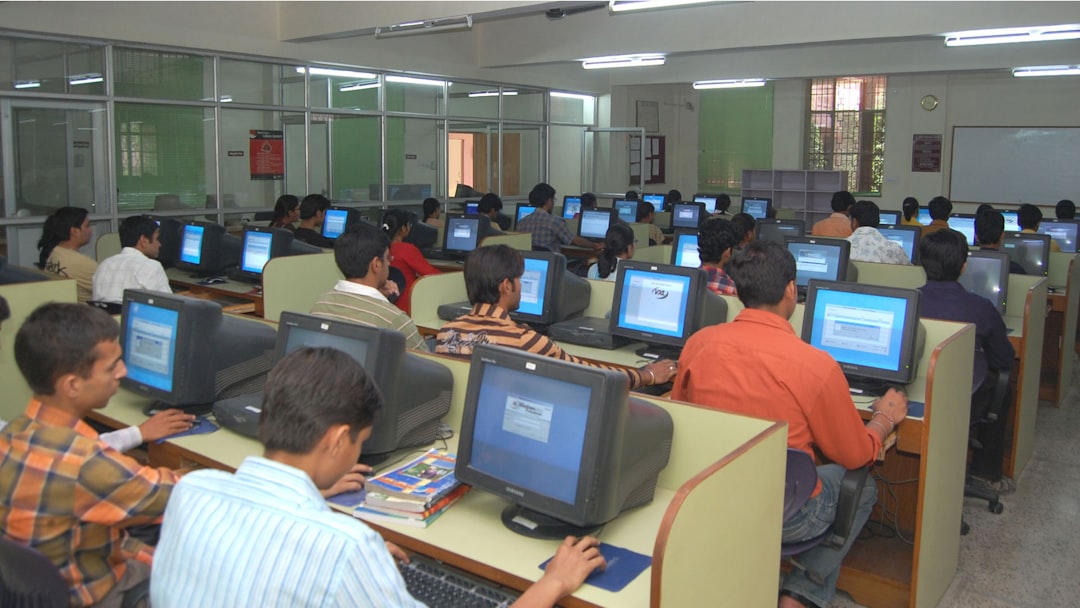
    India’s National Testing Agency (NTA) has announced a significant change for the National Eligibility-cum-Entrance Test (NEET-UG), transitioning from a traditional pen-and-paper format to a computer-based test (CBT). NTA Director General Abhishek Singh confirmed this change during a recent event, emphasizing the goal of improving the efficiency and security of the exam process, which has faced challenges in recent years.

    Understanding the Shift to Digital Examination

    The decision to move NEET-UG to a computer-based format follows discussions led by a task force headed by Infosys co-founder Nandan Nilekani. This task force is working on recommendations for a smooth transition, as NEET-UG is currently the only major national-level entrance exam still conducted offline. This change marks a significant step toward modernization in the examination process.

    By eliminating physical question papers, the NTA aims to reduce risks related to logistics, including issues like paper transit breaches and manual evaluation errors. Sources indicate that this transition is not just about technology; it also aims to restore integrity to the medical entrance system, which has faced scrutiny in recent cycles.

    According to getedunext.com, the NTA is upgrading infrastructure to support this change, including expanding certified computer testing centers across India. This preparation is crucial, as over 20 lakh candidates typically register for NEET-UG each year.

    What Changed Quickly

    Additionally, the NTA plans to implement advanced cybersecurity measures to prevent technical glitches, server overloads, and unauthorized access during the exam. This is vital for maintaining the exam’s integrity and ensuring a fair environment for all candidates.

    Impact on Test Preparation Strategies

    The shift to a computer-based format will require candidates to change their preparation strategies significantly. Traditional methods, which often focus on pen-and-paper practice, may not suffice in a digital setting. Candidates must familiarize themselves with the computer interface, including navigation and time management during the test. This change necessitates a focus on digital practice tests and simulations that reflect the actual exam experience.

    Coaching centers will also need to adapt their methods to prepare students effectively for the new format. As noted by raadworld.com, educators must incorporate computer-based testing into their training. They should provide students with the tools and resources needed to succeed in this new environment, including mock tests on digital platforms and teaching strategies specific to computer-based testing.

    Moreover, the transition to a digital format may impact scoring and evaluation processes. The NTA’s move toward automation could lead to more accurate and efficient grading, reducing the chances of human error in evaluations. Such a shift could enhance the credibility of NEET-UG results, providing a more reliable basis for medical college admissions.

    As candidates and coaching centers adjust to these changes, it is essential to stay informed about the latest developments. Utilizing online resources, such as practice tests and forums, can help candidates become familiar with the digital testing environment and improve their performance.

    Why the Shift Matters

    Why This Matters for Candidates and Coaches

    The transition to a computer-based NEET-UG exam is a major development for medical aspirants in India. It represents a move toward modernization and improved efficiency in the examination process. Candidates must prepare for this change, while coaching centers need to adjust their teaching methods to ensure students are ready for the new format. Understanding these changes is vital for success in the upcoming exams.

    NEET-UG Digital Shift: Effects on Candidates and Coaches

    As the NTA finalizes the timeline for the computer-based format, candidates and educators should prepare for a transformative shift in medical entrance examinations in India. The effects of this change will likely impact future generations of medical professionals and how they prepare for their careers.

    It remains to be seen how effectively these changes will be implemented. The goal is to enhance security and integrity in the NEET-UG examination process.

    Frequently Asked Questions

    What are the best strategies for preparing for a computer-based NEET-UG exam?

    Candidates should focus on getting accustomed to the computer interface. Practicing with digital mock tests will help them adapt to the new format and improve their time management skills.

    How will coaching methods change with the NEET-UG going digital?

    Coaching centers will need to integrate computer-based testing into their training programs. They should offer digital practice tests and teach strategies specific to the new exam format. This adaptation is crucial for preparing students effectively.

    What resources should NEET-UG candidates use to practice for a computer-based exam?

    Candidates should utilize online platforms that offer digital mock tests and study materials tailored for computer-based testing. Engaging with these resources will help them become familiar with the exam format and improve their performance.

  • Local Moms Step In to Support College Students

    Local Moms Step In to Support College Students

    Parents can now hire local moms to care for their college-aged children. This service offers peace of mind and support. It has emerged at various universities across the country. It meets the growing demand for personalized care as students transition to independence.

    This trend shows a shift in how parents engage with their children during college. Many students face challenges adapting to campus life. Parents are looking for ways to ensure their kids have the support they need. Local moms stepping in as caregivers help students and create new opportunities for these women to earn money.

    Rising Demand for Local Caregiving Services

    The demand for local caregiving services has surged recently. Parents realize their college kids need more than just financial support. Research from Career Ahead shows many parents feel anxious about their children managing life away from home. This anxiety leads them to seek local caregivers for companionship, guidance, and support.

    Career Ahead’s analysis indicates this trend is strong among first-year students. Many of these students experience homesickness and struggle with the social and academic demands of college. By hiring local moms, parents can ensure their children have someone to turn to for help. This eases the transition and fosters a sense of belonging. A report from the New York Times highlights that these caregivers can provide a comforting presence, like a surrogate family member, which can reduce the stress of adjusting to a new environment.

    Local moms are well-suited to offer this support. Many have experience in nurturing and mentoring, which is invaluable for students in new environments. This trend is not just about childcare; it’s about creating a supportive community that enhances the college experience. The Boston Globe notes that emotional and social support from local caregivers can improve academic performance and overall well-being for students.

    As more parents learn about these services, we can expect an increase in platforms connecting families with local caregivers. These platforms will likely offer a range of services, from academic tutoring to emotional support, tailored to college students’ needs. Technology makes it easier to access caregiver profiles, reviews, and service offerings. This helps parents find the right fit for their children.

    Impact on College Student Independence

    While hiring local moms provides crucial support, it raises questions about student independence. Many educators and parents worry that relying on caregivers might hinder students from developing essential life skills. However, Career Ahead’s research suggests that the right balance can promote independence.

    Students with local support can focus more on their studies and social lives. Local caregivers can help manage schedules, prepare meals, or assist with laundry. This support allows students to prioritize academic responsibilities while learning to manage their time and resources. The New York Times emphasizes that this arrangement can lead to a balanced college experience, where students thrive academically while having local support.

    Having a local mom as a caregiver can help students build a support network. This network is crucial for emotional well-being, especially in the first year of college. Supported students are more likely to engage in campus activities, make friends, and seek help when needed. The Boston Globe points out that this sense of community can help combat feelings of isolation that many first-year students face.

    Local Moms Step In to Support College Students

    It is essential for parents to communicate openly with their children about the role of these caregivers. Setting clear boundaries and expectations helps students understand that while support is available, they are still responsible for their choices and actions. This approach fosters accountability while ensuring students have the necessary support to thrive. The balance between support and independence is delicate. Ongoing dialogue between parents and students is vital to navigate this new dynamic effectively.

    The rise of caregiving services for college students presents new opportunities for local moms. Many women seek flexible work options that allow them to balance family responsibilities while earning money. By offering caregiving services, they can use their skills and experiences to earn an income. Data from Career Ahead shows the gig economy is growing, with more people seeking alternative work. Local moms can tap into this trend by providing services tailored to college students, such as tutoring, mentoring, or organizing social activities.

    As this market expands, local moms can develop their own brands and services. By building a reputation for reliability and care, they can attract more clients and expand their offerings. This entrepreneurial spirit benefits the moms and enriches the community by fostering connections between families and caregivers. Local caregiving services can create a more supportive college environment. As students benefit from local moms’ guidance, they may be more inclined to give back to their communities in the future. This cycle of support can create lasting relationships that extend beyond college years.

    As this trend evolves, it will be interesting to see how local caregiving services adapt to meet families’ and students’ changing needs. The potential for growth in this sector is significant. It may redefine how families approach support during college. Parents looking to support their college students should consider the benefits of hiring local caregivers. This trend reflects a growing recognition of the importance of personalized support in higher education and could reshape college life.

    Frequently Asked Questions

    How can parents find local caregivers for their college kids?

    Parents can find local caregivers through online platforms that connect families with service providers. These platforms allow parents to view profiles, read reviews, and find caregivers who specialize in supporting college students.

    What services do local moms typically offer to college students?

    Local moms can offer various services, including academic tutoring, emotional support, meal preparation, and help with daily tasks. Their experience can provide valuable assistance to students adjusting to college life.

    Local Moms Step In to Support College Students

    What should parents consider when hiring someone to care for their college student?

    Parents should consider the caregiver’s experience, availability, and approach to working with college students. It’s essential to ensure that the caregiver’s style aligns with the student’s needs for a successful partnership.

  • Maharashtra Pushes Universities for Faster Degree Issuance

    Maharashtra Pushes Universities for Faster Degree Issuance

    Maharashtra’s higher and technical education minister, Chandrakant Patil, has called for universities to expedite the issuance of degree certificates. Speaking at the first convocation ceremony of Ramdeobaba University on September 13, 2026, he emphasized that timely degree issuance is crucial for enhancing employability among graduates. The use of digital technologies, such as DigiLocker and digitally signed certificates, can streamline this process, ensuring that students do not face unnecessary delays in obtaining their degrees.

    Patil pointed out that many graduates are eager to pursue higher education or enter the job market immediately after completing their courses. Delays in receiving their degrees can hinder their ability to secure employment or continue their studies. This initiative aligns with the objectives of the National Education Policy (NEP) 2020, which aims to bridge the gap between education and employability. As noted in a report by Economic Times, the minister highlighted the importance of aligning educational outcomes with industry needs to ensure that graduates are equipped with relevant skills.

    Impact of Digital Technologies on Degree Issuance

    The integration of digital technologies in the education sector has transformed how academic institutions operate. With tools like DigiLocker, universities can now provide degree certificates more efficiently. This system allows students to access their documents online, reducing the time spent waiting for physical copies. The Economic Times reported that the adoption of such digital solutions can significantly reduce bureaucratic delays, which have long plagued the degree issuance process.

    Career Ahead’s analysis shows that the prompt issuance of degrees can significantly enhance employability rates among engineering graduates. In a competitive job market, having immediate access to their qualifications can make a difference in securing job offers. Employers often seek candidates who can demonstrate their qualifications without delay, making this reform vital for recent graduates. Furthermore, the emphasis on digital certificates aligns with global trends towards digitization in education. As more institutions adopt these technologies, it is crucial for Maharashtra’s universities to keep pace. The swift transition to digital documentation can not only improve efficiency but also ensure that graduates are better prepared for the demands of the modern workforce.

    However, the successful implementation of these digital systems requires collaboration between universities and the government. Institutions must invest in the necessary infrastructure and training to ensure that staff can effectively utilize these new tools. Only with a coordinated effort can Maharashtra achieve its goal of timely degree issuance. As highlighted by News18, the state is also tightening university regulations to ensure compliance and accountability, which will further support these initiatives.

    Bridging the Gap Between Education and Employability

    One of the main challenges highlighted by Minister Patil is the disconnect between education and employability. Many graduates possess degrees but lack the skills that employers seek. The NEP 2020 aims to address this issue by promoting skill development and vocational education alongside traditional academic pathways. This dual focus is essential, as employers increasingly prioritize practical skills and real-world experience over theoretical knowledge alone.

    Internships and hands-on training are becoming increasingly important in higher education. Patil stressed that students must gain real-world experience before entering the workforce. This approach not only enhances their employability but also ensures that they are better equipped to meet the demands of their chosen fields. Career Ahead research finds that graduates who engage in internships or practical training during their studies are more likely to secure employment shortly after graduation. Employers prioritize candidates who have demonstrated their ability to apply theoretical knowledge in practical settings. Therefore, universities must focus on creating partnerships with industries to facilitate these opportunities.

    As Maharashtra moves towards implementing these educational reforms, it is essential to monitor their impact on graduates’ employability. The state government has a responsibility to ensure that the changes lead to tangible benefits for students. By fostering a culture of collaboration between educational institutions and industries, Maharashtra can create a workforce that meets the needs of the economy. The Free Press Journal also reported that universities in Maharashtra will follow a common academic calendar starting from the 2026-27 academic year, which is expected to streamline processes and enhance coordination among institutions.

    Maharashtra Pushes Universities for Faster Degree Issuance

    The call for timely degree issuance and skill development is not just a response to current challenges but a proactive approach to future-proofing Maharashtra’s workforce. As the job market continues to evolve, graduates must be equipped with the skills and qualifications that employers demand.

    Ultimately, the success of these initiatives will depend on the commitment of all stakeholders involved. Universities, government bodies, and industry leaders must work together to create an educational ecosystem that prioritizes employability and skill development. Looking ahead, the implementation of these reforms could significantly alter the landscape of higher education and employment in Maharashtra. Will the state see a marked improvement in graduate employability in the coming years? The answer lies in how effectively these changes are enacted and embraced by the educational community.

    Frequently Asked Questions

    What are the benefits of using DigiLocker for degree issuance?

    DigiLocker enhances the efficiency of degree issuance by allowing universities to provide digital certificates quickly. This reduces waiting times for students and ensures they have immediate access to their qualifications, which can enhance employability.

    How can university administrators improve the degree issuance process?

    University administrators can improve the degree issuance process by adopting digital technologies like DigiLocker. This system streamlines the process, making it faster and more efficient for students to receive their degrees.

    Maharashtra Pushes Universities for Faster Degree Issuance

    What skills should recent engineering graduates focus on to enhance employability?

    Recent engineering graduates should focus on gaining practical experience through internships and hands-on training. This real-world exposure is crucial for demonstrating their skills to potential employers and improving their job prospects.

  • Bihar Colleges Demand 75% Attendance

    Bihar Colleges Demand 75% Attendance

    Bihar, India — Chief Minister Samrat Choudhary has ordered assistant professors to ensure at least 75% student attendance in colleges statewide. He announced this policy during a speech to newly appointed faculty members. The goal is to strengthen Bihar’s higher education system, which has recently added 211 degree colleges and appointed 2,451 assistant professors.

    The Chief Minister stressed that student participation is crucial for the success of these institutions. He pointed out that without regular attendance, the government’s efforts to improve educational infrastructure would be wasted. This directive is especially important as Bihar seeks to keep its students, many of whom currently go to other states for higher education.

    Understanding the 75% Attendance Policy

    The 75% attendance requirement is a major step to tackle long-standing issues in Bihar’s education system. Many students have historically chosen to study outside the state due to limited local options. CM Choudhary’s call for higher attendance directly addresses this trend, aiming to create a more competitive academic environment in Bihar.

    This policy is not just about numbers; it aims to improve educational quality. By ensuring students attend classes regularly, the government hopes to build a culture of accountability among faculty and students. This change could lead to better teaching methods as professors adapt to engage students, knowing that attendance is key to their success. According to a report by the Economic Times, this initiative is part of a larger effort to revitalize Bihar’s educational landscape, which has faced low enrollment and high dropout rates.

    Assistant professors, who play a vital role in this initiative, will need to innovate their teaching methods to boost student participation. This may involve creating more interactive and engaging lesson plans that resonate with students’ interests. CM Choudhary’s remarks highlight that these educators are crucial in shaping the future of education in Bihar, especially in rural areas where resources are limited. His focus on attendance aligns with national educational reforms aimed at improving quality and accessibility in higher education, as noted by the Hindustan Times.

    Furthermore, the emphasis on attendance reflects global educational trends that prioritize student engagement as a key factor in academic success. Career Ahead’s analysis suggests that this focus on attendance may indicate a growing accountability trend in higher education across India, as institutions work to improve their standings both nationally and internationally.

    Impact on Teaching Methodologies and Faculty Accountability

    The new 75% attendance policy will likely push assistant professors in Bihar to rethink their teaching strategies. Traditionally, some educators may have relied on lectures without engaging students. However, with attendance being critical, there is an urgent need for innovative teaching approaches that capture student interest and promote regular attendance.

    This shift may include using technology in the classroom, such as interactive learning platforms and digital resources that enhance the educational experience. Faculty members might also explore collaborative projects and community engagement initiatives that encourage students to take ownership of their learning, increasing their commitment to attending classes. More student interaction could create a vibrant academic atmosphere, fostering a sense of community and belonging.

    Increased accountability for professors is another key aspect of this policy. With attendance tied to their performance metrics, faculty members will feel pressure to ensure that students not only enroll but also actively participate. This could lead to a dynamic academic environment where professors are motivated to refine their teaching skills. Additionally, the state government’s commitment to improving education through this policy shows a willingness to invest in faculty development. By providing training and resources, the government can help assistant professors meet these new expectations. This investment in professional development is crucial for ensuring that the 75% attendance mandate leads to meaningful educational outcomes.

    Bihar Colleges Demand 75% Attendance

    Moreover, the policy may encourage professors to seek feedback from students about their teaching methods and course content. By fostering open communication, educators can better understand the challenges students face and adjust their approaches. This responsiveness enhances the learning experience and reinforces the importance of attendance as a shared responsibility between faculty and students.

    The push for a 75% attendance requirement is part of a larger narrative about the future of education in Bihar. CM Choudhary has highlighted the need to retain students within the state, as around 8 to 10 lakh children currently seek educational opportunities outside Bihar. This trend drains local resources and affects the state’s educational reputation.

    By improving attendance rates, the government hopes to create a more attractive educational environment that can compete with institutions in other states. This could lead to a stronger local economy, as students who receive quality education in their home state are likely to contribute to its development after graduation. Furthermore, the initiative aligns with national educational reforms aimed at improving quality and accessibility in higher education. As Bihar implements these changes, it may serve as a model for other states facing similar challenges in student retention and educational quality.

    Ultimately, the success of the 75% attendance policy will depend on the collaborative efforts of faculty, students, and the government. If executed well, this mandate could significantly reshape the educational landscape in Bihar, making it a viable option for students seeking higher education. The coming months will be critical in assessing the impact of this policy. Will it succeed in increasing student engagement and improving educational outcomes? The answers to these questions will shape the future of higher education in Bihar and potentially influence similar policies in other regions of India.

    Frequently Asked Questions

    What strategies can assistant professors use to improve student attendance?

    Assistant professors can enhance student attendance by adopting interactive teaching methods, using technology in the classroom, and creating engaging lesson plans. Building relationships with students and fostering a sense of community can also encourage regular attendance.

    How does the 75% attendance requirement affect course delivery?

    The 75% attendance requirement compels faculty to innovate their teaching strategies, focusing on engagement and participation. Professors may need to incorporate diverse teaching methods and assess student feedback to meet attendance goals effectively.

    Bihar Colleges Demand 75% Attendance

    What are the consequences for faculty if attendance is not met?

    If attendance rates fall below the mandated 75%, faculty may face scrutiny regarding their teaching effectiveness. This could impact their evaluations and professional development opportunities, emphasizing the need for accountability in their roles.

  • Assam CM hails NMC’s 13,186 new MBBS seats, says

    Assam CM hails NMC’s 13,186 new MBBS seats, says

    India’s National Medical Commission (NMC) has approved 13,186 new MBBS seats across the country. Assam’s Chief Minister Himanta Biswa Sarma celebrated this decision. This expansion aims to enhance medical education and healthcare capacity in the region. Now, the total number of MBBS seats in India exceeds 140,000 for the 2026-27 academic session.

    The increase in undergraduate medical seats comes at a vital time. The demand for qualified medical professionals is rising sharply. For Assam and the Northeast, this expansion is especially important. It supports ongoing efforts to improve healthcare infrastructure and access to medical education in the region.

    The Impact of Increased MBBS Seats on Admissions

    The approval of 13,186 new MBBS seats will create thousands of opportunities for aspiring medical students. However, this increase may also make admissions more competitive. Career Ahead’s analysis shows that more seats will likely attract more applicants, increasing competition among candidates.

    According to the latest data from the Directorate of Medical Education, Assam has seen steady growth in medical colleges and health facilities. This growth is essential for training future medical professionals. The new seats will allow more students to pursue their dreams of becoming doctors, especially in a region with limited healthcare access.

    Additionally, the increase in seats is expected to attract more applicants from across India. Many of these students will have performed well in the National Eligibility-cum-Entrance Test (NEET-UG). This surge in applications may lead to better preparation strategies among students, who will need to excel in this competitive exam.

    According to formsrec.in, the total number of undergraduate medical seats in Assam has reached a significant milestone. This expansion enhances the state’s educational landscape. The government aims to increase the number of trained healthcare professionals and ensure that medical education meets national standards.

    Strengthening Healthcare Workforce in Assam

    The increase in MBBS seats is about more than just education. It addresses the urgent need for qualified healthcare professionals in Assam. The state’s healthcare system has struggled due to a shortage of doctors, especially in rural areas. By expanding medical education, the government is taking steps to improve healthcare accessibility and quality.

    Career Ahead’s research indicates that expanding medical seats will positively impact the healthcare workforce in Assam. More locally trained doctors will lead to better healthcare delivery, especially in critical areas like maternal and child health, infectious diseases, and preventive care.

    This expansion also aligns with the government’s plan to enhance healthcare infrastructure in the region. New medical colleges and increased seats are part of a strategy to build a robust healthcare system for the growing population.

    Assam CM hails NMC's 13,186 new MBBS seats, says

    As reported by dme.assam.gov.in, the government is also focused on improving the quality of medical education. They want graduates to be numerous and well-equipped for modern healthcare challenges. This includes updating curricula, enhancing practical training, and fostering partnerships with established medical institutions.

    In summary, expanding MBBS seats in Assam is a significant move. It promises to reshape medical education and strengthen the healthcare workforce. However, it is vital to monitor how this change affects education quality and graduates’ preparedness for real-world medical challenges.

    What This Means for Aspiring Medical Students

    For aspiring medical students in Assam, the approval of new MBBS seats opens up career opportunities. However, it also requires a shift in how students prepare for medical school. Competition will likely become fiercer, and students must adapt their strategies.

    As the number of applicants rises, strong performance in the NEET-UG will be critical. Students will need to invest time in rigorous preparation. They may seek additional resources like coaching classes or study groups to improve their chances of securing a seat.

    Furthermore, expanding medical education in Assam may encourage students to pursue specializations in various fields of medicine. With more medical colleges opening, students can explore diverse career paths within the medical profession.

    Assam CM hails NMC's 13,186 new MBBS seats, says

    Career Ahead’s analysis suggests that this expansion could lead to a more diverse healthcare workforce in Assam. Students from various backgrounds may enter the field. This diversity can enrich the medical community and improve patient care by bringing in different perspectives.

    Ultimately, the increase in MBBS seats is a promising development for future doctors in Assam. It shows a commitment to enhancing medical education and addressing the healthcare needs of the population. As the region evolves, the focus must remain on maintaining high educational standards and ensuring graduates are well-prepared for healthcare delivery challenges.

    As Assam prepares for a new wave of medical students, the question remains: How will the state ensure that education quality keeps pace with the rapid expansion of seats and the growing healthcare demands?

    Frequently Asked Questions

    What are the new admission criteria for MBBS students in Assam?

    Career Ahead’s analysis indicates that admission criteria will still focus on NEET-UG scores and merit. However, with more seats, students may need higher scores to secure places in popular colleges.

    How will the increase in MBBS seats impact medical education quality?

    The expansion of MBBS seats is expected to improve access to medical education. However, it will challenge institutions to maintain high educational standards. Continuous evaluation and government support will be essential for quality education.

    Assam CM hails NMC's 13,186 new MBBS seats, says

    What should aspiring MBBS students in Assam do to prepare for the upcoming admissions?

    Aspiring students should focus on thorough preparation for the NEET-UG exam. They should utilize available resources like coaching programs and study materials. Building a strong foundation in science subjects will be crucial for success.

  • Parents Demand Government Aid for P A Sangma Medical College

    Parents Demand Government Aid for P A Sangma Medical College

    Meghalaya, India — Parents of MBBS students at P A Sangma International Medical College are urgently seeking government support. They are concerned that the college’s financial struggles could jeopardize the quality of education and clinical training.

    The P A Sangma Medical College commenced its first academic session in 2024 after receiving approval from the National Medical Commission. For the 2025-26 academic year, it has allocated 43 of its 100 approved seats under the state quota. Parents fear that ongoing financial issues may compromise the college’s infrastructure and educational standards, impacting their children’s futures.

    Concerns Over Financial Stability

    Recently, parents and guardians visited the P A Sangma Medical College campus and observed the development of its Super Speciality Hospital and advanced clinical facilities. However, they expressed concerns about the college’s financial instability, citing large bank loans and debts that could hinder timely staff salary payments.

    In a memo to the Commissioner and Secretary of the Health and Family Welfare Department, parents emphasized that supporting the college is an investment in their children’s future and the healthcare sector in Meghalaya. They highlighted that financial constraints threaten the college’s operations and the quality of medical education and clinical training students expect.

    Broader Financial Crisis in Meghalaya

    A report by Northeast Connect indicates that Meghalaya is grappling with a broader financial crisis, characterized by rising state debt and significant financial obligations. This situation adds urgency to the parents’ appeal, as the state government must balance its fiscal challenges with the needs of educational institutions like P A Sangma Medical College. The state’s alarming debt levels could limit funding for educational support.

    Analysis from Career Ahead reveals that the financial instability at P A Sangma Medical College reflects a troubling trend among private medical institutions across India. Rising operational costs and competition for student enrollment make it difficult for many colleges to maintain quality education and infrastructure. This could lead to decreased student enrollment, exacerbating financial difficulties. The Economic Times notes that many private medical colleges face similar challenges, underscoring the necessity of government support for their sustainability.

    Impact on Students’ Education

    The financial issues at P A Sangma Medical College directly affect current students. If the college cannot stabilize its finances, students may experience disruptions in their education and clinical training. Parents are concerned that these financial difficulties could lower educational quality, which is vital for their children’s future careers in medicine.

    Additionally, the potential for delayed salary payments to faculty and staff raises further concerns. Retaining qualified faculty is crucial for maintaining educational standards, and any disruption could lead to a decline in instruction quality. This situation might deter prospective students from enrolling, further reducing the college’s capacity to train future healthcare professionals. The Economic Times emphasizes that the quality of education in medical colleges is closely linked to faculty stability, and any instability could have serious consequences for students.

    Call for Government Action

    Parents are urging the government to ensure that financial difficulties do not impose additional burdens on students and their families. They argue that the government should recognize the importance of quality medical education and its long-term benefits for Meghalaya’s healthcare system. The appeal for support is not just about preserving an institution; it is about safeguarding the future of healthcare in the region.

    Parents Demand Government Aid for P A Sangma Medical College

    This situation raises broader questions about the sustainability of private medical colleges in India. As costs rise and competition intensifies, many institutions may struggle to operate without adequate financial backing. The challenges faced by P A Sangma Medical College may prompt policymakers to reconsider funding mechanisms for medical education in India.

    As the state government deliberates on the request for financial support, the implications for students and Meghalaya’s healthcare system are significant. The outcome could set a precedent for how similar institutions receive support in the future. With the government facing its own financial constraints, the decision on whether to aid P A Sangma Medical College could have far-reaching effects. The need for a sustainable solution to funding medical education in the region is urgent, as quality healthcare education is crucial for improving health outcomes in Meghalaya and beyond.

    Frequently Asked Questions

    What financial aid can parents seek for medical education in Meghalaya?

    Parents can explore government scholarships and financial aid programs for students in private medical colleges. They may also consider loan options from banks and educational institutions that offer financial assistance for medical education.

    How will the financial issues at P A Sangma Medical College affect current students?

    The financial difficulties could disrupt education and clinical training for current students. Concerns about faculty retention and instruction quality may also arise, impacting students’ career readiness in medicine.

    Parents Demand Government Aid for P A Sangma Medical College

    What steps should parents take if the college faces funding challenges?

    Parents should engage with college administration and government officials to advocate for financial support. They can also explore alternative funding options and stay informed about the college’s financial situation.

  • Parents Can Now Hire Local Moms to Care for College Kids

    Parents Can Now Hire Local Moms to Care for College Kids

    Parents can now hire local moms to care for their college-aged children. This service provides essential support and peace of mind. Many parents feel anxious about their kids’ independence while they navigate life away from home. This trend is growing at universities across the country, allowing parents to ensure their children receive the care they need.

    As higher education evolves, the demand for local caregiving services is rising. Parents want to stay involved in their children’s lives, even from a distance. Local moms offering their services can help fill this gap, creating a new market for personalized support tailored to college students’ unique challenges.

    Understanding the Growing Demand for Local Caregiving

    Hiring local moms to support college students shows a shift in parental involvement during higher education. Career Ahead’s analysis reveals that many parents worry about their children’s well-being and academic performance. Mental health issues are prevalent among young adults today. A study by the World Health Organization shows that mental health disorders are increasing among college students, making support systems more crucial than ever.

    Local moms often have experience in childcare or education. They can offer various services, including tutoring, emotional support, and cooking meals. This personalized care eases parental worries and helps students adjust to their new environment. Parents find comfort knowing someone local is looking out for their child, especially during stressful times like exams or homesickness.

    As college students seek independence, a local caregiver can provide a safety net. This balance allows students to explore their newfound freedom while still having access to guidance and support. Career Ahead research finds that this trend aligns with the growing demand for mental health resources and academic support. Parents want to ensure their children thrive in college.

    The rise of remote work has also contributed to this trend. Many local moms seek flexible job opportunities that fit their family commitments. By offering caregiving services, they can monetize their skills while supporting college students. This mutually beneficial arrangement creates a new economic model where local caregivers can thrive while helping families.

    Impact on College Student Independence and Local Economies

    The introduction of local caregiving services significantly impacts college student independence. Some may argue that this trend could hinder students from becoming self-sufficient. However, it can also foster a supportive environment for growth. College can be a challenging transition, and having a local mom available can help students navigate this phase more smoothly.

    Career Ahead’s analysis shows that this support system can improve academic performance and emotional well-being. Students who feel supported are more likely to engage in their studies and participate in campus life. This positive reinforcement can lead to a more enriching college experience, allowing students to focus on education instead of feeling overwhelmed.

    This trend can also stimulate local economies. By hiring local moms, parents invest in their communities, creating jobs for those needing flexible work arrangements. This approach aligns with the growing gig economy, where individuals seek opportunities that fit their lifestyles. Local moms can leverage their skills and experiences, contributing to the overall economic vitality of their neighborhoods.

    Parents Can Now Hire Local Moms to Care for College Kids

    However, some may express concerns about this trend. Critics argue that hiring caregivers may promote dependency among students, undermining their ability to manage challenges independently. Parents and caregivers must balance providing support and encouraging self-reliance. This balance ensures students develop the necessary skills to thrive on their own.

    As parents explore these new options, they must consider the long-term effects on their children’s independence. Striking the right balance between support and self-sufficiency is crucial for helping students navigate their college years successfully.

    What This Trend Means for Parents and Local Moms

    The rise of local caregiving services for college students shows a broader shift in how families approach education and support. Parents are increasingly willing to invest in personalized services that cater to their children’s unique needs. This trend reflects changing societal norms around parenting and the importance of community involvement in raising children.

    For local moms, this trend presents an opportunity to turn their skills into a viable income source. Many moms possess valuable life experiences that can benefit college students. By offering their services, they contribute to their families’ finances and play a vital role in shaping the next generation.

    Career Ahead’s analysis highlights that this trend could create a more interconnected community. As local moms engage with college students, they foster relationships that enhance the overall college experience. These connections provide students with a sense of belonging, which is critical for their emotional well-being.

    Parents Can Now Hire Local Moms to Care for College Kids

    Looking ahead, this trend may evolve further as more parents recognize the value of local support systems. The demand for personalized caregiving services is likely to grow, prompting local moms to develop specialized skills to meet college students’ needs. This evolution could lead to formal networks connecting parents with caregivers, creating a more structured approach to supporting college students.

    As parents navigate this new landscape, they must remain mindful of the potential challenges and benefits. The ongoing dialogue about the role of local caregivers in college students’ lives will shape how families approach education and support in the future.

    Frequently Asked Questions

    How can parents find local caregivers for their college kids?

    Parents can find local caregivers through community boards, social media groups, and local parenting networks. Many universities also have resources or directories that connect students with local support services.

    What services do local moms typically offer to college students?

    Local moms may provide tutoring, emotional support, meal preparation, and guidance on navigating college life. Their services can be tailored to meet each student’s specific needs.

    Parents Can Now Hire Local Moms to Care for College Kids

    What should parents consider when hiring someone to care for their college student?

    Parents should evaluate the caregiver’s experience, references, and compatibility with their child’s needs. It’s essential to ensure that the caregiver can provide the necessary support while fostering independence.

    Sources: Honorsociety, Blogs, Brave-mo.

  • Why Conservative Students Should Embrace Liberal Colleges

    Why Conservative Students Should Embrace Liberal Colleges

    In a recent discussion inspired by David French’s column, a question emerged: Should conservative students avoid liberal colleges? This debate is growing as students consider the pros and cons of studying in environments that may challenge their beliefs. Engaging with different ideologies can improve critical thinking skills and prepare students for a polarized job market, making this a timely topic.

    The landscape of higher education is changing. Many conservative students worry about attending liberal colleges. They fear a lack of acceptance or a hostile atmosphere. However, insights from various sources suggest that these institutions can offer valuable opportunities for personal growth and intellectual development.

    The Benefits of Engaging with Diverse Ideologies

    Career Ahead’s analysis shows that exposure to various viewpoints can greatly enhance critical thinking skills. When conservative students engage with liberal perspectives, they must articulate their beliefs clearly and defend them against opposing arguments. This process sharpens their reasoning skills and deepens their understanding of complex issues.

    Research from Niche indicates that many conservative students thrive in environments where they interact with peers holding different beliefs. This interaction promotes open dialogue and encourages students to consider alternative viewpoints. Such engagement can lead to more nuanced and informed opinions. It prepares students for a workforce that increasingly values adaptability and critical thinking.

    Moreover, attending a liberal college can help conservative students build resilience. Navigating discussions in a liberal environment requires confidence and adaptability, which are crucial in today’s job market. Career Ahead research finds that employers seek candidates who can engage constructively with diverse teams and manage differing opinions effectively.

    Additionally, exposure to liberal arts education boosts creativity and problem-solving skills. Conservative students who immerse themselves in liberal coursework often find new ways to approach problems. This can be beneficial in their future careers. The ability to think outside the box is increasingly valued in fields ranging from technology to business.

    Career Ahead’s review of data from sources like collegevaluesonline.com shows that many conservative colleges offer limited ideological engagement. While these institutions provide a supportive environment, they may not challenge students to think critically about their beliefs. In contrast, liberal colleges encourage students to explore a wider range of ideas, leading to a more comprehensive educational experience.

    Strategies for Navigating Liberal College Environments

    For conservative students considering a liberal college, preparation is essential. Understanding the campus culture can help students navigate discussions effectively. Engaging with student organizations that promote dialogue and understanding can provide a supportive network for those who feel out of place.

    Career Ahead analysis shows that conservative students who actively seek out diverse groups and clubs tend to have more positive experiences. These organizations offer platforms for respectful discussions and debates, allowing students to express their views while listening to others. This engagement fosters a sense of community and belonging, even in a politically charged environment.

    Additionally, conservative students should approach discussions with an open mind. Listening to opposing viewpoints does not mean abandoning one’s beliefs; it can strengthen them. By understanding the rationale behind liberal perspectives, conservative students can refine their arguments and become more persuasive communicators.

    Why Conservative Students Should Embrace Liberal Colleges

    Building relationships with professors can also enhance the college experience. Faculty members often appreciate students who engage thoughtfully with course material, regardless of their political beliefs. This can lead to mentorship opportunities and recommendations that are invaluable in the job market.

    Career Ahead’s analysis of data from collegetransitions.com reveals that students who engage with faculty and participate in campus events are more likely to find success after graduation. Networking and building connections in a liberal college can open doors to internships and job opportunities that may not be available in more conservative settings.

    Moreover, students should take advantage of resources offered by their colleges. Many liberal institutions provide workshops and seminars on navigating ideological differences. These can equip students with the skills needed to engage in constructive dialogue.

    The Broader Implications for Career Readiness

    Engaging with diverse viewpoints in college has significant implications for career readiness. As the job market becomes more polarized, employers look for candidates who can navigate complex social dynamics. Career Ahead research finds that students with experience engaging with a variety of perspectives are better prepared for workplace realities.

    The ability to work collaboratively with individuals from different backgrounds is a critical skill. Conservative students who attend liberal colleges often find themselves in diverse teams, enhancing their employability. Employers value candidates who demonstrate adaptability and cultural competence, qualities fostered through exposure to different ideologies.

    Additionally, engaging with opposing viewpoints can lead to greater emotional intelligence. Students learn to manage their reactions and approach discussions with empathy. These skills are essential in any career and can set candidates apart in competitive job markets.

    Why Conservative Students Should Embrace Liberal Colleges

    Furthermore, as society grapples with polarization, the ability to engage in civil discourse will become increasingly important. Conservative students attending liberal colleges are likely to emerge as leaders capable of bridging divides and fostering understanding in their future workplaces.

    As the debate over ideological diversity in education continues, it remains to be seen how conservative students will navigate their college experiences. The skills and perspectives gained in liberal environments could prove invaluable as they face the challenges of an increasingly complex job market.

    Frequently Asked Questions

    How can conservative students thrive in liberal colleges?

    Conservative students can thrive in liberal colleges by engaging in open dialogues, joining diverse student organizations, and building relationships with faculty. These strategies help them navigate political differences and enhance their college experience.

    What are the benefits of attending a liberal college for conservative students?

    Attending a liberal college allows conservative students to develop critical thinking skills, engage with diverse viewpoints, and prepare for a polarized job market. These experiences enhance their employability and adaptability in various professional settings.

    Why Conservative Students Should Embrace Liberal Colleges

    How should conservative students approach discussions in liberal environments?

    Conservative students should approach discussions with an open mind and a willingness to listen. Engaging respectfully with opposing viewpoints can help them refine their arguments and become more persuasive communicators.