Category: Economic Development

  • ₹15,000 For Your First Formal Job: How PM-VBRY Works And Who Can Get It

    ₹15,000 For Your First Formal Job: How PM-VBRY Works And Who Can Get It

    More than 72 lakh first-time employees have entered the formal workforce under the government’s flagship employment-linked incentive scheme. Joining the scheme and receiving the full benefit are different steps. Here is what first-time workers need to know.

    If you started your first formal job after 1 August 2025 and meet the scheme’s eligibility conditions, you could receive up to ₹15,000 from the government.

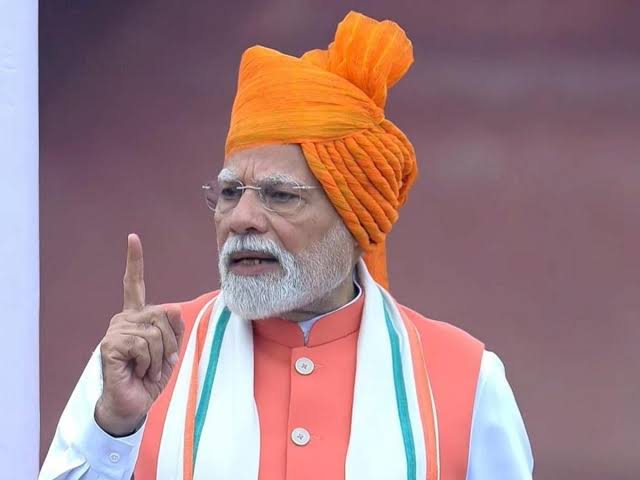
    That payment sits at the centre of the Pradhan Mantri Viksit Bharat Rozgar Yojana, announced by Prime Minister Narendra Modi from the Red Fort on Independence Day 2025. The Press Information Bureau describes it as the government’s flagship employment-linked incentive scheme. It is among the few central programmes that puts money directly into an individual’s bank account rather than through an institution.

    One year in, the scale is substantial. The PIB’s review of 1 August 2026 records more than 72 lakh first-time employees entering the formal workforce, women at nearly 30% of beneficiaries, and more than 15 lakh beneficiaries who have received incentives under the scheme.

    PM-VBRY In 60 Seconds

    • Who: First-time EPF contributors joining between 1 August 2025 and 31 July 2027
    • Salary ceiling: Gross monthly wage up to ₹1 lakh
    • Total benefit: Up to ₹15,000, paid as two instalments of up to ₹7,500 each
    • First payment: After six months’ continuous service
    • Second payment: After twelve months, plus a financial literacy programme
    • Employer benefit: ₹1,000 to ₹3,000 per additional employee per month
    • Scheme period: 1 August 2025 to 31 July 2027

    Who Gets The ₹15,000

    Three conditions decide eligibility. You must have joined an establishment between 1 August 2025 and 31 July 2027. You must not have contributed to the EPF with EPFO or an exempted trust before August 2025, meaning this is genuinely your first formal job. And your gross monthly wage, inclusive of all emoluments, must be ₹1 lakh or less.

    Payment is not automatic on joining. The first instalment requires six continuous months with the same employer. If you leave and rejoin elsewhere, the second instalment is forfeited.

    Detailed close-up of Indian currency notes and coins, featuring Mahatma Gandhi portrait.

    How The Two Payments Work

    The employee benefit equals one month’s EPF wage, capped at ₹15,000, split into two instalments of up to ₹7,500 each. The first is half of your average EPF wage over six continuous months, released after six months into your Aadhaar-seeded bank account. The second follows at twelve months, provided you complete a free financial literacy programme. A portion of the incentive is held in a savings instrument and can be withdrawn later. Payments are made by Direct Benefit Transfer.

    Employers have their own role. Firms receive up to ₹3,000 per additional employee per month, paid into a PAN-linked account, but only if they hire above their 31 July 2025 baseline: at least two new employees for firms below 50 workers, five for larger ones. They must hold an EPFO code and file monthly returns. Incentives run two years across sectors and extend to years three and four for manufacturing. A worker whose employer has not filed returns will not be paid.

    Why 72 Lakh Does Not Mean 72 Lakh Payments

    Three figures circulate, and they measure different things.

    72 lakh+ first-time employees reported in the government’s one-year review.

    ₹744.58 crore paid to 13.18 lakh first-time employees under the employee component by July 2026, according to answers tabled in Parliament.

    More than ₹2,000 crore transferred across both components by 19 June 2026, when Prime Minister Narendra Modi disbursed about ₹2,400 crore at a programme in Vigyan Bhawan.

    Enrolment counts workers entering the scheme. Disbursement counts workers who have since met the payment conditions. The two should not be read as competing estimates. A worker hired on day one could not be paid before February 2026, and the employer-side calculation mechanism was issued as a standard operating procedure only in November 2025, so that component also took time to become operational.

    The reporting dates differ as well. Business Standard, using data supplied by the labour ministry, reported on 16 August 2026 that 62.56 lakh first-timers had been covered, 32.6% of the 1.92 crore two-year target, alongside 48.5 lakh additional jobs from about 1.86 lakh employers between August 2025 and June 2026. That analysis also noted that because the scheme runs two separate streams, a single worker could potentially be counted under both.

    What One Year Cannot Yet Tell Us

    Participation is established. Causation is not. The available data cannot show how many of these jobs existed because of the incentive rather than happening anyway, nor whether employment persists after the incentive period ends. No independent evaluation has been published.

    Labour economist Santosh Mehrotra has argued that the scheme addresses supply rather than demand. In an interview with The Federal in July 2025, he said firms “won’t expand or hire, no matter the subsidy” without demand growth, and that the 1.92 crore first-timer target “lacks clarity on how this figure was calculated.” Business Standard’s own year-one report similarly found experts flagging weak demand and limited hiring incentives as constraints.

    I Started My First Job After 1 August 2025. What Should I Check?

    1. Have you ever contributed to EPF before?
    2. Is your gross monthly wage within ₹1 lakh?
    3. Is your employer EPFO-registered and filing monthly returns?
    4. Has your UAN been generated correctly?
    5. Is your bank account Aadhaar-seeded?
    6. Have you completed six months with the same employer?
    7. Have you completed the financial literacy programme before month twelve?

    What Happens Next

    The window closes on 31 July 2027. Twelve months remain and about two-thirds of the first-timer target is outstanding. The clearer evidence lies ahead: as workers hired during the first year clear six and twelve months, payment data will show how many complete the full benefit cycle, and employer participation will reveal whether the incentive is being used broadly or concentrated among a narrower group of formal firms.

    Data note: figures are drawn from Press Information Bureau releases, parliamentary answers, the official scheme portal and independent reporting available through September 2026. Reporting dates are stated where they differ.


  • Indonesia Passes State Budget Seeking 6% Growth in 2027

    Indonesia Passes State Budget Seeking 6% Growth in 2027

    Indonesia’s government recently passed a state budget aiming for a 6% economic growth rate by 2027. This budget, which allocates significant funds for infrastructure and social programs, is crucial for shaping the country’s economic landscape in the coming years.

    The budget focuses on enhancing public spending in key sectors, which is expected to stimulate growth and create job opportunities. Economists and public policy analysts will need to closely monitor the implications of this budget for various economic indicators and sectors.

    Fiscal Policy Shift and Public Spending

    With the new budget, Indonesia is shifting its fiscal policy to prioritize infrastructure development and social welfare programs. The government plans to allocate approximately Rp240.2 trillion for a free meal program aimed at supporting vulnerable populations, as reported by en.tempo.co. This investment highlights the government’s commitment to improving social safety nets and addressing food security issues.

    Additionally, the budget emphasizes the importance of infrastructure projects, which are expected to attract both domestic and foreign investments. By improving transportation and communication networks, the government aims to enhance connectivity and efficiency across various sectors. This strategic focus is likely to create a ripple effect in the economy, boosting productivity and fostering growth.

    Career Ahead analysis finds that this shift in fiscal policy could lead to increased demand for skilled labor in construction, logistics, and related industries. As these sectors expand, job creation will be a crucial outcome, benefiting young professionals and job seekers eager to enter the workforce. Furthermore, the government’s commitment to infrastructure development is expected to create a more conducive environment for private sector investment, particularly in areas such as real estate and tourism, which have been significantly impacted by the pandemic.

    Moreover, the emphasis on public spending is expected to stimulate private sector growth. Businesses in sectors like construction, technology, and services could see increased opportunities as the government invests in infrastructure development. This dynamic could lead to a more robust job market, particularly for graduates and young professionals looking for stable employment. The government’s proactive approach in addressing the economic challenges posed by the pandemic is also reflected in its focus on enhancing public health infrastructure, which is critical for ensuring a resilient economy.

    Projected Growth Sectors by 2027

    As Indonesia targets a 6% growth rate, certain sectors are poised for significant expansion. The government has identified infrastructure, technology, and green energy as key areas for investment and development. These sectors are expected to attract both local and international investors, creating a favorable environment for economic growth.

    The infrastructure sector, in particular, is projected to be a major driver of growth. With substantial funding allocated for various projects, including roads, bridges, and public transportation systems, the government aims to enhance the overall infrastructure landscape. This focus will not only improve connectivity but also create a multitude of job opportunities for skilled laborers and engineers. According to Bloomberg, these investments are essential for Indonesia to maintain its competitive edge in the Southeast Asian region.

    Career Ahead’s analysis suggests that the technology sector will also benefit from this budget. As the government invests in digital infrastructure and services, there will be a growing demand for IT professionals, software developers, and data analysts. Young professionals entering the job market should consider these sectors as promising avenues for employment. The integration of technology in various sectors is expected to enhance productivity and efficiency, making it a critical component of Indonesia’s economic strategy.

    Indonesia Passes State Budget Seeking 6% Growth in 2027

    Furthermore, the green energy sector is gaining traction as Indonesia seeks to promote sustainable development. Investments in renewable energy projects, such as solar and wind power, are expected to create new job opportunities in engineering, project management, and environmental science. This shift towards sustainability aligns with global trends and positions Indonesia as a forward-thinking economy. The government’s commitment to reducing carbon emissions and promoting renewable energy sources is likely to attract international partnerships and funding, further bolstering economic growth.

    Overall, the projected growth in these sectors presents a unique opportunity for public policy analysts and economists to align their forecasts with government priorities. Understanding these trends will be essential for advising stakeholders and shaping future policy recommendations. As Indonesia embarks on this ambitious budget plan, the question remains: will the government successfully achieve its 6% growth target? Analysts will be watching closely to see how these investments translate into tangible economic outcomes in the coming years.

    The new state budget is set to create thousands of jobs across various sectors. As the government invests in infrastructure and social programs, the demand for skilled workers is expected to rise. This trend is particularly relevant for young professionals and recent graduates entering the workforce.

    According to Career Ahead research, the construction and infrastructure sectors are projected to generate significant employment opportunities. With major projects underway, there will be a need for engineers, project managers, and skilled laborers. This influx of jobs can help reduce unemployment rates and contribute to economic stability.

    Additionally, the technology sector is anticipated to experience rapid growth, driven by government investments in digital initiatives. Young professionals with skills in software development, data analysis, and cybersecurity will find ample opportunities as businesses expand their digital capabilities. This trend underscores the importance of aligning education and training programs with industry needs.

    Moreover, the focus on green energy initiatives is likely to create new job roles in renewable energy sectors. As Indonesia transitions towards sustainable energy sources, opportunities for environmental engineers, sustainability consultants, and project coordinators will emerge. This shift not only supports job creation but also addresses pressing environmental challenges.

    In summary, the budget’s emphasis on job creation across various sectors presents a significant opportunity for economists and public policy analysts. By monitoring these developments, they can provide valuable insights and recommendations to support sustainable economic growth.

    Frequently Asked Questions

    What economic indicators should government economists monitor after the budget announcement?

    Government economists should closely monitor GDP growth rates, employment figures, and inflation rates following the budget announcement. These indicators will provide insights into the effectiveness of the budget in driving economic growth.

    How will public policy analysts assess the effectiveness of the new budget?

    Public policy analysts will evaluate the budget’s impact by analyzing sector-specific growth, job creation rates, and the efficiency of government spending. They will also consider public feedback and economic performance metrics.

    Indonesia Passes State Budget Seeking 6% Growth in 2027

    What sectors are likely to benefit from Indonesia’s 6% growth target?

    Key sectors likely to benefit from Indonesia’s growth target include infrastructure, technology, and green energy. These sectors are expected to attract significant investment and create numerous job opportunities.