Author: Larisa Miller

  • Sustainable Impacting Investing: Investing in Tomorrow, Today

    Sustainable Impacting Investing: Investing in Tomorrow, Today

    “Committing to growth and sustainability is our impact, and impact requires investment”

    As young professionals embark on the career phase of their lives – decades of earning, it is fundamentally important that the prioritization of investment is paramount in their personal budgeting process. With technology and innovation moving at such a rapid pace, the opportunity to be on the cutting-edge of impact investment yielding higher than average returns is now. It was once said that success is not measured by the amount of money you make but by the lives you impact – the mantra that must begin to drive our collective business purpose along with our humanitarian conscience. As we move forward in this UN-declared Decade of Action, we are beginning to recognize that fiscal responsibly will be attained by infusing sustainability into our personal responsibility. Committing to growth and sustainability is our impact, and impact requires investment.

    ‘Impact’ is one of the most overused words of current times, however, when pertaining to actions which make a positive difference to people, society, or the planet, the thesaurus is noticeably devoid of meaningful options. Where profitability was once the primary designation of a successful business, now, in this age of sustainability and with the understanding that we have a collective responsibility to the future, our success is determined by the footprint we leave and the difference we make. We all bear a degree of culpability towards the planetary turmoil we are facing, and, moving forward, ‘responsibility’ must become the nucleus of our individual choices, behaviors, and investment, and will be the foundation upon which the future will be shaped. But this responsibly also brings possibility, and the largest returns on our impact investments come when we merge the two.

    Impact investing seeks to affect change on the ecosystem of life, unleashing the power of capital for global good. As governments, markets and consumers begin to embrace their responsibility to sustainability, impact investments are seeing accelerated returns as a result. Rishabh Chokhani, CEO of Naturevibe Botanicals, noted that today’s consumers want to buy a more responsible lifestyle, rather than just a product. Consumers are recognizing that our long-term survival, living on a healthy and vibrant planet, depends on the responsible choices we make today. This is also true of the impact investment market, and this demand for responsible innovation by consumers, allows increasingly forward-thinking and innovative options for unconventional, diverse, and viable investments, and a stronger, more diverse portfolio.

    Early-stage tech, energy, and environmental solution companies are a good launchpad for the new impact investor. These ‘ethical’ investments, allowing for both equity or debt, can be an extraordinary opportunity for a seasoned businessperson investing in a start-up to share their expertise and management approaches, providing financial value as well as leadership guidance in return for their equity share. Growth and prosperity will increasingly come from unity, supporting the evidenced concept that we are stronger together. Now more than ever, how we invest our money will play a significant and determining role in the future viability or failure of our planet. And… the future depends on the decisions we make now. Our investment decisions must reflect our acknowledgment that we are all stakeholders of the planet – good and bad, and impact investment MUST become a mandatory ingredient in both our business and personal portfolios.

    “The effects of climate change will be irreversible by 2030. Let that sink in. We have less than ten years to reverse the catastrophic and irreversible damage being done to our planet”

    “Investment in sustainability is the vehicle that will allow us to positively influence the mandates thrust on us by prior decades of damage”

    Why is it essential for us to prioritize impact, and pursue investment to achieve that impact? The effects of climate change will be irreversible by 2030. Let that sink in. We have less than ten years to reverse the catastrophic and irreversible damage being done to our planet. If you want your great-grandchildren to have the opportunity to ski on a mountain still covered in snow – if you want them to swim in safe, clean oceans and have clean water to drink and food to eat – if you yourself want unpolluted air to breath, then we have the ethical obligation to impact-invest in our future. Earth Day USA regards this as the beginning of the last crucial decade of humankind. Scary? It certainly is. Our global reality is shocking, and too often, we stick our heads in the sand, thinking, “it won’t happen during my lifetime”, and we leave the solutions to the future generations. But consider this – the 20 warmest years on record have occurred in the last 22 years. The percentage of carbon dioxide in the air is the highest it’s been in 3 million years. Eleven percent of the greenhouse gas emissions are caused by our accelerated deforestation. Half of all amphibians are at risk of extinction due to climate change, with scientists estimating that a dozen species of plants and animals go extinct each day because of effects related to climate change. Much of the world is facing extreme weather shifts – floods, earthquakes, superstorms, excessive heatwaves – all due to climate change. While we have a very narrow window of time left to be able to reverse the negative trajectory of our planet, if we prioritize impact investing, we will be able to create a viable and sustainable environment for future generations. Most nations recognize the value in signing global compacts. We understand the need for technologies and innovations which will optimize our work leaving less of an environmental footprint. We can develop precision agriculture techniques which will allow us to ensure food and water security. But we cannot achieve any of these imperatives without capital investment – investing in the products, concepts, innovations, and technologies which will allow us to charge boldly towards a sustainable and durable future. This responsibility to sustainability allows us to diversify and accelerate our personal portfolios, having the opportunity to choose interesting, forward-looking, and transformational technologies, products, and solutions, giving our investments the opportunity to grow at unprecedented rates of return.

    Financial return and sustainability must go hand in hand, with sustainability taking the lead. We have a very short and prescribed time to make an impact which can save our future. Sustainable impact is the most significant responsibility facing humankind since the dawn of man. Investment in sustainability is the vehicle that will allow us to positively influence the mandates thrust on us by prior decades of damage. We are the authors of our story, and we decide whether that story goes on, or ends. In this Decade of Action, the next chapter is up to us.

  • A Conversation With My Younger Self

    A Conversation With My Younger Self

    “Make the decision to be courageous, knowing that courage is the antivenom to regret”

    If I could turn back the hands of the clock twenty-five years, what would I tell myself, as I set out to begin what would undoubtedly become one of the most unexpected career journeys? What lessons would be the most important? What experiences would be the most transformational? Which people would have biggest impact? I’m not entirely sure a conversation with my twenty-four-year self would have been well received, as that is the age when I thought I had all the answers. I thought my pathway was resolute and inflexible. I thought that success came from climbing a predesigned, institutionally accepted career ladder was the goal to business promotion, success and, ultimately, happiness.

    How wrong I was.

    As I reflect on the many years since my inauguration into business – and government, since that’s where my career journey began – there are some key points that my far-too-confident self might well have embraced, or at least filed away for future guidance, assurance, and perspective. No one wants to hear “I told you so”, and I certainly would not mentor my younger self in that way. Rather, I respect the fact that many of the most valuable lessons I learned, making me who I am today, came from those formidable years when I was just starting to figure things out.

    Courage

    Make the decision to be courageous, knowing that courage is the antivenom to regret. Every action you take in life, every juncture you face, from baby steps to giant leaps, will require you to make a decision, and making decisions requires courage. Too often, people lack the confidence to make resolute choices. We ask others for their opinions, approvals, or consensus, and all this does is muddy the water of thought, and force you to second guess yourself, or even worse… make no decision at all.

    Be strong in your convictions, even if those convictions are contrary to popular opinion. Do not be afraid to swim against the current. Make your decision, believe in that decision, and follow it through to the end – regardless of the outcome. Do not doubt yourself. YOU are the one person with whom you can have complete trust. Have the courage to make mistakes. Mistakes are as much a part of life as successes, and they often teach you the largest, most important lessons. Do not be afraid to fail. Failure is one of the necessary stepping-stones of life. Follow your endeavors through to the end – sometimes the end is bitter, and sometimes sweet, but each conclusion you reach will leave you stronger than you were at inception. There will always be people who tell you, “It can’t be done”. Remember, the ones who can’t are afraid you WILL. But you will never know if you can be the one to “get it done” unless you have the courage to begin.

    Take risks. To quote William Shedd, “A ship is safe in the harbor, but that’s not what a ship was built for”. Greatness doesn’t come from comfort zones. Dream big, work hard, and don’t give up. You may have to try 1,000 keys before you can find the one that opens the door, but if you quit, that door will stay shut forever.

    “Mistakes are as much a part of life as successes, and they often teach you the largest, most important lessons.”

    “..you grow and mature, so will your hopes, goals, and aspirations. Life is unpredictable, and ever changing. Be brave enough to change with it”

    Flexibility

    Follow your dreams, but do not be afraid to change those dreams. As you grow and mature, so will your hopes, goals, and aspirations. Life is unpredictable, and ever changing. Be brave enough to change with it. As Darwin said, “It is not the strongest of the species that survives, nor the most intelligent; it is the one most adaptable to change”. Do not be afraid to embrace change. The ones who are crazy enough to believe they can change the world, are the ones who do.

    To be truly flexible, you must also remember that life never stops teaching so you should never stop learning. If you are firmly rooted in one contrived pathway, you will miss the most incredible, life-changing experiences and people that appear when you least expect them. To cast away old dreams and goals, and to allow grander visions to take their place requires both courage and a willingness to pivot, but in doing so, you will open imaginable doorways to opportunity.

    Pay Attention

    We often get so bogged down in ourselves – our technology and devices, our thoughts, or beliefs, our responsibilities, that we fail to pay attention to what – and who, is around us. Put down your phone. Look up. SEE that world. Destiny will walk right by those who are too busy taking selfies.

    Take the time to strike up conversation. Get to know the strangers who are around you as you sit at a coffee bar, ride the metro, or wait in line at the supermarket. These meaningful interactions can often lead to the most impactful new friendships, business relationships, opportunities and can take you down extraordinary pathways. Always try to find a way to be valuable to the people you meet, making it more about what you can do for them than what they can do for you. This is how you build a substantial network – this is how you can come together to truly BE the change that the world so desperately needs.

    Travel

    Travel. See the world. Prioritize your spending on experiences, rather than material possessions. Appreciate cultures, foods, and landmarks. Recognize that people are people, despite differences in race, gender, language, tradition, or religion. There are good and bad people – good and bad behaviors – in all countries and cultures. Be respectful. You are the stewards of our planet, and you have the power to heal the turmoil that the past generations have created. We have no “Planet B”, and it can no longer be us against each other… it must be us together for a solution.

    When you travel and embrace the differences and divergent perspectives of others, you grow, mature, and develop your own emotional intelligence and tolerance – making you an effective leader and compassionate human being.

    “Always try to find a way to be valuable to the people you meet, making it more about what you can do for them than what they can do for you. This is how you build a substantial network – this is how you can come together to truly BE the change that the world so desperately needs”

    “To be a true leader, you do not have to have all the answers. Value your team, respect divergent opinions, be open to innovation. Be an achiever, doer, shaper, impactor, creator, and most importantly, be a collaborator”

    Leadership

    Everyone is born with the capacity to be a leader, but few ever recognize, develop, and nurture the skills necessary to truly lead – courage, integrity, tolerance, and commitment to purpose. Leaders create leaders, but to be a great leader, you must learn from those in the past who have exhibited bravery under duress, kindness in place of cruelty, courage during crisis and strength when the tribe was weak.

    We have all worked for bad leaders at some point. Be the leader you wished you had in that situation. To be a true leader, you do not have to have all the answers. Value your team, respect divergent opinions, be open to innovation. Be an achiever, doer, shaper, impactor, creator, and most importantly, be a collaborator.

    In Summary

    In this very disruptive future we are facing, remember that the biggest impact sometimes comes from the smallest gesture. The future demands a regrowth of our human development capabilities. Do not be afraid of adversity, as adversity is one of the steppingstones of greatness. Never seek comfort from those who have decided to be comfortable, because greatness does not come from being comfortable.

    Be kind to yourself, while being kind to others. If you make a mistake, forgive yourself and start fresh with the sunrise. Make ‘being happy’ a priority and know that you can’t wait until life isn’t hard anymore to be happy. Set aside the things that you knew about the past and CREATE the things that will be true about the future. You are in competition with no one. Don’t worry about playing the ‘game’ better than others, simply, each day try to be a better leader, teammate, friend, parent, spouse… human being, than you were yesterday. If you can do this, then you will have achieved your ultimate success.

  • The ‘Business’ of Giving Back

    The ‘Business’ of Giving Back

    “..in a world that is ever conscious of our global footprint both environmentally and socially, companies are being forced to re-evaluate their contribution to the sustainability of our communities and the planet as a whole”

    A community is only as strong as the businesses that support it. In this post-COVID business world, we are recognizing that our businesses can no longer be islands of isolation, fiercely guarding our IP, operating in the cattle chutes of customer retention, competition and profit-making. While these elements are important to the strength and success of a business, corporate social responsibility and ‘giving back’ is becoming more and more essential to a strong, forward-thinking business model.

    Once upon a time, a business would make a charitable donation, accept the tax write-off, and continue with their operations, focusing mainly on profits and the bottom line. Now however, in a world that is ever conscious of our global footprint both environmentally and socially, companies are being forced to re-evaluate their contribution to the sustainability of our communities and the planet as a whole. Companies are standing up non-profit foundations, supporting social enterprises, and choosing to support organizations that can yield an ROI (return of impact) that they can pass on to their employees, customers, and stakeholders.

    The United Nations’ Sustainable Development Goals (SDGs) have given us a powerful framework for collective responsibility. As businesses must now have a conscience in order to truly make a sustainable impact, and by incorporating the SDGs into their business models, companies are choosing to support non-profit causes that prioritize the SDGs, helping these businesses to improve their environmental footprint and contribute positively to the unity of our societies, thus giving their customers and stakeholders a compelling reason to choose them over competitors. But to achieve the full measure of effect from corporate social responsibility, ‘giving back’ needs to be embraced in a systemic fashion, with companies of all sizes – from the large multi-national to the microenterprise – taking measurable action.

    The ‘give back’ economy will be integral to the future of business. Giving back does not merely mean contributing to charity, it means that we give back to our planet by ensuring that we have a responsible supply chain, reduce our carbon footprint, and help to contribute positively to our diverse society. It means that we recognize the role we play as business owners in our collective community economy, ensuring that we thrive, rather than decay. It is no secret that together we are stronger. But we must now consider how we can collaborate with one another to support and improve our communities.

    “It is not disingenuous to promote your commitment to social good, rather, it is important to share your value with the public, as this allows customers to make an informed and responsible choice when considering your product or service”

    “Together, we have the power to heal our global fractures. Together, we can reach new heights of innovation and achievement”

    The most obvious form of giving back is through charitable, tax-deductive contributions. While this is an easy and valuable choice, it is essential that we clearly understand the mission, vision, strategy, and fiscal management of the charities we choose. How much of our contribution is going to administration and how much is actually going to impact? Out of the amount of time and money that a business prioritizes to impact, can the value of this impact be quantified? If it can, and a business is satisfied with measurement, they must make sure that they share this contribution and measure of impact in their annual report, on social media, and weave it into the ‘story’ of their model of operations. It is not disingenuous to promote your commitment to social good, rather, it is important to share your value with the public, as this allows customers to make an informed and responsible choice when considering your product or service.

    Through the formation of a company-aligned foundation, a company can make a direct impact in line with the mission, vision, industry/sector in which they operate. Tying business operations to a vehicle for environmental and/or social impact can be a powerful mechanism for impact, easily allowing customers, partners, employees, and stakeholders to not only have a clear line of sight into the social responsibility of the company, but to actively participate in this impact. When a company has an associated foundation, they can closely manage the mission, the administration and fiscal responsibility, and they can better align the purpose of the foundation with the operations of the company.

    “..a company, one of your greatest assets, aside from the quality of your employees, is your reputation. You can’t have one without the other”

    Companies who make their employees, customers, and stakeholders a part of their mission of ‘giving’, realize a measurable uptick in the attitudes, performance, and happiness of their business environment, which further translates into enhanced productivity, less turnover, an environment conducive to innovative thinking and greater profitability. Encouraging and rewarding employees for volunteering in the company foundation, for other non-profits or in the community shows the employee that the company respects and understands their responsibility to be a good steward to both people and planet. Creating a workplace environment where employees are given the means to contribute to the company foundation or to a non-profit of their choice through payroll deductions, allows them to participate in a company culture based on unity, philanthropy, and accountability. This gives the company a distinctive edge over competitors, and brands them as a ‘company with a conscience’, which translates itself into reputational acceleration. For a company, one of your greatest assets, aside from the quality of your employees, is your reputation. You can’t have one without the other.

    In this new era, where we all recognize how fragile we are as a global society, we must work together to be a part of the solution. Genuine and quantifiable impact will require all businesses, from Fortune 1000s to microenterprises, to embrace a platform of collective responsibility and a prioritization of the ‘give back’. We owe it to humanity – the future generations who will be responsible for healing the damage that they themselves did nothing to create – to adopt a cooperative mandate of social responsibility. As business leaders, we must take deliberate steps to embrace the SDGs, minimizing our footprint and the damage we cause to the environment, while uplifting, inspiring, and empowering societies. Together, we have the power to heal our global fractures. Together, we can reach new heights of innovation and achievement. Together, we have the power to ‘give’ the future to the hopeful generations who will be charged with carrying our world forward, ensuring that we will continue to thrive, environmentally, socially, and economically.

  • The Professional Value of Your Network

    The Professional Value of Your Network

    “..recognizing the importance of a strong network and knowing how to build and nurture that network are often two very different elements”

    In business, it is not what you know, rather it is who you know. The value of building an expansive, intentional, trusting and accessible network can never be understated. Each and every introduction and engagement that presents itself is an opportunity for you to increase your worth to others and add their worth to your own personal Rolodex (for those individuals born after 1990, Google it). However, recognizing the importance of a strong network and knowing how to build and nurture that network are often two very different elements. Your business can expand and accelerate, you can find new employment, you can form dynamic business partnerships and build lasting friendships by having a well-developed and regarded network. It takes hard work to build a network, and even harder work to maintain it, but it is one of the most important assets in your portfolio.

    How do you turn an introduction and handshake into a friendship, partnership, business opportunity or collaboration? Knowledge is key. Learn, think, research. If you are attending an event, look at the bios of the keynote speakers ahead of time. Familiarize yourself with details or recent news about their company. Learn a bit about the country they come from, key points about their industry or sector, or conceptualize ways that you or your company could be of service to their them. Pay attention to key intersections that you share with a speaker – and if not with you specifically, think of ways in which you can add value to the speakers or special guests through meaningful introductions that you can make for them with someone else in your network. Be the conduit of significance. It is all about being prepared to add instant value to the person to whom you are being introduced – capturing the moment instead of letting it pass.

    “How do you turn an introduction and handshake into a friendship, partnership, business opportunity or collaboration?”

    “As Zero Deanin said in Being Awesome Doesn’t Mean Simply Existing, “If your presence doesn’t add value, your absence won’t make a difference”. Always strive to add value to those you meet so that they look forward to seeing you, speaking with you, and/or working with you again in the future.”

    Whether you connect with someone at a conference that you mutually attend, or if you are alone in an elevator with someone for 60 floors, or connect with someone significant through LinkedIn, all of these connections are only valuable or monetizable engagements if you find a way to extend this encounter beyond the circumstance of your immediate connection. Carry the introduction further, even if it is just a follow-up with an “it was a pleasure to talk with you” message. Perhaps you won’t have an immediate opportunity to cooperate, but one may emerge down the road, and the ability to dip into your network to be able to facilitate a connection for someone else or to enhance an opportunity when it presents itself is immeasurable. As Zero Deanin said in Being Awesome Doesn’t Mean Simply Existing, “If your presence doesn’t add value, your absence won’t make a difference”. Always strive to add value to those you meet so that they look forward to seeing you, speaking with you, and/or working with you again in the future.

    Some of the most extraordinary people and prospects come when we least expect them, but only when we are paying attention. Put down your cell phones and look up, see the world and pay attention to the people around you. Strike up a conversation, pay someone a compliment, ask someone a question – acknowledge the people sharing your space. opportunities for business, employment, partnership, and friendship will walk right by those who are too busy taking selfies, surfing social media or texting.

    You can only realize true value from your network if you have one. Your network is like a garden. Your connections are the seeds. How well we nurture and care for those seeds (our connections) determines how large and fruitful our garden (network) will become. How many times have you met someone and forgot to get their business card or were too shy to introduce yourself? How many times were you introduced to someone and you wanted to share a thought, an idea or identify a mutual interest, but failed to capitalize on it? How many times have we reflected in hindsight, replaying moments in our minds, wishing we could go back and do things differently? When we meet new people, the goal should be to carry the conversation forward to a follow on, allowing us to water that seed of a connection turning it into a long-term business relationship or friendship. However, adding connections to our network is only the beginning. We must keep those contacts fresh. You can’t expect to let two years pass between engagements and then assume that that person will remember you, be compelled to take your call, or want to listen to what you have to say. As you build your address book, take time each week to reach out to a few of your older contacts…send them an email to say hello, reminding them where you met (if necessary), ask after their business and summarize what you are working on. This will keep you fresh in their minds and allow that professional relationship to grow and be available when and if the opportunity to cooperate presents itself.

    “Be the conduit of significance. It is all about being prepared to add instant value to the person to whom you are being introduced – capturing the moment instead of letting it pass”

    “Your network is an asset having a monetizable value. The time to build your network is before you need your network…the time to build your network is now”

    No one is responsible for the strength and size of your professional network except for you. How you are regarded, remembered, and respected comes from how well you care for the people with whom you interact. Naturally, there are many people with whom you have the regular occasion to interact, but some of the most important connections are the people who lie quietly dormant in your address books until the right opportunity for collaboration or partnership presents itself. You MUST nurture, prioritize, and add value to your network regularly throughout your career – even if you change jobs, industries, or sectors. There will be many unexpected situations or intersections that you can benefit, enhance or repair by dipping into your carefully watered garden of connections. An opportunity lost is, well, an opportunity lost. A connection that is not nurtured and cared for like a seed in that garden will wilt and fade away, and it is almost impossible to reconnect when time has removed the necessary familiarity needed for maintaining a trusting engagement.

    Your network is an asset having a monetizable value. The time to build your network is before you need your network…the time to build your network is now.

  • Reimagining the Business Model of the Future

    Reimagining the Business Model of the Future

    “For those entrepreneurs or business leaders who want their businesses to not only recover in the wake of Covid-19, but who also desire to be the industry shapers, they must be brave enough to rewrite their business roadmap”

    What is one of the most important business lessons learned in 2020? The answer is easy…crumple up that legacy business model and throw it in the trash.

    You may be asking, “Why would I want to throw away a model that worked for 10, 20, 30 years – or even for multiple familial generations?” Because what we knew to be normal in the past era of business has been disrupted and replaced. We cannot go back to normal because normal was our problem. This past year – a year held hostage by Covid-19 – has allowed us to see the fractures in our environment, society, economy and business. Most all businesses – and governments for that matter, have really only been prepared for a mild, short-term disruption (if they were prepared at all). Businesses lacked basic contingency plans for their business and operational models, and for sure, they were nowhere near prepared for the large-scale systemic shut-down that blanketed the world like a hard rain of volcanic ash. No one could have prognosticated the disruption to our global supply chains, markets, off-take and operations. But now, as industry looks ahead to a period of recovery, businesses and investors are beginning to see, once again, that while these are the times when fortunes are both made and lost, there is an opportunity and ability to ensure that we move forward as business vanguards through the willingness to disrupt current business model, finding gaps that no one else yet sees, innovating solutions to fill these gaps. While it sounds difficult, with a slight readjustment of our thought processes, we can begin to dissect the challenges, and pioneer extraordinary solutions.

    For those entrepreneurs or business leaders who want their businesses to not only recover in the wake of Covid-19, but who also desire to be the industry shapers, they must be brave enough to rewrite their business roadmap. These founders or leaders recognize that it is only by doing business in a way no one else is that they will have opportunities no one else has. Focusing on a few key areas – the integration of sustainability strategies, introducing compelling storytelling, and prioritizing corporate social responsibly, we can trigger creative shifts that will help to position businesses to run the race into the future out in front of competitors.

    Sustainability

    The most overused and least understood buzzword in the English language is ‘sustainability’. Sustainability goes well beyond simply hugging bears, bunnies and trees. It means the complete viability of our future – environmentally, socially and economically. In short, sustainability means survival.

    “A framework of sustainability provides strong value to stakeholders, investors and customers, allowing them to make an ancillary impact on the planet and on society, giving investors a compelling reason to choose your company over your competitors.”

    As we are all stakeholders of the future, we have a responsibility to play a role in the triple bottom line of tomorrow – people, planet and profit. A company that adopts a platform of sustainability is proven to outperform competitors when they infuse metrics of environmental, social and governance (ESG) into their business models. Making a short-term investment in the long-term viability of their businesses through a policy of sustainable impact will help a company have a distinctive competitive edge and plays a significant role in determining business success. A framework of sustainability provides strong value to stakeholders, investors and customers, allowing them to make an ancillary impact on the planet and on society, giving investors a compelling reason to choose your company over your competitors.

    How we tackle something as massive as our global sustainability can be overwhelming for a business. Many assume their impact will be token, so they tend to put off adopting these measures of responsibility. The United Nations has given us a remarkable roadmap to success in the Sustainable Development Goals (SGDs). For a business to genuinely and quantifiably make an impact on sustainability, they only need to select and adopt one or two of the 17 goals, for which they can generate the strongest measures of influence. Encourage employees to volunteer collectively on behalf of your company; integrate policies of efficiency into your operations (recycling, energy conservation, etc.); implement platforms of fair and equitable opportunity for employees into your business culture – these are but a few of the ways a company can make an impact. Sometimes, the biggest impact can stem from the smallest gesture.

    Storytelling

    Once you commit to a sustainable transformation of your business model, you must create the story. While you are measuring the cost savings of raising your office temperature a degree or two; prioritizing gender equity in your workplace; creating equal opportunities for influence, leadership and promotion amongst your employees; embracing a responsible and accountable supply chain; and other measures unique to your company’s commitment, the value of these measures won’t be recognized outside your company culture unless you share the value of your impact. To do that, you must have a well-crafted story. It is not disingenuous to share your impact with the world, you are simply allowing the value of your measures to pass forward to your customers.

    “Admittedly, one of the hardest things to do is to is to talk about ourselves and tell our business ‘story’. But telling this story is one of the most critical elements of business visibility and promotion”

    Admittedly, one of the hardest things to do is to is to talk about ourselves and tell our business ‘story’. But telling this story is one of the most critical elements of business visibility and promotion. Highlighting your products, the backstory of your founding, or many other topics that can articulate your essence, will go a long way towards helping customers, stakeholders and investors make an informed and conscious decision to choose your products or services. One way to tell a persuasive story is to study, understand and share the quality and value of your supply chain. If you are a company that makes chocolate, where does your dairy come from? This is an opportunity to share your support of the family farms. Are you sourcing supplies from a company owned by a woman? Spotlight that woman and use this as a demonstration of the importance of encouraging opportunities for women-led enterprises. Let the value of others in your supply chain lend their value – their story – to you, which you in turn pass on to your stakeholders and customers.

    You can also paint a very compelling picture by highlighting your goals for the future. Promote the fact that you are committed to reducing your carbon footprint by ‘x’ percentage within a prescribed amount of time. Is 40% of your executive board made up of women and/or minorities? This shows the world that you recognize that importance of an inclusive and unified workplace and that you respect the diverse perspective of your team. Are you using data to understand and anticipate the needs of your customers? Use this to truly and genuinely enhance the customer experience – showing that you value their time and want them to have an optimized user experience when they engage with your brand. You, as a business, have a blank page on which to write your future. What you write on that page is up to you. Tell your story in a way that showcases your commitment to the SDGs, your value to your community, and your recognition that together, we are stronger. Your story is the heart of your business…make each word count.

    Corporate Social Responsibility

    A business is only as strong as the community it supports. Giving back must be an integral component of the business model of today. Whether you are a micro-enterprise or a multinational, there must be outward impact to go along with your internal profitability and growth. Even if you are a small business without significant revenue, remember, there is no measure too small, no gesture too ‘token’, and no act of altruism that is insignificant. Sponsor a community project, reward your employees for volunteering or mentoring, start a non-profit arm of your company and use this to lend a portion of your business model to making a difference.

    “Whether you are a micro-enterprise or a multinational, there must be outward impact to go along with your internal profitability and growth”

    For large companies, create a ‘year of giving’ in your workplace. Select several non-profits and give your employees the opportunity to automatically allocate a small amount from their paycheck each month to the non-profit of their choice. This allows you to share the value, the feeling, and the personal reward of giving back with your employees. Creating a culture of giving within your workplace will accelerate your corporate culture on all levels, creating a happier, more cohesive work environment, while reducing turn-over rates.

    We are the architects of the future. We are the authors of our way-forward. Our business model is malleable and can evolve with our experience, societal stressors and needs, and the gaps we see in society which can be filled by our brands. Disruptive innovation rarely comes from within an industry or sector. The concept for Airbnb did not come from within the hotel industry. The concept for Uber did not come from the taxi industry. By reimagining the future, filling the fractures in new and innovative ways, we can be the true leaders and changemakers of a healthier, more tolerant, unified and sustainable future. Worry less about competition and concern yourself more with being a progressive leader. Don’t waste your time looking at a shift in the operations of your competitor, and instead, spend your time exploring new technologies, strategies or solutions which will allow you to do business in ways that others have yet to recognize or embrace. Don’t be afraid to say, “why not” when someone says, “that won’t work” or “why are you making that change”.

    Never get comfortable with your success. Embrace your responsibility to the future viability of our planet. Don’t be afraid to tell your story, and do it in a way that is honest, compelling and impactful. And always remember, a small change can yield big results.

    “Don’t waste your time looking at a shift in the operations of your competitor, and instead, spend your time exploring new technologies, strategies or solutions which will allow you to do business in ways that others have yet to recognize or embrace”

  • The Power of Mentorship to the Success of Business

    The Power of Mentorship to the Success of Business

    “For young adults stepping into the career world, their choice of mentors plays a significant role in the degree of achievement they set for themselves, the goals they aspire to, and the confidence with which they step forward into this exciting new era of their lives”

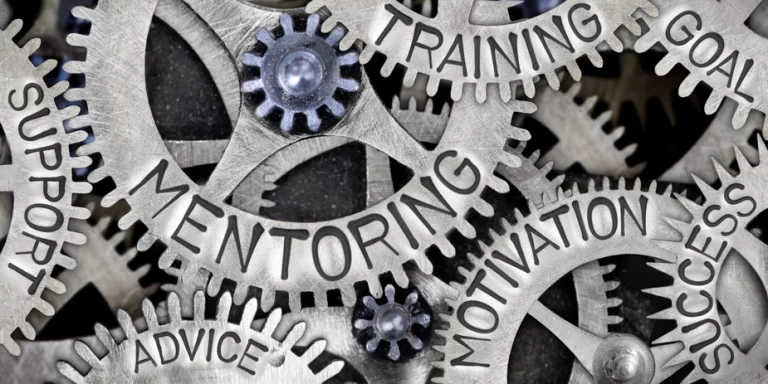
    Every moment of our lives from our first breath to our last, we are influenced by mentors, either directly or indirectly. The actions, words, successes, failures, inspirations and motivations that shape our personalities, goals and dreams are influenced by mentors. When we are children, we generally don’t have a lot of say in who our mentors are…family, friends, teachers, school playmates – these are the people who will shape our ideas of teamwork, our ability to make decisions, our morals, and our tendencies to be leaders or followers. The people who teach us fundamental life lessons as children influence our ability to problem solve, make decisions and choose the right (or wrong) mentors when we get older. As adults, we take these attributes shaped by the mentors of our youth, and we use these models to shape the character of our future, and how we influence ourselves, others and humanity.

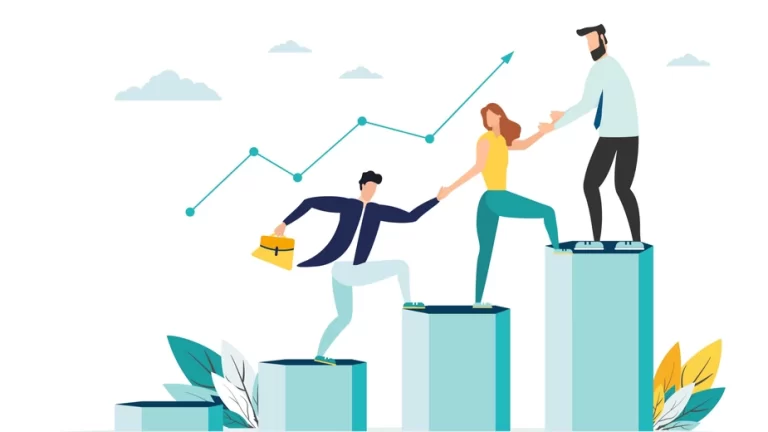
    For young adults stepping into the career world, their choice of mentors plays a significant role in the degree of achievement they set for themselves, the goals they aspire to, and the confidence with which they step forward into this exciting new era of their lives. The big, bad, scary future is much less daunting when you have a trusted advisor/mentor to listen, learn from, brainstorm with, and model. Mentors can be older siblings, parents, professors, friends, but a mentor can also be a boss, colleague or even a peer. There is no universal formula for a mentor – we are all mentors and we are all mentees, regardless of age or professional experience.

    “There is no universal formula for a mentor – we are all mentors and we are all mentees, regardless of age or professional experience”

    “Companies that embrace a culture of mentorship are shown to outperform competitors, having greater levels of efficiency, more cohesive team structures, and lower turnover rates. Mentoring builds unity, and a company unified from within will be a true vanguard of the future”

    Seasoned professionals, business leaders – those individuals who have been running in the rat race for a period of time – have a responsibility to inspire the younger generations so that they can aspire to reach their full potential, learning from our successes while avoiding the pitfalls that can usually only be sidestepped through experience. Companies that embrace a culture of mentorship are shown to outperform competitors, having greater levels of efficiency, more cohesive team structures, and lower turnover rates. Mentoring builds unity, and a company unified from within will be a true vanguard of the future.

    One of the most underappreciated forms of mentorship is reverse mentorship. Reverse mentoring pairs younger employees with executive-level team members, usually focused around technology and innovation. Companies that encourage their employees to be open to both mentorship and reverse mentorship, have a greater sense of inclusion, cooperation and productive knowledge-sharing. When senior executives or members of the leadership team challenge their younger employees with the responsibility of hacking apart problems and conceiving new and innovative solutions, teaching and guiding their colleagues, the company is positioned to be both disruptive and transformational. We have much to learn from one another. When you ask someone for their assistance, ideas or opinions, you are showing them that you value their input and trust their perspective. While they are contributing to the solution of your challenge, you are contributing reciprocal value to them, helping to build their self-confidence, further inspire the courage of their creativity, and ensure that they feel valued as an employee.

    “When senior executives or members of the leadership team challenge their younger employees with the responsibility of hacking apart problems and conceiving new and innovative solutions, teaching and guiding their colleagues, the company is positioned to be both disruptive and transformational”

    Our ability to professionally mentor does not come only from our education or professional experience, it comes from each and every engagement we have with others, the places we have traveled, the challenges we have faced, the times when we have been uplifted and the times when we have been let down. Sometimes, as we mentor others in a business capacity, we endeavor to keep it very linear and focused only on the topic, leaving the ‘personal’ out of it. But the ‘personal’ is what makes us human. The ‘personal’ is what makes us relatable. The ‘personal’ is what shapes the value of our perspective. And the ‘personal’ is what makes our content as a mentor, much more valuable. The personal side of us encompasses our emotions – the love, loyalty, sense of family. A mentor who counsels strictly from the rigid space of business will be missing a phenomenal opportunity to shape a well-rounded thought process infused with empathy, understanding, and balance – the balance we all need to successfully manage both our business and personal lives. We are sometimes afraid to show emotion or vulnerability in the workplace, but emotion and vulnerability is what truly makes us creative and forward-thinking. We see problems and challenges from a myriad of perspectives when we bring emotion to the table. If we hide behind a façade, attempting to be what we assume to be appropriate for the workplace, we are denying the workplace of the value of well-rounded perspective from our lessons learned. A mentor who espouses this as a role model is helping to shape visionary, tolerant and courageous mentees – who will pass this on as they assume their role as a mentor.

    “A mentor who counsels strictly from the rigid space of business will be missing a phenomenal opportunity to shape a well-rounded thought process infused with empathy, understanding, and balance – the balance we all need to successfully manage both our business and personal lives”

    “Have the courage to do things differently than others, and not only will you have opportunities that others don’t have, but you will inspire those who see you as a mentor to be brave enough to also do it differently”

    A work environment built around a nucleus of mentorship is the most important way to ensure your company dominates your sector. We are stronger together. As business leaders, entrepreneurs, innovators…and global citizens, we have a responsibility to elevate one another – not only for our personal gain or our business growth, but simply because it is the right thing to do. When we lead by example, we are passively mentoring. Have the courage to do things differently than others, and not only will you have opportunities that others don’t have, but you will inspire those who see you as a mentor to be brave enough to also do it differently. Every single day, we are mentoring and being mentored by others. Mentoring is not always sharing the good…we also learn from the bad examples we see. Be the good example. Be the mentor who inspires, empowers and uplifts. When we uplift one another, we uplift humanity.

  • STEM vs. STEAM: Preparing Our Youth for a Well-Rounded Future

    STEM vs. STEAM: Preparing Our Youth for a Well-Rounded Future

    “Play has become measured, creativity is stifled by regiment, and cooperation has been replaced with competition. Statistics say that 20% of youth will experience clinical depression before they reach adulthood”

    Ask a 50-year-old how they recall spending their childhood days and they will likely recount stories of mud puddles, hopscotch, climbing trees, paper dolls and bicycles. Ask a 20-year-old how they recall their childhood, and their answer will almost assuredly be decidedly different. Most likely, if you ask a Gen Z for a ‘day in the life’ they will recount structured practices… piano, ballet, baseball, karate, even coding (or all of the above), over abundant homework, standardized test prep, and measures to demonstrate high achievement to attract admission to top prep schools or universities. Play has become measured, creativity is stifled by regiment, and cooperation has been replaced with competition. Statistics say that 20% of youth will experience clinical depression before they reach adulthood. Are we accelerating our future by hyper-preparing our youth to be critical and analytical thinkers? Or, are we killing the right-brained creative thinking, essential to out-of-the-box strategies which drive business growth and differentiation?

    With the push towards STEM-based education (science, technology, engineering and mathematics), and recognizing that STEM is more critical than ever in this digital age, we are also rapidly diminishing our non-digital creativity. Exposure to art and music in school is shown to improve motivation, concentration, creative thinking, problem solving and teamwork. Students who are exposed to regular physical activity perform better in school, have better grades and enhanced critical thinking processes, are better behaved in the classroom, and are better equipped to stay ‘on task’. Art connects youth with the community, their ethnicity, and the wider world, accelerating their capability for empathy and tolerance. All these results attained from exposure to the arts will enhance, not diminish, our STEM-based education system.

    “Exposure to art and music in school is shown to improve motivation, concentration, creative thinking, problem solving and teamwork”

    Rather than STEM, our global focus must shift slightly to STEAM. The ‘A’ in STEAM represents liberal arts, language arts, social studies, physical arts, fine arts, and music; all of which help to prepare students for a lifetime of performance, allowing them to have the emotional intelligence, skills and perspective provided by the arts. Learning to paint, play a musical instrument or mindlessly mold a lump of clay helps to alleviate the symptoms associated with anxiety and depression, improving memory and reasoning. It allows our brains to be quietly awake, rather than running at full capacity throughout our awake hours. Scientists are now studying what effects our constant exposure to digital technology and the Internet have on the brains of youth, understanding that the brain is not fully developed until roughly the age of 25. We are seeing critical areas of concern in the mental behavior of youth in terms of concentration, memory processes and social cognition, leading the WHO (World Health Organization) to recommend that we limit screen-time for children under the age of five to one hour per day. A study by Medical News Today reports that when researchers looked at digital multitasking, the evidence showed that doing multiple things online did not improve people’s ability to multitask elsewhere. In fact, it could make them more likely to pay attention to new distractions.

    “[T]he limitless stream of prompts and notifications from the internet encourages us towards constantly holding a divided attention ⁠— which then, in turn, may decrease our capacity for maintaining concentration on a single task,” explains Joseph Firth, senior research fellow at Western Sydney University’s NICM health research Institute.

    Further, studies show that our memory is greatly affected by exposure to the internet. Previous generations had to store facts mentally, and today, what we once had to remember, is now available at our fingertips with a quick Google search. The antidote to these stressors on our memories is the integration of the arts into the daily routines of children, providing critical food for our brains, enhancing and refining our cognitive memory abilities. When we step away from a device and spend even a small amount of time feeding our brains through creative activities such as sketching, we enhance critical thinking and decision making, thereby increasing a person’s intelligence.

    “Art connects youth with the community, their ethnicity, and the wider world, accelerating their capability for empathy and tolerance. All these results attained from exposure to the arts will enhance, not diminish, our STEM-based education system”

    “The critical and analytical thinking of STEM, combined with the creative thinking of STEAM, would ensure that we are developing a generation of well-rounded, empathetic, out-of-the-box thinkers, capable of blending humanity with technology”

    Art allows us to use creativity and imagination to increase the development of STEM’s essential skills, enhancing flexibility, adaptability, productivity, responsibility and innovation – all required skills for a successful career in any field of study. The critical and analytical thinking of STEM, combined with the creative thinking of STEAM, would ensure that we are developing a generation of well-rounded, empathetic, out-of-the-box thinkers, capable of blending humanity with technology. STEAM education is about applying creative thinking to STEM projects, igniting and inspiring students to use their imagination and creativity through the arts, and applying these skills to STEM subjects. Studying art subjects contributes to the development of those essential skills for collaboration, communication and problem-solving. It also enhances a student’s flexibility, adaptability, productivity, responsibility, and innovation. All these skills are required for a successful career in any field of study. If we can find a way to balance the arts and the sciences, mankind, for generations to come, will be full STEAM ahead.

  • The Transformation of Business in 2021

    The Transformation of Business in 2021

    Entrepreneurship is the foundation on which the future of business will be built. With the fractures in manufacturing and supply chain, which became evident during the COVID-19 pandemic, there is an immediate opportunity to start businesses with innovative models and solutions, and those having services or products that fill our current challenges and needs. Among established small businesses, which are the backbone of our communities, many are struggling to regain their footing during this challenging and unprecedented time. If we approach the future of business with a new outlook, discarding what we knew to be true about the past, creating what will be true about the future, businesses will transform, going from a position of vulnerability to a position of strength.

    When businesses are enduring difficult times, either due to internal or external catalysts, we must all have a distinctive approach to confronting these challenges and crafting customized solutions. While many businesses are looking at the situation from a linear standpoint (“How can I take what you already have and just tweak it to find a solution?”), businesses who approach the challenges using an out-of-the-box thought-process will be the ones shaping the future. When revitalizing business plans, innovating models, or helping a distressed business to recover and accelerate, focus not only on ways to do it differently, but create a unique roadmap for your company, measuring these changes through integration and implementation, so that you can quantify the impact to your stakeholders, customers and employees. Businesses should not simply improve or solve a problem in their operations; they MUST find ways to differentiate themselves from their competitors, carving a unique niche for themselves in an overcrowded marketspace. This not only increases profitability, but it generates value, impact, consumer confidence and profitability.

    While this is a very disruptive time for business, disruption leads to transformation. As businesses around the world are channeling large portions of their budgets into cybersecurity and making sure their employees have access to technology and connectivity while working remotely, and as physical office space sits empty, we are embracing this as our new way-forward. Even when this pandemic stabilizes and it is safe to go back to “normal”, it will be far too costly and inefficient to put things back the way they once were. We can’t go back to normal when normal was clearly the problem. KPIs are up, overhead is down…welcome to the new norm.

    Many business experts are advising clients to pull in their sails, but I fully disagree! You are missing a phenomenal opportunity! This is the time when fortunes will be made, and fortunes will be lost. While many businesses will sit back licking their wounds, waiting to see how the dust will settle, those who are proactive, examining the gaps that are appearing, and formulating unique solutions will be the ones leading the pack into our transformational future. There is a way back “in” for every business and industry. Finding it, however, requires us to step out of the cattle chute of “business as it’s always been done”, and begin to look at our businesses through fresh eyes, understanding that it may require us to scrap much of our existing model in favor of innovation and change. When adversity becomes a chapter in the handbook of our business, remember that you are the author of the story. You determine what happens next. Whether the story ends or continues depends on your willingness to step out of your comfort zone, being brave enough to disrupt your existing model, and lead the way in a new direction. The beauty in writing each chapter of our lives is that we can take the eraser to the words and redo them any time. Life is never written with a Sharpie. If you make a mess of today, forgive yourself and start fresh with the sunrise.

    “While this is a very disruptive time for business, disruption leads to transformation”

    “This is the time when fortunes will be made, and fortunes will be lost.”

    During COVID-19, we witnessed the breakdown of our global governments at many levels. As businesses, we count on our governmental policies to be our beacon in the night. One of our biggest lessons-learned during the pandemic is that we must take responsibility for our own circumstances. We’ve allowed ourselves to get too comfortable in the somewhat erroneous belief that our government will be able to come to our rescue in times of economic downturn, natural disaster or, clearly, pandemic. Perhaps we are learning a hard lesson about our role in our systemic recovery and resiliency. As we re-evaluate our strategies, implementing new mechanisms and policies which will transform our operations, we must establish contingencies for the fractures which have appeared – and continue to appear, in our supply chains, operations, distribution and services. It would not be unreasonable to use the past few months as the measure by which we reshape our strategy, ensuring that we weigh each catalyst and consequence to formulate flexible and adaptable plans for our new enterprise models.

    2020 was about as predictable as the path of a Kansas cyclone. Not long after stepping into this new decade, as we all know, the world was blindsided with an unexpected reality – COVID-19. We went from commuting 90 minutes to/from the suburbs to commuting 30 seconds to our home office, which, for many folks, was/is the kitchen table, serving the dual purpose of conference room and classroom. Schools morphed into computer screens, airports became parking lots, and an elbow bump became the new handshake. We were gearing up for March madness, only to be shocked with an unexpected ‘madness’ in March. Four months ago, the education of our children was a daily routine – mindless clockwork. What time they get on and off the school bus; their spring sports schedules; SAT and ACT testing dates…all written in marker on our calendars. Why write it in pencil? These expectations and benchmarks were as predictable as the solstice – rigid, routine, unalterable.

    Progress doesn’t stop because of a challenge, in fact, challenges are the catalysts for progress. It is said that the Stone Age didn’t end because we ran out of stones, it ended because of PROGRESS. We aspire to more sophisticated medical care. We find ways to use technology to automate and innovate. We create processes and operations to make our businesses competitive and relevant. As parents, we strive to enable our children to progress beyond us in terms of quality of life and success. Progress implies forward motion. Why then, in the face of COVID-19 and the challenges we are facing in our businesses, would we want to go BACK to the way things were? Why would we want to regress into the past – a past that was clearly laden with systemic fragility, catastrophic failures in governmental policy, supply gain inefficiencies and gaps, and ineffective plans for the management of risk. We can’t go back to normal because ‘normal’ was the problem.

    “One of our biggest lessons-learned during the pandemic is that we must take responsibility for our own circumstances”

    “Progress doesn’t stop because of a challenge, in fact, challenges are the catalysts for progress”

    There is no magic formula which will determine how we emerge from the challenges of 2020; however, we need to look at this new year with a different mindset. Instead of letting 2021 shape us, we must shape 2021. Our success or failure is not predestined, arbitrary or accidental. We cannot attach blame or pass away the accountability. Too often, business owners or leaders fall into the ‘victim trap’, believing the there’s nothing they can do except lick their wounds and ride out the storm. However, to emerge from unprecedented and challenging times in a position of strength, flying as lead-bird, you cannot waste one minute ‘waiting it out’. While large multi-nationals have the internal teams or the access and resources to engage the large consulting firms for guidance and direction, buoyancy, weathering this storm and the subsequent recovery is much more challenging for entrepreneurs and small businesses. Small business owners bear the brunt of responsibility, carrying the weight of continuity, feeling the greatest impact from unexpected setbacks, closures and/or lapses in the supply chain. Small business owners are often required to step into all roles and positions within the company, meeting KPIs for the entire operational force. Being frugal with resources, doing more with less, and shouldering the uncertainty are, too often, the burden – and the survival strategy deployed by struggling small business owners. With the right tools and perspective, however, coupled with the courage to ‘reinvent’ in the face of adversity and challenge, small business owners have the singular opportunity to distinguish themselves, moving ahead of the pack of competitors, shaping themselves to be the vanguards of the future.

    Accelerating our business depends on our ability to understand the need to re-strategize, then being courageous enough swerve off the pathway, recognizing that we have the power to pioneer a way-forward for others to follow. This is the motivation that will keep us driving ahead. But it all begins by making a commitment to persevere in the face of adversity and the determination to find the right key that will fit the lock of our new future.

  • The Future of Business Belongs to the Youth

    The Future of Business Belongs to the Youth

    As we see the disruptive environment that Covid has thrust on us as business owners, leaders and professionals, one must wonder if the challenges associated with pivoting and formulating recovery strategies directly correlates to the fact that we are married to our legacy business models, unable to easily innovate and adapt. On the other hand, our youth have been reared in an era of hyperconnectivity, global connectiveness and digital transformation; allowing them to take these cataclysmic business shifts in stride. Our youth recognize that we are stakeholders of the planet – mandating sustainability and social inclusiveness, allowing businesses to truly embrace the world as a global marketplace.

    So, how can the ‘old guard’ empower the next generation of entrepreneurs, business leaders and professionals to achieve the full measure of their potential? Incorporating disruptive, rapidly progressing technologies with the wisdom and lessons-learned through years of experience? For the youth, as they prepare to step into life, moving toward a future of decision-making, responsibility and adventure, I have a few suggestions which I hope will allow them to be the change-makers of the future, healing our badly damaged planet, incorporating technological innovation with the established business methodologies of the past.

    Do not say goodbye to education. Your education is only just beginning. Life never stops teaching, so you should never stop learning. As President John F. Kennedy said, ‘Leadership and learning are indispensable to one another’.  To be a great leader, continue to adjust your perspective, refine your skills, enhance your knowledge and recognize that experience, while important, represents the past, but education empowers the future.

    Be ethical and altruistic leaders, building a legacy along with a career. Make ‘giving back’ an integral part of your ethos, weaving it into your business model from the very first day. Embrace sustainability as our collective mandate for the future. We did not inherit the planet from the past; we are borrowing it from the future. So far, we have done a horrible job of preparing the future for the next generation. We recognize that we have a responsibility to prepare you for our collective future now; therefore, as we give you the tools on which to build this future, recognize the gift you have in the Sustainable Development Goals*.  Select one or two of these Goals, which are a blueprint to the future. Your impact on one goal will have an ancillary impact on many others. Perhaps the most important goal is number 17: Partnerships for the Goals; recognizing that we are stronger together. We have no ‘Planet B’.  We can only heal our troubled world if we work together. It can no longer be us against each other; it must be us together for a solution. 

    You must find ways to differentiate yourselves. These are the times when fortunes and made and fortunes are lost.To be the former, don’t be afraid to throw away ‘the way it’s always been done’ and write a new way-forward.  Recognize the value in the word ‘team’. As Phil Jackson said, ‘The strength of the team is each individual member. The strength of each member is the team’.  When great minds come together with purpose, commitment and vision, the results can be transformational.  As a business owner or leader, trust in the value of your employees, making them stakeholders in your company’s future.  Delegate responsibility giving your employees the freedom and confidence to develop and refine their skills, and count on the diversity of their perspective when the chips are down and your company needs to pivot.  As leaders, we often get trapped in the cattle chutes of worry, burdened with solving problems without sharing that burden with our team.  Use your team to help ‘hack’ apart the problem and brainstorm the solution, and you will have a company that will always be the industry or sector leader.  YOU have the power to define the future. Your personal and professional success or failure is not predestined, arbitrary or accidental. You cannot attach blame or pass away the accountability. When adversity becomes a chapter in the handbook of your business, YOU have the power to decide how that chapter is written.  It begins by making a commitment to persevere in the face of adversity and the determination to stay the course.

    Take risks. To quote William Shedd, ‘A ship is safe in the harbor, but that’s not what a ship was built for’. Greatness doesn’t come from comfort zones.  Dream big, work hard, and don’t give up. You may have to try 1,000 keys before you can find the one that opens the door, but if you quit, that door will stay shut forever.  

    Be open to adjusting your route and relishing the unexpected detours that life bestows. What you expect to be, the life plan that you’ve drawn for yourself, will be as ever-changing as a Dubai street map. The detours will lead you to unimaginable experiences, destinations and people, often missed by those who are too inflexible, fearful or distracted to see these diversions as opportunities. Put down your phone. Look up. SEE the world. Destiny will walk right by those who are too busy taking selfies.

    Be strong in your convictions, even if those convictions are contrary to popular opinion. With each juncture in life, you will need to make a decision. Do not be afraid to swim against the current. Make your decision, believe in that decision, and follow it through to the end – regardless of the outcome. Do not doubt yourself. YOU are the one person with whom you can have complete trust. Make mistakes. Mistakes are as much a part of life as successes, and they often teach you the largest, most important lessons. Do not be afraid to fail. Failure is one of the necessary stepping-stones of life. Follow your endeavors through to the end – sometimes the end is bitter, and sometimes sweet, but each conclusion you reach will leave you stronger than you were at inception. There will always be people who tell you ‘it can’t be done’. Remember, people say you can’t because they are afraid you WILL. 

    Follow your dreams, but do not be afraid to change those dreams. As you grow and evolve, so will your hopes, goals and aspirations. Life is unpredictable, and ever changing. Be brave enough to change with it. As Darwin said, ‘It is not the strongest of the species that survives, nor the most intelligent; it is the one most adaptable to change’. Do not be afraid to embrace change. The ones who are crazy enough to believe they can change the world, are the ones who do. 

    While it is never good to judge a book by its cover, learn to trust your instincts. They rarely steer you wrong. Always treat others with dignity and compassion. Be helpful, not hurtful. You may never know how deeply an unkind word will affect someone. Be empathetic. Compassion, honesty, commitment and humor are necessary qualities found in all great leaders. Believe that YOU have what it takes to be a great leader.  If you believe it, you will achieve it.

    You never know how strong you are until being strong is your only option. Do not hold on to the past. Do not be afraid of the future. Enjoy today and learn from it. If you make a mess of today, forgive yourself, and start fresh with the sunrise. Each day is a clean slate. Each path you take will be an adventure, and remember, the greatest surprises and joys will be found on those unexpected detours.

    • Sustainable Development Goals: The Sustainable Development Goals (SDGs) – also known as Global Goals – were set by the UN General Assembly in 2015 as a part of the UN Resolution called ‘The 2030 Agenda’. There are a total of 17 SGDs, each set with the intention of achieving a better and more sustainable future for all. The SGDs are integrated and interdependent, and have the definitive purpose of balancing development with social, economic and environmental sustainability.
    • The 17 SGDs are:
    1. No Poverty
    2. Zero Hunger
    3. Good Health and Well-being
    4. Quality Education
    5. Gender Equality
    6. Clean Water and Sanitation
    7. Affordable and Clean Energy
    8. Decent Work and Economic Growth
    9. Industry, Innovation and Infrastructure
    10. Reducing Inequality
    11. Sustainable Cities and Communities
    12. Responsible Consumption and Production
    13. Climate Action
    14. Life Below Water
    15. Life On Land
    16. Peace, Justice, and Strong Institutions
    17. Partnerships for the Goals