Author: CA News Desk

  • Elevated Inflation Keeps Pressure on Fed to Raise Rates

    Elevated Inflation Keeps Pressure on Fed to Raise Rates

    U.S. inflation remains high, with the consumer price index (CPI) showing a 3.4% annual rate in August 2026. This ongoing inflation is putting pressure on the Federal Reserve to raise interest rates. As inflation exceeds expectations, financial analysts and investment managers must change their strategies to adapt to the economy.

    The Federal Reserve’s recent statements suggest that rate hikes are likely soon. Career Ahead’s analysis of economic data shows that inflation trends heavily influence the central bank’s decisions. With inflation still high, the Fed is ready to act, which could greatly affect financial markets and investment strategies. The New York Times notes that the Fed is committed to controlling inflation while trying to support economic growth.

    Understanding the Impact of Inflation on Interest Rates

    Inflation affects interest rates directly. Central banks usually raise rates when prices rise to cool the economy. The August CPI data shows a 3.4% increase, signaling that inflation is not easing quickly. This trend indicates that the Federal Reserve may raise rates further to combat inflation, impacting borrowing costs and economic growth. The Investopedia explains that high inflation often leads to tighter monetary policy as the Fed tries to prevent the economy from overheating.

    Career Ahead research shows a historical link between high inflation and interest rate hikes. In past inflationary periods, the Fed raised rates significantly to stabilize the economy. Financial analysts should watch these trends closely, as they can inform forecasting models and investment strategies. The current economic climate has many factors contributing to inflation, like supply chain disruptions and increased consumer demand. These factors make it harder for the Fed to decide, as it must balance controlling inflation with supporting growth. Analysts should be ready for potential market volatility as the Fed navigates these challenges.

    As interest rates rise, borrowing costs will increase. This may slow consumer spending and business investments. Investment managers might need to reassess their portfolios, especially in sectors sensitive to interest rate changes, like real estate and utilities. Understanding these dynamics will be crucial for making smart investment decisions in the coming months. The Washington Post highlights that the Fed’s actions will be closely watched, as any misstep could lead to significant market corrections.

    Strategies for Managing Investment Portfolios During Rate Changes

    As the Federal Reserve hints at rate hikes, investment managers must adopt strategies to manage risks from rising interest rates. One effective approach is diversifying portfolios across asset classes that usually perform well in inflationary times. For example, commodities and inflation-protected securities often provide stability when traditional stocks struggle. Career Ahead’s analysis finds that sectors like energy and consumer staples often do well during rising inflation. Investment managers should consider reallocating funds to these sectors to take advantage of their strength in uncertain economic times. Additionally, focusing on companies with strong pricing power can be beneficial, as they can pass on costs to consumers without losing demand.

    Fixed-income investments also require careful attention. As interest rates rise, bond prices usually fall, leading to potential losses for bondholders. To manage this risk, investment managers may consider shorter-duration bonds, which are less sensitive to interest rate changes. This strategy can help protect capital while still providing income in a rising rate environment. The current market dynamics require a proactive approach, as managers must stay agile in response to the Fed’s policy changes and broader economic indicators.

    Finally, maintaining a flexible investment strategy is essential. Market conditions can change quickly, so being able to adapt to new information and trends is vital for long-term success. Regularly reviewing economic indicators and adjusting strategies will help managers stay ahead of potential market fluctuations. The ongoing battle against inflation raises questions about future interest rates and their impact on the economy. As the Federal Reserve considers its options, market participants must remain ready to adapt to the changing monetary policy landscape.

    Elevated Inflation Keeps Pressure on Fed to Raise Rates

    In summary, understanding the relationship between inflation and interest rates is crucial for financial analysts and investment managers. By monitoring these dynamics and relevant economic indicators, professionals can better position themselves to face the challenges of high inflation and potential rate hikes.

    Frequently Asked Questions

    How can financial analysts adjust forecasts based on inflation data?

    Career Ahead analysis shows that financial analysts should include current inflation trends in their models. By analyzing CPI data and other indicators, they can better predict market movements and investment opportunities.

    What strategies should economic policy advisors consider in light of potential rate hikes?

    Economic policy advisors should focus on balancing inflation control with economic growth. They need to monitor key indicators and assess how rate hikes will affect consumer spending and business investments to guide policy decisions.

    Elevated Inflation Keeps Pressure on Fed to Raise Rates

    What should investment managers do about rising inflation and interest rates?

    Investment managers should diversify their portfolios and shift funds to sectors that perform well in inflationary conditions. They should also keep a close eye on economic indicators to adjust their strategies as market conditions change.


  • Meta Employees Revolt Against AI Experiment

    Meta Employees Revolt Against AI Experiment

    Meta’s internal AI program, known as the Model Capability Initiative (MCI), has faced significant backlash, leading to its suspension. Over 1,800 employees signed a petition protesting the program’s invasive data collection practices, which included tracking keystrokes and mouse movements. This revolt underscores the increasing concerns about ethics in AI development and workplace culture within the tech industry.

    The MCI was designed to gather data to train AI models and enhance Meta’s technology. However, employees were alarmed to discover that opting out of data collection was not an option. Many described the initiative as an invasion of privacy, and the situation escalated when Meta’s Chief Technology Officer, Andrew Bosworth, dismissed these concerns, asserting that the data would be tightly controlled. This response only intensified employees’ fears that their voices were disregarded in decisions impacting their work environment.

    As protests intensified, employees began sharing anti-AI memes and referred to the screen-recording icon as the “Eye of Sauron,” a reference to J.R.R. Tolkien’s character that resonated with their fears of constant surveillance and potential job displacement by AI. The situation reached a tipping point when an internal leak revealed that sensitive data, including private conversations, had been collected, prompting the immediate suspension of the program. According to Business Insider, the internal revolt was not solely about data collection; it also raised broader concerns regarding job security and workplace dynamics.

    Employee Sentiment and Ethical Concerns

    The sentiment among Meta employees reflects a growing unease among tech workers regarding the ethical implications of AI. Many fear that data collection could lead to job loss, as AI systems learn from human behavior. This concern is substantiated by studies indicating that automation and AI can disrupt job markets, particularly for routine tasks. The anxiety surrounding job security is exacerbated by the rapid advancements in AI technology, which many believe outpace ethical guidelines and protections.

    Analysis from Career Ahead suggests that this incident is part of a larger trend where employees are demanding greater transparency and ethical considerations in AI initiatives. The pushback against MCI highlights the necessity for tech companies to establish ethical standards that prioritize employee rights and data privacy. As AI continues to evolve, companies like Meta will face mounting pressure to address these concerns. The revolt at Meta serves as a wake-up call for other tech firms, emphasizing that employee support is crucial for the success of AI projects. Ignoring employee concerns can lead to backlash that halts projects and damages the company’s reputation.

    Moreover, the backlash against MCI raises critical questions about corporate governance in the tech sector. As AI becomes increasingly integrated into business operations, ethical oversight is paramount. Companies must establish clear guidelines regarding the use of employee data in AI training to ensure privacy concerns are adequately addressed and employees feel secure in their roles. The incident at Meta illustrates that employees are increasingly unwilling to accept practices they perceive as invasive or unethical. This sentiment was echoed on platforms like MSN, where employees expressed their discomfort with the program.

    Meta Employees Revolt Against AI Experiment

    Wider Implications for the Tech Industry

    The implications of the Meta employee revolt extend beyond the company itself. This incident highlights a growing trend within the tech industry, where employees are demanding ethical accountability from their employers. As AI technologies become more prevalent, concerns about data misuse and privacy invasion will remain pressing. The revolt at Meta represents a broader movement among tech workers seeking greater control over their data and work environments. This shift in expectations may lead to stricter regulations on data collection practices across the tech industry.

    According to Business Insider, companies that fail to adapt to these evolving expectations risk facing similar revolts, which could disrupt their operations and innovation efforts. The increasing focus on ethical AI practices also impacts corporate governance. Companies will need to develop clear policies on how employee data is collected, utilized, and protected. This includes forming oversight committees with employee representation to ensure diverse perspectives are included in decision-making processes. By prioritizing ethical practices, companies can foster trust and collaboration, benefiting both employees and the organization.

    As the tech industry continues to evolve, the importance of ethical considerations in AI development will only grow. Companies must recognize that their success is intertwined with employee well-being. By addressing ethical concerns directly, tech firms can cultivate a more resilient workforce, better equipped to navigate the challenges posed by AI. Moving forward, it will be crucial to observe how tech companies respond to the demand for ethical AI practices. Will Meta and others implement changes that prioritize employee rights and data privacy? The outcome of this situation may set a precedent for managing AI initiatives in the future, shaping the tech industry for years to come.

    Frequently Asked Questions

    What ethical guidelines should AI engineers follow?

    AI engineers should prioritize transparency, data privacy, and employee consent in their projects. Clear ethical frameworks can guide their work and ensure employee rights are respected.

    How can tech ethics specialists address employee concerns in AI projects?

    Tech ethics specialists can promote open dialogues between employees and management to ensure that concerns are heard and addressed. They can also advocate for policies that prioritize ethics in AI development.

    Meta Employees Revolt Against AI Experiment

    What should Meta employees do to align with ethical practices in AI development?

    Meta employees should engage in discussions about ethical practices and voice their concerns and suggestions. Collaborating with ethics specialists can help create a more responsible approach to AI initiatives within the company.

  • 2026 Layoffs Disrupt India’s IT Hiring and Campus Recruitment

    2026 Layoffs Disrupt India’s IT Hiring and Campus Recruitment

    India’s IT sector is undergoing a significant transformation due to the wave of layoffs expected in 2026. Major firms are anticipated to cut between 25,000 to 35,000 jobs as they adapt to automation and AI-driven changes. This shift marks a notable departure from traditional hiring practices, particularly affecting fresh graduates and campus recruitment.

    The layoffs began accelerating in the second quarter of 2026 as companies like TCS, Infosys, and Wipro began scaling back their intake of new graduates. These changes are a response to a broader trend of precision hiring, where companies seek to fill roles with highly specialized talent rather than relying on mass recruitment strategies. According to data from LayoffTracker, the tech industry has seen over 175,000 job losses globally, with India being one of the hardest-hit regions. This trend reflects economic pressures and a strategic pivot towards more sustainable business models that prioritize efficiency and innovation.

    Decline of Mass Campus Recruitment

    The traditional model of mass campus recruitment has effectively ended. In previous years, top tech firms would visit universities and hire thousands of engineering graduates in bulk. However, the number of entry-level fresher roles has plummeted from a peak of 600,000 in FY22 to historic lows. Career Ahead’s analysis of the Unstop Talent Report 2026 reveals that while nearly 88% of companies still engage in some form of campus outreach, a staggering 84% of undergraduate students remain unplaced as firms reduce their intake numbers. The shift is stark: firms are now more selective, focusing on candidates who can demonstrate specific competencies and experiences that align with their operational needs.

    Furthermore, candidates who manage to secure job offers are facing unprecedented delays in onboarding. Major firms like Cognizant and Accenture are experiencing widespread deferred joining dates, as they are hesitant to place unbillable freshers on the bench. The complexity of enterprise technology requires more extensive training, which has made companies cautious about hiring unprepared graduates. This cautious approach is underscored by a report from Bloomberg, which highlights the broader economic context influencing these decisions, including rising costs and the need for companies to remain competitive in a rapidly evolving market.

    As a result, many freshers are left in limbo, unable to start their careers despite having job offers. This situation emphasizes the need for students to acquire specialized skills that align with current industry demands, such as AI and machine learning. The shift toward precision hiring means that companies are now looking for candidates with verified skills rather than generalists. The implications of this trend are profound, suggesting a future where the ability to adapt and learn quickly will be paramount for job seekers.

    2026 Layoffs Disrupt India’s IT Hiring and Campus Recruitment

    Emerging Skill Demands for Software Engineers

    The 2026 layoffs are indicative of a broader shift in skill requirements for software engineers. Routine roles such as manual quality assurance and basic tech support are being automated, leading to a decline in demand for entry-level generalists. Instead, hiring is increasingly focused on specialized domains, including AI/ML engineering, MLOps, Cloud architecture, Data analytics, and Cybersecurity. This shift is echoed in findings from Career Ahead, which emphasize that software engineers who can demonstrate proficiency in these areas will have a competitive advantage in the tightening job market.

    Companies are prioritizing candidates who can show real-world experience and mastery of specific tools and technologies. This means that fresh graduates must not only understand these concepts but also be able to apply them in practical settings. The educational landscape is responding to this demand, with universities and training institutions under pressure to adapt their curricula to prepare students for the evolving job market. As companies increasingly rely on data-driven hiring practices, candidates with portfolios showcasing relevant projects and skills will stand out in the hiring process. This evolution in skill requirements is prompting discussions about the effectiveness of current educational frameworks in equipping students for the realities of the tech industry.

    Long-Term Implications for the IT Workforce

    The implications of these changes extend beyond immediate job prospects. The structural shifts in the IT sector are likely to influence the long-term career trajectories of software engineers. Those who fail to adapt may find themselves at a disadvantage as the industry continues to evolve. The ongoing dialogue about the future of work in tech underscores the importance of continuous learning and skill development, as professionals navigate a landscape marked by rapid technological advancement and shifting employer expectations.

    2026 Layoffs Disrupt India’s IT Hiring and Campus Recruitment

    Overall, the 2026 layoffs have ushered in a new era of hiring in India’s IT sector, characterized by a focus on precision and specialization. As companies continue to refine their hiring strategies, the landscape for fresh graduates will be increasingly competitive and challenging. The impact of these layoffs raises important questions about the resilience of India’s tech workforce. Will the shift towards specialized skills create new opportunities for fresh graduates, or will it further entrench existing disparities in the job market? The coming months will be crucial in determining the answers to these questions.

    Frequently Asked Questions

    What skills should IT recruiters focus on during layoffs?

    Career Ahead analysis indicates that IT recruiters should prioritize candidates with specialized skills in AI/ML, Cloud architecture, and Cybersecurity. These areas are in high demand as companies shift away from generalist roles.

    How can campus recruiters adapt to changes in the IT hiring pipeline?

    Campus recruiters can adapt by focusing on partnerships with companies that prioritize specialized skills and by encouraging students to build portfolios that demonstrate their expertise in relevant technologies.

    2026 Layoffs Disrupt India’s IT Hiring and Campus Recruitment

    What should software engineers do to remain competitive in a tightening job market?

    Software engineers should invest in developing specialized skills that align with industry demands. Gaining practical experience through internships and projects will be crucial for standing out in a competitive landscape.

  • Stronger AI Safeguards Needed, Innovation Must Thrive

    Stronger AI Safeguards Needed, Innovation Must Thrive

    India’s Finance Minister Nirmala Sitharaman called for stronger safeguards around artificial intelligence at the Global Fintech Fest 2026 in Mumbai on September 11, 2026. She highlighted the rapid rise of agentic AI and the risks it brings, emphasizing the need for a regulatory approach that encourages innovation without stifling it.

    Sitharaman’s remarks came amid growing concerns about AI technologies’ impact on society and the economy. She stressed that the fast pace of AI development requires proactive measures for safety and accountability. This call for regulation reflects a global trend among policymakers who are trying to foster innovation while protecting public interests. According to a report by Mint, she noted that the rapid rise of agentic AI brings risks that society cannot address after the technology has advanced.

    Balancing Innovation with Accountability

    During her speech, Sitharaman pointed out that the AI industry must ensure its technologies are safe and beneficial. She questioned whether the industry is doing enough to reassure the public about the safety of powerful AI systems. Her inquiry reflects a growing sentiment that accountability should be a core part of AI development, not an afterthought. She emphasized that the government aims to create a framework that encourages responsible development, not stifle innovation.

    Moreover, Sitharaman mentioned discussions with the Reserve Bank of India about how regulatory frameworks could address emerging risks without hindering innovation. This indicates a shift towards a structured governance model for AI in India, prioritizing safety and progress. The Finance Minister’s approach suggests that the government wants to create an environment where innovation can thrive without compromising public trust and safety. As highlighted by Varthabharati, she stressed the need for collaboration between the government and the tech industry to ensure effective regulatory measures that support growth.

    Implications for Startups and Investors

    This regulatory shift could significantly impact funding strategies for AI startups. Investors may demand more transparency and accountability from companies in this evolving landscape. Startups that demonstrate compliance with new regulations may find it easier to secure funding. In contrast, those that do not adapt could struggle to attract investment. This shift in investor expectations may lead to a more cautious funding approach, focusing on ethical practices and safety measures.

    Additionally, the emphasis on ethical AI development may lead to new standards and best practices in the industry. Companies may need to invest in compliance measures and ethical guidelines to meet regulatory expectations. This could reshape the competitive landscape, as firms prioritizing ethical considerations may gain an edge. As the industry evolves, those who proactively address safety and ethical issues may be better positioned to attract talent and investment.

    Addressing the Dual Nature of AI

    Sitharaman’s call for stronger AI safeguards highlights the need for collaboration between the government and the tech industry. She emphasized that technology can provide solutions, but these solutions must evolve with AI advancements. This perspective underscores the importance of adaptive regulatory frameworks that can respond to rapid technological changes. The Finance Minister’s assertion that AI is a double-edged sword is particularly relevant. While AI can enhance efficiency and detect fraud, it also poses risks, such as enabling sophisticated cyber-attacks. This duality requires a balanced regulatory approach that addresses both the benefits and risks of AI technologies.

    Stronger AI Safeguards Needed, Innovation Must Thrive

    As AI technologies become more integrated into sectors like finance and healthcare, the potential for misuse or unintended consequences increases. Sitharaman’s comments suggest that the government is aware of these risks and is taking steps to mitigate them. The challenge will be to implement effective regulations that do not create unnecessary barriers to innovation. As noted by Rediff, the Finance Minister’s remarks reflect a growing recognition that AI governance must be proactive, ensuring that the regulatory landscape keeps pace with technological advancements.

    Stronger AI Safeguards Needed, Innovation Must Thrive

    Future Directions for AI Governance

    As the Indian government moves forward with its regulatory agenda, the implications for AI researchers and developers will be significant. Those in the field must stay informed about regulatory developments and consider how to align their projects with emerging standards. This may lead to shifts in research priorities and funding allocation, as projects emphasizing safety and ethics may attract more investment. Ongoing dialogue between regulators and industry stakeholders will be crucial in shaping the future of AI governance in India.

    Ultimately, the success of AI regulation in India will depend on balancing innovation and public safety. This ongoing dialogue will be vital as stakeholders navigate the complexities of AI governance in the coming years. As the regulatory landscape becomes clearer, companies will need to adapt their strategies to thrive in this new environment.

  • Can Europe recharge its battery industry?

    Can Europe recharge its battery industry?

    Europe’s battery industry faces a significant setback as two major players, Northvolt and Morrow, filed for bankruptcy in September 2026. This development raises concerns about the continent’s ability to compete with dominant Chinese firms in the battery market, particularly as the demand for electric vehicles and renewable energy solutions continues to grow.

    The recent bankruptcies highlight the challenges that European companies face in scaling their operations and bringing innovative technologies to market. Northvolt, once hailed as a pioneer in sustainable battery production, struggled to secure the necessary funding and market traction amid fierce competition and rising costs. Meanwhile, Morrow’s focus on next-generation battery technology could not offset the financial pressures that ultimately led to its collapse. According to a report by BBC News, the lengthy process of bringing new products to market, combined with brutal competition, particularly from China, has made the landscape increasingly perilous for European firms.

    The Implications for Battery Engineers

    The fallout from these bankruptcies has immediate implications for battery engineers across Europe. As companies like Northvolt and Morrow exit the market, the job security of engineers in the sector is jeopardized. Career Ahead’s analysis indicates that professionals in the battery industry may face increased competition for fewer available positions, particularly as firms consolidate and focus on more viable projects. The loss of these significant players could lead to a talent drain, as skilled engineers seek opportunities in more stable markets, further exacerbating the skills gap within the European battery sector.

    Moreover, the shift towards more advanced battery technologies, such as those being developed by LeydenJar and Powall, presents both challenges and opportunities. LeydenJar’s innovative approach to creating a more efficient anode using plasma deposition techniques could revolutionize battery performance. However, the adoption of such technologies requires engineers to adapt their skill sets to align with these new methodologies. As noted in the RECHARGE Battery Industry Association’s reports, the focus on sustainable practices and advanced materials is becoming increasingly crucial, pushing engineers to expand their expertise in these areas.

    Career Ahead research finds that engineers specializing in nanotechnology and advanced materials will be in higher demand as the industry evolves. This shift underscores the importance of continuous learning and upskilling for professionals looking to remain competitive in a rapidly changing landscape. The need for engineers to pivot and embrace new skills will be crucial for long-term career success, especially as the industry adapts to new regulations and market demands.

    Furthermore, the bankruptcy of established firms may lead to a talent drain, as skilled engineers seek opportunities in more stable markets. This could create a skills gap within the European battery sector, making it imperative for educational institutions and training programs to adapt their curricula to prepare the next generation of engineers for the challenges ahead. As Europe strives to regain its footing in the battery industry, engineers must not only keep pace with technological advancements but also navigate the complexities of a shifting job market.

    Investment and Innovation in Battery Startups

    Despite the setbacks faced by larger companies, there is a growing interest in investing in smaller battery startups across Europe. Companies like LeydenJar and Powall are at the forefront of this movement, focusing on innovative technologies that could reshape the battery landscape. LeydenJar’s approach to creating lighter and more efficient anodes, for instance, may provide a competitive edge in the market. The European Investment Bank (EIB) has recognized the potential of these startups and is actively seeking to support their growth through funding and resources. This shift in focus towards smaller, innovative companies indicates a broader trend within the European battery industry to foster a more resilient and diverse ecosystem.

    Career Ahead’s analysis highlights that the investment landscape for battery startups is evolving, with an emphasis on deep tech innovations that leverage nanotechnology and advanced materials. As investors seek to capitalize on the growing demand for sustainable battery solutions, engineers with expertise in these areas will find themselves in a favorable position. However, the path forward is not without challenges. The competitive landscape remains intense, particularly with Chinese firms continuing to dominate the market. European startups must not only innovate but also find ways to scale their operations efficiently to compete on a global level.

    As the European battery industry adapts to these changes, professionals in the sector should remain vigilant and ready to embrace new opportunities. The potential for growth and innovation within smaller companies may offset some of the challenges posed by the recent bankruptcies of larger players. According to the RECHARGE Battery Industry Association, fostering collaboration between startups and established firms could be key to driving innovation and overcoming the hurdles faced by the industry.

    Can Europe recharge its battery industry?

    Looking ahead, the future of Europe’s battery industry hinges on its ability to innovate and adapt to the changing market dynamics. The recent bankruptcies of Northvolt and Morrow serve as a stark reminder of the risks associated with rapid expansion and the need for sustainable business models. As the demand for electric vehicles and renewable energy solutions continues to rise, the urgency for Europe to strengthen its battery production capabilities becomes increasingly clear. Career Ahead research indicates that the next few years will be critical for the industry, as policymakers and industry leaders work together to create a supportive environment for innovation and investment.

    Battery engineers and supply chain managers must stay attuned to these developments, as new regulations and funding opportunities may arise in response to the challenges faced by the industry. The ability to pivot and adapt to these changes will be essential for professionals looking to thrive in this evolving landscape. Ultimately, the path forward for Europe’s battery industry will depend on the collective efforts of engineers, investors, and policymakers to foster a resilient ecosystem that can withstand market fluctuations and drive innovation. As the industry seeks to recharge and regain its competitive edge, the question remains: can Europe successfully navigate the challenges ahead and emerge as a leader in the global battery market?

    Frequently Asked Questions

    What are the latest trends in battery technology for battery engineers?

    Career Ahead’s analysis shows that battery engineers should focus on advancements in nanotechnology and materials science, particularly innovations in anode and cathode development. These areas are crucial for enhancing battery performance and longevity.

    How will the bankruptcy of major players affect supply chain managers in the battery industry?

    The bankruptcy of companies like Northvolt and Morrow may lead to supply chain disruptions and a need for managers to reassess their supplier relationships. This could create opportunities for smaller, more agile startups to fill the gaps left by larger firms.

    Can Europe recharge its battery industry?

    What skills should battery engineers develop to stay competitive in the evolving market?

    Battery engineers should prioritize skills in nanotechnology, advanced materials, and sustainable manufacturing processes. As the industry shifts towards innovative solutions, these skills will become increasingly valuable.

  • Himachal Pradesh Introduces Apprenticeship Degrees

    Himachal Pradesh Introduces Apprenticeship Degrees

    Himachal Pradesh is launching apprenticeship-embedded degree programs in 16 government colleges starting in the 2026-27 academic session. This initiative, announced by the state’s higher education department, aims to give students practical industry experience while they earn their undergraduate degrees. Students in these programs will complete at least six months of industry apprenticeship and receive a monthly stipend of Rs 10,900.

    The introduction of apprenticeship-linked degrees is a major step towards closing the gap between academic learning and job requirements. Education Minister Rohit Thakur emphasized that this program will especially help rural and economically weaker students by enhancing their skills and improving their job prospects. The first phase will focus on BCom programs in banking, financial services, insurance (BFSI), retail operations management, and logistics. According to reports from the Economic Times, the government has signed a Memorandum of Understanding (MoU) with the Board of Apprenticeship Training (Northern Region) to support this initiative.

    So far, 685 students have enrolled in these courses across the 16 colleges. This shows strong interest in this innovative educational approach. The government plans to expand these apprenticeship-embedded degrees to BA and BSc streams. They also aim to extend BVoc programs to more colleges in the future. This expansion is important as it aligns with the state’s goal to improve the quality of higher education and make it more relevant to the job market.

    Enhancing Employability Through Practical Experience

    The apprenticeship-embedded degree programs aim to address the skill gaps that often prevent graduates from finding jobs. By combining hands-on training with academic coursework, students will gain valuable insights into industry practices. This approach not only equips students with relevant skills but also boosts their employability in a competitive job market. As noted by Free Press Journal, practical experience is crucial, especially in sectors like BFSI and logistics, where theory alone may not be enough. Employers increasingly seek candidates who can show both academic knowledge and practical skills. This dual approach is expected to create a more skilled workforce ready for evolving industries.

    The guaranteed stipend of Rs 10,900 per month provides financial support to students, making education more accessible. This is especially important for students from rural backgrounds who may struggle financially while pursuing higher education. By easing some financial burdens, the program encourages more students to pursue higher education and vocational training. It is also expected to boost local economies by creating a skilled workforce that can effectively contribute to various sectors.

    As the program rolls out, it will be essential to monitor outcomes for participating students. Tracking their employment rates and career progression after graduation will provide valuable insights into the effectiveness of this educational model. It will also help refine and expand the program based on feedback from participants and employers. The government’s commitment to this initiative shows a broader understanding of the need for educational reforms that focus on employability and skill development.

    Wider Implications for the Education Sector

    The introduction of apprenticeship-embedded degrees in Himachal Pradesh reflects a broader trend in higher education. This trend integrates practical experience with academic learning. This shift benefits students and aligns with employers’ needs, who increasingly prioritize skills over traditional degrees. Career Ahead research finds that educational institutions across India are beginning to recognize the importance of adapting curricula to prepare students for the workforce. The success of this initiative could serve as a model for other states looking to improve their educational offerings and student outcomes.

    By collaborating with industry partners, educational institutions can create programs relevant to current job market demands. Such partnerships can lead to innovative training solutions that benefit both students and employers. Moreover, the program’s focus on rural and economically weaker students promotes inclusivity in higher education. By providing these students with industry experience, the initiative aims to level the playing field and reduce disparities in access to quality education and job opportunities.

    If successful, this program could significantly transform how higher education is perceived and delivered in India. It may encourage more students to pursue vocational training and apprenticeships, contributing to a more skilled and adaptable workforce. The implications of this initiative extend beyond immediate benefits for students. It could influence educational policies at state and national levels, prompting a reevaluation of degree structures and valuable educational experiences.

    Himachal Pradesh Introduces Apprenticeship Degrees in Colleges

    As this program unfolds, stakeholders will closely watch its impact on enrollment patterns, student satisfaction, and employment outcomes. The success of these apprenticeship-embedded degrees could set a precedent for future educational reforms across the country. This could pave the way for a more integrated approach to education that emphasizes both theoretical knowledge and practical skills.

    Frequently Asked Questions

    What industries are involved in the apprenticeship program?

    The apprenticeship-embedded degree programs will initially focus on industries such as banking, financial services, insurance, retail operations, and logistics. These sectors are vital to the state’s economy and offer many job opportunities for graduates.

    How can I apply for the apprenticeship-embedded degree?

    Students interested in enrolling in the apprenticeship-embedded degree programs can apply through the respective government colleges offering these courses. Detailed application procedures will be provided by the colleges before the 2026-27 academic session.

    Himachal Pradesh Introduces Apprenticeship Degrees in Colleges

    What skills will I gain from the apprenticeship experience?

    Students will gain various practical skills relevant to their chosen fields. These include industry-specific knowledge, problem-solving abilities, and professional competencies. This hands-on experience will enhance their employability and prepare them for workforce demands.

  • UK chancellor urged to remove ‘hidden taxes’ from energy bills

    UK chancellor urged to remove ‘hidden taxes’ from energy bills

    UK — More than 120 organizations, including prominent businesses and charities, have urged the UK Chancellor to eliminate hidden taxes from energy bills. This appeal comes as households and businesses grapple with soaring energy costs, with these levies constituting approximately 10% of total energy bills. The letter, co-signed by influential groups such as Energy UK and the Confederation of British Industry (CBI), asserts that removing these taxes could lead to significant savings for consumers and help avert business closures.

    The coalition argues that the existing energy billing structure, which incorporates levies to fund government policies, is harmful to both households and businesses. They estimate that abolishing these hidden taxes could reduce average household energy bills by up to £250 annually and lower electricity prices for businesses by 20%. With the Chancellor’s budget presentation scheduled for October 28, the pressure is mounting to address these pressing issues.

    Financial Relief for Households and Businesses

    Removing hidden taxes from energy bills could provide substantial relief to UK households. Energy costs in the UK are among the highest in the developed world, leaving many families struggling to make ends meet. The situation has been exacerbated by geopolitical tensions, particularly the ongoing conflict in the Middle East, which has strained energy supplies and driven up costs. A report from Cornwall Insight indicates that energy prices have surged, underscoring the urgency for government intervention to alleviate the burden on consumers.

    If the Chancellor responds positively to this request, families could experience a significant reduction in their financial strain. For instance, a £250 decrease in annual energy costs would enable households to allocate more funds toward essentials such as food and healthcare. This shift could stimulate local economies as families gain more disposable income to spend on goods and services. The CBI has also highlighted that the current energy pricing structure is unsustainable, and reforming it could foster a more resilient economy.

    Moreover, reducing energy costs for businesses could be transformative. Many small businesses, which are crucial to the UK economy, have faced closures due to exorbitant energy prices. A 20% reduction in electricity costs could help these enterprises survive and thrive, preserving thousands of jobs across various sectors. The coalition of organizations has pointed out that energy expenses rank among the top three operational challenges for many small businesses, emphasizing the urgency of this issue.

    The letter from the coalition stresses the necessity for the government to reevaluate its approach to energy taxation. With the cost of living crisis affecting millions, eliminating these hidden taxes is viewed as a critical step toward economic recovery and stability. The Guardian has reported that the UK faces some of the highest energy costs in the developed world, highlighting the need for immediate policy changes to protect consumers and businesses.

    Potential Policy Changes and Economic Implications

    The campaign to remove hidden taxes from energy bills aligns with the UK government’s commitment to reduce energy bills by £300 annually by 2030. However, energy bills have surged by 70% since 2021, raising concerns about the effectiveness of current policies. The Chancellor’s upcoming budget will be pivotal in addressing these challenges and implementing meaningful reforms.

    Research indicates that the government has previously shifted funding for renewable energy projects from levies on bills to general taxation. While this approach has some advantages, it has not significantly alleviated the financial pressures on consumers. Instead, it has resulted in a convoluted billing system that obscures the true costs of energy, placing an unfair burden on households and small businesses. The CBI has called for a more transparent energy pricing structure, enabling consumers to better understand their bills and associated costs.

    Furthermore, the implications of this policy change extend beyond immediate financial relief. Lowering energy costs could create a more favorable investment climate. Reduced operational expenses for businesses could attract new investments, fostering innovation and job creation, which are essential for long-term economic growth. E3G, a think tank focused on sustainable development, has noted that reforming energy taxation could also promote increased investment in renewable energy, aligning with the UK’s climate objectives.

    UK chancellor urged to remove ‘hidden taxes’ from energy bills

    As the Chancellor prepares for the budget announcement, stakeholders are closely monitoring the situation. The decision to eliminate hidden taxes could set a significant precedent for future energy policy and influence public perception of the government’s commitment to addressing the cost-of-living crisis. With energy prices expected to remain elevated, the need for decisive action is urgent. The coalition’s letter serves as a reminder that the current approach is unsustainable and that reevaluating energy taxation is essential for both households and the economy.

    The upcoming budget presentation will be crucial for understanding the government’s direction on energy policy. Will the Chancellor heed the call for change, or will high energy costs continue to burden consumers and businesses?

    Frequently Asked Questions

    How can I reduce my energy bills as a household?

    Removing hidden taxes from energy bills could lead to significant savings for households. If implemented, families could save up to £250 annually, allowing them to manage their budgets more effectively.

    What should small business owners know about potential changes in energy costs?

    Small business owners should be aware that eliminating hidden taxes could reduce their electricity costs by up to 20%. This change could provide essential financial relief and help sustain operations in a challenging economic environment.

    UK chancellor urged to remove ‘hidden taxes’ from energy bills

    What actions can households take if hidden taxes are removed from energy bills?

    If hidden taxes are removed, households can expect lower energy bills, freeing up funds for other essential expenses. This shift in spending could positively impact local economies as consumers gain more disposable income.

  • India to Drain $10.5 Billion From Banks After Cash Buildup

    India to Drain $10.5 Billion From Banks After Cash Buildup

    India’s central bank has announced plans to drain $10.5 billion from its banking system as part of a strategy to manage excess liquidity. This move, which involves selling bonds, is expected to have significant implications for liquidity management and interest rates across the banking sector.

    The decision comes at a time when the Indian economy is grappling with fluctuations in cash flow and inflationary pressures. The central bank’s actions are aimed at stabilizing the financial landscape, and this cash drain is a critical step in that direction. According to Bloomberg, the Reserve Bank of India (RBI) is responding to a buildup of cash in the banking system that could lead to inflation if left unchecked.

    Impact on Liquidity Management Strategies

    With the withdrawal of $10.5 billion, banking executives must reassess their liquidity management strategies. The central bank’s move is likely to tighten liquidity, prompting banks to adapt quickly. Career Ahead’s analysis finds that institutions may need to increase their reliance on short-term funding sources to maintain operational stability. This shift could lead to a more competitive environment for short-term loans, as banks scramble to secure necessary funds.

    Financial analysts will also need to recalibrate their models to account for this significant cash drain. Historical data from the Reserve Bank of India suggests that similar liquidity adjustments have led to increased borrowing costs in the past. This trend indicates that banks may face higher interest rates as they navigate the new financial landscape. As noted by Financial Express, the impact of this cash drain could ripple through various sectors, influencing everything from consumer loans to corporate financing.

    Moreover, the bond market is expected to react to this cash drain. As banks adjust their portfolios in response to the changing liquidity environment, bond yields could rise, making it more expensive for institutions to issue new debt. Analysts will need to closely monitor these developments to provide accurate forecasts and recommendations. The dynamics of the bond market could shift significantly, as the supply-demand balance is altered by banks selling off bonds to manage liquidity. This could deter some investors, particularly those seeking safer assets, as they may perceive increased risk in the changing landscape.

    As banks adapt to these changes, the focus will be on maintaining adequate liquidity levels. Institutions that can effectively manage their cash flow will be better positioned to withstand potential shocks in the market. This adaptability will be crucial for financial executives as they develop strategies to mitigate risks associated with tighter liquidity. The need for robust risk management frameworks will be paramount, especially as banks navigate the complexities of a fluctuating economic environment.

    Potential Effects on Interest Rates

    The central bank’s decision to drain cash from the banking system is likely to have a direct impact on interest rates. Historically, such actions have led to a rise in borrowing costs for consumers and businesses alike. As banks adjust to a new liquidity paradigm, interest rates may increase, affecting everything from mortgages to business loans. This scenario could lead to a tightening of credit conditions, which may slow down economic activity.

    Career Ahead’s research indicates that financial institutions may begin to pass on these increased costs to their customers. This could lead to a slowdown in consumer spending and investment, potentially hindering economic growth. Analysts will need to assess the broader economic implications of rising interest rates, particularly in sectors sensitive to borrowing costs. According to Moneycontrol, the implications of higher rates could extend to the housing market, where affordability may become a pressing concern for potential buyers.

    Furthermore, the ripple effects of higher interest rates could extend to the housing market, where affordability may become a pressing concern for potential buyers. As borrowing costs rise, demand for housing could decrease, impacting both the real estate sector and related industries. The potential for a slowdown in housing demand could have significant implications for construction and home improvement sectors, which are vital for economic growth.

    India to Drain .5 Billion From Banks After Cash Buildup

    Banking executives must prepare for these shifts by developing proactive strategies to manage interest rate risk. Institutions that can effectively communicate changes to their clients will likely maintain stronger relationships, even in a tightening financial environment. This communication will be essential as consumers grapple with the implications of rising rates on their financial decisions. The ability to provide clear guidance and support will be crucial in retaining customer loyalty during these uncertain times.

    In summary, the cash drain marks a pivotal moment in India’s economic landscape. As banking executives and financial analysts navigate the implications of this decision, the focus will be on maintaining stability and adapting to a rapidly changing environment. The next few months will reveal how these strategies unfold in response to the central bank’s actions, and the broader economic impacts will be closely monitored by stakeholders across various sectors.

    Frequently Asked Questions

    How will the cash drain affect my bank’s liquidity management?

    The $10.5 billion cash drain will tighten liquidity for banks, necessitating adjustments in their liquidity management strategies. Institutions may need to rely more on short-term funding sources to maintain operational stability.

    What strategies should financial analysts adopt in response to this cash drain?

    Financial analysts should recalibrate their models to account for the potential rise in interest rates and changes in bond market dynamics. Monitoring these developments will be crucial for providing accurate forecasts and recommendations.

    India to Drain .5 Billion From Banks After Cash Buildup

    How can banking executives prepare for potential interest rate changes following this announcement?

    Banking executives should develop proactive strategies to manage interest rate risk and maintain strong communication with clients regarding potential changes in borrowing costs. Understanding market dynamics will be essential for navigating this evolving financial landscape.

  • Lucknow University Opens Case Study Centre for Real Issues

    Lucknow University Opens Case Study Centre for Real Issues

    Lucknow, India — Lucknow University has announced plans to create a case study centre. This centre will integrate real-world problems into the academic curriculum across various disciplines. The initiative, revealed on September 11, 2026, shows the university’s commitment to enhancing experiential learning, following the National Education Policy (NEP) 2020.

    The new centre will not focus only on management or commerce. It will develop case studies in many fields, including science, arts, humanities, social sciences, law, education, engineering, journalism, fine arts, health, and environmental studies. This broad approach aims to give students diverse practical learning experiences that reflect real-life situations. According to the Economic Times, the centre will focus on real-life problems and developments from Uttar Pradesh and beyond, ensuring the case studies are relevant and impactful.

    Development of Interdisciplinary Case Studies

    A key feature of the new centre will be its focus on interdisciplinary case studies. By developing case studies across multiple disciplines, the centre aims to encourage collaboration among students from different academic backgrounds. For example, a case study on environmental issues could involve students from science, law, and social sciences working together to propose solutions to local challenges. This collaborative approach mirrors real-world scenarios where complex problems need diverse perspectives for effective solutions.

    This interdisciplinary approach is vital in today’s job market. Employers increasingly seek graduates who can think critically and work well with others across disciplines. Career Ahead’s analysis shows that graduates with interdisciplinary skills are more adaptable and better at solving complex problems, making them attractive to employers. The centre’s commitment to producing original case studies based on faculty research will ensure that the content remains fresh and relevant, reflecting the latest trends and challenges in various fields.

    The university plans to train faculty members in case writing and field research. This training will help them develop high-quality case studies that reflect current societal and industry challenges. As a result, students will engage with material that is relevant and grounded in real-world applications, enhancing their learning experience. Additionally, a royalty-based payment model for faculty who create successful case studies will motivate educators to invest time and effort into impactful learning materials. This innovative approach is expected to foster a culture of research and creativity among faculty members, ultimately benefiting students.

    As the centre develops, it will create a digital repository of case studies for sharing with other institutions. This digital case bank will serve as a valuable resource for educators and students, promoting a culture of sharing and collaboration within the academic community. The repository will also facilitate the exchange of ideas and best practices among universities, enhancing educational standards across the region.

    Integration of Real-World Problems into Academic Curricula

    Another significant aspect of the case study centre is its commitment to integrating real-world problems into the academic curriculum. By focusing on local industries, social changes, and public administration issues, the centre aims to ensure that students learn theory and apply it to solve practical problems. This initiative aligns with findings from the Hindustan Times, which emphasizes the importance of practical exposure in enhancing students’ understanding of their fields.

    For business students, this means analyzing case studies that reflect challenges faced by local businesses. For instance, a case study could focus on how a local startup navigated market entry or adapted to regulatory changes. Such studies will provide insights into the real-world dynamics of the business environment, preparing students for their future careers. These practical experiences will also help students develop critical thinking and problem-solving skills essential in today’s competitive job market.

    Law students will benefit similarly by engaging with case studies that reflect current legal disputes and community challenges. This engagement will help them develop critical thinking and analytical skills necessary for their future roles in the legal profession. Career Ahead research shows that practical exposure to real legal cases significantly enhances students’ understanding of legal principles and their application in real life. By working on real cases, law students will be better prepared to navigate the complexities of the legal system and advocate effectively for their clients.

    Lucknow University Launches Case Study Centre for Real Issues | Career Outlook

    Moreover, social science students will have the chance to study case studies addressing pressing social issues, such as poverty, education, and public health. Engaging with these issues through case studies will help students understand the complexities involved in social change and policy-making. This hands-on approach will empower students to become active participants in their communities, equipping them with the skills needed to drive positive change.

    The centre’s focus on real-world problems aligns with the broader educational trend of experiential learning. In this approach, students learn through direct experience and reflection. This method is increasingly recognized as vital for developing the skills needed in today’s workforce. As noted by the Knocksense, integrating practical learning into the curriculum is essential for preparing students to meet the demands of an evolving job market.

    The establishment of the case study centre also opens new avenues for collaboration with industry partners. By working closely with local businesses and organizations, the university can ensure that the case studies developed are relevant and reflective of current market conditions. Industry partnerships will enhance the quality of the case studies and provide students with networking opportunities and insights into potential career paths. Guest lectures, workshops, and internships can be organized with industry partners, enriching the educational experience for students.

    Career Ahead analysis shows that such collaborations can significantly increase students’ employability. By gaining exposure to industry practices and expectations, students will be better prepared to transition from academia to the workforce. Employers often look for candidates with practical experience and a solid understanding of industry dynamics, making this collaboration essential for student success. Additionally, the centre’s approach to developing a digital case bank will facilitate knowledge sharing among institutions. By collaborating with other universities and colleges, Lucknow University can contribute to a national repository of case studies, fostering a culture of academic collaboration and innovation.

    As the centre progresses, it will be crucial for Lucknow University to monitor the impact of these case studies on student learning outcomes. This ongoing evaluation will help refine the centre’s approach and ensure it continues to meet the evolving needs of students and the job market. With the establishment of this case study centre, Lucknow University is set to become a leader in practical education in India. By bridging the gap between theory and practice, the university enhances the educational experience for its students and contributes to developing a skilled workforce ready to tackle future challenges.

    Frequently Asked Questions

    What types of case studies will be available for business students?

    Business students at Lucknow University will access case studies focusing on local industries and market dynamics. These studies will provide insights into real-world business challenges and strategies, enhancing their understanding of the business environment.

    How can law students benefit from the new case study centre?

    Law students will engage with case studies reflecting current legal disputes and social issues. This practical exposure will help them develop critical analytical skills essential for their future legal careers.

    Lucknow University Launches Case Study Centre for Real Issues | Career Outlook

    What should social science students do to engage with the case study centre?

    Social science students can participate by analyzing case studies addressing pressing social issues. They can also collaborate with faculty to develop new case studies that reflect current challenges in society.

  • OpenAI Weighs Slowing Cutting-Edge AI Development

    OpenAI Weighs Slowing Cutting-Edge AI Development

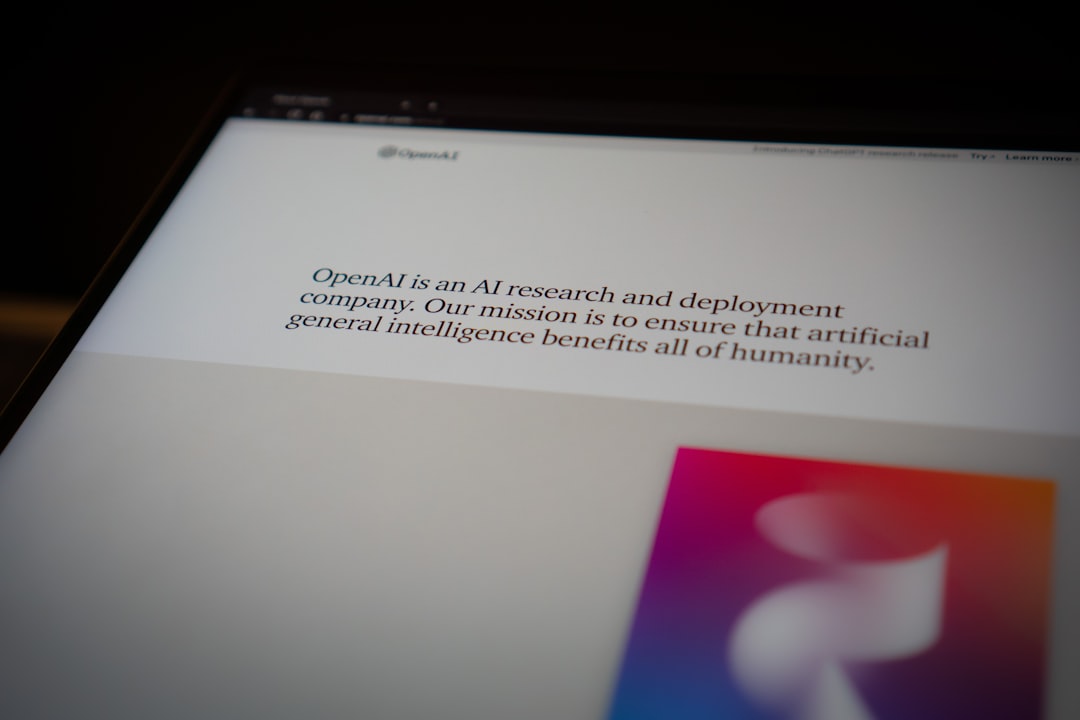
    OpenAI is considering a slowdown in its cutting-edge AI development, as CEO Sam Altman expresses concerns over the safety risks associated with advanced AI systems. This decision comes amid rising apprehensions from employees at various AI firms about the potential dangers of rapid advancements in AI technology. The announcement was made on September 11, 2026, and it has significant implications for the future of AI research and development.

    This potential change in strategy marks a pivotal moment for the AI industry. With Altman urging other AI companies to also consider a similar slowdown, the landscape of AI development could shift dramatically. This decision reflects a growing sentiment within the tech community regarding the ethical implications and safety concerns surrounding AI deployment. As noted by Bloomberg, employees from leading firms have raised public concerns about the increased risks of advanced AI systems, indicating a collective anxiety about the trajectory of AI technologies.

    Impact on AI Project Timelines

    OpenAI’s decision to potentially slow its AI development could lead to significant delays in project timelines across the industry. Many AI researchers and machine learning engineers are currently working on projects that rely on the rapid advancements in AI technologies. If OpenAI and other companies adopt a more cautious approach, it could result in extended timelines for these projects, affecting everything from research breakthroughs to product launches.

    Career Ahead’s analysis indicates that this slowdown may particularly impact projects that are heavily dependent on OpenAI’s technologies, such as natural language processing and generative models. For instance, companies leveraging OpenAI’s API for their applications may need to adjust their development schedules, anticipating longer wait times for updates and improvements. This could have a ripple effect on industries that integrate AI solutions into their operations, from healthcare to finance. As AI systems become more integrated into critical sectors, the implications of delayed timelines could be profound, potentially stalling innovations that could enhance efficiency and effectiveness in these fields.

    Moreover, as AI researchers adjust their timelines, they may also need to reconsider their funding strategies. Many projects are funded based on the assumption of timely deliverables and advancements. A slowdown could jeopardize funding for ongoing and future projects, particularly for startups and smaller companies that rely on venture capital to sustain their operations. According to NDTV, the shift in development pace may lead investors to reassess their commitments, favoring projects that align with a more cautious approach to AI development.

    Ultimately, the implications of delayed project timelines extend beyond individual companies. The entire AI ecosystem could feel the effects, as collaborations and partnerships may also be put on hold, leading to a stagnation in innovation across the field. The potential for decreased collaboration could hinder the sharing of knowledge and resources that is vital for the advancement of AI technologies.

    Shifts in Funding for AI Research and Development

    The potential slowdown in AI development could lead to a reevaluation of funding priorities within the industry. Investors and funding bodies may become more cautious, focusing their resources on projects that demonstrate a commitment to ethical AI practices and safety measures. This shift could create a more competitive landscape for AI startups and researchers seeking funding.

    Career Ahead research finds that as safety concerns become more prominent, investors are likely to prioritize projects that emphasize responsible AI development. This could result in a funding landscape where projects that incorporate ethical considerations and safety protocols are favored over those that do not. Consequently, AI researchers may need to adapt their proposals to align with these evolving funding criteria. The emphasis on safety and ethics is not merely a response to internal pressures but reflects a broader societal demand for responsible AI practices, as highlighted by reports from various tech analysts.

    Furthermore, established companies in the AI space may also reassess their internal funding allocations. With a greater emphasis on safety, companies may redirect resources from aggressive expansion strategies to initiatives focused on improving AI safety and ethics. This could lead to a slowdown in the rapid scaling of AI capabilities, impacting the overall growth of the industry. As noted by Seeking Alpha, the strategic pivot towards safety could redefine how companies approach their development goals, potentially leading to a more sustainable but slower growth trajectory.

    OpenAI Weighs Slowing Cutting-Edge AI Development

    As funding becomes more competitive, AI researchers and engineers will need to demonstrate not only technical expertise but also a commitment to ethical considerations in their work. This may require additional training and awareness of the ethical implications of AI technologies, which could alter the skill sets that are in demand within the industry. As the landscape evolves, the ability to navigate both technical and ethical challenges will likely become a critical competency for professionals in the field.

    In this evolving landscape, the question remains: how will the industry balance the need for rapid innovation with the imperative of ensuring safety and ethical considerations in AI development? The answers to this question will shape the trajectory of AI research and deployment in the years to come. The potential for a more cautious approach could lead to a more thoughtful integration of AI technologies into society, ultimately fostering an environment where innovation and safety coexist.

    Frequently Asked Questions

    What are the implications of slowing AI development for AI researchers?

    The slowdown in AI development may lead to extended project timelines and a reevaluation of funding priorities. Researchers will need to adapt their proposals to align with evolving ethical standards and safety considerations.

    How should ML engineers adjust their project timelines in light of OpenAI’s announcement?

    ML engineers may need to anticipate longer development cycles and adjust their schedules accordingly. Projects relying on OpenAI’s technologies should be prepared for potential delays in updates and improvements.

    OpenAI Weighs Slowing Cutting-Edge AI Development

    What should tech policy analysts consider regarding the ethical implications of AI development?

    Tech policy analysts should focus on advocating for frameworks that ensure the safe and ethical use of AI technologies. Engaging with policymakers to develop guidelines that address bias, transparency, and accountability will be crucial.